
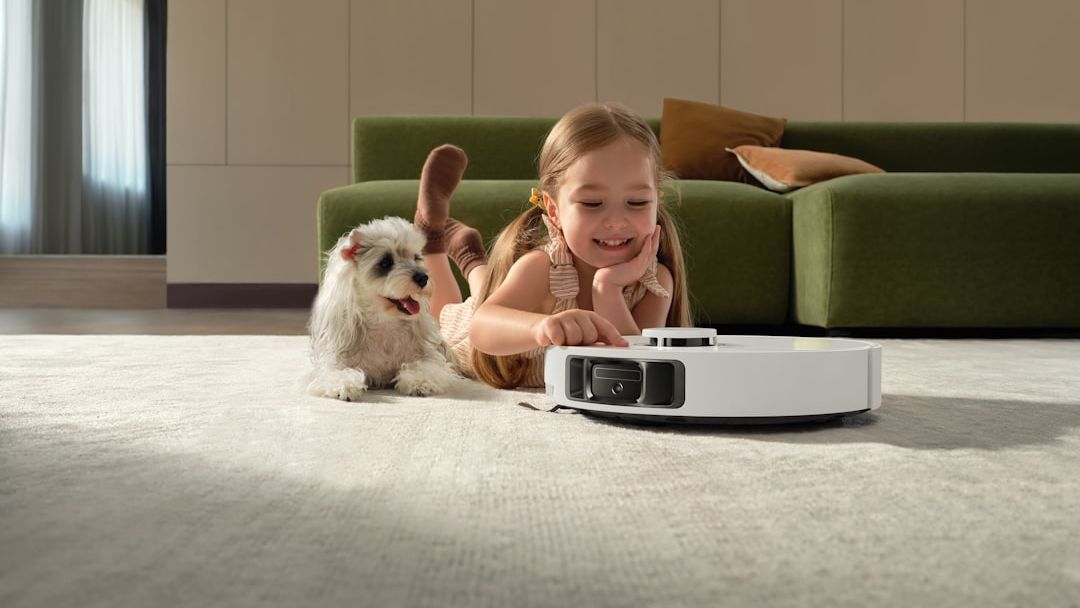
Your home is your sanctuary. It’s where you relax after a long day, kick off your shoes, and breathe easy. For your dog, though, that same cozy environment might actually feel like a sensory minefield. We’re not talking about the obvious culprits like thunderstorms or fireworks here, but the mundane, everyday noises that barely register to us.
Dogs hear many high-frequency noises that are undetectable to the human ear and may cause them to feel stressed. It’s hard to say for sure, but their reality is vastly different from ours. Dogs hear sounds that reach frequencies as high as 47,000 to 65,000 HZ, while we top out at around 20,000. That means an entire universe of sound exists that we simply can’t access. Let’s be real, what you think is a quiet Tuesday afternoon at home might actually be overwhelming for your furry companion. So let’s dive into what’s really going on and what you can do about it.
1. The High-Pitched Beep of Smoke Detectors

Dogs were more likely to have a strong, anxious reaction to high-frequency, intermittent sounds, such as smoke detector warning beeps, than to low-frequency continuous sounds, such as microwave humming. That chirp you keep meaning to fix when the battery’s low? Your dog might actually be in distress every time it goes off.
Here’s the thing, these high-pitched beeps fall right into the range where dogs are most sensitive. Dogs show behaviors in response to smoke detector beeps including proximity-seeking directed toward their owners, as well as panting, howling, and lip licking. The intermittent nature makes it worse because they can’t predict when the next beep will come.
Minimizing exposure may be as simple as changing batteries more frequently in smoke detectors or removing your dog from the room when you’re testing alarms. I know it sounds crazy, but that tiny beep matters more than you think. Some dogs even generalize their fear, associating the entire kitchen or hallway with that stressful sound.
2. Vacuum Cleaners and Their Dreaded Roar
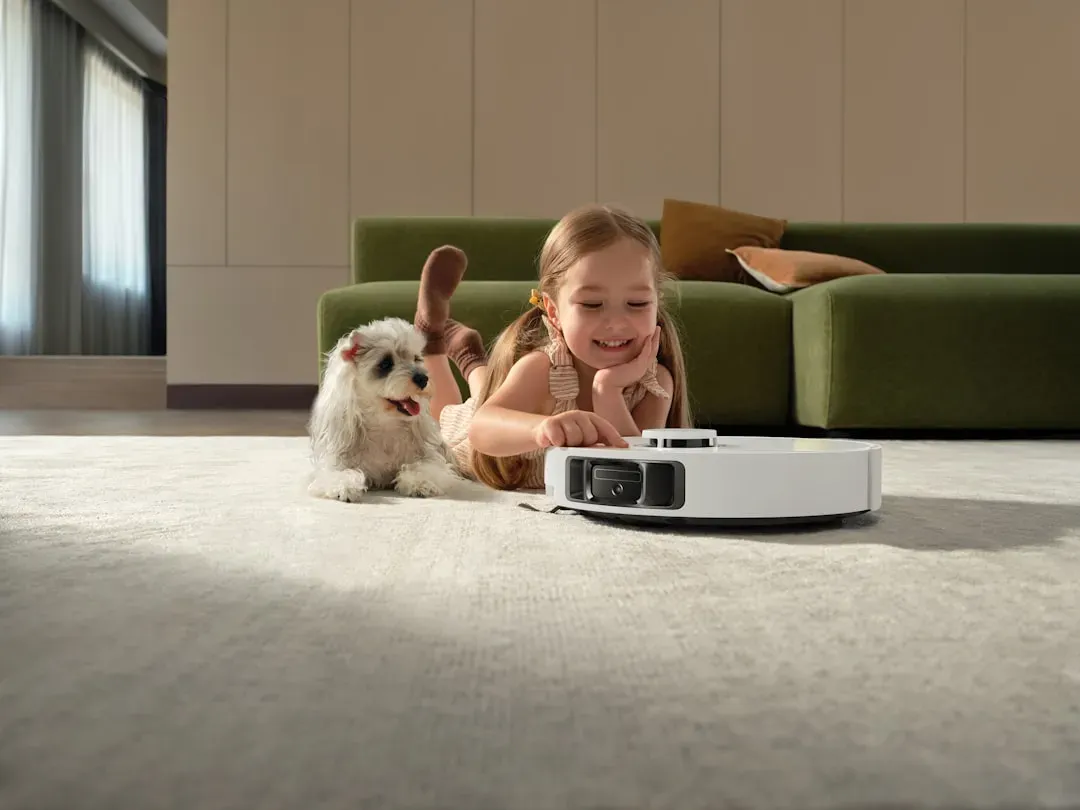
Many dogs don’t like the sound of vacuum cleaners, nail guns, electric drills, loud blenders, and high-efficiency washers that have a loud spin cycle. Vacuums are probably the most notorious household offender. The combination of loud volume, unpredictable movement, and that relentless motor creates a perfect storm of stress.
Dogs can be so distressed by everyday noises like a vacuum cleaner because they sound louder to dogs than to humans, plus dogs can hear high-pitched noises from these devices that we can’t detect. Your dog isn’t being dramatic when they bolt to another room. They’re genuinely uncomfortable.
If possible, try vacuuming when your dog is outside or in another part of the house with the door closed. You can also work on desensitization by letting your dog investigate the vacuum when it’s off, rewarding calm behavior, and gradually introducing the sound at a distance. Playing calming music or turning on the television may help to muffle the sounds. It takes patience, but it’s worth it for their peace of mind.
3. Microwave Beeps and Kitchen Appliances
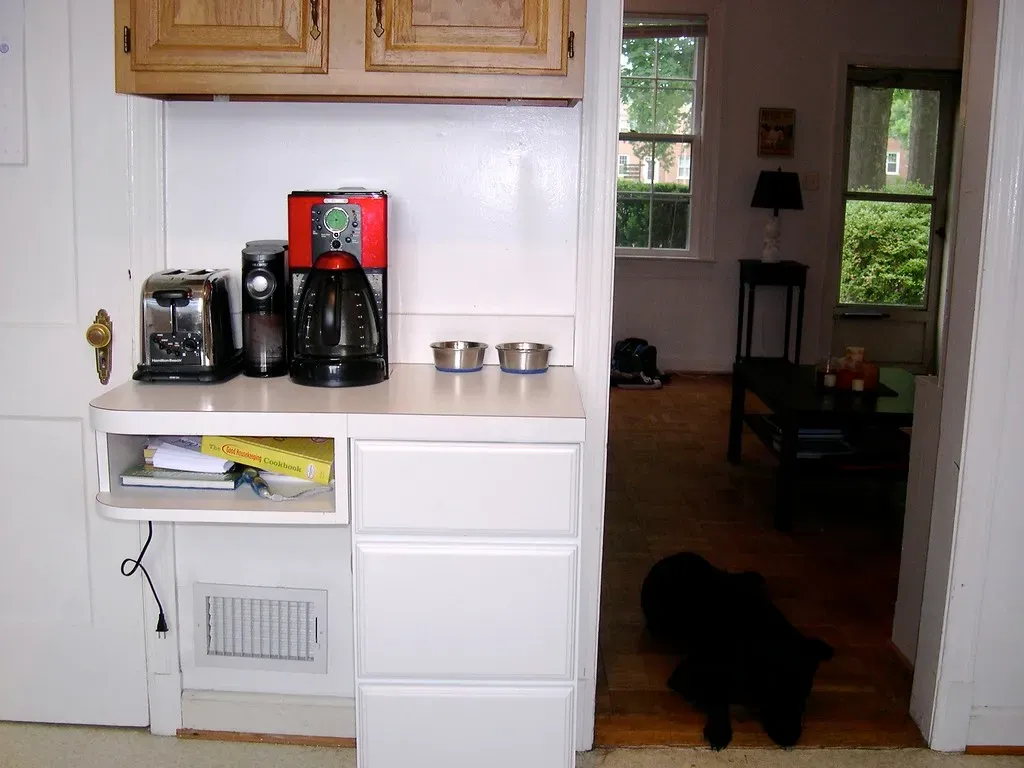
Microwaves, blenders, coffee grinders – our kitchens are basically sound factories. Regular household noises such as microwaves and vacuum cleaners can trigger stress responses in companion dogs. The microwave beep at the end of heating might seem harmless, but to a dog with sensitive hearing, it’s jarring.
Honestly, most of us don’t even think twice about these sounds. There is a mismatch between owners’ perceptions of the fearfulness and the amount of fearful behavior actually present, with some reacting with amusement rather than concern. Your dog might show subtle signs like turning their head away, stiffening, or licking their lips.
Consider muting your microwave if possible, or at least being mindful of where your dog is when you’re using loud appliances. Removing a dog from a room where loud noises might occur can make a real difference. You might also try giving them a special treat or toy during kitchen activities to create positive associations instead of stressful ones.
4. Doorbells and Sudden Alert Sounds
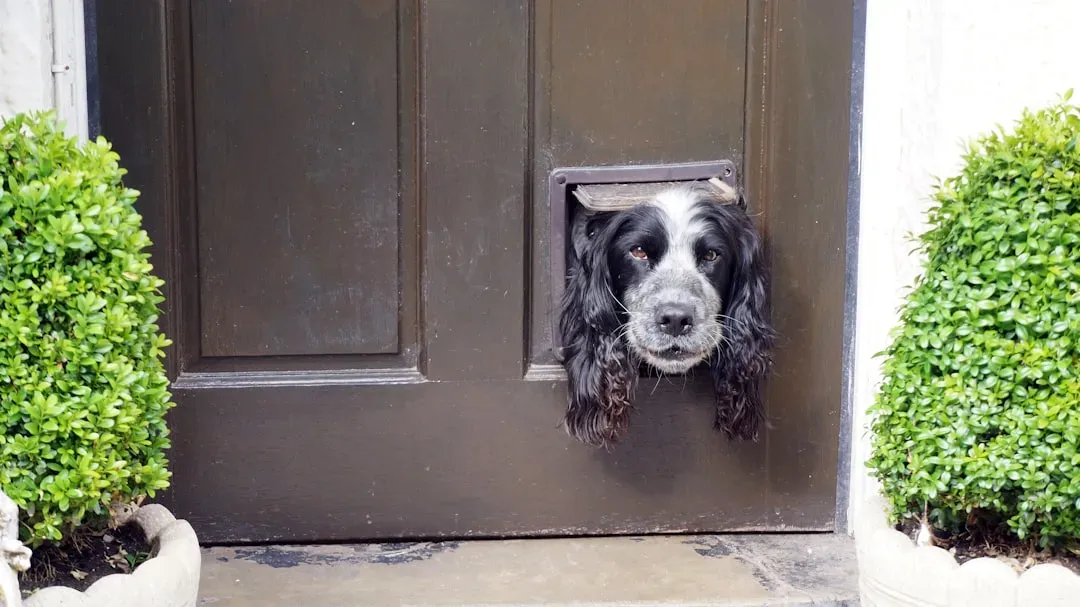
Electronic doorbells, smoke detectors, microwave ovens, vehicle backup alerts, carbon monoxide test beeps, Roombas, electric fences, insect zappers, ultrasonic rodent deterrents all produce high-frequency sounds in our homes. Doorbells are particularly tricky because they’re not just loud – they signal unpredictability.
Every time that doorbell rings, your dog doesn’t know what’s coming next. Will it be a friendly neighbor? A scary delivery person? The sudden, sharp sound combined with the anticipation of something unknown happening creates a double anxiety whammy. Dogs react fearfully to loud, high-pitched or unusual sounds including the noise of objects falling, phones beeping or ringing, cars idling, and while most dogs might be startled and move on, a sound-sensitive dog does not recover from that initial reaction.
Training can help here. You can desensitize your dog to the doorbell by playing doorbell sounds at low volume while giving treats, gradually increasing the volume over time. In a controlled and positive environment, gradually expose your dog to the stimulus giving them anxiety, playing a recording of a low-level noise at first and gradually increasing the volume. Creating a safe space away from the door can also give them somewhere to retreat when visitors arrive.
5. Electronic Devices and Phantom Noises

Bells, door knocks, cats meowing, plastic bags popping or rustling, metallic sounds, keys jingling, camera clicking, opening of can drink, or plastic bottle crunching are all sounds that can produce strong aversive reactions in dogs. Think about all the electronic notifications, phone alerts, tablet sounds, and TV audio that fills your home throughout the day.
Does your dog get upset when you take photographs using a flash? That may be noise anxiety as the flash may remind your dog of lightning. Dogs can develop associations between sounds and negative experiences that we’d never even consider. The click of a camera might seem random to us, but to a noise-sensitive dog, patterns emerge.
If it seems like your dog is stressed by something but you can’t identify it, consider they may be hearing something you can’t, so be sure to change out batteries in items like smoke detectors often and turn electronics off if you’re not watching them, as humans may not notice background noises but they can be a source of stress for dogs. Turn off the TV when you leave. Silence unnecessary notifications. These small changes can create a calmer acoustic environment for your pup.
How to Help Your Noise-Sensitive Dog

Reported prevalence of noise sensitivities in domestic dogs varies by study, but often ranges as high as 50%. You’re not alone if your dog struggles with everyday sounds. First step? Whenever possible, avoid or minimize exposure to the sounds that frighten your dog, as continued exposure without relief will likely increase their fear and anxiety.
Create a safe space where your dog can retreat. Provide the dog with a safe place to go, whether it’s a crate, closet, or under the bed, and make their go-to spot as insulated and welcoming as possible. Think blankets, favorite toys, maybe even a white noise machine to mask sudden sounds.
Use white noise or turn on a noisy bathroom exhaust fan to muffle the sounds, as music therapy may promote calm and reduce the salience of sounds that trigger anxiety. Desensitization training can be incredibly effective if you have the time and patience. Providing rewards such as food or play to create positive associations with noises is one of the most effective training methods and may change dogs’ emotional responses to noise, as relaxation training and training with audio recordings can improve noise fears in dogs.
Dogs who display fear or anxiety when they hear loud or sudden noises should be assessed for pain by veterinarians, as dogs with musculoskeletal pain developed a greater sensitivity to noise. Sometimes what looks like pure anxiety is actually physical discomfort. Never hesitate to consult your vet if your dog’s noise sensitivity seems severe or is getting worse.
Final Thoughts

Living with a noise-sensitive dog requires awareness and empathy. Because dogs have a wider range of hearing, some noises could also be potentially painful to a dog’s ears, such as very loud or high-frequency sounds. What seems trivial to us can genuinely impact their wellbeing and quality of life.
The good news? Small changes can make a massive difference. Change those smoke detector batteries, be mindful about appliance use, create quiet zones, and consider desensitization training. Dogs use body language much more than vocalizing and we need to be aware of that, as we feed them, house them, love them and we have a caretaker obligation to respond better to their anxiety.
What sounds have you noticed stress out your dog? Have you found any strategies that really work? Share your experiences – you might help another pet owner who’s struggling with the same challenges.
