
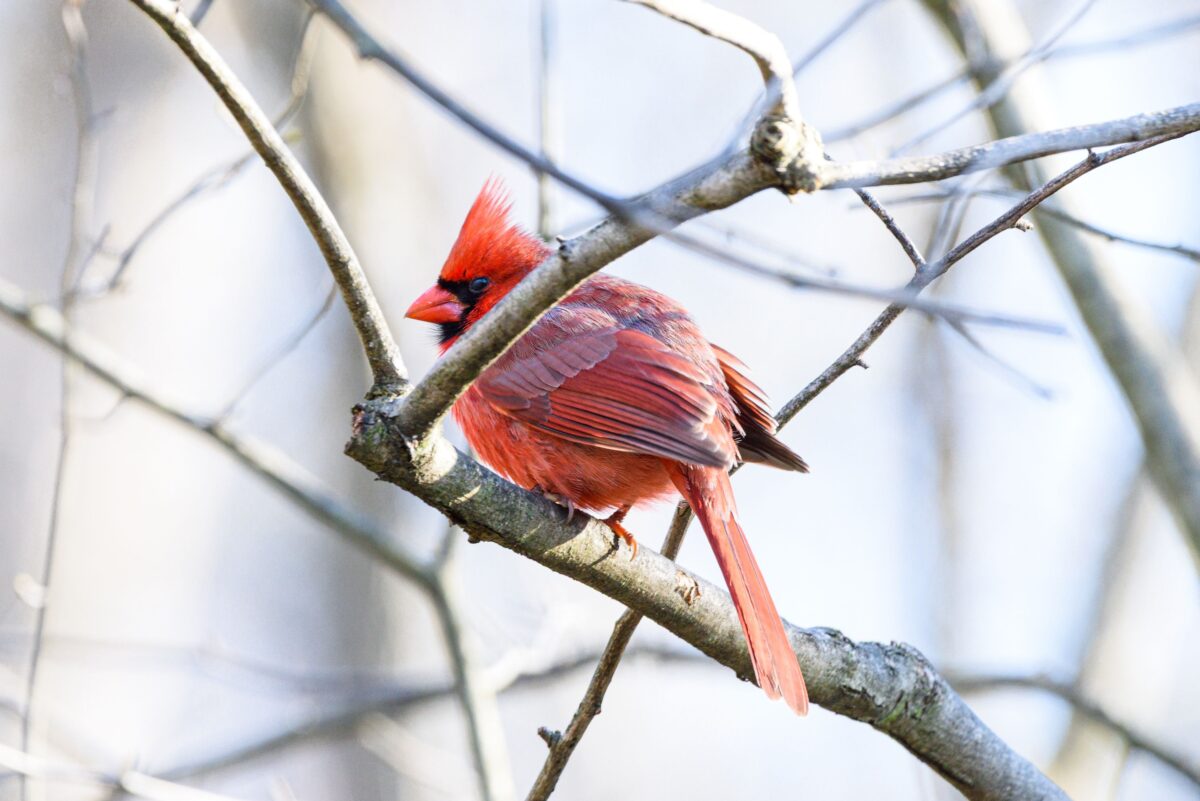
Ask almost anyone over the age of seventy about storm signs, and chances are they will mention birds long before they mention phone alerts or radar maps. Cardinals, with their blazing red feathers and clear, ringing calls, have always stood out as natural barometers. Long before weather apps, people watched them to guess if rain, wind, or even a nasty thunderstorm was coming.
Modern science is still catching up with a lot of that old wisdom. We know birds can sense shifts in air pressure, humidity, and wind, but not every story passed down is perfectly accurate. What is fascinating, though, is how many of those observations line up with what biologists see today. Let’s dig into five behaviors cardinals often show before a storm that older generations were quick to notice, and what might really be going on behind those bright black eyes.
#1 They Go Quiet and Call Less
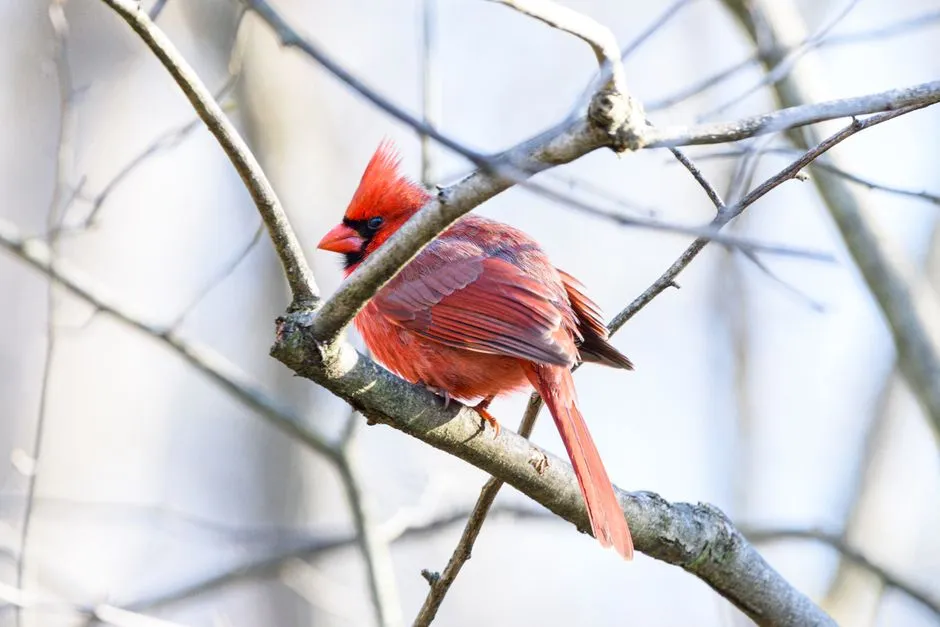
One of the most striking “uh oh, something’s coming” moments in nature is when the backyard suddenly goes quiet. Many older folks used to say that when the cardinals stopped singing, it meant you had better bring in the laundry. There’s some truth buried in that: as storms approach, cardinals and many other songbirds tend to reduce high-energy, attention-grabbing songs and calls, especially during the day.
From a scientific perspective, this makes sense. Song takes effort and draws attention, and a storm means higher risk and less time for showy behavior. When barometric pressure drops and winds pick up, a cardinal’s priorities shift from defending territory and attracting a mate to staying alive and conserving energy. So if your usually chatty neighborhood cardinal suddenly goes mostly quiet while the sky darkens, you’re probably not imagining it.
#2 They Feed in Quick, Intense Bursts
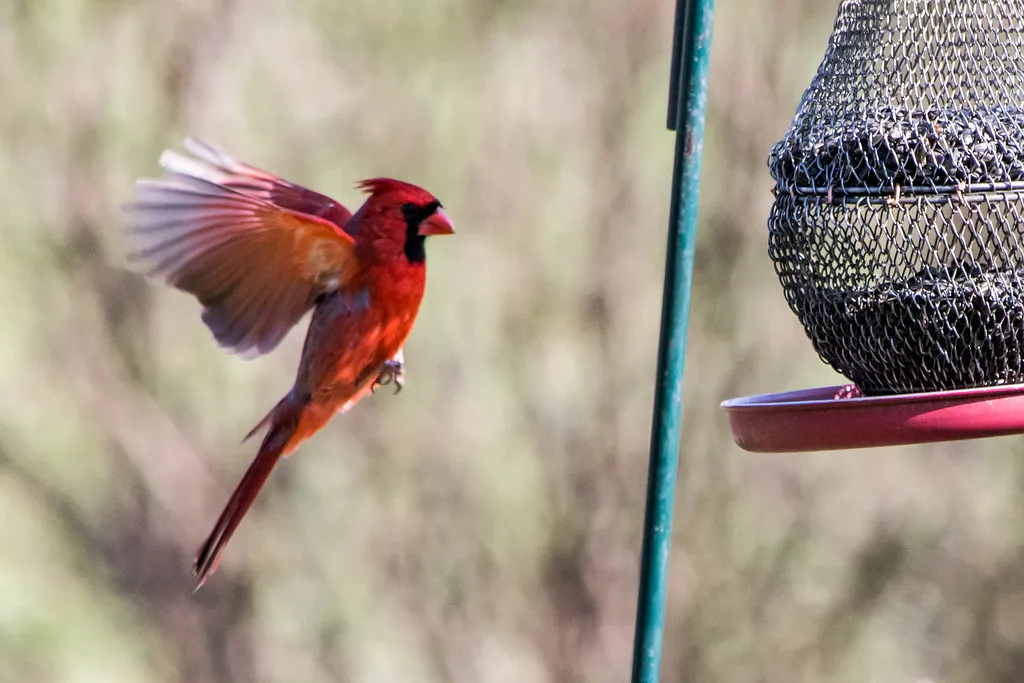
Many grandparents swore that when cardinals start hitting the feeder like there’s no tomorrow, rain is on the way. You might notice them darting in and out rapidly, grabbing seeds almost frantically. Studies on various songbirds show they often change their feeding patterns ahead of storms, likely because they can sense the coming bad weather through pressure changes and shifts in wind and humidity.
The logic is pretty down to earth: a storm can make food harder to reach and foraging more dangerous, so it is smart to “stock up” when conditions are still manageable. In my own yard, I have seen entire small flocks of cardinals and sparrows arrive within an hour, feed hard, and then vanish just before a heavy downpour. It can look dramatic, and while it is not a perfect forecast, that burst of activity is often a clue that the birds know something your weather app has not pinged you about yet.
#3 They Drop Lower and Stay Closer to Cover
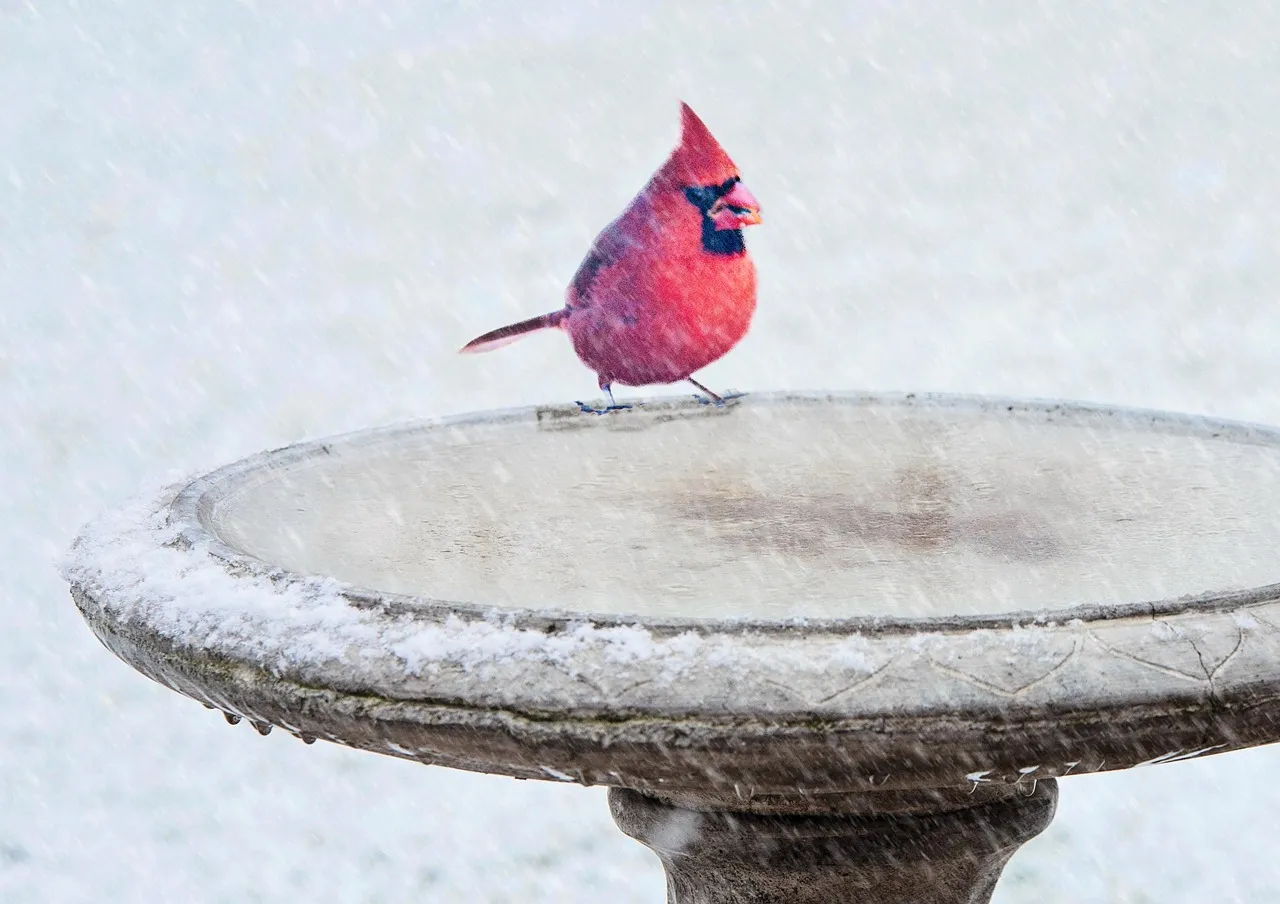
Older generations often talked about birds “flying low” before a storm, and cardinals are a textbook example. Instead of perching high on the very top of a tree or power line, they shift to mid-level branches, dense shrubs, or hedges. You might still see them, but they feel more tucked in, less exposed, almost like they are hugging the landscape.
This behavior is likely a mix of pure physics and survival instinct. Strong winds are more intense higher up, and heavy rain or hail can be brutal if you are sitting on an open branch. By dropping down into thicker vegetation, cardinals get a buffer against wind and driving rain, and they have faster escape routes from predators also rattled by the changing weather. When the sky turns weird and your usual “king of the treetop” cardinal is suddenly buried two feet inside a dense bush, that is your cue that the environment has shifted.
#4 They Fluff Their Feathers and Hunker Down
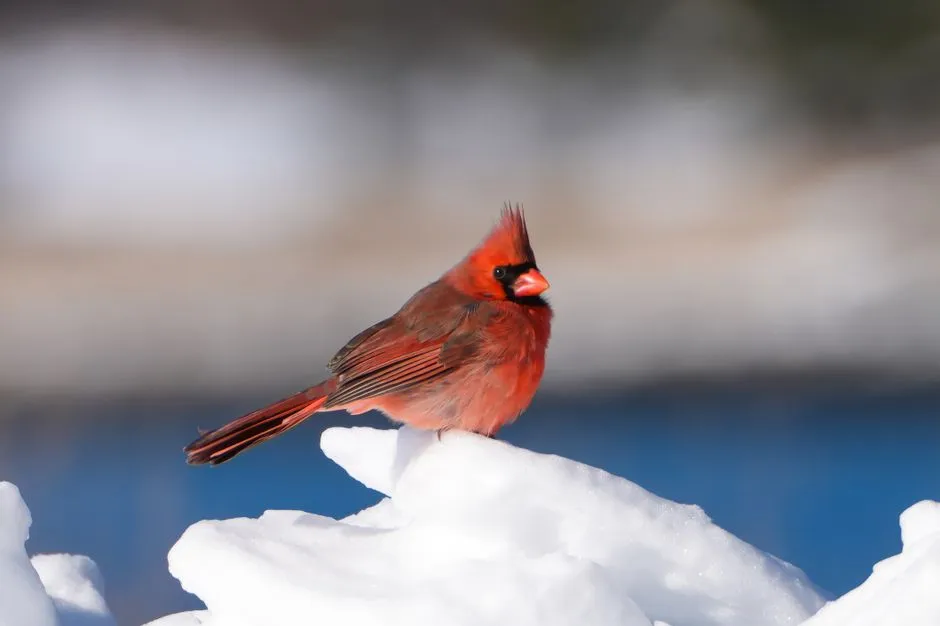
Another thing my own older relatives would point out was how “puffy” the cardinals looked before a storm. That puffed-up look is not them being cute for your photos; it is a clever way to trap more air in their feathers, which works like insulation. As storms roll in, temperatures can drop and winds can strip away body heat quickly, especially for small birds with high metabolic rates.
By fluffing their feathers and pressing tighter to a branch or into foliage, cardinals build a little personal storm shelter with their own body. They reduce the surface area exposed to wind and protect vital areas like the chest. You might spot a cardinal sitting almost motionless, feathers rounded out, eyes half-lidded, long before the first raindrop hits your window. It can look a bit eerie, like they are waiting out something you cannot quite see yet, which in a way is exactly what they are doing.
#5 They Vanish from Open Spaces Altogether
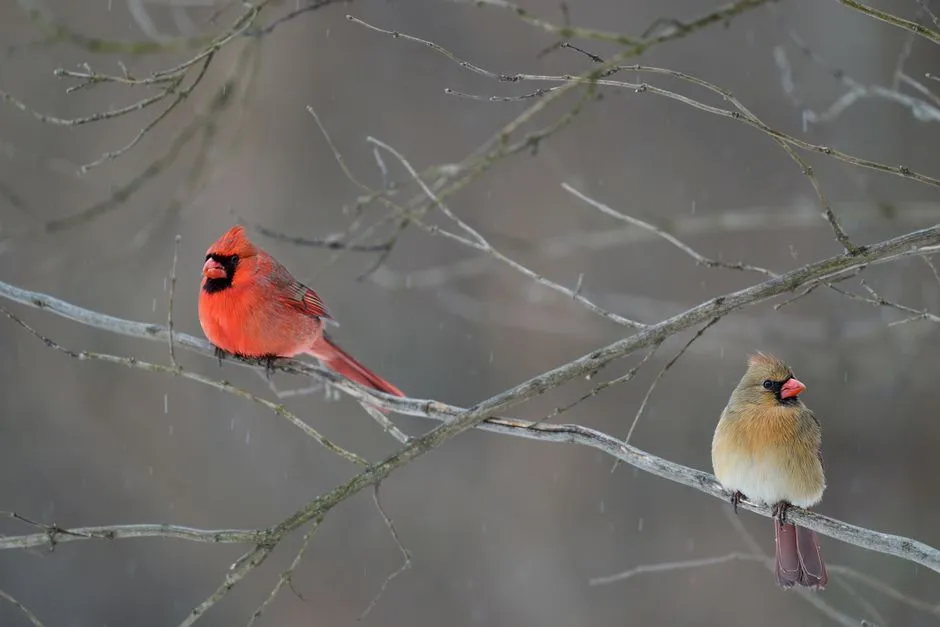
One of the most unsettling signs older people always mentioned is when the birds are just… gone. Cardinals that were reliably at the feeder at certain times vanish from the yard, leaving the place weirdly empty and still. While it might feel dramatic to say they “knew” a storm was coming, it is likely that subtle environmental cues told them it was safer to retreat to deeper cover away from lawns, open feeders, and exposed branches.
Scientists have documented that many bird species alter their movements and habitat use before and during storms, sometimes traveling surprisingly far to find safer areas. With cardinals, that may simply mean slipping into dense thickets, deeper forest edges, or sheltered corners you cannot see from your window. When the red flashes disappear and the yard feels abandoned right as the air turns heavy and the wind shifts, it is probably not your imagination. They have simply moved to where the storm’s punch will be softer.
Opinionated Conclusion: Are Cardinals Really Better Forecasters Than We Are?
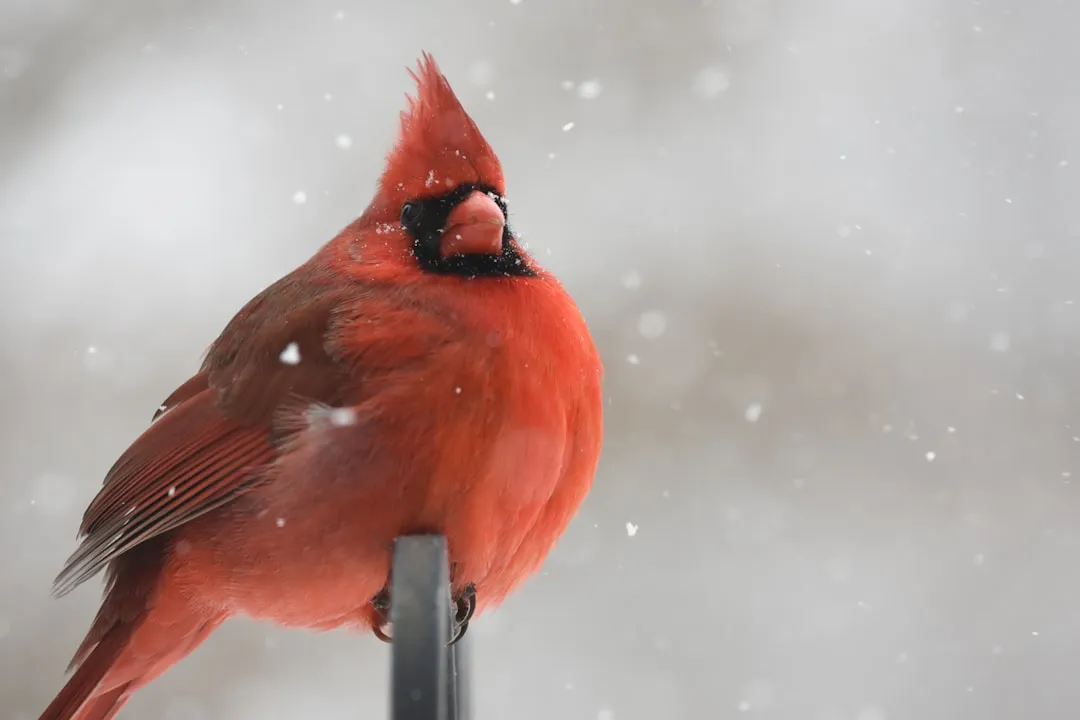
So are cardinals magical little meteorologists, or are we just reading stories into normal bird behavior? In my view, it is a bit of both. There is solid science behind birds reacting to dropping pressure, changing wind, and sudden temperature swings, and older generations were genuinely sharp observers of those patterns. At the same time, not every quiet afternoon with a shy cardinal means a storm is brewing, and it is easy for us humans to see patterns we want to see.
Still, I think we underestimate how tuned in these birds are to the world we share with them. Watching cardinals before a storm is not just folksy superstition; it is a reminder that nature is constantly sensing and responding to things we barely notice. Maybe the real lesson is not that cardinals can predict the weather better than our phones, but that we have forgotten how to pay attention the way our grandparents did. Next time the sky looks strange and the backyard goes silent, will you trust the red bird on the fence as much as the radar on your screen?

- What Eagle Are You According to Your Zodiac Sign - August 15, 2026
- 8 Things Secretary Birds Do to Snakes That Make Them Extraordinary Hunters - August 15, 2026
- 7 Reasons Wolverines Survive in Places Most Predators Cannot - August 15, 2026