
Worried about unexpected vet bills?
Pet insurance can cover thousands in unexpected vet costs. Get a free quote from Lemonade in under 2 minutes.
Get My Free Quote →Sponsored · Opens Lemonade.com
When you think about the American cattle industry, sprawling ranches and endless grasslands probably come to mind. The reality is even more impressive than the imagery. Across the United States, bulls play a critical role in maintaining beef production, breeding programs, and the economic vitality of entire regions.
These aren’t just statistics on a spreadsheet. They represent a living, breathing industry that feeds millions and supports countless families. Let’s dive into the states where bulls dominate the landscape and drive the heart of American agriculture.
Texas: The Undisputed Champion of Bull Country
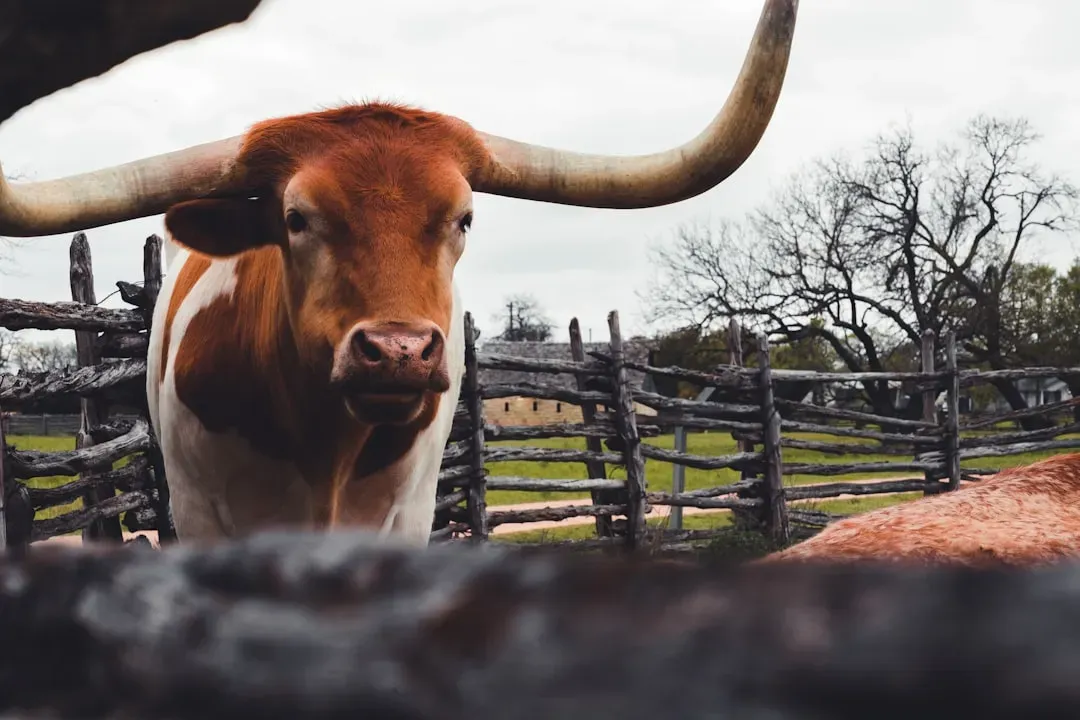
Texas remains the dominant cattle-producing state, with its inventory reaching 12.2 million head, solidifying its legendary status in the cattle world. Walking through Texas ranching territory feels like stepping into the soul of American agriculture itself.
Bulls in Texas total 320 thousand head, a figure that reflects the state’s massive breeding operations. The Lone Star State isn’t just big in size, it’s colossal in agricultural output.
In 2022, cattle accounted for $15.5 billion of the state’s total $32.2 billion in agricultural production. Think about that for a second. Nearly half of Texas’s entire agricultural economy rides on the backs of these animals.
The state’s vast rangelands provide ideal conditions for raising cattle. From the grasslands of the Hill Country to the sprawling plains of West Texas, every region contributes to this bovine empire. Texas ranchers have perfected breeding programs over generations, creating bulls that thrive in hot, varied climates.
Texas holds the number one ranking by a wide margin, boasting 4,075,000 beef cows. This infrastructure supports an enormous bull population needed to maintain breeding cycles. It’s hard to overstate how deeply cattle ranching is woven into the fabric of Texas identity and economy.
Nebraska: The Quiet Powerhouse
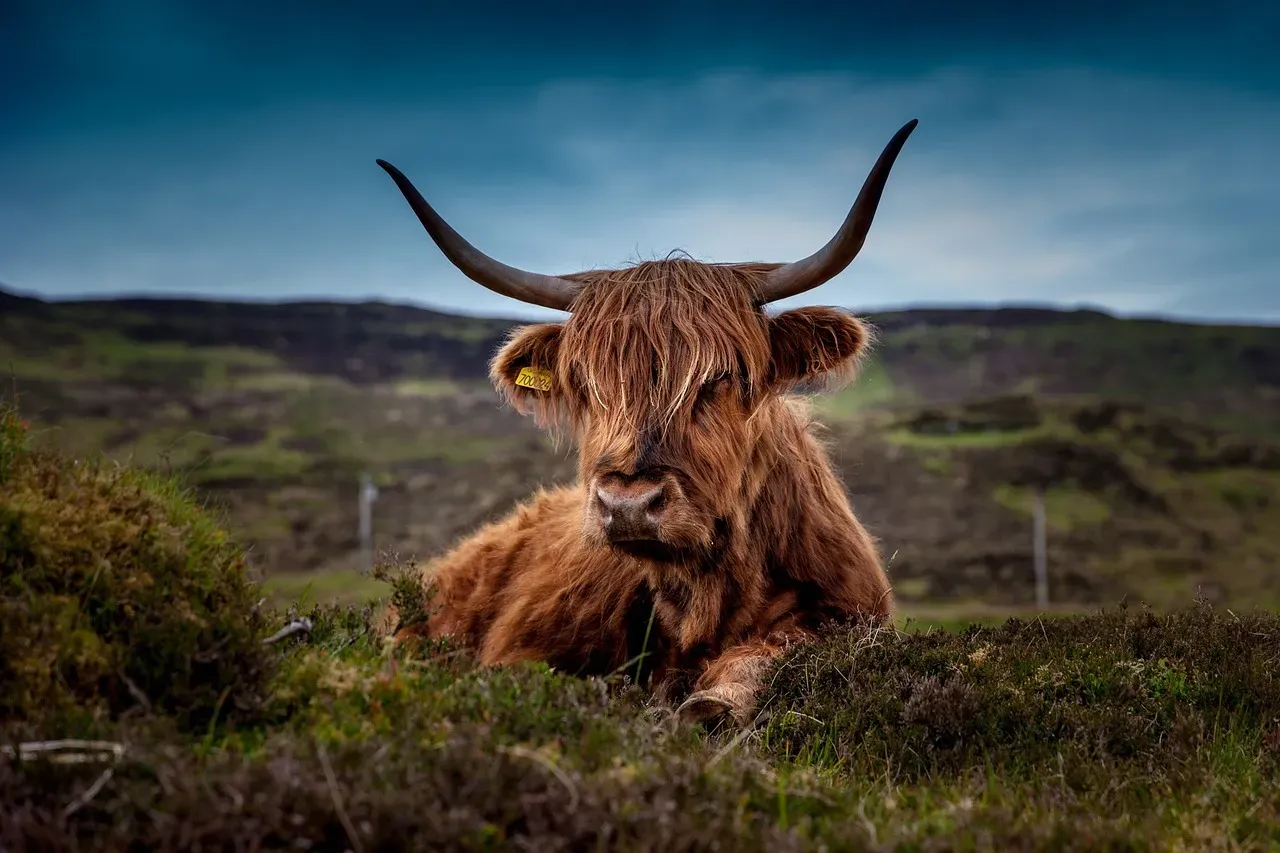
Nebraska follows with 6.05 million cattle heads, making it a heavyweight despite its smaller geographic footprint compared to Texas. Nebraska isn’t flashy about its cattle dominance, yet its contribution is undeniable.
Beef production is the largest sector of agriculture in Nebraska, and Nebraska is the only state that is a national leader in every aspect of beef production. From cow-calf operations to processing plants, Nebraska has mastered the entire supply chain. The Sandhills region provides some of the finest grazing land in North America.
Nebraska’s strategic location in the Corn Belt gives it a massive advantage. Feed availability directly impacts the profitability and scale of cattle operations. Bulls here are bred for efficiency and hardiness, traits essential for surviving harsh winters and thriving on prairie grasses.
The state’s commitment to cattle extends beyond numbers. Ranching families pass down knowledge through generations, creating a culture where bulls aren’t just livestock but legacies. Cherry County alone has earned recognition as one of the most productive beef cattle regions in the entire country.
Nebraska has a cattle count of 6,500,000, resulting in a ratio of 3.31 cattle per person. That means cattle outnumber people more than three to one. Let’s be real, that’s pretty remarkable for any state.
Kansas: Where Tradition Meets Innovation
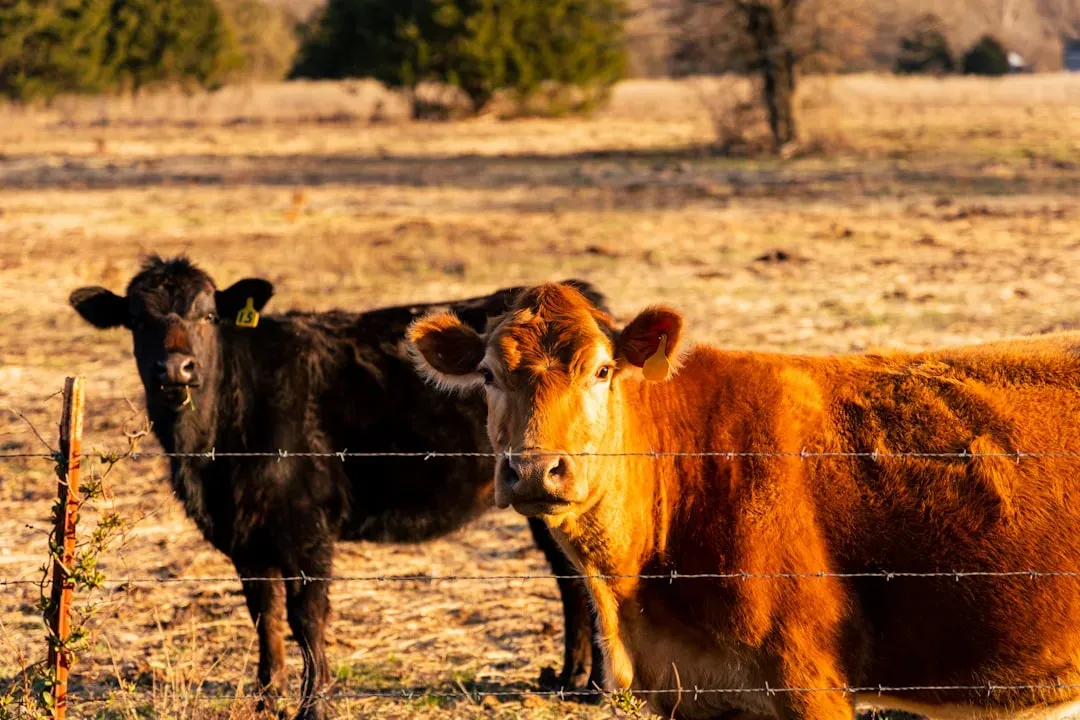
Kansas ranks third with 5.95 million cattle, maintaining its position as a Great Plains powerhouse. Kansas embodies the classic image of cattle country with its rolling prairies and historic stockyards.
The state’s beef production infrastructure is second to none. Kansas feedlots prepare cattle for market with precision and scale that few regions can match. Bulls in Kansas serve dual purposes: maintaining breeding herds and supplying genetics to operations nationwide.
Kansas surpasses the 1 million mark in beef cows, reflecting deep-rooted ranching traditions and expansive grazing lands. These traditions aren’t stuck in the past, though. Modern Kansas ranchers blend time-tested practices with cutting-edge breeding technology.
Kansas also benefits from excellent transportation networks. Bulls and cattle move efficiently to markets across the country, making Kansas a hub for the entire industry. The state’s climate, while occasionally challenging, produces tough, resilient animals.
Honestly, Kansas doesn’t always get the credit it deserves. While Texas grabs headlines, Kansas quietly produces world-class cattle year after year. Their bulls are sought after by ranchers who know quality when they see it.
Oklahoma: The Southern Plains Stronghold
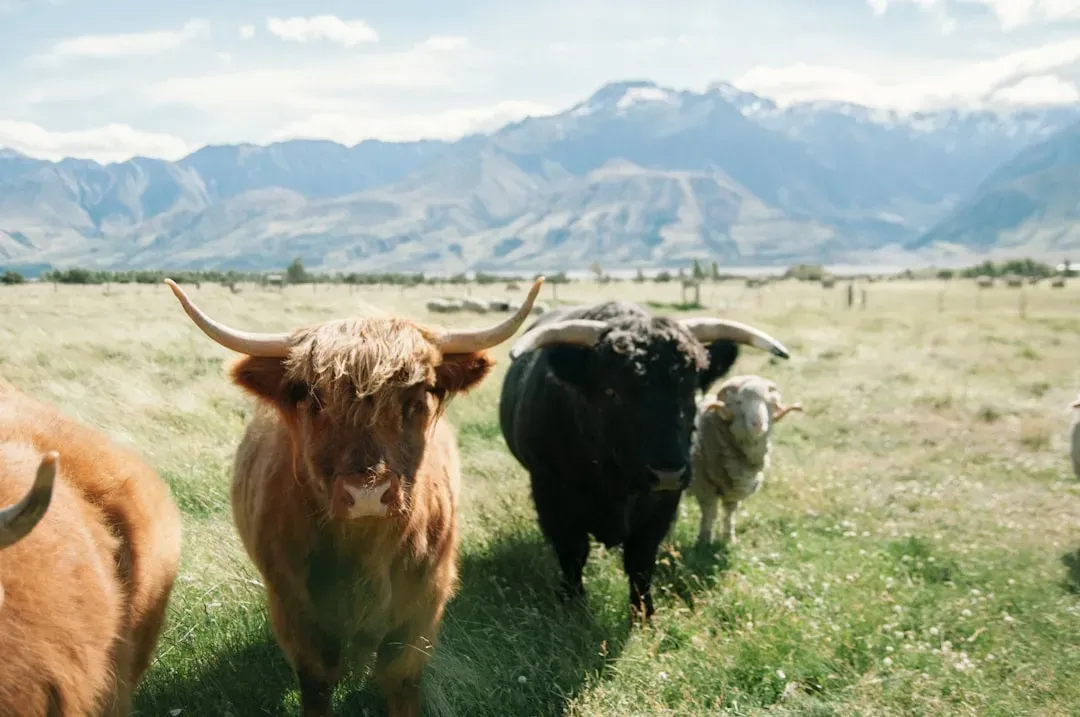
Oklahoma ranks fifth with 4.6 million cattle, securing its place among the nation’s elite cattle states. Oklahoma’s ranching heritage runs deeper than most people realize, dating back to the legendary cattle drives of the Old West.
Oklahoma follows in second place with 1.95 million beef cows specifically for beef production. The state’s diverse geography, from red dirt plains to lush Osage Hills, supports various cattle operations. Bulls here adapt to environments ranging from scorching summers to unpredictable weather patterns.
The cattle and calf industry is the most profitable agricultural enterprise in Oklahoma, and Oklahoma City’s Stockyard City is the home of the largest stocker/feeder cattle market in the world. This isn’t just historical trivia. It means Oklahoma remains central to national cattle commerce today.
The Osage Hills region deserves special mention. Its bluestem pastures create ideal conditions for fattening cattle, and bulls raised here develop exceptional characteristics. Many operations focus on producing quality breeding stock, with bulls shipped nationwide.
Oklahoma ranchers maintain a proud tradition of innovation. They’ve developed breeds like the Brangus, a Brahman-Angus cross perfectly suited to Southern climates. Bulls bred in Oklahoma carry genetics that help herds thrive in heat and humidity.
The state’s central location also provides logistical advantages. Whether shipping bulls north to the Dakotas or south to Texas, Oklahoma sits at the crossroads of American cattle country. It’s hard to overestimate how much this geographic position benefits the industry.
California: The Unexpected Contender
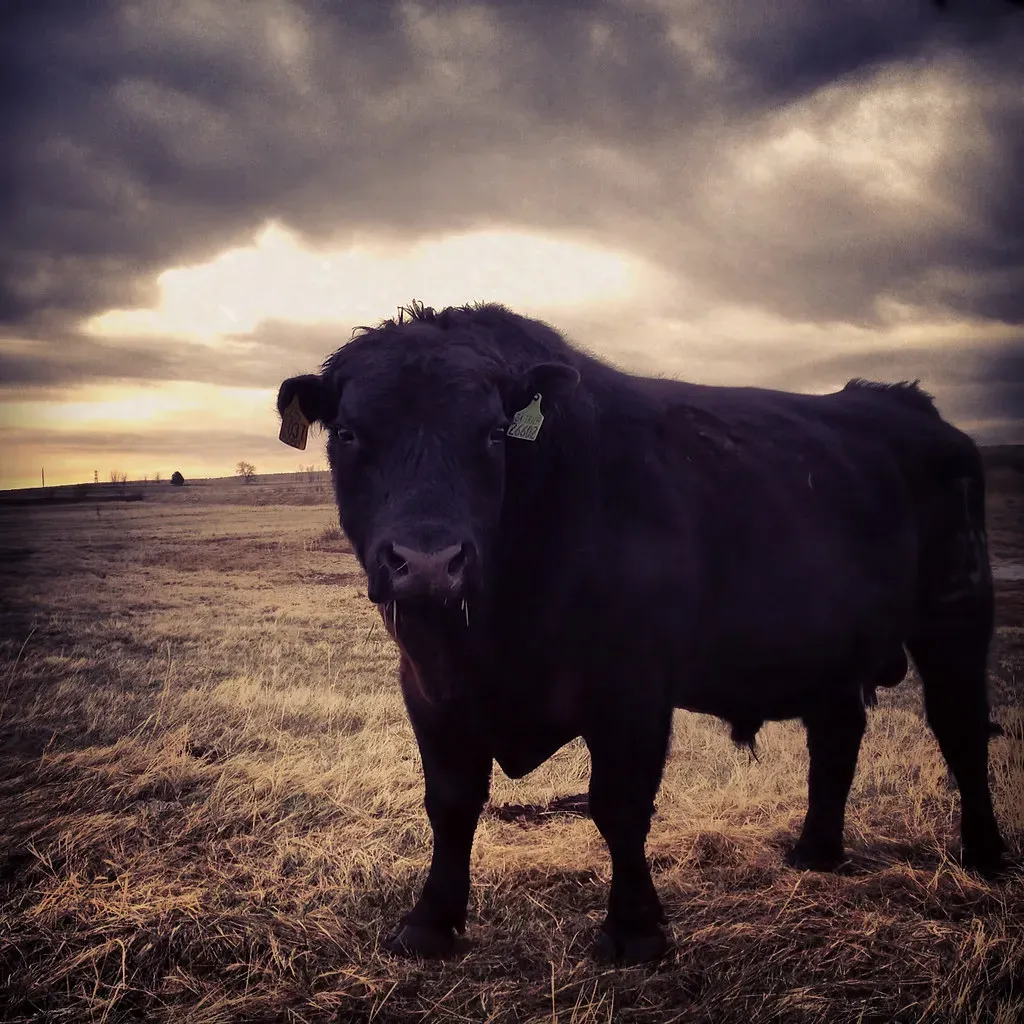
California holds fourth place with 5.05 million cattle heads, a figure that surprises many people unfamiliar with the state’s agricultural diversity. Most folks think of California and picture beaches or Hollywood, not cattle ranches.
California has a strong dairy industry that contributes significantly to its total cattle population. While dairy operations dominate certain regions, beef cattle and bulls remain crucial to California’s agricultural economy. The state’s varied climate zones support different types of operations.
Northern California ranches operate differently than their southern counterparts. Coastal regions benefit from mild temperatures and ample rainfall, while inland valleys provide vast grazing areas. Bulls in California must adapt to diverse conditions, from foggy coastlines to arid inland regions.
California’s agricultural innovation extends to cattle breeding. Ranchers here experiment with genetics and management practices that push industry boundaries. Bulls developed in California often incorporate traits for efficiency and environmental adaptability.
The state faces unique challenges too. Water availability, land costs, and environmental regulations create pressures unknown in other cattle states. Yet California ranchers persist, maintaining operations that contribute substantially to national beef production.
I think what’s most interesting about California’s cattle industry is how it defies stereotypes. While the state pursues progressive policies in many areas, its ranching community maintains deep agricultural roots. Bulls here represent a connection to California’s frontier past that still thrives today.
Conclusion
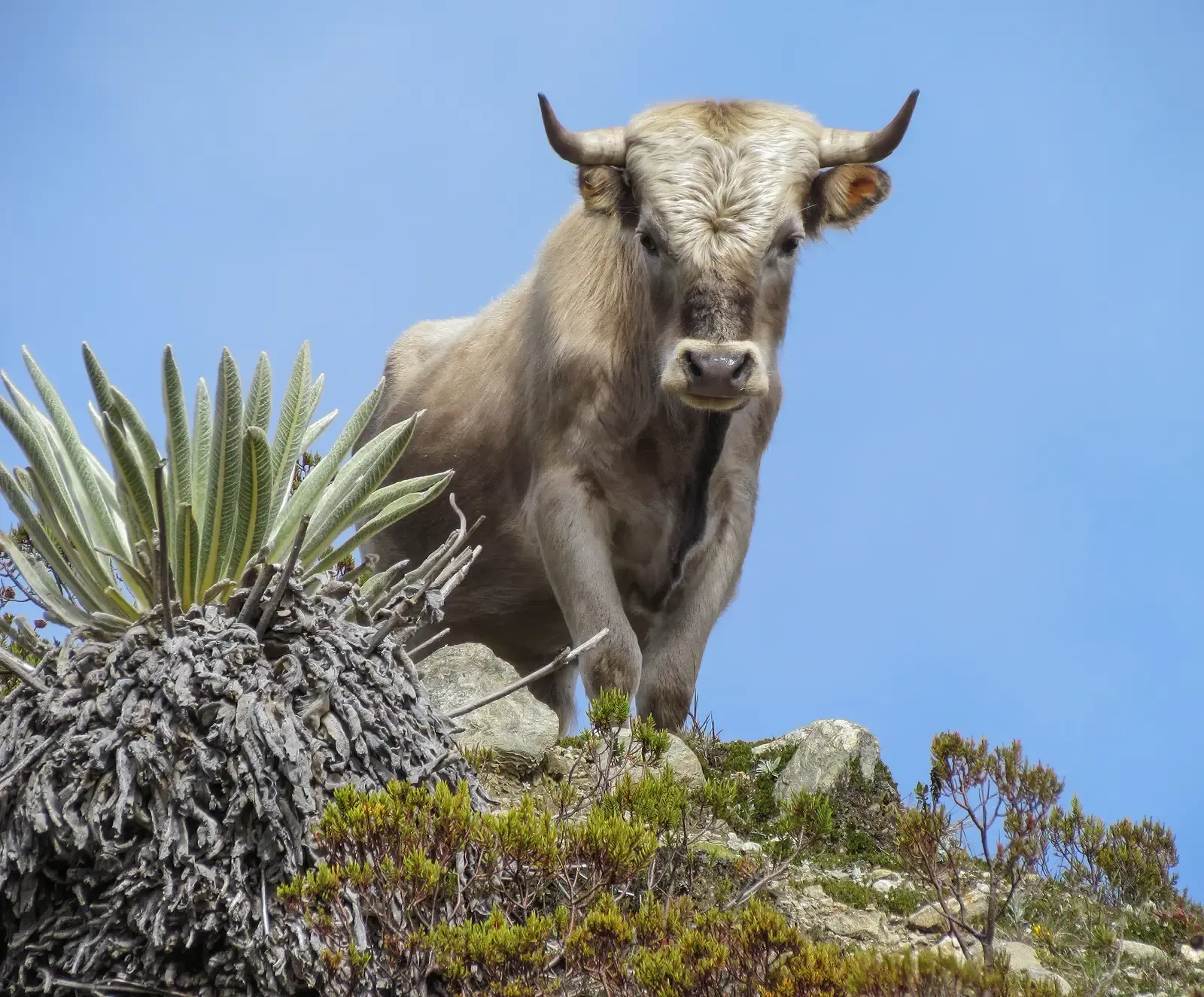
The distribution of bulls across these five states reveals how geography, climate, and tradition shape American agriculture. The top 5 beef-producing states account for almost 40% of the US cattle, demonstrating their outsized importance to the national industry.
Each state brings something unique to the table. Texas offers scale and heritage. Nebraska provides efficiency and comprehensive production capabilities. Kansas balances tradition with innovation. Oklahoma serves as a commercial hub with deep historical roots. California surprises with its agricultural diversity and adaptability.
Bulls weighing 500 pounds and over totaled 2.01 million head nationally, representing the breeding foundation for America’s beef industry. These animals aren’t just numbers, they’re the genetic engine driving an industry that feeds the nation.
The cattle industry faces challenges ahead, from climate uncertainties to changing consumer preferences. Yet these five states demonstrate resilience and commitment to maintaining America’s position as a global beef leader. What’s your take on the importance of cattle ranching to American agriculture? The numbers speak for themselves, don’t they?
Worried about unexpected vet bills?
Pet insurance can cover thousands in unexpected vet costs. Get a free quote from Lemonade in under 2 minutes.
Get My Free Quote →Sponsored · Opens Lemonade.com
