


Picture this: you lean in for a sweet snuggle with your furry best friend, only to be knocked back by breath that could clear a room. That stinky doggy breath might seem like just another quirky pet trait, yet it often signals something much more serious happening beneath those adorable whiskers.
Studies show that up to 80% of dogs develop some form of dental disease by the age of three, meaning your pup could be silently suffering from painful oral health issues. What starts as innocent plaque buildup can snowball into infections that can cause tooth loss, painful abscesses and systemic infections throughout your dog’s entire body, with increased risk of permanent jaw damage and heart disease. The good news is that keeping those pearly whites sparkling doesn’t have to feel like wrestling a furry tornado. Let’s dive into five game-changing strategies that’ll transform your dog’s dental routine from dreaded chore to tail-wagging success.
Brush Those Canine Chompers Regularly
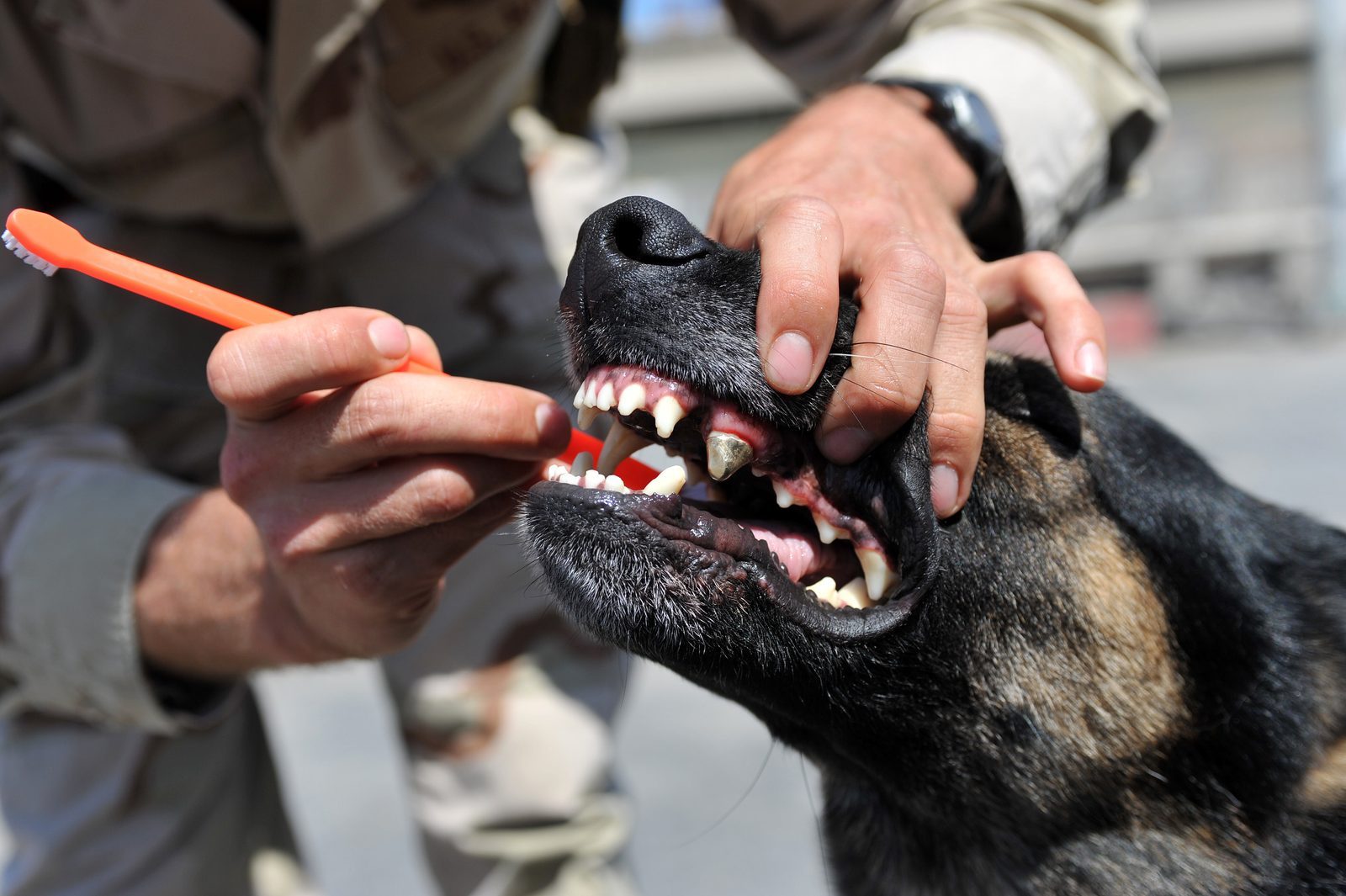
Here’s something that might surprise you: brushing your dog’s teeth is an excellent way to prevent plaque buildup, even though it sounds completely ridiculous at first. Think of it like teaching your dog to sit or stay, except instead of treats, the reward is avoiding expensive dental surgery down the road.
You don’t need to brush your dog’s teeth daily, although the more often the better. Most dogs aren’t too fond of the idea at first, but you can easily train your dog to have his teeth brushed the same way you would to have his nails trimmed. The secret is patience and making it feel like a game rather than a wrestling match.
Start by letting your dog taste a little bit of the toothpaste, then put some toothpaste on your finger and rub your finger on your dog’s teeth and gums. Some dogs truly enjoy having their teeth brushed because canine toothpaste is usually flavored to suit a dog’s taste buds with chicken, beef, and peanut butter being the most popular flavors.
Try Dental Wipes for Stubborn Pups
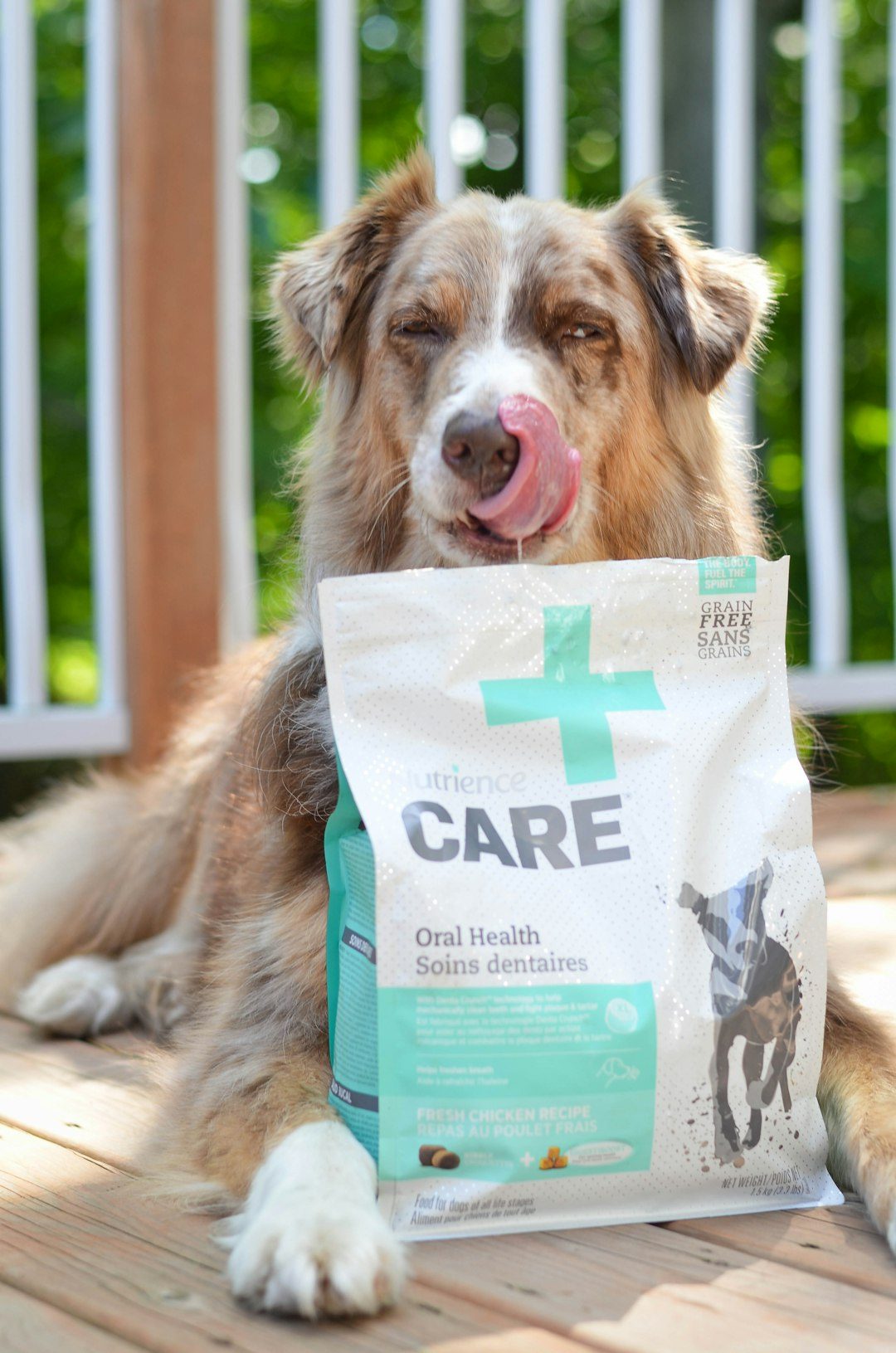
Not every dog will happily accept a toothbrush poking around their mouth, no matter how chicken-flavored the toothpaste might be. That’s where dental wipes become your secret weapon in the battle against bad breath and plaque.
For those that are unable to brush teeth or simply want to switch up their cleaning techniques, dog dental wipes are a great solution. Tooth wipes are made to be rubbed against your dog’s teeth to help remove plaque. Think of them as baby wipes for your dog’s mouth, minus the baby powder scent.
They work similarly to toothbrushes, but are not able to get into the tiny nooks and crannies that a brush does. Still, they are a great way to clean your pet’s teeth and are often easier to manage than a toothbrush with toothpaste. You can wipe the piece of gauze over your dog’s teeth 2 to 3 times a week to help maintain their dental health.
Harness the Power of Dental Chews and Treats
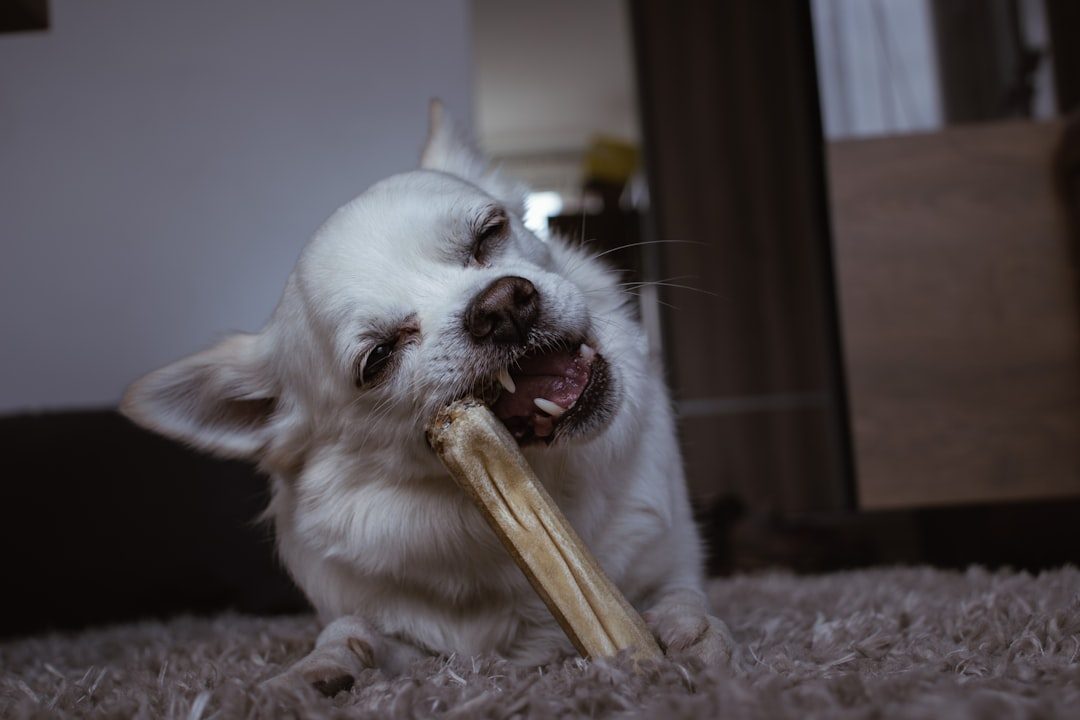
Sometimes the best medicine comes disguised as something fun, and dental treats are proof that good health doesn’t always have to taste like medicine. Dogs love treats, and dental treats for dogs are a very good way to improve your pup’s dental health. These treats are made specifically to remove plaque buildup and often contain ingredients that freshen breath and clean your dog’s mouth.
The beauty of dental chews lies in their dual purpose. The act of chewing actually benefits your dog’s oral health, regardless of what is being chewed on. The gnawing scrapes plaque off your dog’s teeth, and many all-natural chews made from meat contain enzymes that help promote dental health.
However, not all chews are created equal. When you pick out dental treats or chews for your dog, make sure they have the Veterinary Oral Health Council’s Seal of Acceptance on the packaging, as this seal indicates that these products help control tartar buildup. Chews like cow ears, bully sticks, and chicken strips are a great way to keep your dog happy and healthy, or if you’re looking for something without any calories, there are many long-lasting rubber or nylon dog chew toys that do the job, as well.
Add Water Additives and Food Supplements
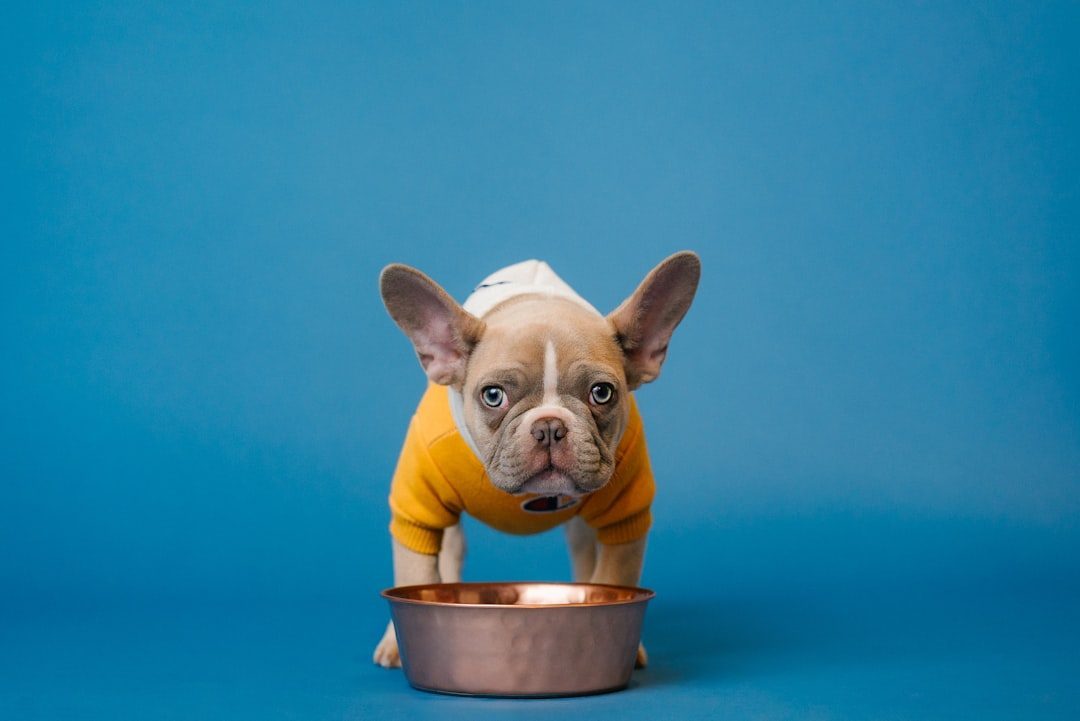
Imagine being able to improve your dog’s dental health simply by filling up their water bowl. Water additives represent one of the most effortless approaches to canine dental care, requiring zero cooperation from your furry friend.
There are several different water additives available for dogs, and they all work about the same. These oral solutions are tasteless. Based on the directions on the bottle, you will add a certain amount of the water additive to your dog’s water bowl daily. The solution helps freshen your dog’s breath and kills plaque-building bacteria in your dog’s mouth.
For dogs who need extra help, special dental powders can be sprinkled right onto their regular meals. These powders contain probiotics that help promote healthy bacteria in your dog’s mouth and simultaneously kill plaque-building bacteria, and should be applied to every meal your dog eats to help freshen breath and prevent tartar and plaque from building up. It’s like having a dental hygienist hidden in every kibble.
Schedule Professional Veterinary Cleanings
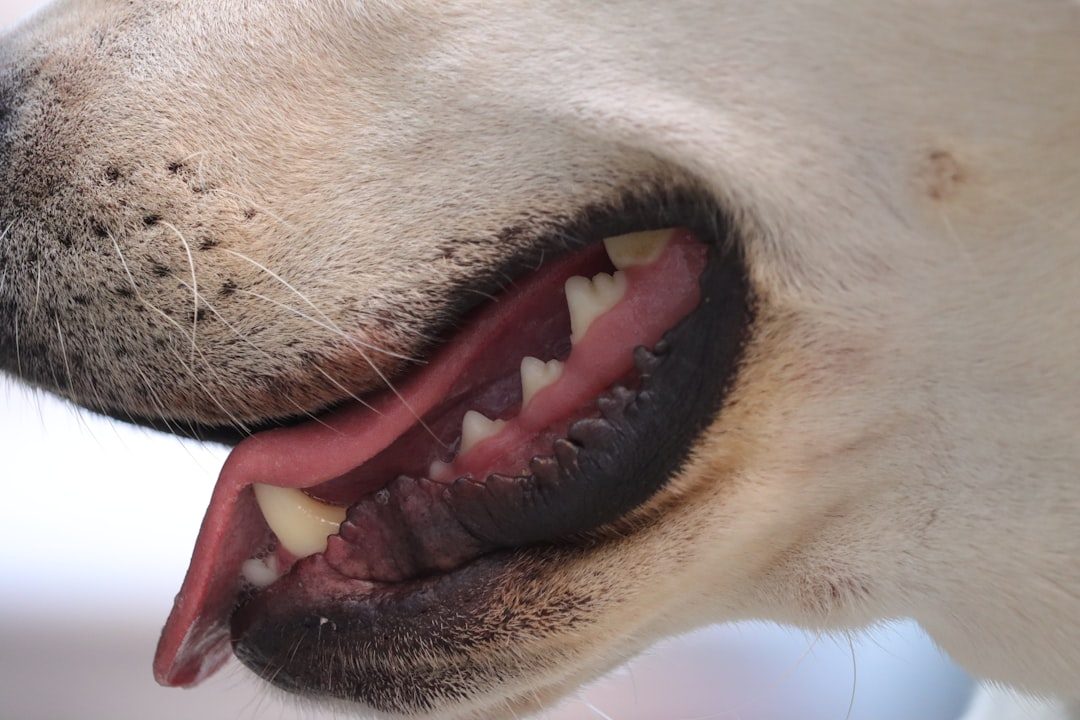
Think of professional dental cleanings as the deep-cleaning service your dog’s mouth deserves. Perhaps the best way to ensure your dog’s oral health is to have them undergo a professional cleaning by a veterinarian. Your veterinarian knows what’s best for your dog’s teeth and will be able to address any issues they find. Although much more expensive than the other tips we’ve mentioned, a professional dental cleaning is the best way to maintain your dog’s dental hygiene.
During these appointments, because most dental disease occurs below the gumline, where you can’t see it, a thorough dental cleaning and evaluation are performed under anesthesia, including scaling to remove dental plaque and tartar and polishing, similar to the process used on your own teeth during your regular dental cleanings.
Depending on your dog’s age, breed, and oral health, your vet may recommend professional cleanings every 6-12 months. Dental cleanings once a year can help prevent dental health problems and the painful symptoms that come along with them. Small breed dogs like Chihuahuas often need more frequent attention due to their tiny mouths and crowded teeth.
Conclusion

Keeping doesn’t require a veterinary degree or wrestling skills worthy of a championship belt. From the simple act of brushing with flavored toothpaste to the convenience of water additives, these five strategies prove that dental care can be both effective and enjoyable for you and your pup. Remember, prevention is always better than treating a progressed disease, and starting these habits early will save both your wallet and your dog’s comfort in the long run.
The next time your furry friend flashes those pearly whites, you’ll know you’ve given them the gift of a healthy, pain-free smile. What would you choose as your go-to dental care method for your pup? Tell us in the comments.

As a little kid, I fell in love with nature, wildlife, and animals. Living in the USA, South Africa, Italy, China and Germany gave me the opportunity to discover the world's Wildlife. My favorite animals are Mountain Gorillas, Siberian Tigers, and Great White Sharks.
I'm a certified PADI Open Water Diver, went to Everest Base Camp and Trekked Gorillas in Uganda. I hold a Master of Science in Economics and Finance.
Please send any feedback to feedback@animalsaroundtheglobe.com
- Why the Great Barrier Reef Is the Best Place to Spot Sea Turtles - June 3, 2026
- 2 Animals With Super Sized Body Parts and What They are For - June 3, 2026
- Explore The Azores - June 3, 2026