
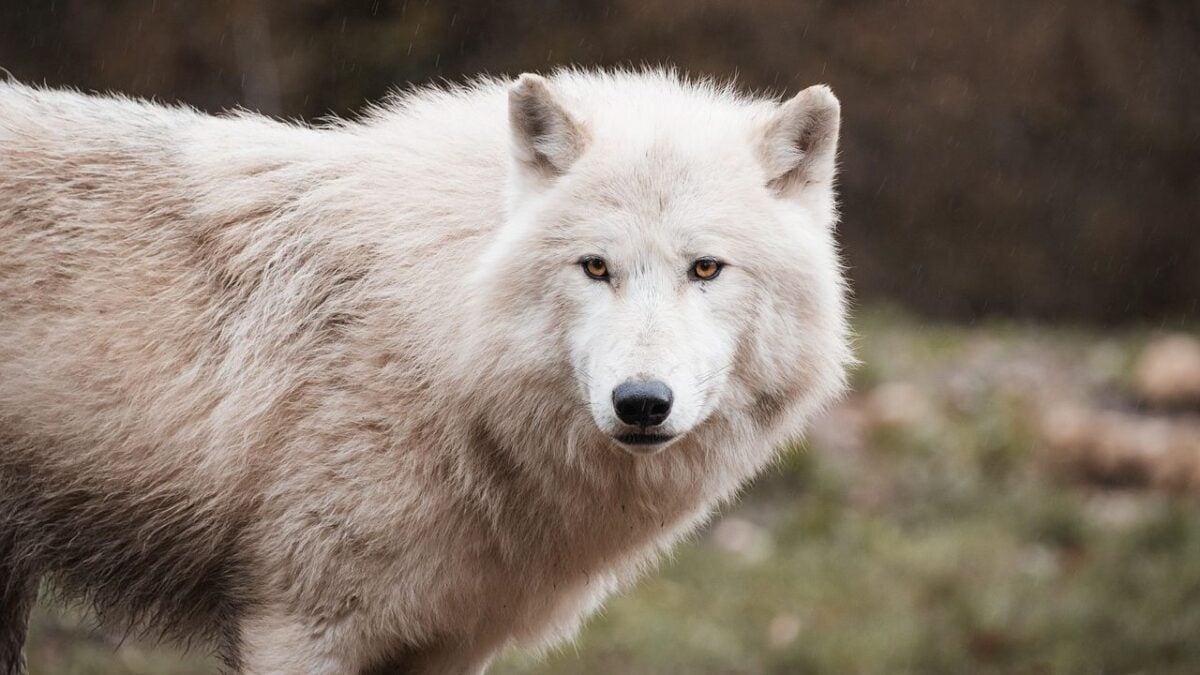
Think you know wolves? The odds are that what you’ve learned about these fascinating creatures comes more from fairy tales and horror movies than from actual science. Wolves have been portrayed as terrifying villains in countless stories, from Little Red Riding Hood to modern animated films. These powerful narratives have created a tangled web of myths that persist even today, despite decades of solid research.
Despite being one of the most researched animals in the world, wolves are also one of the most misunderstood. Let’s be real, many of these misconceptions aren’t just harmless folklore. They actively shape policies, influence conservation efforts, and affect how people behave when sharing territory with these remarkable animals. So let’s dig into some of the most persistent wolf myths and separate fact from fiction.
Wolves Are Dangerous Man-Eaters
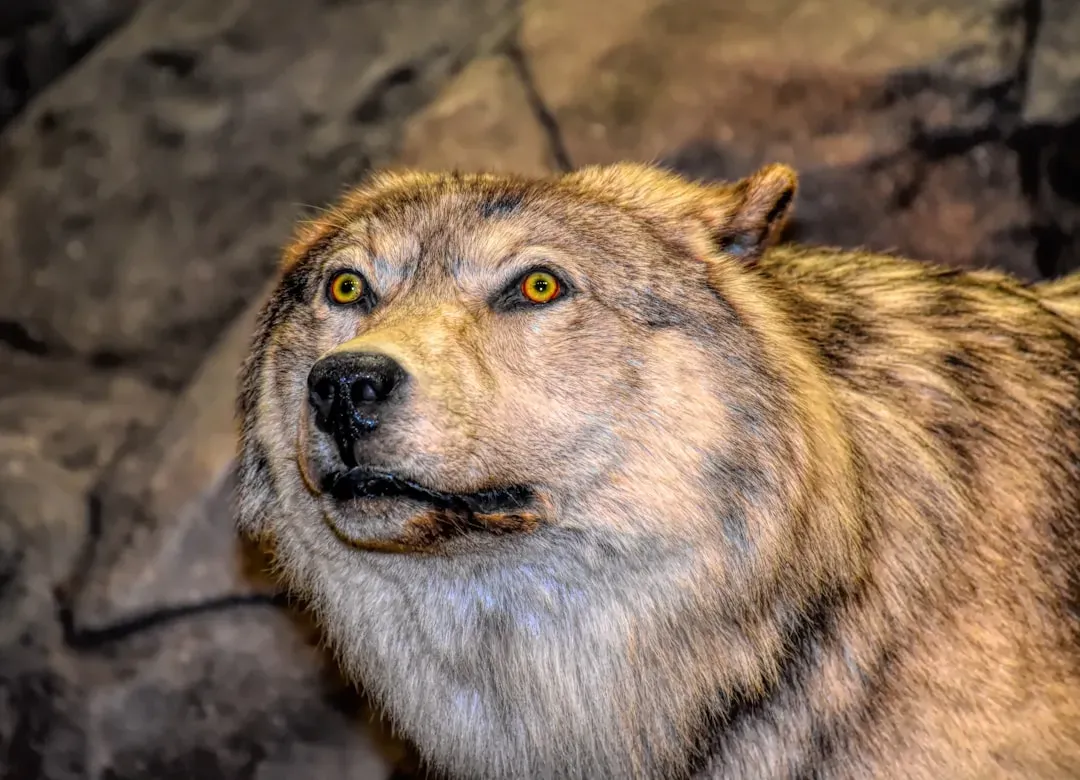
Here’s the thing about wolves and humans: a wolf attacking a person is exceedingly rare – two people have died in encounters with wolves in North America in the past century. To put that in perspective, lightning kills about 28 Americans per year. You’re statistically more likely to be struck by lightning than attacked by a wolf.
Wolves are actually shy and incredibly family-oriented, and if you’re camping or hiking through a forest where wolves live, you are very unlikely to encounter them. Most wolf researchers who spend years studying these animals report that they’re pretty terrified of people.
Wolves are generally afraid of humans and will avoid people, buildings, and roads if possible, and the risk of wolves attacking or killing people is low. The vast majority of wolf attacks that do occur involve rabid animals or wolves that have been fed by humans and lost their natural fear. When we respect wolves and give them space, they typically return the favor.
There Are Alpha Wolves That Dominate Through Aggression
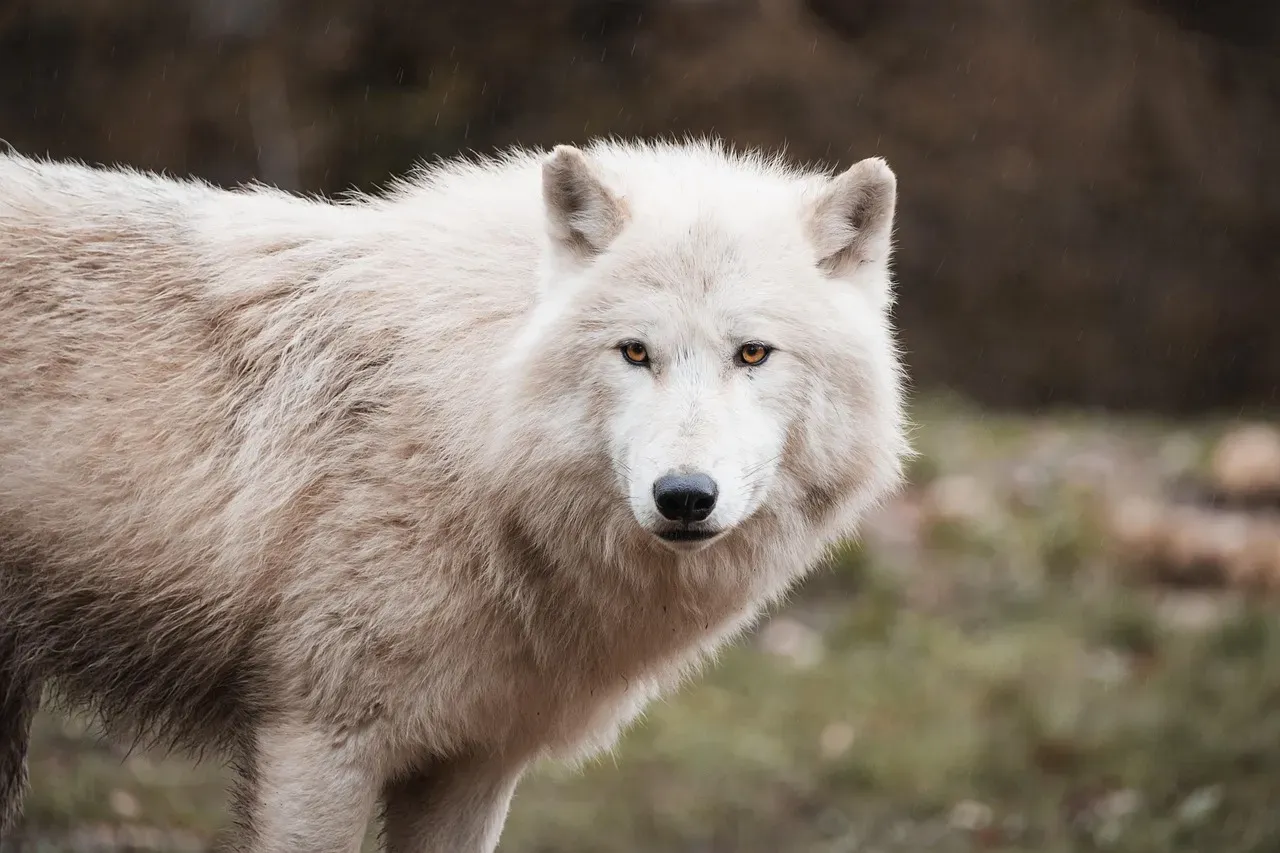
The whole alpha wolf concept? It’s basically fiction. Wolf ranks are a false concept only found in captive wolves instead of those in the wild, and biologist Rudolph Schenkel coined the term “alpha wolf” from observing wolves at a German zoo. Those zoo wolves were unrelated strangers forced to live together, which created unnatural competitive behavior.
This myth of the alpha male and hierarchies in wolf packs is from the 1940’s from when a researcher recorded his observations on a group of captive wolves, and while captive wolves did appear to form social ranks based on dominance, this pattern does not occur in the wild, where wolf packs are most typically made up of families with the parents in charge over their pups.
Think about it this way: leaders in wild wolf packs function as the “mom” and “dad” rather than “alpha” males or females. It’s not about brutal dominance fights. It’s about parents raising their kids, teaching them to hunt, and keeping the family safe. When the pups grow up, they leave to start their own families, just like humans do.
Wolves Howl at the Moon
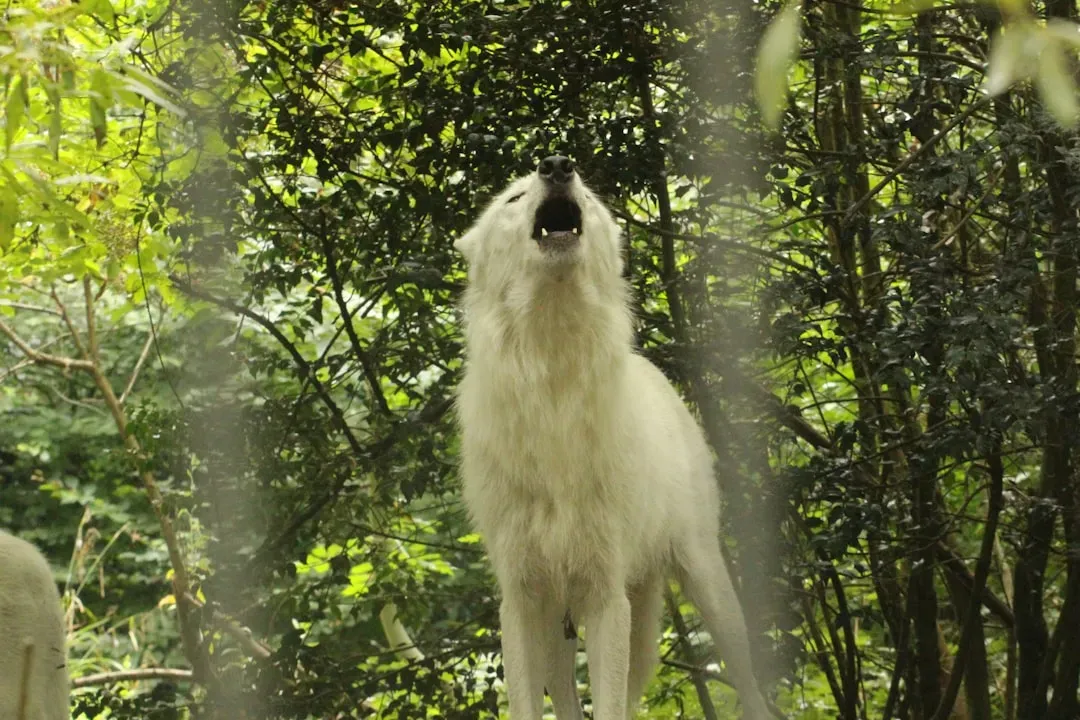
This one’s been romanticized in art, literature, and movies for centuries. The image of a wolf silhouetted against a full moon, head thrown back in a mournful howl, is iconic. The idea that wolves howl at a full moon is full of baloney and is nothing more than a literary device or a Hollywood gimmick.
Canine experts have found no connection between the phases of the moon and wolf howling. So why do wolves appear to howl more at night? Wolves pipe up more often during the night because they’re nocturnal. And that upward tilt of their heads? It’s all about acoustics since projecting their calls upward allows the sound to carry farther.
One of the primary reasons for a wolf to howl is as a “social rally call,” in other words, to draw the pack of wolves together, and another reason is to let wolves in the pack know it’s time to go out on a hunt. Wolves also howl to mark territory, to communicate their location when separated, or simply to bond with pack members. It’s social media for wolves, not some mystical lunar ritual.
Wolves Are Destroying Cattle Ranches and Livestock
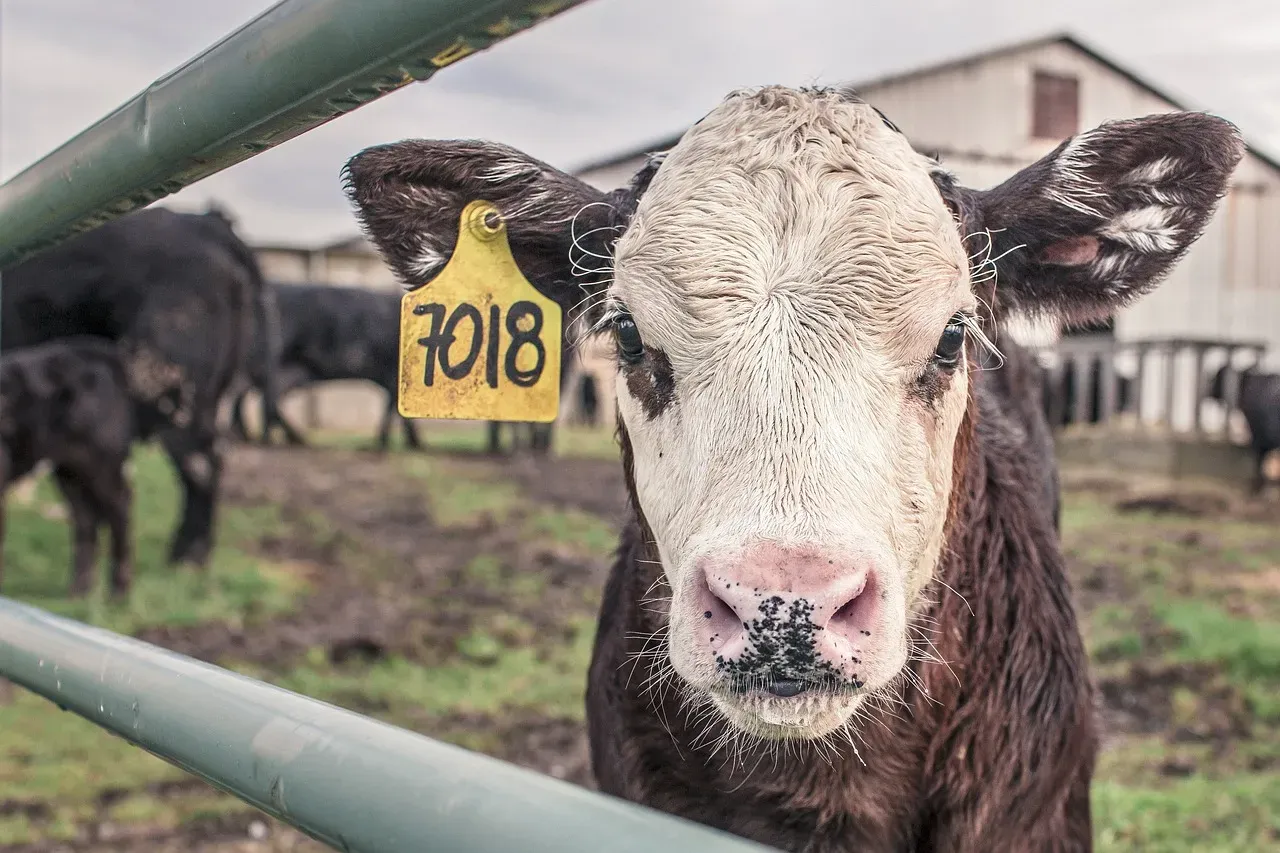
If you listen to some ranching advocates, you’d think wolves were wiping out entire herds. The reality? Wolves are responsible for less than two tenths of a percent (.2%) of cattle depredations. That’s not a typo. We’re talking about a fraction of a fraction.
Department of Agriculture reports put wolf depredation of calves and cattle at less than 2%. Even more surprising, dogs killed almost three times as many cows as wolves did. Far more livestock die from disease, harsh weather, birthing complications, and other natural causes than from wolf attacks.
Across the country, wolves account for less than 1% of livestock losses, and more livestock are lost to other predators like coyotes and even stray dogs than to wolves, while far more are killed by disease, bad weather, birthing problems and other natural causes. While every loss matters to individual ranchers, the numbers simply don’t support the narrative of wolves as livestock obliterators. Prevention methods like guard dogs, proper fencing, and range riders have proven highly effective at reducing even these minimal conflicts.
Wolves Kill for Sport and Waste Their Prey
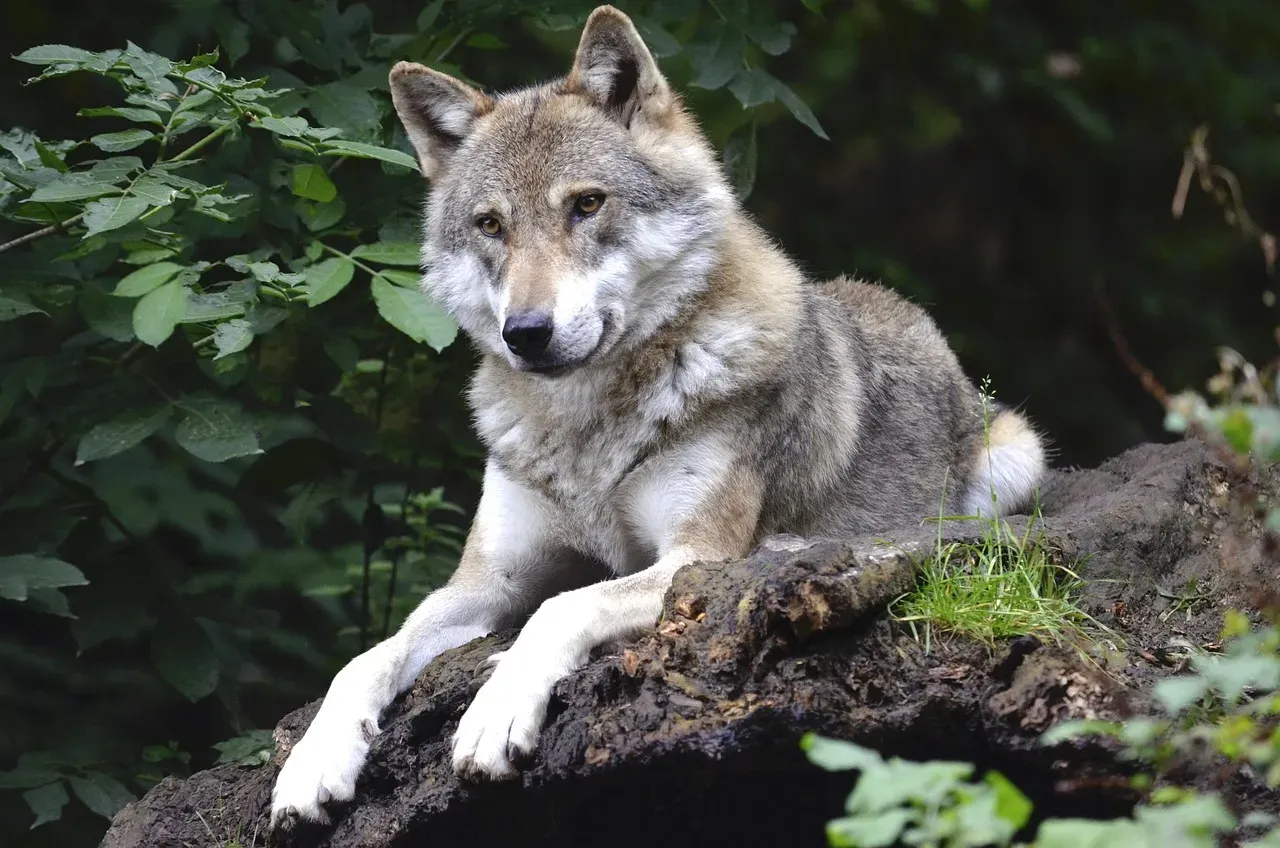
The idea that wolves are bloodthirsty killers that slaughter animals for fun is deeply ingrained in popular culture. Wolves occasionally kill more than can be immediately eaten, sometimes resulting in the death of multiple prey animals, and this uncommon behavior, known as “surplus killing,” has been documented in many predator species.
Let’s be honest, though: when this happens, it’s not about cruelty or entertainment. Surplus killing by wolves is more likely to occur in late winter, when having a supply of food caches to return to is critical for survival. Hunting large prey like elk and moose is incredibly dangerous work. Wolf packs are only successful in a small percentage, generally 10 to 20 percent, of their attempted hunts.
Nature is rarely wasteful, if ever, and whatever the wolves don’t eat first, is welcomed nourishment for countless other animals. Ravens, eagles, foxes, bears, and countless other scavengers depend on wolf kills for survival. Far from being wasteful, wolves are actually feeding entire ecosystems. Unless the wolves are run off by people or another wolf pack, they will keep returning over and over to dine on a carcass until it’s gone.
Wolves Have Decimated Elk Populations
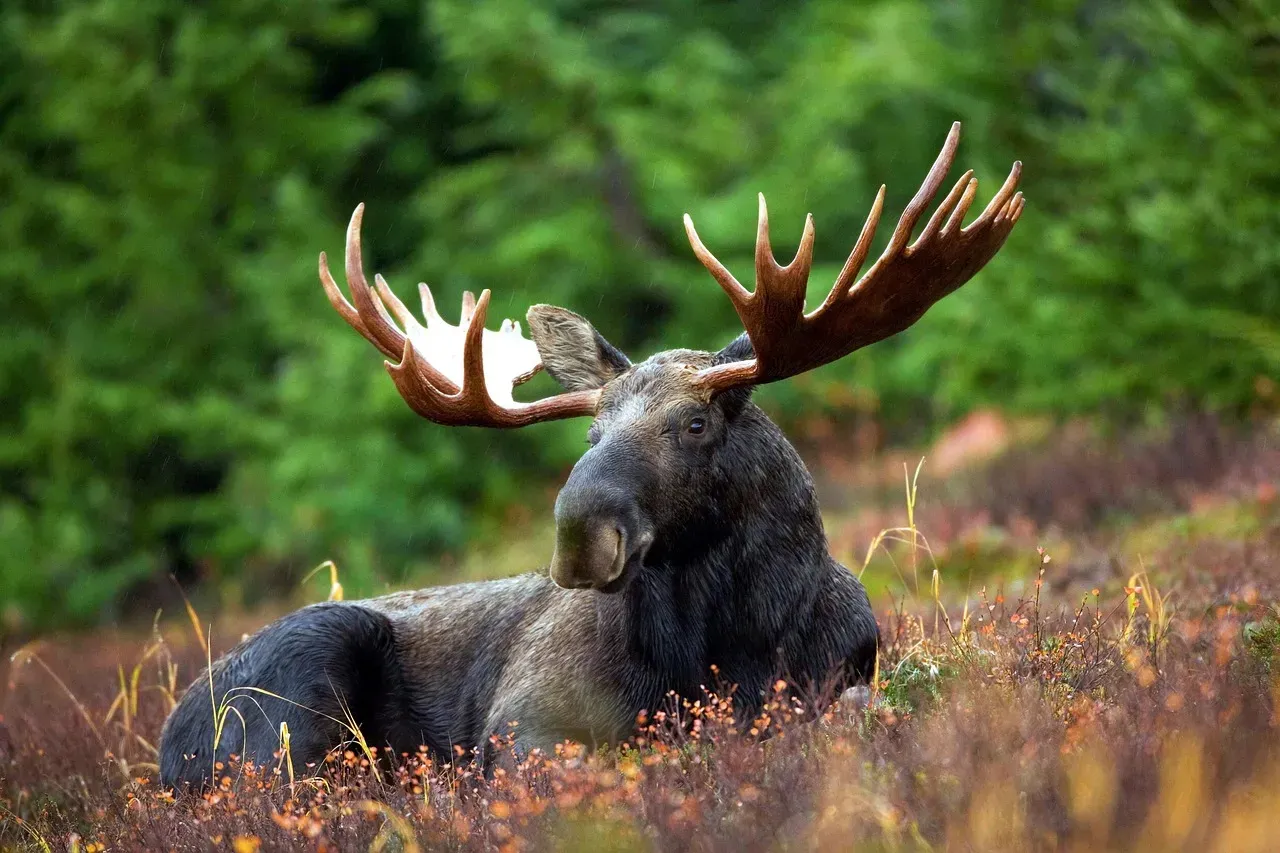
This misconception gets repeated constantly in hunting communities and anti-wolf circles. The truth is surprisingly different. The numbers show the opposite is happening, and in Wyoming and Montana there are more elk now than before reintroduction. Hard to believe, right?
In Wyoming, elk are 29 percent above management objectives and Wyoming Fish and Game says they are actually “managing elk to reduce their numbers,” while in Montana, elk populations have increased by approximately 60 percent since wolf reintroduction. Idaho elk are at or above management objectives in 80 percent of the state elk hunting units.
I know it sounds crazy, but wolves actually help create healthier elk populations. Other factors like summer precipitation, winter severity, and hunting by other predators were also affecting elk population size. Wolves tend to take weak, sick, or elderly animals, which prevents disease spread and ensures stronger genetics in the surviving population. Ecosystems are complex, and the relationship between predator and prey is far more nuanced than simple subtraction.
Conclusion
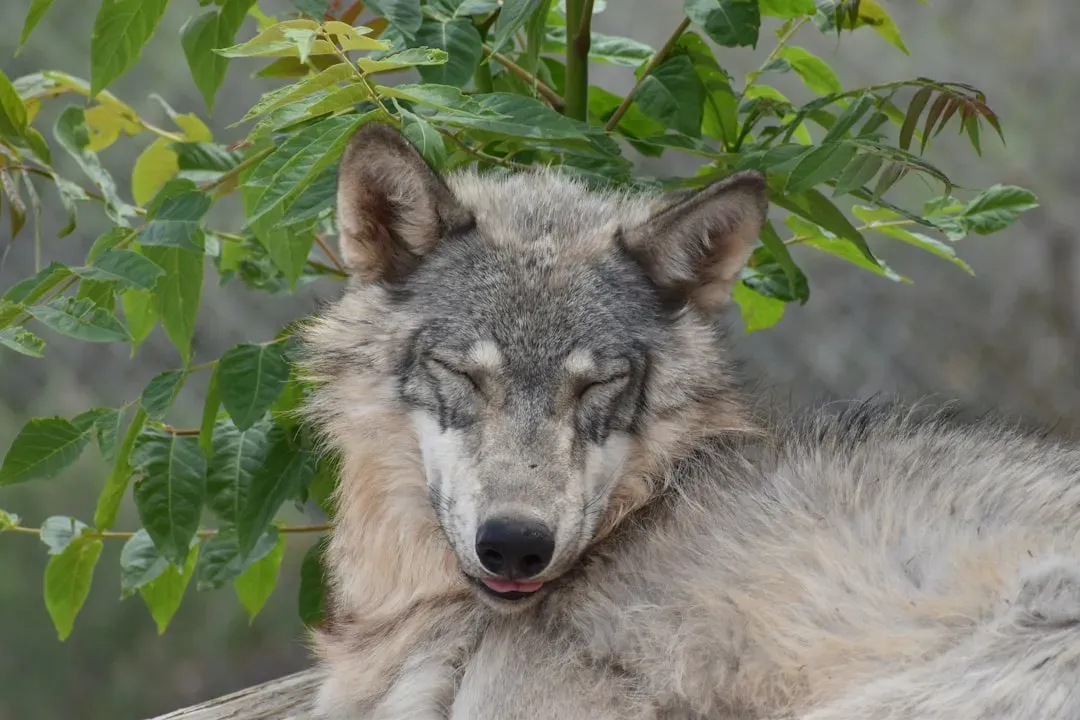
Wolves aren’t the villains we’ve been told they are. They’re complex, intelligent, social animals that play a vital role in maintaining healthy ecosystems. The misconceptions we’ve explored here stem from centuries of folklore, misunderstood observations, and sometimes deliberate misinformation designed to justify their persecution.
Understanding the truth about wolves doesn’t mean we should be careless around them. They are wild animals and deserve our respect and space. Yet it does mean we can coexist with them far more safely and successfully than fear-mongering would suggest.
The next time you hear someone repeat one of these myths, you’ll know the real story. What surprises you most about the truth behind these wolf misconceptions?
