
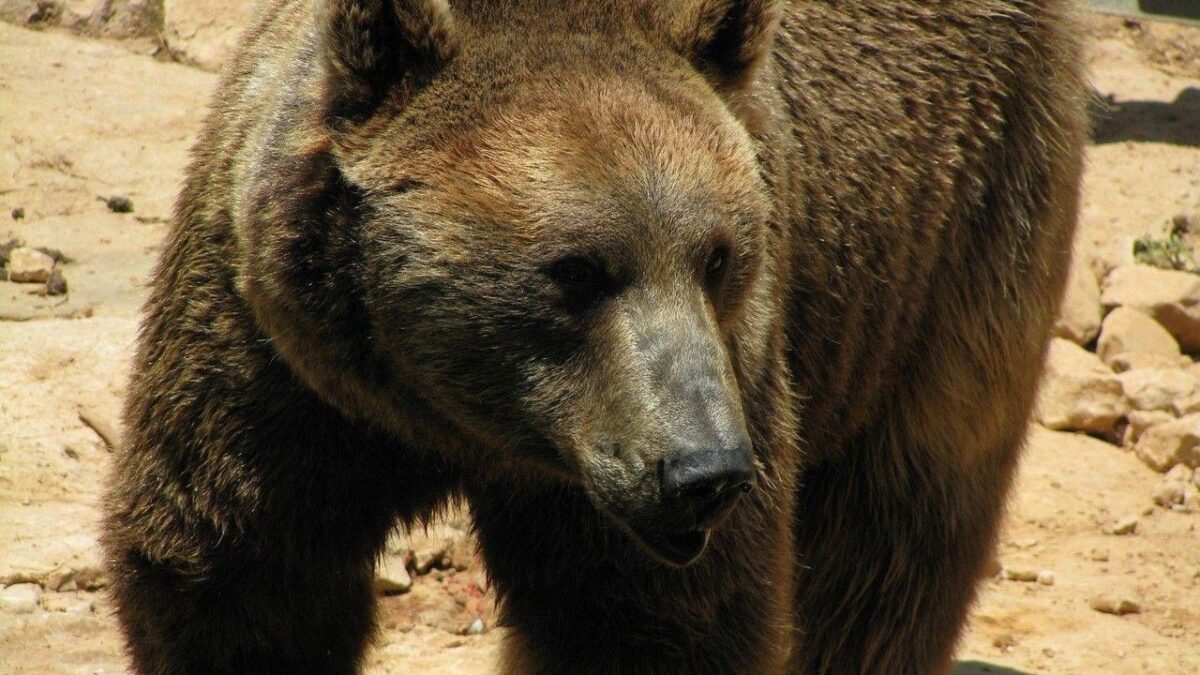
Think about the most powerful animal you’ve ever seen. Maybe a lion tearing into prey. Perhaps a silverback gorilla beating its chest in the wild. Now forget all that for a moment, because we’re about to dive into one of nature’s most misunderstood beasts.
Grizzly bears don’t just live in the wilderness. They dominate it. Yet there’s something weirdly confusing about them. From a distance, they look slow and lumbering, maybe even a bit cuddly if you’re foolish enough to think that way. Then you see one flip a boulder the size of a washing machine with one paw, or chase down prey at speeds that would leave most humans gasping for air after ten seconds. How do these massive creatures pack so much explosive power into those fur-covered frames? Let’s get into the details that make grizzlies some of the most formidable animals walking the earth today.
They’re Built Like Living Bulldozers
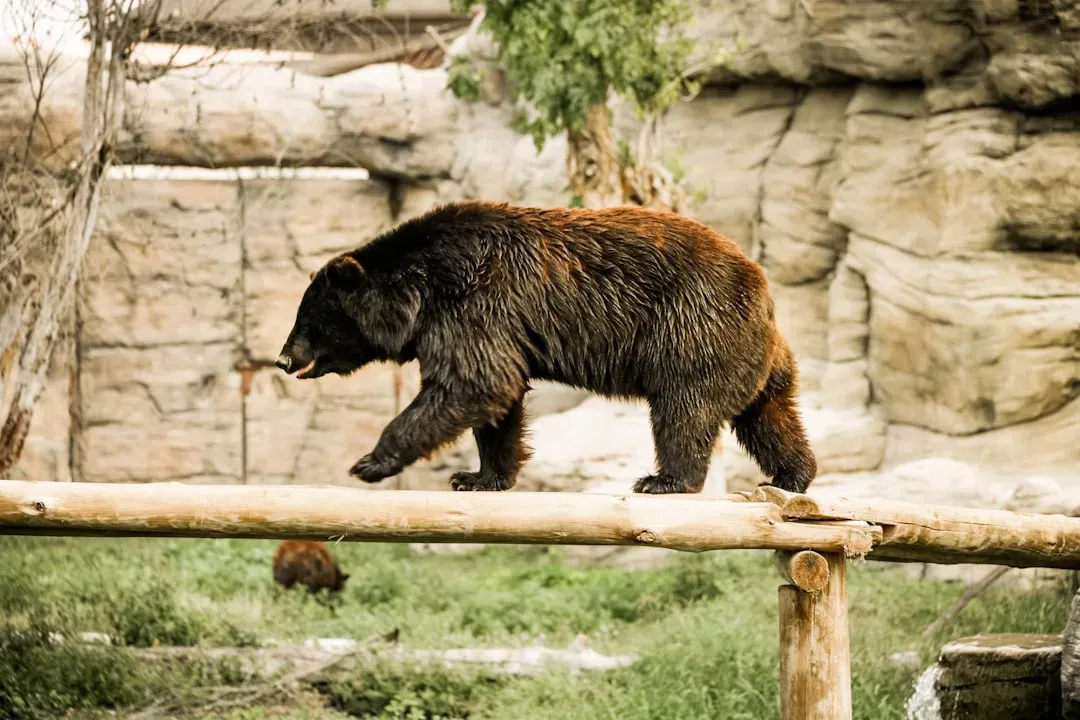
Adult grizzlies stand between 6.5 and 8 feet tall on their hind legs and weigh 400 to 790 pounds, though the largest males can tip the scales at well over a thousand pounds. That’s not just size for the sake of it.
Every ounce of that mass serves a purpose. A grizzly bear’s muscles are packed with fast-twitch fibers, which are specialized for short bursts of explosive power, and their muscles are extremely dense and massive compared to their body size. Compare that to humans, who evolved with muscles better suited for long-distance tasks like marathon running. We’re built for endurance; they’re built to obliterate obstacles.
The iconic shoulder hump you see on a grizzly? That hump is composed of powerful muscles that give them exceptional strength in their forelimbs, which they use for digging, climbing, and sprinting. It’s not decorative. It’s a power pack that drives their front limbs with enough force to shred through frozen earth or rip apart a log like it’s made of cardboard.
Their Strength Is Legitimately Superhuman
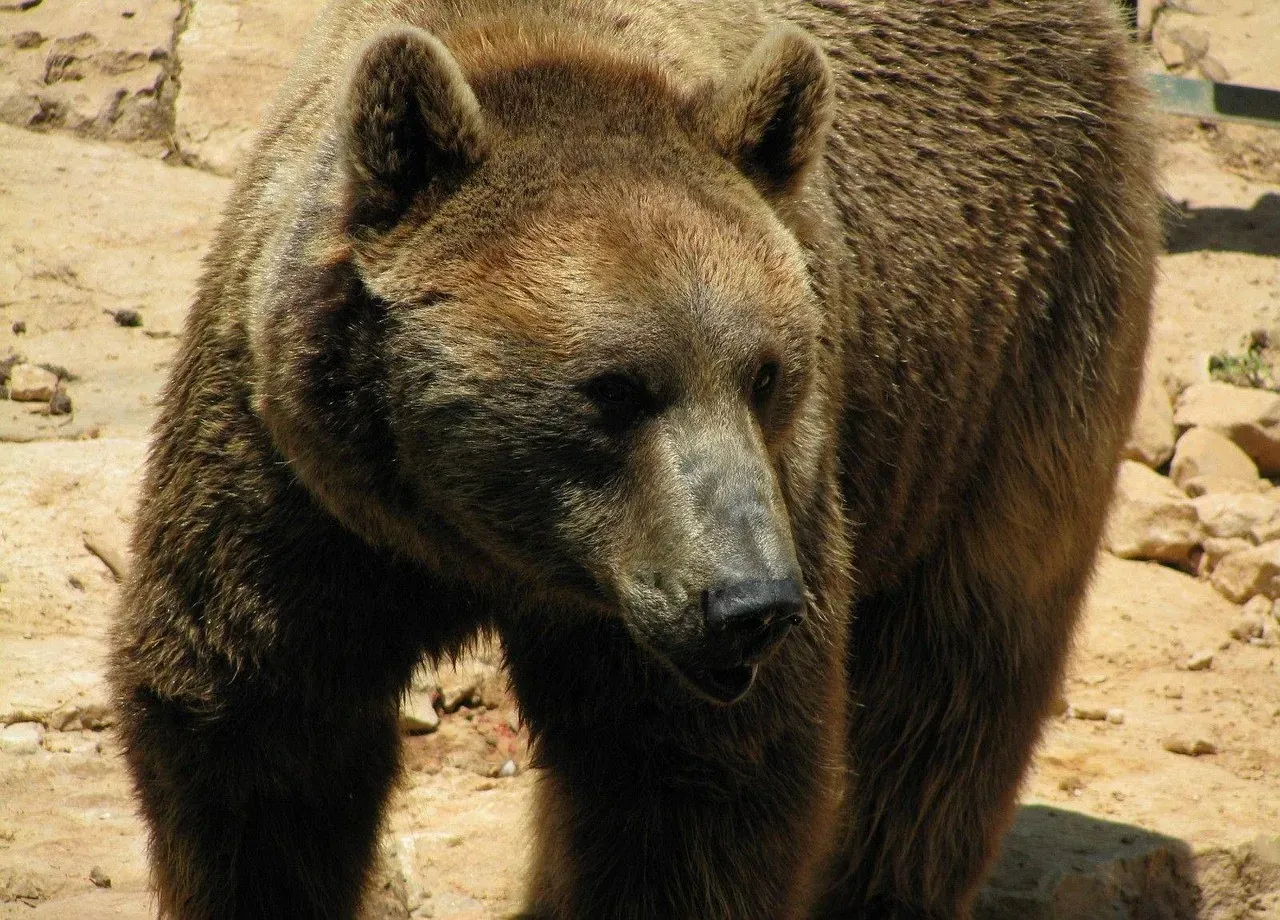
Let’s be real about this. Grizzly bears are estimated to be about 2.5 to 5 times stronger than an average human in terms of raw lifting and carrying power. That’s a conservative estimate. Some researchers believe the upper range might be even higher depending on the bear and the situation.
Grizzlies can lift or carry over 1,100 pounds with ease. Imagine trying to move half a car. Now imagine doing it casually, as if it’s no big deal. Bears in the wild have been seen ripping apart logs, flipping heavy rocks, and digging through snow and earth as if they were lightweight.
Scientists from Montana State University actually tested this in partnership with National Geographic. Brutus, a trained grizzly bear, generated forces exceeding 1,200 pounds without maximum effort, and could effortlessly tip over a 700-pound metal dumpster onto its side. The strongest human participants couldn’t come close. Honestly, it’s humbling when you realize that even a juvenile grizzly could overpower most adult humans without breaking a sweat.
Their Bite Could Crush a Bowling Ball
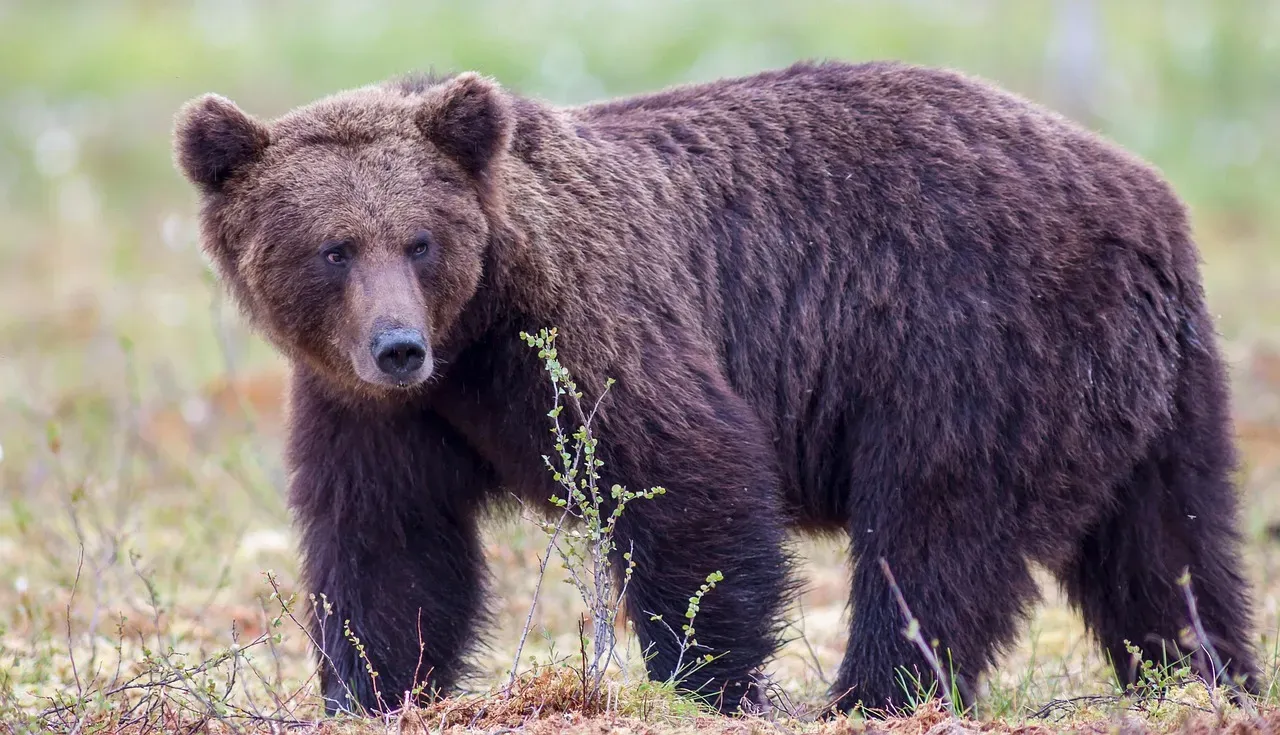
Here’s where things get truly terrifying. The average bite force of a grizzly bear clocks in at around 1,160 PSI, while the average human bite force is a mere 162 PSI. That’s more than seven times stronger than us.
Their jaws can exert a pressure of up to 1,000 pounds per square inch, allowing them to crush and consume even the hardest objects – reports suggest that their bite is so powerful, it could crush something as solid as a bowling ball. I know it sounds crazy, but that’s what makes them such efficient predators. They don’t just bite into flesh; they crush through bone, crack open hard-shelled nuts, and snap the spines of large prey animals without hesitation.
Their bite serves multiple purposes too. Their powerful jaws help them tear into meat, crush bones for marrow, and rip into fruits and veggies that would leave other animals stumped. It’s a tool, a weapon, and a survival advantage all rolled into one terrifying package.
They Run Faster Than Olympic Sprinters
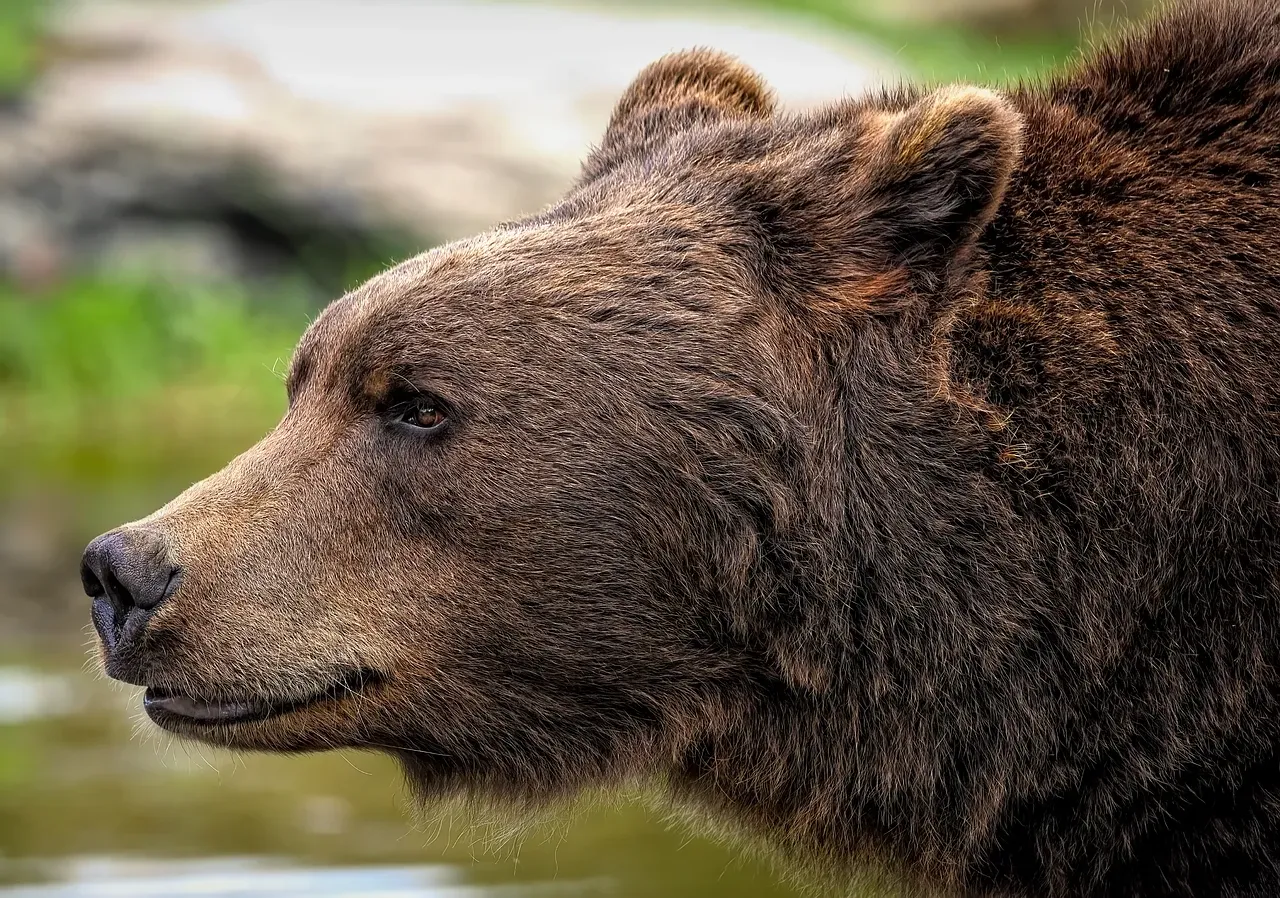
This might be the most shocking fact of all. Grizzly bears can reach top speeds of 35 miles per hours over short distances, with some studies suggesting they can hit 40 mph under the right conditions. Usain Bolt was clocked going 27.8 mph during his world record 100-meter dash. Do the math. The world’s fastest human wouldn’t stand a chance.
What’s even more impressive? A grizzly has been recorded maintaining a speed of 25 to 28 mph for two miles. That’s not a quick sprint. That’s sustained, aggressive pursuit. Most humans can barely maintain their top speed for a few seconds before their muscles start screaming for mercy.
Their speed comes from those powerful forelimbs and massive shoulder muscles we talked about earlier. They don’t run gracefully like a cheetah, but they move with raw, unstoppable momentum. Picture a freight train with claws, and you’re getting close to the reality.
Their Claws Are Literal Weapons
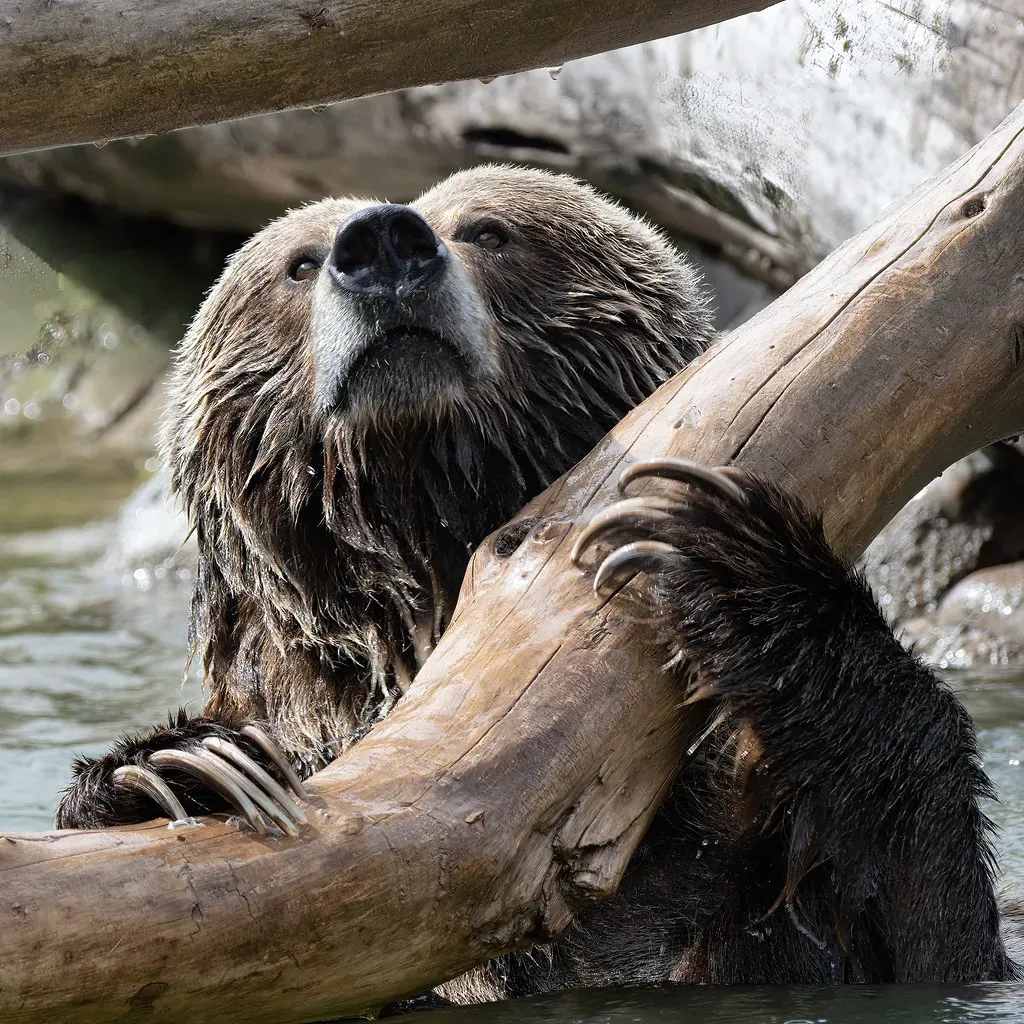
Grizzly bear claws are generally around 2 to 4 inches in length, though some can reach even longer. These aren’t dainty little nails. They’re thick, curved, and lethally sharp instruments designed for multiple uses.
Grizzly bear claws are long, curved, and highly developed for digging, tearing, and grasping, and they’re excellent diggers, using their claws to excavate soil, roots, burrowing rodents, and ground-dwelling insects. They can tear through logs, shred bark, and excavate massive dens in frozen ground that would require heavy machinery for a human to accomplish.
In terms of combat? A grizzly bear’s swipe, equipped with 4-inch claws, carries enough force to disable most animals in a single hit. There are documented cases of grizzlies taking down moose with one well-placed blow. These claws aren’t just for show. They’re tools of destruction that amplify the already devastating power of a grizzly’s limbs.
Their Bodies Are Built to Endure Punishment
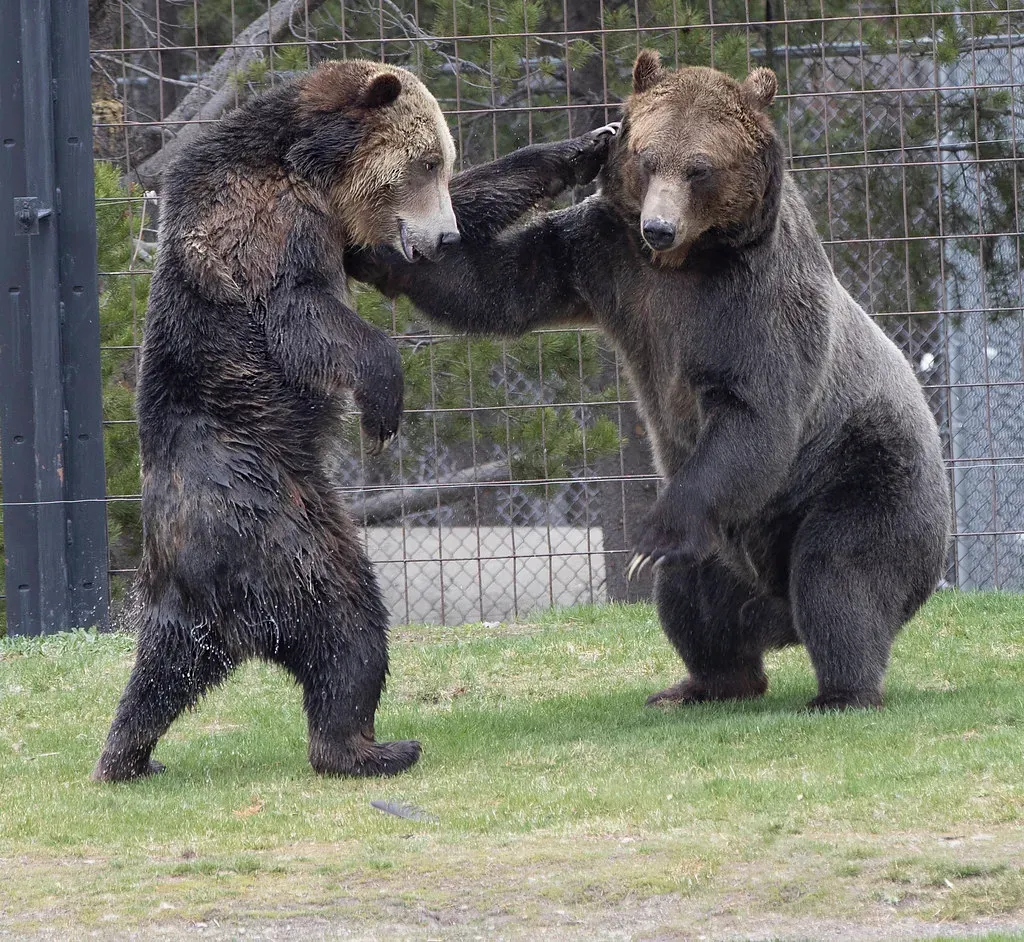
It’s not just about dishing out damage. Grizzlies are built to take it too. Grizzlies have dense fur, a thick hide, and layers of muscle and fat that act like natural armor, and they have been observed enduring blows from other large animals and even attacks from other bears without significant harm.
This natural armor allows them to engage in brutal fights with other grizzlies over territory or mates. Males, especially during mating season, will square off in contests that would hospitalize a human within seconds. Yet grizzlies walk away, recover, and live to fight another day.
Their resilience extends to their metabolism too. During hibernation, they lose a significant portion of their body weight yet wake up with their strength intact. Even though the grizzly bear hibernates in winter, its muscles don’t weaken while it rests, and the bear is able to boost its amino acid production during hibernation, which means it wakes up as strong as ever. That’s a biological superpower most mammals simply don’t possess.
Conclusion
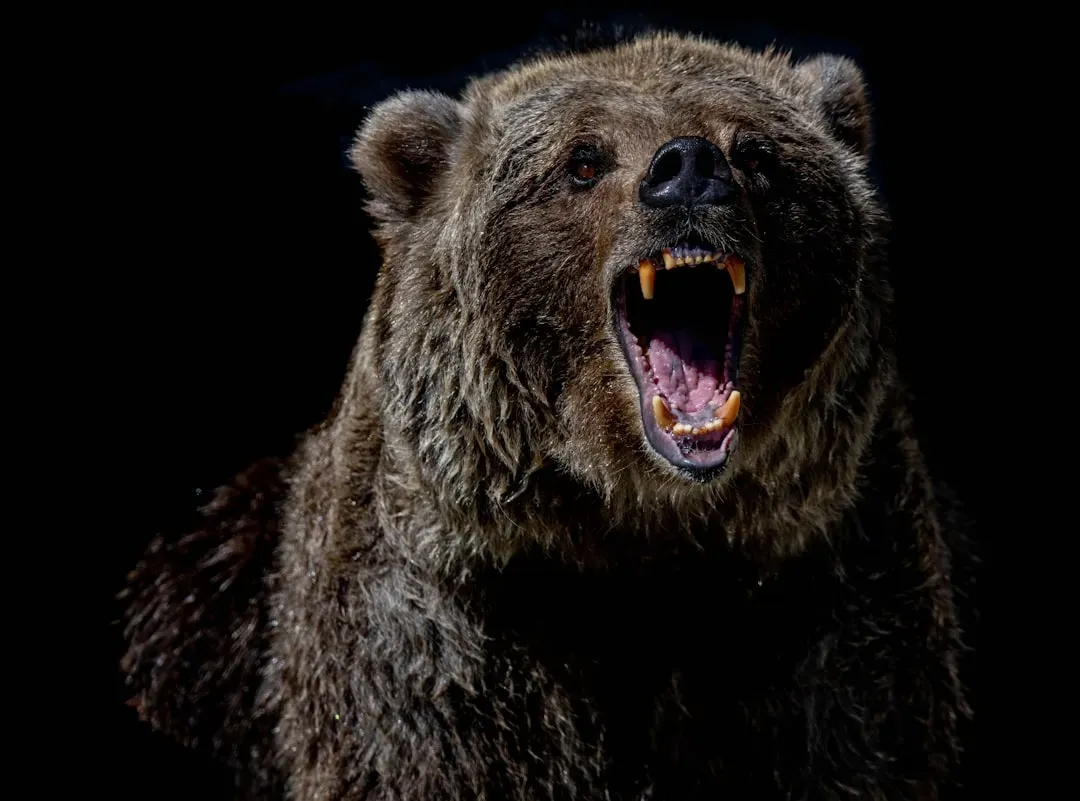
Grizzly bears aren’t just strong animals. They’re living proof that evolution can create something genuinely terrifying when survival demands it. From bone-crushing jaws to claws that could shred steel, from sprint speeds that embarrass Olympic athletes to a frame that can endure punishment like a tank, grizzlies are apex predators in every sense of the word.
The next time you’re hiking in bear country, remember these facts. Respect their space. Carry bear spray. Never, ever think you can outrun or overpower one. Because honestly, in a contest between you and a grizzly, there’s only one possible outcome. What’s your wildest bear encounter story? Have you ever seen one up close?
