
Have you ever wondered what secrets lie hidden beneath the surface of the earth? Caves have captivated human imagination for thousands of years, serving as places of refuge, worship, and mystery. From ancient prophets seeking divine wisdom to treasure hunters chasing legendary hoards, these subterranean chambers hold stories that blur the line between history and myth.
Throughout time, cultures across the globe have attributed supernatural powers to caves, believing them to be portals to other worlds or dwelling places of gods and spirits. The darkness, the echoing silence, the strange formations that seem almost too perfect to be natural – all of these elements contribute to an atmosphere that feels charged with ancient energy. Some caves have witnessed rituals that shaped civilizations, while others guard mysteries that remain unsolved to this day.
The six caves we’re about to explore aren’t just geological wonders. They’re time capsules of human belief, fear, and wonder. Each one carries legends that have been whispered through generations, stories that make you question what’s real and what’s imagined. So let’s venture into the depths and discover what makes these places so extraordinarily mystical.
The Cave of the Sibyl, Cumae, Italy: Where Prophecies Echoed Through Time
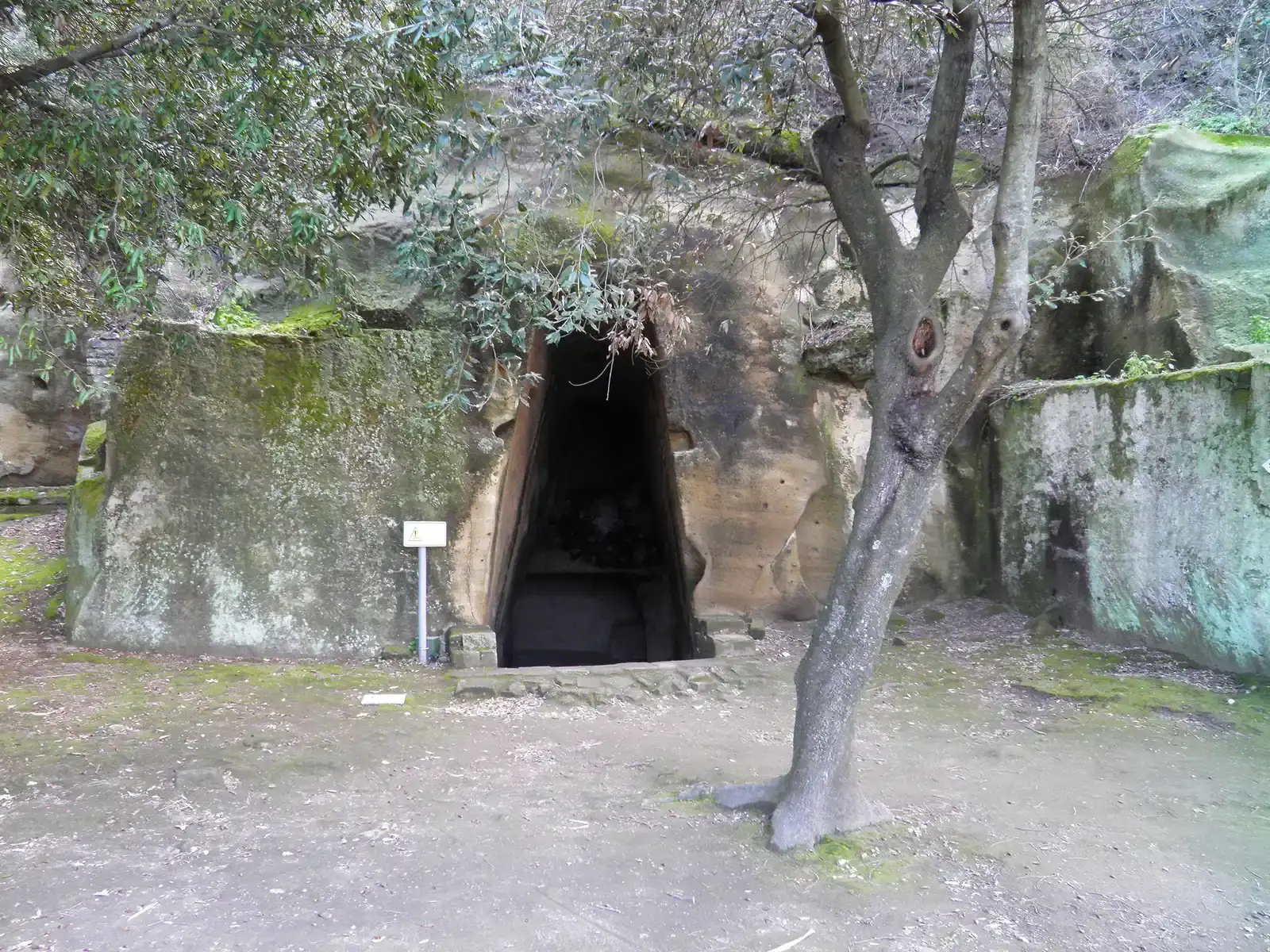
Located in Cumae, Italy, the Cave of the Sibyl was once believed to be the home of the Cumaean Sibyl, a prophetic priestess who guided the Trojan hero Aeneas through the underworld in Roman legend. Stepping into this manmade cavern – long, narrow, and trapezoidal – you immediately sense why people once thought gods and spirits whispered here. The tunnel seems to stretch endlessly into the volcanic rock, as if leading you toward another dimension altogether.
Carved into volcanic rock, the tunnel leads to vaulted chambers where the Sibyl is said to have made her cryptic pronouncements, her voice echoing in the gloom. Walking through it, you can almost hear the phantom whispers of seekers from centuries past, desperate for glimpses of their future. Though scholars debate the exact use of the cave, there’s no denying the weight of mythology that clings to its walls. Let’s be real, standing in a place where ancient Romans believed divine messages were delivered gives you chills, even if you’re a skeptic.
Qumran Caves, Israel: The Scrolls That Rewrote History
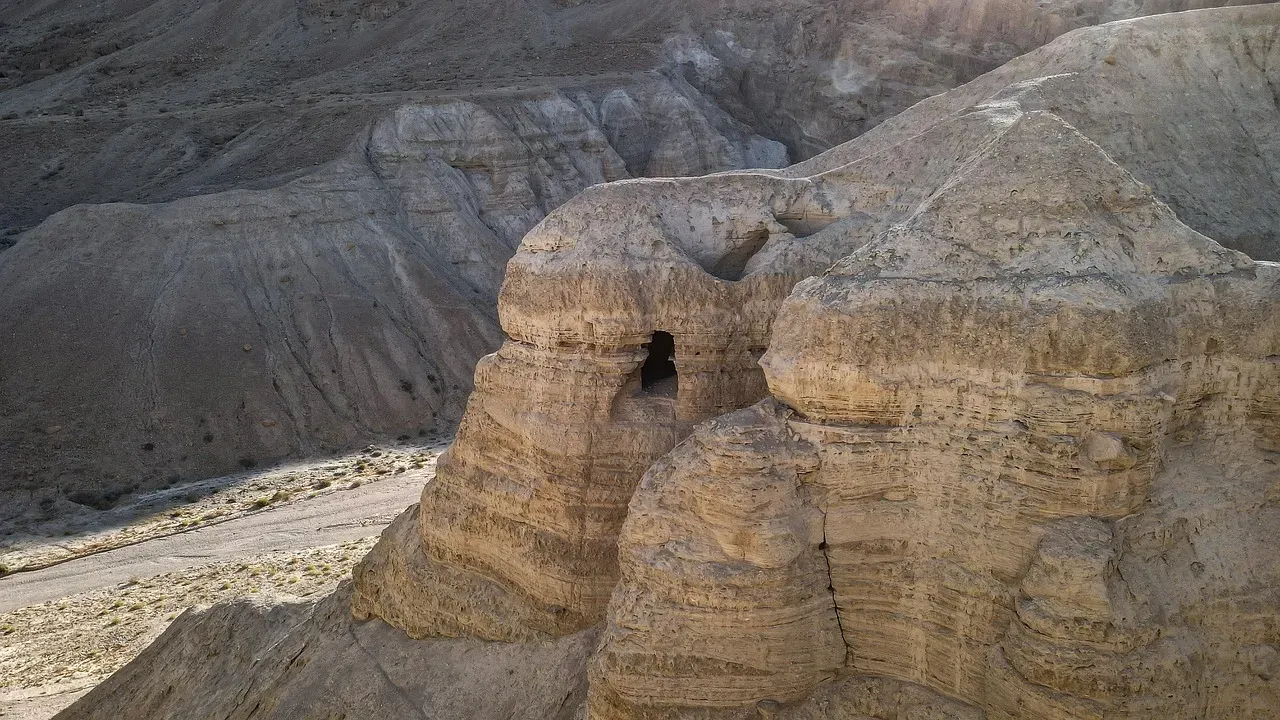
At first glance, the Qumran Caves don’t look particularly mystical – just weathered hollows scattered among the Judean Desert’s rugged cliffs. Yet these unassuming caverns contain one of the most significant religious discoveries of the modern era. In 1947, a shepherd tossing a stone stumbled on one of the most shocking religious discoveries in modern times: the Dead Sea Scrolls.
These ancient texts, some over 2,000 years old, include parts of the Hebrew Bible, apocalyptic writings, and unique sectarian rules of the Essenes – a mysterious Jewish group believed to have lived nearby. Imagine tucking away sacred knowledge in earthen jars, hiding it in caves, hoping that someone centuries later would uncover your truth. The scrolls reshaped our understanding of early Judaism and the roots of Christianity. Today, visitors can walk the short trail from archaeological ruins to these cliffside chambers, the Dead Sea shimmering in the background like a mirage. The dry, windswept silence of the place makes you feel like you’re standing at the edge of time itself.
Fingal’s Cave, Scotland: Nature’s Gothic Cathedral
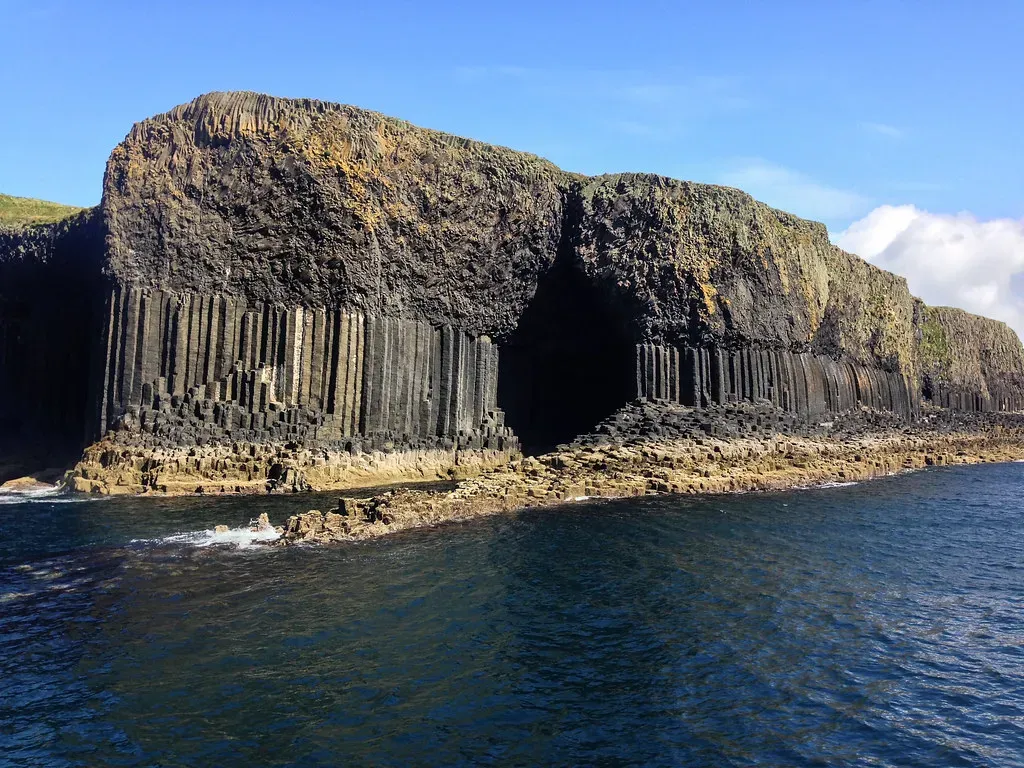
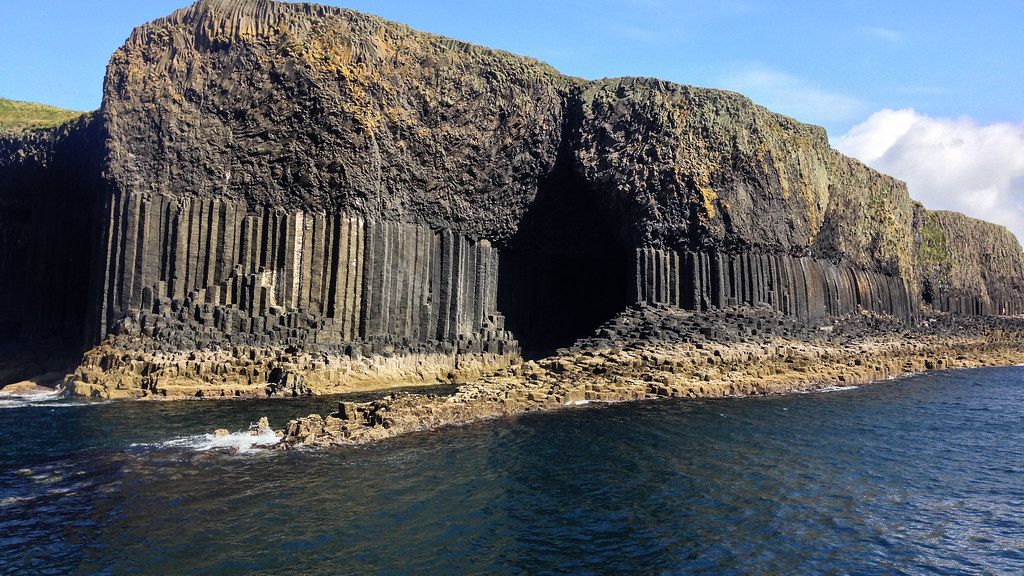
Fingal’s Cave on the uninhabited island of Staffa in Scotland is known for its unique hexagonal basalt columns, formed by volcanic activity. Honestly, the first time you see those perfectly geometric columns rising from the sea, it’s hard to believe they’re natural. They look like something an ancient civilization would have crafted as a temple. The cave’s natural acoustics create haunting echoes, often likened to the sound of an organ. Its mysterious and remote location, combined with the stunning geological formations, has inspired legends and music.
The cave’s entrance, shaped like a Gothic cathedral arch, adds to its mystique. The way waves crash into the cavern, creating eerie melodies that reverberate through the stone, makes you understand why people believed supernatural forces dwelled here. Scottish folklore speaks of the giant Fionn mac Cumhaill, who supposedly built a causeway of these same basalt columns stretching all the way to Ireland. The cave stands as a testament to how nature itself can create wonders so extraordinary that myths spring up around them like wildflowers.
Ajanta Caves, India: Silent Guardians of Buddhist Wisdom
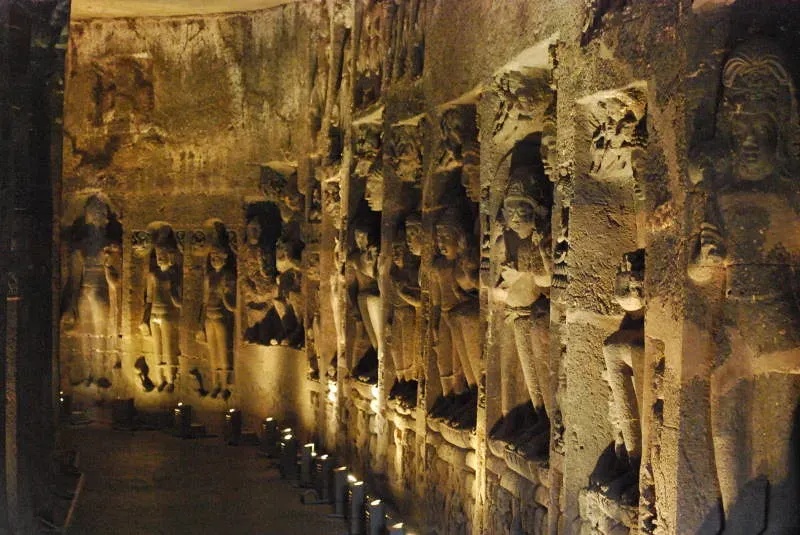
Tucked into a horseshoe-shaped cliff in Maharashtra, the Ajanta Caves feel like a secret whispered by history itself. Dating back to the 2nd century BCE, these 30 rock-cut caves are packed with Buddhist murals, sculptures, and stories that seem to glow with their inner light. Walking through these chambers is like stepping into an ancient library where knowledge was carved into stone rather than written on parchment.
The artistry here defies explanation. Monks spent generations hollowing out solid rock, creating prayer halls and monasteries adorned with paintings that still retain their vibrant colors after more than two thousand years. The artistic treasures offer a window into early Buddhist religious art and cultural practices. The remote location and the rediscovery of the caves in the 19th century add to their mysterious aura. The caves’ intricate artistry and historical significance continue to captivate visitors. Here’s the thing though: these weren’t just art galleries. They were functioning monasteries where monks meditated, studied, and sought enlightenment in the cool darkness, far removed from the chaos of the outside world.
Actun Tunichil Muknal, Belize: The Crystal Maiden’s Eternal Rest
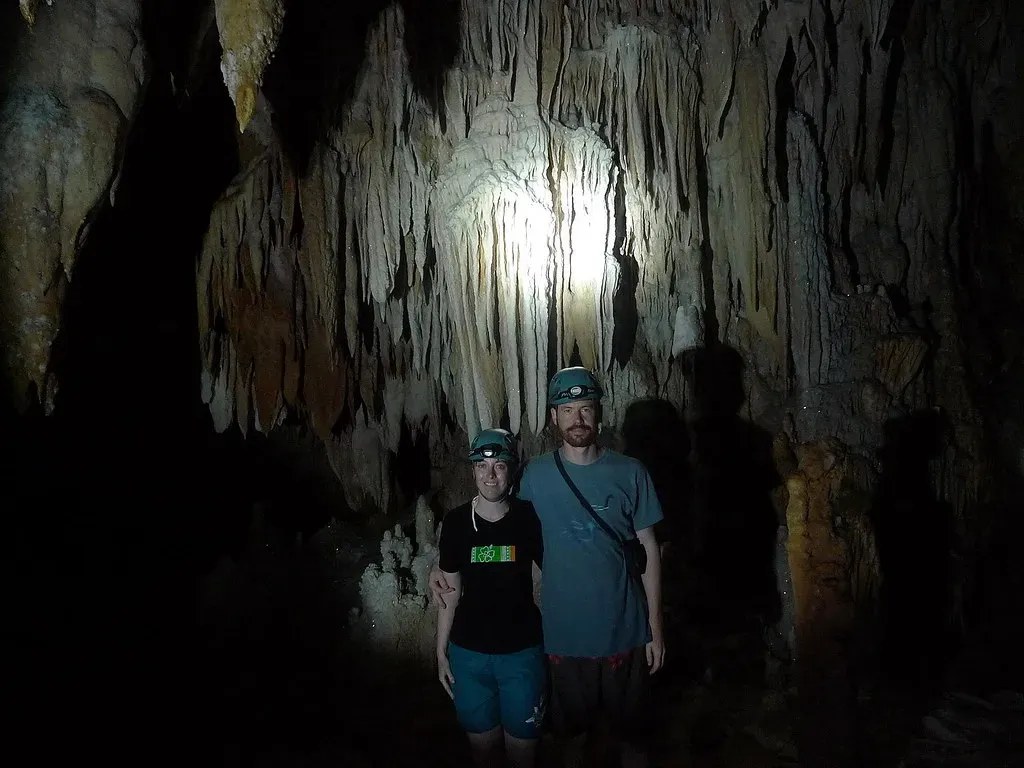
In myths, journeys to the underworld are never easy, and after visiting Actun Tunichil Muknal (Cave of the Stone Sepulchre), you may feel that you have been through your own epic test. Access to the Maya sacrificial site within the cave involves hiking, wading, and underwater swimming, but nearly a mile underground you will reach the resting place of the “crystal maiden,” a complete female skeleton that sparkles from eons of crystal calcification.
The Maya believed caves were portals to Xibalba, the underworld ruled by death gods. The cave also contains Maya pottery shards, many showing the “kill hole” intended to allow spirits to escape. The Crystal Maiden herself – believed to be an adolescent sacrificed to the rain god – lies where she fell over a thousand years ago, her bones now encrusted with sparkling calcite crystals. There’s something deeply moving and unsettling about seeing her there, a young person who gave everything to satisfy gods that demanded blood. The cave forces you to confront the sometimes brutal reality of ancient religious practices, practices that seemed perfectly logical to those who performed them.
Glastonbury Tor Cave, England: Gateway to Avalon
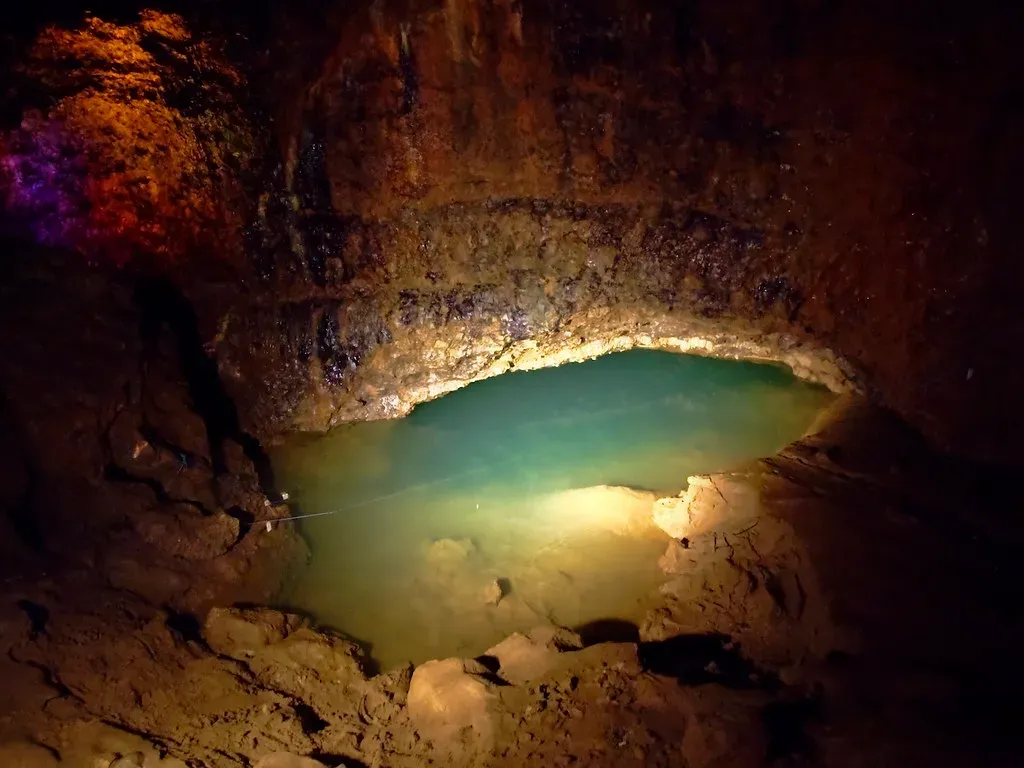
The most famous underground chamber, Glastonbury Tor Cave, sits beneath the iconic hill tower. Local folklore speaks of this cave as a gateway to Annwn – the Celtic Otherworld. Ancient texts describe it as the entrance to Avalon, where Morgan le Fay and her mystical sisters tended to the wounded Arthur. The legend runs deep here, layers upon layers of belief systems stacked like sedimentary rock.
Powerful ley lines crisscross beneath Glastonbury’s surface, creating what mystics call “nodes of power.” These energy pathways connect the caves to other sacred sites like the Abbey ruins and Wearyall Hill. The caves serve both Christian pilgrims seeking holy relics and modern pagans honoring the Great Goddess. Medieval monks recorded visions of angels in these underground sanctuaries, while today’s priestesses conduct full moon ceremonies in the same sacred spaces. It’s hard to say for sure, but there’s something about Glastonbury that feels different. Maybe it’s the accumulated faith of centuries, or maybe there really is something special about the place. Either way, visitors continue to report experiencing something profound within these shadowy chambers beneath the tor.
Conclusion
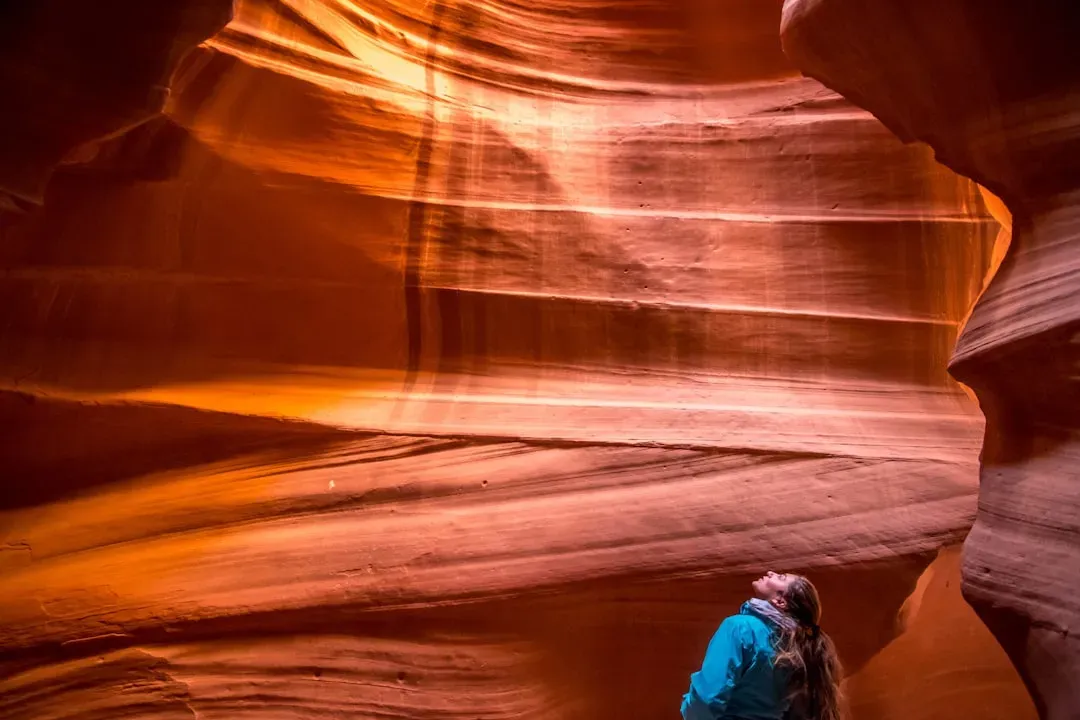
These six mystical caves remind us that beneath our feet lies a hidden world rich with history, mystery, and stories that refuse to be forgotten. From prophetic priestesses to sacred scrolls, from crystallized sacrifices to legendary gateways, each cave holds secrets that continue to fascinate and perplex us. They stand as monuments to humanity’s eternal quest to connect with something greater than ourselves, whether through prophecy, religious devotion, or communion with the natural world.
The darkness of these caves has preserved more than just bones and artifacts. It has preserved our collective memory, our fears, our hopes, and our enduring belief that some places are simply sacred. What do you think draws us so powerfully to these subterranean sanctuaries? Share your thoughts, especially if you’ve ever felt that inexplicable pull toward the mysterious depths of the earth.
