
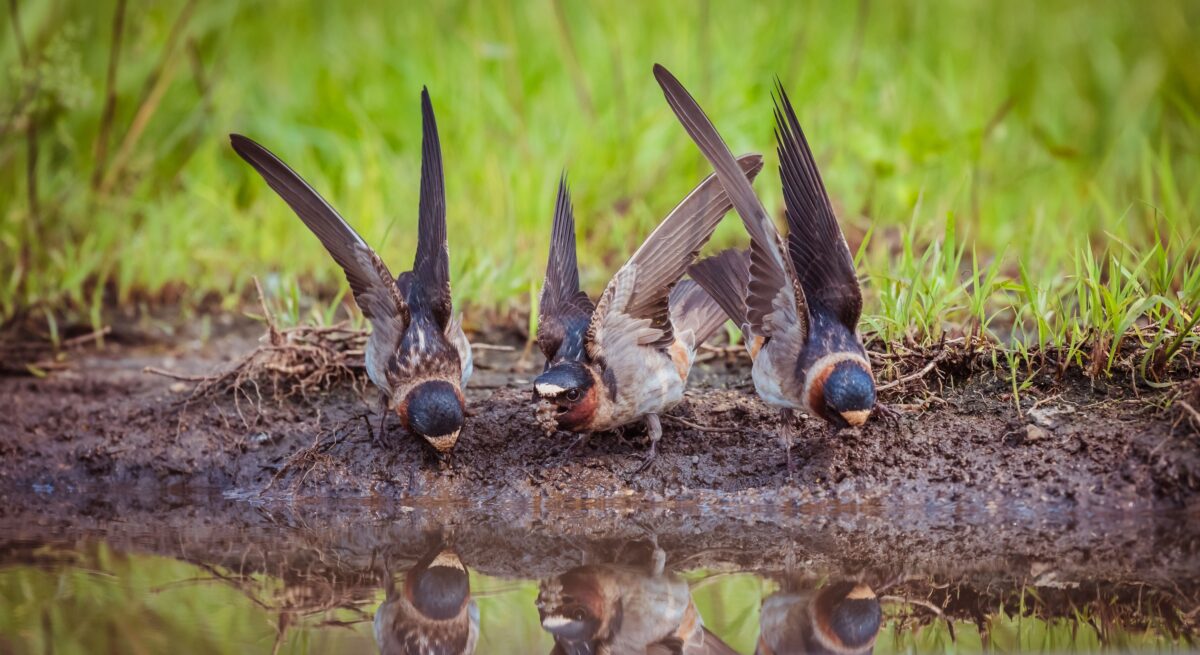

Have you ever noticed that calm, eerie moment before a storm, when the light goes flat, the air feels heavy, and suddenly swallows start skimming low over the fields or your backyard? It almost feels like nature is whispering a warning before the first raindrop hits. People have used this behavior as a homemade weather forecast for generations, long before radar and apps.
What makes it even more fascinating is that swallows are not checking the weather report; they are simply following food, air, and instinct. Yet, their behavior turns out to be surprisingly reliable. Let’s dig into what science actually knows, what it is still figuring out, and why these little acrobats of the sky become such good storm messengers.
#1 Insects Drop Lower When Humidity Rises
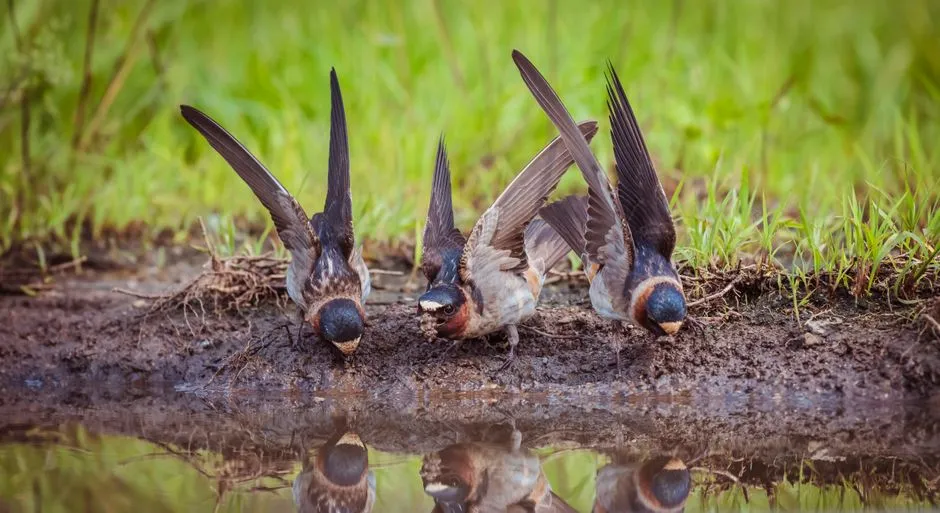
The most widely supported explanation is actually pretty simple: swallows follow their food. Before rain, humidity goes up, air pressure usually drops, and many flying insects change how and where they fly. Tiny insects that might normally be higher in the air often end up closer to the ground in more humid, denser air, so the swallows go down to meet them.
If you imagine a crowded elevator where everyone suddenly has to step down a floor, you get the idea. Swallows are expert aerial hunters, and they adjust their flight level to wherever the insect buffet is richest. When you see them zipping just above the grass, they are not trying to warn you personally about the weather; they are simply grabbing convenient snacks that the changing air has pushed downward.
#2 Air Pressure Changes Affect Insect Flight Patterns
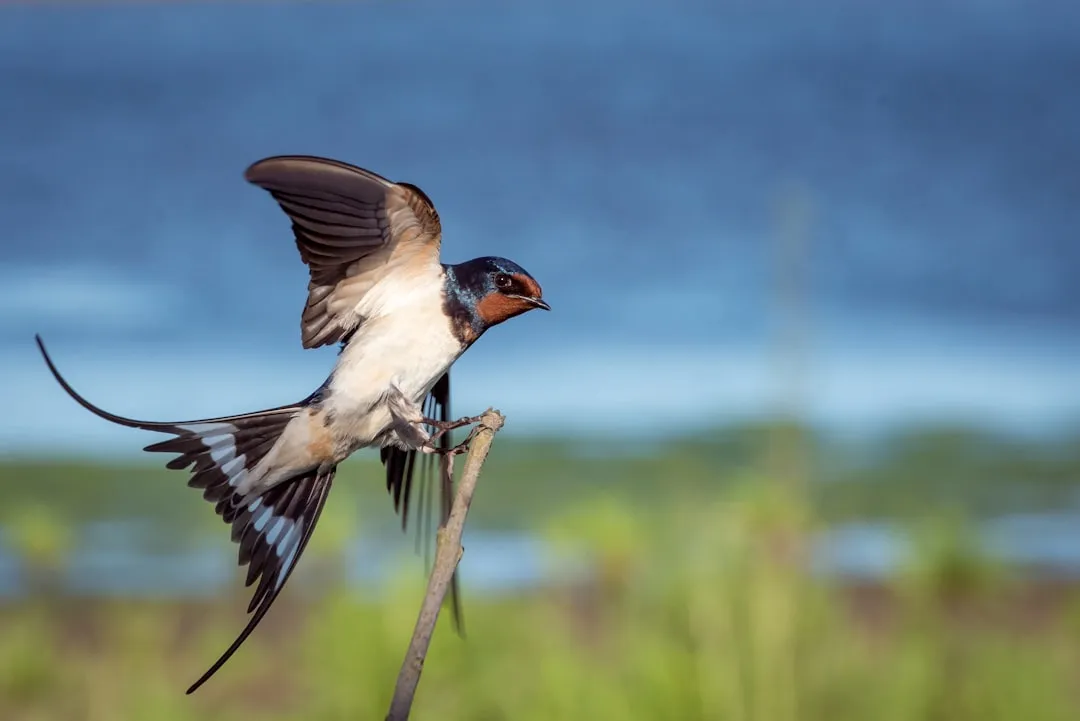
Along with humidity, changes in air pressure play a big role. When a low-pressure system moves in and a storm is on the way, the air tends to become less stable. Many small insects, especially those with delicate wings, do not cope well with that instability higher up. They may fly less, get carried differently by air currents, or stay lower to avoid being tossed around.
Swallows are sensitive to these shifts because their survival depends on reading the sky like a living map. If the best hunting zone sinks down closer to the ground just before a storm, swallows quickly respond and track that layer. So their low, darting flights can be seen as a living barometer, translating invisible pressure changes into a visible pattern you can watch from your window.
#3 Heavy, Moist Air Changes How Swallows Fly
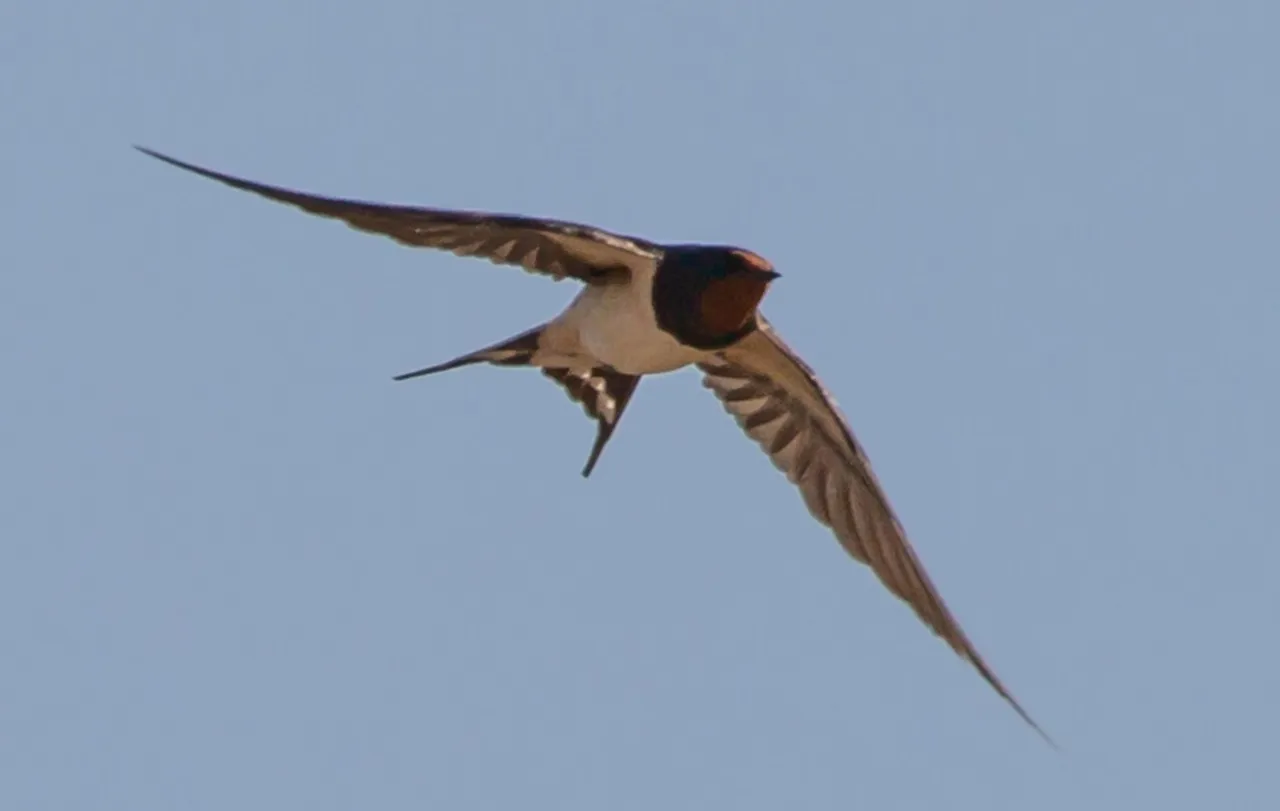
It is not only insects that are affected by the pre‑storm atmosphere; the swallows themselves feel the difference. Moist, heavy air changes lift and drag on wings, especially for birds that rely on agile, high-speed maneuvering like swallows. In some conditions, flying high becomes less efficient, more tiring, or simply less rewarding because the hunting up there is worse.
By flying lower, swallows can keep tight control over their flight path and fine-tune their turns, dives, and climbs. Think of it like a cyclist choosing a more sheltered path when the wind picks up: they are still moving fast, but they pick a route where the resistance is manageable. Flying closer to the ground in heavy air can be the swallow’s version of taking the smoother, more predictable lane in a stormy sky.

Halloween Dog Collar with Bow, Orange Cute Ghost Collar,
Check Price on AmazonAs an Amazon Associate, we earn from qualifying purchases.
10/9/2026 2:43 pm GMTi

Dog Stairs for Bed 18" H, 4-Step Dog Steps for High Bed
Check Price on AmazonAs an Amazon Associate, we earn from qualifying purchases.
10/9/2026 2:42 pm GMTi

Air Purifiers for Home Pets Large Room Up to 3000 Ft²,HEPA Air Cleaner with Washable Double-Side Filter, PM2.5 Air Quality Monitor,15dB Sleep Mode for Bedroom Odor Dust Pollen,White
Check Price on AmazonAs an Amazon Associate, we earn from qualifying purchases.
10/8/2026 8:23 am GMTi

Glass Hummingbird Feeder for Outdoors Hanging
Check Price on AmazonAs an Amazon Associate, we earn from qualifying purchases.
10/7/2026 1:21 pm GMTi

Professional 7 in 1 Dog Paw Cleaner for Dogs & Cats - Includes 1 Portable Paw Washer, 1 Bath Brush
Check Price on AmazonAs an Amazon Associate, we earn from qualifying purchases.
10/7/2026 1:26 pm GMTi
#4 Swallows Grab a Last Big Meal Before The Storm
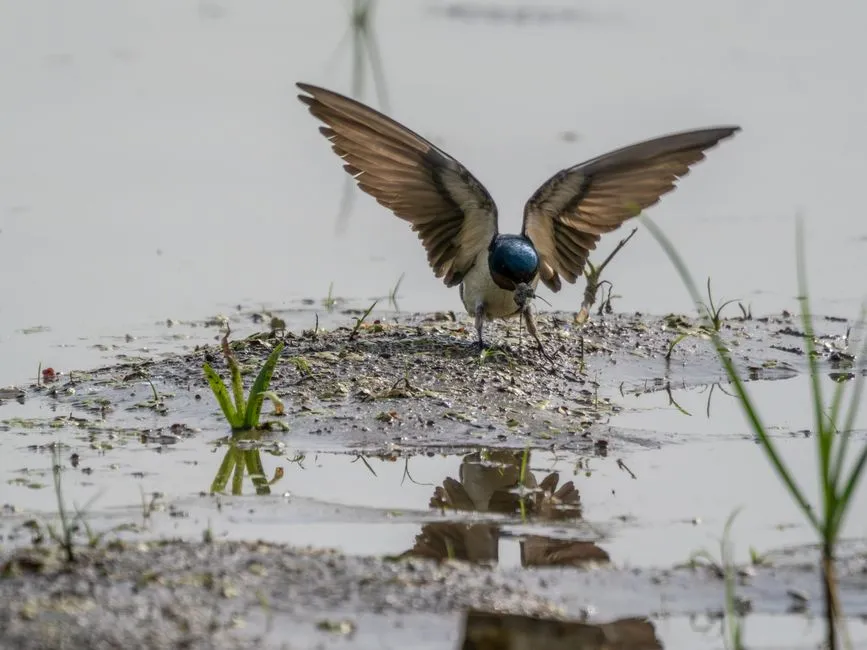
Rain, especially heavy rain, is bad news for an insect-hunter that catches almost everything on the wing. During intense showers, insects fly less, visibility drops, and energy costs go up. There is good evidence that many birds, including swallows, respond to approaching bad weather by increasing their feeding effort beforehand, essentially stocking up on calories.
Skimming low over fields or water when the weather is about to break can be part of this urgent feeding push. It is like raiding the pantry when you know you might be stuck inside all day: the swallows are trying to pack in as much energy as possible while the conditions are still workable. To us, it looks like spooky weather magic; to them, it is just smart storm prep.
#5 Local Microclimates Funnel Insects Downward
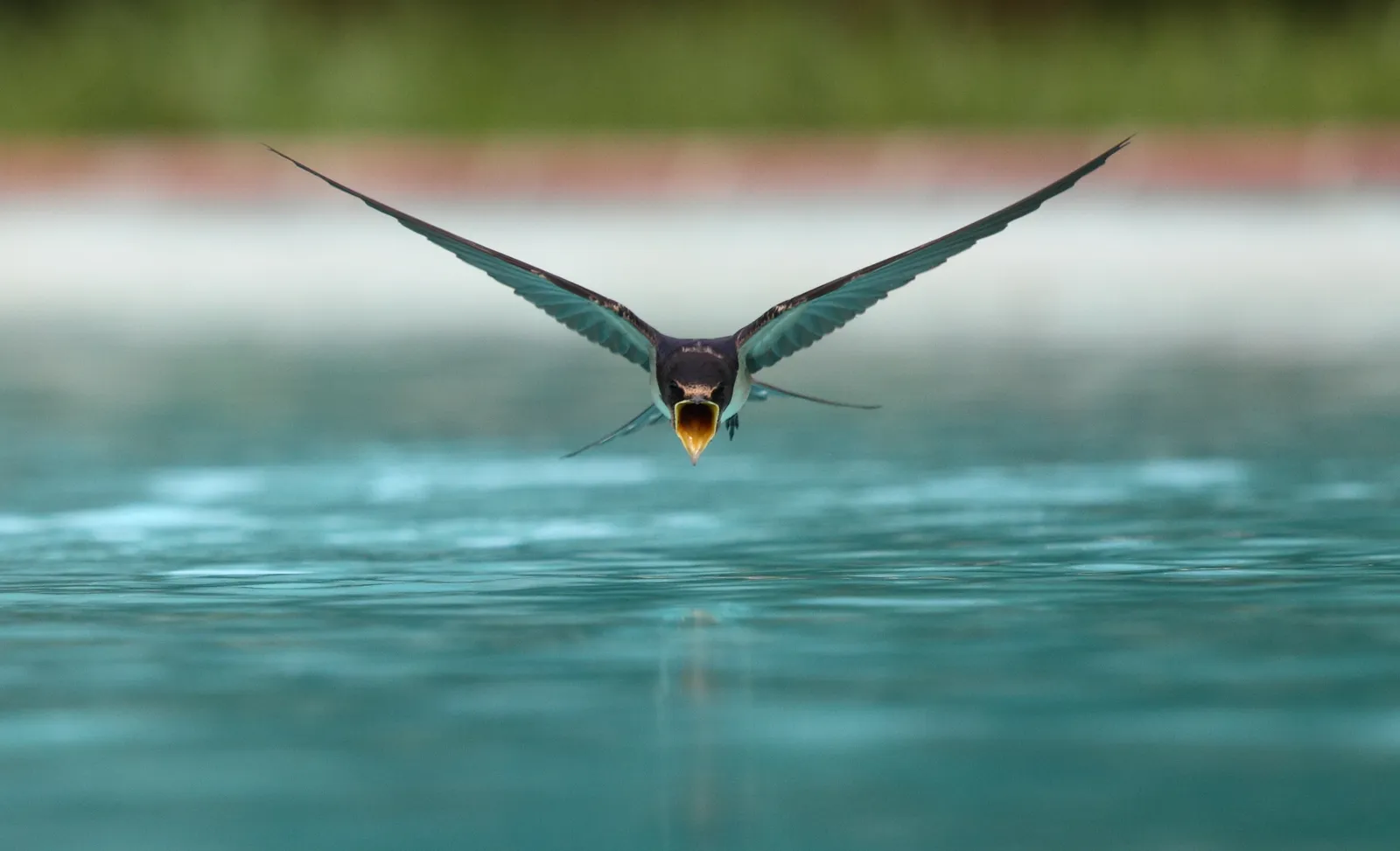
The landscape itself can amplify this effect in subtle ways. Just before rain, slight temperature and moisture differences between ground, vegetation, and air can create tiny layers where insects concentrate. For example, a cooling field, a warm road surface, or a damp meadow can each shape how air moves vertically, nudging insects closer to the surface.
Swallows seem incredibly tuned in to these micro-level changes, even if they are not consciously thinking about them. They will often trace the invisible edges of these insect-rich layers, hugging hedgerows, lake edges, or the tops of crops. The result is a kind of living weather map drawn in real time across your local landscape, with swallows as fast-moving markers showing where the atmosphere is shifting.

Smart Bird Feeder with Camera Solar Powered, 2K HD Live Video, 10,000+ Bird Species AI Identification
Check Price on AmazonAs an Amazon Associate, we earn from qualifying purchases.
10/7/2026 1:22 pm GMTi

Hand Blown Glass Hummingbird Feeders for Outdoors Hanging, 24oz Wild Bird Nectar Feeder
Check Price on AmazonAs an Amazon Associate, we earn from qualifying purchases.
10/7/2026 1:23 pm GMTi

2 Pcs Halloween Pet Hat Bandana Set, Witch Pumpkin Costumes for Dogs
Check Price on AmazonAs an Amazon Associate, we earn from qualifying purchases.
10/9/2026 2:45 pm GMTi

Glass Hummingbird Feeder for Outdoors Hanging, 16 oz Leak-Proof Nectar Feeder with Bee Guards & Ant Moat
Check Price on AmazonAs an Amazon Associate, we earn from qualifying purchases.
10/7/2026 1:22 pm GMTi

Orthopedic Extra Large Dog Bed, Waterproof Washable XL Pet Bed 44"
Check Price on AmazonAs an Amazon Associate, we earn from qualifying purchases.
10/7/2026 1:32 pm GMTi
#6 Ancient Instinct Meets Folk Weather Wisdom
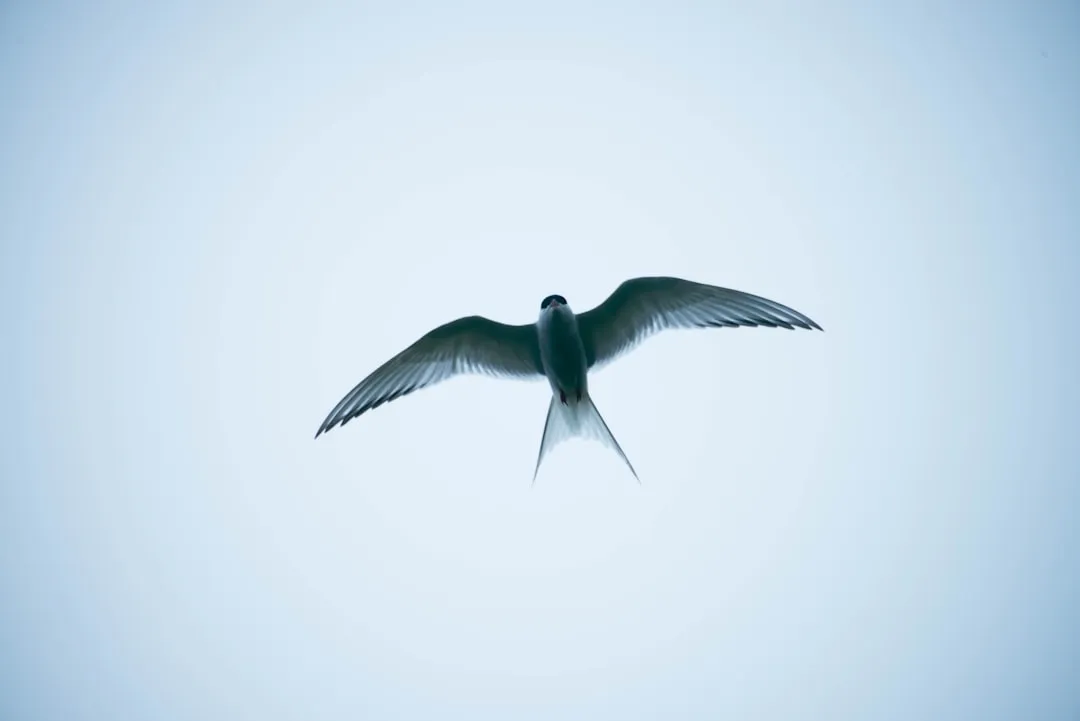
Over many generations, the swallows that best adjusted their behavior to shifting weather and insect patterns were the ones most likely to survive and raise chicks. That kind of natural selection embeds weather sensitivity deep in their instincts. When they suddenly sweep low before rain, you are watching millions of years of evolutionary fine-tuning in action, not a conscious decision to play weather reporter for humans.
People, watching this for centuries, noticed the pattern and turned it into familiar folk wisdom about birds flying low before rain. While not perfect, it is grounded in a real biological chain: changing weather alters insect behavior, which alters swallow behavior. In my view, that blend of hard science and old human observation is exactly where nature feels most magical: not because it is supernatural, but because it is so quietly, consistently clever.

Halloween Cat Costume Cloak Witch Hat Pet Accessories
Check Price on AmazonAs an Amazon Associate, we earn from qualifying purchases.
10/9/2026 2:44 pm GMTi

Portable Dog Water Bottle Foldable Dog Travel Water Bottle
Check Price on AmazonAs an Amazon Associate, we earn from qualifying purchases.
10/7/2026 1:29 pm GMTi

PetSafe Oasys Pet Fountain, 1/2 Gallon (64 oz), Small Dogs & Cats
Check Price on AmazonAs an Amazon Associate, we earn from qualifying purchases.
10/8/2026 8:14 am GMTi

Earth Rated XL Dog & Puppy Pee Pads, Discreet Top, Max Absorbency
Check Price on AmazonAs an Amazon Associate, we earn from qualifying purchases.
10/7/2026 1:28 pm GMTi
Conclusion: What Swallows Really Tell Us About The Weather
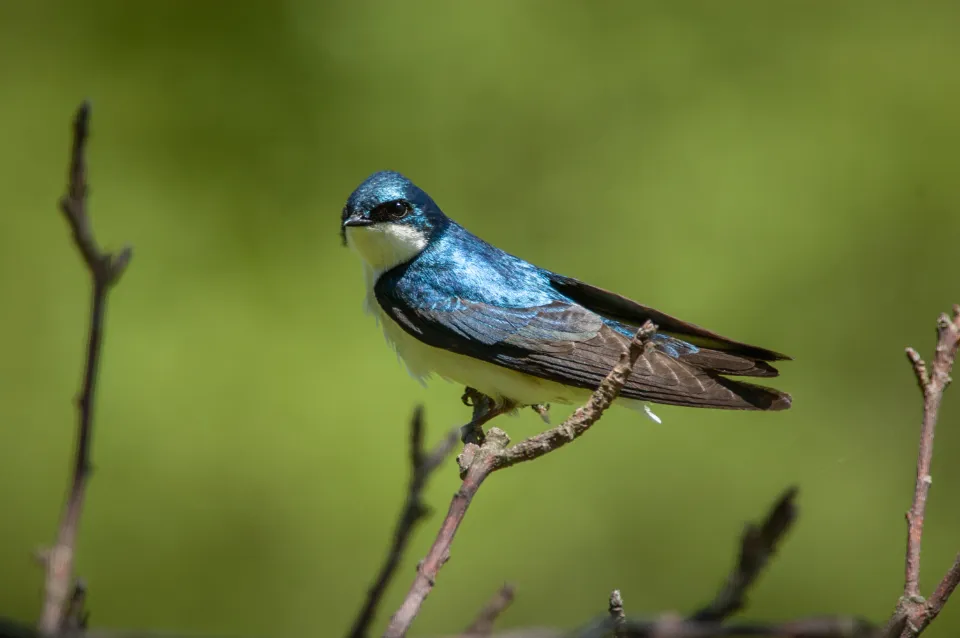
When swallows fly close to the ground before rain, they are not predicting the future in any mystical way; they are reacting instantly to what the atmosphere is doing right now. Humid, heavy air lowers insects, pressure changes unsettle the higher layers, and swallows simply follow the food into a new altitude band. To me, that makes them even more impressive than any romantic legend, because their grace is tied to real physics and real hunger, not just a pretty story.
If anything, the real lesson is that paying attention to small, everyday details in nature can still rival any weather app. The swallows are not always right, and there are days when they fly low for reasons that have nothing to do with rain. But the next time you see them streaking like tiny jets just above the grass, it is worth pausing and asking yourself what the sky is quietly rearranging above your head. Did you ever think such small wings could reveal so much about a coming storm?

- 6 Reasons Swallows Fly Close to the Ground Before Rain - November 11, 2026
- 9 Fascinating Behaviors of Squirrels You Never Noticed In Your Yard - November 11, 2026
- What It Means When a Raccoon Visits at the Same Time Every Night - November 11, 2026