
#1 Peppermint
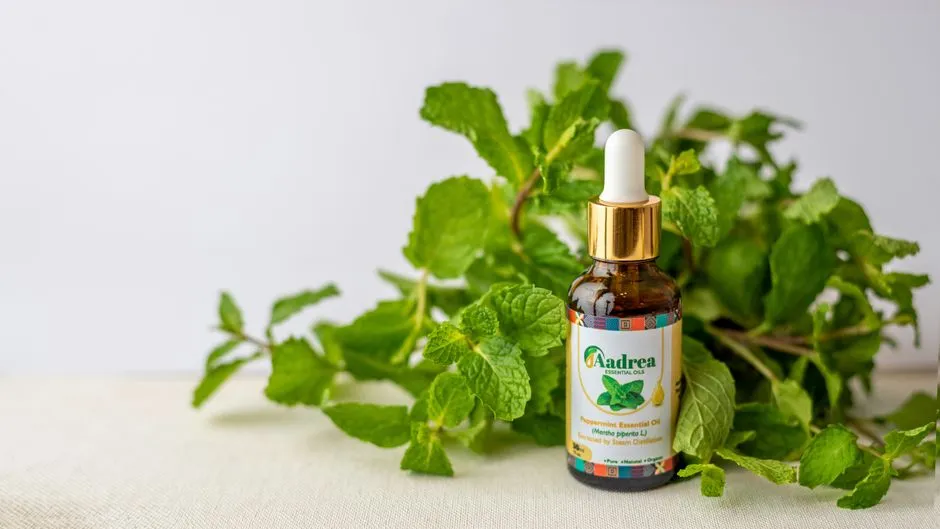
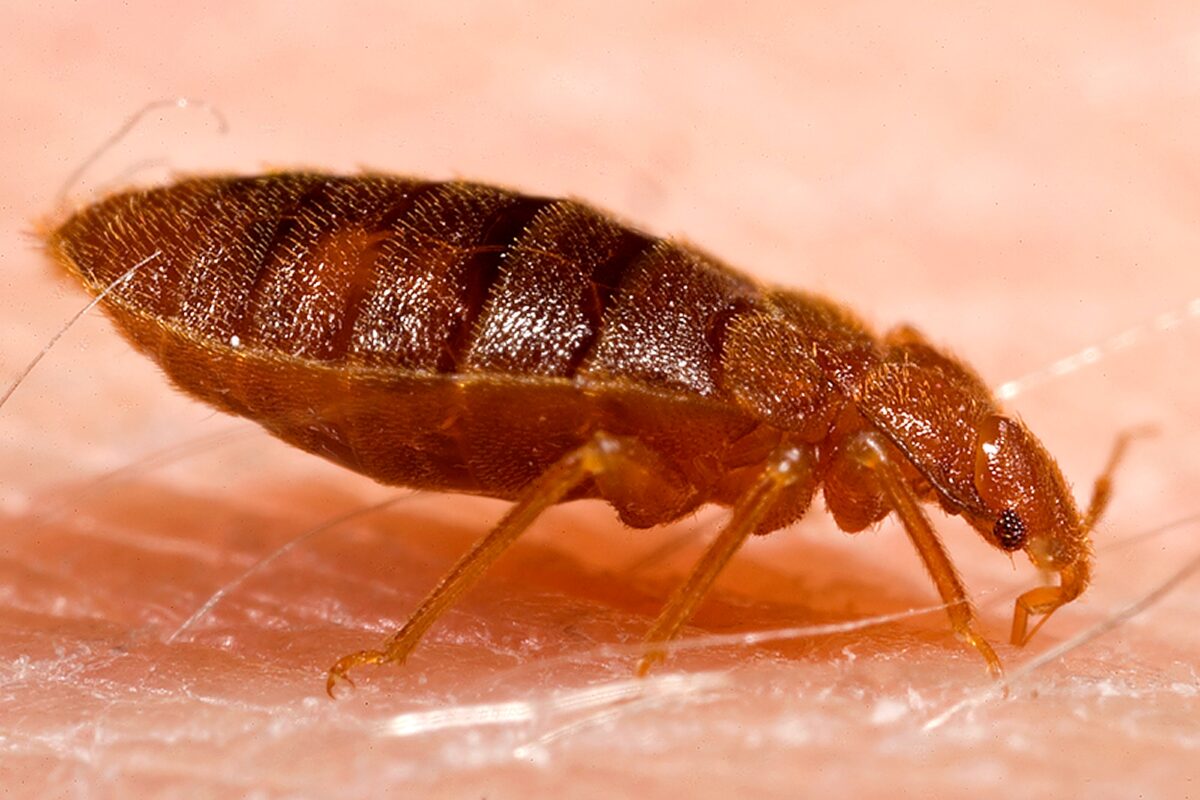
Peppermint is probably the first scent people think of when bed bugs come up in conversation, and there’s a reason for that. Peppermint oil gets attention because bed bugs dislike strong menthol smells. That sharp, cooling intensity that makes peppermint so refreshing to us is essentially a sensory overload for these little insects. Their sensory organs simply were not built to tolerate that level of aromatic intensity.
That said, peppermint is better understood as a mild deterrent than a solution. Peppermint oil may repel bed bugs briefly but does not reliably kill them. It can make a treated area less inviting for a short window of time, which is useful as a supplementary tactic, but it won’t dismantle an established infestation on its own.
#2 Lavender

Lavender has a soft, calming reputation among humans, yet bed bugs seem to experience it differently. One of its key active compounds is linalool, and researchers have found that one of the key components of lavender is linalool, which has a neurotoxic effect on bed bugs. Beyond the smell itself, the strong scent also interferes with bed bugs’ ability to detect their hosts, so it disrupts their feeding patterns which in turn means they lose their food source and die.
Interestingly, the science on linalool is not entirely tidy. A peer-reviewed behavioral study found that while bed bugs avoided resting on filter papers treated with 24-h aged residues of geraniol, eugenol, citronellic acid, and carvacrol, bed bugs aggregated in areas treated with linalool-aged residues. In other words, freshly applied lavender may repel bed bugs, but once the scent starts to fade, the same treated surface could actually attract them back. That nuance rarely makes it into home remedy lists, but it matters if you’re relying on lavender sachets left untouched for days.
#3 Tea Tree Oil
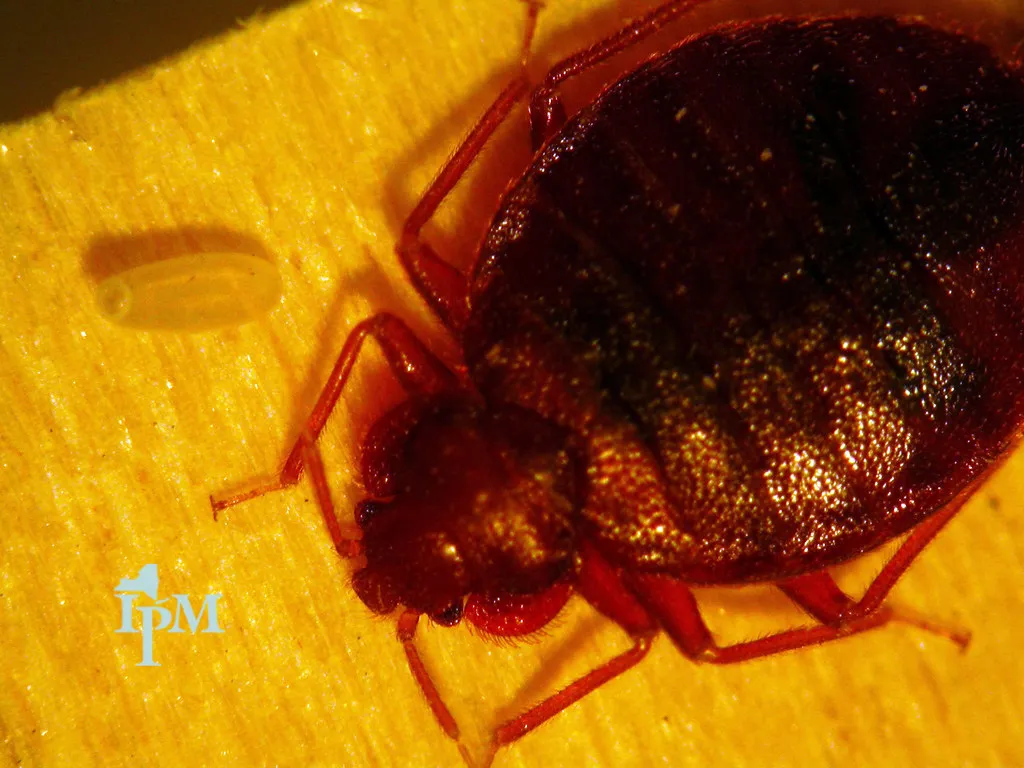
Tea tree oil shows up constantly in natural pest control discussions, and it has more going for it than just an unpleasant smell to bed bugs. The compound responsible, terpinen-4-ol, does double duty. The ingredient called terpinen-4-ol found in tea tree oil can eliminate these bugs, as it harms their nervous and respiratory systems when they are subjected to the oil, and bed bugs may also avoid regions that have been treated with the substance due to the oil’s strong scent, which can be repulsive to them.
The catch is that tea tree oil is potent enough to cause problems for people too, not just bugs. Undiluted tea tree oil can irritate skin and damage fabrics, so always mix it with a carrier oil or water before applying. It’s a legitimate tool in the natural pest control kit, but one that demands a bit of care in how it’s mixed and where it’s sprayed.
#4 Eucalyptus

Eucalyptus brings a cooling, medicinal quality to the air that most people find pleasant, but it tends to have the opposite effect on bed bugs. Eucalyptus oil brings a cooling, camphor-like scent that many people find refreshing. Pest control resources frequently list it alongside peppermint and tea tree as part of the same family of overwhelming aromatic deterrents, noting that eucalyptus is another strong natural repellent that can discourage bed bugs from lingering.
Still, eucalyptus falls into the same category as most essential oils on this list: helpful as a temporary nuisance to the bugs, not a cure. Eucalyptus oil shows some repellent properties, but results vary. It works best as one layer in a broader strategy rather than a stand-alone fix sprayed once and forgotten.
#5 Clove and Eugenol
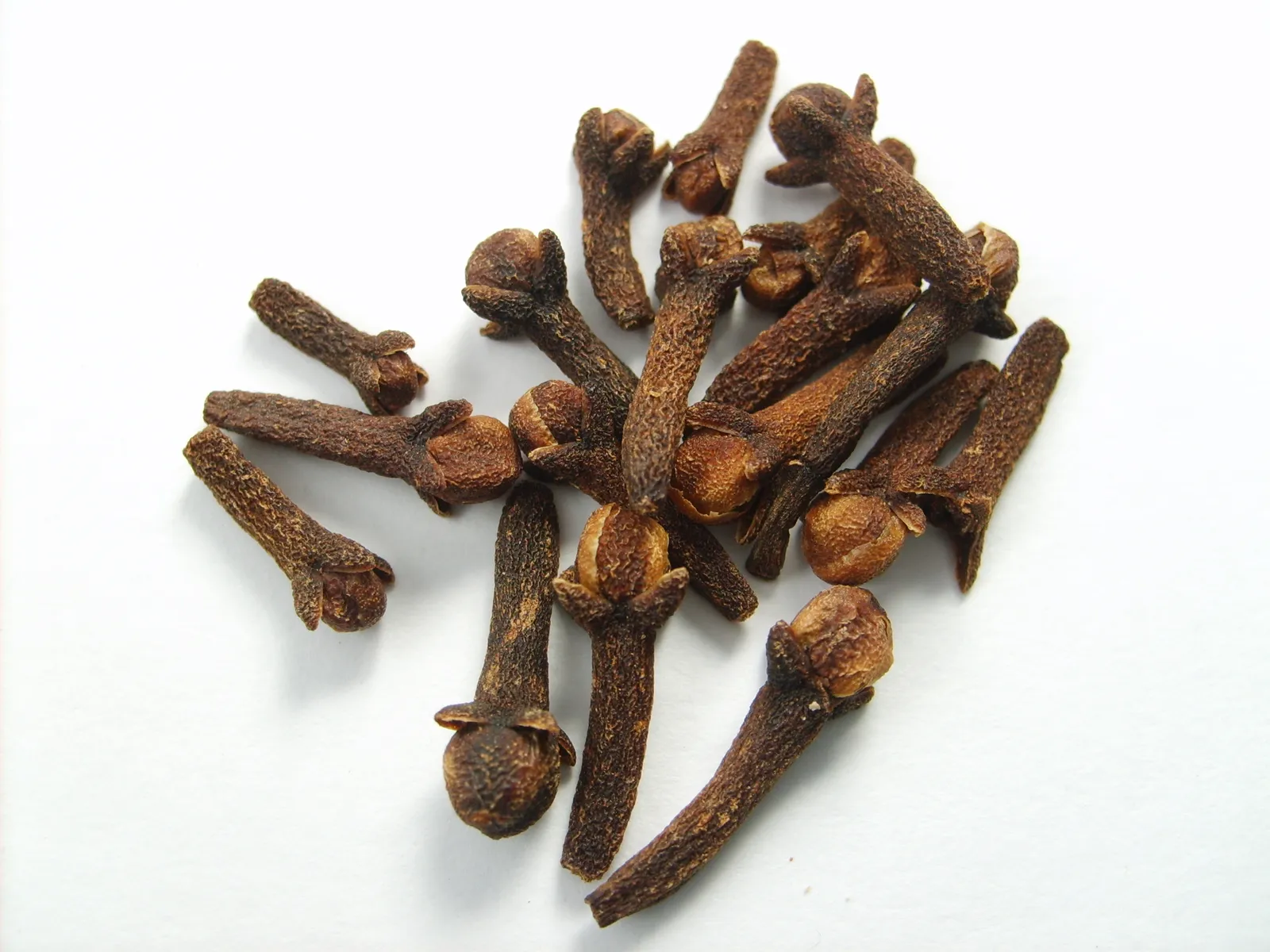
Clove oil owes its bite, quite literally, to a compound called eugenol, and that compound has actually been tested in controlled laboratory conditions. A behavioral study using video tracking found that eugenol was among a handful of essential oil constituents that bed bugs consistently avoided, and the researchers concluded that novel formulations of natural product insecticides that include geraniol, eugenol, carvacrol, or citronellic acid have potential to repel bed bugs.
The timing of that repellency matters quite a bit, though. A separate look at clove and cinnamon oils by Rutgers University researchers found that oils like clove and cinnamon demonstrated contact toxicity, but their repellent effects lasted only a few hours. That short window means clove oil sprayed today won’t necessarily protect a mattress tomorrow night, which is worth keeping in mind before treating it as a long-term shield.
#6 Citronella and Lemongrass

Most people know citronella as the scent burning in a candle on a summer porch to keep mosquitoes away, but its usefulness doesn’t stop there. Citronella oil, which is distilled from lemongrass, is popular for repelling mosquitoes. Less commonly discussed is the fact that it appears to unsettle bed bugs in similar ways, likely because of the same sharp, citrusy volatile compounds that insects across many species find overwhelming.
Lemongrass itself carries a related reputation in pest control circles. Some natural pest guides note that lemongrass is best known for repelling mosquitoes, but it is also effective against other insects, including bed bugs. As with the other scents on this list, the effect tends to be more about discouragement than elimination, so it works better as a supporting layer than a solo defense.
Final Thoughts
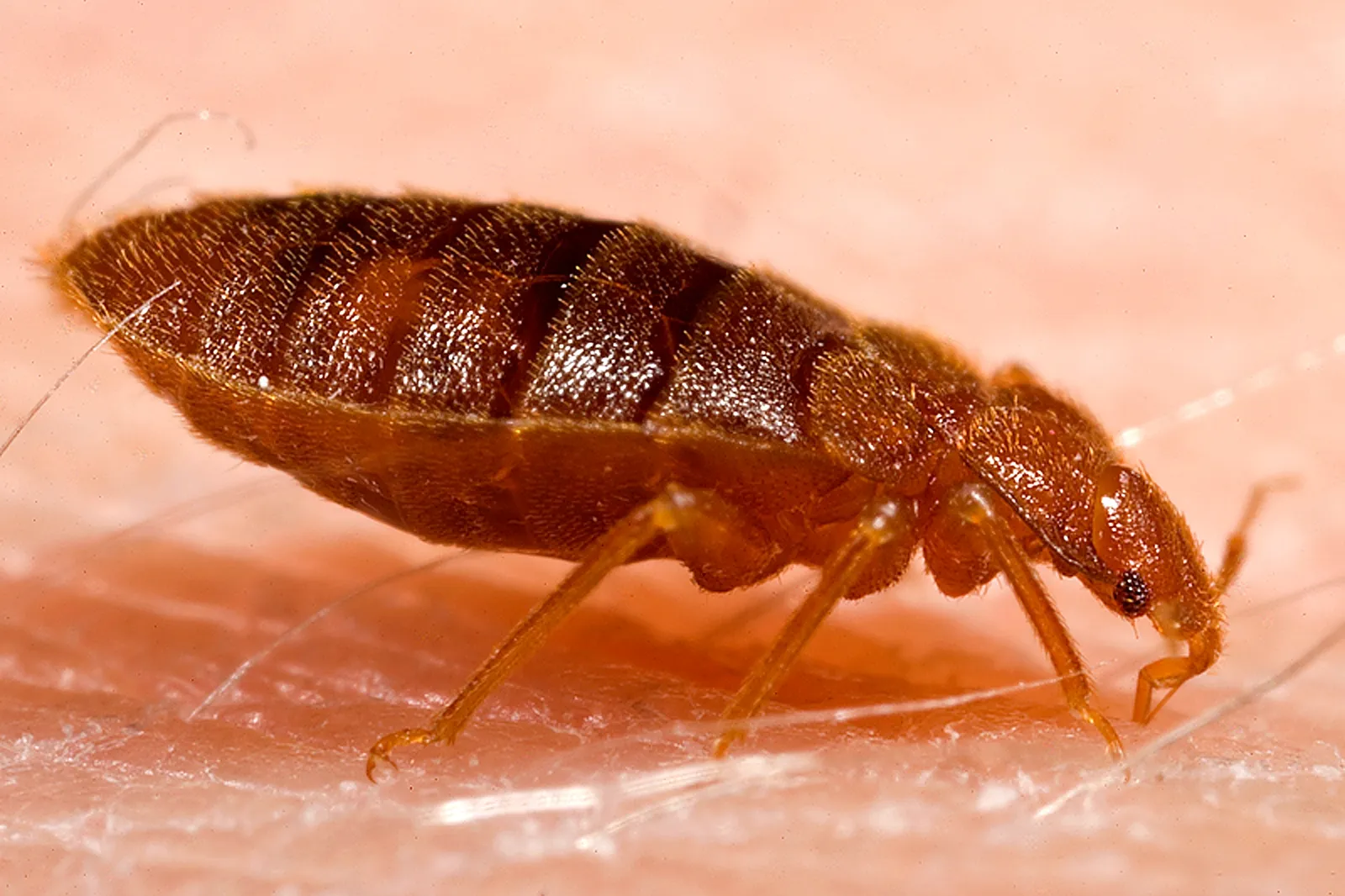
After digging through the research, my honest take is that these six scents deserve a spot in the conversation, but they don’t deserve the hype they sometimes get on social media. Bed bugs genuinely seem to dislike menthol, camphor, floral intensity, and sharp citrus notes, and that avoidance behavior is real and measurable in lab settings. What isn’t real is the idea that a spray bottle of peppermint water can substitute for actual pest control once an infestation has taken hold.
If you’re dealing with an early scare, a suitcase that spent a night somewhere questionable, or you simply want an extra layer of prevention, reaching for lavender or tea tree oil is a reasonable and low-risk move. If you’re already waking up with bites and finding shed skins along the mattress seams, though, no amount of pleasant fragrance is going to replace heat treatment, thorough cleaning, or a call to a licensed exterminator. Scents can slow bed bugs down and make your home a little less hospitable to them, but treating that as the whole solution is where people tend to go wrong.

- What Eagle Are You According to Your Zodiac Sign - August 15, 2026
- 8 Things Secretary Birds Do to Snakes That Make Them Extraordinary Hunters - August 15, 2026
- 7 Reasons Wolverines Survive in Places Most Predators Cannot - August 15, 2026