

Most people who’ve swum in the ocean have, at some point, felt that particular unease. Something brushes past a leg. A shadow slides beneath the surface. The brain races before the eyes can confirm anything. For the overwhelming majority of ocean swimmers, that moment passes without incident. Sharks and humans share the ocean constantly, and actual attacks remain statistically rare.
It’s actually pretty common for people to encounter sharks. It’s just very uncommon for them to know about it, as Catherine Macdonald, director of the Shark Research & Conservation Program at the University of Miami, points out. Humans simply aren’t part of a shark’s natural diet, and if they do approach or bite a person, it’s most likely due to confusion or curiosity.
That said, knowing how to behave in those rare moments when a shark does close the distance could be the difference between a sighting and something far worse. What most people get wrong isn’t what they do. It’s what they instinctively do first.
#1: Never Panic and Thrash in the Water

The instinct to flail, splash, and bolt toward shore is deeply human. It’s also one of the worst things you can do. Sharks are typically not interested in humans as a food source, and attacks are usually a result of mistaken identity or defensive behavior. Staying calm helps you think clearly and make rational decisions, and a calm demeanor can also communicate to the shark that you are not prey.
Sharks can hear the low-frequency sounds from splashing and may investigate to see if there is a fish in distress, according to the International Shark Attack File. That’s the exact opposite of what you want. Making erratic motions or sudden splashing can actually attract a shark rather than repel it.
Deep breaths should help slow your heart rate and provide you with sufficient oxygen to make intelligent decisions, like wading gently away from the shark rather than thrashing around or otherwise attracting its attention. Controlled breathing isn’t just good for your nerves – it’s a practical survival tool in this situation.
#2: Never Turn Your Back on the Shark
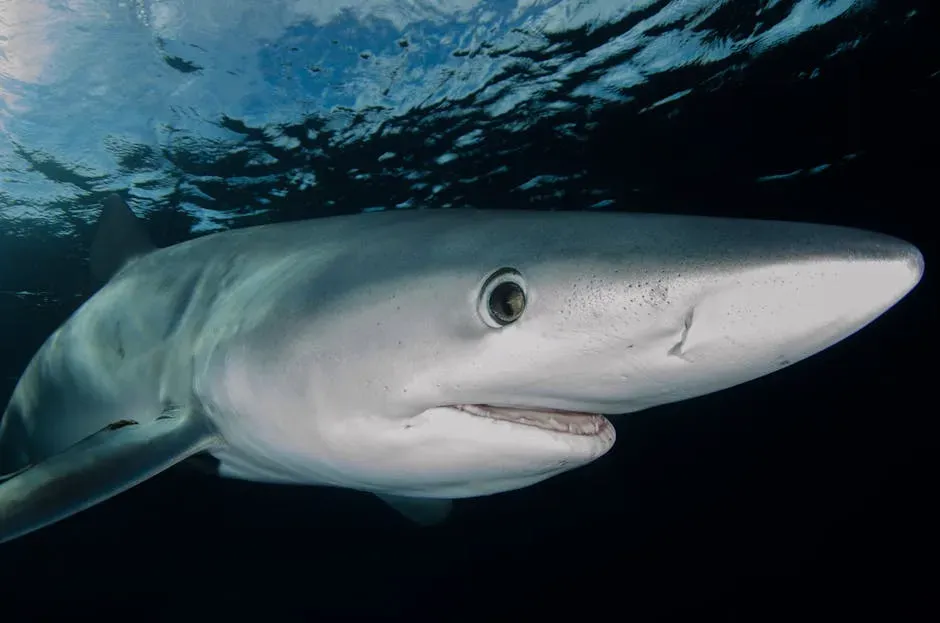
Sharks often attack from behind, so keeping the shark in your line of sight can help deter it from attacking. The moment you spin around and start swimming away without watching, you’ve removed your only visual advantage. You also signal something that resembles prey behavior to an animal running entirely on instinct.
Sharks are ambush predators, and if you are watching one the whole time, its behavior can change completely. They much prefer the sneak approach. Maintaining eye contact signals awareness and strength. If you see a shark while in the water, keep eyes on it and back away slowly while calling for help and warning others as you retreat.
Remember that several sharks may be present, so once you make firm eye contact with the shark, be sure to check your surroundings for other potential threats. Staying aware of the full picture matters just as much as tracking the shark directly in front of you.
#3: Never Try to Outswim It at Full Speed
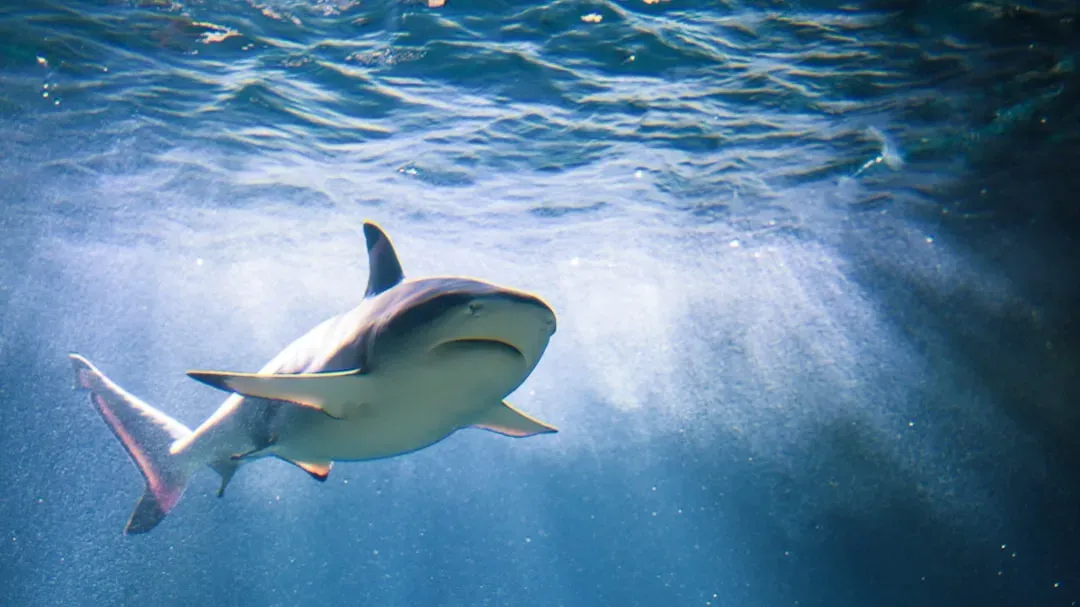
Sprinting for the shore sounds like pure common sense. In reality, fast and chaotic movement looks exactly like a wounded fish or fleeing prey to a shark. If the shark is swimming towards you, the guidance is to move away slowly and calmly without turning your back, trying to keep a distance of at least six feet between you and the animal.
If a shark begins to get too interested in you by coming closer and closer, the best strategy is to leave the water, swimming quickly but smoothly and watching the shark the entire time. Notice the word “smoothly.” There’s a meaningful difference between purposeful, steady movement and wild, splashing panic. Avoid flailing your arms and legs, and do not create surface splashes.
The ocean is the shark’s domain, and it will always be faster over a short distance. Your best advantage isn’t speed. It’s composure. Moving steadily and without erratic motion gives you a better chance than any frantic sprint ever could.
#4: Never Ignore the Shark’s Body Language

A shark circling at a comfortable distance behaves very differently from one that is signaling genuine agitation. Those signals are readable if you know what to look for. Signs that a shark feels uncomfortable or agitated include jerky movements, raising its head, lowering its pectoral fins to point downwards, and arching its back.
If you notice an exaggerated swishing tail, the animal making tighter circles, bumping objects around it, or several close passes, that is a signal that it is time to exit the water calmly and quickly. These aren’t subtle cues. They are the animal communicating clearly. It’s important to pay attention to the shark’s behavior, and observe if its movements are erratic, if it’s moving backwards and forwards, circling, or if it has a swimmer at the center of its attention.
Dismissing these warning signs or deciding the shark is “just curious” is a gamble that experts consistently advise against. If a shark is acting overtly aggressive, making rushes at you, hunching its back, or swimming in a rapid zigzag course, the recommendation is to back up against whatever structure is available, reducing the angles from which the shark can approach.
#5: Never Wear Shiny Jewelry or High-Contrast Colors in Shark Waters

This one surprises most people. What you wear into the ocean before any encounter even begins can influence whether a shark pays you attention in the first place. Wearing shiny objects like necklaces, earrings, or watches is discouraged because the glint from metal jewelry may resemble a fish or their scales, and attract curious sharks.
Sharks see contrast particularly well, and uneven tans and bright-colored clothing may draw a shark’s attention. It’s not that the shark is targeting you specifically. It’s that certain visual cues can trigger investigative behavior. The International Shark Attack File also recommends avoiding uneven tanning as well as bright-colored and high-contrasting clothing for this exact reason.
The principle is straightforward. The less you visually resemble prey, the less interest you generate. Simple, practical choices before you even enter the water can quietly reduce your exposure, which is always preferable to managing a close encounter after the fact.
#6: Never Pull Away If a Shark Has You in Its Jaws
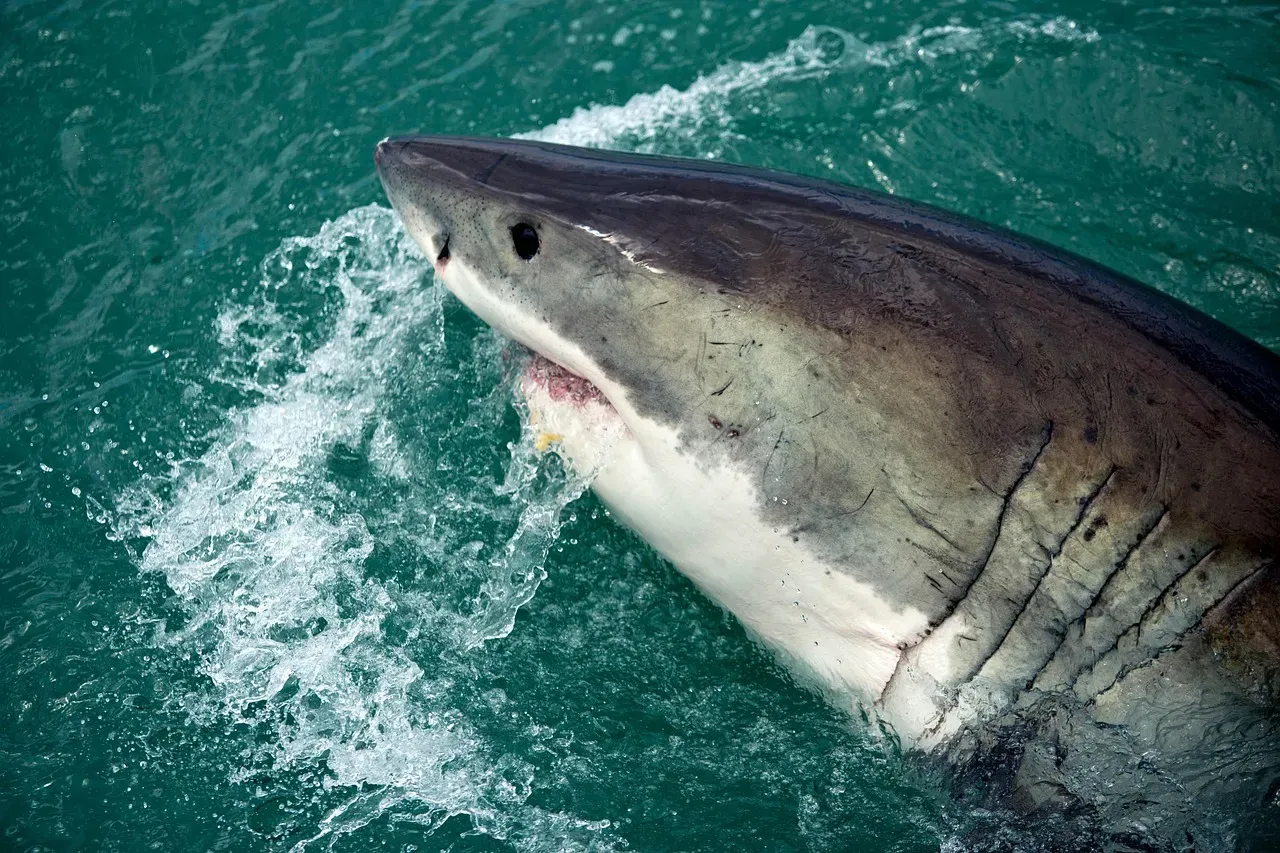
This is the hardest advice to follow because every human instinct screams to pull back. Resisting that instinct could save your life. You should not pull back if you are being bitten by a shark. They have angled, serrated teeth, and as the shark bites down, the teeth actually create a sawing motion. Pulling your body away while any part of you is clenched in their jaws will worsen injuries, tearing more and more tissue along the way.
Instead, experts are clear on what to do. Aim for the shark’s eyes, nose, or gills, as these are their most sensitive areas. In the unlikely event that the shark actually bites you, hitting the shark in soft areas like the eyes, nose, and gills is the recommended method to get it to let go. Fighting back deliberately and at specific targets is fundamentally different from wild, panicked flailing.
After that, one should reverse out of the water, keeping eye contact with the shark and making sure never to leave their back towards the animal until they are back up on the beach. The survival priority then shifts immediately to stopping blood loss and reaching emergency care. If you or someone else is bitten by a shark, try to stop the bleeding as soon as possible and seek medical attention no matter how small the wound.
The Bigger Picture
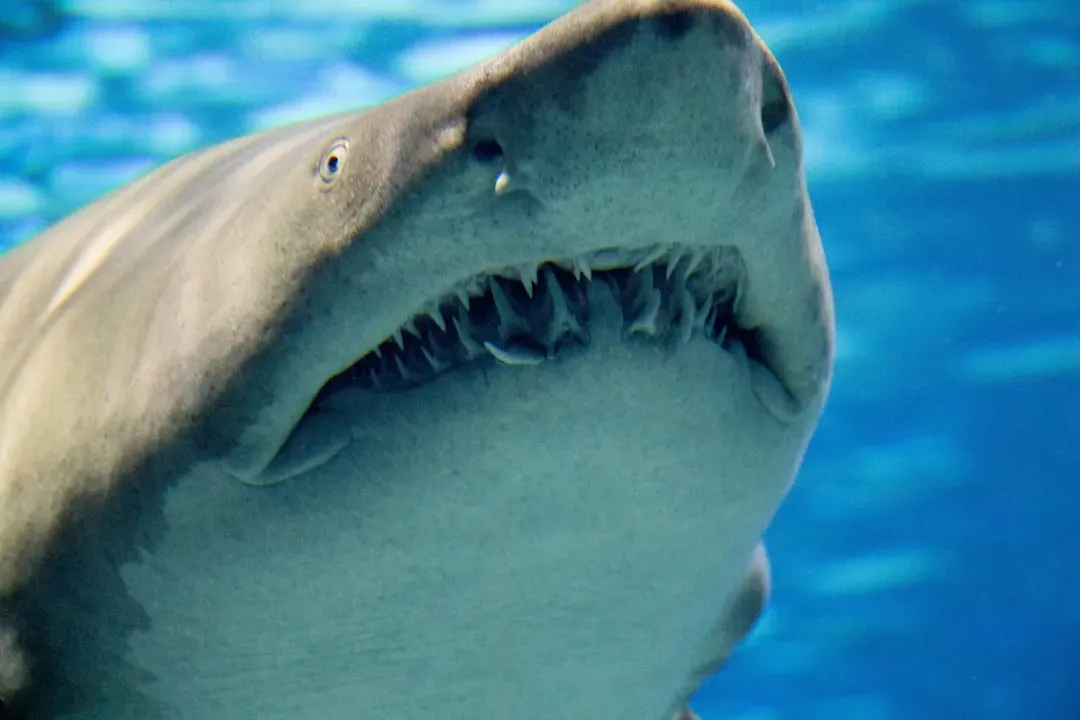
Here’s an opinion worth stating plainly: the fear of sharks has done more harm than good. It has driven decades of culling, misguided policy, and a cultural mythology that serves nobody, least of all the humans who enter the ocean unprepared because they underestimated a real animal rather than understanding it. Shark bites are incredibly rare, with just 47 unprovoked bites recorded globally in 2024, according to the International Shark Attack File.
More people die in rip currents than ever do by shark encounter, according to the International Shark Attack File’s database, with the risk also higher from beach injuries like drowning, the collapse of a sand hole, lightning strike, or boating. The ocean carries many risks, and sharks rank far lower than popular culture suggests. The vast majority of the 500-plus species of sharks are not dangerous to human beings, and most often, even bulls, tigers, and whites typically go out of their way to avoid us.
What changes outcomes isn’t luck. It’s knowledge. Understanding what not to do in those rare charged moments, staying calm, holding eye contact, moving deliberately, reading the signals, respecting the animal, matters far more than strength or speed. The ocean belongs to these creatures. We’re the ones visiting. Going in prepared, and behaving accordingly, is simply the most honest form of respect.
