

Boiling a lobster alive has been a standard kitchen practice for centuries, passed down through culinary tradition with little question. The assumption was simple: these creatures are too primitive to register suffering in any meaningful way. That assumption is now being seriously challenged.
A new study from the University of Gothenburg has added significant weight to a growing body of research suggesting that lobsters are not the unfeeling automatons we long believed them to be. The findings are prompting researchers to call for a rethink of how these animals are treated, both in commercial kitchens and in the broader food industry.
The Study That Changed the Conversation
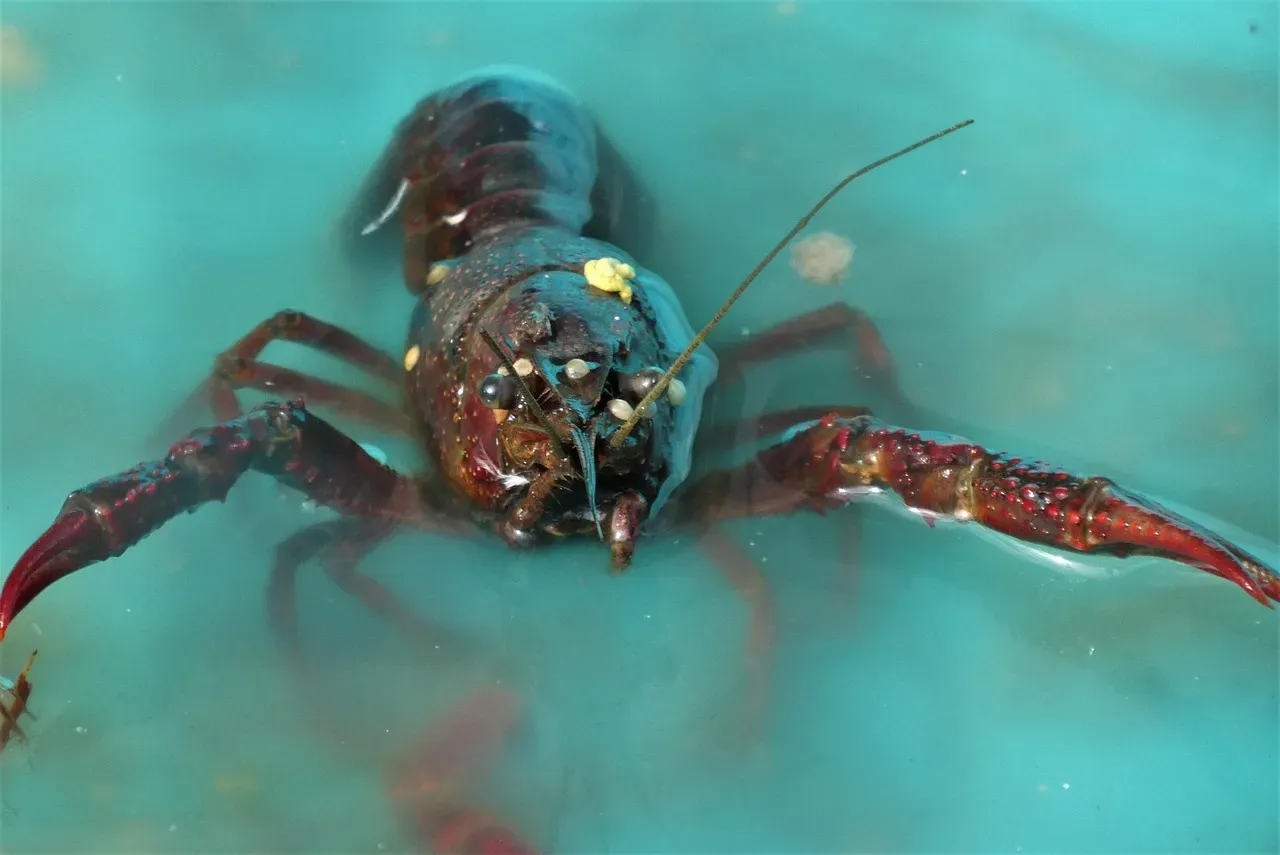
Common painkillers used by humans can also affect Norway lobsters, raising fresh concerns about the long-standing practice of boiling them alive, according to a study by the University of Gothenburg. The research, published in Scientific Reports, examined how Norway lobsters respond to electric shocks.
Scientists at the University of Gothenburg exposed male Norway lobsters weighing around 106 grams each to controlled electric shocks, dividing them into groups that received either no treatment, injected aspirin at 10 milligrams per kilogram, or immersion in lidocaine at 80 milligrams per liter one hour prior. The results were striking.
When shocked, the lobsters tried to escape using a tail flip, a common escape maneuver that rockets them out of danger in small, rapid spurts. The tail flips were seen only in the electrically shocked group, not in the control groups. Yet when the animals received lidocaine or aspirin before being shocked, the rate of tail flips dropped sharply.
According to the researchers, their results suggest that the electrical shocks weren’t just triggering muscular contractions in the lobsters but instead created a painful experience. That’s because if the behavior was merely electrically stimulated, the painkillers wouldn’t be expected to suppress the tail flip. Instead, painkiller treatment reduced the escape behavior.
What the Biology Actually Tells Us
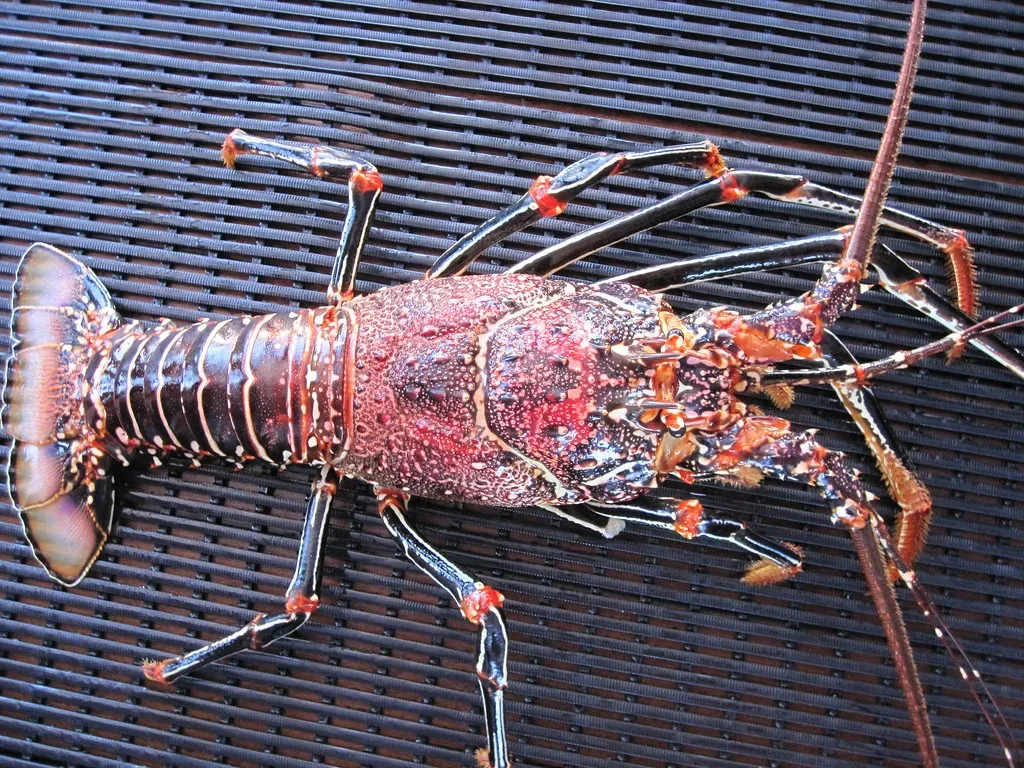
Like humans and many other animals, lobsters do have nociceptors. This does not necessarily prove that they feel pain, but it does make it much more likely that they do, since nociceptors are the primary system through which pain is created in animals.
Crustaceans have a functional opioid system which includes the presence of opioid receptors similar to those of mammals. Delta and Kappa opioid receptors have been described in crustaceans, and research on the American lobster has revealed the presence of a Mu-opioid receptor transcript in neural and immune tissues. These are not the biological hallmarks of an animal that simply doesn’t register harm.
Unlike vertebrate animals, crustaceans don’t have a single complex brain structure; however, they do have nociceptors and a central nervous system. The CNS comprises a double ventral nerve cord linking a series of ganglia, with the largest ganglia found at the head and functioning as the brain.
Gene expression shifts in neural tissues further supported analgesic interference with pain pathways. The picture emerging from the biology is one of an animal whose nervous system is considerably more capable than previously acknowledged.
A Long History of Overlooked Evidence
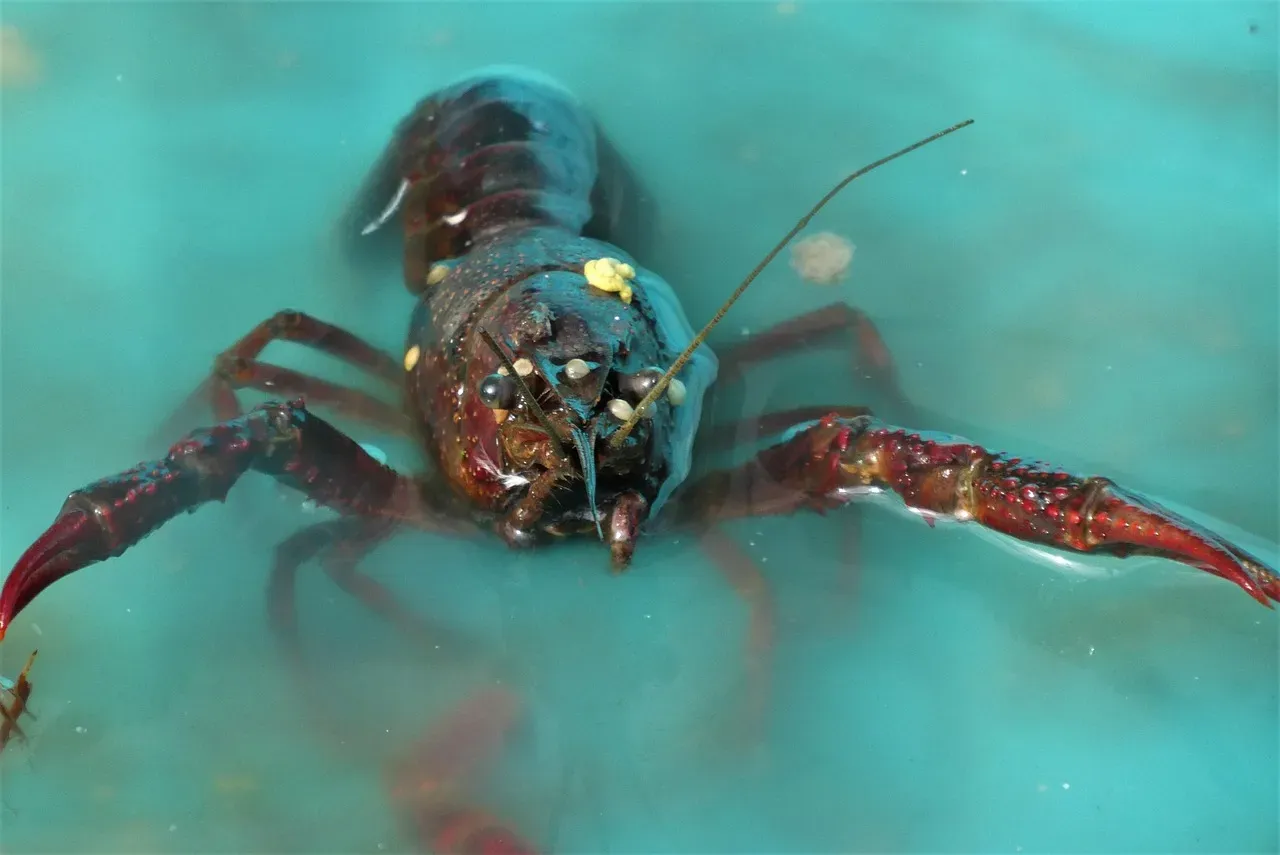
Scientists say this challenges long-held beliefs. For years, crustaceans were not thought to experience pain like mammals. However, recent research now suggests their nervous systems may be more complex than previously believed.
A 2009 study of hermit crabs found that when exposed to an electrical shock inside their shell, they left the shell. That could potentially be an unconscious reflex; however, a second study found that when exposed simultaneously to an electric shock and the odor of a predator, the crabs chose to stay in the shell. This implies that the crabs actively decided that the pain of the shock was worth enduring in exchange for avoiding the risk of a predator. That kind of trade-off is not the behavior of a simple reflex machine.
In a similar way to vertebrates, researchers observed crustaceans rubbing and holding an injured area, as well as limping and reducing use of injured body parts. In another study, an inflammatory substance was injected into the claws of crabs. They found the crabs would hide in the corner of the aquarium, hold their injected claw off the ground, and become fidgety, shaking and rubbing the affected area.
In 2021, following a review, the United Kingdom officially recognized decapod crustaceans and cephalopods as sentient beings capable of experiencing pain. The science had been building for years before policy started to catch up.
Countries Are Starting to Act
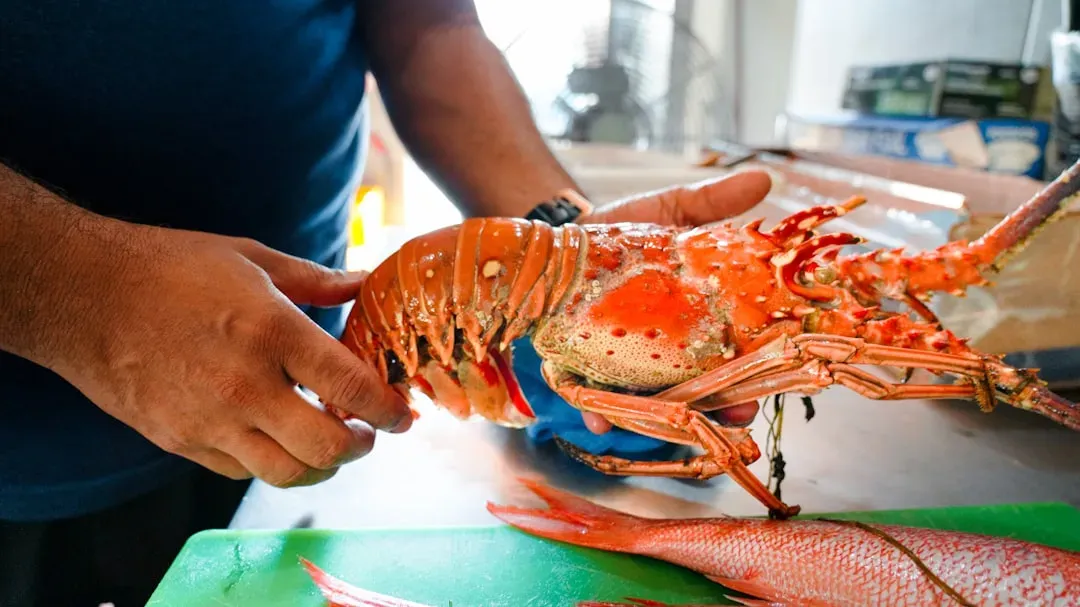
Norway, New Zealand and Austria have banned the boiling of live crustaceans on ethical grounds, and similar legislation is now being proposed in the United Kingdom. The momentum is real and measurable.
Switzerland banned the live boiling of lobsters in 2018. Storing live lobsters on ice in restaurants prior to boiling has also been banned in Switzerland and all of Italy, as both countries determined that doing so caused undue suffering to the crustaceans.
Scientists who are calling for a ban on crustacean boiling point to the UK’s Welfare of Animals at the Time of Killing, which makes it illegal to cause “any avoidable pain, distress, or suffering” to protected animals while killing them. According to their position, because lobsters are considered “sentient” by UK law, boiling them alive should be illegal.
Currently, crustaceans do not receive protection under European Union legislation, despite the UK recognizing them as sentient animals. That gap between scientific understanding and legal protection remains one of the key friction points in this debate.
Humane Alternatives and What Comes Next
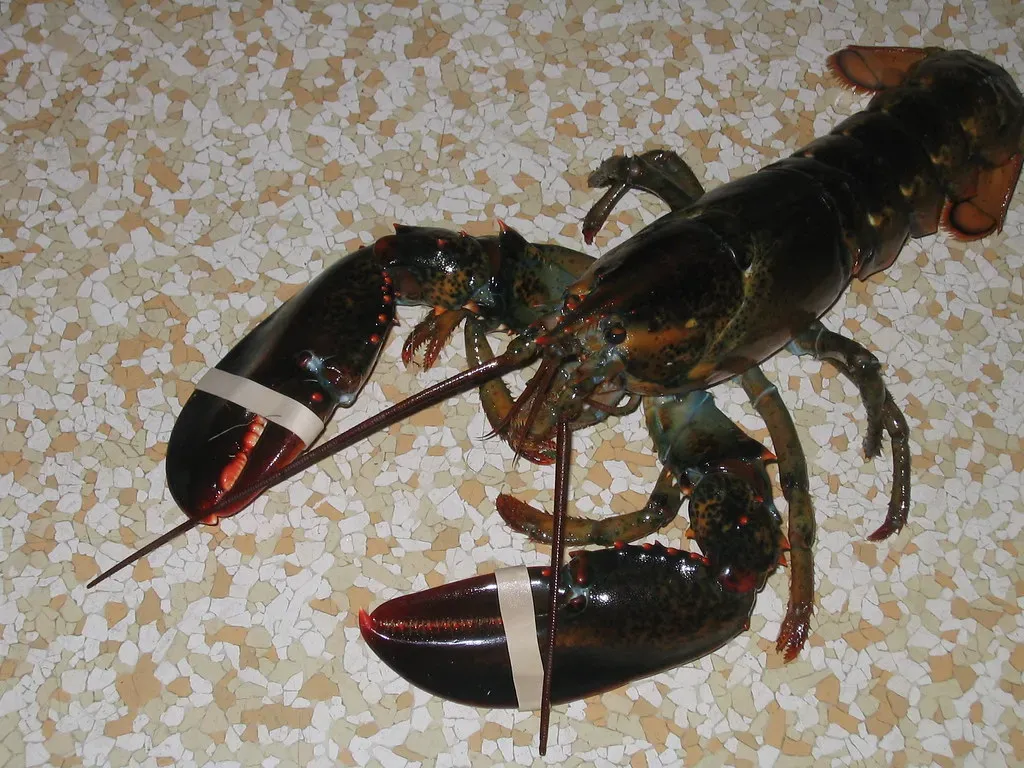
The fishing industry is investigating whether electric shocks could be used to stun the animals before cooking. However, more research is needed into how crustaceans react to pain in order to develop the most humane slaughter method, since if these animals are not shocked correctly, it could possibly be very painful. The solution, in other words, requires precision.
One such alternative is the CrustaStun, a device created in 2006 as a less inhumane alternative to boiling lobsters alive. Chefs place the lobster inside the CrustaStun and it delivers a shock that anesthetizes it immediately and kills it within seconds. Industrial models are now in use in the UK, Norway, Portugal, and Ireland.
Experts at the Hatfield Marine Science Centre suggest a more hands-on method considered less painful for the lobster: stun the lobster by placing it in a 35 degree Fahrenheit freezer for 15 to 30 minutes, then locate the small cross or indentation on the back of the head about an inch behind the eyes, and drive a sharp knife through the point to destroy the nerve center.
Major retailers have already made demands of their suppliers to alter how these animals are treated in rearing and processing, including slaughter, and there has been research into methods that might increase the welfare of the billions of these animals consumed by humans each year.
Conclusion
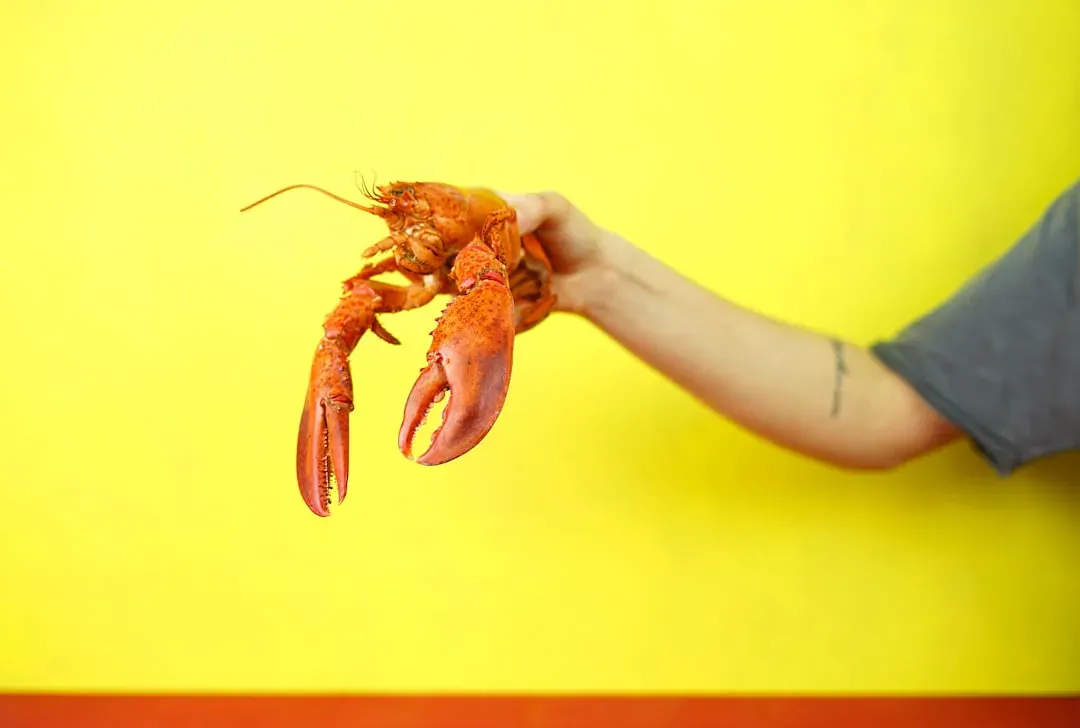
The science on lobster pain is not complete, and researchers themselves acknowledge that certainty about subjective suffering in any animal is difficult to establish. What has shifted is the weight of evidence. The findings strengthen growing scientific evidence that lobsters may actually feel pain, not just show simple reflex reactions.
Researchers urge the inclusion of crustaceans in welfare regulations for labs and food production, with this study marking a pivotal shift, equating crustacean care to that of familiar livestock. The conversation is no longer fringe.
What the research ultimately asks of us is not necessarily to stop eating lobster, but to stop assuming that convenience and tradition are sufficient justification for ignoring suffering. The way we treat animals has always reflected something about us. As the evidence sharpens, the moral calculus becomes harder to avoid.
