
Alaska: The Northern Beaver Frontier
The beaver is found throughout most of the forested portions of the state, including Kodiak Island where it was introduced in 1925. Alaska represents one of the largest continuous beaver habitats in North America, with its vast network of rivers, streams, and wetlands providing ideal conditions. The state’s remote wilderness areas allow beaver populations to thrive with minimal human interference.
North American (Canadian) beavers are widespread across the continental United States, Canada, southern Alaska, and some parts of northern Mexico. Alaska’s forested regions offer an abundance of willow, birch, and aspen, which are among the beaver’s favorite food sources. The animals have adapted remarkably well to Alaska’s harsh winters, storing food underwater and relying on their lodges for protection.
Interestingly, beaver have been observed colonizing arctic tundra, likely as a result of climate-induced increases in riparian shrubs. This expansion into previously uninhabited northern territories suggests that Alaska’s beaver population may be growing even larger. The state’s interconnected waterways create perfect highways for beaver dispersal, allowing young beavers to establish new colonies across vast distances.
Montana: Mountain State Beaver Haven
Montana stands out as a premier beaver habitat with its diverse aquatic ecosystems ranging from mountain streams to prairie rivers. Species is relatively common in suitable waterbodies across the majority of the state and populations have increased in recent years. The state’s commitment to conservation has allowed beaver numbers to rebound dramatically from their historic lows.
The Rocky Mountain region provides beavers with cold, clear streams that are perfect for dam building. Montana’s varied topography creates countless opportunities for these ecosystem engineers to create ponds and wetlands. From the forested western slopes to the river valleys of the eastern plains, beavers have colonized nearly every suitable waterway.
State wildlife managers recognize beavers as valuable natural resources. The animals play a crucial role in water retention, particularly important in Montana’s semi arid regions where every drop counts. Their dams help recharge groundwater, reduce erosion, and create habitat for numerous other species. Montana’s beaver populations continue to expand, reclaiming territory that was empty for nearly a century.
Minnesota: Land of Ten Thousand Beaver Ponds
If Minnesota is famous for its lakes, it should be equally renowned for its beaver population. Beaver now occur in every Minnesota county. This impressive distribution makes Minnesota one of the most beaver rich states in the nation. The state’s combination of extensive forests and abundant water bodies creates an ideal environment for these rodents to flourish.
In Minnesota, roughly 20 to 30 thousand beavers are harvested each season under state trapping and game laws. Even with this annual harvest, populations remain robust and sustainable. The fact that such numbers can be taken without threatening the overall population speaks volumes about how plentiful beavers have become across the state’s landscape.
Minnesota’s reforestation efforts following agricultural abandonment in the early 20th century created perfect conditions for beaver expansion. Wetlands, streams, and rivers crisscross the entire state, providing endless opportunities for dam construction. Many biologists believe that the beaver pond supports a greater variety and abundance of wildlife than any other ecosystem in the forest.
Michigan: Great Lakes Beaver Territory
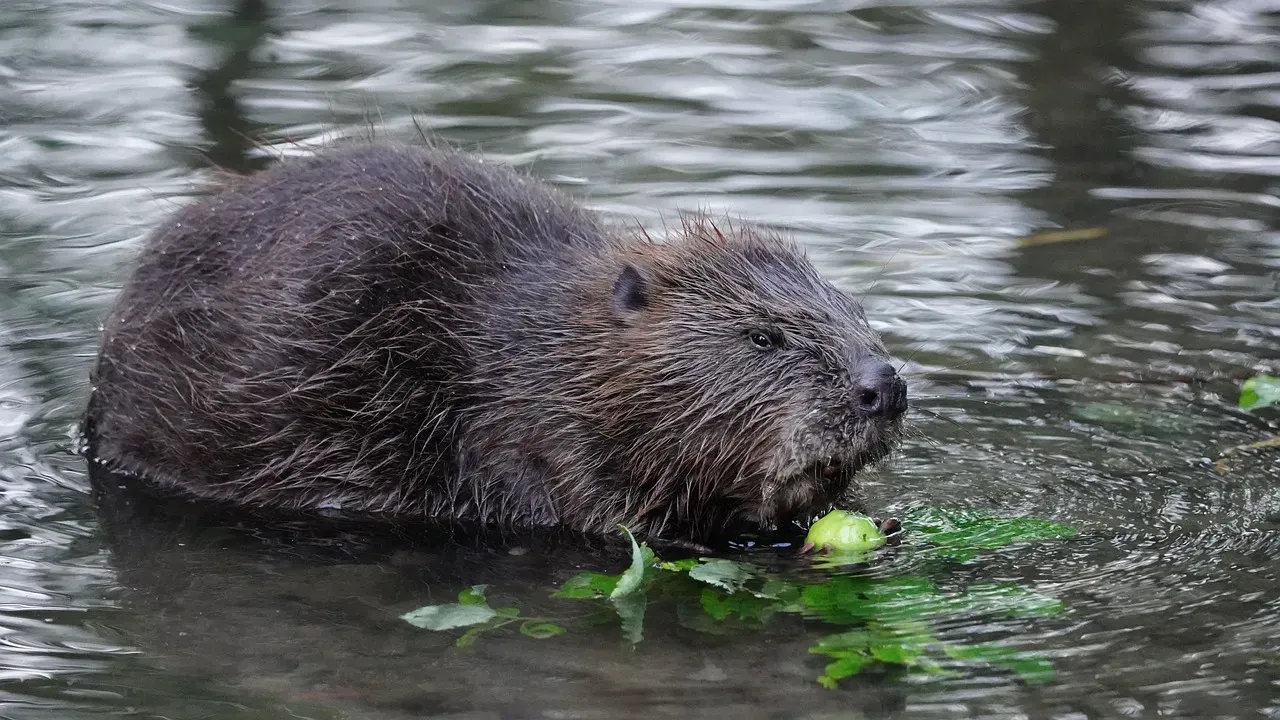
Michigan’s position in the Great Lakes region makes it prime beaver country. The state’s extensive waterways, including thousands of inland lakes and rivers, provide exceptional habitat for beaver colonization. Historical records show that Michigan has long been recognized as important beaver territory, with populations rebounding strongly after protection measures were implemented in the early 1900s.
The state’s diverse ecosystems, from the Upper Peninsula’s dense forests to the Lower Peninsula’s river systems, all support thriving beaver communities. Michigan’s cold winters and abundant deciduous trees create conditions that beavers have adapted to over millennia. The animals remain active throughout winter, relying on underwater food caches to survive the frozen months.
Michigan’s beaver populations contribute significantly to wetland creation and maintenance across the state. These industrious rodents have transformed countless streams into productive wetland habitats that benefit everything from waterfowl to fish populations. The state manages beavers as furbearers, with sustainable harvest levels that maintain healthy populations while preventing overabundance in areas where human conflicts might arise.
Wisconsin: Wetland Beaver Capital
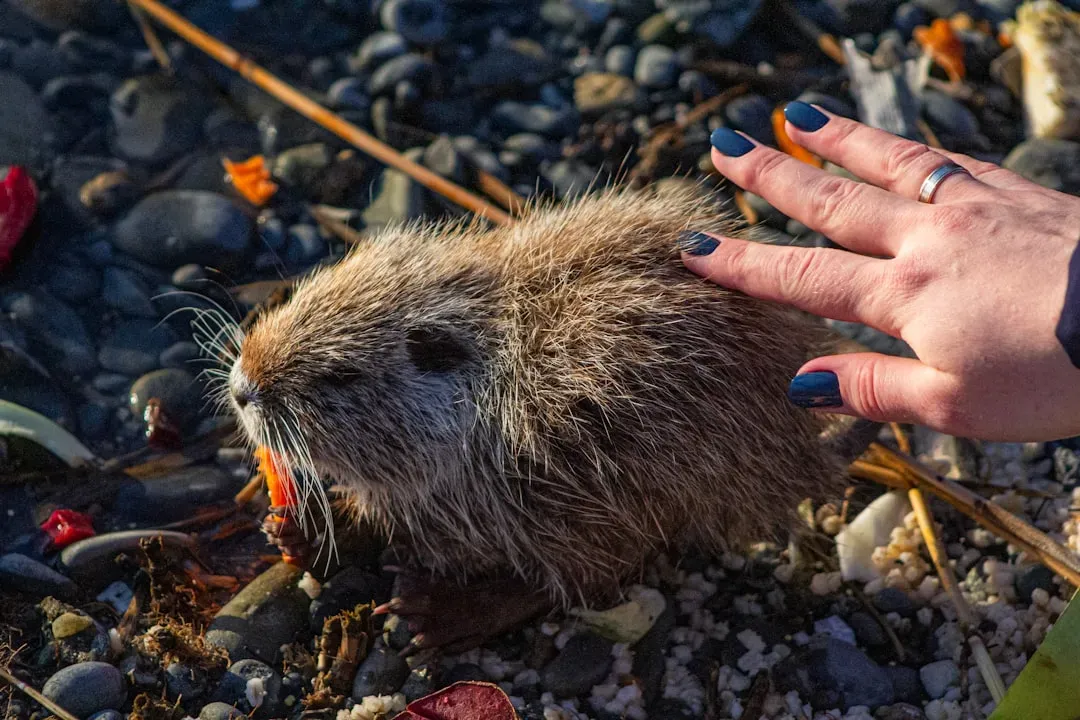
Wisconsin’s nickname might not reference beavers, but the state hosts impressive populations of these aquatic mammals. The state’s extensive network of streams, rivers, and wetlands provides endless opportunities for beaver colonization. From the northern forests to the southern agricultural regions, beavers have established colonies wherever suitable habitat exists.
The state’s cold climate and abundant water resources create perfect conditions for beaver prosperity. Wisconsin’s mix of hardwood forests provides ample building materials and food sources. The Carolina beaver is found in the southeastern United States; the Missouri River beaver, as its name suggests, is found in the Missouri River and its tributaries; and C. c. acadicus is found throughout the New England area in the northeastern United States. Wisconsin falls within prime northern beaver range, supporting dense populations.
Wisconsin’s beaver populations face some management challenges due to conflicts with human land use, particularly in agricultural areas where flooding can damage crops and infrastructure. Despite these occasional conflicts, the state recognizes the ecological value that beavers provide. Their dam building activities create wetlands that filter water, reduce flooding downstream, and provide critical habitat for countless other species throughout the ecosystem.
New York: Eastern Beaver Stronghold
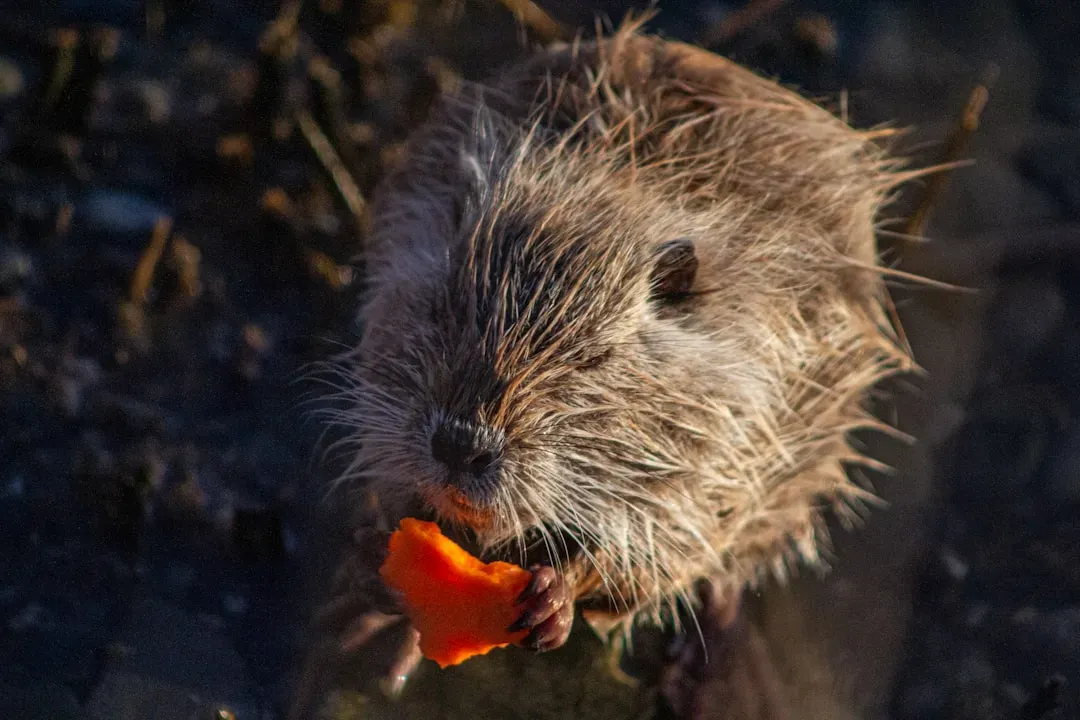
The North American beaver is one of the national symbols of Canada and the official state mammal of Oregon and New York. New York’s designation of the beaver as its state mammal reflects the animal’s historical and ecological importance to the region. The state’s diverse landscapes, from the Adirondack Mountains to the Hudson River Valley, provide exceptional beaver habitat.
New York’s extensive waterways and recovering forests have allowed beaver populations to surge in recent decades. The Adirondack region, in particular, hosts substantial beaver populations that play crucial roles in creating and maintaining wetland ecosystems. These northern forests provide ideal conditions with cold streams, abundant trees, and minimal human disturbance in wilderness areas.
In the United States, extensive trapping began in the early 17th century, with more than 10,000 beaver per year taken for the fur trade in Connecticut and Massachusetts between 1620 and 1630. From 1630 to 1640, around 80,000 beavers were taken annually from the Hudson River and western New York. These historic harvest numbers, while devastating at the time, demonstrate just how abundant beavers once were in New York. Today’s populations, while not reaching those historic heights, represent a remarkable conservation success story.
Conclusion
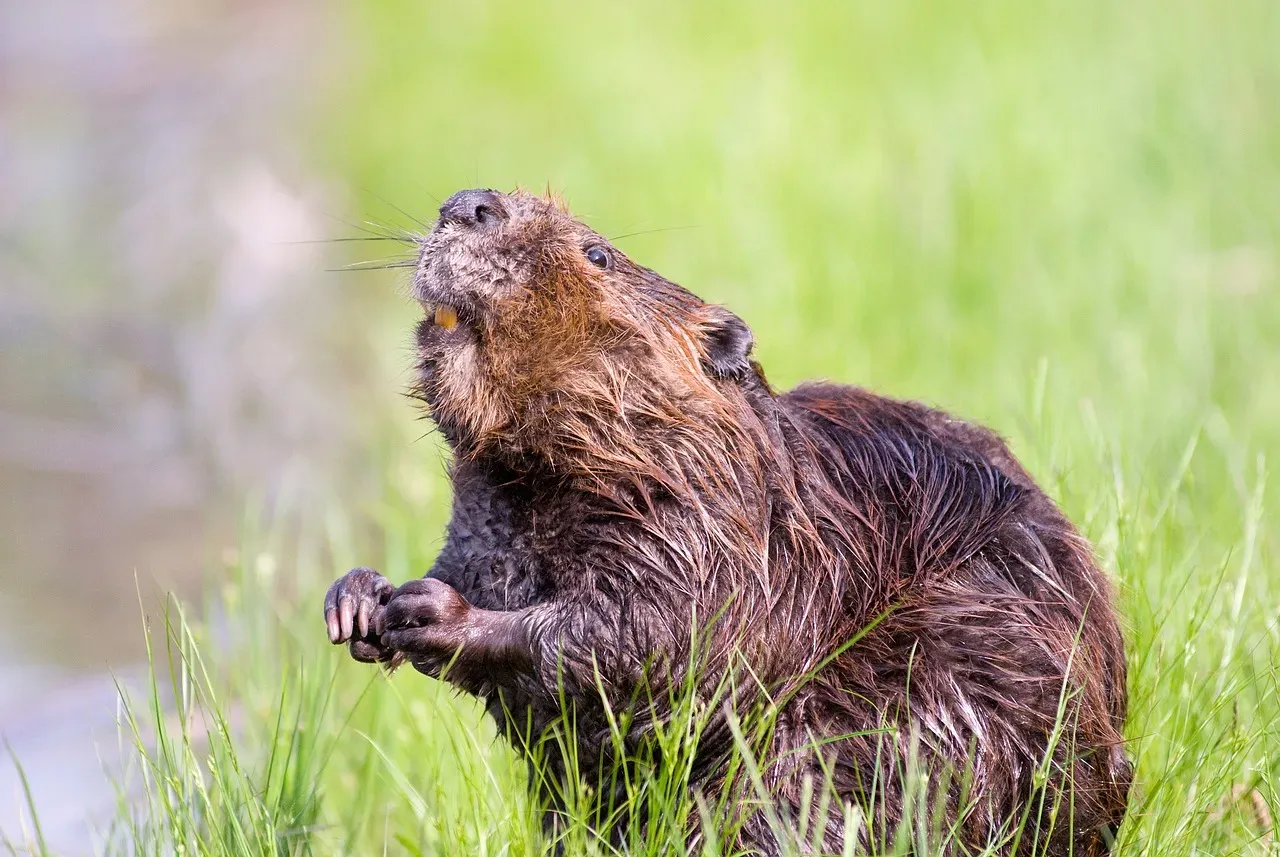
With protection in the late 19th and early 20th centuries, the current beaver population has rebounded to an estimated 10 to 15 million; this is a fraction of the originally estimated 100 to 200 million North American beavers before the days of the fur trade. The states highlighted here represent some of the strongest remaining beaver populations in the country, each offering unique habitats that support these remarkable ecosystem engineers.
From Alaska’s expansive wilderness to New York’s recovering forests, beavers continue to reshape landscapes and create biodiversity hotspots. Their comeback stands as one of conservation’s greatest success stories, proving that with proper protection and habitat, wildlife populations can recover from even the most devastating exploitation. What do you think about beavers returning to your local waterways?
