
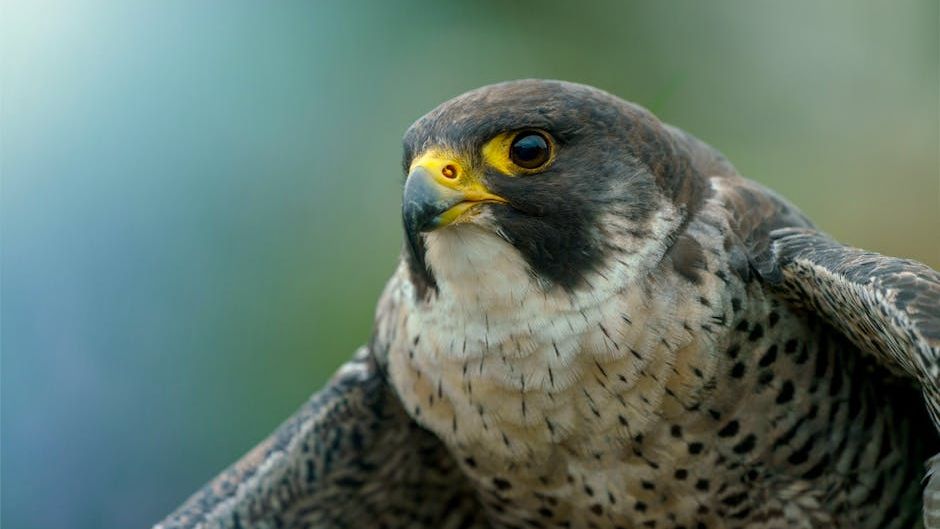
Few creatures on Earth occupy as singular a place in the natural world as the falcon. There’s something about the way one drops from the sky, wings folded, body locked into a terrifying vertical plunge, that stops people mid-sentence. These birds have been symbols of royalty, weapons of kings, and subjects of serious scientific study all at once.
What makes them so enduringly compelling isn’t just raw speed, though that certainly helps. It’s the complete picture: extraordinary senses, ancient cultural roots, biological engineering that puts most aircraft to shame, and a conservation comeback story few expected. The ten facts below cover all of it.
1. The Fastest Animal on Earth Lives in the Sky
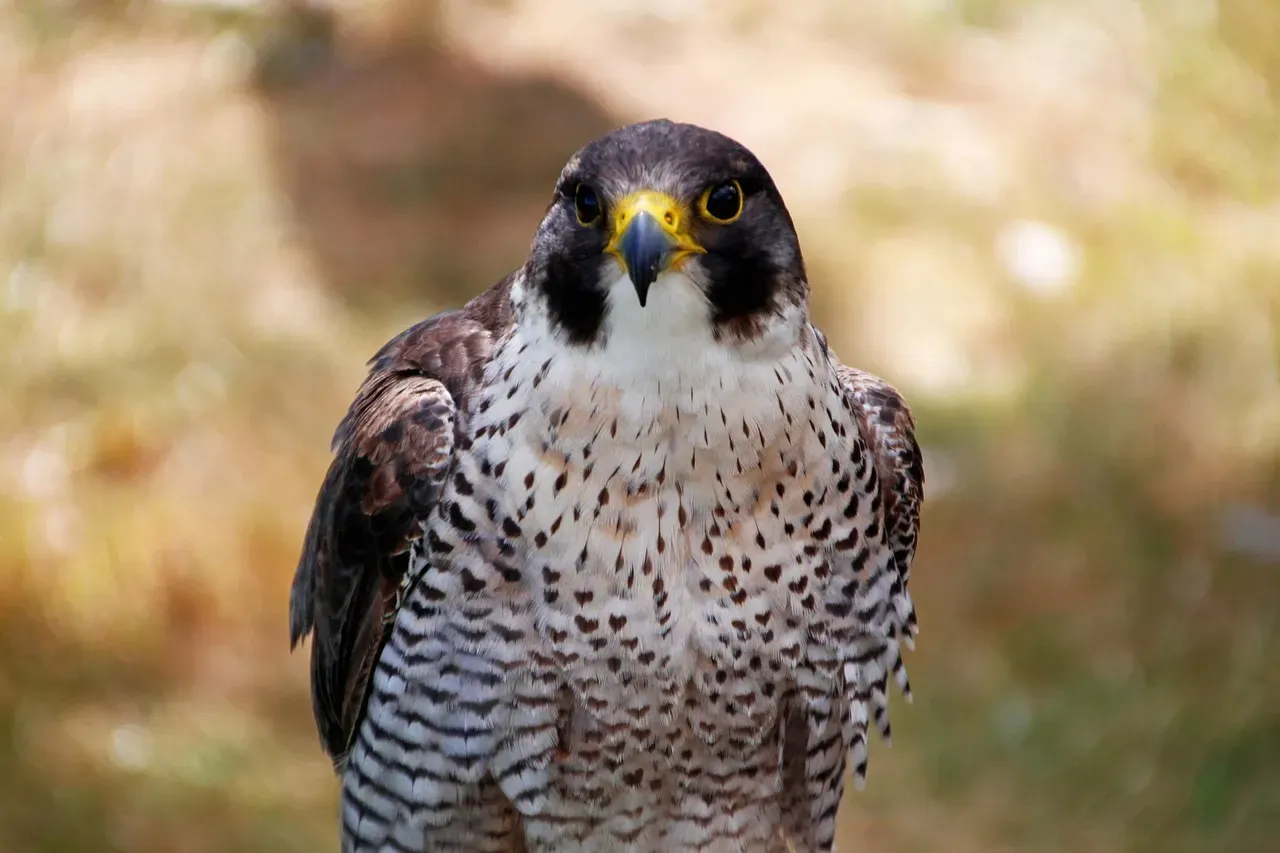
The peregrine falcon is best known for its diving speed during flight, which can reach more than 300 km (186 miles) per hour, making it not only the world’s fastest bird but also the world’s fastest animal. That title belongs to no cheetah, no sailfish, no fighter jet of the natural world. The record goes to a bird the size of a large crow.
During a series of dives in 1999, “Frightful,” a peregrine falcon owned by aviator and falconer Ken Franklin of Friday Harbor, Washington, USA, was reportedly clocked at 242 mph (389.46 km/h) while stooping from approximately 3 miles in the air, after being released from a Cessna 172 at 17,000 ft above sea level.
The maximum speed achieved in a stoop represents a gravitational free-fall, which is fundamentally different from a falcon’s normal, powered flight. When flying from point A to point B or actively chasing prey, its velocity is significantly slower. In other words, this is a bird that keeps its record-breaking performance strictly reserved for the hunt.
2. Its Body Is Engineered Like a Living Missile
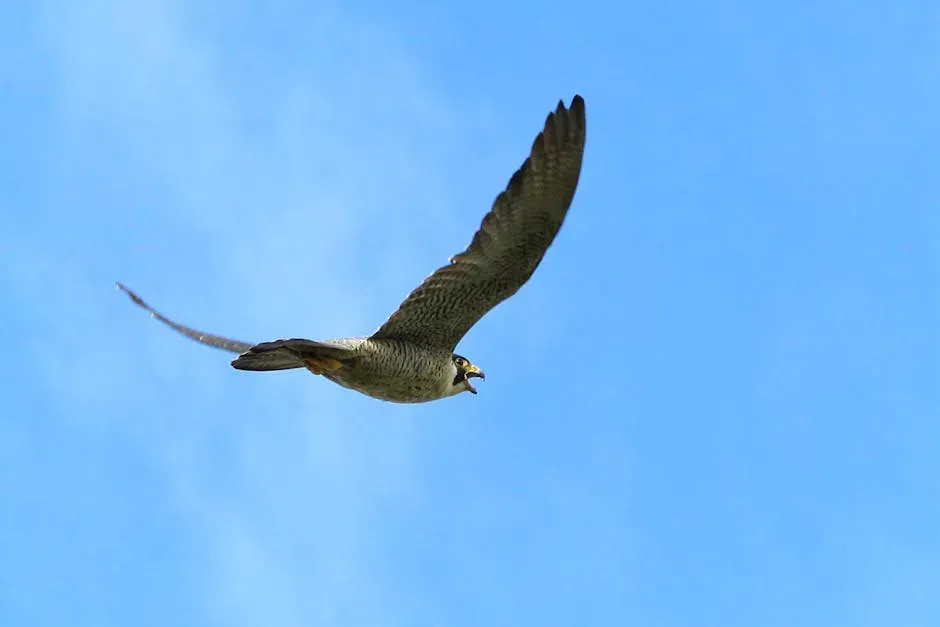
The falcon’s body adopts a tear-drop shape as it enters the dive. By pulling its wings and tail tightly against its body, the falcon significantly reduces its surface area and minimizes air resistance. The feathers covering the falcon are uniquely stiff and compact, maintaining a smooth, streamlined contour during the intense airflow of the stoop.
The falcon’s robust keel, a ridge in their breastbone, anchors large flight muscles essential for powerful wing beats. Furthermore, the bones in their arm and shoulder girdle are uniquely adapted for speed, with structural designs that prioritize both lightweight flexibility and strength.
A sophisticated feature is the small bony protrusion inside the falcon’s nostrils, known as the nare tubercle. This structure manages the powerful influx of air, deflecting the airflow to prevent damage to the respiratory system. Without it, a dive at that speed could essentially destroy the bird’s lungs from the inside out.
3. Falcons Hunt Using the Same Strategy as Guided Missiles
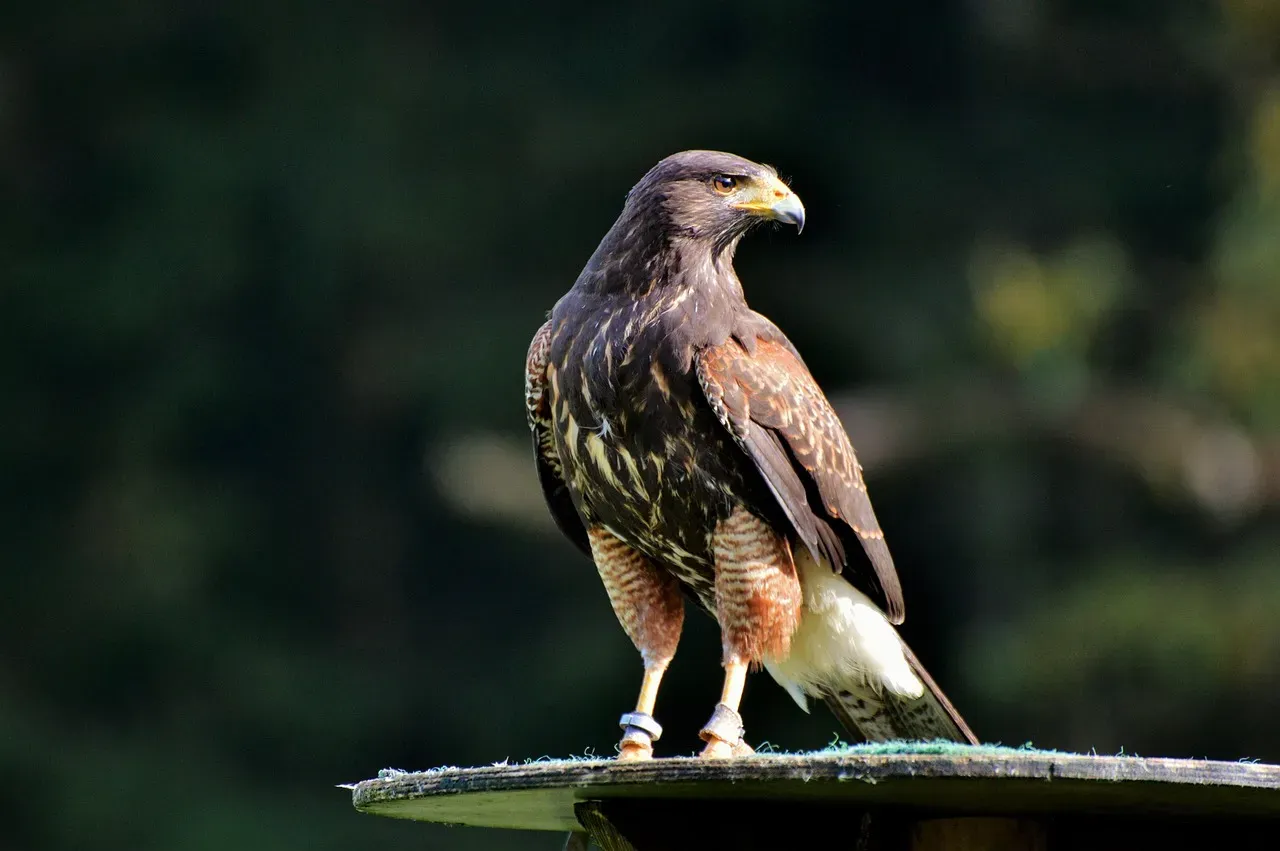
Research built on data collected from GPS trackers and body cameras on eight falcons dispatched by University of Oxford zoologists revealed that the bird’s speeds and “trajectories were surprisingly well explained by the same guidance laws that missiles use to intercept targets.”
Modern missiles use proportional navigation, in which the system is constantly sizing up the line of sight and making small tweaks en route. Likewise, a peregrine falcon uses proportional navigation by making slight adjustments in wing position and speed before the moment of impact.
Research found that when the starling flew in a straight path, the predator was best off diving at roughly 150 kilometers per hour. If the starling was trying to evade capture, flying in different directions, then the falcon stood the greatest chance of success by stooping at much higher speeds, about 360 kilometers per hour. The falcon adjusts its speed based on how difficult the target is to catch, showing remarkable tactical intelligence.
4. Their Vision Makes Ours Look Hopelessly Blurry
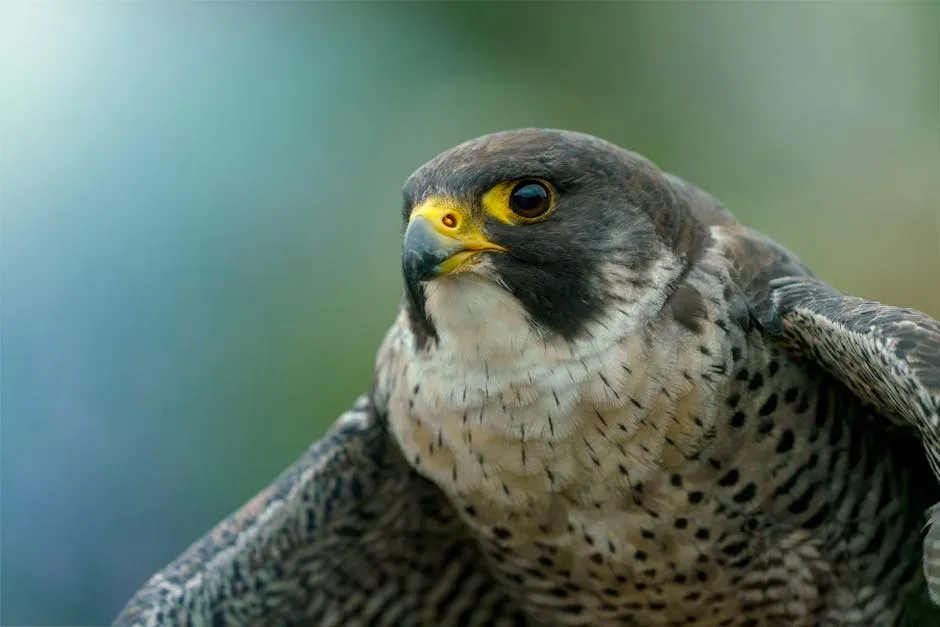
A peregrine falcon’s vision is eight times better than that of humans. They can spot small prey from 2 miles away. To put that in context, a falcon perched on top of a skyscraper could identify a pigeon walking at street level before most humans would even notice movement.
Peregrine falcons have a flicker fusion frequency of 129 Hz (cycles per second), very fast for a bird of its size, and much faster than mammals. The peregrine falcon has the fastest vision and can register 129 Hz (blinks per second) provided the light intensity is high. Compare that to humans, who can only perceive around fifty to sixty flashes per second.
Falcons can see ultraviolet (UV) light, which is invisible to humans. This ability gives them an advantage in hunting, as some prey, like rodents, leave urine and feces trails that are highly visible in the UV spectrum. It’s essentially a tracking system running on a frequency we cannot access.
5. They Have Three Eyelids
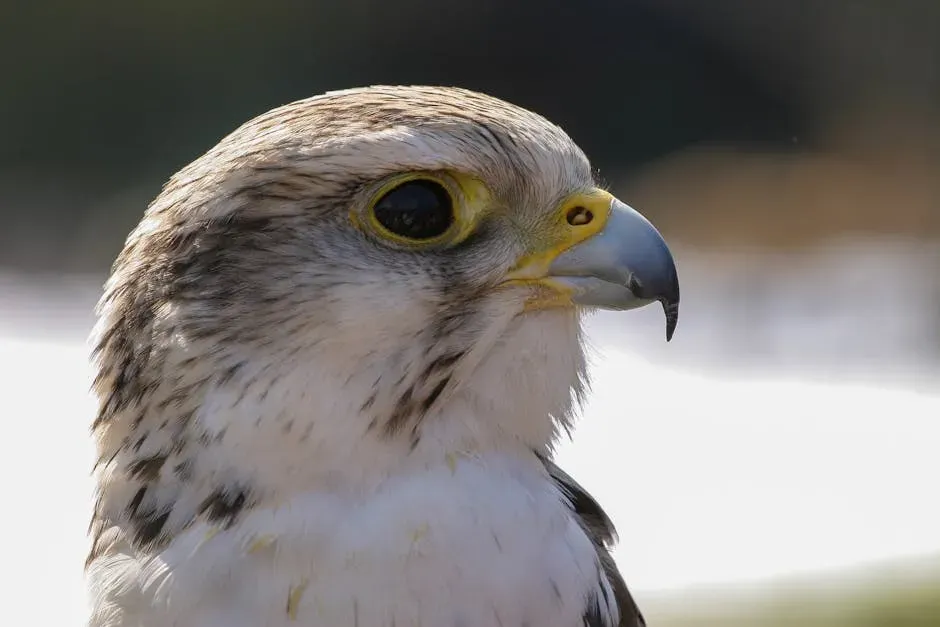
To protect their eyes, the falcons use their nictitating membranes, also called third eyelids, to spread tears and clear debris from their eyes while maintaining vision. These semi-transparent membranes sweep across the eye like a built-in windshield wiper during a high-speed plunge.
At 200 miles per hour, debris or a sudden gust could permanently blind an unprotected eye. The nictitating membrane solves that problem without interrupting the hunt. It’s one of those adaptations that feels almost too perfectly designed for the job at hand.
6. They Live on Every Continent Except One
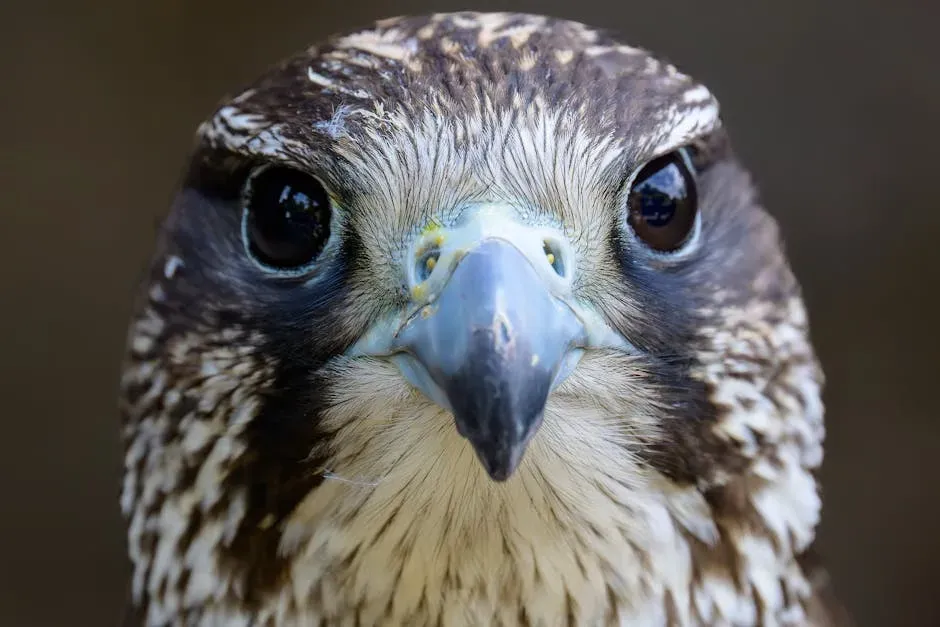
Referred to as global birds, the peregrine falcon can be spotted on every continent except Antarctica, traveling long distances (peregrinus means “traveler” in Latin) between their wintering and breeding grounds. The name itself is a clue. These are not birds that stay put.
The breeding range includes land regions from the Arctic tundra to the tropics. It can be found nearly everywhere on Earth, except extreme polar regions, very high mountains, and most tropical rainforests.
Not all peregrine falcons migrate, but some do, and those that do have one of the longest migrations in the world. Some Arctic-breeding populations travel all the way down to South America each winter, only to make the return journey the following spring.
7. Falcons Have Adapted to Life in Our Cities
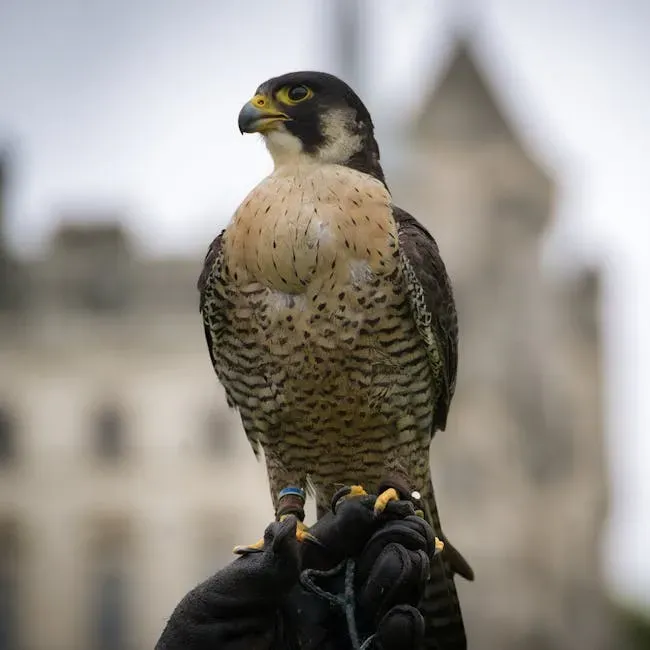
They are right at home in many modern cities where rooftops and ledges make ideal nest sites, and feral rock doves provide a year-round food source. Skyscrapers, it turns out, are a reasonable substitute for a coastal cliff face.
Cities have become prime habitats for peregrine falcons, where they help control pigeon and starling populations, maintaining ecological balance in urban environments. Trained falcons are also used at airports to scare away flocks of birds, preventing bird strikes that can damage aircraft engines.
The usual nest is a mere scrape on a ledge high on a cliff, but a few populations use city skyscrapers or tree nests built by other bird species. This flexibility in nesting choice is one reason why falcons have proven so resilient wherever they settle.
8. They Mate for Life and Return to the Same Nest Year After Year
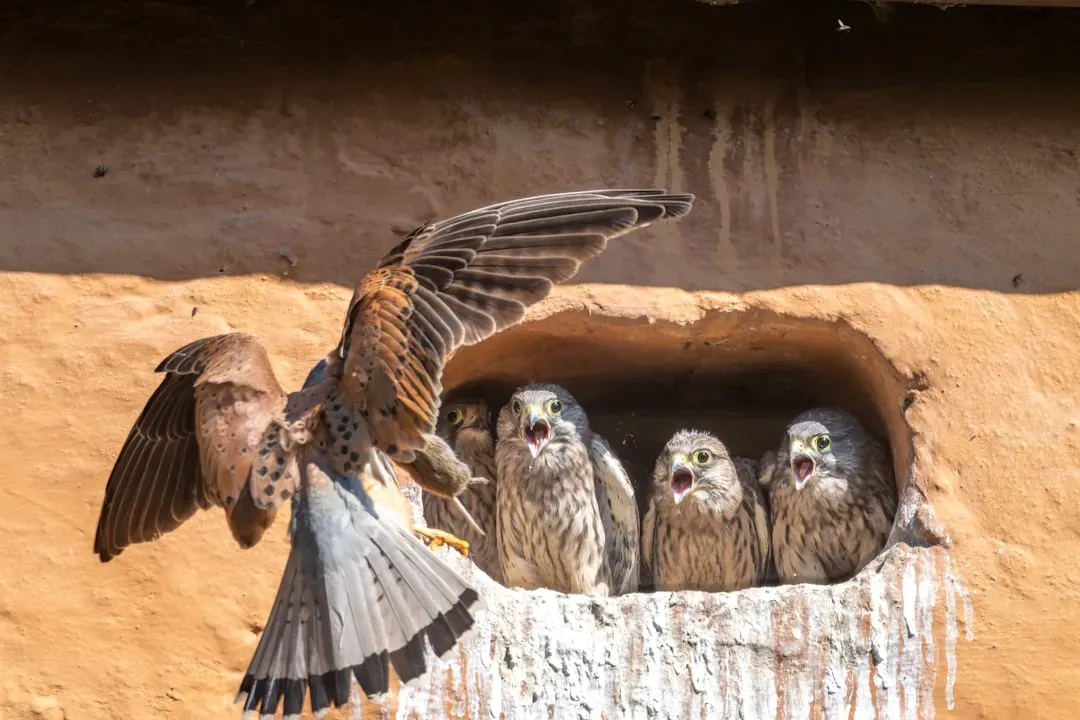
Peregrine falcons are monogamous breeders. A pair mates for life and returns to the same nesting spot annually. Some nesting sites have reportedly been used continuously for generations, with new pairs eventually taking over when original occupants age out.
The courtship flight includes a mix of aerial acrobatics, precise spirals, and steep dives. It’s a performance that looks part competition, part celebration. Both birds test each other’s speed and coordination before committing.
If the courtship is successful, the female will lay three to four eggs. Peregrine falcons don’t build nests, but instead dig out scrapes on a cliffside or use a ledge on the side of a building to lay their eggs. The female will incubate the eggs for a little over a month.
9. Falconry With These Birds Is Over 3,000 Years Old
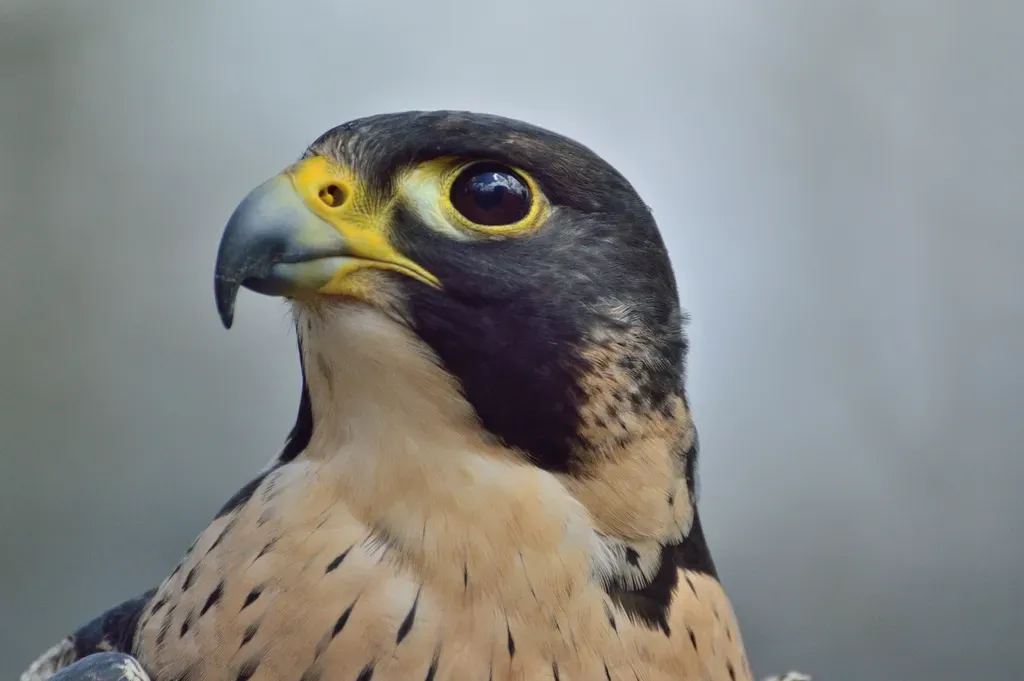
The peregrine falcon is a highly admired falconry bird, and has been used in falconry for more than 3,000 years, beginning with nomads in central Asia. That’s older than most of the world’s great empires, and the practice is still alive today.
The falcon has also been used as a religious, royal, or national symbol across many eras and civilizations. Perhaps because of their amazing flying and hunting skills, peregrine falcons have had cultural significance for humans throughout history. To this day, they are still one of the most popular birds in the sport of falconry, and in ancient times they were considered the birds of royalty.
In 2010, falconry was added to the Representative List of the Intangible Cultural Heritage of Humanity by UNESCO. Few sports can trace an unbroken line of practice from the ancient steppes of Central Asia to a modern UNESCO listing without pausing for breath.
10. The Peregrine Falcon Came Back From the Brink of Extinction
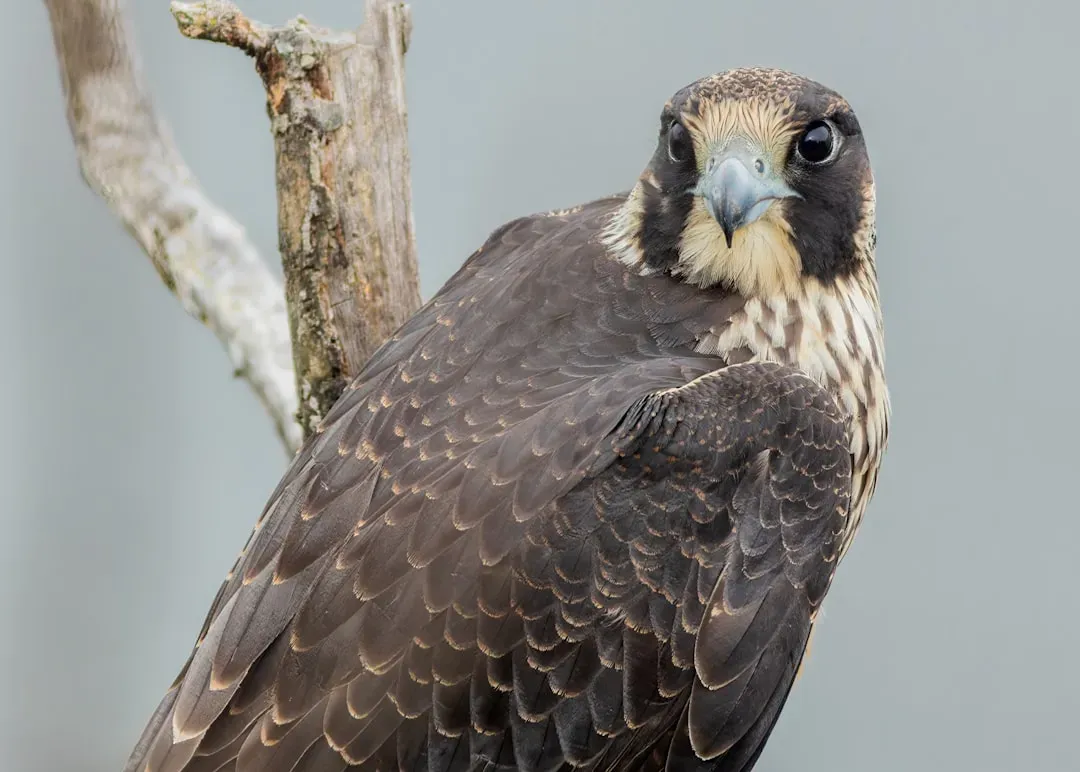
In most regions, including North America, the chief cause of the decline was traced to the pesticide DDT, which the birds had obtained from their avian prey. The chemical had become concentrated in the peregrine’s tissues and interfered with the deposition of calcium in the eggshells, causing them to be abnormally thin and prone to breakage.
By the mid-1960s, no peregrine falcons were known to exist in the eastern United States and roughly nine-tenths of the population in the western U.S. had been lost. In 1975, there were only 324 breeding pairs of the falcons in the U.S., down from 3,875 pairs in the 1940s.
After Canada had banned DDT use by 1969 and the United States by 1972, vigorous captive breeding and reintroduction programs were initiated in both countries. Over the next 30 years, more than 6,000 captive progeny were released to the wild. North American populations recovered completely, and since 1999 the peregrine has not been listed as endangered. It is one of the most successful wildlife recoveries ever documented.
Conclusion: A Bird That Earns Every Bit of Its Reputation
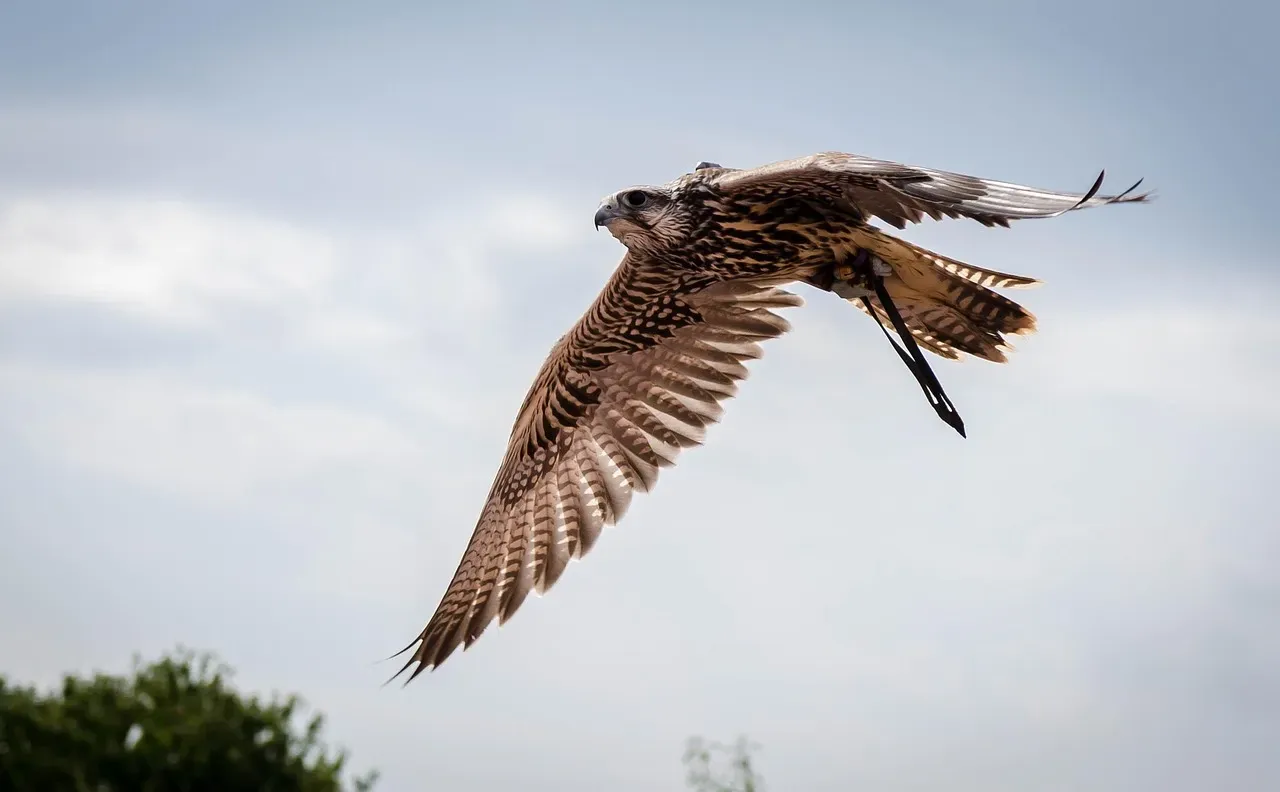
Falcons sit at a rare intersection: they’re biologically extreme, culturally ancient, and ecologically vital. No other animal on Earth combines record-breaking physics with a hunting strategy borrowed by missile engineers, eyesight that operates in ultraviolet, and a history stretching back thousands of years across nearly every human civilization.
Their near-extinction and subsequent comeback adds a layer that purely spectacular animals often lack. They are a reminder that the world’s most impressive creatures can disappear quietly, and return just as quietly if given the right conditions.
The next time a falcon moves across the sky above a city rooftop or coastal cliff, it’s worth pausing for a moment. What looks like a bird on a casual glide is actually one of the most refined predators evolution has ever produced, carrying three thousand years of human history on its wings.
