
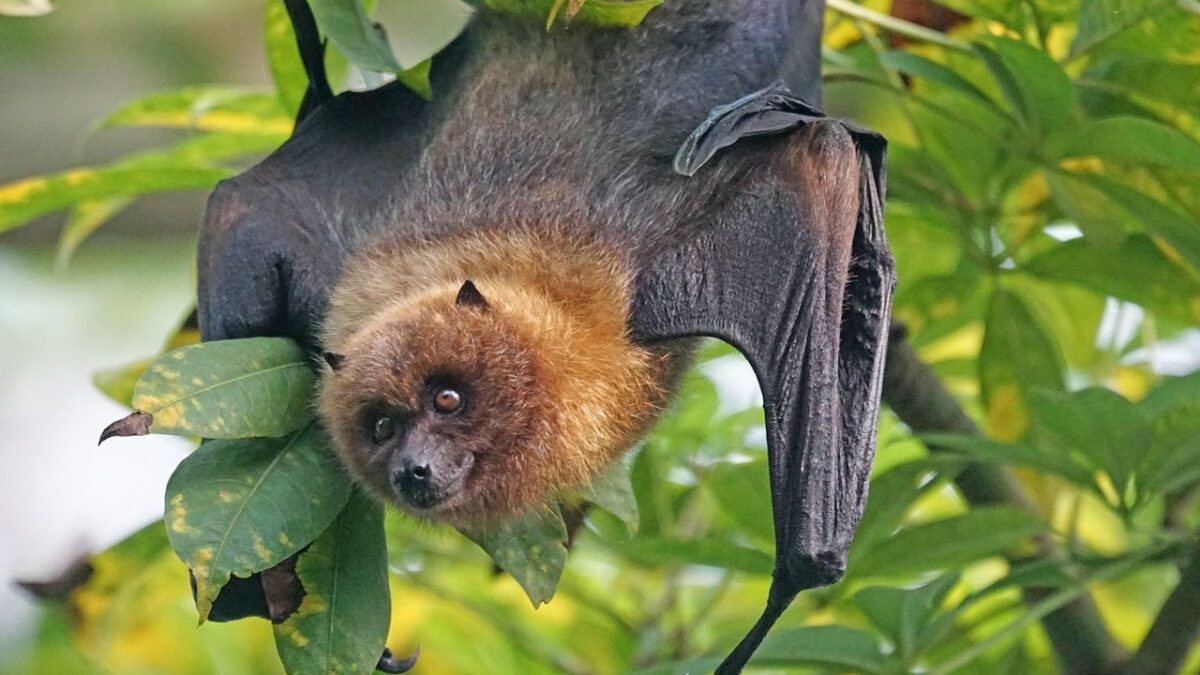
Few creatures get as bad a reputation as the bat. They show up in horror films, haunt Halloween decorations, and sit at the center of centuries-old folklore about bloodsucking, disease, and darkness. The trouble is that most of what people “know” about bats is either wildly exaggerated or flat-out wrong.
Most of these misconceptions have arisen because of Hollywood’s portrayal of bats, the diseases that can be associated with them, and the odd dietary choices of a handful of species. The reality is something far more interesting, and far less terrifying. These animals deserve a second look.
Misconception 1: Bats Are Blind
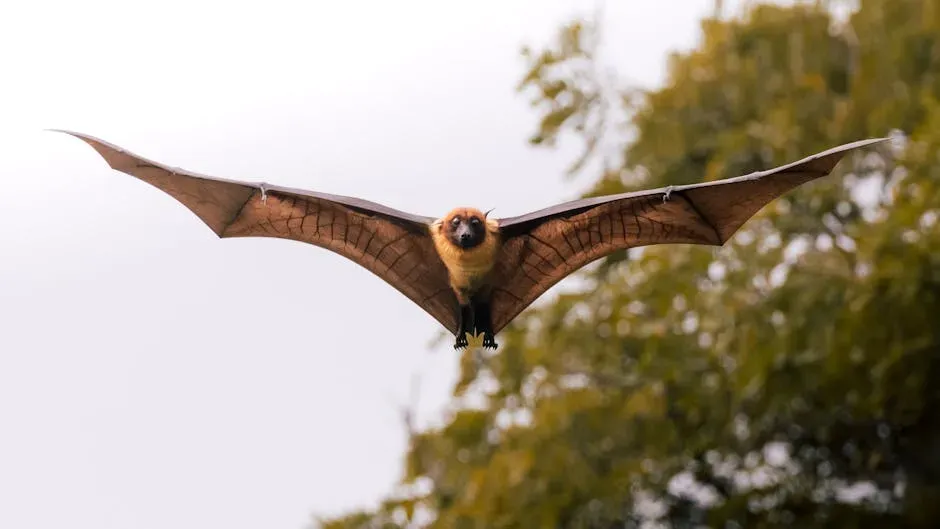
Of all the myths attached to bats, “blind as a bat” might be the most stubbornly persistent. It’s repeated so often that most people treat it as fact. The phrase is far from the truth. Many bats actually have pretty good eyesight, and some fruit bats have excellent vision and can even see in color.
Echolocation is used by most bat species for navigating and hunting in the dark, but this does not mean they are blind. This system allows them to detect objects by emitting sound waves and listening for echoes, but it complements their vision rather than replacing it.
Some bats are thought to have relatively good eyesight, including the California leaf-nosed bat, which is thought to have night vision capabilities comparable to modern military night vision equipment. That’s not blindness. That’s a superpower.
Misconception 2: All Bats Drink Blood
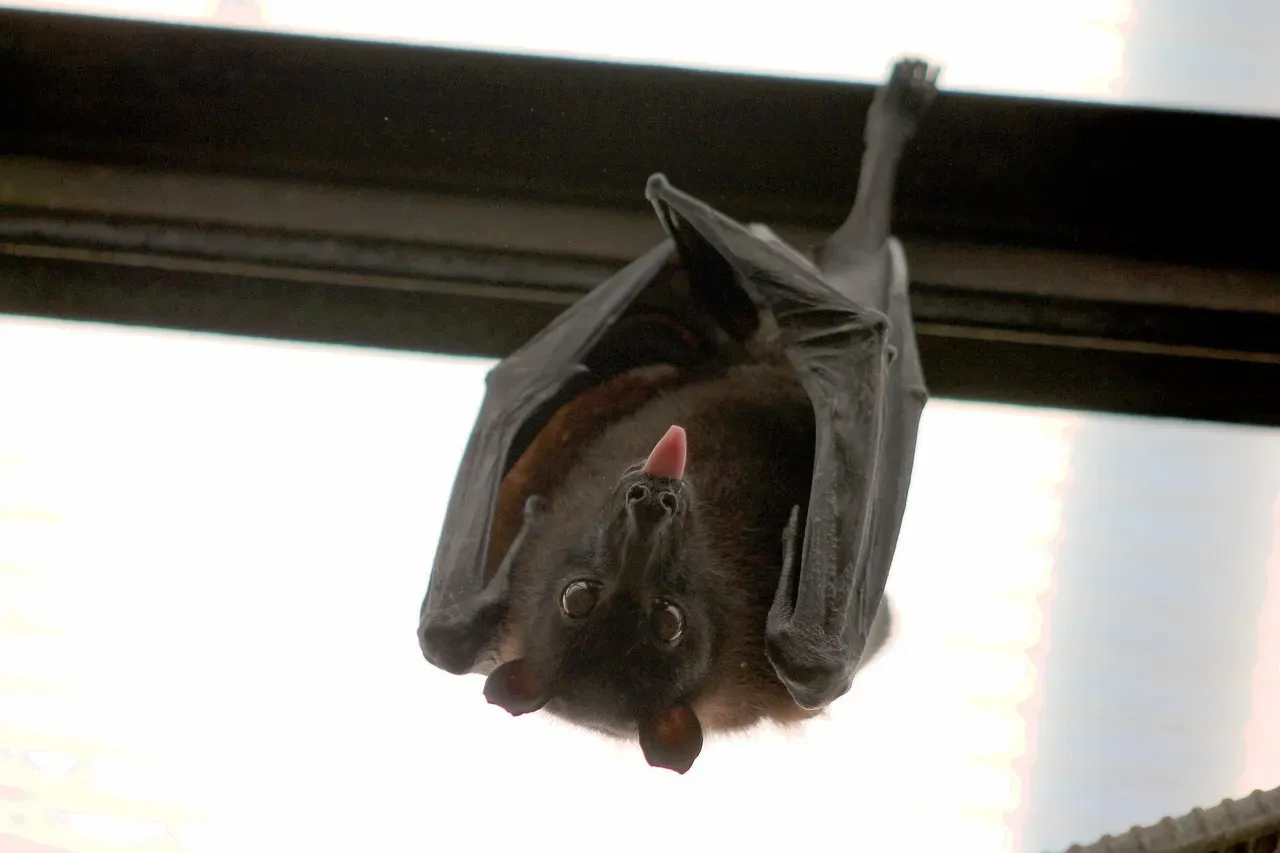
Blame Dracula. The infamous image of the vampire bat has led to the common belief that all bats drink blood. In reality, only three out of the more than 1,400 species of bats feed on blood: the common vampire bat, the hairy-legged vampire bat, and the white-winged vampire bat. These are primarily found in Mexico and Central and South America.
Rarely do these bats feed on human blood, instead opting for livestock like cows and pigs, or on wild mammals and birds. Vampire bats don’t even suck blood at all. Instead, they make a small cut with their teeth and then lick up the blood.
Most bats eat insects, making them excellent natural pest controllers. Others feed on fruits, contributing to seed dispersal and plant pollination. The bloodthirsty monster of legend accounts for a tiny fraction of an incredibly diverse species group.
Misconception 3: Bats Are Just Flying Rodents
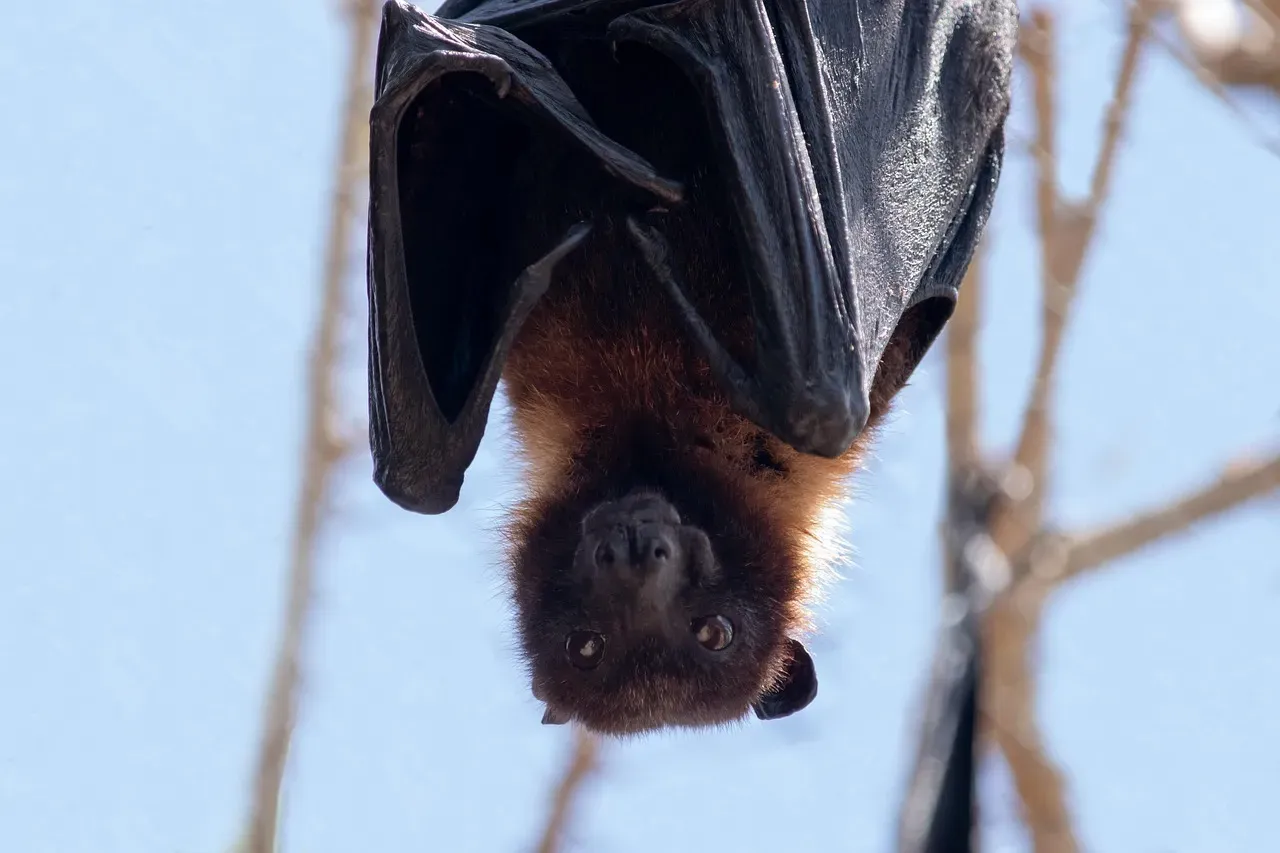
Bats belong to a completely different order of animal, chiroptera, than mice or rats, which belong to rodentia. Just because both bats and mice have big ears doesn’t mean they’re related. The resemblance is largely superficial.
Bats are actually more closely related to primates than they are to rodents. They also don’t share behavior with rodents. For example, bats don’t chew on wood, metal, or plastic, and usually aren’t considered “nuisance” animals.
Bats are extremely long-lived for their size. Some bats can live up to 35 years, compared to rats that live only one to two years. Female bats usually only give birth to one “pup” a year, whereas rats give birth to many offspring, multiple times a year. That life history profile looks nothing like a rodent’s.
Misconception 4: Bats Will Fly Into Your Hair
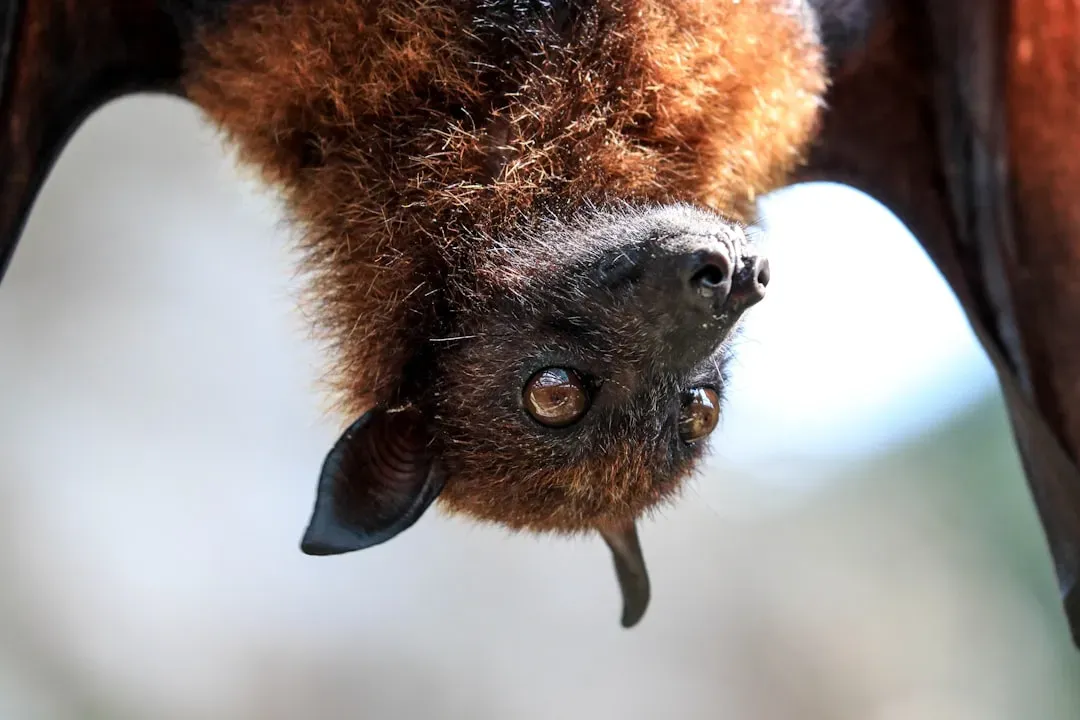
This one has lingered for generations. An old myth claims that bats fly into hair, get stuck, and build nests. While it’s possible this rumor started to deter young women from going out at night, bats do sometimes swoop around people’s heads. The reason isn’t because they’re shopping for a new home. Our bodies attract insects, and bats are after their next snack.
This has arisen because bats are hunting insects that might be attracted to you. Every once in a while, a bat miscalculates a turn and makes contact with someone. That’s a navigation error, not a nest-building mission.
Bats don’t build nests at all. They find shelter inside existing structures. Caves, trees, walls, and ceilings are favorites, as are rafters of buildings. Your hair is the last thing on their agenda.
Misconception 5: All Bats Carry Rabies
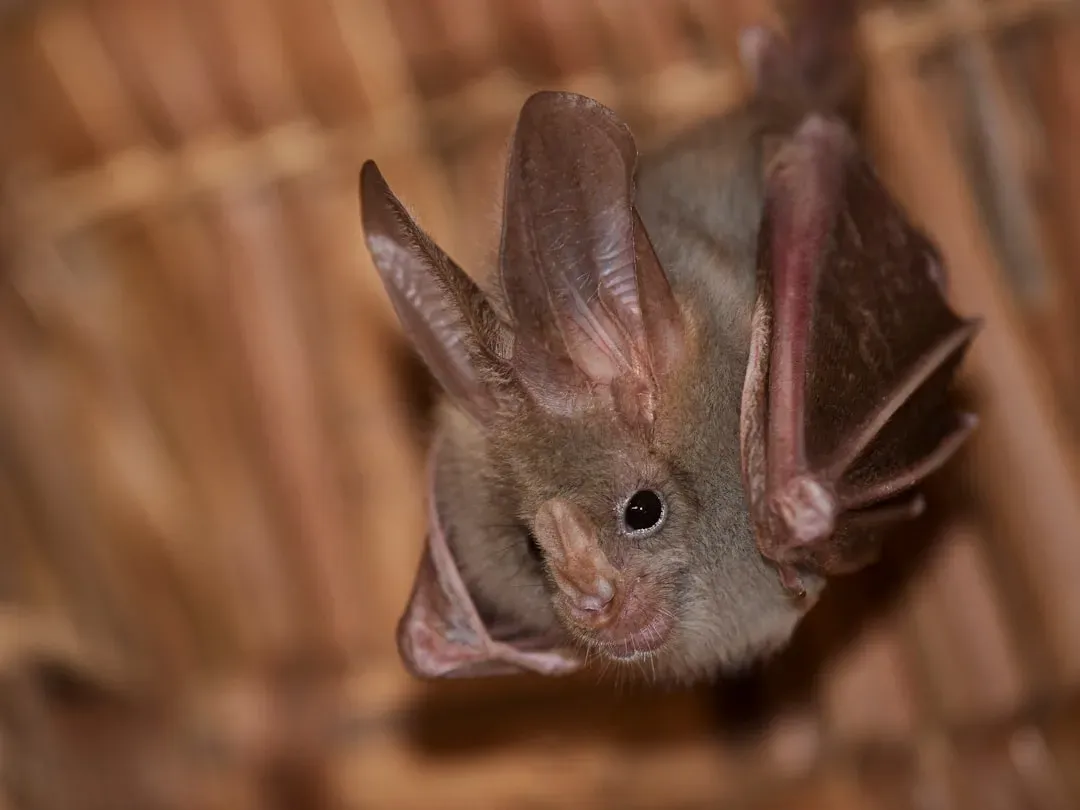
This is perhaps the fear that does the most damage to bat conservation efforts. Less than one percent of bats have rabies, but bats that act strangely or contact humans are ten times more likely to be sick with rabies. That distinction is worth keeping in mind.
There are fewer cases of rabies in bats than there are for raccoons and foxes. Only six percent of the bats submitted for testing have rabies. There is an inherent reporting bias, because only those bats acting abnormally are ever reported for testing, so there is a higher probability that those weakened individuals have rabies.
Any potential contact with bat saliva, such as a bite, scratch, or even waking up in a room with a bat, should be reported to a physician or public health professional. Rabies is nearly always fatal in humans, but is completely preventable with proper medical care following an exposure. Caution is wise. Panic is not.
Misconception 6: Bats Are Aggressive Toward People
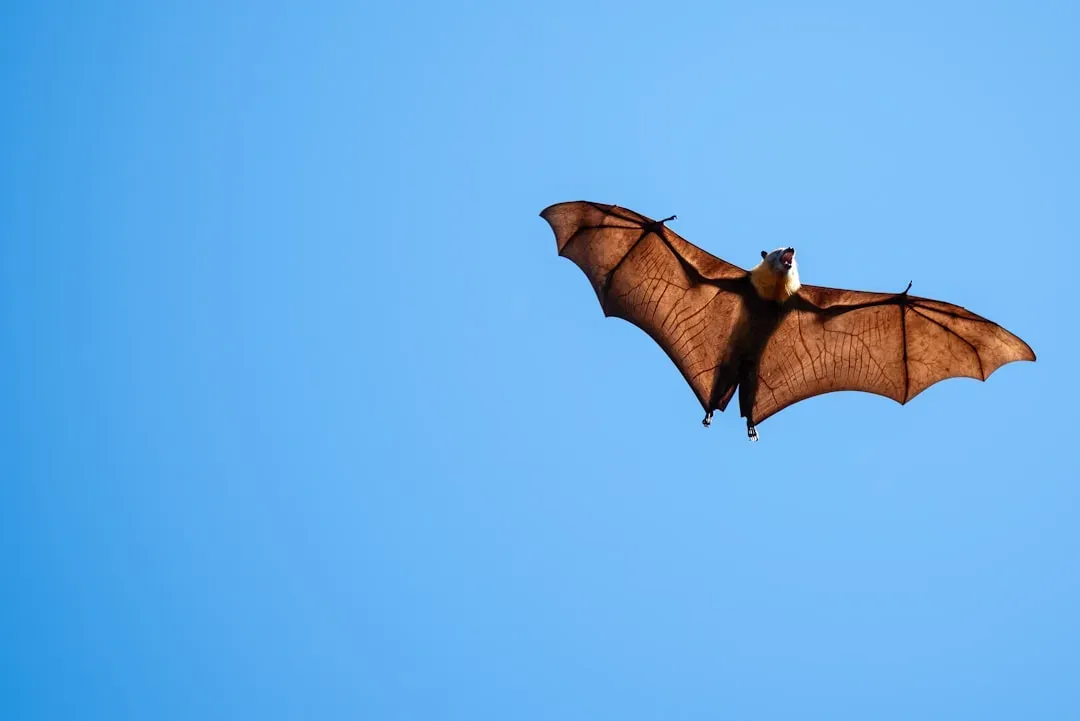
Bats are not aggressive animals and they do not intentionally attack people. In most cases, if you encounter a bat, it is likely more afraid of you than you are of it.
Bats have a unique, erratic flight pattern that can make them seem like they’re coming straight for you when, in reality, they’re just trying to navigate around obstacles. Their association with rabies has caused some additional public concern. The swooping and darting that looks threatening is simply precision hunting in action.
Bat attacks are rare and usually occur when humans try to handle or corner a bat, which is when the animal might bite out of self-defense. Bats are generally shy creatures that go out of their way to avoid human contact. Leave them alone, and they’ll return the favor every time.
Misconception 7: Bats Are Pests With No Real Value
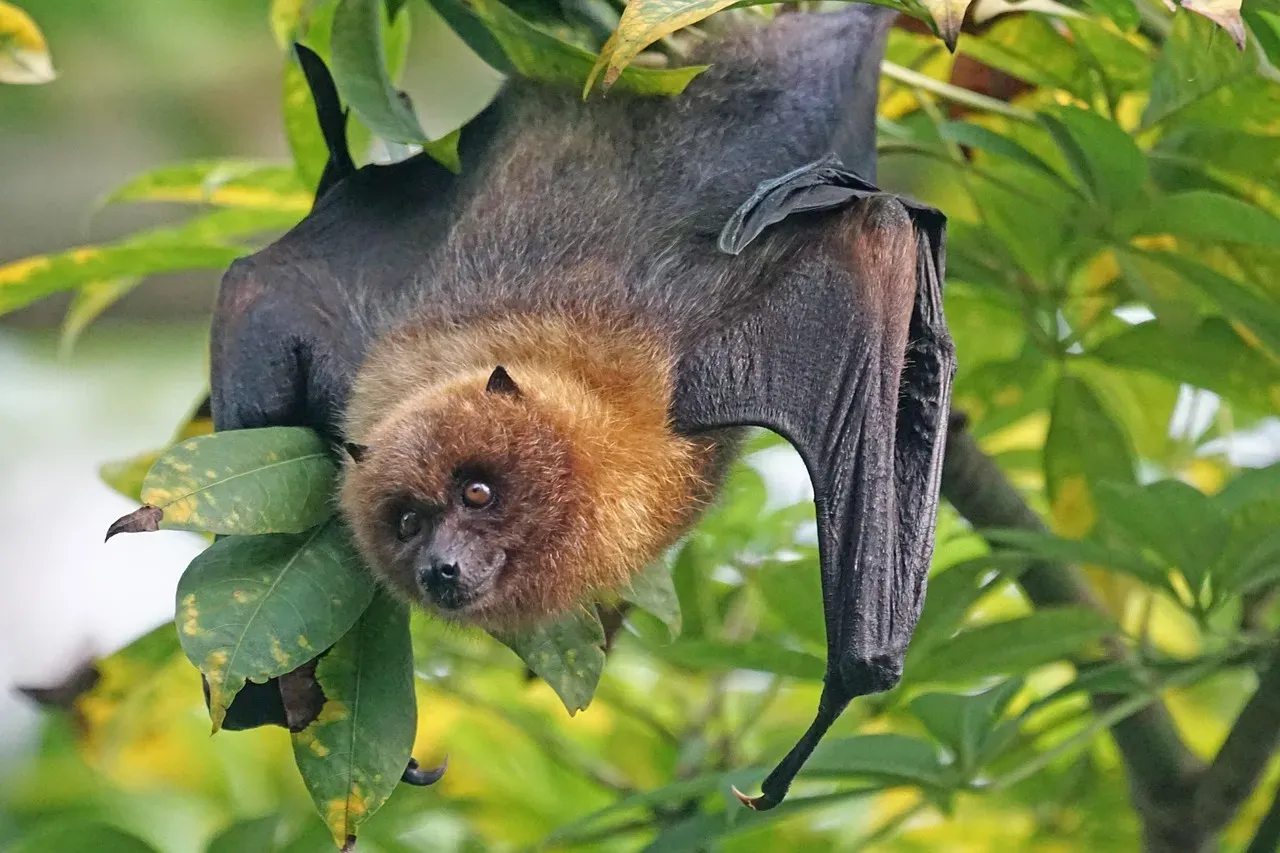
This may be the most costly misconception of all, because it shapes how people treat bats in the wild. Bats contribute to healthier forests through seed dispersal, stronger plant growth through pollination, and more balanced insect populations through natural pest control. These services are not easily replaced.
Some studies have estimated the pest-control service bats provide to U.S. agriculture to be worth over 3.7 billion dollars per year, and possibly as much as 53 billion dollars per year. While many bats eat insects, others feed on nectar and provide critical pollination for a variety of plants like peaches, cloves, bananas, and agaves. In fact, bats are the sole pollinator for the agave plant, a key ingredient in tequila.
Fruit-eating bats can account for as much as 95 percent of the seed dispersal responsible for early growth in recently cleared rainforests. When bats disappear, the effects ripple outward into agriculture, habitats, and entire food webs. Calling them pests ignores an ecological contribution that quietly touches nearly every part of the natural world humans depend on.
Conclusion: It’s Time to See Bats Differently
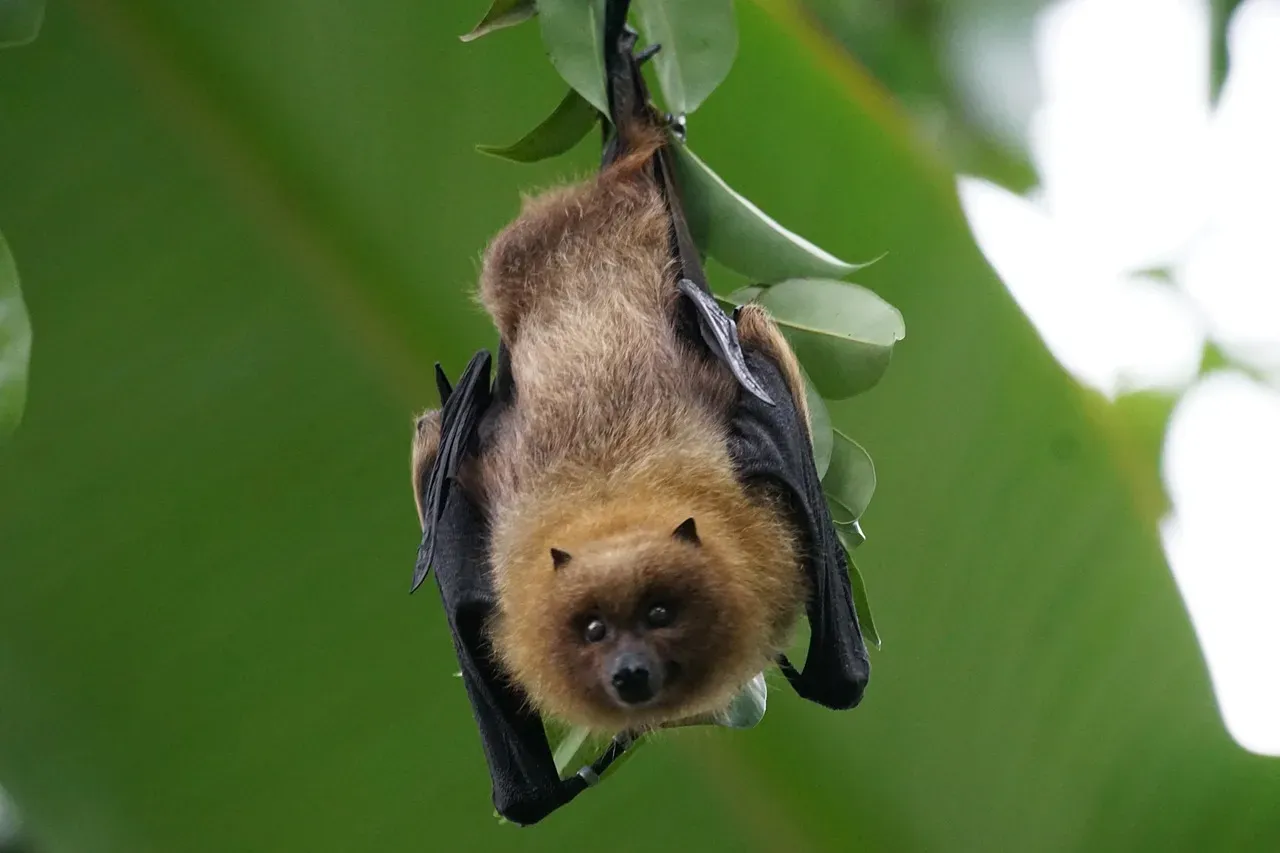
Bats have been misrepresented for a very long time, and the consequences of that have been real. Bats are declining across the globe, and many are needlessly killed because people do not understand the important role bats play in a healthy ecosystem.
The seven misconceptions above are not minor misunderstandings. They shape public policy, drive habitat destruction, and influence how communities respond when bats appear nearby. Getting the facts straight isn’t just interesting; it’s ecologically necessary.
Bats, the only flying mammal on Earth, are sometimes feared, but definitely misunderstood. A creature that has existed for more than 50 million years and quietly underpins food security, forest health, and natural pest control probably deserves a little more gratitude, and a lot less fear.

- What It Means When You See a Crow Staring Directly at You (According to Wildlife Experts) - June 14, 2026
- What It Means When You See More Fireflies Than Usual in Summer - June 14, 2026
- Ocean Science Says There Is a Layer of the Ocean Where No Sunlight Has Ever Reached in the Entire History of Earth – and the Creatures That Live There Evolved Completely Independently of Every Biological System That Operates in Light - June 14, 2026