
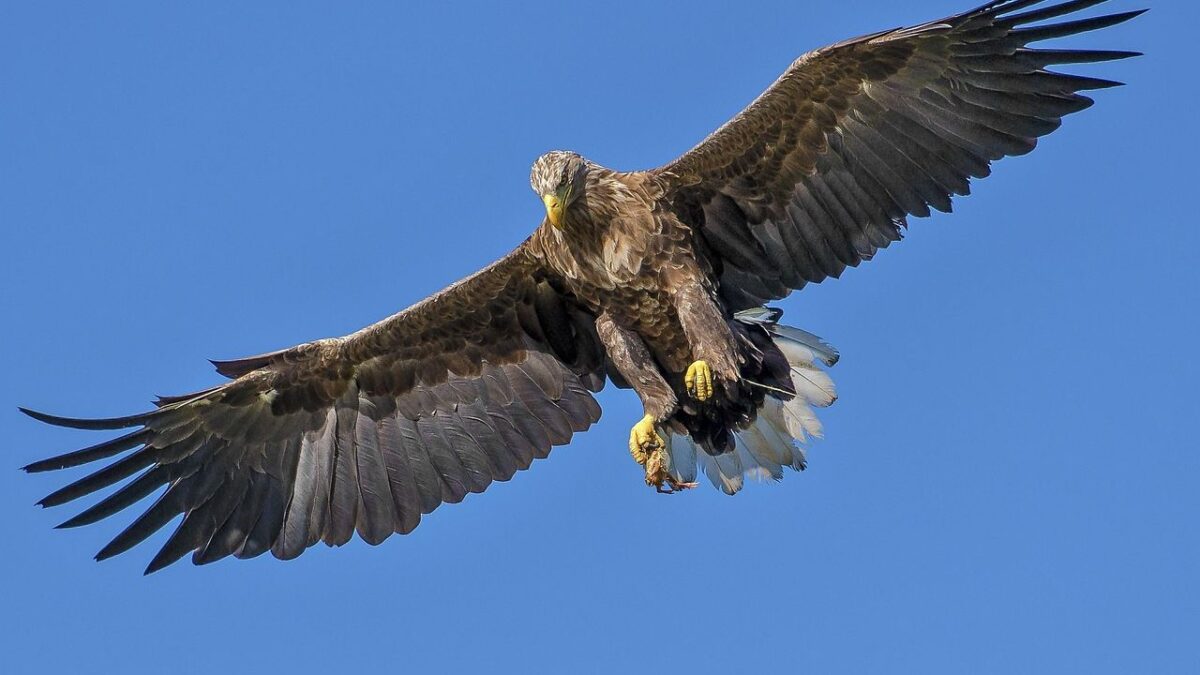
From the dense rainforests of South America to the vast savannas of Africa, certain eagles have evolved characteristics that set them apart from their relatives. Some possess talons capable of crushing bones. Others have developed hunting techniques so sophisticated they rival the strategies of terrestrial predators. Let’s explore seven of the most extraordinary eagle species that continue to fascinate researchers and wildlife enthusiasts alike.
The Harpy Eagle: A Living Myth From the Rainforest
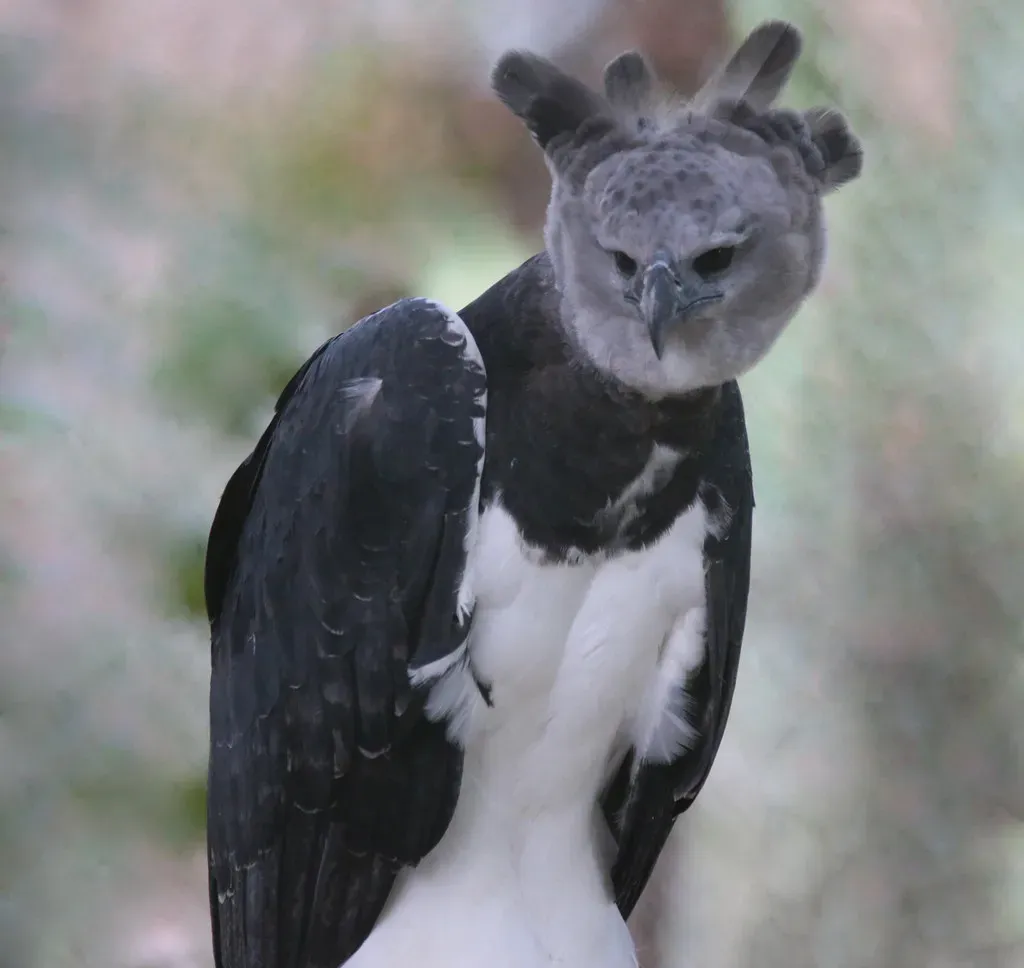
The harpy eagle is the rainforest’s largest and most powerful bird, and these monstrous raptors rank among the largest eagles in the world. These powerful birds can reach up to 3 feet 5 inches in height, with an overall wingspan of up to 7 feet 4 inches. What truly sets them apart is their appearance. Their black, grey, and white feathers are identical in both males and females, with the raised feathers on their heads giving the bird a quizzical expression.
The rear talons are bigger than a grizzly bear’s claws and measure 5 inches in length. Considered to be the most powerful eagle in the world, it lives in lowland tropical forests in the Americas. Despite its overall large size, its wingspan is a bit shorter than some other eagles due to habitat, with these rare birds living in the upper canopy of tropical lowland rainforests where shorter wings help them navigate better through the forest. Honestly, watching one of these magnificent creatures glide through dense jungle foliage is like witnessing a phantom materialize from the canopy itself.
The Philippine Eagle: The Critically Endangered Giant
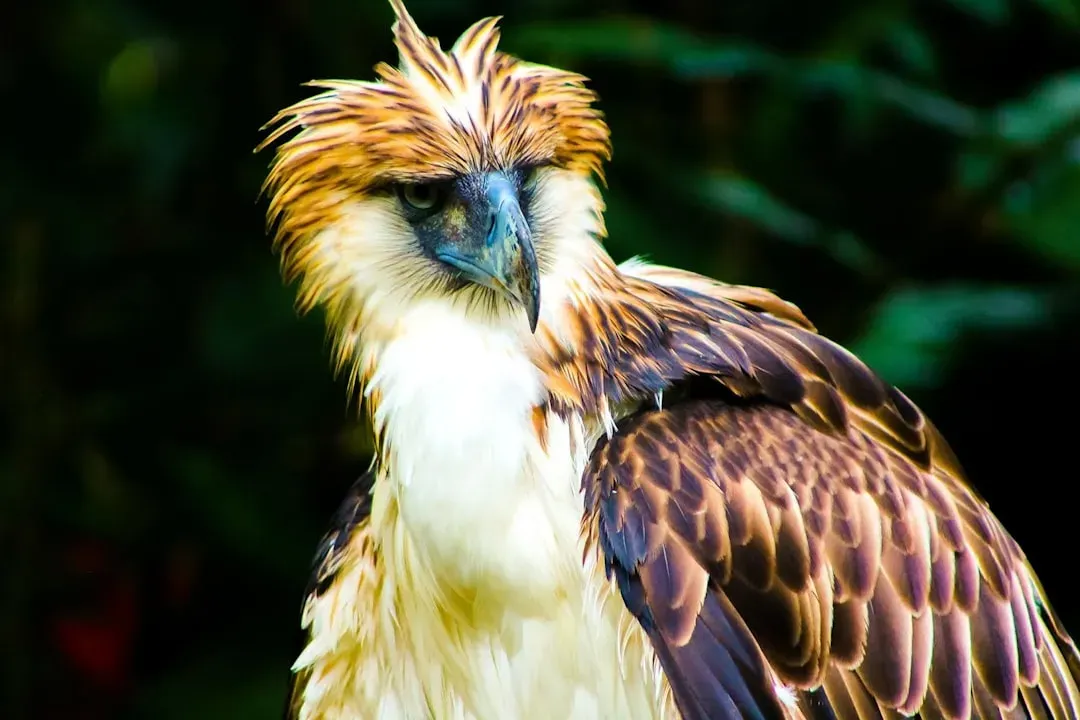
Considered the largest eagle in the world in terms of length and wing surface, the giant Philippine eagle averages one meter in height from the tip of its crown feathers to its tail, with only the harpy and Steller’s sea eagles outweighing it in terms of mass. With fewer than 400 breeding pairs left, the Philippine eagle is one of the rarest and most endangered eagles in the world. Their average diet includes flying lemurs, squirrels, fruit bats, rats, snakes, monitor lizards, owls, and hornbills.
Once paired, Philippine eagles mate for life, with females laying one egg every two years. With an infrequent breeding cycle and each Philippine eagle pair needing 4,000-11,000 hectares of territory to thrive properly, the population is decreasing at a rapid rate. The survival of this species hangs by a thread, making every conservation effort critical.
The Bateleur Eagle: Africa’s Acrobatic Performer
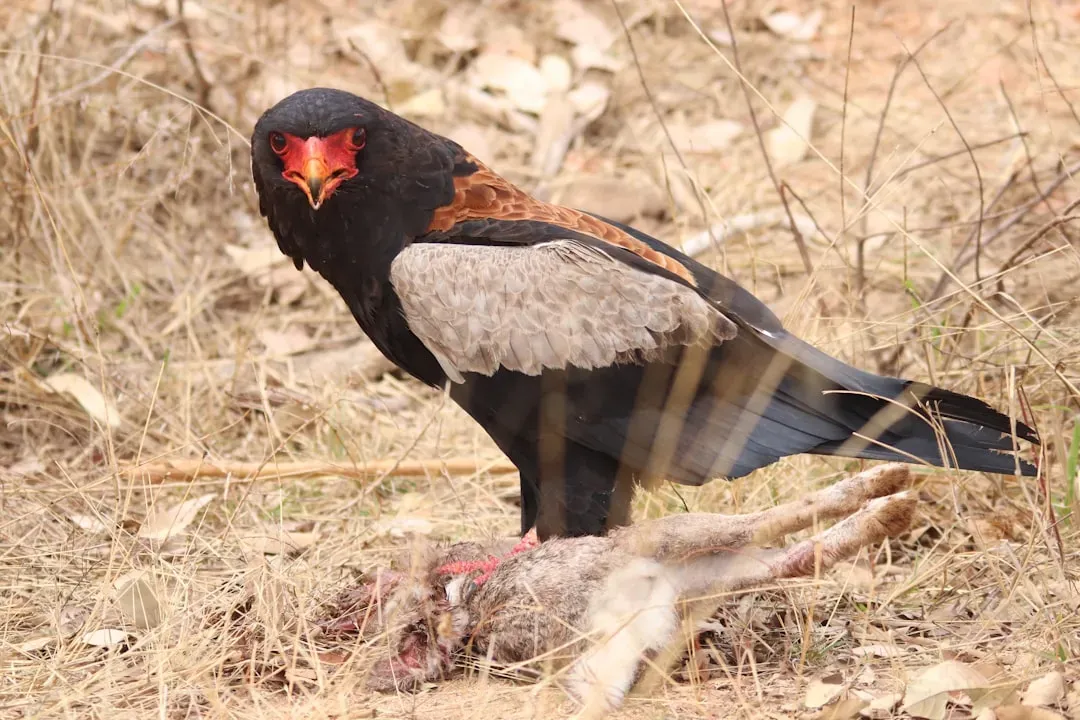
Its red face, chestnut-colored back and tail, intense black body, silver wings above and brilliant white below, and red legs make the Bateleur one of the most colorful eagles in the world. Their tail feathers are incredibly short, which enables them to be incredibly acrobatic in the air, and their name comes from Bateleur being the French word for “Street Performer”. When soaring, they rock their wings from side to side, and these raptors spend quite a lot of time in the air soaring over great distances, sometimes more than 125 miles, in search of food.
Here’s the thing though. The second extraordinary trait is its ability to hunt snakes, with adaptations including the ability to draw blood away from their feet and face, meaning that if a snake does bite, the attacking eagle is much less likely to have the poison enter its blood stream. The scales on a Bateleur eagle’s feet are also formed in such an overlapping way as to protect from bites as well. It’s hard to say for sure, but this might be one of nature’s most ingenious defensive mechanisms.
The African Crowned Eagle: Pound for Pound Champion
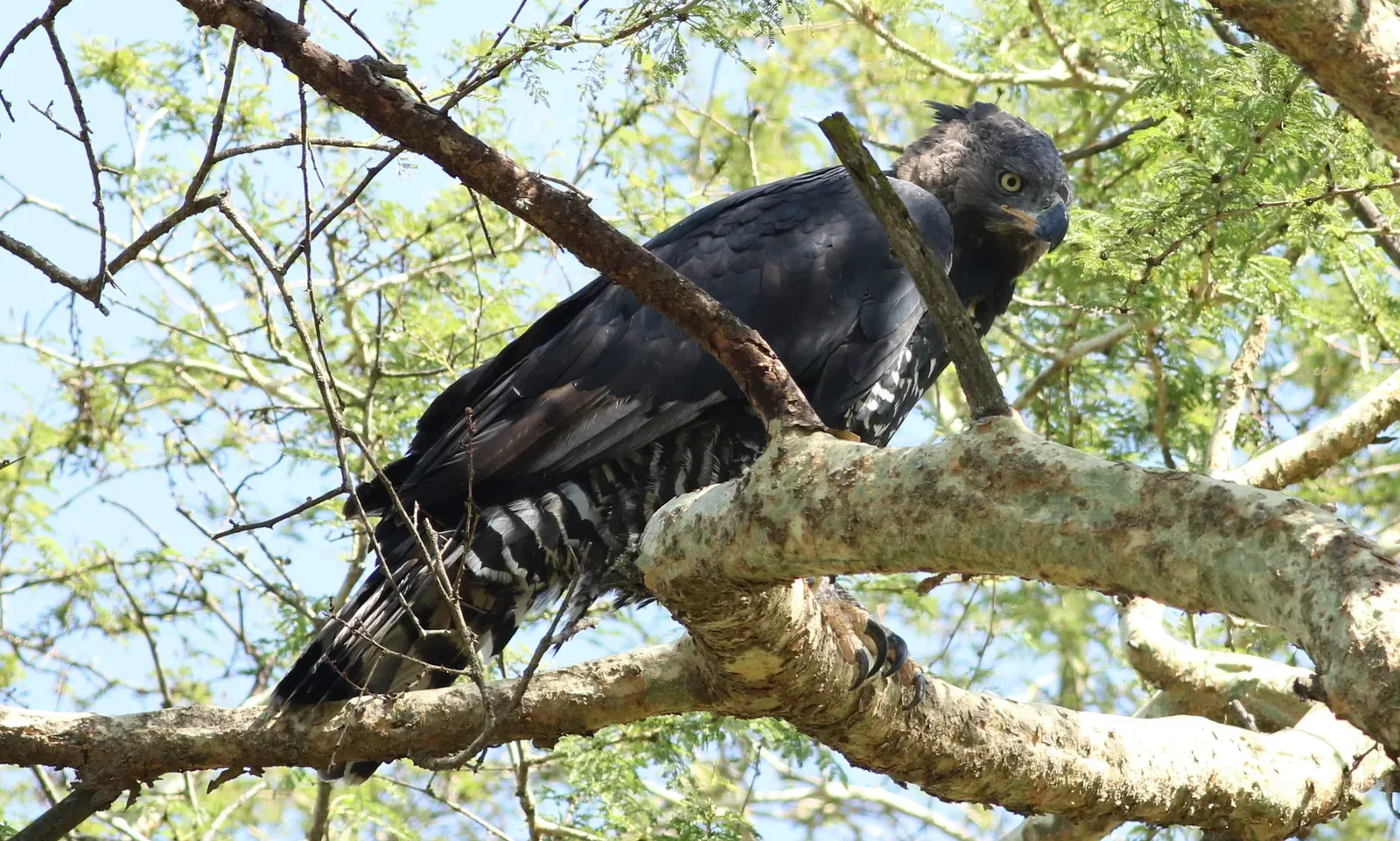
As the most powerful eagle in Africa, the crowned eagle is able to kill animals weighing up to 44 pounds. One listing included the crowned eagle as the only bird in a ranking of the 10 strongest living land creatures (pound for pound). The eagle’s long hind talon helps break the prey’s spine, with a favorite method of hunting being to sit in a tree overlooking a waterhole or clearing and then simply drop down onto the prey.
When hunting monkeys, a crowned eagle flies over the forest canopy until a troop can be heard, lands on a branch and tries to get as close as possible without being seen before attacking, with a crowned eagle pair sometimes hunting together. Their talons are so strong they can crush the skull of a 30 kg antelope, and in one swoop they can snap the spine of an animal up to seven times its weight. Let’s be real, no other bird matches this level of predatory power relative to its size.
The Steller’s Sea Eagle: The Heavyweight Champion
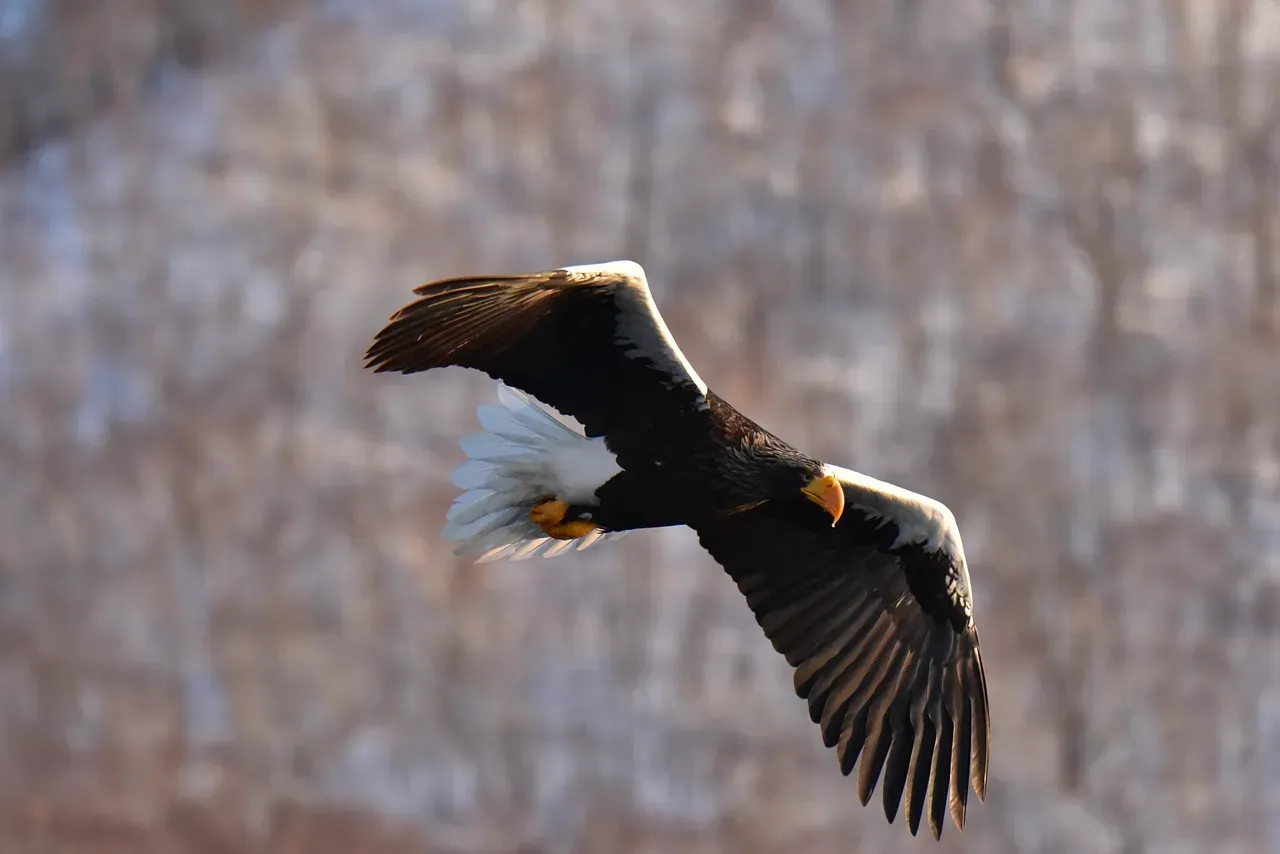
The largest sea eagle is Steller’s sea eagle, of Korea, Japan, and Russia’s Far East, particularly the Kamchatka Peninsula, with this bird having a wingspan surpassing 2 metres and can weigh up to 9 kg. The largest individuals come from Alaska, where females may reach 7 kilograms in weight and 2.44 meters in wingspan. Their sheer physical dimensions make them impossible to ignore in their coastal habitats.
The sea eagles are very large eagles that live along rivers, big lakes, and tidewater, with all having exceptionally large high-arched beaks and bare lower legs, while the undersurfaces of the toes are roughened for grasping slippery prey. Think about it. An eagle weighing nearly 20 pounds needs serious physical adaptations to hunt fish and marine prey effectively. These remarkable hunters are perfectly designed for their aquatic environment.
The Golden Eagle: The Ultimate All-Rounder
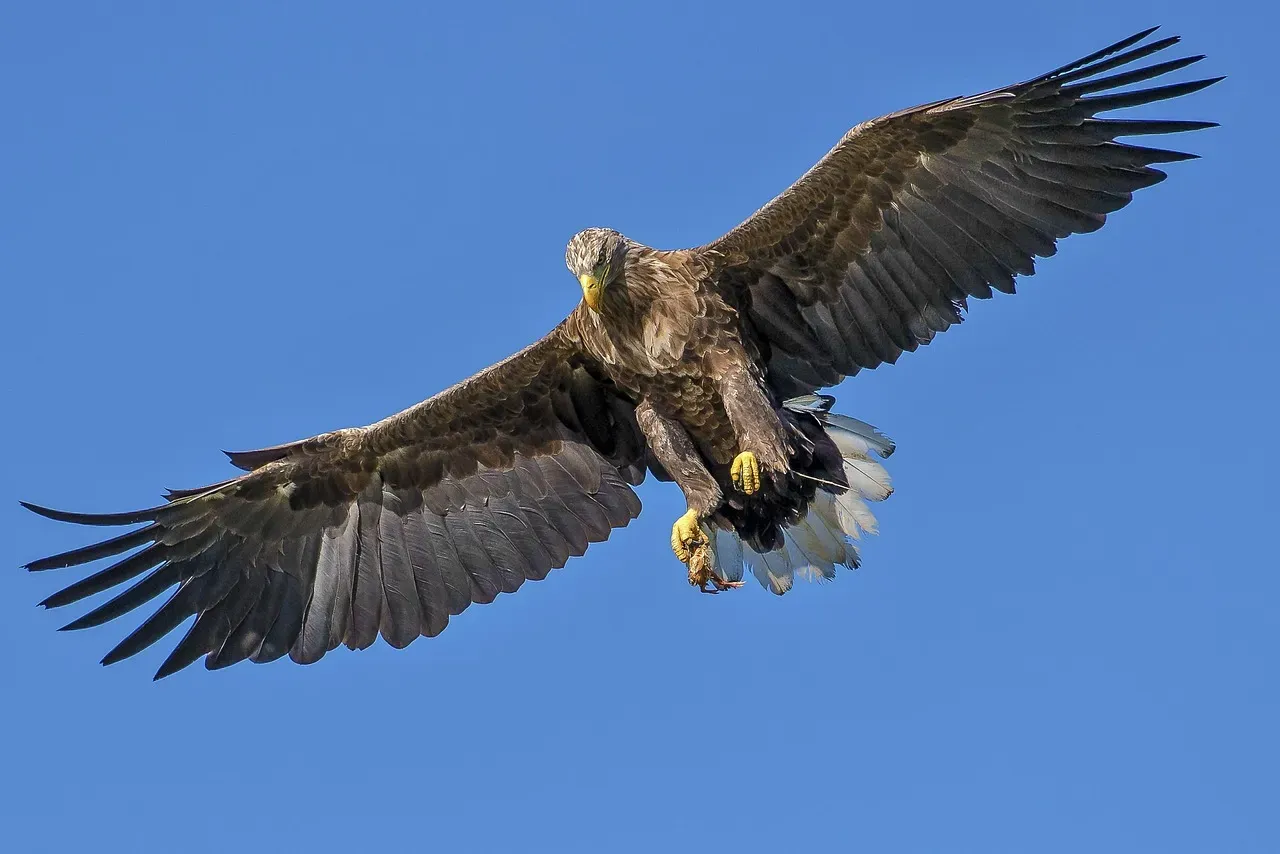
The golden eagle is the most widely distributed of all eagles and is one of the most distinctive. The golden eagle is the largest eagle in North America and one of the most widespread predatory birds in the world, with wild females reaching 7.7 kilograms and 2.55 meters in wingspan. Interestingly, the bald eagle has the heaviest verified load ever flown with, when it carried off a 6.8kg mule deer fawn. However, many other species eagles kill animals much larger than this and eat them on site, such as the golden eagle, which sometimes kills prey of up to 30kg.
A golden eagle’s home territory can cover a distance of up to 77 square miles, and within these territories, they build large nests on cliffs or other high locations. Their versatility is genuinely remarkable. Built for endurance and efficiency, the golden eagle is an expert in flight, soaring for hours on thermals with minimal effort, with its speed and power making it a formidable hunter of mammals and birds across a wide range of habitats.
The Bald Eagle: America’s Symbol of Resilience
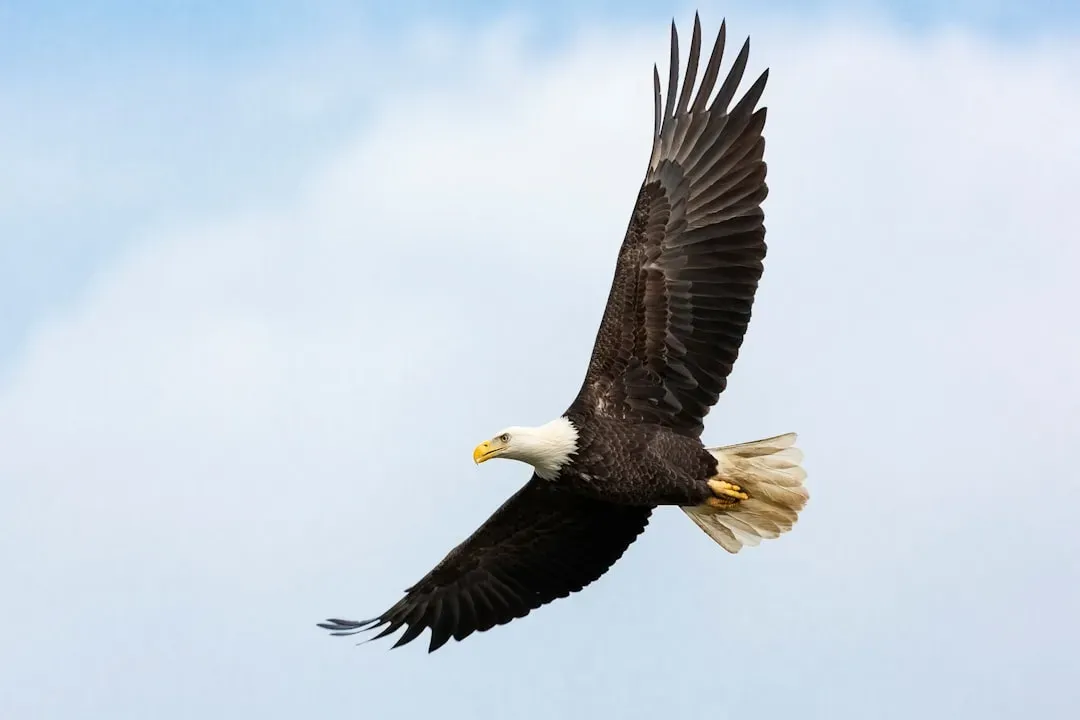
The bald eagle is the world’s most recognizable large eagle, famed as the national symbol of the United States. Even before modern American culture developed and adopted this animal, the bald eagle was sacred to many Native American cultures. They mainly hunt fish but will eat many other creatures, with their prey “spectrum” consisting of more than 400 species.
What’s fascinating is their adaptability. Bald eagles can be found in any wetland area, ranging from lakes to the sea, all across America and Canada. Their recovery from near extinction represents one of conservation’s greatest success stories. The species faced dramatic population declines in the mid-20th century but has bounced back through dedicated protection efforts and environmental regulations.
Conclusion
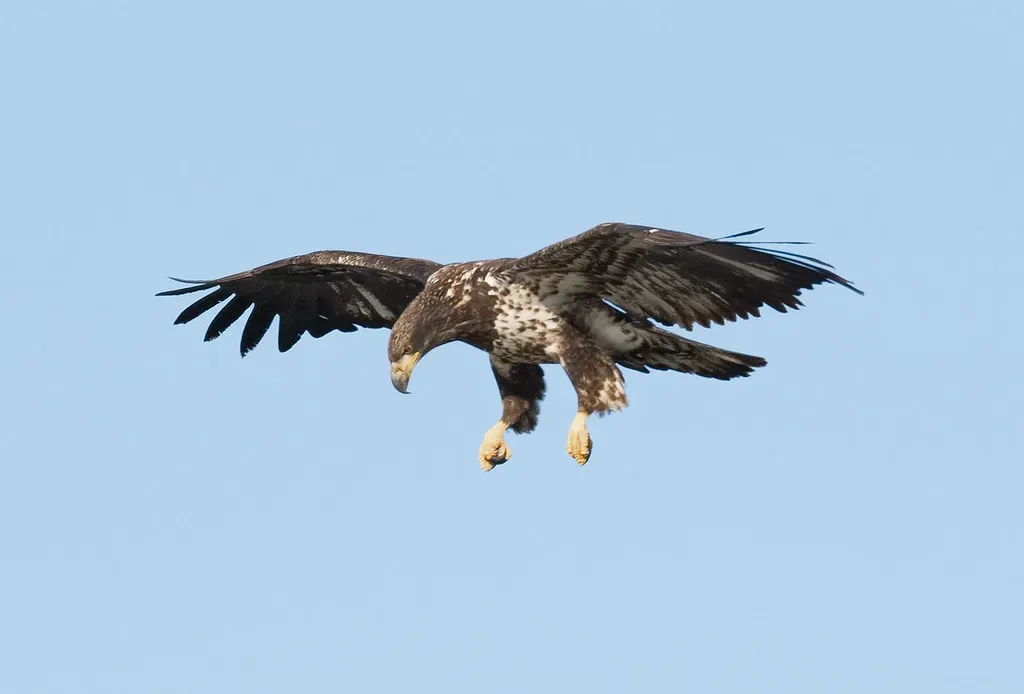
These seven extraordinary eagle species showcase the incredible diversity within this family of birds of prey. From the harpy eagle’s bone-crushing power to the bateleur’s snake-hunting adaptations, each species has carved out its own ecological niche through remarkable evolutionary adaptations. The crowned eagle’s pound-for-pound strength rivals any predator on Earth, while the Philippine eagle’s rarity makes every sighting precious.
Sadly, many of these magnificent birds face serious threats. Habitat loss, human encroachment, and environmental degradation continue to pressure populations worldwide. The Philippine eagle’s critically endangered status serves as a stark reminder of what we stand to lose. Conservation efforts remain crucial for ensuring future generations can marvel at these apex predators.
These eagles remind us of nature’s boundless creativity and power. Each species tells a unique story of adaptation and survival. What do you think about these remarkable hunters? Which extraordinary eagle impressed you the most?
