

Gamma-Ray Bursts: The Universe’s Most Violent Explosions
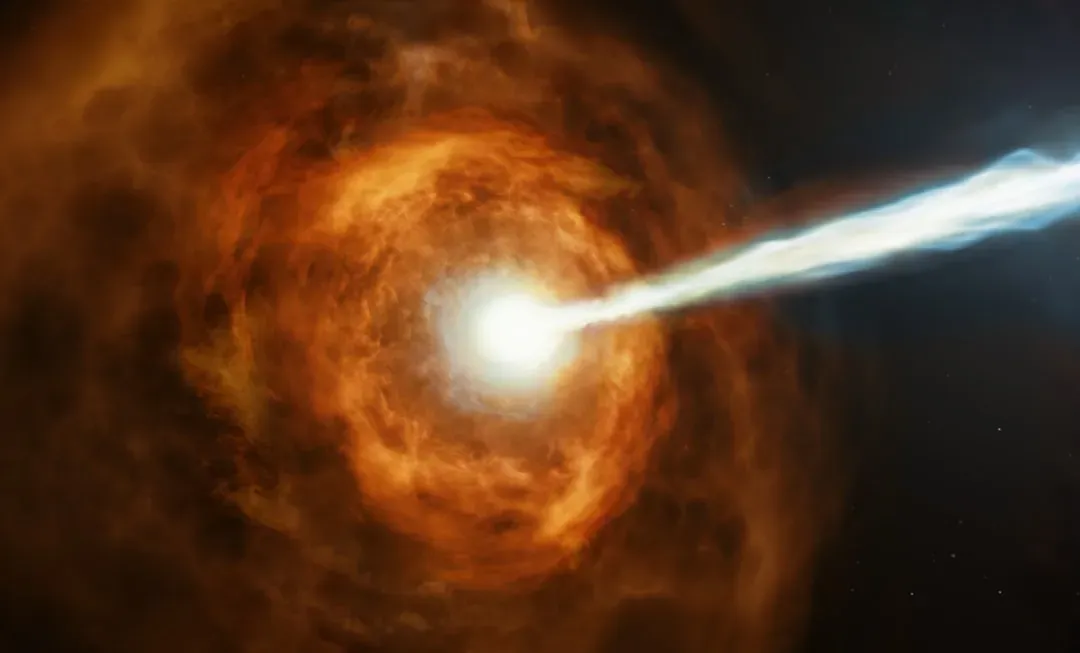
Gamma-ray bursts are the brightest electromagnetic blasts known to occur in the universe, and can originate from the collapse of the most massive types of stars or from the collision of two neutron stars. A typical burst releases as much energy in a few seconds as the Sun will in its entire 10-billion-year lifetime.
A gamma-ray burst in the Milky Way pointed directly at Earth would likely sterilize the planet or cause a mass extinction. A GRB would deplete the ozone layer in the upper atmosphere, allowing harmful UV radiation to reach the ground, with dire consequences for life. Fortunately, the confined nature of the beams means that a direct collision would be very unlikely.
The odds of a gamma-ray burst triggering a mass extinction are roughly half in the past 500 million years and about nine out of ten over the four billion years since life appeared on Earth. By that math, it’s quite likely that a gamma-ray burst caused one of the five mass extinctions in the past 500 million years. Astronomers have argued that a gamma-ray burst caused the first mass extinction 440 million years ago, when roughly three out of every five marine creatures disappeared.
Asteroid and Comet Impacts: A Threat Written Into the Rock
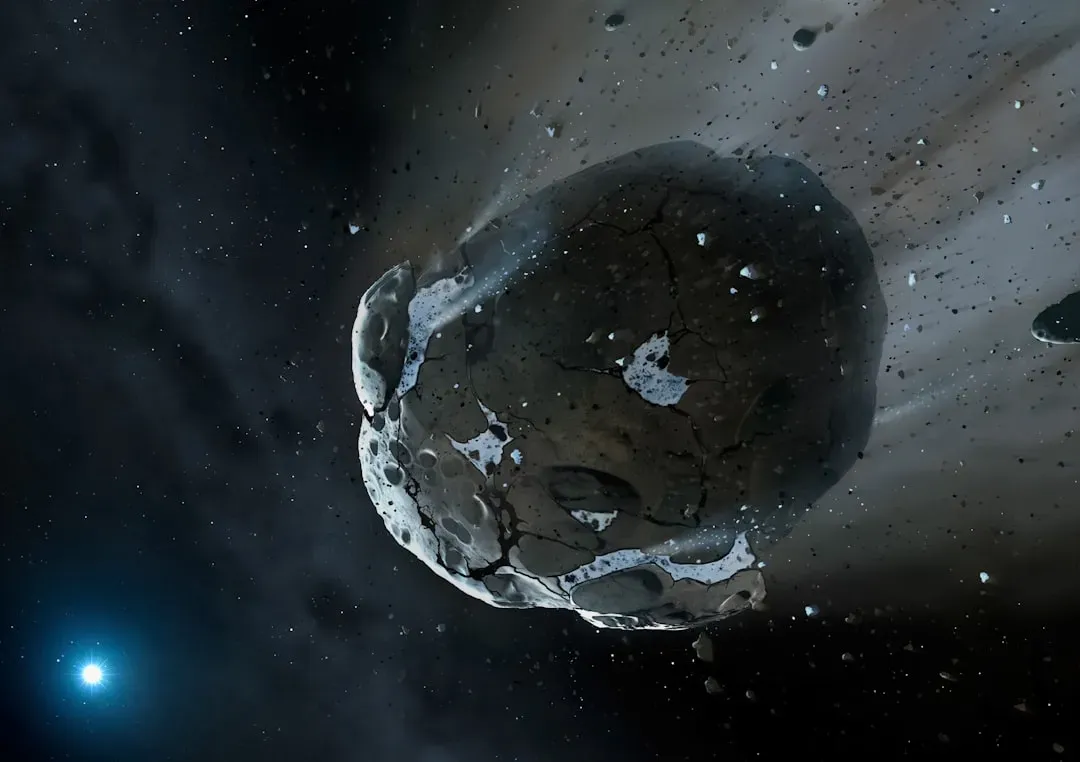
The Chicxulub impactor, a colossal asteroid that struck Earth approximately 66 million years ago, is widely credited with causing the mass extinction event that wiped out nearly three quarters of all species, including the non-avian dinosaurs. One of the biggest consequences was the enormous amount of dust and sulfur shot into the atmosphere. This led to a sharp drop in global temperatures, a phenomenon known as “impact winter,” and with less sunlight, food chains started to collapse. This environmental disaster ultimately spelled the end for the dinosaurs and many other life forms.
An impact by a sufficiently large asteroid or other near-Earth object would cause, depending on its impact location, massive tsunamis or multiple firestorms, and an impact winter caused by the sunlight-blocking effect of large quantities of pulverized rock dust and other debris placed into the stratosphere. The most frightening aspect is that some asteroids approach from the direction of the Sun, making them extremely difficult to detect until they are dangerously close. With little warning time, humanity might have few options for defense.
In September 2022, the Double Asteroid Redirection Test demonstrated the deflection of an asteroid for the first time. It was considered highly successful, changing the orbital period of the target body by 32 minutes. It was a meaningful milestone, though the challenge of defending against a truly large impactor remains an open and sobering problem.
Solar Superstorms: When Our Own Sun Turns Against Us
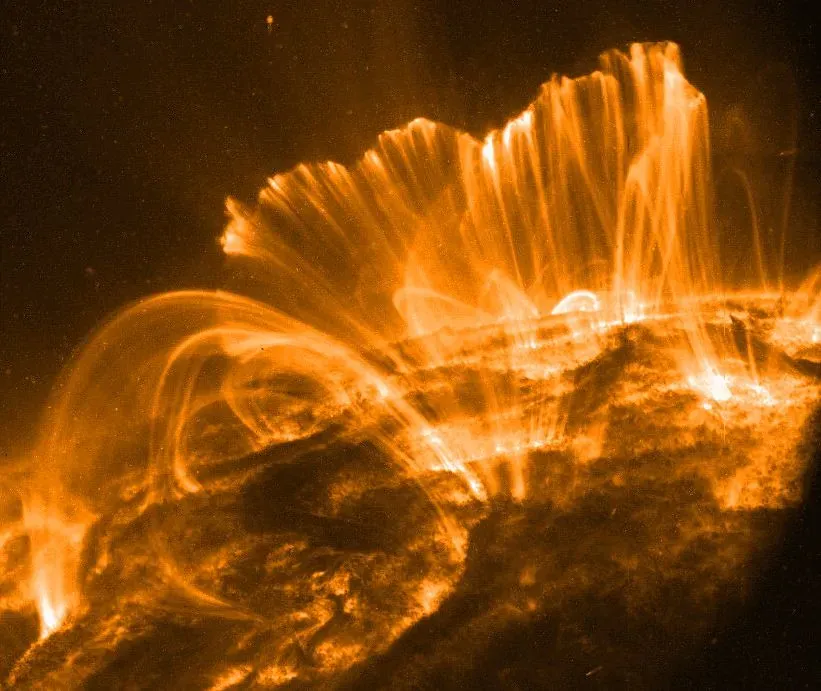
Coronal mass ejections, or CMEs, are immense clouds of solar material blasted into space by the Sun at over a million miles per hour, often following a solar flare. CMEs expand as they sweep through space, often measuring millions of miles across. When directed toward Earth, a solar storm can create a major disturbance in Earth’s magnetic field, called a geomagnetic storm, that can produce effects such as radio blackouts, power outages, and beautiful auroras.
The strongest geomagnetic storm on record occurred in September 1859, known as the Carrington Event. During this storm, excess currents were produced on telegraph lines, shocking technicians and in some cases setting their telegraph equipment on fire. Today, a storm like that would cause significant impacts on our technology. Modern power grids, GPS systems, satellites, and financial infrastructure would all be vulnerable in ways that 19th-century civilization simply was not.
CMEs, along with solar flares, can disrupt radio transmissions and cause damage to satellites and electrical transmission line facilities on Earth, resulting in potentially massive and long-lasting power outages. These events can deliver lethal doses of radiation to astronauts working in space, damage the electronics on satellites, disrupt radio and GPS communications on Earth, and cause large power outages on the ground.
Nearby Supernovae: Stellar Death at Close Range
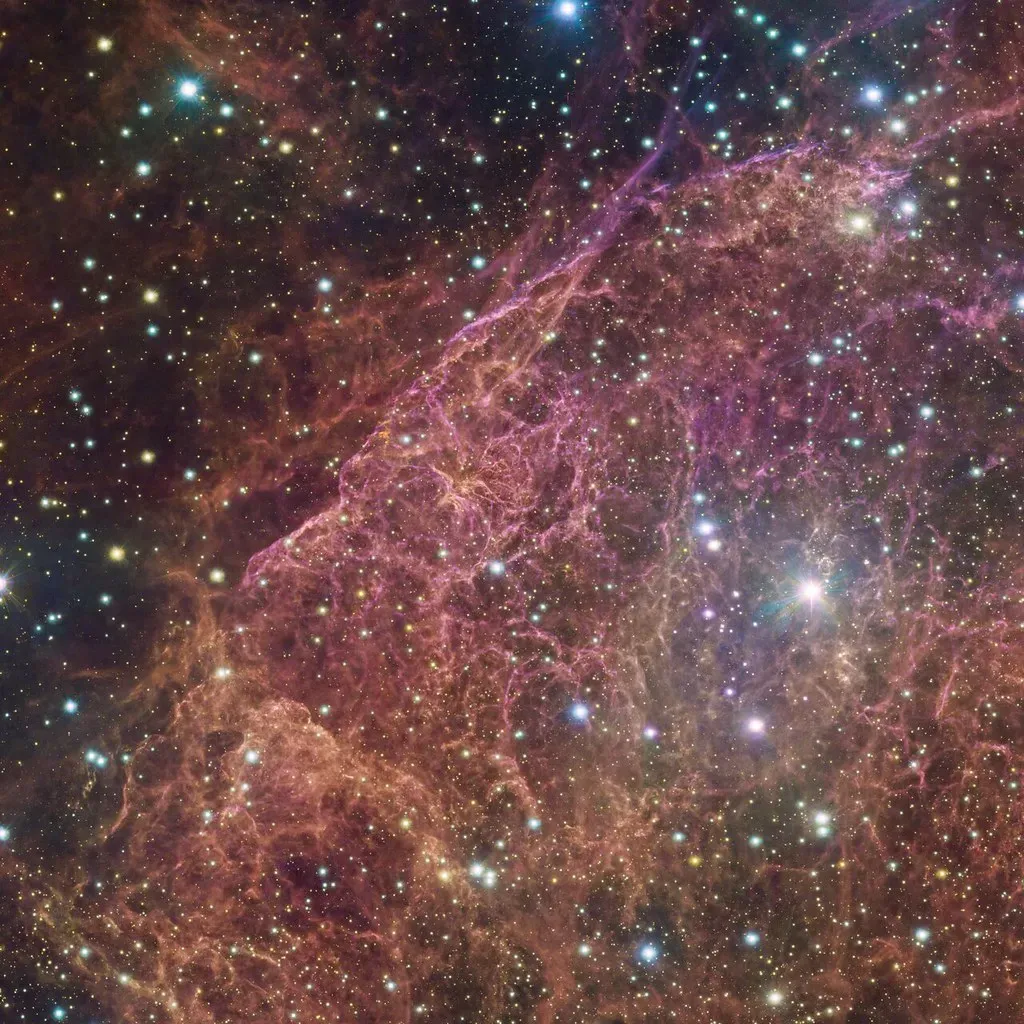
Very few stars are massive enough to die in a supernova. When one does, it briefly rivals the brightness of billions of stars. Both GRBs and supernovae are usually observed in distant galaxies, but can pose a threat if they occur closer to home, where they can strip the Earth’s upper atmosphere of its protective ozone layer, leaving life exposed to harmful ultraviolet radiation from the Sun.
A supernova within 30 light-years would be catastrophic. It would severely deplete the ozone layer, disrupt the marine food chain, and likely cause mass extinction. Some astronomers believe that nearby supernovae triggered a series of mass extinctions between 360 and 375 million years ago. Thankfully, these events happen within that dangerous 30-light-year range only every few hundred million years.
Even if the immediate radiation did not wipe out life, long-term exposure to increased ultraviolet radiation could devastate marine ecosystems, disrupt food chains, and cause widespread biological damage. The ocean matters enormously here. Marine photosynthesizers at the base of nearly every food web would be among the first casualties of sustained UV bombardment, and their collapse would ripple upward through every ecosystem on the planet.
Geomagnetic Pole Reversal: The Shield That Could Flicker
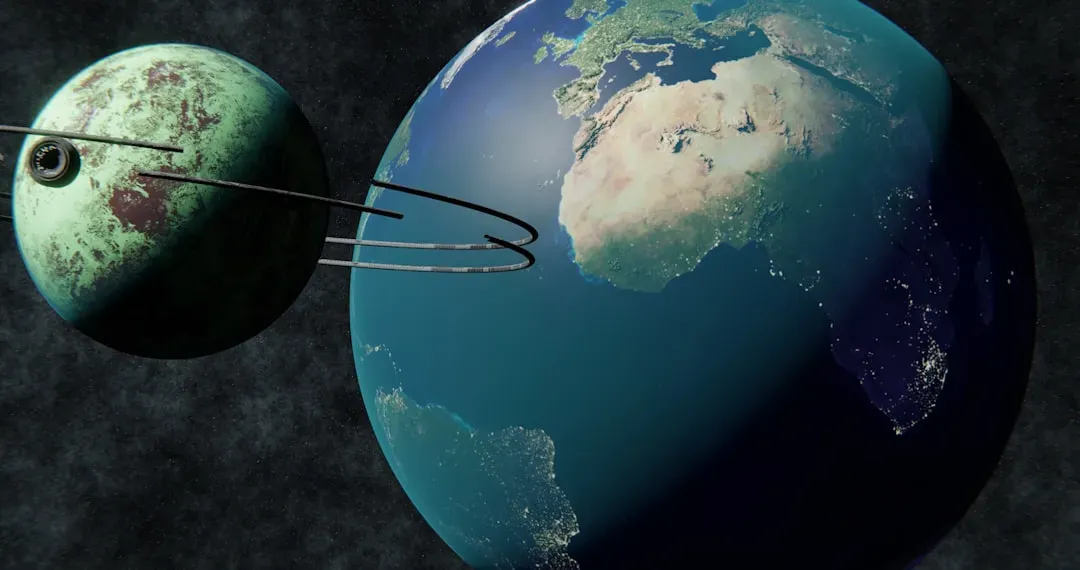
Scientists know that the poles have changed places hundreds of times, most recently around 780,000 years ago. Geomagnetic polarity reversals and excursions are natural processes that could have profound impacts on Earth’s biosphere and modern technological infrastructure. The concern isn’t the flip itself so much as the weakening of the protective magnetic field that precedes and accompanies it.
The dangers during such a weakening include devastating streams of particles from the sun, galactic cosmic rays, and enhanced ultraviolet B rays from a radiation-damaged ozone layer. Solar energetic particles can rip through the sensitive miniature electronics of satellites circling the Earth. The satellite timing systems that govern electric grids would likely fail, the grid’s transformers could be overwhelmed, and because grids are so tightly coupled with each other, failure could race across the globe, causing a cascade of blackouts that might last for decades.
Still, perspective matters. Scientific assessments consistently conclude that a reversal, while challenging for certain technologies, does not represent an existential threat to humanity. The magnetosphere will not vanish completely, Earth’s rotation axis will not flip, and continents will not suddenly shift or flood because of changes in the magnetic field. The real risk sits somewhere between manageable disruption and serious civilizational stress, not the apocalypse of popular imagination.
Rogue Black Holes: The Threat That Isn’t (Quite)
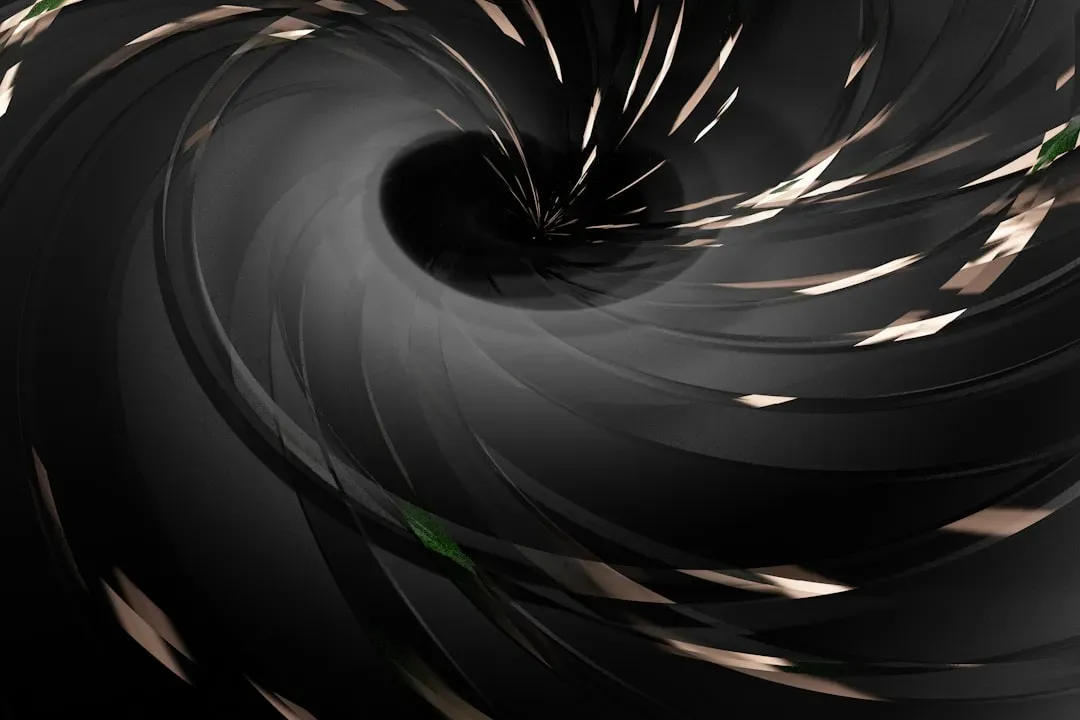
Should a rogue black hole venture too close to our solar system, the consequences could be profound and far-reaching. The gravitational influence of such an object could alter the orbits of planets and other celestial bodies within the solar system. This disruption might lead to catastrophic collisions between planets or ejections from their orbits into interstellar space.
The chances of a rogue black hole coming near Earth are extremely low. The vastness of space and the rarity of rogue black holes make the likelihood of one coming close to our solar system very small. The best evidence for this calm assessment is 4.5 billion years of peaceful history. In all that time, nothing like this has happened, and the nearest known black hole is 1,500 light-years away. A rogue black hole is the cosmic threat most worthy of a science-fiction novel but least worthy of immediate alarm.
The Death of the Sun: An Ending Written in the Stars
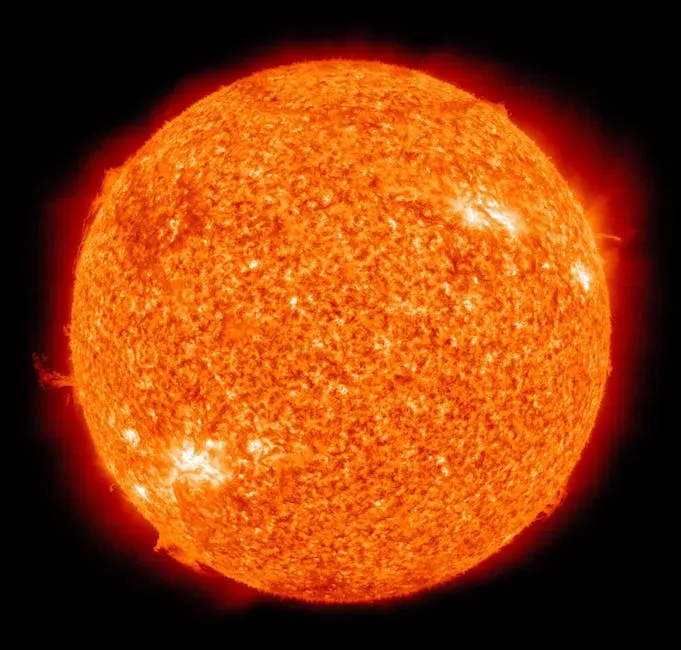
Unlike the other cosmic dangers, which occur at the roll of a dice with a given probability, we know for certain that our Sun will end its life in around 7.72 billion years. At that point, it will throw off its outer atmosphere to form a planetary nebula, ending up as a stellar remnant known as a white dwarf. Long before that final act, Earth will already be uninhabitable.
Some stars become red giants as energy from a hotter core drives expansion, and this will be the fate of our Sun. Others are far more massive and will create violent implosions upon collapse, resulting in a titanic supernova blast and a black hole denser than anything else in the known universe. As the Sun expands into a red giant over the next several billion years, it will first scorch, then engulf the inner planets, Earth among them.
There’s a strange comfort in the timescale. Billions of years is long enough that it barely registers as a threat in any practical sense, yet it shapes how astronomers think about the habitable window our planet occupies. exists within a window, bounded at one end by the planet’s turbulent early history and at the other by a star slowly burning toward its end.
Conclusion: Living Under an Open Sky
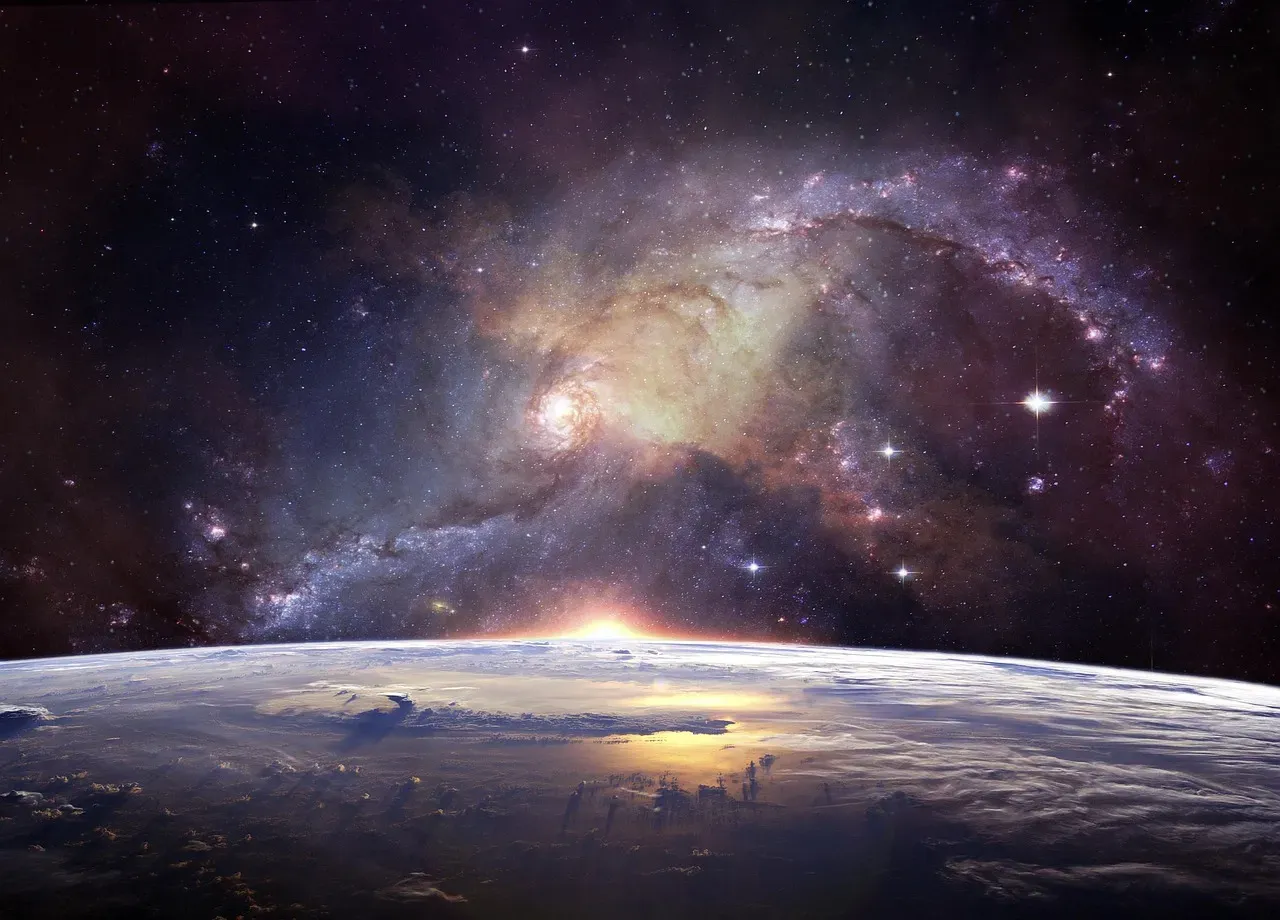
The universe is not hostile to life in any intentional sense. It simply operates at scales of energy and time that make individual planets look very small indeed. Most of the threats catalogued here are either vanishingly rare, pointed in the wrong direction, or operating on timescales that dwarf the entire history of human civilization.
What this picture really offers is context. The asteroid deflection test of 2022 was not just a scientific curiosity. The monitoring networks tracking near-Earth objects, solar weather, and the shifting magnetic poles are not paranoid exercises. They are the first, modest steps toward a species that takes its own cosmic situation seriously.
Perhaps the most honest takeaway is this: Earth is well-shielded, statistically fortunate, and reasonably well-positioned in a quiet corner of the galaxy. Whether that comfort holds over the next million years depends, at least in part, on how carefully we pay attention to what surrounds us.

- 7 Apex Predators That Are Actually Afraid of One Specific Animal Smaller Than Themselves and the Encounters That Confirmed It - July 18, 2026
- 10 Animals That Researchers Confirmed Can Recognize Themselves in a Mirror – and the One Near the Bottom of the List That Rewrote the Criteria Entirely. - July 18, 2026
- 6 Most Shark-Dense Coastlines Outside the United States That Tourism Boards Have Been Very Quiet About - July 18, 2026