

Marshes, swamps, bogs, and tidal flats don’t always look impressive at first glance. They’re muddy, sometimes mosquito-ridden, and easy to overlook from a car window. Yet these soggy landscapes are among the most life-sustaining places on the entire planet, quietly supporting a staggering number of species that could not survive anywhere else.
The United States has already lost more than half of its original wetlands since the country was colonized. What remains covers only a small fraction of the land area of the lower 48 states. The pace of loss, rather than slowing, has actually accelerated in recent decades. Understanding why this matters for wildlife, not in abstract terms but in concrete, species-level terms, is the clearest way to grasp what’s truly at stake.
Wetlands Are Home to a Disproportionate Share of Wildlife
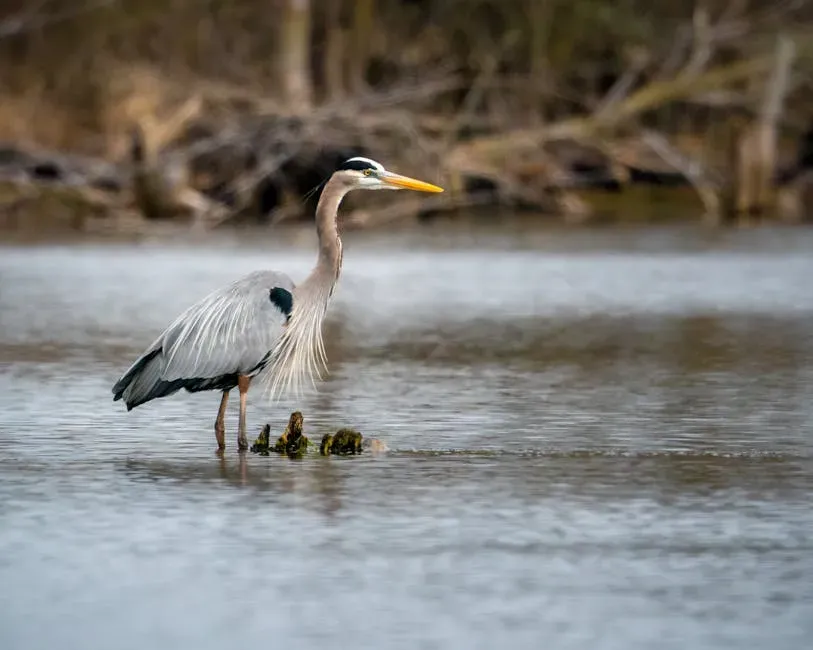
There is a striking mismatch between how much land wetlands occupy and how much wildlife they support. Wetlands cover just six percent of the earth’s land surface area, yet they provide habitat for roughly forty percent of all plants and animals. That ratio alone should stop anyone in their tracks.
Wetlands are among the most productive ecosystems in the world, comparable to rain forests and coral reefs, with an immense variety of species including microbes, plants, insects, amphibians, reptiles, birds, fish, and mammals all able to be part of a wetland ecosystem.
Wetlands provide life-sustaining habitat for a wide diversity of species, including at least a third of the nation’s threatened and endangered species and more than 900 North American plant and animal species. This density of biodiversity in such a compact habitat type is genuinely extraordinary.
They Are the Last Refuge for Many Endangered Species
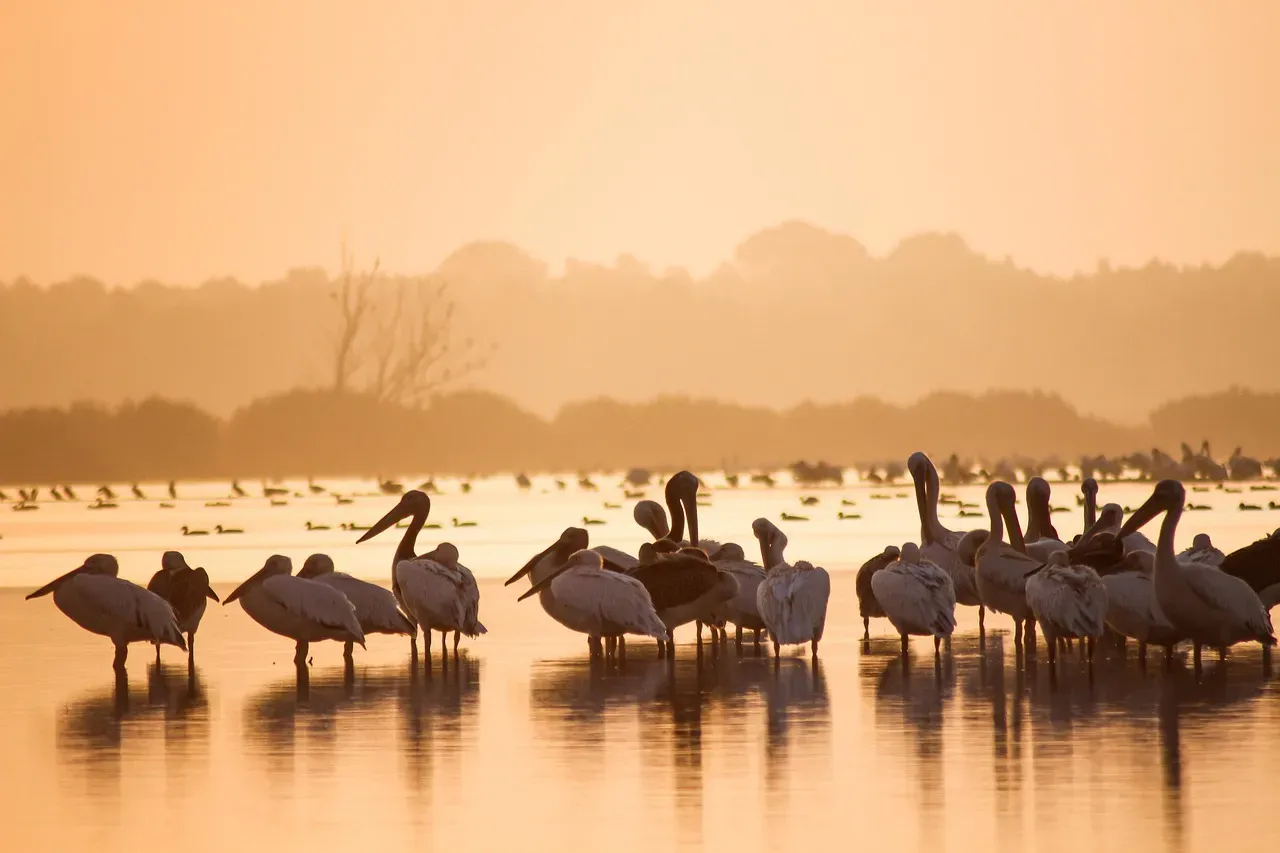
More than one-third of the United States’ threatened and endangered species live only in wetlands, and nearly half use wetlands at some point in their lives. For these animals, there is no backup habitat. Lose the wetland, and you effectively lose the species.
About one-third of all plants and animals listed as threatened or endangered in the United States depend on wetlands for their survival, including whooping cranes, American crocodiles, the dwarf lake iris, and several orchid species. These are not minor or peripheral members of their ecosystems. They are integral parts of ecological webs that took thousands of years to form.
Threatened and endangered wetland-dependent species are as diverse as the habitats they call home, including highly specialized plants whose roots have adapted to live in wet soils, the Hawaiian Moorhen that lives in freshwater marshes, and amphibians such as the California tiger salamander that depend on freshwater ephemeral ponds to lay their eggs.
Wetlands Are a Critical Lifeline for Migratory Birds
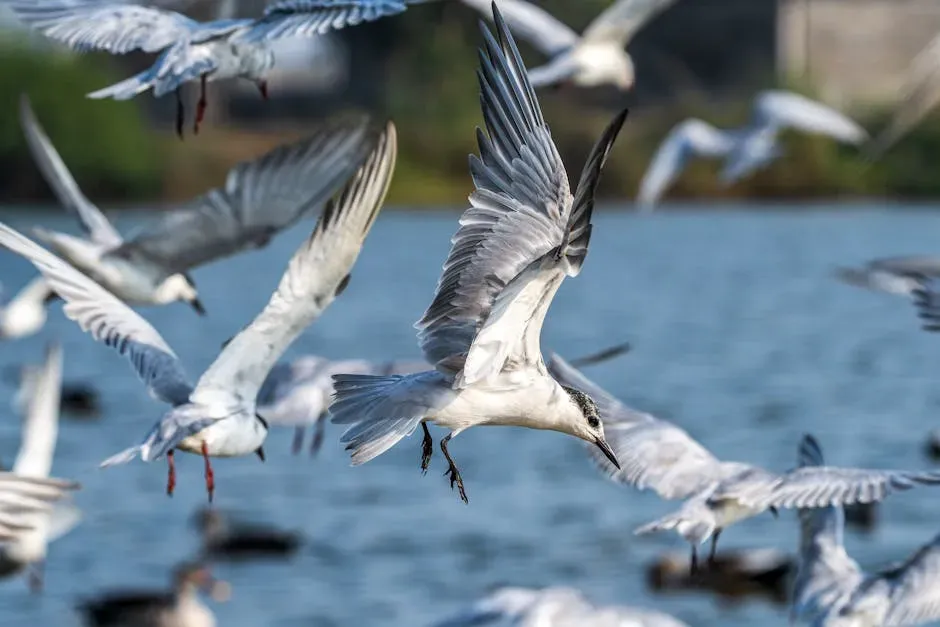
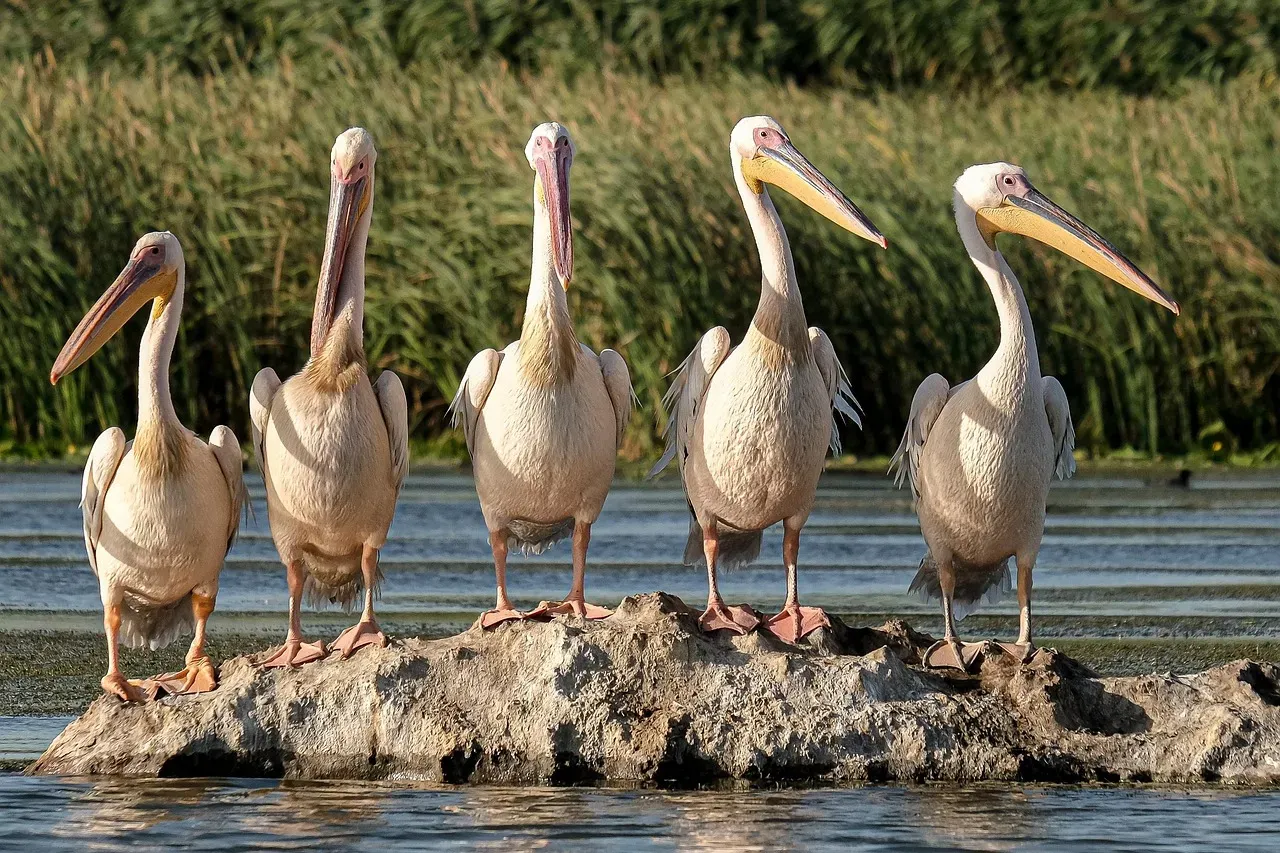
Wetlands and birds are inextricably linked, serving as homes and migration refueling places for one third of all bird species. During migration, birds can fly hundreds or even thousands of miles without resting, and wetlands provide the essential stops that make these journeys survivable.
Wetlands provide stopover and wintering habitats for more than four billion birds from Canada as well as breeding habitats for nearly five billion migratory birds en route to the tropics. These are not small numbers. The sheer scale of bird life that depends on these landscapes is remarkable.
Wood ducks, mallards, and sandhill cranes winter in flooded bottomland forests and marshes in the southern US, while prairie potholes provide breeding grounds for over half of North American waterfowl. The Prairie Pothole region alone functions as America’s primary duck nursery, a title that reflects its irreplaceable ecological role.
Fish and Shellfish Cannot Thrive Without Them
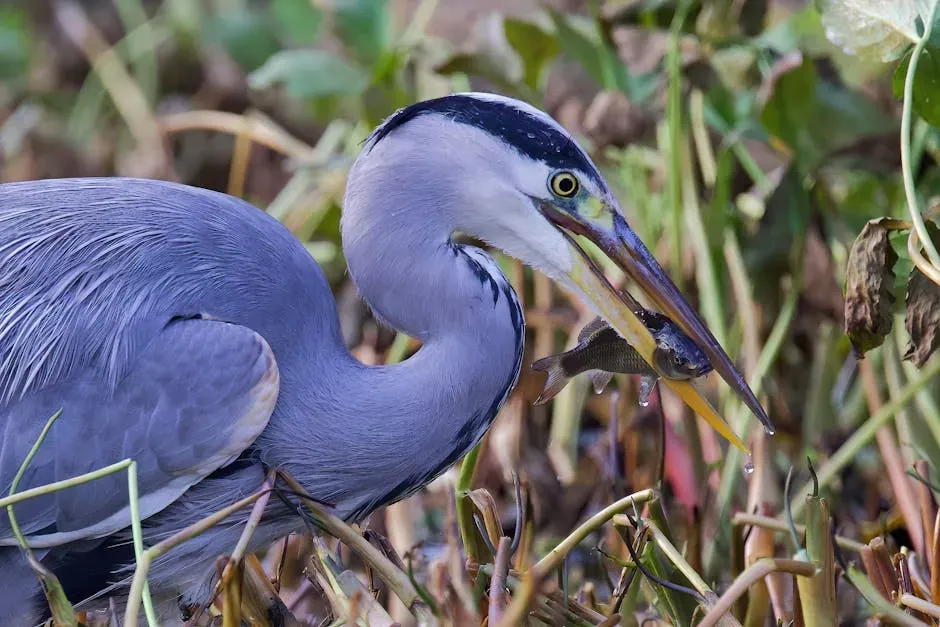
Freshwater and marine life including trout, striped bass, pike, sunfish, crappie, crab, and shrimp all rely on wetlands for food, cover, spawning, and nursery grounds, and between roughly sixty and ninety percent of US commercial fisheries depend on wetlands. That range is wide, but even the lower end of that estimate represents an enormous economic and ecological dependency.
Most commercial and game fish breed and raise their young in coastal marshes and estuaries. Menhaden, flounder, sea trout, spot, croaker, and striped bass are among the more familiar fish that depend on coastal wetlands, while shrimp, oysters, clams, and blue and Dungeness crabs likewise need these wetlands for food, shelter, and breeding grounds.
Wetlands are especially vital as breeding grounds, and their destruction has far-reaching impacts. In fact, roughly ninety-five percent of commercial fishing revenue in the US is linked to species that breed in wetlands. The fishing industry, for all its visible boats and markets, depends at its foundation on quiet coastal marshes that most people never visit.
They Sustain the Food Web from the Ground Up
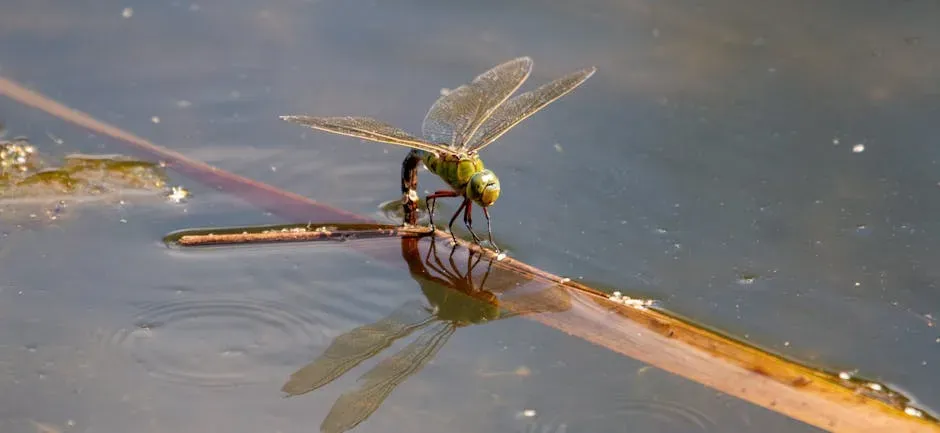
The combination of shallow water, high levels of nutrients, and primary productivity in wetlands is ideal for the development of organisms that form the base of the food web and feed many species of fish, amphibians, shellfish, and insects. Everything further up that food chain, including the larger predators people often focus on, ultimately traces back to this foundation.
Dead plant leaves and stems break down in the water to form small particles of organic material called detritus, which feeds many small aquatic insects, shellfish, and small fish that are in turn food for larger predatory fish, reptiles, amphibians, birds, and mammals. It’s a layered system of energy transfer, and wetlands power the entire base of it.
Invertebrates such as insects, crustaceans, and mollusks thrive in wetlands, serving as crucial food sources for various animals. Without these abundant smaller organisms, the larger and more charismatic wildlife that people care about simply could not survive in the numbers they do today.
Wetlands Protect Wildlife from Climate Extremes
Wetlands store carbon within their plant communities and soil instead of releasing it to the atmosphere as carbon dioxide, helping to moderate global climate conditions. This carbon storage function works silently and continuously, regardless of whether anyone is paying attention to it.
Wetlands provide much more than shelter and nutrition; for instance, while wetlands can offer refuge for wildlife fleeing wildfires, they also slow fires down. In an era of increasingly frequent and severe wildfires, this buffering effect has become even more relevant for the animals that depend on surrounding landscapes.
Climate change is causing some wetlands to disappear, as drier conditions are resulting in important wetland features, like the Prairie Potholes of the Great Plains that serve as America’s duck factory, beginning to dry up and vanish. The loss is self-reinforcing: fewer wetlands means less climate resilience, which in turn puts more wetlands at risk.
The Rate of Loss Now Threatens Irreversible Damage
Wetlands covered less than six percent of the lower 48 states as of 2019, which is half the area they covered since the 1780s. What took centuries to erode has now accelerated sharply in recent decades.
Loss rates have increased by fifty percent since 2009, and without additional conservation actions taken to protect these ecosystems, wetland loss will likely continue, reducing ecosystem benefits for people and habitat for fish, wildlife, and plants. The trend line is not in dispute. What remains uncertain is whether enough action will follow.
Since 2009, the rate of wetland loss has increased by fifty percent, and over the last decade, an area of wetlands the size of Rhode Island has been wiped from the landscape. That’s not an abstraction. That’s a quantifiable, mapped disappearance of habitat that countless species relied upon to survive and reproduce.
Conclusion
The case for protecting US wetlands is not built on sentiment. It rests on documented biology, measurable species dependency, and a growing body of evidence showing that what happens to wetlands happens to wildlife. The two are inseparable.
Diverse ecosystems are more resilient to environmental changes and disturbances, such as climate change, invasive species, and habitat destruction. Wetlands are precisely the kind of diverse, layered ecosystems that provide this resilience, both to the animals within them and to the broader natural systems they support.
When a wetland disappears quietly beneath a development or dries up under a changing climate, it rarely makes headlines. The species that lose their last breeding ground or migration stop don’t either. The losses accumulate in the background, incrementally and largely out of sight. That invisibility is perhaps the greatest danger of all, because what goes unnoticed tends to go unprotected.

- The Hidden World of Backyard Insects: They Play a Crucial Role in Our Gardens - July 18, 2026
- 7 Apex Predators That Are Actually Afraid of One Specific Animal Smaller Than Themselves and the Encounters That Confirmed It - July 18, 2026
- 10 Animals That Researchers Confirmed Can Recognize Themselves in a Mirror – and the One Near the Bottom of the List That Rewrote the Criteria Entirely. - July 18, 2026