
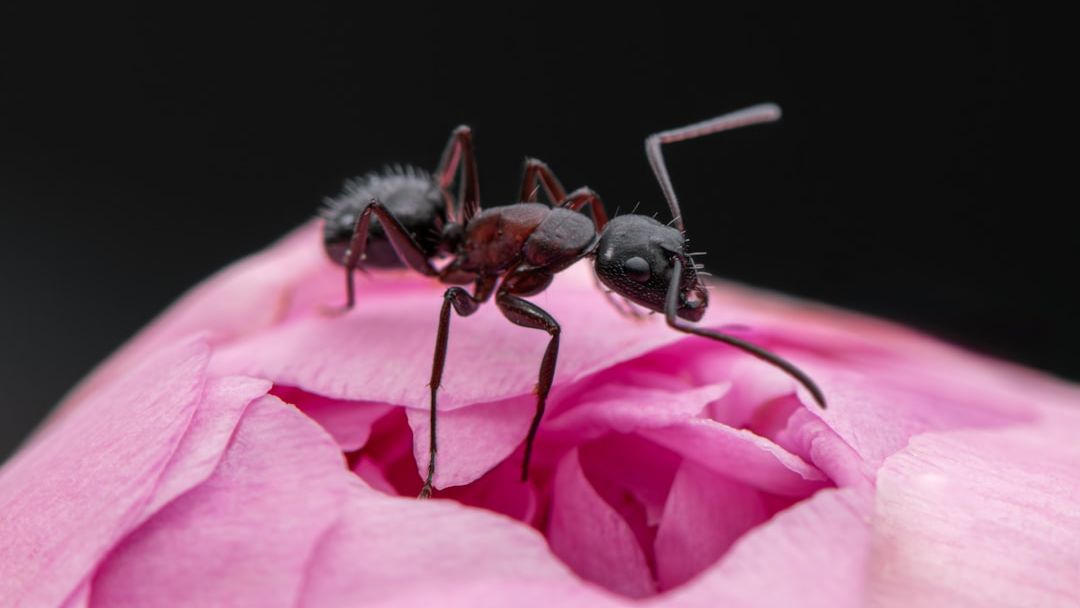
Ants are fascinating creatures, no question about it. They can carry many times their own body weight, build extraordinary underground cities, and communicate through an invisible chemical language that scientists are still working to fully understand. But when they decide your kitchen counter is their next destination? Fascinating turns frustrating very, very quickly.
Here’s the thing most people don’t realize: you don’t need harsh chemical sprays or expensive pest control visits to send ants packing. Nature has already handed us a toolbox full of scents that make ants turn around without a second thought. Some of them are probably already sitting in your kitchen cabinet. Let’s dive in.
1. Peppermint Oil – The Scent That Stops Ants Cold
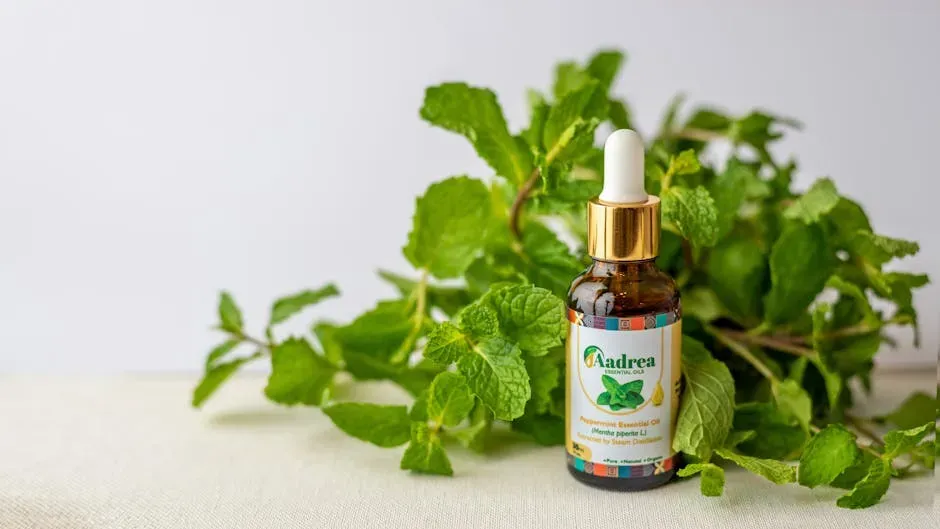
Think of peppermint oil as nature’s no-entry sign for ants. Two of the major chemical compounds found in peppermint oil are terpene and menthol, both of which are natural fumigants – meaning the plant evolved these compounds specifically to repel insects and rodents. Ants don’t just dislike this smell. They are biologically wired to avoid it.
Ants rely on scent trails to navigate, and the powerful smell of peppermint disrupts their communication and sense of direction. Homeowners often use peppermint plants around their gardens and entryways to create a fragrant barrier. Mix a few drops of peppermint oil with water in a spray bottle and apply it along baseboards, windowsills, and doorways. The results are honestly impressive for something so simple.
2. White Vinegar – The Invisible Pheromone Eraser
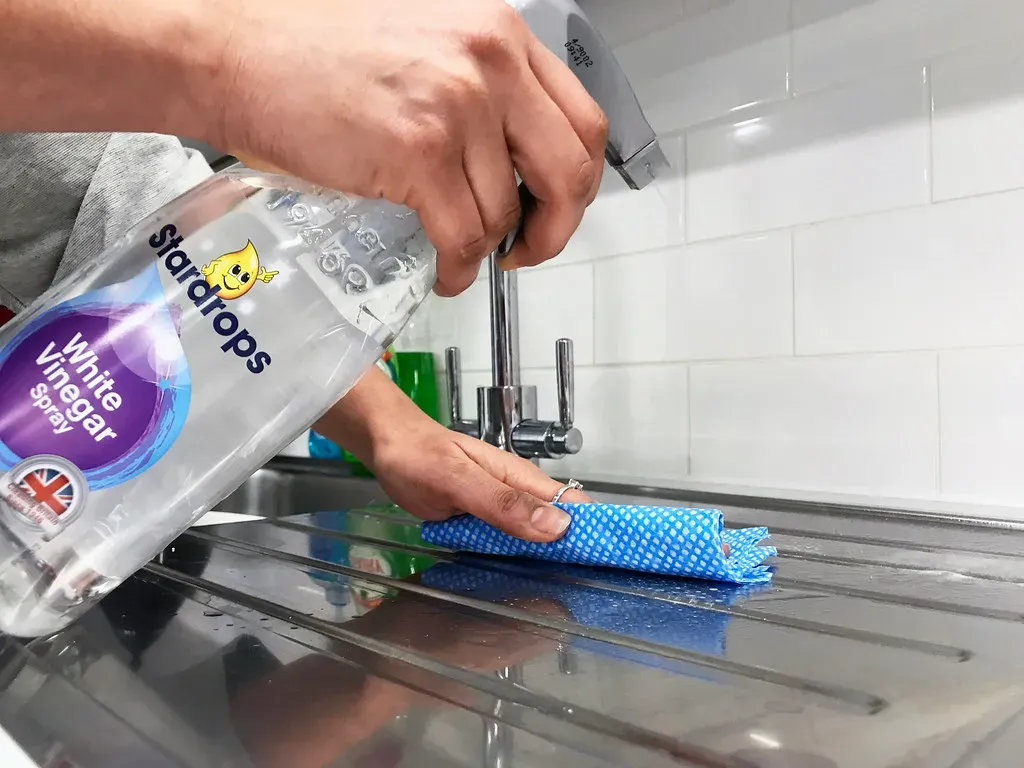
There are few things an ant dislikes more than the strong smell of white vinegar. Ants hate vinegar because it erases their pheromone trails and confuses their sense of direction. Imagine trying to navigate a city where someone keeps wiping out all the road signs. That’s exactly what vinegar does to an ant colony.
Homeowners often mix equal parts of vinegar and water in a spray bottle, applying it to areas where ants are commonly seen. Vinegar also serves as an excellent cleaning method, removing food residues that attract ants. It’s a two-for-one deal: clean your surfaces and repel ants at the same time. I honestly think this is the most underrated household ant remedy out there.
3. Cinnamon – The Spice Ants Simply Cannot Stand
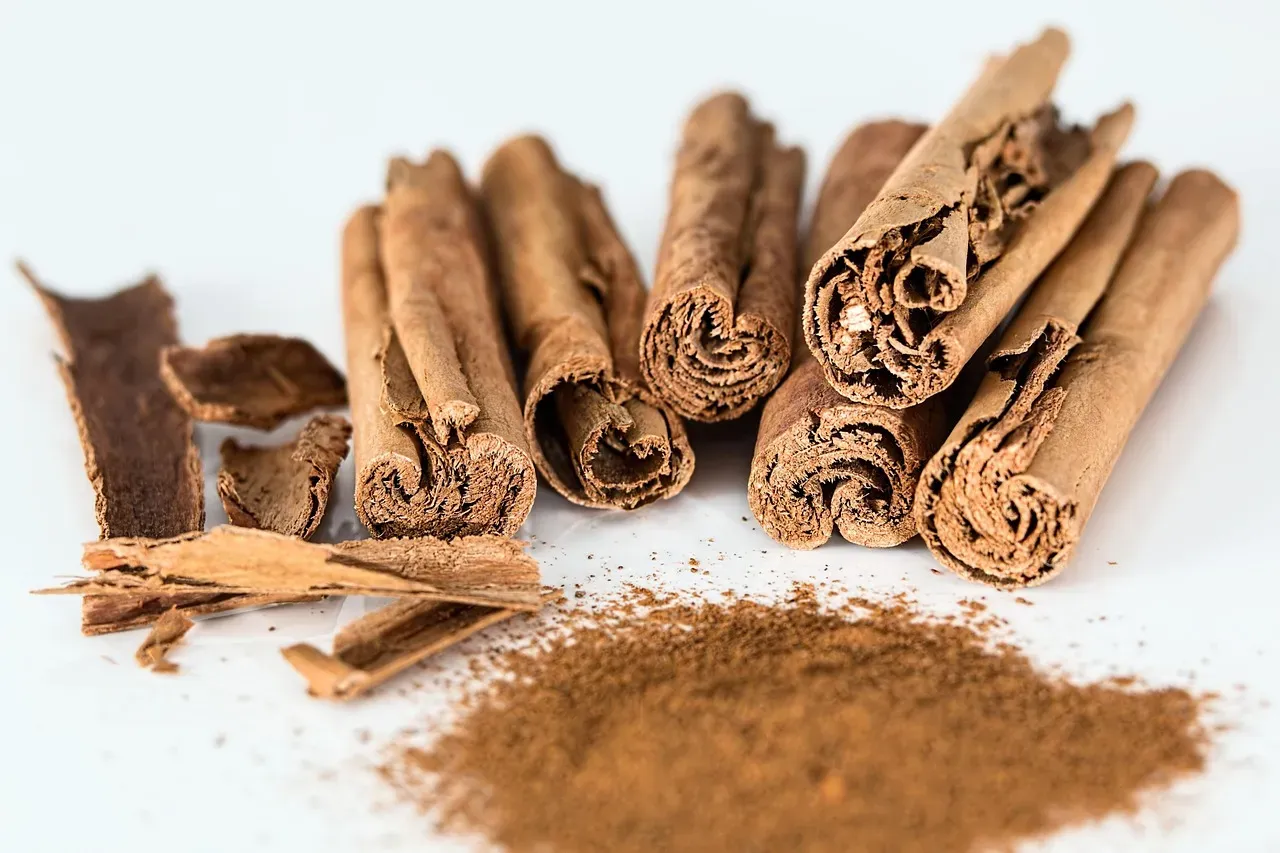
Ants don’t like the smell of cinnamon because cinnamaldehyde disrupts their pheromone trails and irritates them. That warm, comforting aroma that makes your home smell like a bakery? Ants experience it as something far more hostile. It’s a strange irony that one of the coziest smells imaginable is basically a biological alarm bell for an entire insect species.
Ground cinnamon, cinnamon essential oil, and cinnamon sticks can all be used as effective ant repellents. In fact, ground cinnamon can even suffocate ants by clogging the spiracles they use to breathe. To use cinnamon as an ant deterrent, simply sprinkle ground cinnamon near ant entry points or create a cinnamon and water solution to spray in problem areas. Sprinkle some along windowsills and watch those trails disappear.
4. Citrus Peels – Don’t Throw Those Away Just Yet

Citrus scents often serve as a natural deterrent for ants. These pests are sensitive to strong odors, and the smell of citrus can disrupt their communication. Citrus peels, particularly from oranges and lemons, contain oils that are unappealing to ants. When placed in areas where ants are active, these peels can help reduce their presence. So the next time you finish a lemon, think twice before tossing that rind in the bin.
The fragrance from citrus juice and peels, especially oranges and lemons, is said to repel ants. The scent also helps to disrupt their sense of smell, making it harder for them to follow pheromone trails. It’s a remarkably elegant solution – completely natural, zero toxicity, and your home ends up smelling fresh and clean as a bonus. Place dried citrus peels near doors, corners, and cabinets for a low-effort, high-impact result.
5. Cayenne and Black Pepper – A Spicy Barrier They Won’t Cross
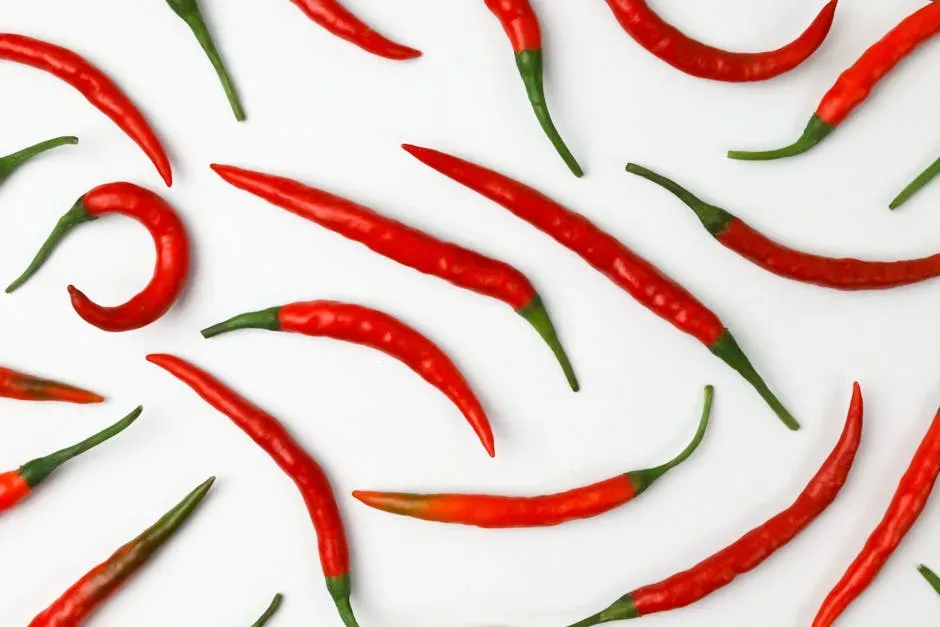
Cayenne pepper makes food spicy and ants scarce. When it comes to smells ants hate, pepper is near the top of the list. You can use either cayenne or black pepper, as both work equally well. These spices drive ants’ scent receptors crazy, and they will stay far away from them. Think of it like building a wall out of your spice rack. Cheap, effective, and completely non-toxic to humans and pets.
Other spices including black pepper and cayenne pepper also act as a dermal irritant to the tiny insects, sending them searching for sweeter surroundings. Sprinkle a line of pepper to create a barrier that ants will not cross. It’s not a permanent fix, especially if it rains or you vacuum near the area, but as a quick, immediate deterrent it works faster than you might expect. Reapply regularly for best results.
6. Tea Tree Oil – Strong, Fast, and Surprisingly Versatile

Tea tree oil is a great natural repellent for ants. The strong scent of tea tree oil will keep the ants away quickly. Another method is to soak cotton balls in tea tree oil and place them around entry points in the home – ants won’t like the smell, and lots of other insect pests won’t appreciate it either. It’s one of those rare natural solutions that genuinely punches above its weight.
Mix 5 to 10 drops of tea tree essential oil with 2 cups of water in a clean plastic spray bottle. Spray the mixture wherever you want to deter ants. You can also soak cotton balls in tea tree oil and place them in ant problem areas. The smell is potent enough that most people use it sparingly. A little really does go a long way. If you’re looking for speed and flexibility, tea tree oil is a top contender on this list.
7. Coffee Grounds – Your Morning Brew Does Double Duty
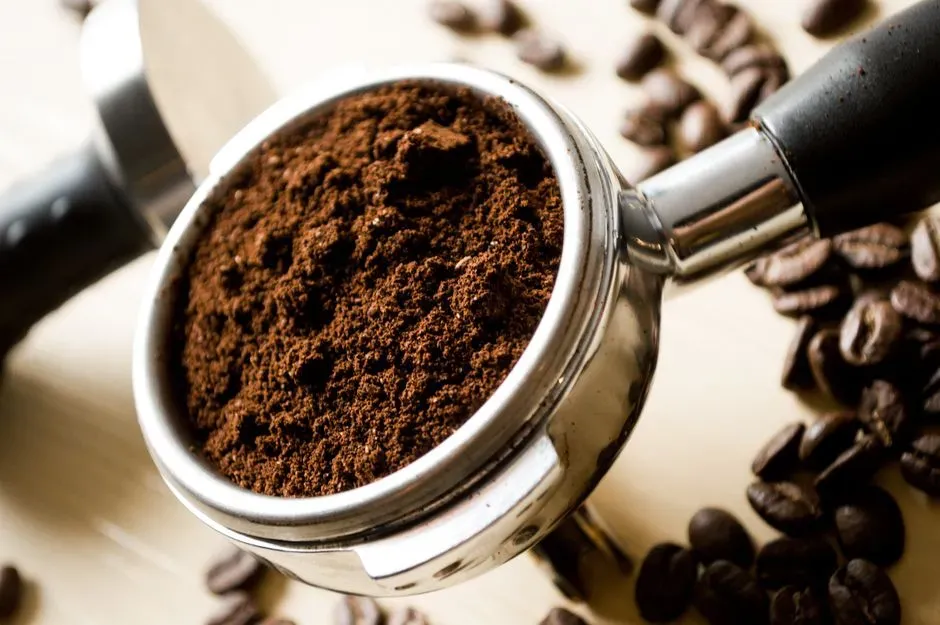
While the smell of coffee might be delightful to many people, ants certainly do not share the same sentiment. To use coffee grounds as an ant repellent, simply sprinkle used coffee grounds around the outside of your house, garden, or any other location where ants are a problem. The idea of recycling something you’d otherwise throw in the trash to solve a pest problem feels deeply satisfying. It’s practically free pest control.
Ants are extremely susceptible to caffeine, and this material confuses the worker ants because they lose their scent trails. As a bonus, coffee grounds are also beneficial for many plants, providing them with essential nutrients. Scatter them along garden borders, near doorways, or around potted plants. Your roses will thank you, and your ant problem may quietly disappear at the same time.
The Bottom Line on Scent-Based Ant Control
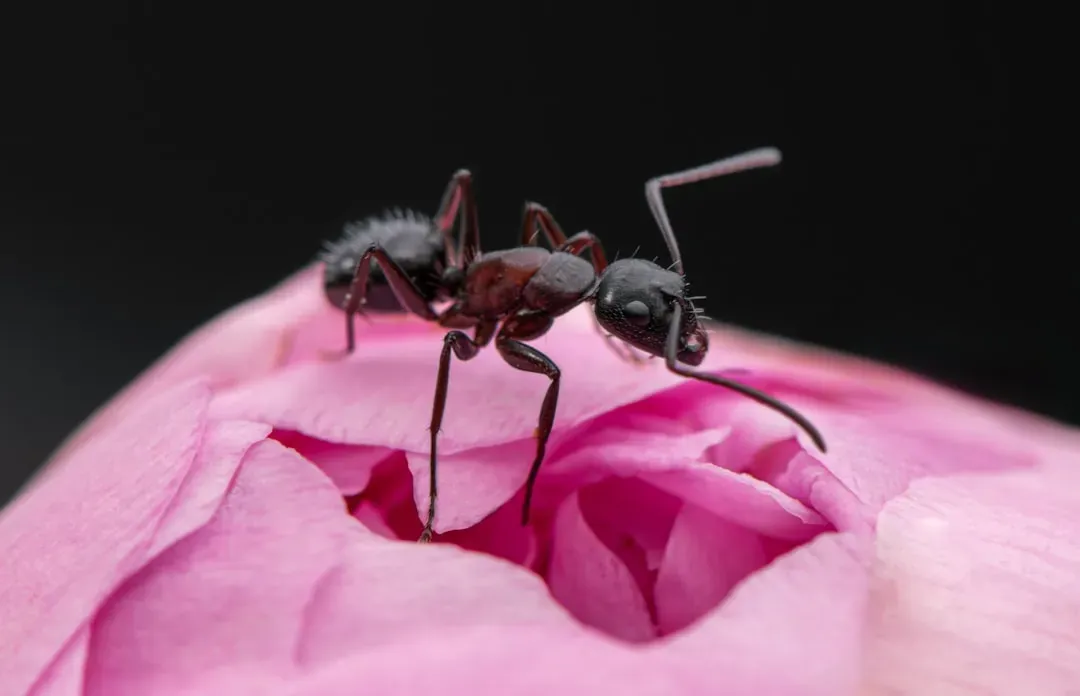
Let’s be real: none of these scents are magic bullets on their own. Each of these natural scent solutions can help deter ants, but they are short-term fixes that require reapplication, and effectiveness may vary. The key is consistency. Think of these scents less like a one-time treatment and more like a daily habit, the way you’d wipe down counters after cooking.
The most powerful thing about this approach is what it reveals about ants themselves. Ants rely on smell to find food and communicate, so strong scents confuse them quickly. Their greatest strength – that remarkable chemical communication system – becomes their greatest vulnerability when you know how to work against it. A few drops of peppermint oil or a handful of used coffee grounds can disrupt an entire colony’s operation. Nature really did give us the tools; we just had to pay attention.
So next time you spot that familiar trail marching across your kitchen floor, don’t reach for the harsh chemicals first. Open your spice cabinet. Check under the sink for white vinegar. Grab the peel from this morning’s orange. The most effective solutions are often hiding in plain sight. Which of these seven scents are you going to try first?

- What It Means When Deer Stop Coming to an Area They Have Visited for Years – and What Wildlife Biologists Say They Are Detecting - July 19, 2026
- 10 Cat Breeds That Love Following Their Owners Everywhere - July 19, 2026
- The Only Place in North America Where You Can Legally Watch a Wild Jaguar From the Roadside – and Why Almost No One Makes the Trip - July 19, 2026