
Worried about unexpected vet bills?
Pet insurance can cover thousands in unexpected vet costs. Get a free quote from Lemonade in under 2 minutes.
Get My Free Quote →Sponsored · Opens Lemonade.com
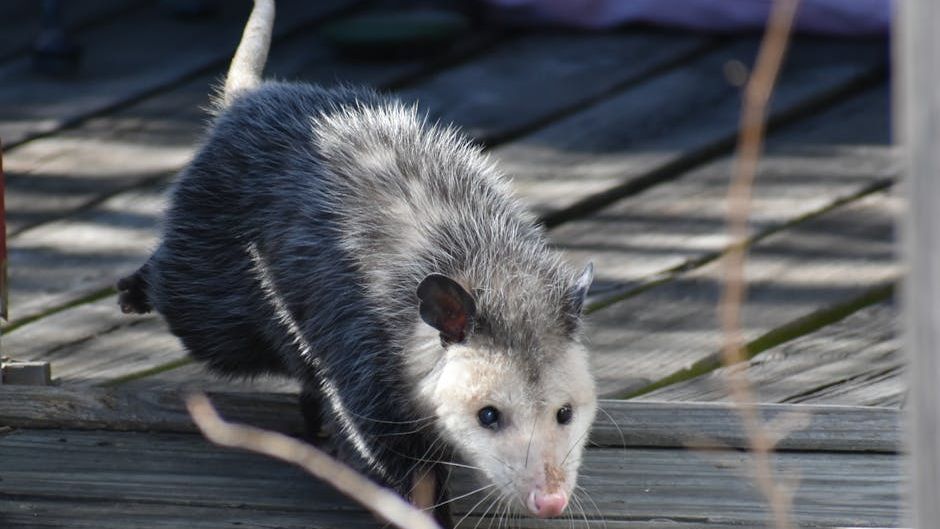
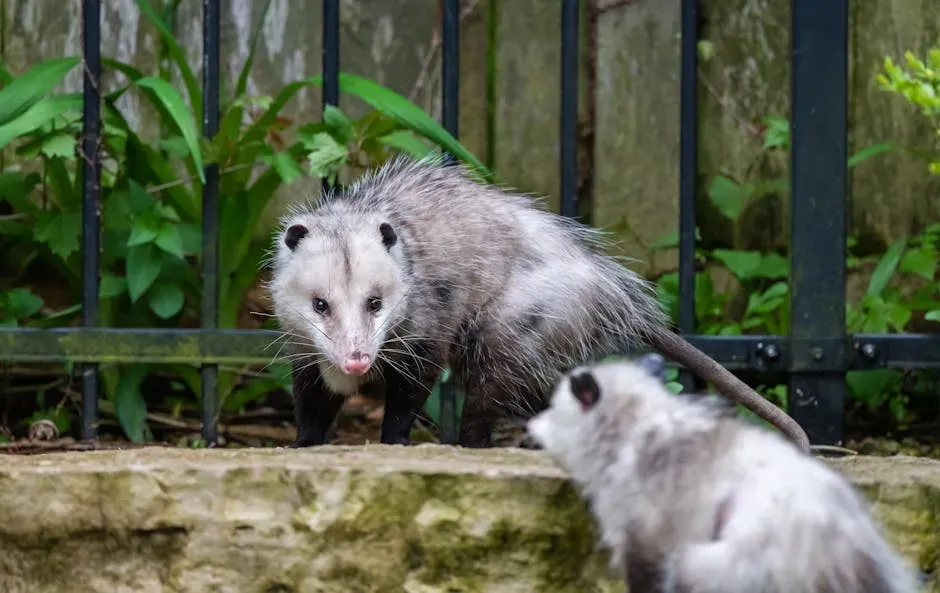
Most city dwellers would rather shoo an opossum away than pause to appreciate it. That pointed snout, the wiry tail, the slow nocturnal shuffle through the backyard – none of it screams “ecological hero.” Yet this small marsupial quietly performs a range of services in the urban environment that would cost cities considerably if something else had to do the job.
Opossums are often misunderstood and dismissed as nuisance animals, but they play an important and often overlooked role in North American ecosystems. Quiet, adaptable, and remarkably efficient, they contribute to environmental health in ways that benefit wildlife, people, and shared landscapes. The more you look at what an opossum actually does during its nightly wanderings, the harder it becomes to write it off.
The City’s Most Dedicated Cleanup Crew
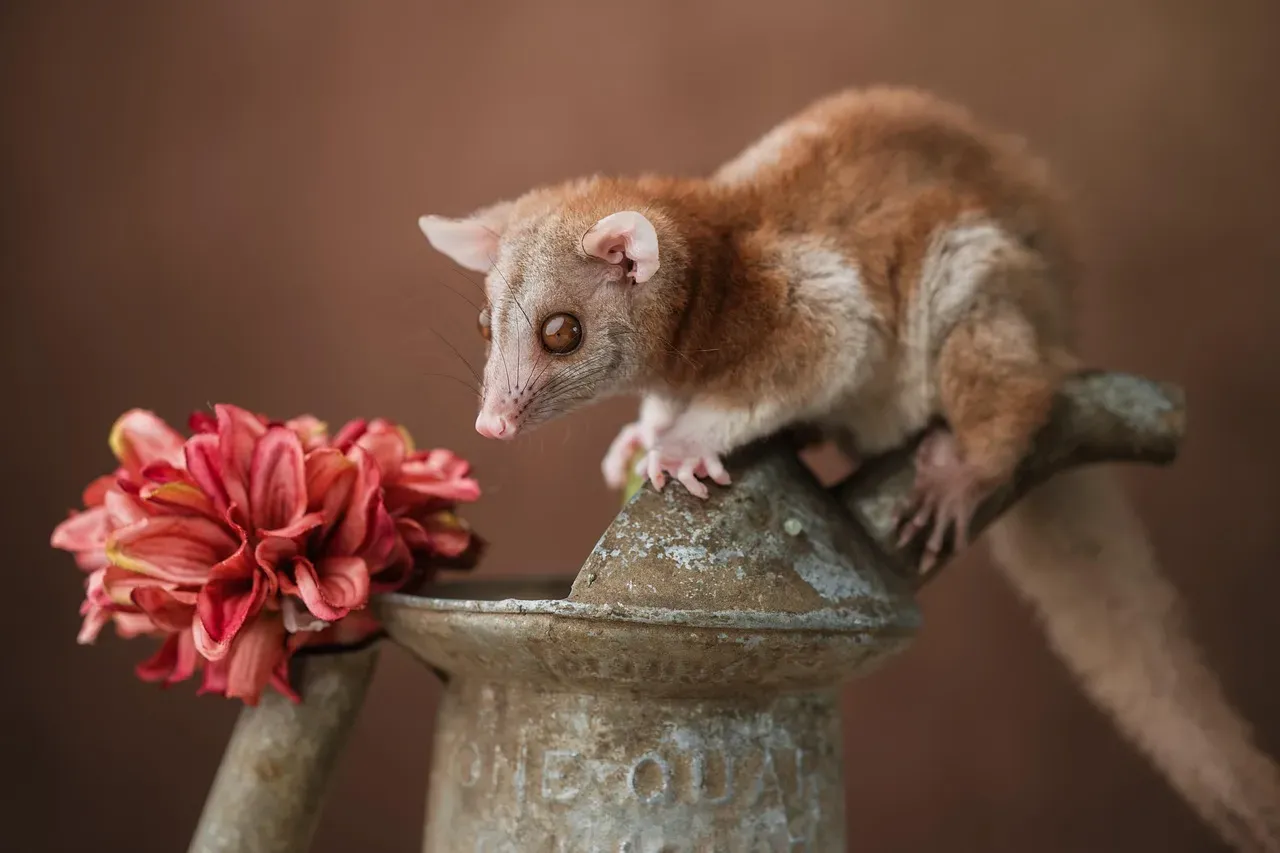
One of the most underappreciated services opossums provide is their role as nature’s cleanup crew. These opportunistic feeders consume fallen fruit, pet food left outside, and other organic waste that might otherwise attract more problematic pests. Their scavenging behavior helps maintain neighborhood cleanliness and reduces food sources for unwanted animals.
The decomposition process that opossums facilitate is crucial for ecosystem health. By consuming carrion and organic waste, they accelerate nutrient cycling and prevent the buildup of decaying matter that could harbor disease-causing bacteria.
Opossums are known to frequent residential areas where there is abundant food and shelter. By scavenging for food and consuming carrion, they help prevent the accumulation of dead animals and reduce the risk of disease transmission. In a dense urban setting, this kind of biological housekeeping matters more than most people realize.
Natural Rodent and Pest Controllers
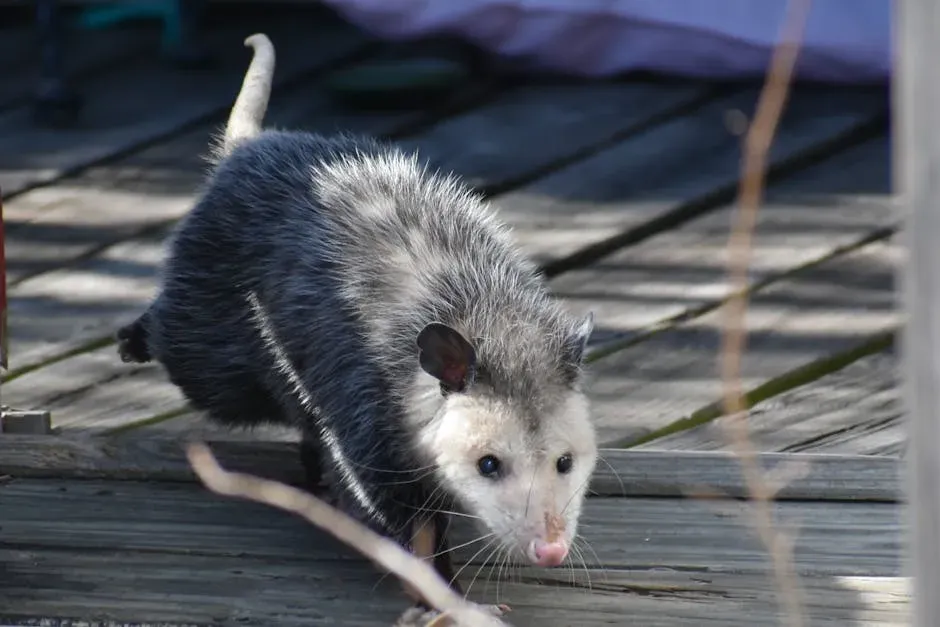
Opossums kill and eat mice, rats, and cockroaches, as well as snails, slugs, and other garden pests, according to the National Wildlife Federation. That covers a fairly impressive range of creatures most homeowners would rather not have around.
One positive aspect of having opossums around is their ability to control pests. As opportunistic omnivores, they consume insects, small rodents, slugs, snails, and beetles that can wreak havoc on gardens or landscapes. By keeping the populations of these pests in check, opossums help reduce the need for harmful pesticides in your yard.
Opossums have successfully adapted to urban environments, making them particularly valuable in densely populated areas where pest problems are most severe. Their ability to navigate complex urban landscapes allows them to access pest populations in locations that would be difficult for humans to treat effectively. Think of them as a slow, furry, chemical-free alternative to commercial pest control.
A Surprising Resistance to Rabies
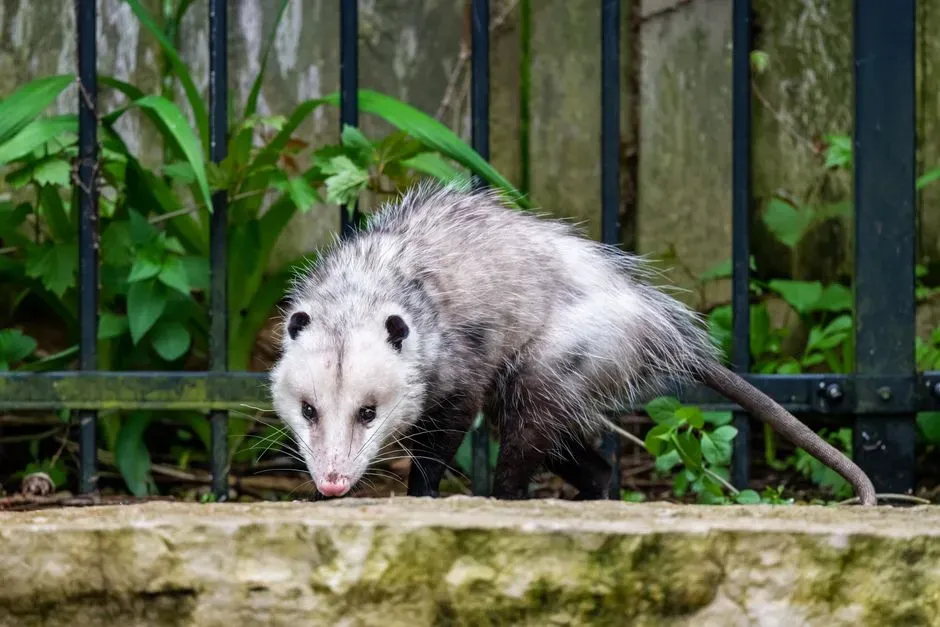
While it is more accurate to say that opossums are highly resistant to the rabies virus rather than fully immune, their natural body temperature, which typically ranges from 94°F to 97°F, creates an inhospitable environment for the virus to replicate effectively.
Scientific research supports the claim that opossums are less likely to contract rabies. A study conducted by the Centers for Disease Control and Prevention found that among all the wildlife submitted for rabies testing, opossums had the lowest rate of rabies positivity. Another study in Florida found that out of the thousands of opossums tested for rabies over a 30-year period, none were positive.
Opossums are far less likely to carry rabies than many other mammals, like raccoons or skunks. For urban communities where wildlife encounters are common, that distinction carries genuine public health value. It means a backyard opossum is a considerably lower concern than other familiar urban mammals.
Tick Grooming and Disease Pressure Reduction
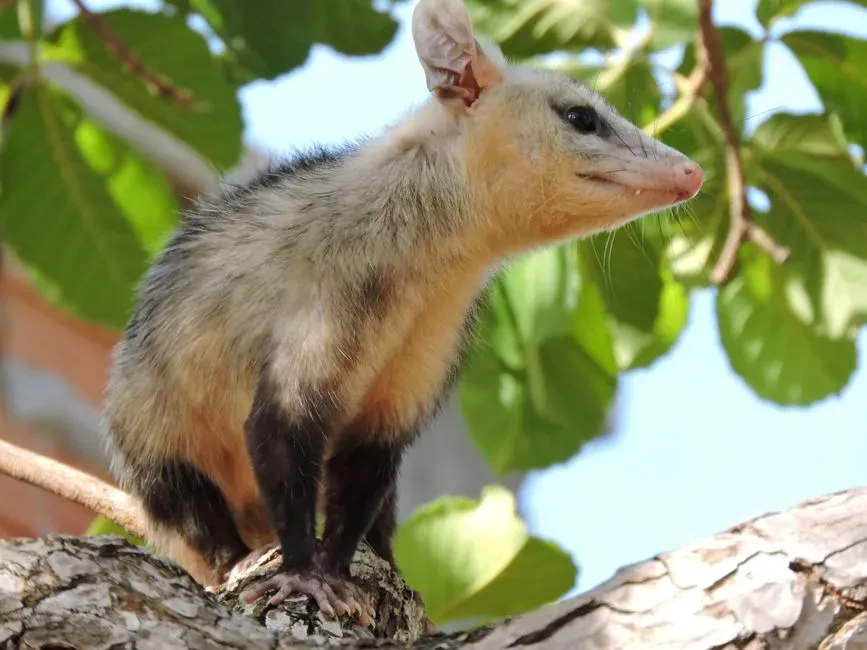
Opossums are diligent self-groomers that excel at removing ticks from themselves. One opossum will kill around 90 percent of the ticks that attempt to attach to their body, which amounts to a whopping average of 5,000 ticks in a typical season.
It’s worth noting, however, that the science on exactly how much of this translates to tick consumption is contested. Researchers did not locate any ticks or tick parts in the stomach contents of Virginia opossums in one Illinois field study. A subsequent literature search revealed 23 manuscripts describing diet analyses of Virginia opossums, none of which identified ticks in their analyses of diet items. The researchers concluded that ticks are not a preferred diet item for Virginia opossums.
Particularly in suburban and exurban environments where Lyme disease is spreading rapidly, opossums still serve as a front line against rampant tick populations simply through the grooming process itself – whether those ticks are eaten or simply destroyed. The net effect on tick numbers in their territory appears to be meaningful, even if the mechanism isn’t as straightforward as popular accounts suggest.
Venomous Snake Suppression Near Homes
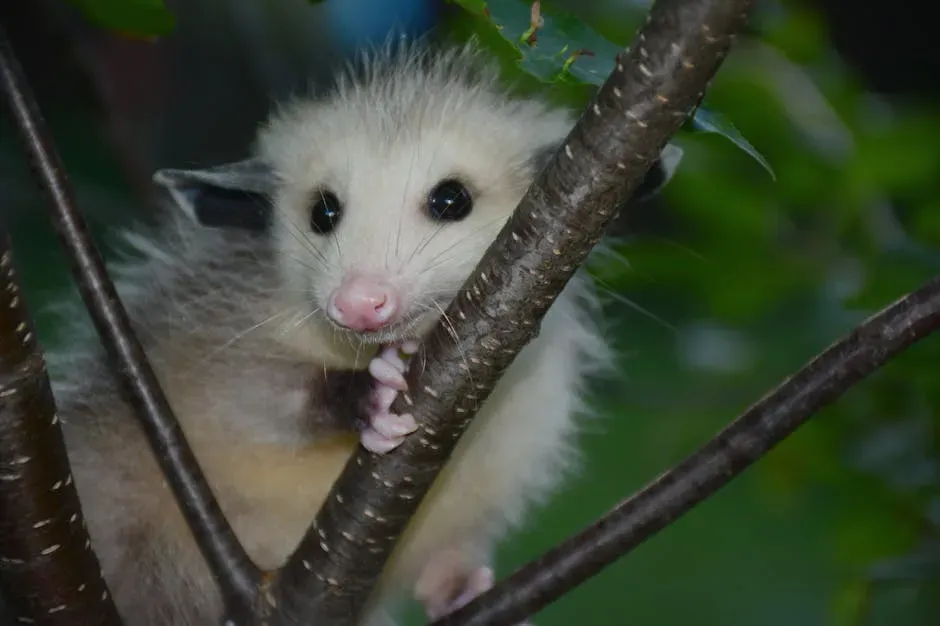
Opossums are resistant to snake venom and actually prey on snakes, including venomous species such as copperheads and rattlesnakes. Having opossums around can minimize chances of encountering venomous species close to your home.
Opossums are immune to certain venomous snake bites, making them effective predators against venomous snakes. This is a particularly underappreciated trait in cities and suburbs located in regions where timber rattlesnakes or copperheads occasionally share habitat edges with human neighborhoods.
Opossums are also resistant or partially resistant to snake venom, so they can help keep these animals at bay. The combination of venom resistance and a willingness to hunt these species makes the opossum one of the few animals actively reducing snake presence near residential areas.
Seed Dispersal and Urban Green Space Health
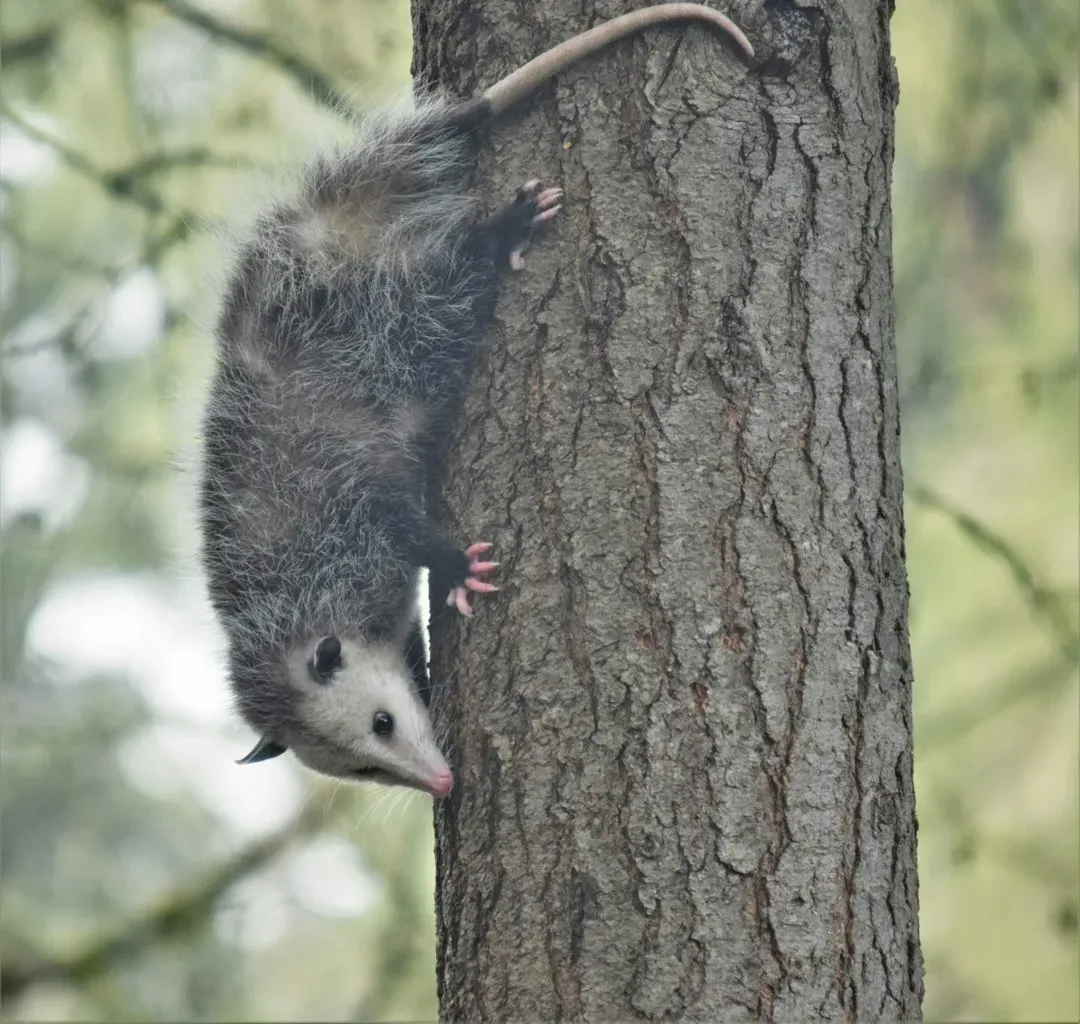
Opossums play an essential role in the dispersal of seeds and the maintenance of plant diversity. Through their diet and behavior, opossums help to disperse seeds over long distances, promoting the germination and growth of various plant species.
Studies have even shown that certain plant species have co-evolved with opossums, developing features that specifically attract these marsupials to consume their fruits. These specialized relationships between plants and opossums highlight the intricate connections between different species in an ecosystem.
Opossums play a significant role in the ecosystem, contributing to nutrient cycling and seed dispersal. In urban parks and green corridors where natural regeneration is already stressed, this quiet contribution to plant diversity is worth considering. It connects back to broader efforts to sustain biodiversity within city boundaries.
Remarkable Urban Adaptability That Supports Ecological Balance
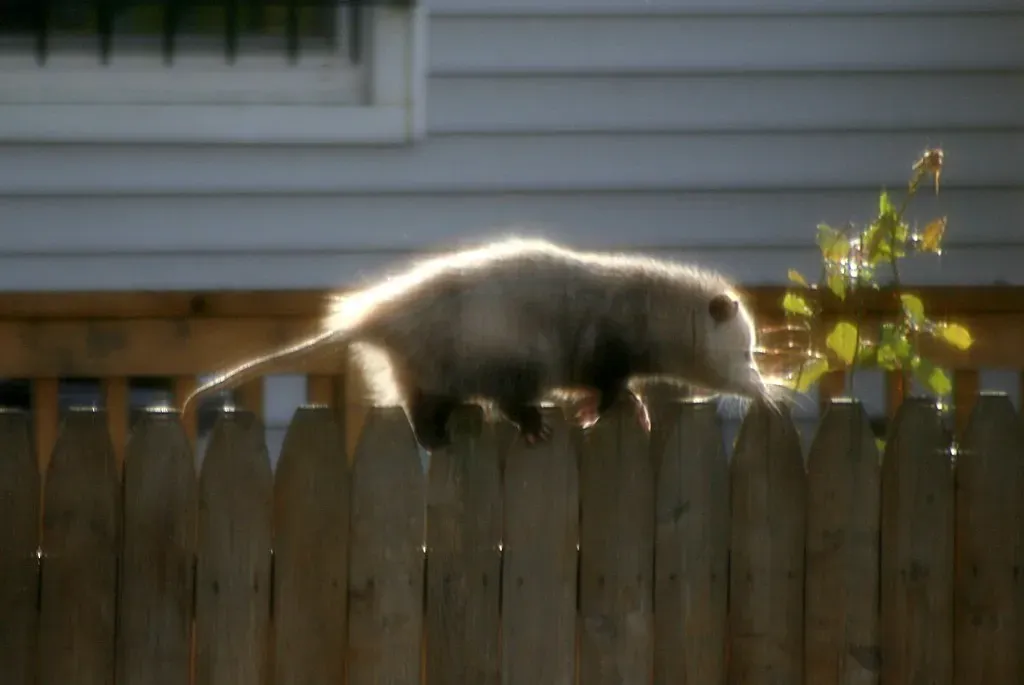
Research indicates high densities of Virginia opossums in urban areas, further supporting that these mesopredators are adapted to and benefit from urban-derived resources. Their presence helps fill a niche that would otherwise be occupied by less manageable species.
The opossum’s success in colonizing anthropogenic habitats has mainly been attributed to omnivorous habits and its ability to consume human waste, to the point that opossums in urban areas consistently maintain smaller home ranges since they don’t need much area to search for food. That efficiency makes them effective local cleaners and controllers without requiring large tracts of undisturbed land.
Every species that inhabits a city occupies its own ecological niche, and the disappearance of such a species will allow a new one to enter or an existing one to expand its populations. The opossum holds a slot in that urban web that, if emptied, would simply be taken up by something else – probably something less helpful. Compared to some other wildlife, opossums have a relatively low environmental impact. They do not dig large burrows, cut down trees, or consume resources to the point of depletion. Their presence does not drastically alter the landscape or disrupt natural ecosystems.
Conclusion
The opossum’s reputation is almost entirely a product of appearance and misunderstanding. In practice, it functions as a low-maintenance, self-sustaining contributor to city ecosystems – controlling pests, cleaning up organic waste, resisting some of the diseases that concern urban public health officials, and quietly occupying a niche that keeps other, more disruptive animals from moving in.
None of this means every backyard encounter calls for a warm welcome. Opossums can carry other pathogens, and Virginia opossums are carriers of several tick-borne diseases including babesiosis, ehrlichiosis, Rocky Mountain Spotted Fever, and Lyme disease, which underscores the importance of keeping a respectful distance rather than actively attracting them. Still, the evidence points clearly in one direction.
The next time one of these nocturnal marsupials shuffles through your yard, it might be worth pausing before reaching for a broom. The creature doing slow laps around your compost bin is, in its own unglamorous way, doing the city a genuine service.
Worried about unexpected vet bills?
Pet insurance can cover thousands in unexpected vet costs. Get a free quote from Lemonade in under 2 minutes.
Get My Free Quote →Sponsored · Opens Lemonade.com

- Neuroscience Says Your Cat Kneads You Because It’s Reliving a Comfort Memory From Infancy - June 10, 2026
- Anthropology Says Ancient Humans Who Buried Their Dead With Flowers 130,000 Years Ago May Have Had a Concept of an Afterlife Far Earlier Than Any Religion We Know - June 10, 2026
- 14 Quiet Signs Your Dog Is Getting Ready to Say Goodbye – Most Owners Miss Them Completely - June 9, 2026