
Nature has been playing hide-and-seek for millions of years, and honestly, it’s gotten really good at it. While we humans struggle to blend in at a party, some animals have evolved abilities so mind-bending that they can vanish right before your eyes. We’re not talking about simple brown fur here. We’re talking about creatures that change color in milliseconds, mimic entirely different species, and trick even trained scientists into missing them completely.
Camouflage is one of the most powerful survival tools on the planet. It allows wildlife to blend in with their environment through changes in color, pattern, or even shape. It primarily serves two crucial functions: avoiding predators and sneaking up on prey. The stories behind how each animal does it, though, are where things get truly jaw-dropping. Let’s dive in.
1. The Mimic Octopus: Nature’s Ultimate Shape-Shifter
Here’s a fact that still blows my mind every time I think about it: the mimic octopus wasn’t even officially discovered until 1998, which is a true testament to just how effective its camouflaging abilities really are. Something that spectacular managed to hide from science for most of modern history. Let that sink in.
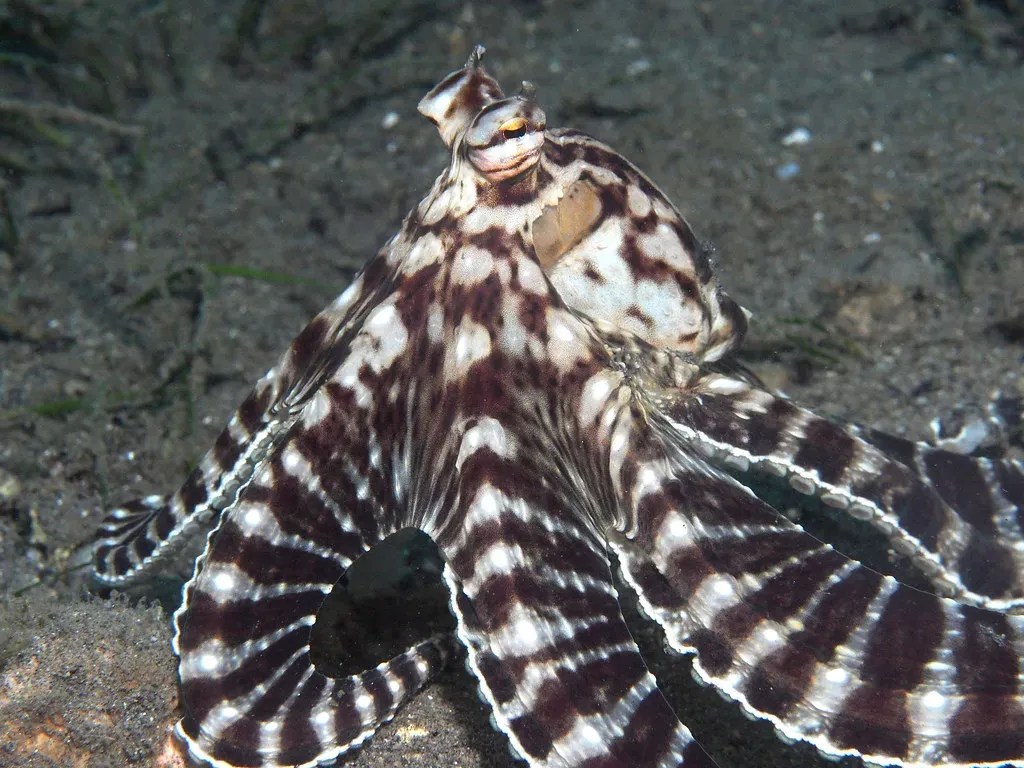
The mimic octopus is the most advanced camouflaging animal, with the ability to mimic other animals’ shapes, colors, and movements. This extraordinary creature doesn’t just blend into the background like most camouflage experts. It actually transforms itself to look like entirely different species.
What’s most unusual is the range of its repertoire: most animal mimics impersonate just one animal, but the mimic octopus impersonates several, and can switch between them rapidly. When threatened by different predators, it chooses which animal to impersonate based on what would be most effective. When threatened by damselfish, for example, it has been observed imitating sea snakes, a common predator of the damselfish.
It can contort its body to take on the appearance and behavior of several animals, including the lionfish, jellyfish, sea snake, a shrimp, a crab, and others. To mimic the sea snake, the octopus tucks into a hole, sticking just two arms out that display black bands, and ripples them in opposite directions, mimicking a snake’s movement. It’s less an animal and more a one-creature theatrical company.
2. The Satanic Leaf-Tailed Gecko: Dead Leaves Come Alive
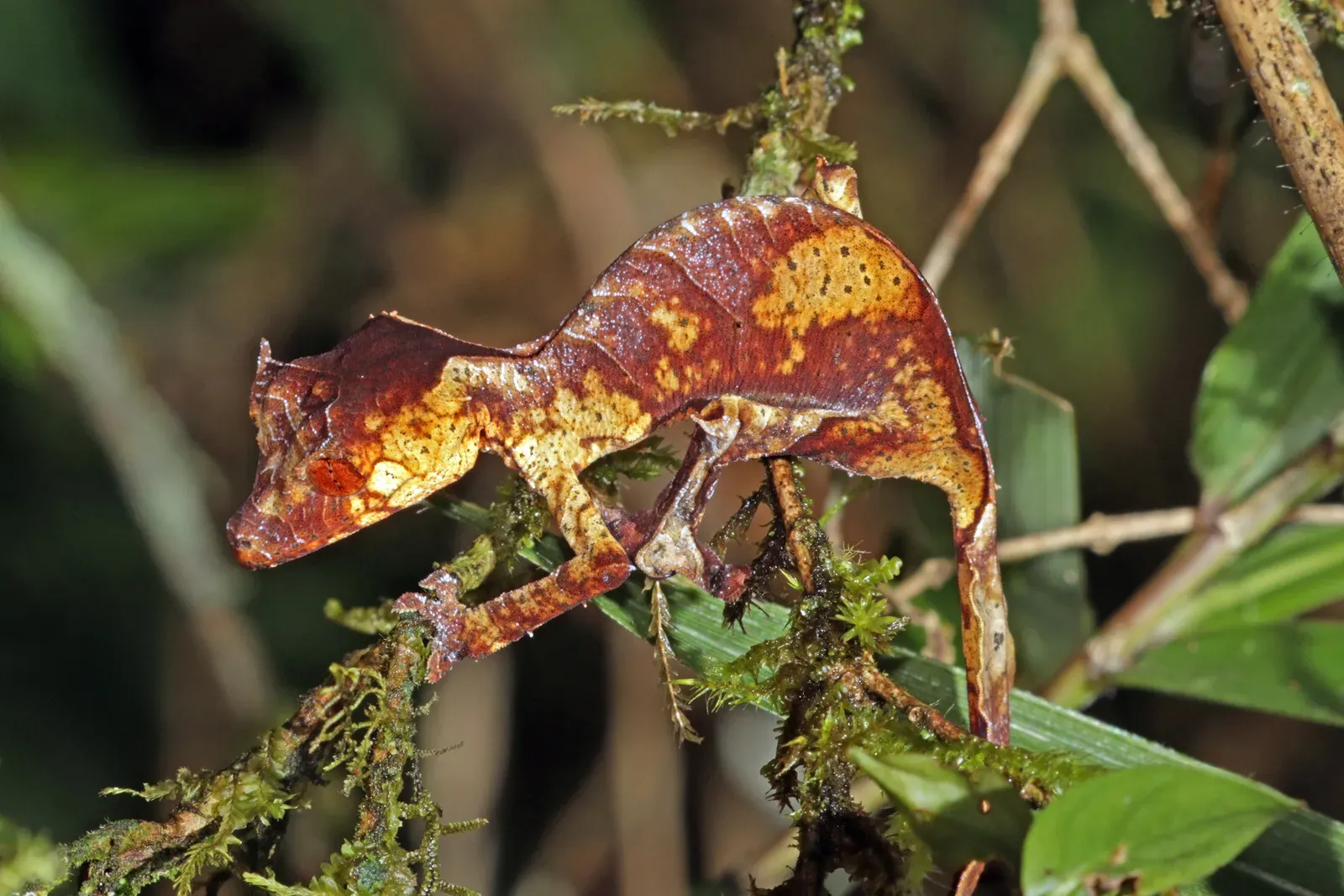
The leaf-tailed gecko, with its jagged edges, mottled skin, and flattened tail, looks exactly like a dead leaf clinging to a branch. Even when you know where to look, your eyes might slide right past it because this reptile’s camouflage is so perfect that it even mimics leaf veins, bite marks, and decay spots. I’m not exaggerating when I say this animal looks like it was designed by a very obsessive set decorator.
The species is endemic to Madagascar, meaning it is found nowhere else. It is an arboreal animal that relies on its natural camouflage in the northern and central tropical forests of Madagascar. The gecko occurs in a variety of colors, including hues of purple, orange, tan, and yellow, but is often mottled brown, with small black dots on the underside that help to distinguish it from similar species.
Some geckos even have notches in their tails to further mimic a decaying leaf. Native to Madagascar’s forests, when danger approaches it doesn’t flee. It freezes, merging completely with its surroundings. Think of it like the world’s most committed actor, staying fully in character even when a predator is centimeters away.
3. The Chameleon: The Celebrity of Camouflage
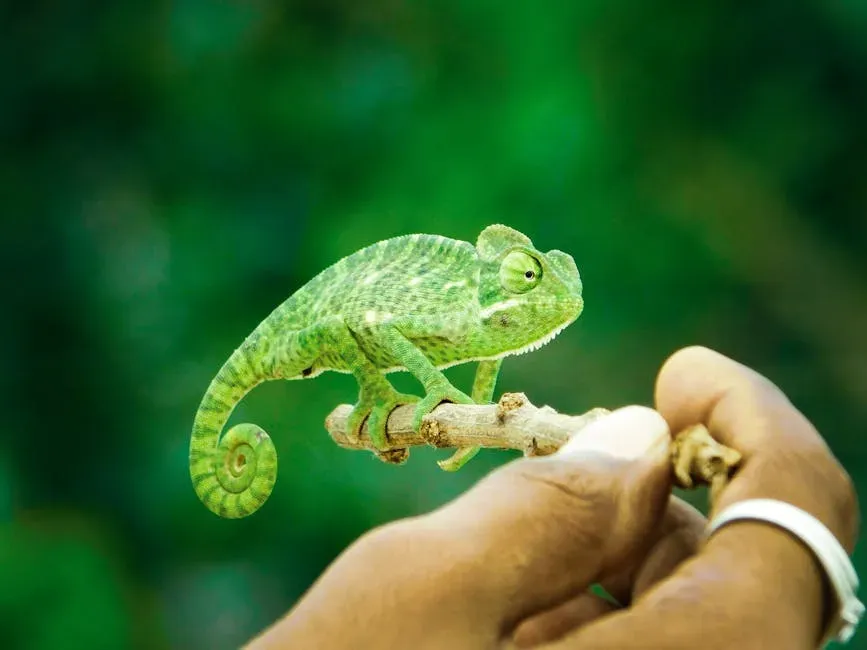
Chameleons, of which almost half of all species live in Madagascar, are masters of animal camouflage. The name of this lizard is nearly synonymous with animal camouflage, as its ability to change the color and pattern of its skin is nearly unrivaled. Everyone knows the chameleon, but most people severely underestimate just how sophisticated the process actually is.
Chameleons possess specialized cells called chromatophores and iridophores that allow them to change their skin color. The chameleon not only changes color to escape predators but to hide from prey, as it is itself an efficient predator. They have eyes like turrets that can move independently of each other, but when focused on prey they work together to give the lizard three-dimensional vision.
Some species of these lizards are so good at camouflage that they change color according to the vision of their predator. Honestly, that last point deserves a moment of silence. They’re not just hiding from what we see. They’re hiding from what their predators see. That’s on a whole different level of evolutionary genius.
4. The Cuttlefish: Ten Million Color Cells and Counting
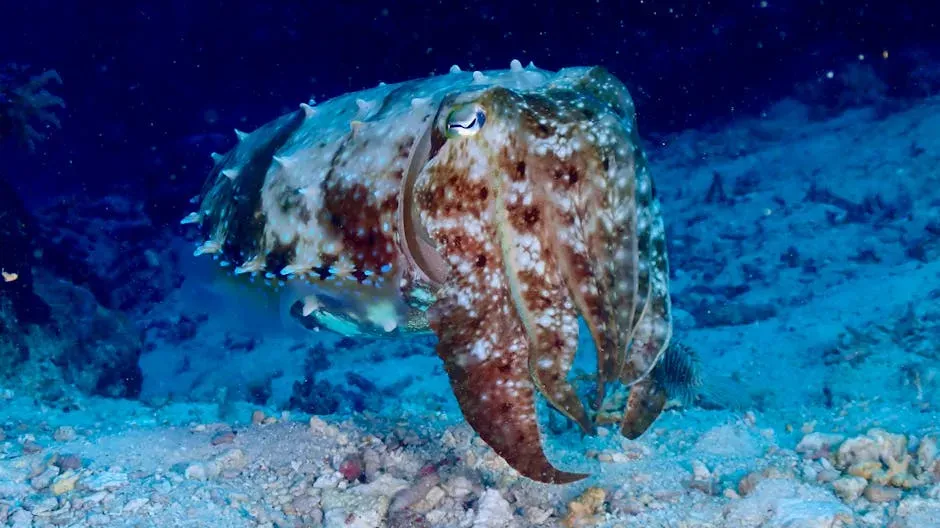
Cuttlefish are the chameleons of the sea. These animals use specialized cells called chromatophores to match their surroundings with astonishing accuracy. It’s a remarkable ability that allows them to hide from predators and ambush prey. If the chameleon is the celebrity of camouflage on land, the cuttlefish owns the ocean version of that title entirely.
Cuttlefish are masters of disguise because of their ability to control the 10 million color cells within their skin. They can quickly change color, pattern, and texture, sometimes completing the illusion by making shapes, like rocks, coral, and sand, with their tentacles to blend into the background better.
In laboratory experiments, cuttlefish have demonstrated the ability to mimic everything from checkerboard patterns to the appearance of seaweed and coral, making them true masters of disguise in the marine world. Cuttlefish also contain a large brain-to-body size ratio, considered the largest in all invertebrates. One recent study described that they can count and remember what, where, and when they last ate, an ability once believed to be restricted to humans. So yes, it’s not just disguise. It’s disguise with brains behind it.
5. The Snow Leopard: Phantom of the Mountains
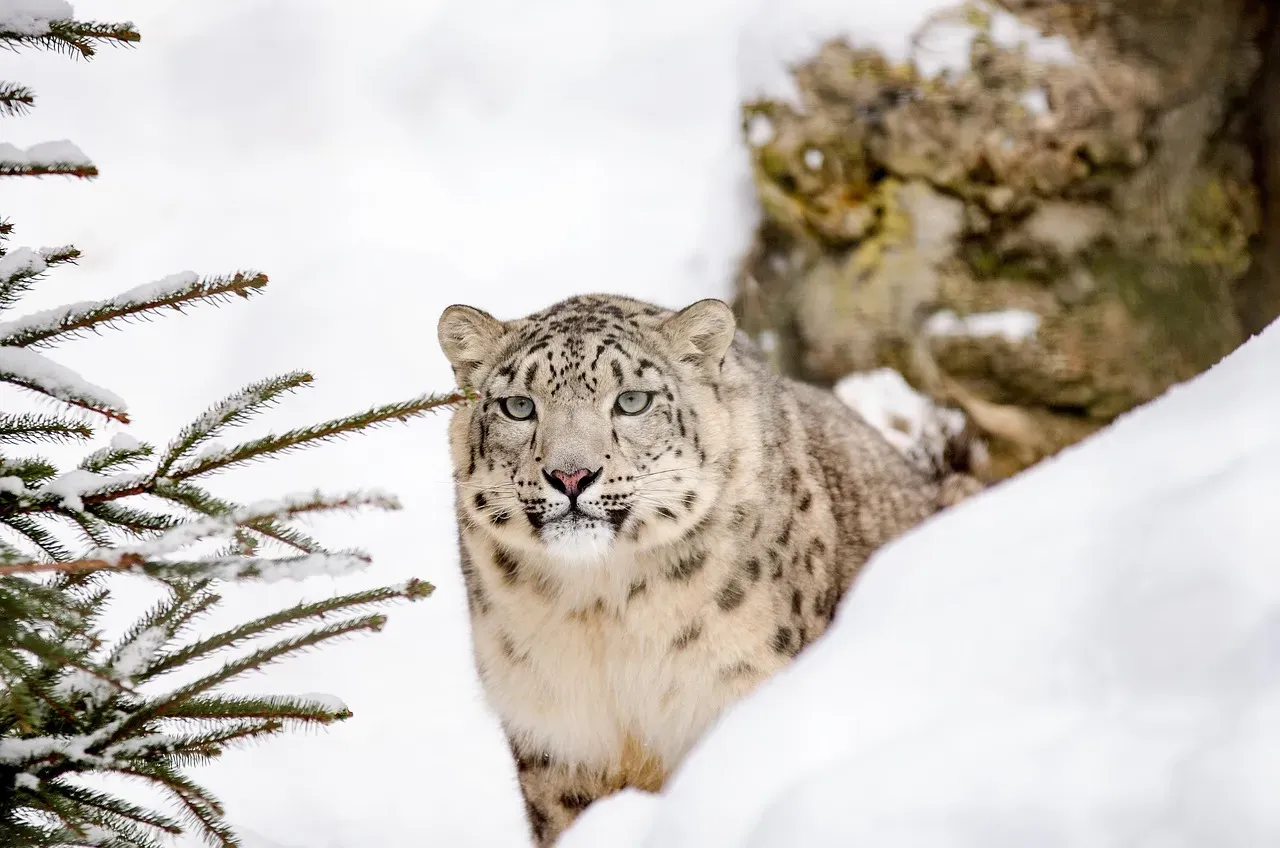
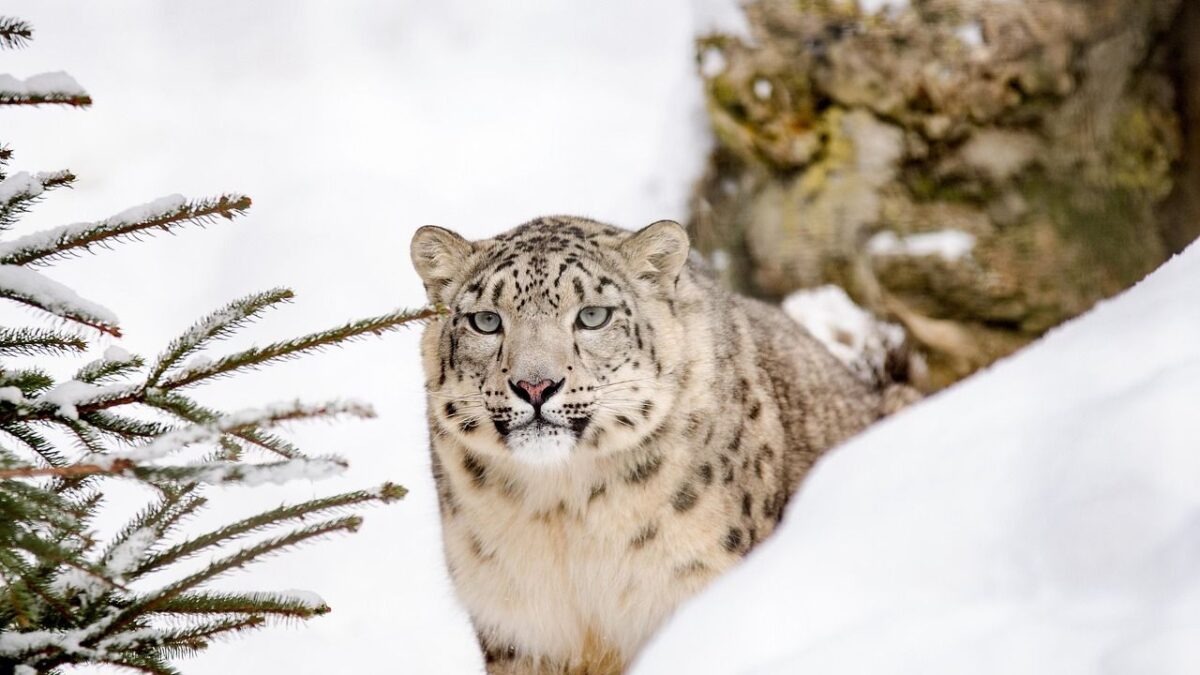
The snow leopard’s pale gray fur with dark rosettes provides perfect camouflage in its rocky, snowy habitat. This elusive big cat blends seamlessly with the stark landscape of its high-altitude home. In terms of camouflage, it’s nearly invisible as it stalks its prey. Picture a ghost that can hunt. That’s essentially what a snow leopard is.
The snow leopard’s distinctive coat pattern represents one of the most sophisticated examples of disruptive coloration in large predators. Unlike the uniform spots of many big cats, snow leopards have evolved a complex “pixelated” pattern of larger gray-black blotches with smaller spots inside them. This intricate pattern serves a dual purpose: it breaks up the cat’s body outline and creates visual confusion about exactly where the animal begins and ends.
This adaptation is so effective that snow leopards can approach within 10 meters of prey without being detected, despite hunting in relatively open terrain where most predators would be easily spotted. These animals were classified as vulnerable because their global population is estimated to be between 2,500 and 10,000 individuals, and the snow leopard’s exact population is challenging to obtain because roughly seven in ten parts of their habitat still need to be explored by humans.
6. The Arctic Fox: A Wardrobe Change Every Season
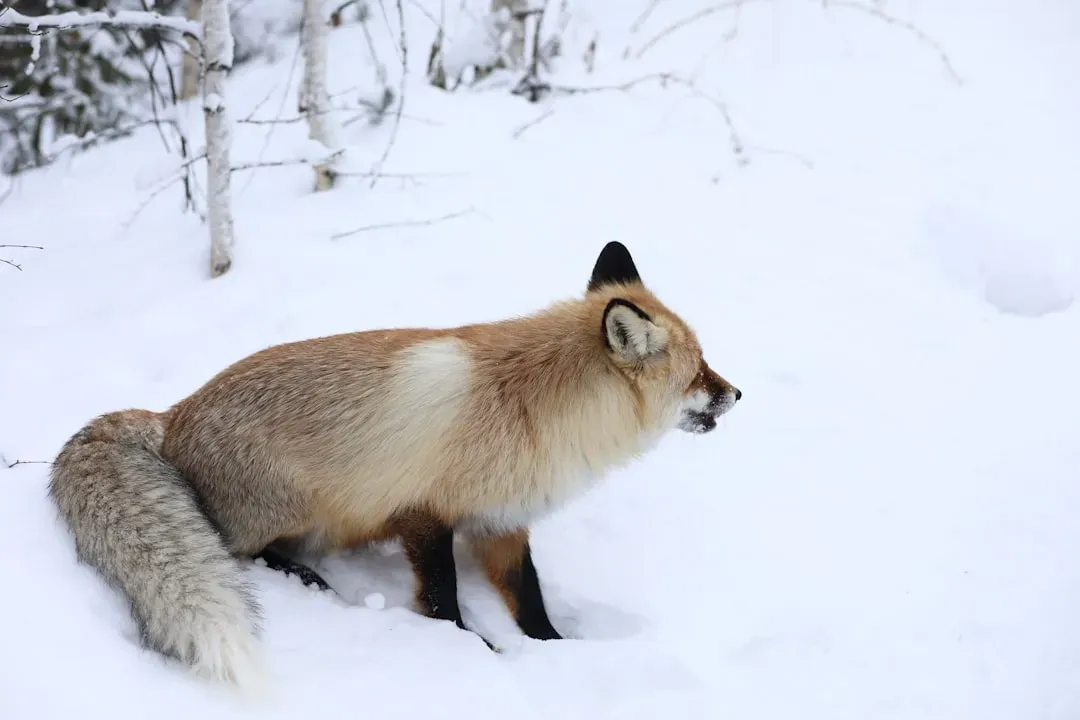
Imagine if your entire wardrobe changed automatically with the weather. Not just one jacket but your whole skin. That’s essentially what the Arctic fox does, and it does it twice a year like clockwork. Unlike many animals with fixed camouflage, the Arctic fox undergoes a complete seasonal transformation to match its changing environment. During winter, these foxes develop a luxurious white coat that renders them nearly invisible against the snow-covered landscape. As spring arrives and the snow melts, their fur gradually transitions to a brown or grayish color that blends perfectly with the summer tundra’s rocks and vegetation.
This remarkable adaptation is triggered by changes in daylight hours rather than temperature, ensuring the fox’s coat color change begins before the seasons fully transition. The biological mechanism involves a complex hormonal response that gradually alters melanin production in their fur.
The Arctic fox is the only species in the dog family to change its coat color with the seasons. This seasonal color change not only helps the Arctic fox remain undetected by predators, but it also makes hunting easier, as it can approach its prey without being noticed. The Arctic fox’s ability to adapt to both its environment and the seasons is a testament to nature’s cleverness.
7. The Stick Insect: The Living Twig
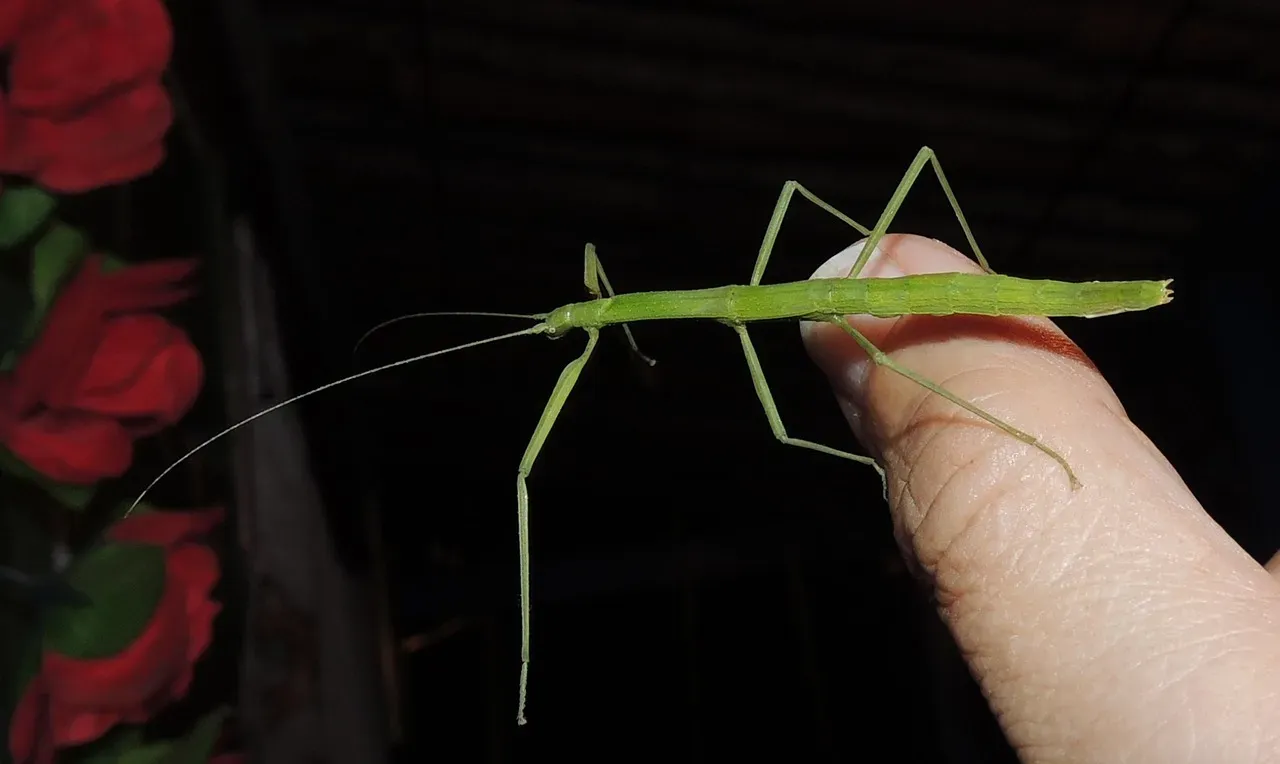
Let’s be real for a second. If you were walking through a forest and a stick suddenly stood up and walked away, you’d probably question reality. That’s the exact kind of moment stick insects are capable of creating, and it never gets less surreal. Walkingsticks, or stick insects, are so well camouflaged they even act like sticks. As their name suggests, these insects of the order Phasmatodea resemble twigs or sticks, and some species that live in the tropics resemble leaves.
These insects don’t just look like sticks. They look like sticks, they sway with the breeze like sticks through a behavior called cryptic mimicry, and they can even change their color to fit with the foliage. Their commitment to the disguise is total.
When they stop moving, as they do when they sense a predator nearby, they are almost impossible to see. There are over 300 species of walkingstick insects, and they range in length from half an inch to as much as 12 inches. That’s a 12-inch creature that can disappear while sitting in front of you. Nature’s sleight of hand at its finest.
8. The Leafy Sea Dragon: Fantasy Made Real
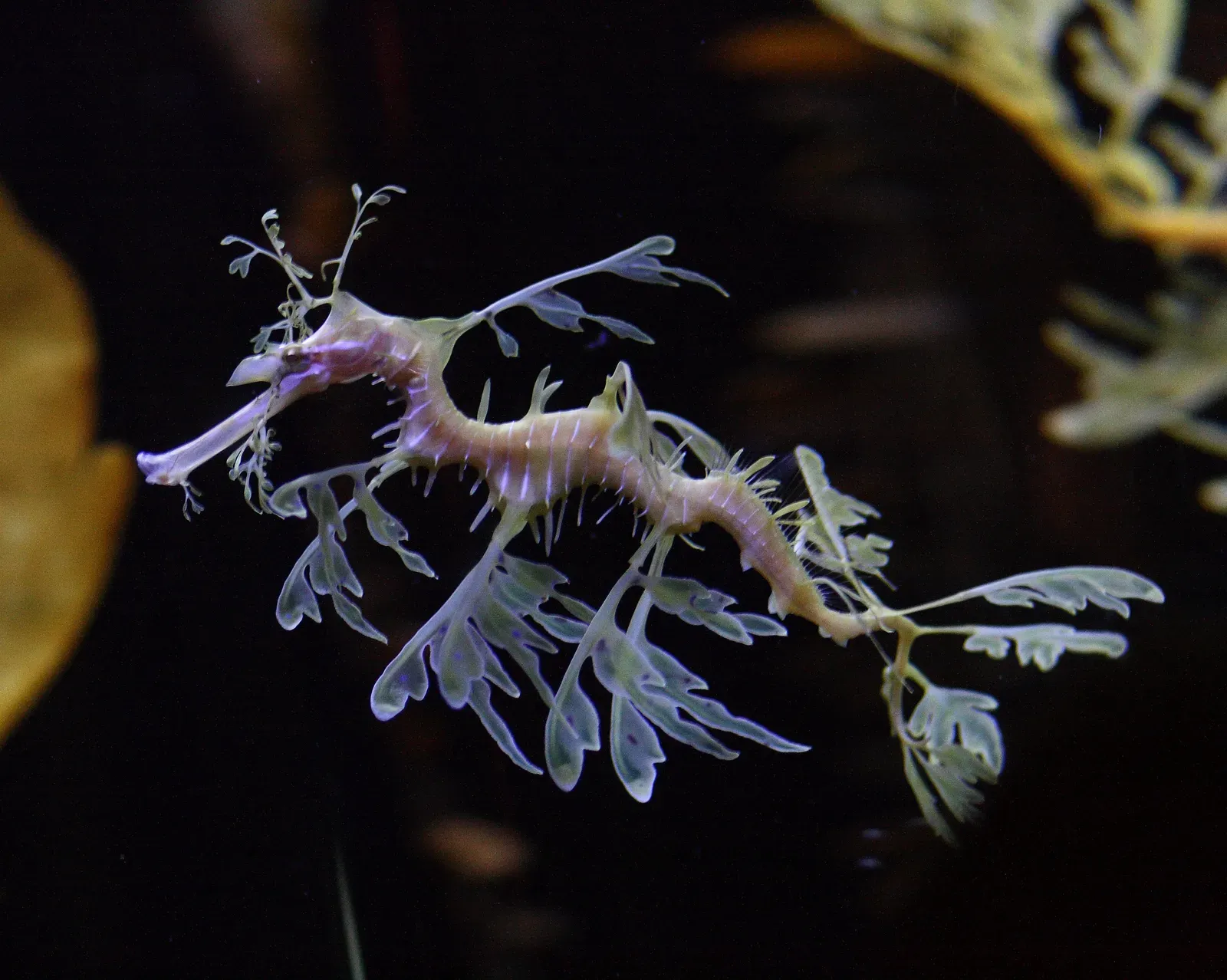
If you’ve never seen a leafy sea dragon before, your first reaction is probably going to be that it isn’t real. It looks like something out of a fantasy film, not an actual animal swimming in the ocean right now. Leafy sea dragons are enchanting marine creatures that resemble floating seaweed. This is a perfect adaptation for their life among seaweed beds and kelp forests. Their bodies are covered with leaf-like appendages that move with ocean currents. This disguise allows them to navigate with grace and stealth, avoiding detection while searching for plankton and small crustaceans to eat.
Among coral reefs and seaweed beds, they drift gently, perfectly matching their colorful world. With bodies that mimic coral branches and the ability to change color, they are nearly impossible to spot. Their camouflage isn’t just visual, it’s behavioral. They sway with the currents, imitating the motion of seagrass.
Their vibrant colors and delicate structures make them one of the most visually stunning camouflaged animals in the ocean. It’s hard to say for sure, but I genuinely think the leafy sea dragon might be the most beautiful survival strategy evolution has ever produced. It hides in plain sight not by looking like nothing, but by looking extraordinary.
The Bigger Picture: Invisibility as an Art Form
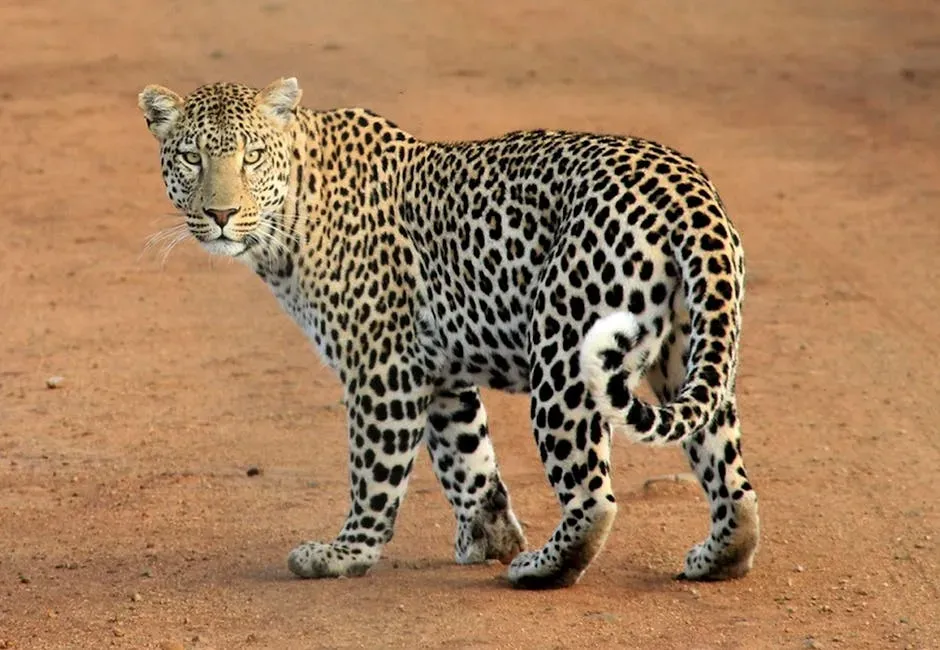
These abilities didn’t develop overnight. They’re the result of millions of years of evolution, where being invisible often meant the difference between life and death. Think of camouflage less like a trick and more like a language. Each animal has developed its own dialect of disappearing, shaped by its habitat, its predators, and what it needs to survive.
Different types of camouflage, such as concealing coloration, disruptive coloration, mimicry, and countershading, help animals survive in their diverse habitats. Some animals change rapidly, others transform seasonally. Some mimic other creatures, while others become living parts of their environment. Each approach is perfectly tailored to its owner’s lifestyle and habitat.
There’s something deeply humbling about realizing just how much of the natural world is actively, deliberately hiding from us. The next time you’re in nature, remember that you’re probably surrounded by hidden life you can’t even see. Every bush, every tree trunk, every ocean floor might be hosting a master of disguise you’ll never notice. So the question isn’t really which animal has the best camouflage. The real question is: how many of them have you already walked right past without a clue?
What would you have guessed? Tell us your favorite camouflage animal in the comments below!
