
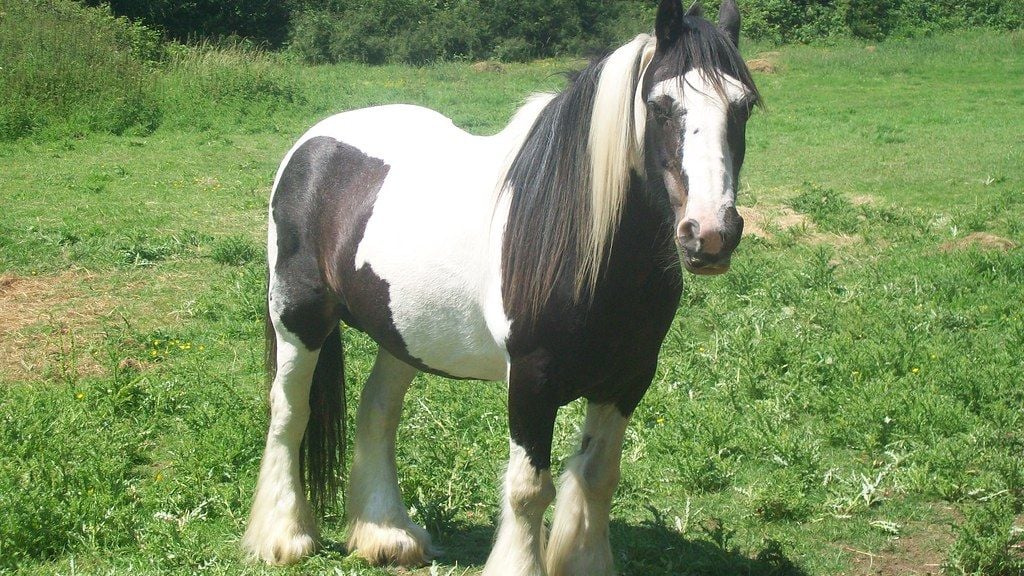
Picture yourself walking through a meadow when you suddenly spot a horse with a coat that literally glimmers like molten gold in the sunlight. Or imagine encountering a gentle giant with long, flowing hair cascading from its legs like nature’s own silk curtains. These aren’t fantasy creatures from fairy tales. These magnificent horses exist in the real world, but chances are you’ve never heard of them.
Hidden in remote corners of the globe and tucked away in specialized breeding programs, some of the world’s most extraordinary horse breeds remain virtually unknown to most people. While everyone recognizes Arabians or Thoroughbreds, there’s an entire universe of rare, fascinating breeds with stories that will captivate your heart and ignite your passion for these incredible animals. Let’s explore these hidden gems together.
The Akhal-Teke: Nature’s Living Golden Statue
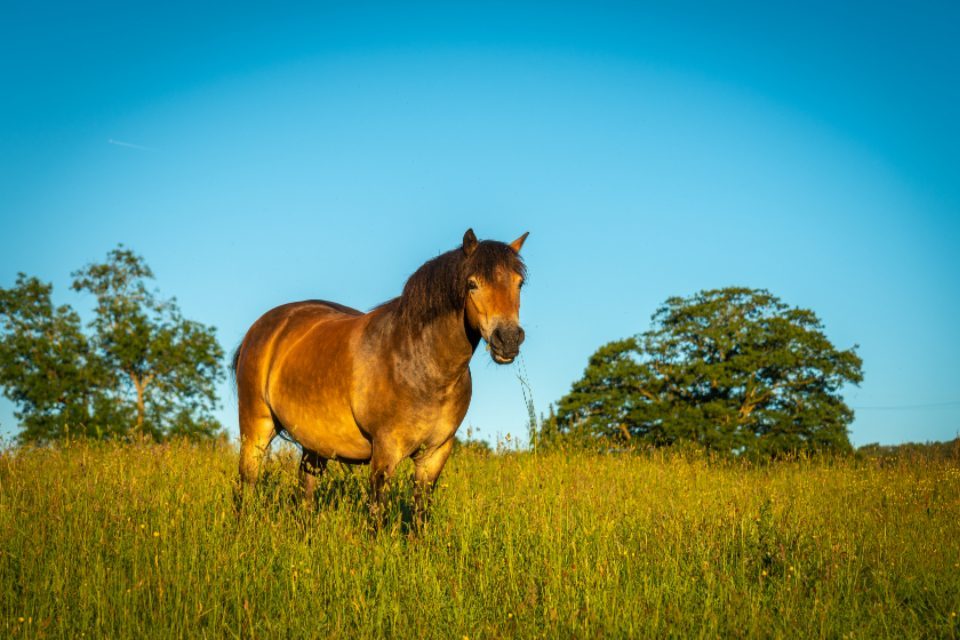
The Akhal-Teke is the national horse of Turkmenistan, where it is known as the “golden horse”. The name comes from the beautiful metallic sheen of its coat, which really does glow golden in sunlight. With an estimated population of around 6,600 scattered across the globe, it’s no wonder the Akhal-Teke horse has become the stuff of legends.
This breed developed in response to the desertification of Central Asia and was used by nomadic tribes to travel long distances. Some believe that the sheen of their coats helped to camouflage them in the Turkmen desert. Think of it as nature’s own invisibility cloak, helping these horses blend seamlessly into the shimmering heat waves of their harsh homeland.
Today’s Akhal-Tekes stand between 14.2 and 16 hands. They have long ears and relatively thin manes and tails. When you see one in person, you’ll understand why they’re sometimes called living bronze statues. It’s honestly breathtaking how their coats catch and reflect light, creating an almost supernatural glow.
Przewalski’s Horse: The Last True Wild Horse
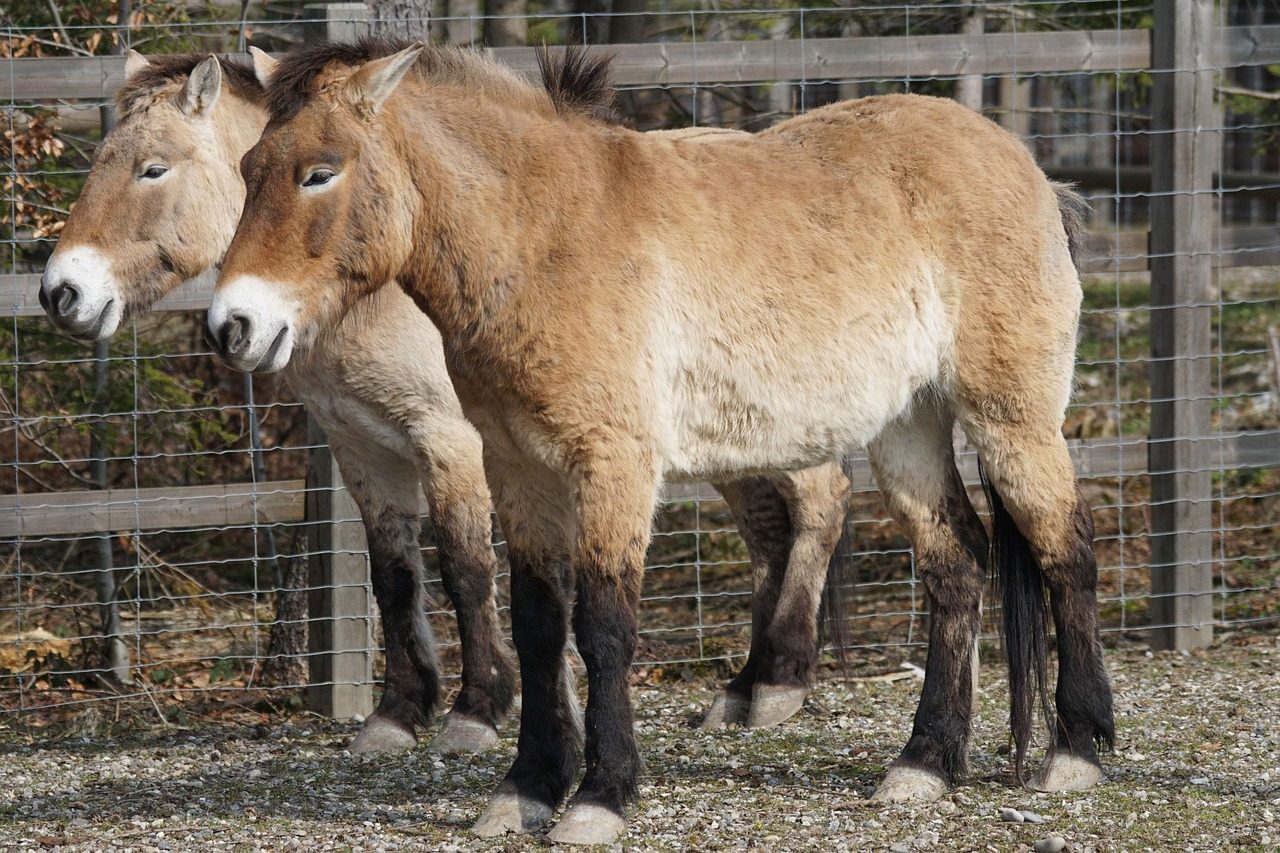
It’s one of the rarest of breeds, having once become extinct in the wild. Fortunately, it has since been reintroduced to several habitats in Mongolia, eastern Europe and central Asia. Today, some consider it the only truly wild horse in the world, as it’s believed to have no domesticated ancestors.
As such, its genetic make-up is quite different from modern domesticated horses, with 33 pairs of chromosomes rather than 32. It has a stocky body and short legs, which sometimes have faint stripes. It stands between 12 and 14 hands, and weighs roughly 300 kilos. These horses represent a living link to the ancient past when wild horses roamed freely across vast steppes.
Przewalski’s horses live in family groups, which sometimes join together to form herds. Watching them interact is like glimpsing into the social dynamics that existed thousands of years ago. Their survival story is nothing short of miraculous, showing us that even when all seems lost, dedicated conservation efforts can bring species back from the brink.
The Bashkir Curly: A Hypoallergenic Marvel
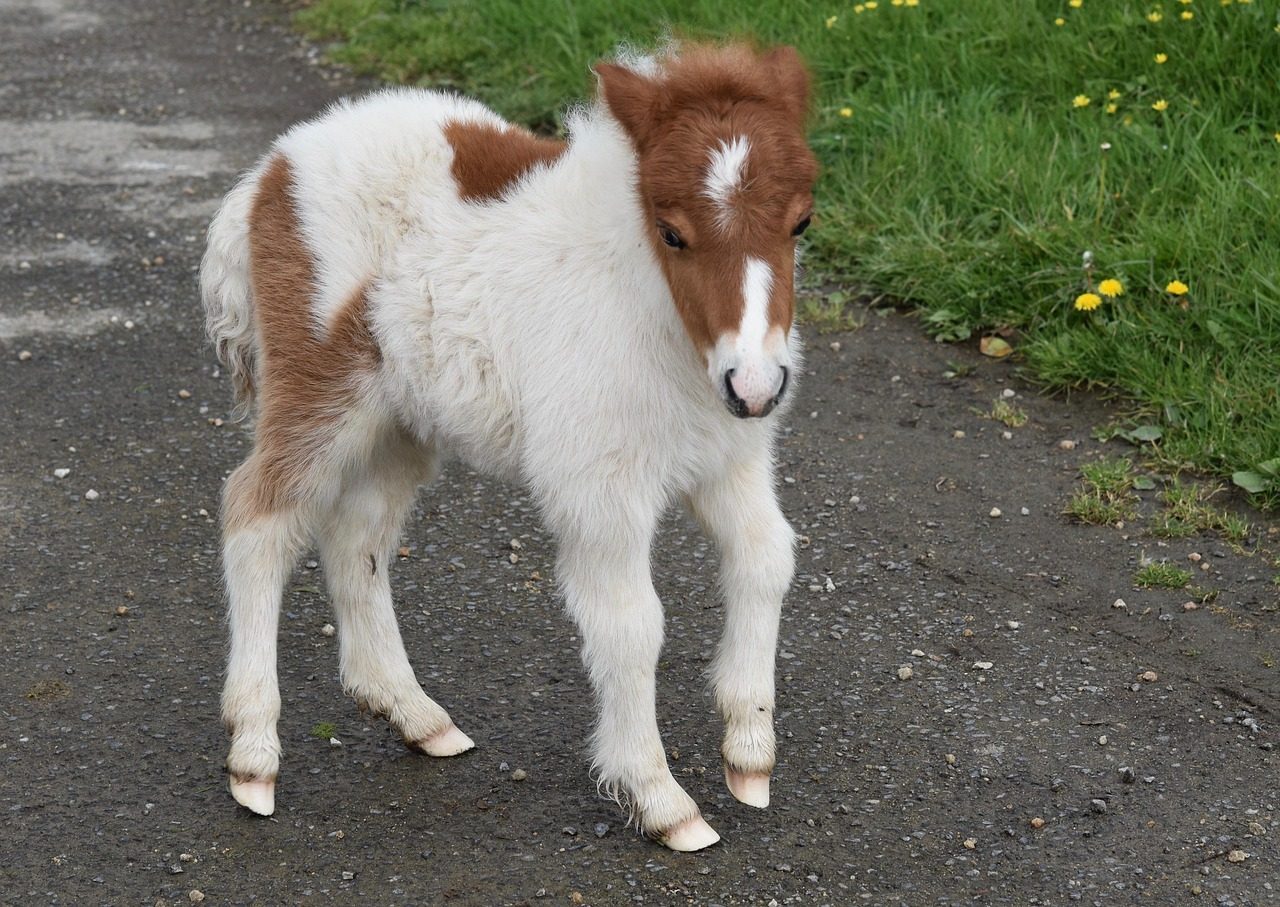
Curlys are renowned for their friendly, calm and intelligent personalities as well as their distinctive curly coats and kinked manes and tails. These horses are the only hypoallergenic breed and are excellent choices for beginning riders and children because of their sweet, patient, trainable and reliable nature.
Frequent shedding is one of the breed’s most unique traits. Every summer, the Bashkir Curly sheds its body curls, mane hair, and occasionally tail hair. The remaining hair is slightly wavy or straight. In the winter, the Bashkir Curly regrows its curly coat and hair. It’s like they have their own seasonal wardrobe change built right into their genetics.
In the winter of 1951-52, the Curly horses were the only ones to survive on the open ranges of Nevada without supplemental feeding. Their most cherished quality is their calmness and extremely gentle disposition. Curlies, with their naturally curious nature, prefer to face the unknown rather than run from it. If they feel something is a real danger to them, they prefer to kick rather than run.
The Gypsy Vanner: Fairy Tale Horses Come to Life
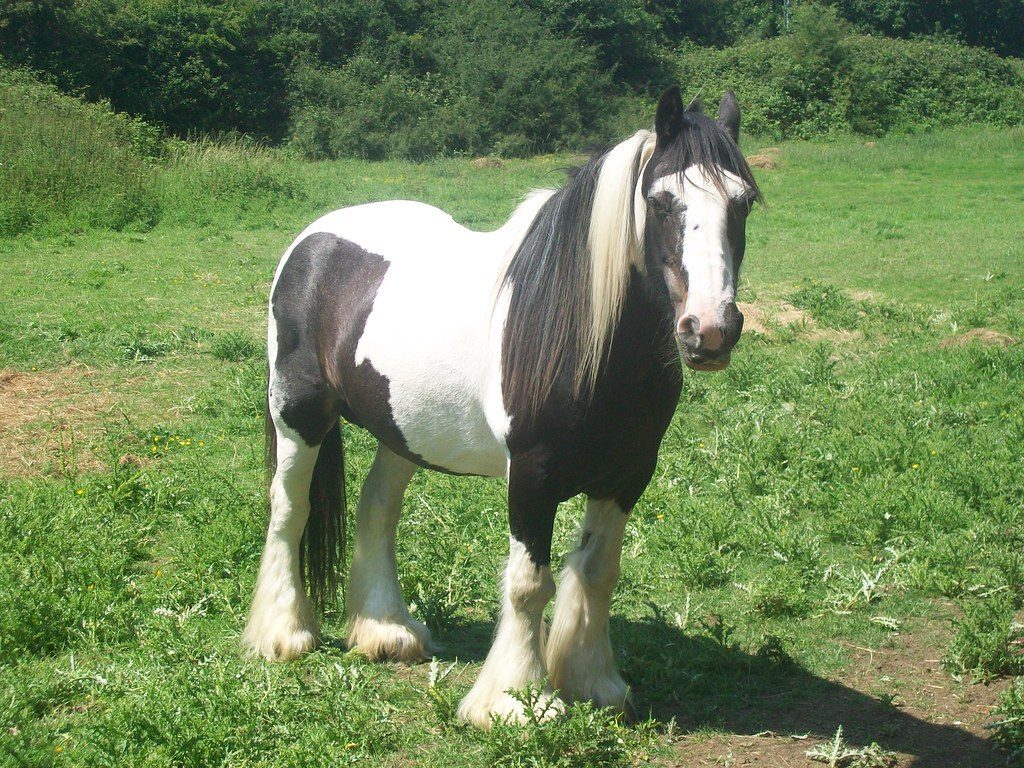
The Gypsy Vanner’s full feathering, long manes, and full tails are some of the first characteristics most people notice. Feathering should start below the hocks and knees and extend over the hooves. In fact, the word vanner means “a coloured horse suitable to pull caravans” in Old English!
Once used to pull the vardoes of nomadic Romanichal Travelers, Gypsy Vanners today serve as pleasure mounts in multiple riding and driving disciplines. Thanks to their striking appearance and mild-mannered temperaments, Gypsy Vanners quickly gained popularity in North America after crossing the Atlantic in 1996.
Gypsy Vanners are among the most popular horse breeds today because they are intelligent, docile, and easy to train. They are a great beginner horse and often the favorite option for families. They have a well-mannered nature, which allows them to bond with other people and children easily. In recent years, trainers have also begun to use Gypsy Vanners for therapy treatments or equine therapy. This breed has become the ideal horse for therapy because of its easy-going personality. They have treated people from special needs patients to military veterans with post-traumatic stress disorder (PTSD).
The Caspian: Ancient Royalty Rediscovered
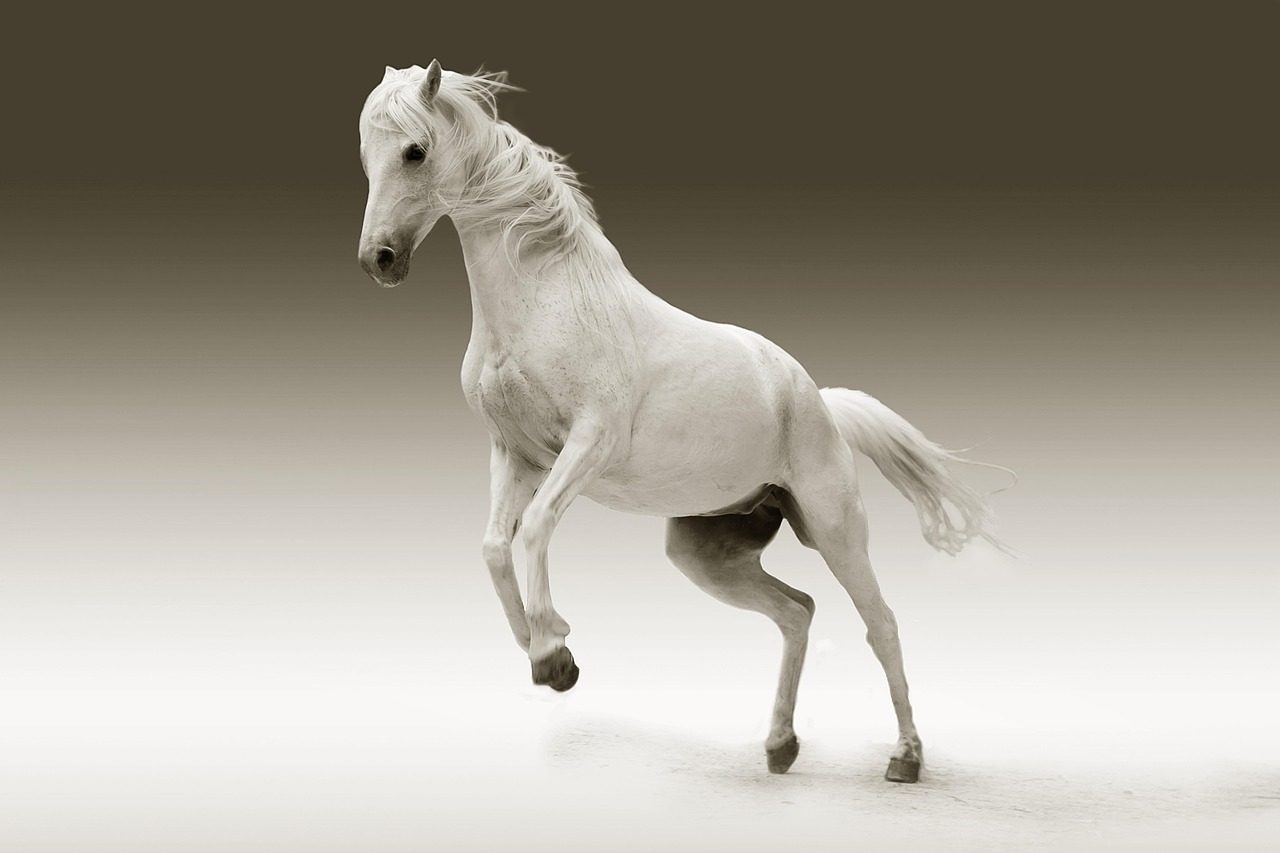
The Caspian horse was believed to have been extinct for over 1,000 years. But in 1965, it was discovered alive and well living next to the Caspian Sea in Northern Iran. Today, the breed remains endangered, with around 2,000 Caspians registered around the world.
The Caspian was once the horse of choice for Persian monarchs, pulling the chariot of King Darius in lion hunts. This ancient breed of horse has been found in art works that date back to around 3000 B.C making them one of the world’s oldest horse breeds that are still around today. This horse is considered a national treasure in Iran where the breed originates from and was actually considered extinct for 1,300 years until a couple of researchers discovered some living in the wild in Iran in 1965.
It has a slim body, sloping shoulders and graceful neck. And although it is relatively small, it’s an excellent jumper. Not surprisingly, Caspian horses are often used in show jumping and eventing. And they also make excellent mounts for children. Their rediscovery reads like an adventure novel, proving that sometimes the most incredible treasures are hiding in plain sight.
The Falabella: Mighty in a Miniature Package
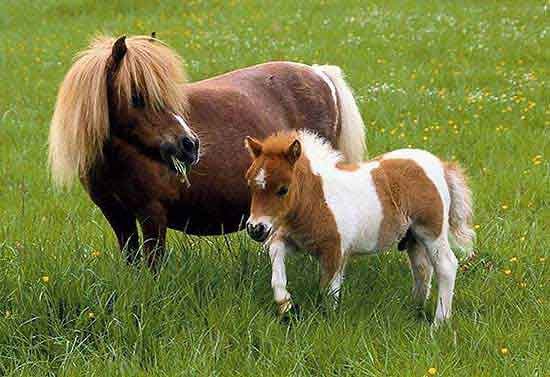
The Falabella is among the rarest horse breeds in the world. Originating in Argentina, this tiny horse stands under 34 inches tall and is cherished for its unique size, strength, and friendly nature. Its rarity and versatility make it a sought-after companion, often used in therapy and admired for its beauty.
Standing under 34 inches tall, these tiny horses are admired for their big hearts and surprising strength. Despite their small size, they carry the sturdy build of larger horses. Falabellas come in various colors and patterns, making each one unique.
Their compact size suits small spaces, and they’re often cherished as companion animals. They are friendly and intelligent and can be trained to pull small carts or assist in equine therapy. Their rarity, gentle nature, and manageable size make them truly extraordinary. Watching a Falabella work is like seeing proof that heart and determination matter far more than size.
The Marwari: India’s Warrior Horse with Unique Ears
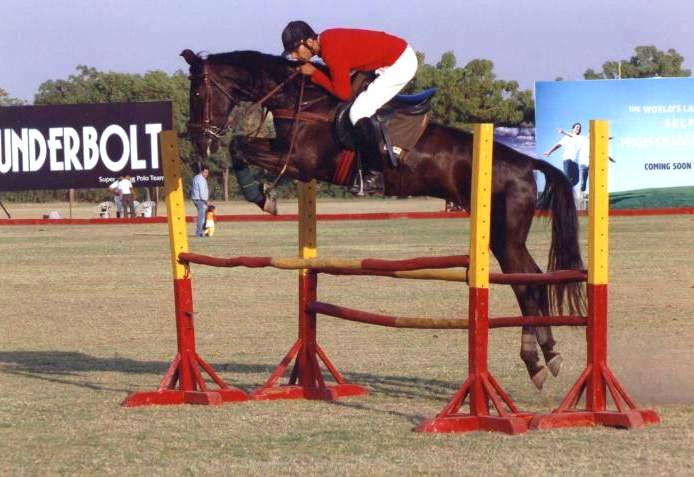
Marwari horses originated in India and are well-known for their inward-facing ears. This horse has a naturally ambling gait and comes in a wide range of colours, but pinto seems to be the most common and the most popular with breeders.
Marwari horses were bred extremely selectively, which resulted in a horse exhibiting incredible hardiness. They typically stand between 15 and 16 hands, so they are considered medium-sized horses. This breed was close to extinction in 1930, but fortunately, due to popular demand, the breed’s numbers have increased once again.
Those distinctive curved ears aren’t just for show. They can actually touch at the tips and rotate a full 180 degrees, giving these horses exceptional hearing abilities that served them well as cavalry mounts. The Marwari’s resilience mirrors the strength of the Rajput warriors who rode them into battle, and their recovery from near-extinction shows the power of passionate preservation efforts.
The Black Forest Pony: Germany’s Golden Beauty
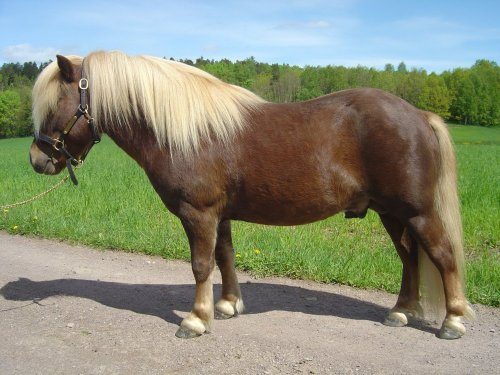
The Black Forest Pony takes its name from the region of Southern Germany where it originated. Today, just over a thousand ponies remain. Fortunately, they are a fertile breed, and with new breeding programs in place, it’s hoped numbers will recover quickly.
The ponies are distinguished by their striking combination of chestnut coat and golden mane. They vary in height between 14.3 and 16 hands, and typically weigh between 1,250 and 1,400 pounds. Imagine a living sunset walking through the forest – that’s what these stunning horses look like.
Their patient and docile nature makes them excellent mounts for new riders. They’re strong too, and are frequently used to pull carriages. The breed represents the perfect harmony between beauty and functionality, combining the gentle nature needed for family use with the strength required for traditional farm work in the mountainous Black Forest region.
Conclusion
These eight remarkable breeds prove that the horse world holds countless treasures waiting to be discovered. From the metallic shimmer of the Akhal-Teke to the curly coat of the Bashkir, from the fairy-tale beauty of the Gypsy Vanner to the ancient heritage of the Caspian, each breed tells a unique story of survival, adaptation, and human partnership.
These horses remind us that diversity in the equine world goes far beyond the familiar breeds we see at local stables. They represent centuries of careful breeding, cultural heritage, and the deep bond between humans and horses across different continents and civilizations. Each one deserves our admiration, respect, and protection.
What strikes me most about these breeds is their incredible resilience and the dedication of the people who’ve worked tirelessly to preserve them. Many faced extinction but were saved by passionate individuals who recognized their irreplaceable value. What do you think – which of these amazing breeds captured your heart? Tell us in the comments.
