
Picture this: you walk out to check your thriving garden, only to discover holes in your lettuce leaves and tiny insects crawling all over your prized tomatoes. Every gardener has been there, watching their hard work get devoured by unwanted visitors. Yet reaching for harsh chemical pesticides isn’t your only option.
Today’s gardeners are rediscovering time-tested, natural methods that work brilliantly without harming beneficial insects or contaminating the soil. These clever strategies transform your garden into a naturally balanced ecosystem where pests become manageable rather than overwhelming. Let’s explore how simple, eco-friendly techniques can protect your plants while keeping your garden chemical-free.
Strategic Companion Planting Creates Natural Pest Barriers
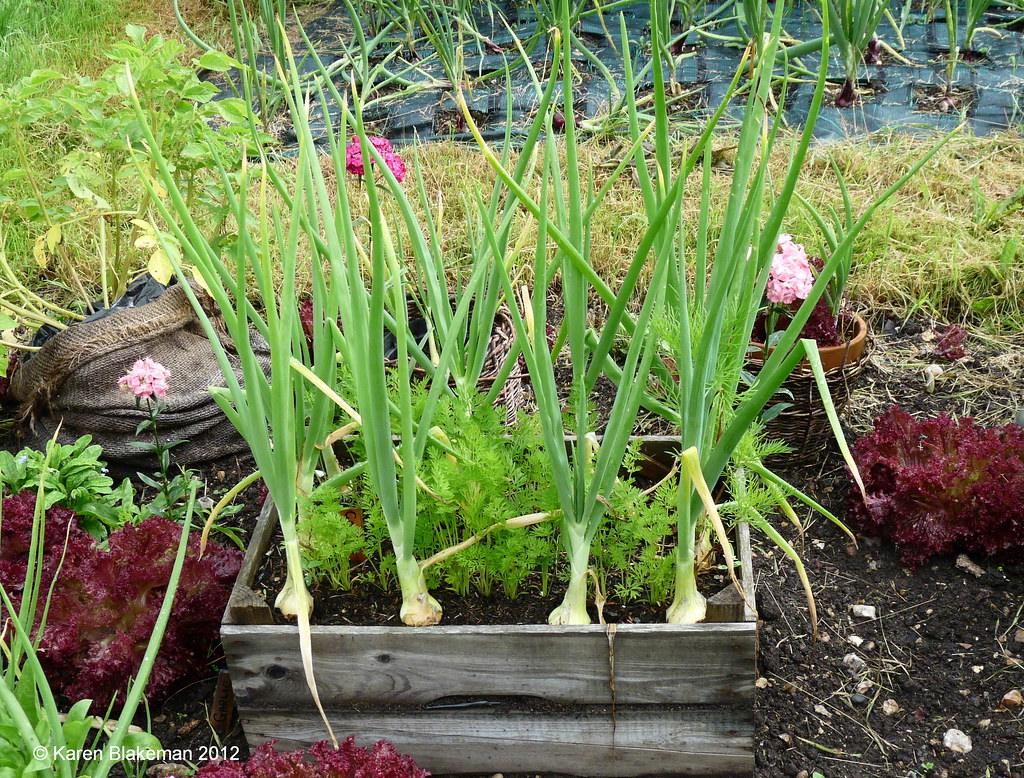
Think of companion planting as setting up blind dates for your plants, except these matches actually work. Herbs with strong fragrance will drive away an assortment of garden pests. Some also repel larger plant nibblers, like deer and rabbits. Flowering plants, on the other hand, are highly attractive to pollinators, as well as beneficial insects like hoverflies and parasitic wasps that feed on pest caterpillars and other destructive bugs. This ancient technique leverages natural plant relationships to create invisible shields around your vulnerable crops.
Known for its versatility as a companion plant, nasturtiums can be used in vegetable beds, flower beds, and container gardens for natural pest control. Nasturtium plants repel a wide variety of insects. This includes aphids, squash bugs, and bean beetles. Their long bloom time means you can take advantage of nasturtiums’ pest-repelling properties from spring through fall. Meanwhile, basil is famously paired with tomato plants since it is said to improve the taste of tomatoes. But basil can also be used for pest control, and its scented leaves repulse potato bugs, flies, and even mosquitoes!
Homemade Soap Sprays Outsmart Common Garden Pests
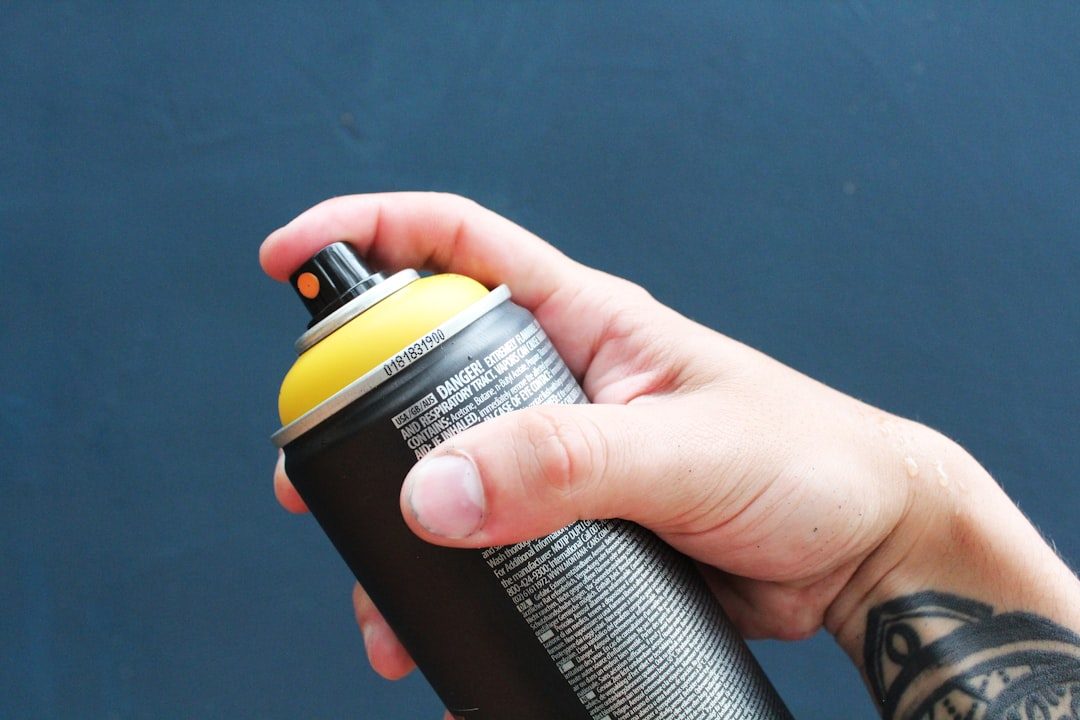
Sometimes the most effective solutions hide right in your kitchen cabinet. Kitchen Soap Spray uses 2.5 tablespoons of liquid dish soap without bleach (such as Dawn or a liquid pure castile soap) and 2.5 tablespoons of vegetable oil in a gallon of distilled water. The oil helps the spray cling to the plants. Spray plants thoroughly – under leaves as well as on top, plus buds and blooms. This gentle yet powerful mixture disrupts pest insects without creating toxic residues.
When applying insecticidal soap, completely wet the leaves on both sides. The soap can cause leaf burn, so be sure to test carefully before applying it to an entire crop. The soap must come in direct contact with the insect to do its job, so there is no residual effect with this method. You’ll need to treat your plants every five to seven days, as more insects hatch. The beauty of soap sprays lies in their selective action against soft-bodied pests while leaving beneficial insects largely unharmed.
Physical Row Covers Provide Ultimate Pest Protection
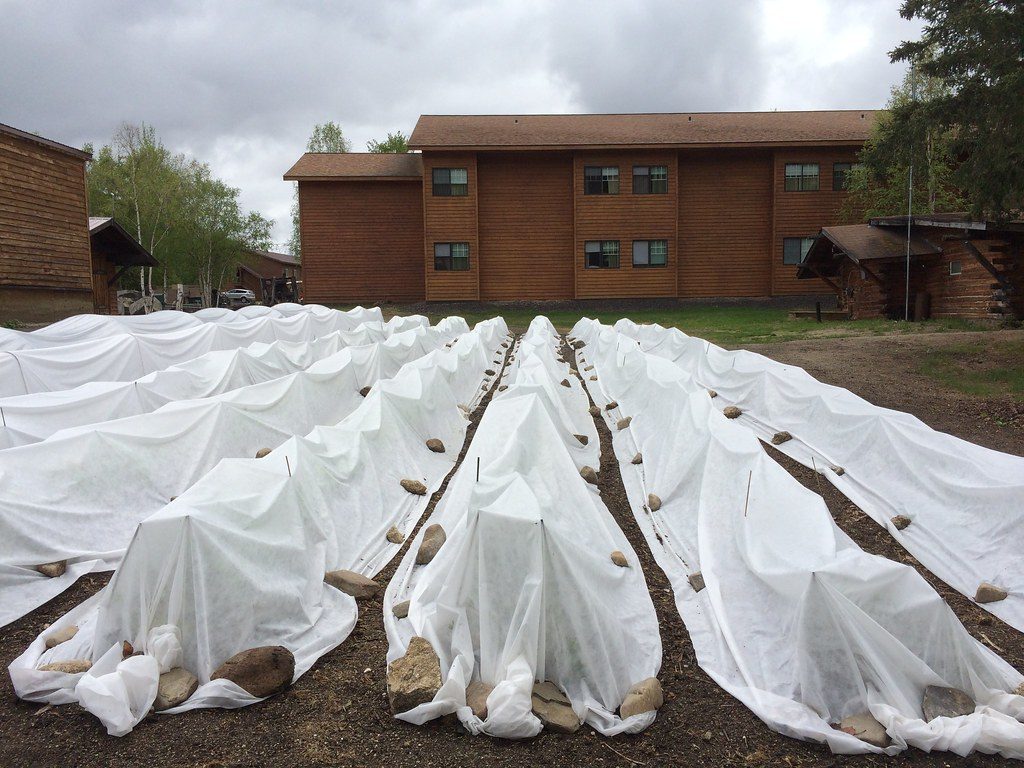
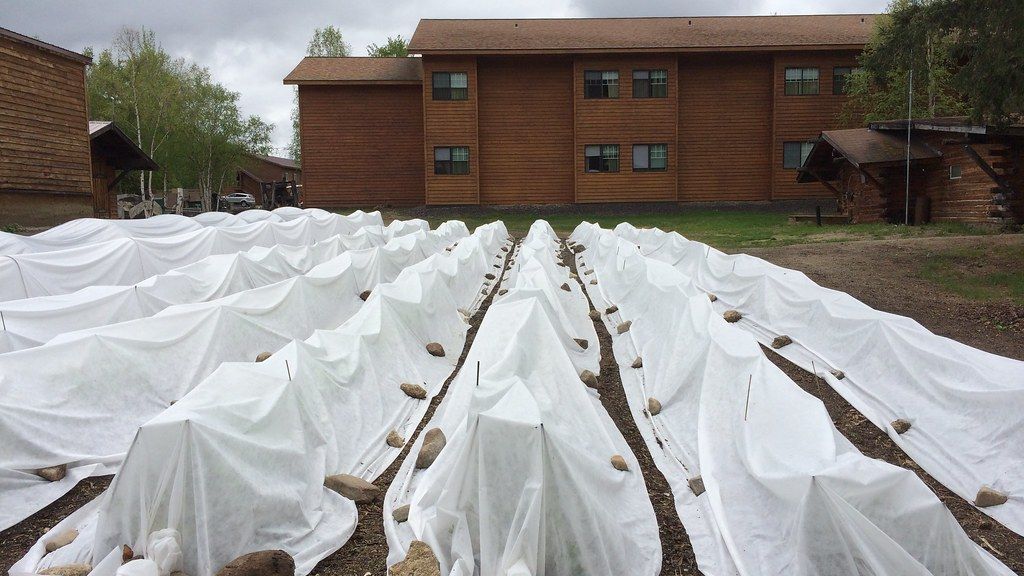
Floating row covers are lightweight fabric sheets that rest directly on plants without support. These breathable barriers allow sunlight, water, and air to reach plants while blocking pests like aphids and leaf miners. Simply drape them over crops and secure the edges with soil, stones, or pins for immediate protection that can increase temperatures by 2-10°F, promoting faster growth. This physical barrier approach offers perhaps the most foolproof protection available to organic gardeners.
As an integrated pest management tool, row covers act as a physical barrier that prevents the movement of pests such as insects, birds, and mammals, to host plants. This form of management is popular in organic production to avoid chemical application. For best results, row covers and grow tunnels should be installed at the beginning of the growing season, as soon as you move plants out into your garden. The goal here is to keep pests from landing on your plants and laying eggs, so you want to make sure these barriers are in place as early as possible.
Aromatic Garlic Sprays Confuse and Repel Unwanted Insects
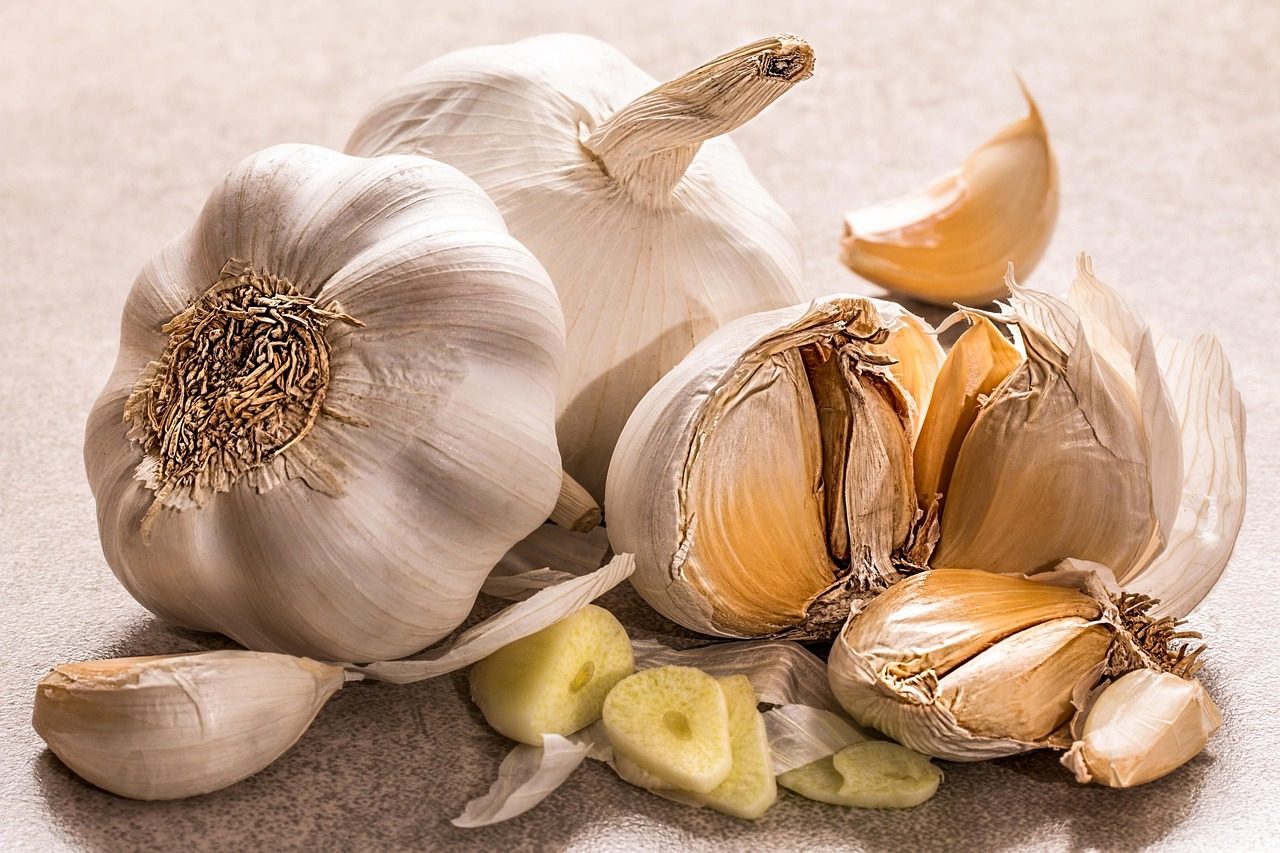
Garlic’s pungent aroma that enhances our meals also creates an invisible force field against garden pests. Garlic spray can help keep damaging insects and fungus off your plants. Mince 4 big cloves of garlic, stir into a tablespoon of mineral oil and let it sit overnight. The next day, strain out the garlic and add the infused oil to a pint of water. This natural deterrent works by overwhelming insects’ sensory systems, making it difficult for them to locate their preferred host plants.
One such example is the use of garlic and other Alliums in the garden. These have been found to deter the green peach aphid. If the insect is searching for its host when it encounters a field with vegetables companion-planted with Alliums, the pest primarily smells the overpowering volatile Allium semiochemicals. The pest continues its search because the scent of the susceptible host plant was ‘masked.’ Think of it as nature’s version of camouflage, where strong scents hide your plants from hungry pests.
Beneficial Insects Become Your Garden’s Pest Control Squad
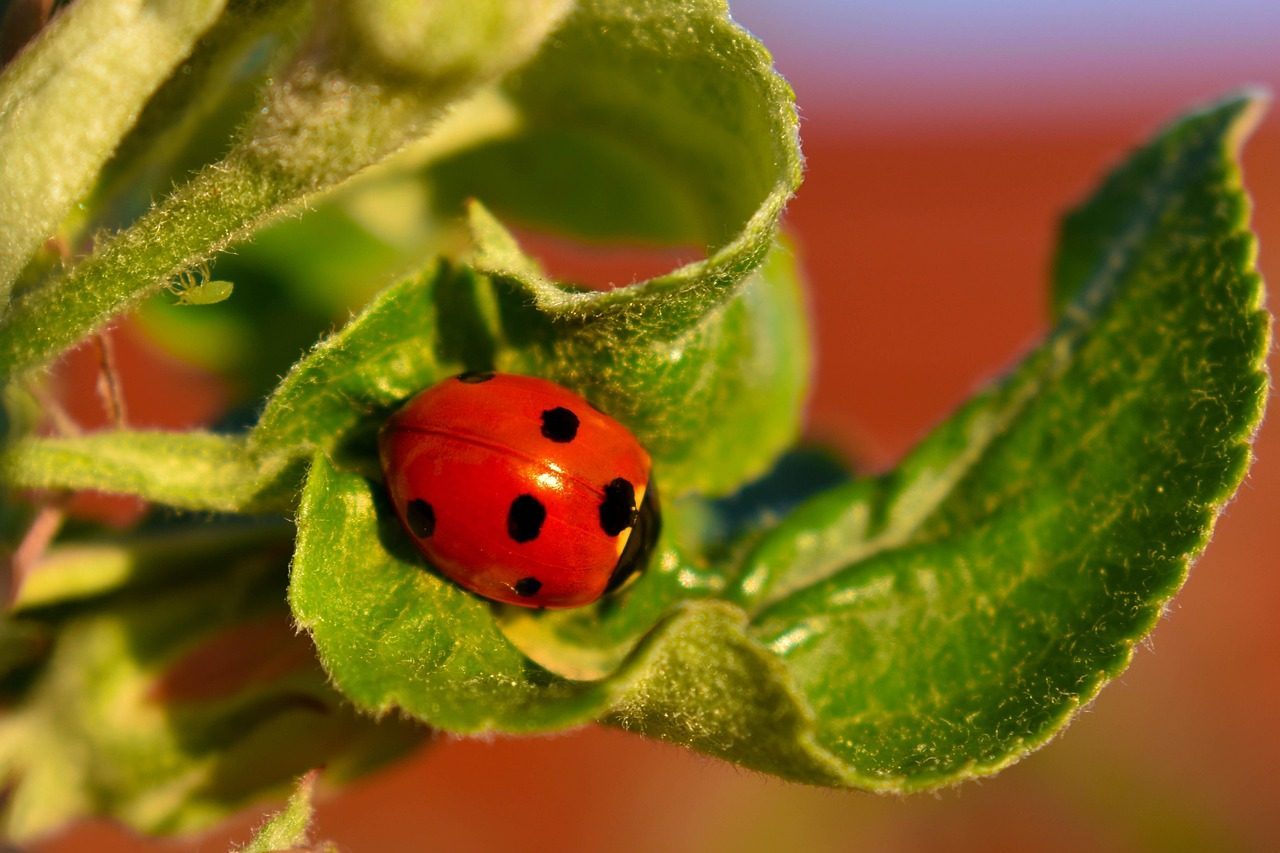
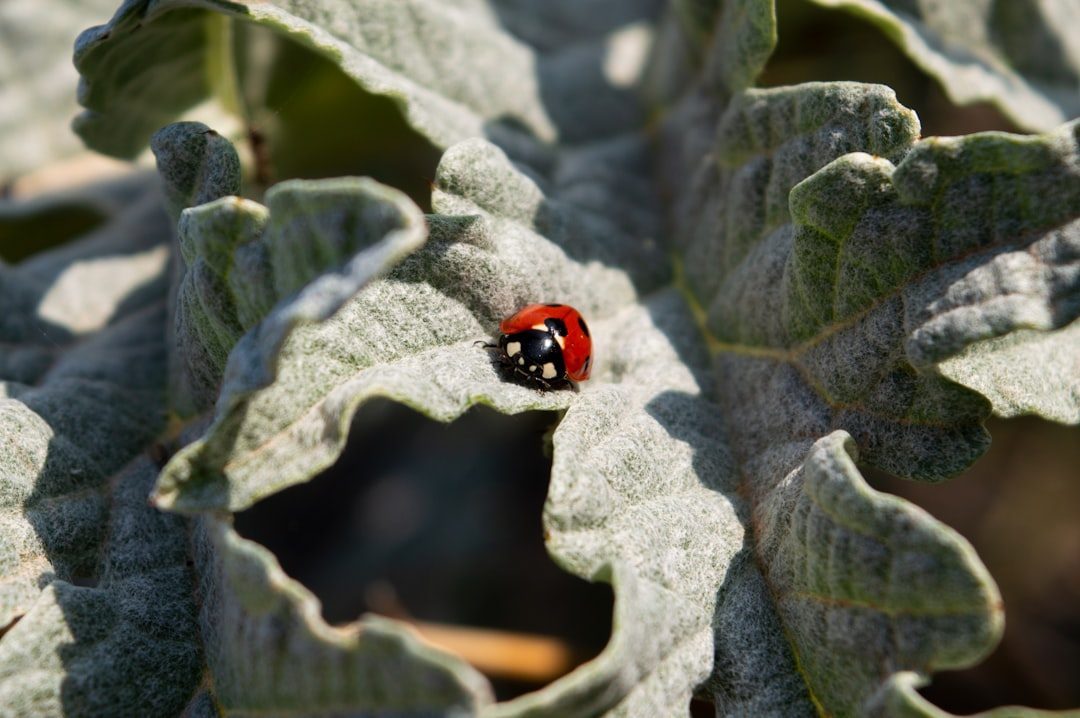
What will eat the thing that’s eating your plants? One example, of course, is ladybugs eating aphids. If aphids are your problem, you can welcome their predator by setting up your garden to be a great environment for ladybugs. Your goal is to bring more of the natural predator into your garden space. Sometimes, if you just sit back and wait, the predator will be drawn by the pests and invite themselves in! This approach transforms pest problems into opportunities for creating a balanced ecosystem.
Carrot family (Apiaceae): Caraway, coriander, dill, and fennel attract small parasitic wasps and flies that eat garden pests. Aster family (Asteraceae): Blanketflower, coneflower, and yarrow bring in larger predators like lady beetles and soldier beetles. Creating habitat for these beneficial insects requires patience, but the long-term results prove worth the wait. Many of us are accustomed to instant gratification, a one-and-done approach, but the garden does not deliver such a thing. After following steps one through four, observe your plants every single day for two weeks to see results. Make it a point to head out and check the plant around the same time every day to see if the pests show up or if there’s new damage on the leaves.
Diatomaceous Earth Acts as Microscopic Pest Deterrent
Sprinkle diatomaceous earth over plants and around edges of garden beds. The diatoms particles are very small and sharp – but only harmful to the small exoskeletons of insects, slugs and snails. Insects cannot become immune to its action, as it is a mechanical killer – not a chemical one. Read more about Diatomaceous Earth: Non-toxic Pest Control for Your Home and Garden. This fossilized algae works like tiny glass shards against soft-bodied pests while remaining completely harmless to humans and pets.
The magic lies in diatomaceous earth’s mechanical action rather than chemical toxicity. When insects crawl across treated surfaces, the microscopic sharp edges damage their protective exoskeletons, causing dehydration. No matter how you apply the insecticide, you must only use food-grade DE (not pool-grade DE). Food-grade DE is the only form safe for use in your garden, around pets, and children. You find it easily in online shops like Amazon, Home Depot, and Walmart. Remember to reapply after rain or heavy watering for continued effectiveness.
Cayenne Pepper Creates Spicy Barriers Against Mammal Pests
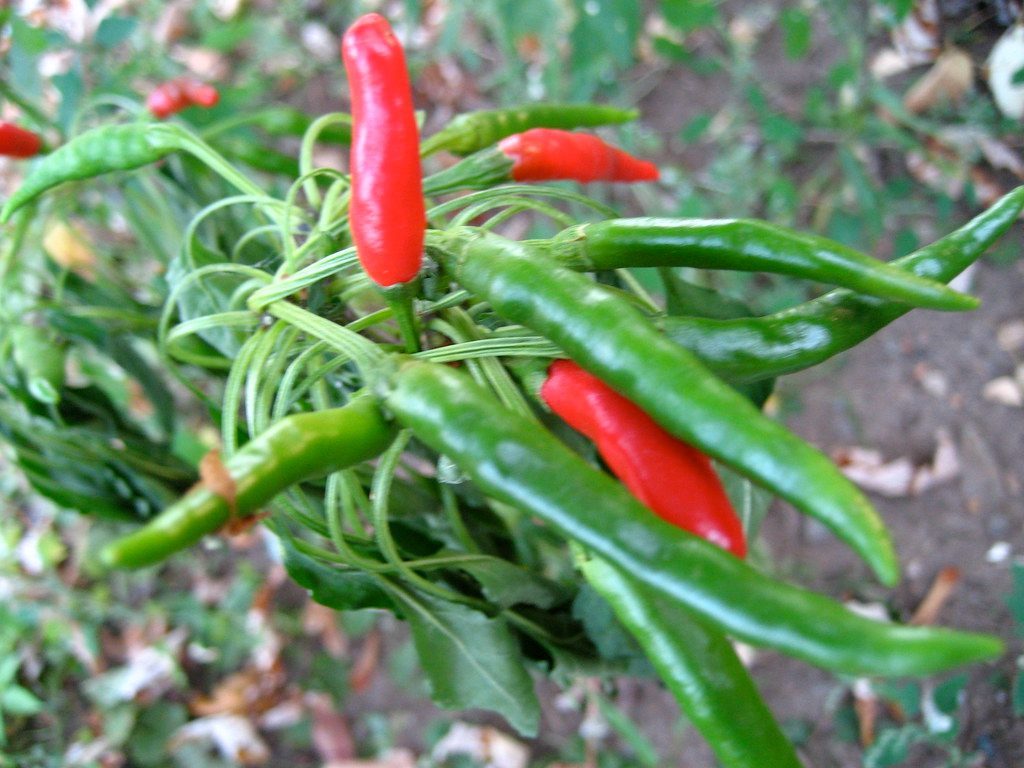
Red pepper spray works well for making your plants less tasty to mammal and bird pests. If bunnies, deer, mice, squirrels and birds are regularly messing with your garden, make the following mixture and spray target plants weekly. Mix 2-3 tablespoons of Tabasco sauce, 1 quart of water, and 1 teaspoon of dish soap. The capsaicin in the pepper spray will irritate the animal pests, and they’ll look for less spicy fare elsewhere. At the very least, it’s a much safer deterrent than pesticides, which could harm mammals.
This fiery concoction works on the same principle that makes us reach for milk after eating hot peppers. Mammals and birds possess pain receptors that respond to capsaicin, making treated plants unpalatable without causing lasting harm. Mix two tablespoons of hot pepper sauce or cayenne pepper with a few drops of Ivory soap into a quart of water. Let stand overnight, then stir and pour into a spray bottle and apply as above. Shake container frequently during application. Consistency is key; regular applications train persistent pests to avoid your garden entirely.
Beer Traps and Manual Removal Target Specific Pests

Beer traps – Lots of gardeners swear by beer traps as a means to battle slugs. You simply take a plastic container with a lid, such as a margarine tub or yogurt container, and cut holes in the top so the slugs can crawl inside. These simple devices exploit slugs’ attraction to fermented beverages, providing an effective overnight collection system. Position traps slightly below soil level and refresh the beer every few days for optimal results.
Sometimes the most direct approach proves most effective. Go on “Slug Patrol” – My sister, a certified master gardener, goes out with a flashlight every night to inspect her plants for slugs. She removes them by hand and relocates them to other areas. Over time, this can be an effective way rid the garden of slugs but does require diligence and time. While manual removal requires dedication, it provides immediate results without any environmental impact. Evening patrols work best since many pests become most active after dark.
Conclusion
Natural pest control transforms gardening from a battle into a balanced partnership with nature. These eight clever strategies prove that effective pest management doesn’t require harsh chemicals or expensive solutions. From companion planting’s natural partnerships to physical barriers’ reliable protection, each method offers unique advantages while supporting overall garden health.
The key lies in combining multiple approaches rather than relying on any single solution. Start with one or two methods that suit your garden’s specific needs, then gradually expand your natural pest control toolkit as you gain experience and confidence.
What’s your biggest pest challenge in the garden? Have you tried any of these natural methods before? Share your experiences in the comments below!

- 14 Things Backyard Birders Say Are Driving Cardinals Away – And Most Homeowners Never Realise It - June 13, 2026
- Psychology Says Humans Still React to Social Rejection Like They’re Being Exiled From a Stone Age Tribe - June 13, 2026
- 14 Things Riding Schools Quietly Stopped Teaching New Students – Experienced Instructors Finally Explain Why - June 13, 2026