
The Universe Expanded at Exactly the Right Pace
The Big Bang set everything in motion roughly 13.8 billion years ago. If the expansion rate had been even slightly faster, matter would have spread too thin for stars and galaxies to form. A slower pace would have caused the whole thing to collapse back on itself almost immediately. Observations of cosmic microwave background radiation support this delicate balance.
Scientists describe this as a narrow window where gravity and expansion compete without one winning outright. The result allowed structures like our Milky Way to take shape over time. Without that timing, the raw materials for planets and chemistry would never have gathered in usable amounts.
Gravity Holds a Very Specific Strength

Gravity operates at a strength that permits stars to ignite and planets to orbit without crushing everything together. A modest increase would turn stars into black holes almost at birth. A decrease would leave them too diffuse to sustain nuclear fusion for long periods. This value sits among several fundamental constants that shape how matter behaves on large scales.
Models of stellar evolution show that this particular tuning supports long lived stars capable of producing heavier elements through fusion. Those elements later seeded the formation of rocky worlds. Small shifts would eliminate the stable environments needed for chemistry to build complexity over billions of years.
Earth Sits in a Narrow Habitable Zone
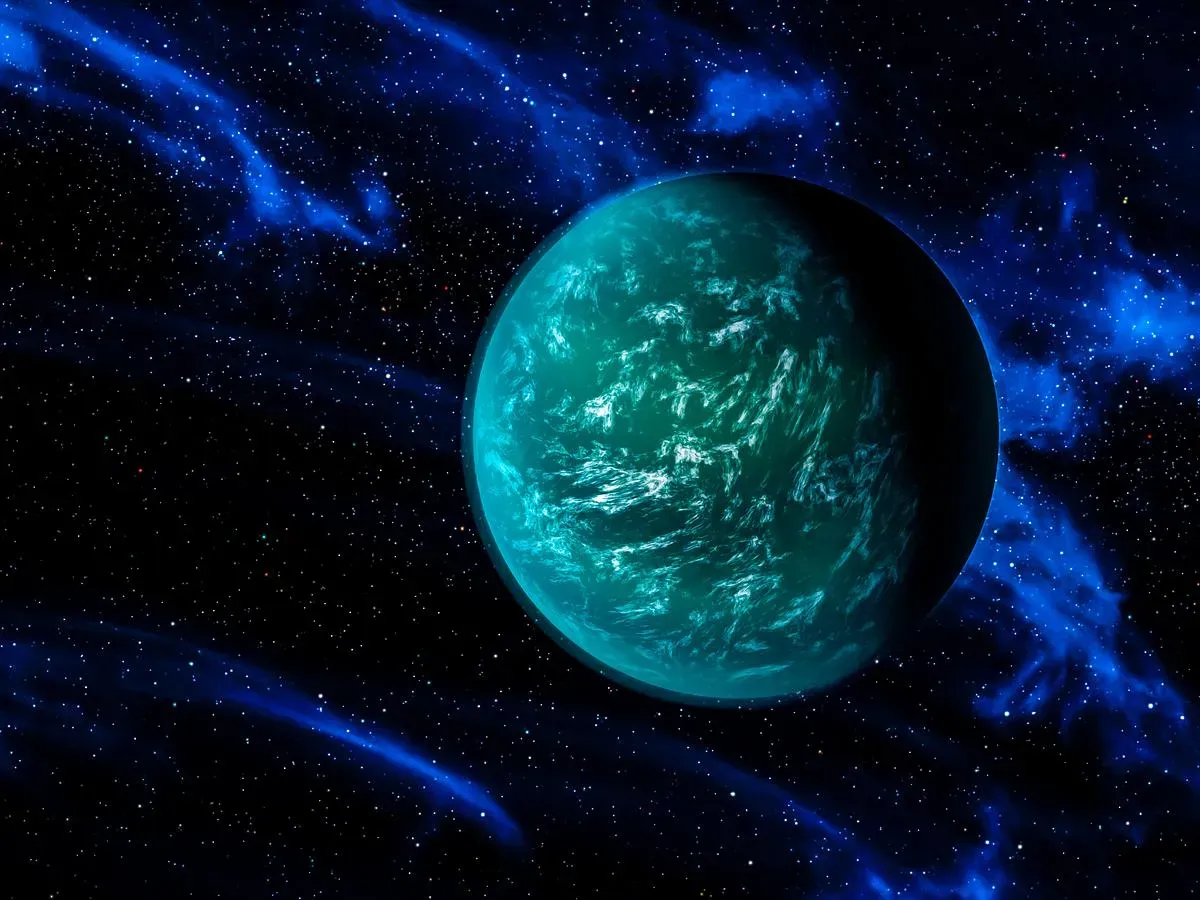
Our planet orbits at a distance from the Sun where surface temperatures allow water to remain liquid for extended periods. Move inward and oceans would boil away. Shift outward and they would freeze solid. The zone itself depends on the Sun’s output and the planet’s atmosphere to trap just enough heat.
Exoplanet surveys reveal that many systems lack comparable orbits around stars of similar type. Earth also benefits from a nearly circular path that avoids extreme seasonal swings. This steady environment gave early life time to develop and persist through changing conditions.
The Moon Stabilizes Earth’s Tilt
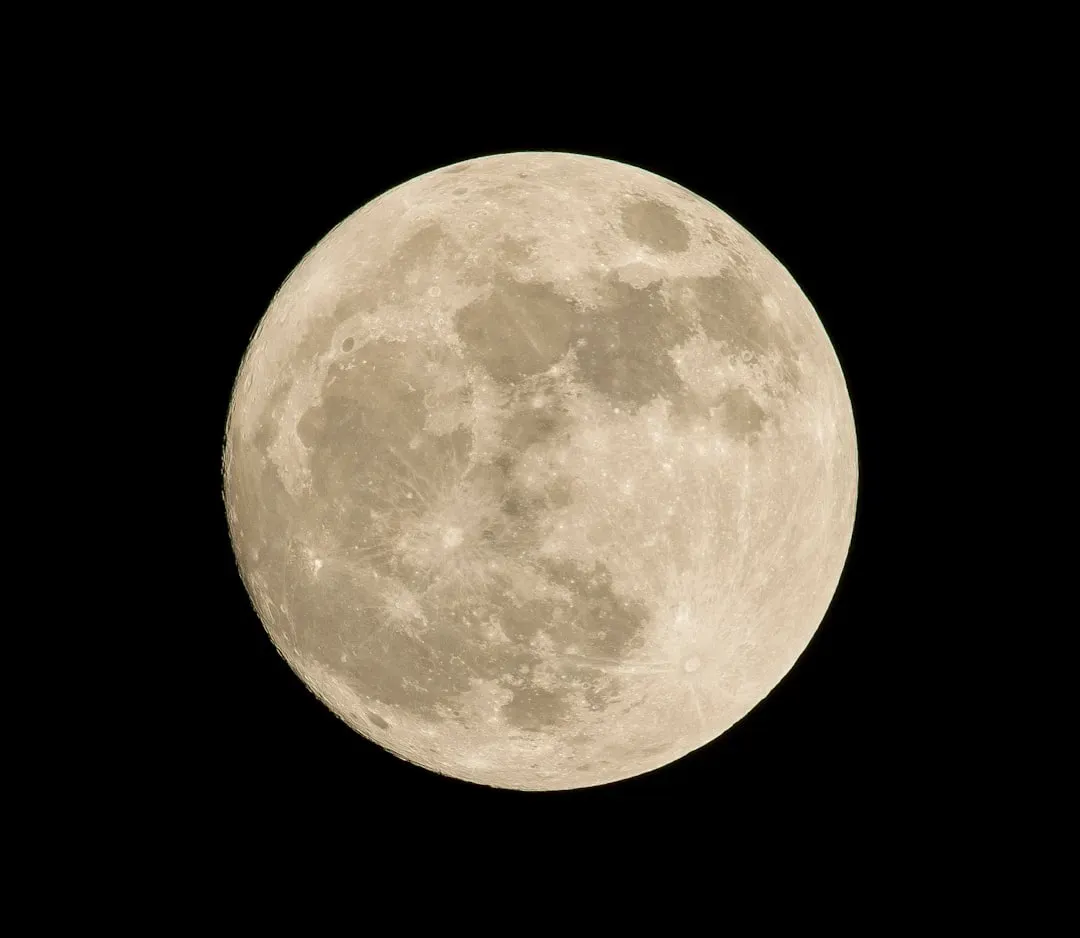
Earth’s axial tilt stays relatively steady because of the Moon’s gravitational pull. Without that influence, the tilt would wobble dramatically over shorter timescales. Such swings would create wild climate shifts that disrupt ecosystems repeatedly. The Moon likely formed from debris after a massive early collision.
That same event may have helped strip away some of Earth’s original thick atmosphere while leaving enough for later development. The resulting satellite also drives ocean tides that mix nutrients in coastal zones. These effects combine to support consistent conditions over geological time.
Jupiter Acts as a Protective Barrier
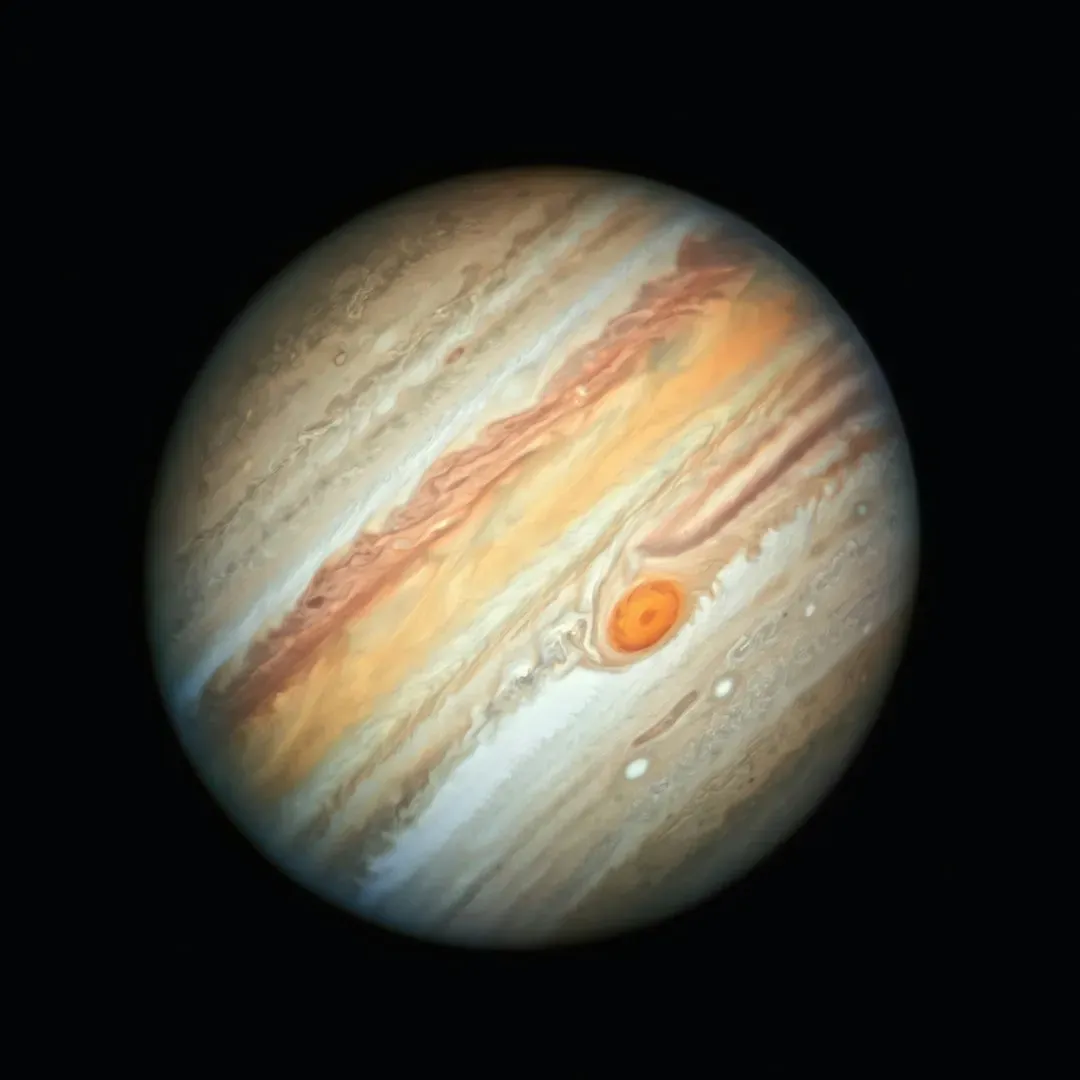
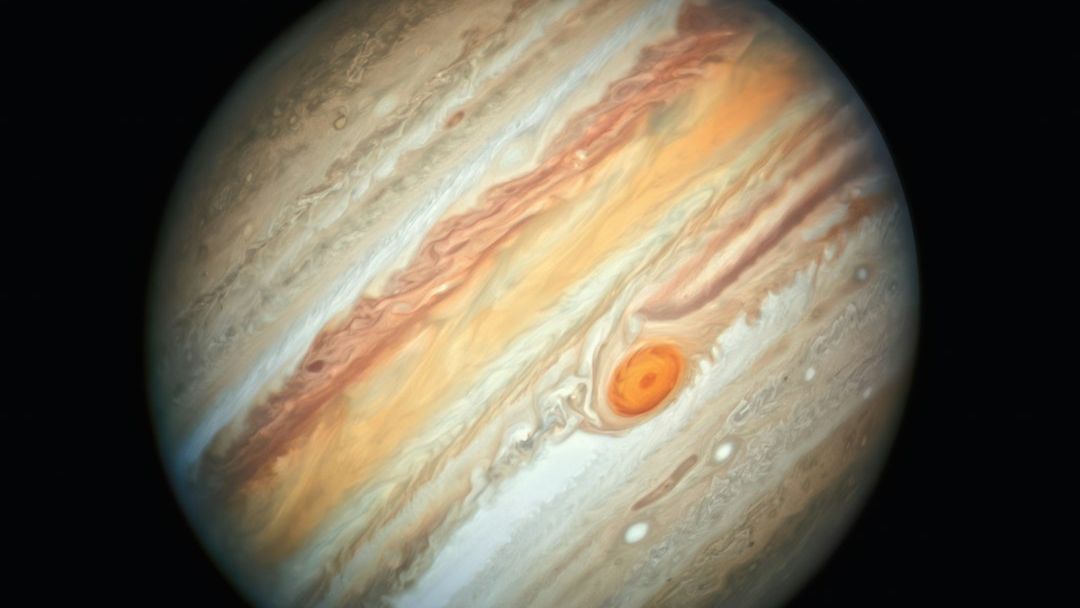
Jupiter’s massive gravity influences the paths of many comets and asteroids in the outer solar system. It can deflect or capture objects that might otherwise head inward toward the inner planets. Simulations of solar system dynamics suggest this reduces the frequency of large impacts on Earth. The gas giant formed early and cleared much of its orbital region.
Earth still experiences occasional strikes, yet the rate appears lower than it would without Jupiter’s presence. Fewer catastrophic events gave life more opportunity to recover and diversify between incidents. The arrangement reflects a broader pattern of orbital resonances that shape the system’s stability.
Water Exists in Liquid Form Across Vast Timescales

Water covers much of Earth’s surface and cycles through the atmosphere, oceans, and crust in a continuous loop. Its unique properties, such as expanding when frozen, help regulate temperatures and protect aquatic environments. The molecule forms readily from hydrogen and oxygen, elements produced in stellar cores and dispersed by supernovas.
Geological records indicate liquid water has persisted on Earth for most of its history despite changes in solar output. This longevity allowed chemical reactions to proceed at scales large enough for self replicating systems to appear. Other solvents lack the same versatility under common planetary conditions.
Carbon Nuclei Form Through a Precise Resonance

Carbon, essential for organic chemistry, arises in stars via a process that depends on a narrow energy match between nuclei. The so called Hoyle state allows three helium nuclei to combine efficiently rather than scattering apart. Without that alignment, carbon production would drop sharply and heavier elements would follow suit.
Stellar observations and nuclear physics experiments confirm the resonance sits at a level that favors carbon over oxygen in many stars. The resulting abundance supplied the building blocks for molecules that later assembled into more complex structures. This step bridges nuclear reactions to the chemistry of life.
The Cosmological Constant Remains Tiny Yet Nonzero
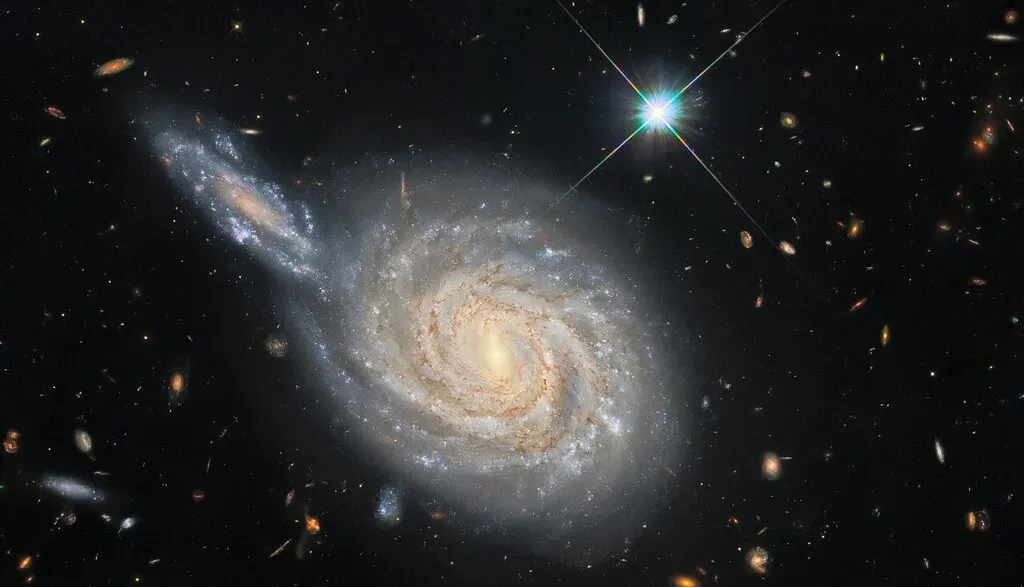
The cosmological constant governs the accelerated expansion of the universe on the largest scales. Its measured value is extraordinarily small compared with theoretical predictions from quantum fields. A larger figure would have prevented galaxies from forming by ripping matter apart too soon. A zero value might have led to different long term dynamics.
Current data from distant supernovas and galaxy surveys point to a positive but minute contribution that only becomes noticeable over cosmic time. This allows the universe to remain structured long enough for stars to live and die multiple generations. The outcome supports the gradual enrichment of space with the elements required for planets like ours.
The odds stacked against any single one of these alignments already look slim. Taken together they paint a picture of existence that feels both fragile and remarkable. People continue to study these parameters because they reveal how tightly our presence ties to the universe’s basic rules. In the end the coincidences underscore how much had to line up for us to look outward and ask why.
- 17 Quiet Signals a Horse Sends the Person It Has Claimed That Most Owners Never Learn to Read - August 1, 2026
- 18 Plants Lifelong Gardeners Say They Regret Ignoring for Far Longer Than They Ever Should Have - August 1, 2026
- The 18 Signs Your Aging Cat Has Chosen You to Be Beside It When the Time Finally Comes - August 1, 2026