
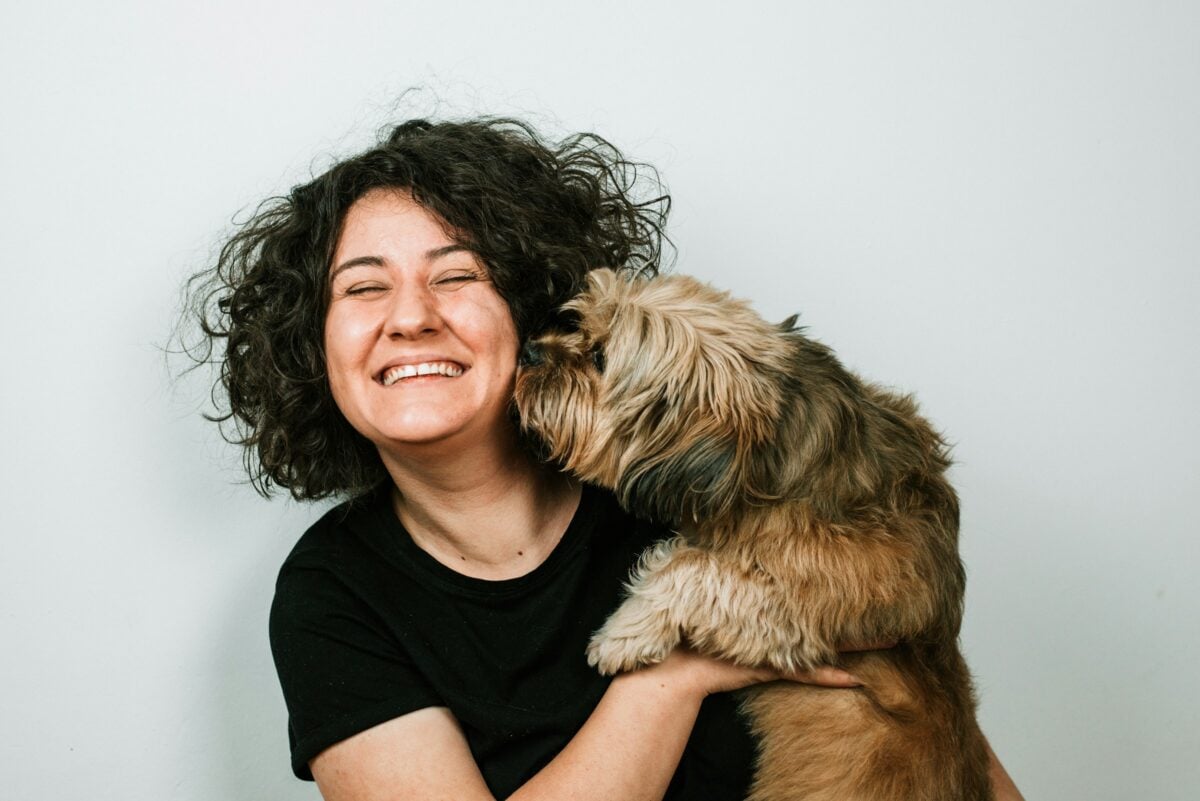
Your dog is polite to the mail carrier, goofy with the neighbor, and thrilled by the cousin who visits twice a year. So it loves everyone equally, right? Not quite. Behavior research points to a quieter two-tier system: friendly manners for the crowd, and a short list of far more intense signals aimed at one chosen adult.
You’ve almost certainly received a few of these without noticing. Below are eight of them, counted down from the easy-to-miss to the one scientists have actually measured in a lab. The last one comes with a twist that researchers are still arguing about.
#8 – The Check-In Glance
🔥 Would you like to save this?
We'll email this post to you, so you can come back to it later!
Your dog has been keeping tabs on you the whole walk, and you probably never caught it.
Watch a dog on a walk. It bolts ahead, buries its nose in a hydrant, then swings its head back to find you. That glance isn’t random. It’s a quick check on where you are and whether the plan has changed.
Many dogs do this far more with their person than with a friendly stranger holding the lead. You become a reference point, like a lighthouse the dog keeps in view while it wanders.
Dogs also look to a human face when something confuses them, like a shut door or a puzzle they can’t solve. In well-known experiments with an impossible task, dogs tended to turn and look at the person. Hand-raised wolves were more likely to keep working at the problem alone. The dog’s glance is a question asked without a sound.
Worth Knowing
- A check-in is a dog asking for information, not a sign it’s being needy.
- Rewarding the glance with a smile, a word, or a treat makes it more likely to happen again.
- New places and odd sounds tend to make the glances more frequent.
- A dog that never looks back may simply be overstimulated, so it’s worth practicing somewhere quieter first.
Common forms of the check-in:
- A quick glance over the shoulder mid-sniff
- Pausing at a corner until you pick the direction
- Looking up at you before trying something unfamiliar
Here’s our blunt take. A dog that keeps checking in is easier to train, and scolding it for “not listening” is the real mistake. You’re punishing the exact habit you want more of.
But the next behavior is even harder to miss, and it follows you into the bathroom…
#7 – The Shadow Routine
🔥 Would you like to save this?
We'll email this post to you, so you can come back to it later!
If you can’t use the bathroom alone, your dog has made a choice.
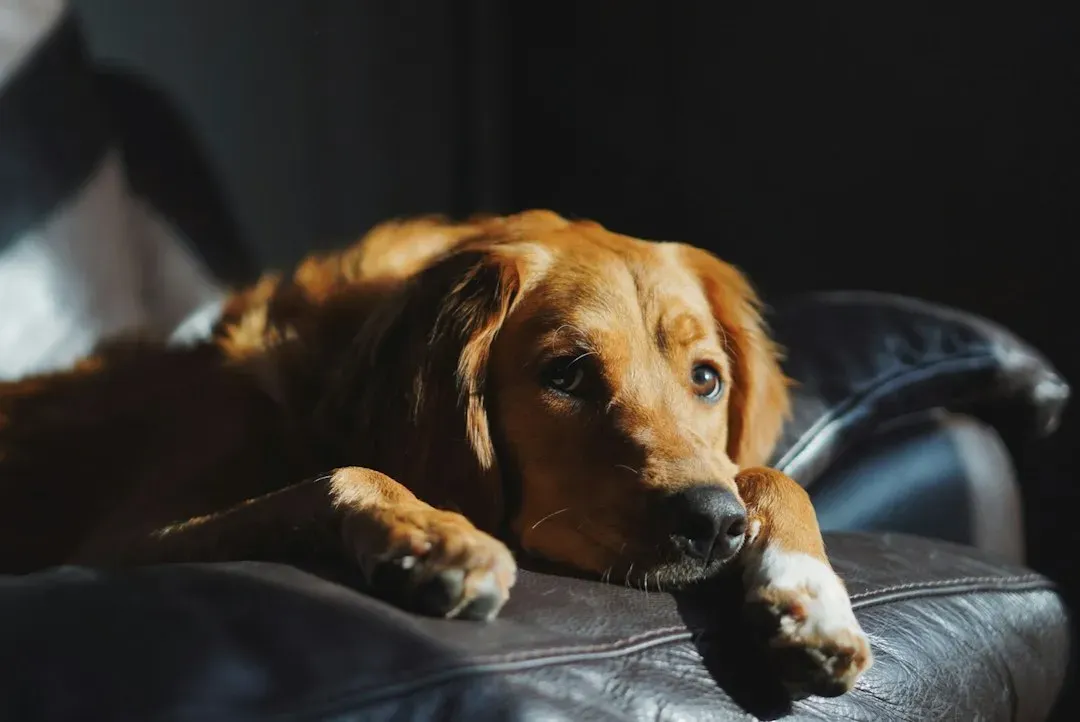
The “Velcro dog” is a running joke, but the pattern is real. A bonded dog often tracks one particular person from room to room. It shifts when you shift, and it settles only after you do.
Not every shadow is about love. Dogs follow for food, routine, and boredom too. If your dog trails you to the kitchen at 5 p.m. and abandons you after dinner, that’s probably the menu talking.
The telling version is different. The dog follows you when nothing is on offer. Researchers treat this kind of proximity-seeking as a core feature of attachment, a framework first built to describe toddlers and their parents. Dogs studied through that lens tend to stay closer to their person than to a stranger.
Quick way to tell the difference:
- Follows only at mealtimes: likely food-motivated
- Follows and then lies down near your feet: likely bond-driven
- Follows you but can’t settle anywhere: may be anxiety
But a dog that can’t settle at all hints at something deeper, which leads into our next entry…
#6 – The Confidence to Explore

🔥 Would you like to save this?
We'll email this post to you, so you can come back to it later!
Your dog is braver because you’re in the room, and a stranger can’t fake that.
Behavior scientists call this the “secure base” effect. A caregiver’s presence gives an individual enough confidence to explore a new environment. Picture a toddler who wanders across the playground only while a parent is watching.
Dogs do the same. In a standard setup, researchers let a dog explore an unfamiliar room with its owner present. Then the dog is left alone, and finally the owner returns. How the dog behaves at each stage shows how much that one person matters.
Quick Compare
- Owner in the room: the dog tends to explore, play, and stay curious.
- Stranger in the room: the dog may hover, hold back, or lose interest in the task.
- Treats from either: accepted happily, but they don’t create the same courage.
The most revealing twist involves problem-solving. When the owner is swapped for a stranger during a challenging task, the dog’s motivation often drops.
That tells us something important. The owner isn’t just a vending machine. A dog will happily take a treat from anyone, but courage is a different currency.
Here’s a controversial opinion. Dragging a nervous dog into a crowded dog park and hoping other people will help is a mistake. Your presence is the part of the plan that does the work.
Next up is a behavior that has nothing to do with courage and everything to do with reading your face…
#5 – The Borrowed Calm
🔥 Would you like to save this?
We'll email this post to you, so you can come back to it later!
Your dog is reading your mood, and most people don’t realize how closely.
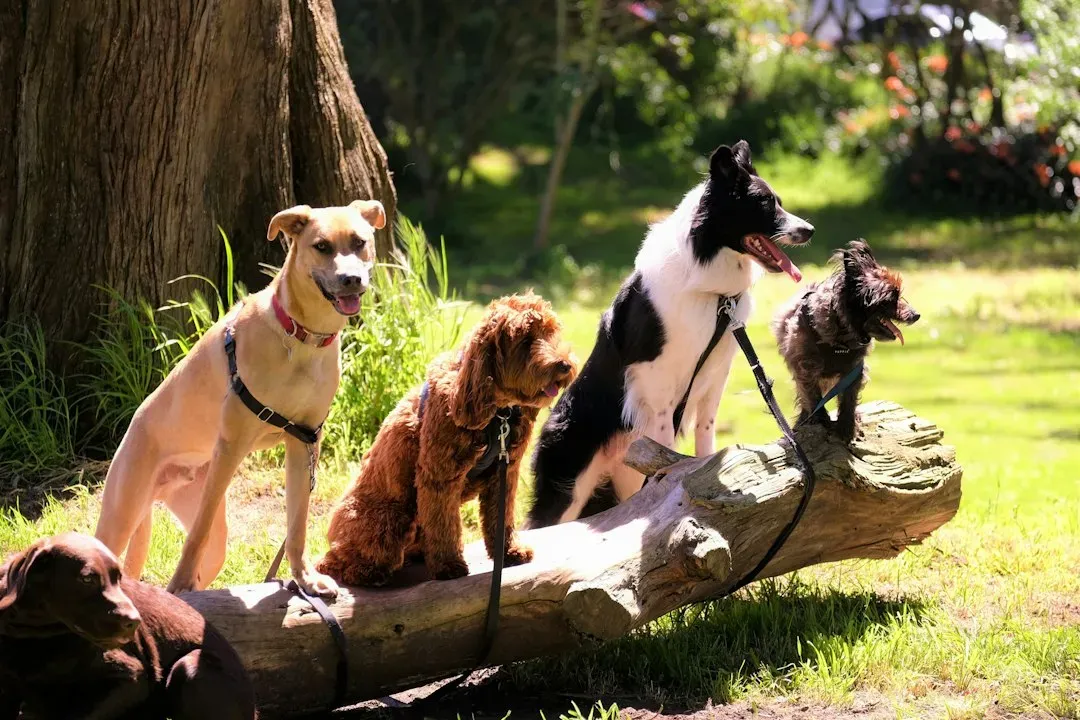
When something strange happens, like a loud noise or an odd object, many dogs look to their person before deciding how to react. Researchers call this social referencing. Studies suggest dogs use an owner’s emotional reaction to guide their own.
There’s also evidence the effect runs deeper than a single moment. A Swedish study of hair cortisol, a long-term stress marker, found that dog and owner stress levels tended to move together across months. Your dog’s stress may literally track yours. The study did not prove which one drives the other.
Practical meaning: your nervous energy travels down the lead. A tense grip and a high, worried voice can tell a dog the situation is dangerous. A relaxed body tells it the opposite.
Here’s our opinion. The anxious, repeated “it’s okay, it’s okay” in a shaky voice does more harm than good. Dogs read the tone, not the words.
But there’s one signal that needs no mood reading at all, just a little contact…

Air Purifiers for Home Pets Large Room Up to 3000 Ft²,HEPA Air Cleaner with Washable Double-Side Filter, PM2.5 Air Quality Monitor,15dB Sleep Mode for Bedroom Odor Dust Pollen,White
Check Price on AmazonAs an Amazon Associate, we earn from qualifying purchases.
10/8/2026 8:23 am GMTi

Halloween Dog Collar with Bow, Orange Cute Ghost Collar,
Check Price on AmazonAs an Amazon Associate, we earn from qualifying purchases.
10/9/2026 2:43 pm GMTi

Earth Rated XL Dog & Puppy Pee Pads, Discreet Top, Max Absorbency
Check Price on AmazonAs an Amazon Associate, we earn from qualifying purchases.
10/7/2026 1:28 pm GMTi

PetSafe Oasys Pet Fountain, 1/2 Gallon (64 oz), Small Dogs & Cats
Check Price on AmazonAs an Amazon Associate, we earn from qualifying purchases.
10/8/2026 8:14 am GMTi

Professional 7 in 1 Dog Paw Cleaner for Dogs & Cats - Includes 1 Portable Paw Washer, 1 Bath Brush
Check Price on AmazonAs an Amazon Associate, we earn from qualifying purchases.
10/7/2026 1:26 pm GMTi
#4 – The Lean, the Nudge, and the Pressed-Against Nap
🔥 Would you like to save this?
We'll email this post to you, so you can come back to it later!
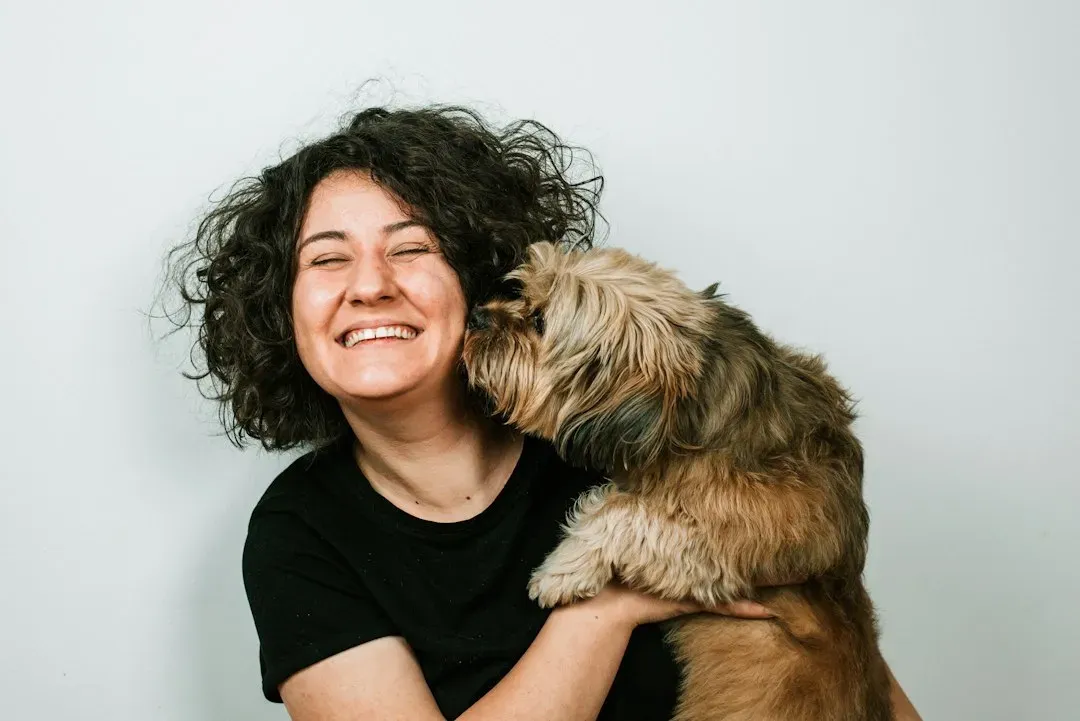
When your dog leans its full weight on you, it’s making a statement.
Leaning, nudging a hand, and sleeping pressed against one person are classic choices a dog makes selectively. A dog may pile onto the sofa with the whole family and still press into only one person.
Researchers haven’t studied the lean itself as thoroughly as they have eye contact. But physical closeness clearly matters in the bond. The landmark 2015 Science study found that owners’ and dogs’ oxytocin levels were affected by the dog’s gaze and by how long the dog was touched.
Signs the contact is a request, not an accident:
- The dog leans in after you stop petting
- It nudges your hand back onto its body
- It chooses the spot against your leg when other spots are free
A fair caution applies. Some dogs simply dislike being touched, and a dog that stays a few feet away isn’t automatically distant. Breed, history, and personality all shape how a dog shows closeness.
Still, nothing tests a bond like what happens when you walk out the door…
#3 – The Reunion Ritual
🔥 Would you like to save this?
We'll email this post to you, so you can come back to it later!
The few seconds after you come home reveal more than anything your dog does all day.
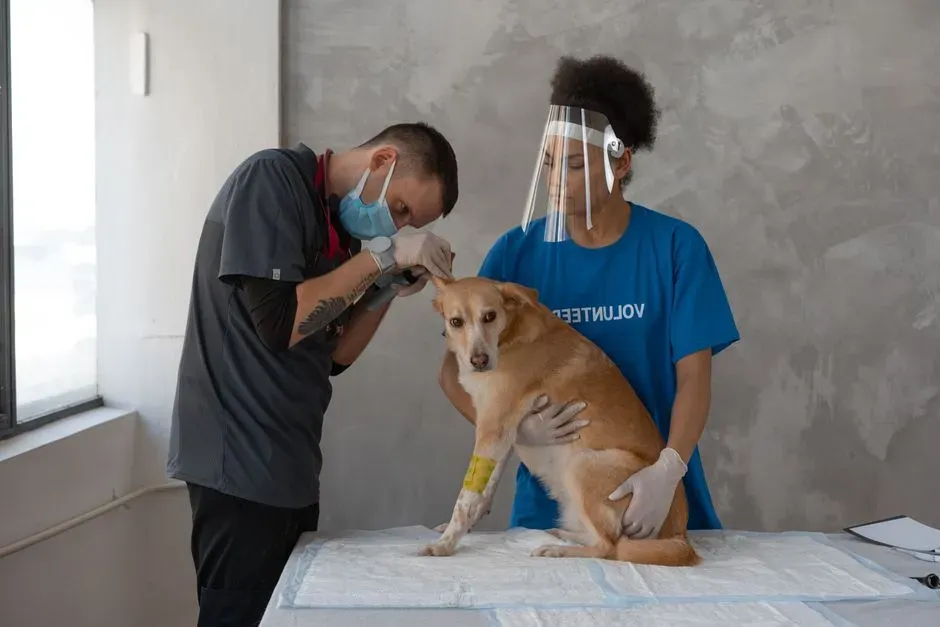
Researchers have borrowed a famous test built for human infants, called the Strange Situation. Hungarian scientists adapted it for dogs in the late 1990s. It has found that dogs show the classic attachment behaviors with their primary human caregivers.
At a Glance: The Strange Situation
- Original purpose: studying how infants bond with caregivers, developed by Mary Ainsworth in the 1970s.
- Dog version: adapted by a Hungarian research team in the late 1990s.
- Core question: does the dog treat its owner differently from a stranger?
- Key moment: how the dog reacts when the owner comes back.
Reunion is a big part of it. Dogs actively seek comfort from their person when that person returns, a behavior long used to judge whether a bond is secure.
The wiggle, the spin, the grabbed toy, and the pressed nose are all part of the same package. Many dogs save their most intense greeting for the one person they’re most attached to, even if five people live in the house.
The four classic attachment behaviors in short:
- Seeking closeness to the person
- Using the person as a safe haven when stressed
- Using the person as a base for exploring
- Showing distress when the person leaves
One caution on the other side. A calm greeting does not mean a weak bond. Some dogs are simply mellow, and some breeds are more reserved. Judge the pattern over weeks, not the volume of one welcome.
But what happens when the person doesn’t come back right away is a harder story…

Halloween Cat Costume Cloak Witch Hat Pet Accessories
Check Price on AmazonAs an Amazon Associate, we earn from qualifying purchases.
10/9/2026 2:44 pm GMTi

Smart Bird Feeder with Camera Solar Powered, 2K HD Live Video, 10,000+ Bird Species AI Identification
Check Price on AmazonAs an Amazon Associate, we earn from qualifying purchases.
10/7/2026 1:22 pm GMTi

Glass Hummingbird Feeder for Outdoors Hanging, 16 oz Leak-Proof Nectar Feeder with Bee Guards & Ant Moat
Check Price on AmazonAs an Amazon Associate, we earn from qualifying purchases.
10/7/2026 1:22 pm GMTi

Glass Hummingbird Feeder for Outdoors Hanging
Check Price on AmazonAs an Amazon Associate, we earn from qualifying purchases.
10/7/2026 1:21 pm GMTi

Dog Stairs for Bed 18" H, 4-Step Dog Steps for High Bed
Check Price on AmazonAs an Amazon Associate, we earn from qualifying purchases.
10/9/2026 2:42 pm GMTi
#2 – The Distress Only You Can Cause (and Cure)
🔥 Would you like to save this?
We'll email this post to you, so you can come back to it later!
Your dog can be comforted by anyone, but only one person truly settles it.
In attachment testing, bonded dogs show distress when their person leaves. They are not easily soothed by a stranger in the owner’s absence.
That second part surprises people. A friendly stranger holding treats usually can’t replace the person a dog is truly attached to. The dog may take the treat, but the stress is still there.
Everyday versions of this look like:
- Waiting at the door long after you’ve left
- Pacing or whining when you pick up your keys
- Ignoring other family members’ attempts to comfort it
Here’s where we’ll push back on a popular idea. Many owners find this behavior flattering and call it proof of love. It isn’t. A dog that panics when left alone is suffering, and that deserves a gentle, structured plan, ideally with a qualified trainer or veterinary behaviorist.
All of that pales next to the one signal that happens in complete silence…
#1 – The Soft Stare
🔥 Would you like to save this?
We'll email this post to you, so you can come back to it later!
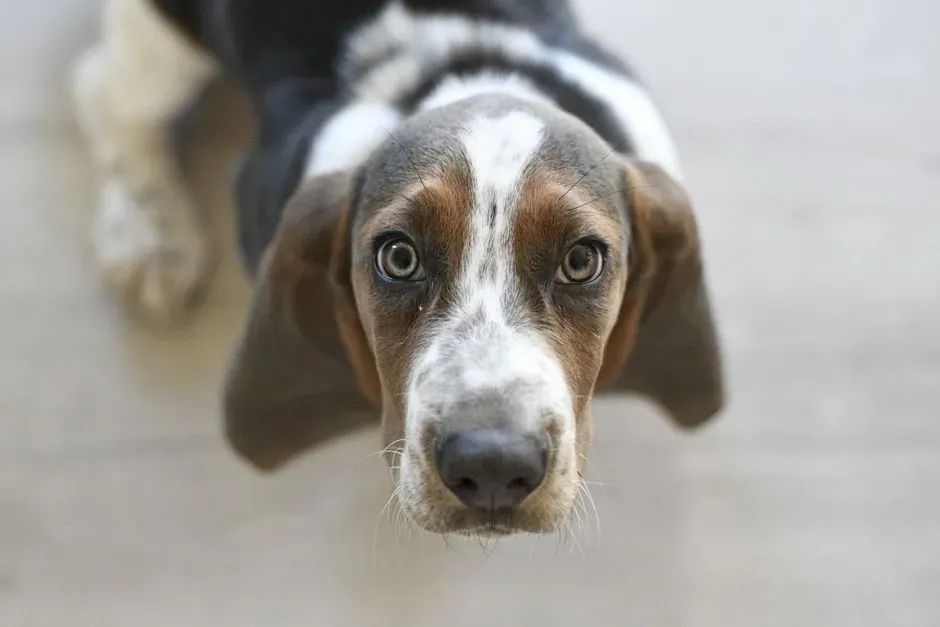
The strongest thing a dog reserves for its person is a look.
In 2015, Japanese researcher Miho Nagasawa and colleagues published a study in Science on eye contact. They found that oxytocin levels can rise when humans pet their dogs or look into their eyes. The loop appears to work both ways. The dog’s gaze raises the owner’s oxytocin, which encourages affectionate behavior, and that in turn raises the dog’s own.

2 Pcs Halloween Pet Hat Bandana Set, Witch Pumpkin Costumes for Dogs
Check Price on AmazonAs an Amazon Associate, we earn from qualifying purchases.
10/9/2026 2:45 pm GMTi

Hand Blown Glass Hummingbird Feeders for Outdoors Hanging, 24oz Wild Bird Nectar Feeder
Check Price on AmazonAs an Amazon Associate, we earn from qualifying purchases.
10/7/2026 1:23 pm GMTi

Orthopedic Extra Large Dog Bed, Waterproof Washable XL Pet Bed 44"
Check Price on AmazonAs an Amazon Associate, we earn from qualifying purchases.
10/7/2026 1:32 pm GMTi

Portable Dog Water Bottle Foldable Dog Travel Water Bottle
Check Price on AmazonAs an Amazon Associate, we earn from qualifying purchases.
10/7/2026 1:29 pm GMTi
Hand-raised wolves didn’t show the same effect. Their gaze did not trigger a comparable oxytocin rise. The researchers suggested dogs evolved a way of looking at people that taps into the same system that bonds parents and infants.
There’s an important caveat. The work involved 30 dog-owner pairs and a small group of wolves, with oxytocin measured in urine rather than the brain. Later studies on dogs and oxytocin have been mixed, so this is a strong clue rather than a settled fact.
Here’s our practical advice. A soft, relaxed gaze is an invitation. A hard, fixed stare at an unfamiliar dog can be read as a threat, so don’t try this with a dog you don’t know.
So what does all of this add up to? Our verdict is that a dog’s love isn’t shown with treats or tricks. It shows up in small, repeated choices: the check-in glance, the shadow, the borrowed courage, the lean, the reunion, and the long soft stare.
The science backs the bond, though not every detail. Later oxytocin studies have been more mixed than the headlines suggest, and we’d rather tell you that than oversell a good story.
We also think too many owners mistake panic for devotion. A truly secure dog can love you and still be fine when you leave. That’s the version of loyalty worth aiming for.
Which of these eight does your dog save only for you, and is there a ninth we missed?

- 8 Things a Dog Reserves Entirely for Its Chosen Adult - November 9, 2026
- 13 Things a Dog Notices About Its Household Before Anybody Speaks. - November 9, 2026
- 19 Cat Behaviours That Appear Only After Months in One Home - November 9, 2026