
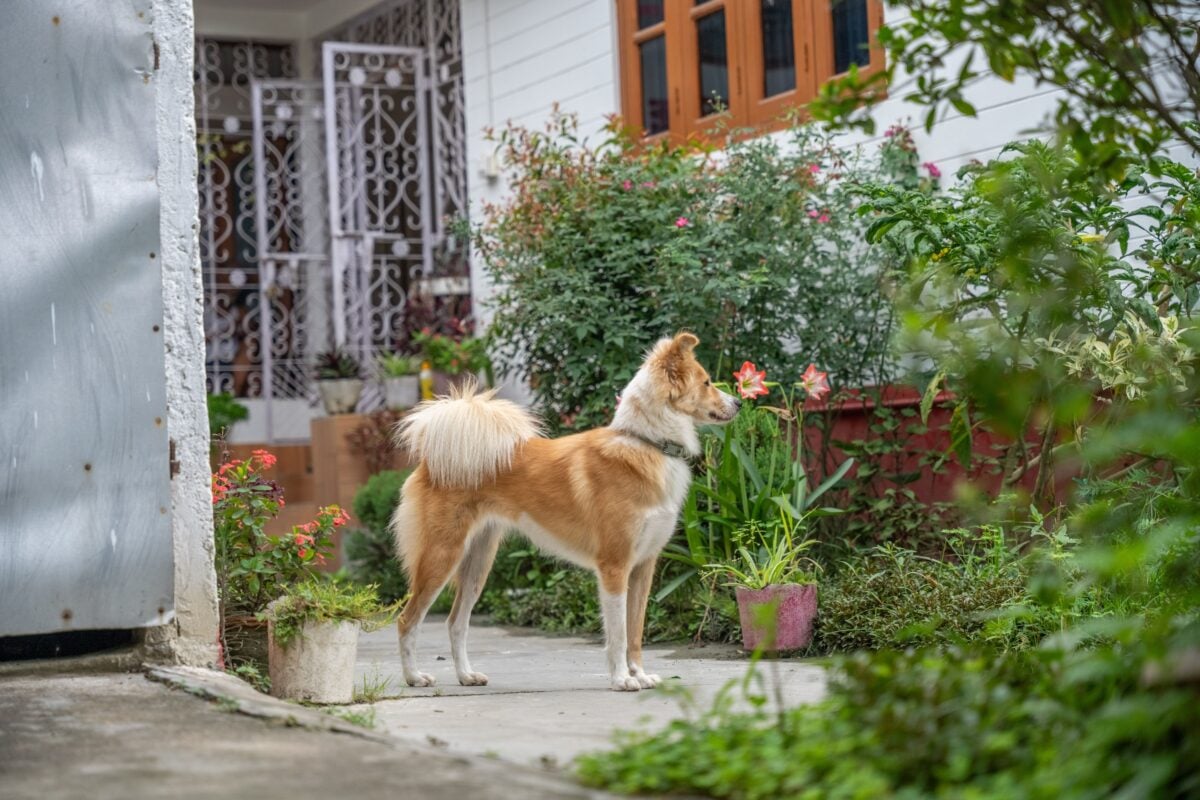
Most people think a wagging tail is the ultimate proof their dog trusts them. It’s actually one of the weaker signals on the list. Real trust in dogs is quieter, and it shows up in places you might walk right past: where your dog sleeps, how they look at you, and what they do when the world gets strange.
Researchers have measured some of these behaviors with sleep electrodes and hormone tests, and vets keep spotting the same patterns in their exam rooms. But a couple of the most beloved “trust signs” on this list come with a catch, and one of them may be the exact thing you’ve been misreading for years. Let’s count down, starting with the habit that looks a lot like bullying.
#8 – Leaning Their Full Weight Into You
🔥 Would you like to save this?
We'll email this post to you, so you can come back to it later!
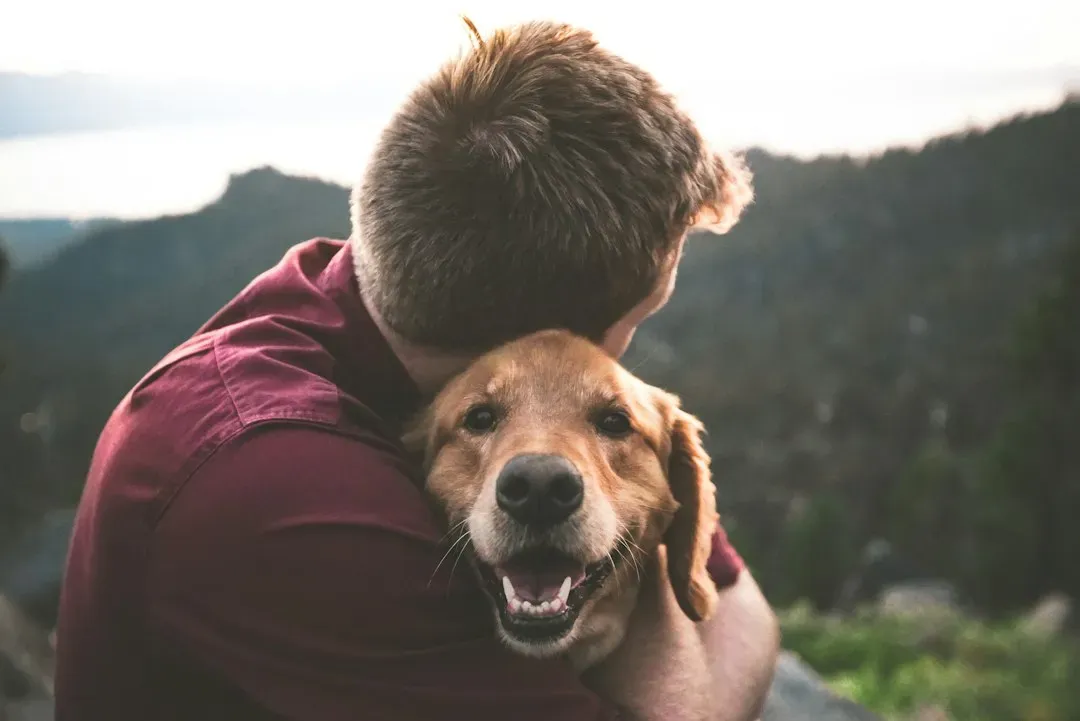
That heavy lean against your legs is not a power move. It’s your dog handing you a piece of their balance.
Picture it: you’re standing at the kitchen counter, and suddenly there’s a warm, solid weight pressed against your shins. Some people still read that as a dominance test. Vet tech Jenna Stregowski says that view is wrong. In most cases, she explains, the dog just wants to be close to you.
Veterinarian Dr. Duncan Houston lists the same behavior among his trust signs. His question is simple: does your dog lean on you or follow you from room to room?
The “dominance” explanation for leaning has no support from the vets and trainers quoted here. It’s an old idea that refuses to die.
Now think about what a lean actually involves. Your dog shifts its weight onto you, which means it can’t bolt quickly. It chooses that anyway. Dogs that feel unsure of a person usually keep their distance, so close contact is a decision, not an accident.
What to look for:
- A loose body, not a stiff one
- Weight that settles into you instead of bracing against you
- A dog that stays put when you shift or move slightly
Context still matters. If the lean comes with trembling, panting, or constant lip-licking, your dog may be asking for reassurance rather than showing relaxed trust. That’s still a sign of trust, because they came to you. But it’s a cue to help, not just pet.
But that’s nothing compared to what your dog does on a walk when something unfamiliar appears, which is #7…
#7 – Checking In With You During Walks
🔥 Would you like to save this?
We'll email this post to you, so you can come back to it later!
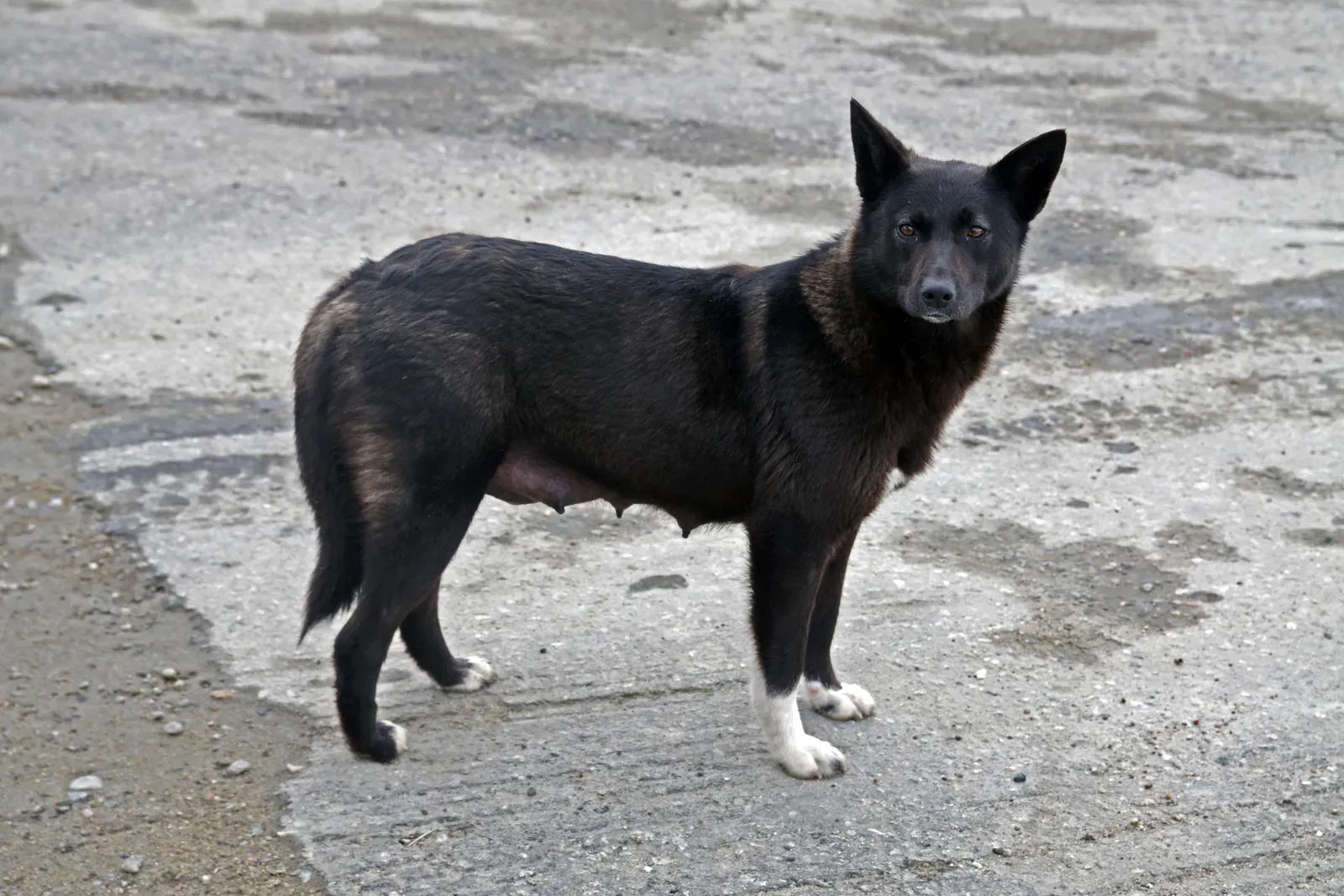
The most telling moment on any walk is the half-second your dog looks back at you.
Vets call this “checking in.” Dr. Aimee Warner says a dog that looks back at you while exploring, or stays close in new situations, trusts your guidance and feels secure.
She adds that a dog who waits by the door, or stops walking to check on you, is attuned to your cues. Dogs that ignore you completely are not necessarily distrustful. But a dog that keeps tabs on you is plugged into you.
Scientists have a name for this: the secure base effect. Dogs use their owners as a secure base, exploring and handling objects more when their owner is with them than when they’re alone.
Strangers don’t offer the same effect. One study found that strangers did not provide a secure base, and that former shelter dogs separated owner from stranger even more sharply than other family dogs.
Why It Stands Out
- It costs your dog almost nothing, yet it gathers real information about you
- It shows up most in new or unsettling situations, when trust matters most
- Strangers don’t trigger the same secure base effect
- It’s a two-way habit: the more steady you are, the more often it happens
In real life, a check-in is often tiny. It might be an ear flick, a glance over the shoulder at a corner, or a quick pause when you fall a few steps behind. Easy to miss, easy to reward.
- Glancing back when the path changes
- Slowing down or stopping when you lag
- Hurrying back to your side after a startle
Here’s the controversial part. Many owners are proud of a dog that never looks back and charges ahead fearlessly. Some trainers would call that confidence. A growing number of behavior experts would call it a missed opportunity, because a dog that checks in is a dog you can actually guide.
And yet the clearest trust signal may not be a behavior at all. It’s your dog’s entire posture, which is #6…
#6 – A Soft, Loose Body Around You
🔥 Would you like to save this?
We'll email this post to you, so you can come back to it later!
Your dog’s posture says more about trust than its tail ever will.
Vets keep returning to the same picture. A dog that trusts you shows a calm, relaxed posture without physical rigidity.
Dr. Warner points to a loose stance, soft eyes, and a gentle wag as signs your dog doesn’t need to stay on high alert near you. Notice the word “gentle.” A fast, stiff wag can mean something very different.
Dr. Houston adds more details to look for:
- Loose, rhythmic tail wags when you enter the room
- Soft ears and loose limbs
- Calm behavior near you even in stressful moments, like thunder or fireworks
That last one is the real test. Anyone can look relaxed on a quiet afternoon. A dog that stays settled beside you when the sky is booming is treating you as its shelter.
The flip side is worth knowing too. Lip-licking when there’s no food around, yawning when they aren’t sleepy, a tucked tail, or showing the whites of their eyes are all common signs of stress. If you see those, the wag is not telling the whole story.
So the “happy tail equals trusting dog” idea is the mistake most owners make. A tail tells you about arousal and mood. The rest of the body tells you whether your dog feels safe.
But a relaxed dog will sometimes do something that looks like pure mischief, and it’s #5…
#5 – Bringing You “Gifts” (Or Stealing Your Socks)
🔥 Would you like to save this?
We'll email this post to you, so you can come back to it later!
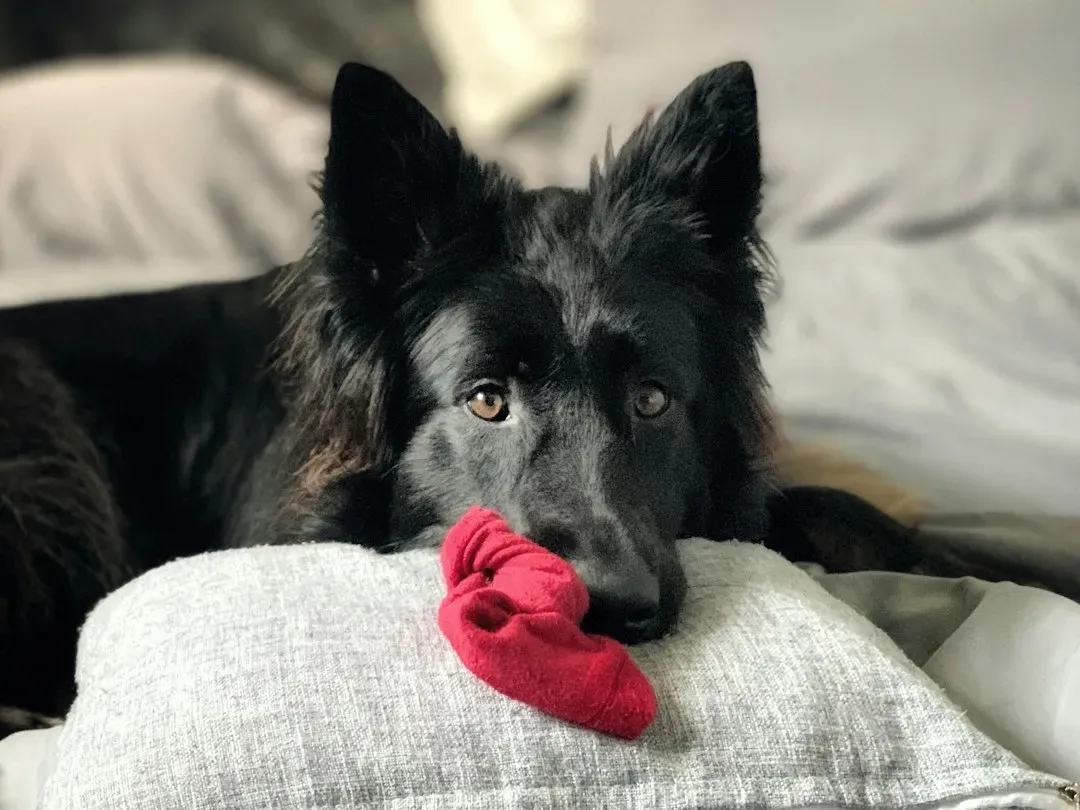
That stolen shoe is not a crime. It’s closer to a compliment.
Dogs bring their people strange offerings. Some drop a favorite toy at your feet to start a game, but others seem to hand over prized possessions as gifts, and veterinarian Dr. David Tittle says this can signal trust.
Vet Dr. Christman makes a similar point about clothing. He says a dog stealing your shoes isn’t trying to annoy you. It’s a sign they like having you around.
Dr. Houston includes bringing you random items, like a leaf or a sock, in his list of hidden trust signs.
Your dog may be choosing your things because they matter, not because they’re easy to grab. A dog’s nose is far more sensitive than ours, so items you’ve worn or touched are, in their world, full of you.
Here’s the part many owners hate to hear. Not every stolen sock is a love letter. Some dogs have learned that grabbing an item starts a chase, and chase is the real prize. If your dog grabs things and then looks at you expectantly, that’s a game, not necessarily a gift.

Orthopedic Extra Large Dog Bed, Waterproof Washable XL Pet Bed 44"
Check Price on AmazonAs an Amazon Associate, we earn from qualifying purchases.
10/7/2026 1:32 pm GMTi

Portable Dog Water Bottle Foldable Dog Travel Water Bottle
Check Price on AmazonAs an Amazon Associate, we earn from qualifying purchases.
10/7/2026 1:29 pm GMTi

Hand Blown Glass Hummingbird Feeders for Outdoors Hanging, 24oz Wild Bird Nectar Feeder
Check Price on AmazonAs an Amazon Associate, we earn from qualifying purchases.
10/7/2026 1:23 pm GMTi

Glass Hummingbird Feeder for Outdoors Hanging, 16 oz Leak-Proof Nectar Feeder with Bee Guards & Ant Moat
Check Price on AmazonAs an Amazon Associate, we earn from qualifying purchases.
10/7/2026 1:22 pm GMTi

Glass Hummingbird Feeder for Outdoors Hanging
Check Price on AmazonAs an Amazon Associate, we earn from qualifying purchases.
10/7/2026 1:21 pm GMTi
Quick Compare
- A gift: carried toward you, with the dog staying close and loose in the body
- A chase invitation: snatch, glance back, then dart away
The best way to tell the difference is the delivery. A gift is usually brought to you, and the dog stays near. A grab-and-run is an invitation to chase.
But the next habit is the one you see every single day, and almost nobody gives it credit. It’s #4…
#4 – Staying Calm When You Walk Out the Door
🔥 Would you like to save this?
We'll email this post to you, so you can come back to it later!
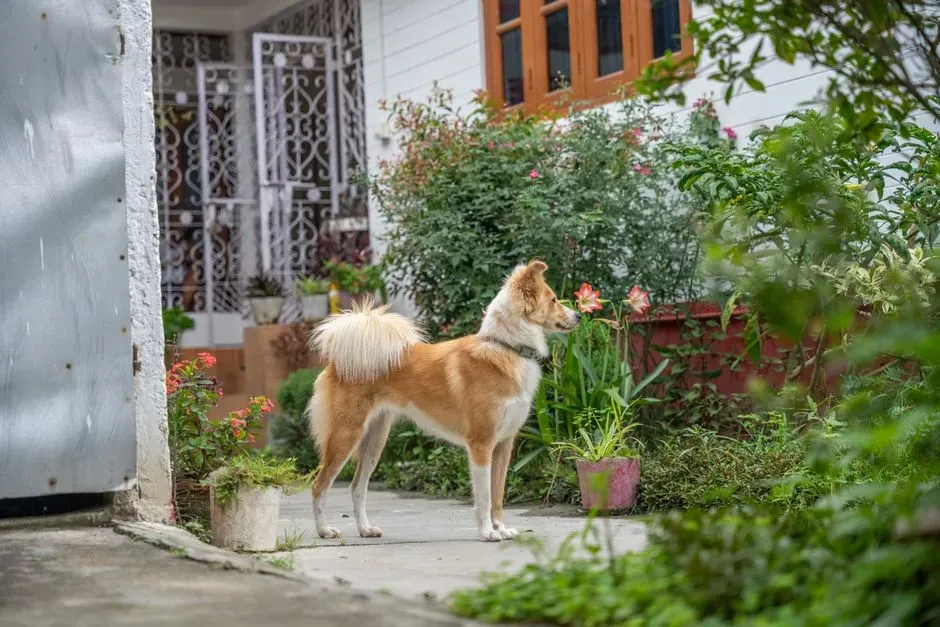
The proof of trust isn’t how your dog greets you. It’s how they cope when you’re gone.
Dogs that trust you have learned something important about you: you come back. A dog who trusts you understands you’ll return and can relax while you’re away.
Routine is part of that. Dr. Christman says a shared routine can strengthen the bond, because your dog knows it can rely on you. They expect you to keep your side of the deal on feeding, walks, and engagement.
Your dog is quietly keeping score on whether you’re predictable. Regular meals, walks, and attention teach them what the day will look like.
Here’s where owners get confused:
- Mild sadness when you leave is normal. All dogs may show some, but extreme anxiety or destructive behavior suggests trust issues or insecurity.
- Intense distress is a different issue. If a dog panics, cries, and acts destructively when you leave, it’s most likely separation anxiety, and you should consult your veterinarian.
That second point matters because many people treat a clingy dog as the ultimate proof of love. A dog that can’t cope alone isn’t showing extra trust. It’s showing distress.
There’s one more small sign here. If you accidentally step on a paw or bump your dog, a trusting dog quickly forgives you and goes back to normal.
But the next behavior is the one everyone points to first, and most people read it wrong. It’s #3…
#3 – Rolling Over to Show You Their Belly
🔥 Would you like to save this?
We'll email this post to you, so you can come back to it later!
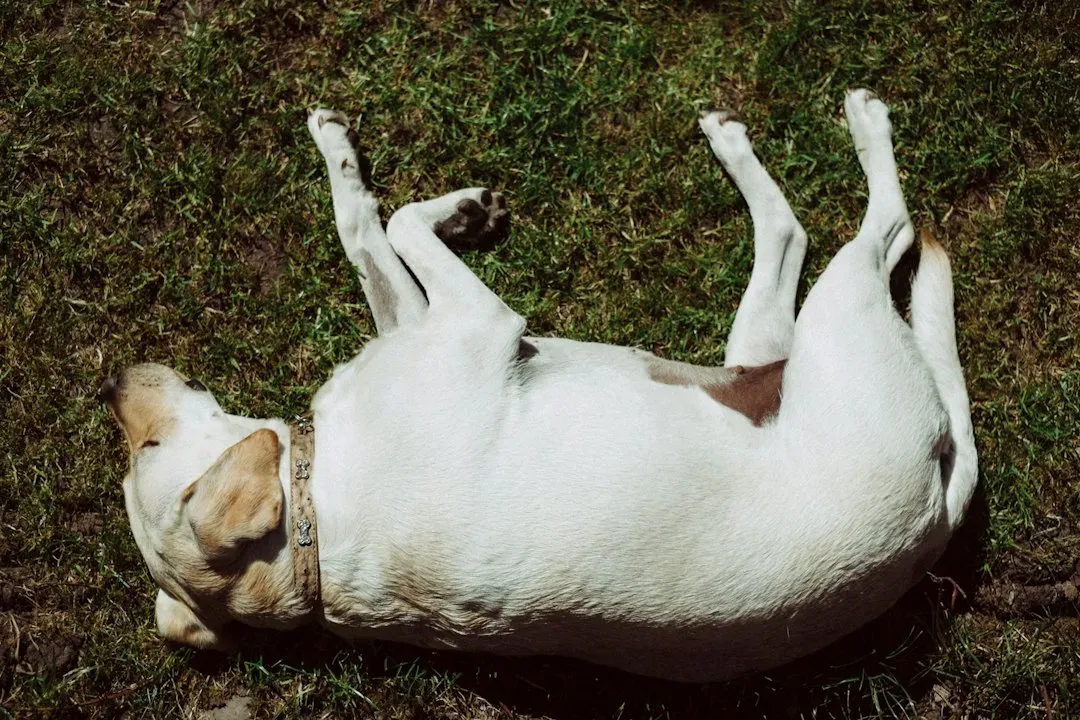
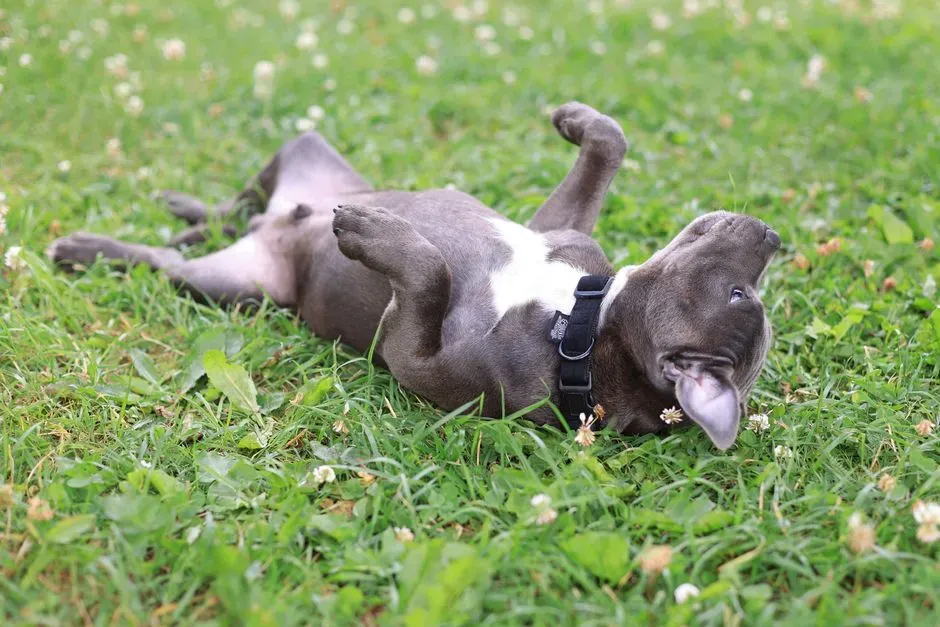
The belly flop is the most famous trust signal in dogs, and it’s also the most misunderstood.
The logic is straightforward. The belly is one of a dog’s most vulnerable areas, so rolling onto their back in your presence suggests they trust you enough to expose it.
Some sources add a layer. One describes the roll as a submissive gesture and recognition of your authority, as if the dog is saying you’re in charge and they trust you not to hurt them.
Dr. Humm-Beatty says showing the belly or offering a paw shows your dog trusts and respects you.
Rolling over can mean two very different things. It can be a relaxed invitation, or it can be a way of calming a tense situation.
At a Glance
- The relaxed roll: wiggly, loose body with soft eyes
- The tense roll: stiff or tucked, often an attempt to defuse the moment
- The rule: read the whole body, not just the flop
Here’s my honest take: the belly rub is overrated as a trust test. Many owners see the roll and immediately dive in. Some dogs weren’t asking for a rub at all. They were just comfortable, or hoping to defuse something.
Watch the rest of the body. A wiggly, loose dog with soft eyes is relaxed. A stiff, tucked, or tense roll is a different message.
But the next habit isn’t about what your dog does while awake. It’s about what happens when they’re most defenseless, which is #2…

Air Purifiers for Home Pets Large Room Up to 3000 Ft²,HEPA Air Cleaner with Washable Double-Side Filter, PM2.5 Air Quality Monitor,15dB Sleep Mode for Bedroom Odor Dust Pollen,White
Check Price on AmazonAs an Amazon Associate, we earn from qualifying purchases.
10/8/2026 8:23 am GMTi

Professional 7 in 1 Dog Paw Cleaner for Dogs & Cats - Includes 1 Portable Paw Washer, 1 Bath Brush
Check Price on AmazonAs an Amazon Associate, we earn from qualifying purchases.
10/7/2026 1:26 pm GMTi

Earth Rated XL Dog & Puppy Pee Pads, Discreet Top, Max Absorbency
Check Price on AmazonAs an Amazon Associate, we earn from qualifying purchases.
10/7/2026 1:28 pm GMTi

PetSafe Oasys Pet Fountain, 1/2 Gallon (64 oz), Small Dogs & Cats
Check Price on AmazonAs an Amazon Associate, we earn from qualifying purchases.
10/8/2026 8:14 am GMTi

2 Pcs Halloween Pet Hat Bandana Set, Witch Pumpkin Costumes for Dogs
Check Price on AmazonAs an Amazon Associate, we earn from qualifying purchases.
10/9/2026 2:45 pm GMTi
#2 – Choosing to Sleep Near You
🔥 Would you like to save this?
We'll email this post to you, so you can come back to it later!
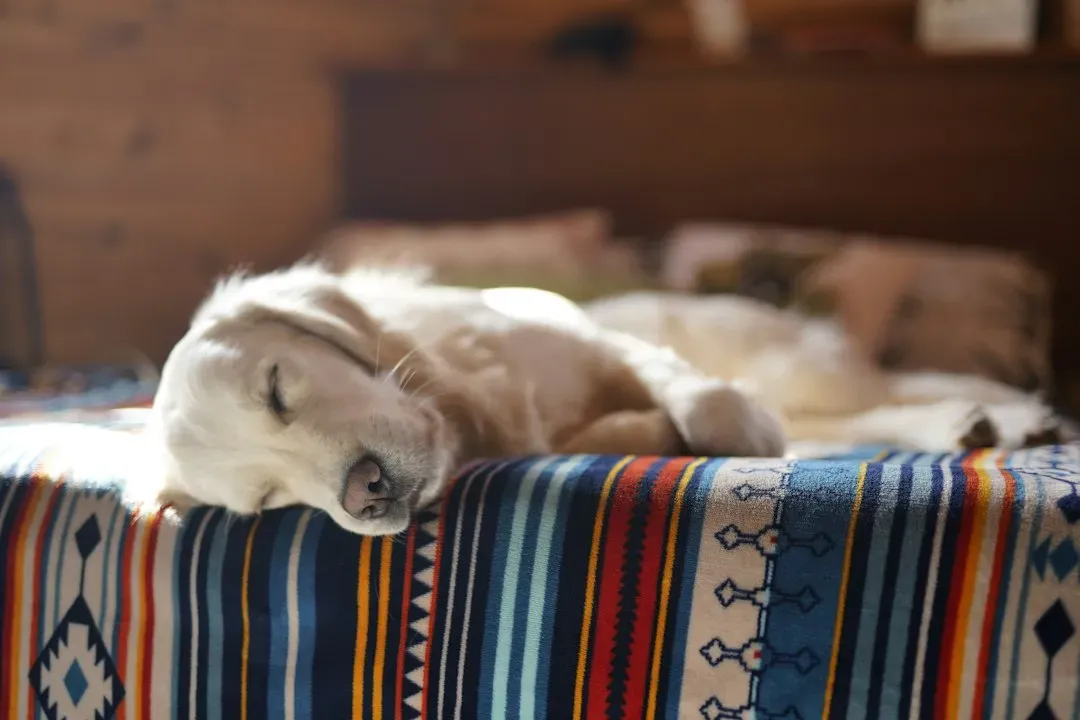
A sleeping dog is helpless, which makes where they nap the ultimate vote of confidence.
Experts say the logic is simple. Sleep is when a dog is most vulnerable, and dogs pick spots they consider safe, so choosing to sleep beside you is one of the clearer signs you’re their secure base.
There’s actual lab evidence. Researchers at Eötvös Loránd University had dogs nap with their owners in an unfamiliar place, the university’s sleep lab, using a non-invasive EEG similar to the kind used in humans.
Dogs more strongly attached to their owners spent more time in deep sleep. That’s known as the most relaxing sleep phase. The lead author’s reading was that the owner provides a more secure environment, so those dogs can relax.
Another measure fits that story. Dogs with higher attachment scores had lower alpha power in non-REM sleep, which the researchers read as the owner buffering the stress of sleeping in an unfamiliar place.
Now for the opinion that may annoy some readers: your bed isn’t required. Dr. Christman says choosing to sleep in the same space as you is a big sign of trust. The same room counts, and one source points out that proximity matters, but your dog doesn’t have to be in your bed.
But the strongest habit of all doesn’t involve touch, sleep, or even moving. It’s something your dog does with just their eyes, and it’s #1…
#1 – Holding a Soft, Steady Gaze
🔥 Would you like to save this?
We'll email this post to you, so you can come back to it later!
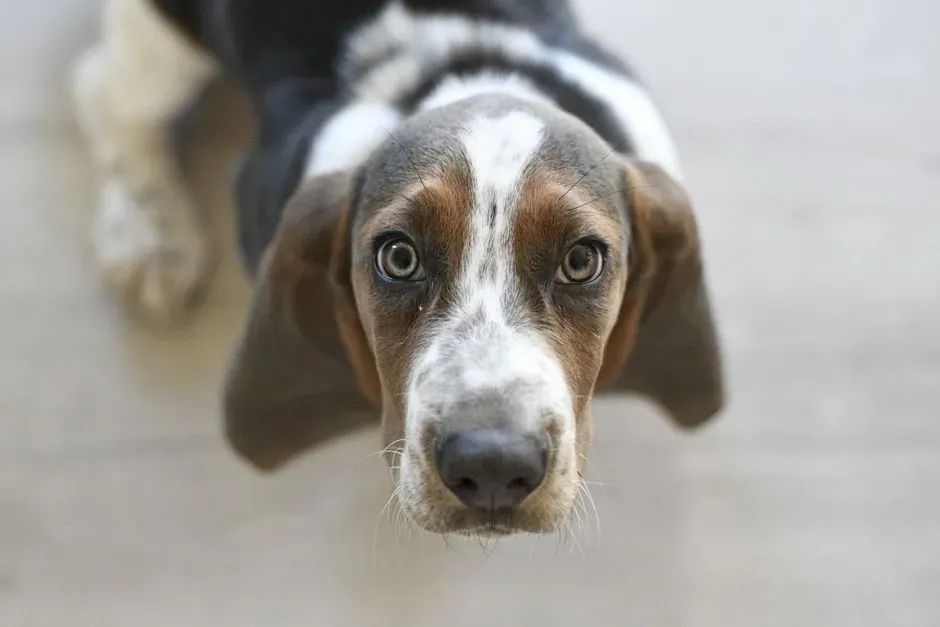
When your dog looks into your eyes, something measurable happens in both of you.
Vets already treat eye contact as a simple trust check. Dr. Christman says that when your dog gives you “that look,” you have a very strong trusting bond.
The science goes deeper. In one experiment, researchers collected urine from 30 dog-and-owner pairs before and after a 30-minute interaction. Owners whose dogs gazed the most had a notable increase in oxytocin.
Wolves didn’t show the same effect. A prolonged gaze increased oxytocin in dogs but not in hand-raised pet wolves. The researchers suggested that gazing evolved as a way of communicating with humans during domestication.
The proposed result is a loop. The dog’s gaze raises the owner’s oxytocin, the owner interacts more, and that boosts oxytocin in the dog.

Dog Stairs for Bed 18" H, 4-Step Dog Steps for High Bed
Check Price on AmazonAs an Amazon Associate, we earn from qualifying purchases.
10/9/2026 2:42 pm GMTi

Smart Bird Feeder with Camera Solar Powered, 2K HD Live Video, 10,000+ Bird Species AI Identification
Check Price on AmazonAs an Amazon Associate, we earn from qualifying purchases.
10/7/2026 1:22 pm GMTi

Halloween Cat Costume Cloak Witch Hat Pet Accessories
Check Price on AmazonAs an Amazon Associate, we earn from qualifying purchases.
10/9/2026 2:44 pm GMTi

Halloween Dog Collar with Bow, Orange Cute Ghost Collar,
Check Price on AmazonAs an Amazon Associate, we earn from qualifying purchases.
10/9/2026 2:43 pm GMTi
Fast Facts
- The experiment involved 30 dog-and-owner pairs
- Each pair had a 30-minute interaction, with urine samples taken before and after
- Longer gazing went with a rise in oxytocin in owners
- Hand-raised pet wolves didn’t show the same oxytocin boost
It’s worth being honest about the limits here. A 2019 review urged caution and concluded that the dog-owner oxytocin story is more complex than a single gaze pathway. Other researchers argued that concluding the loop co-evolved during domestication was premature. So the safest reading is that gaze and bonding clearly go together, but the exact mechanism is still debated.
Trust isn’t one dramatic gesture. It’s a pattern of small, voluntary choices: leaning in, checking back, relaxing, sharing socks, coping alone, exposing a belly, sleeping nearby, and holding your gaze.
Our opinion? Eye contact and sleeping near you are the most reliable of the eight, while the belly roll and the wagging tail are the most overrated. They’re easy to misread without the rest of the body language.
If your dog shows even three of these regularly, you’ve earned something that can’t be faked. Which of these did your dog show first: the lean, the stolen sock, or the long stare?

- 8 Dog Habits That Mean Total Trust - November 8, 2026
- 14 Memories a Rescued Dog Carries for Life - November 8, 2026
- 9 Things a Dog Remembers About a Person It Rarely Sees Now - November 8, 2026