
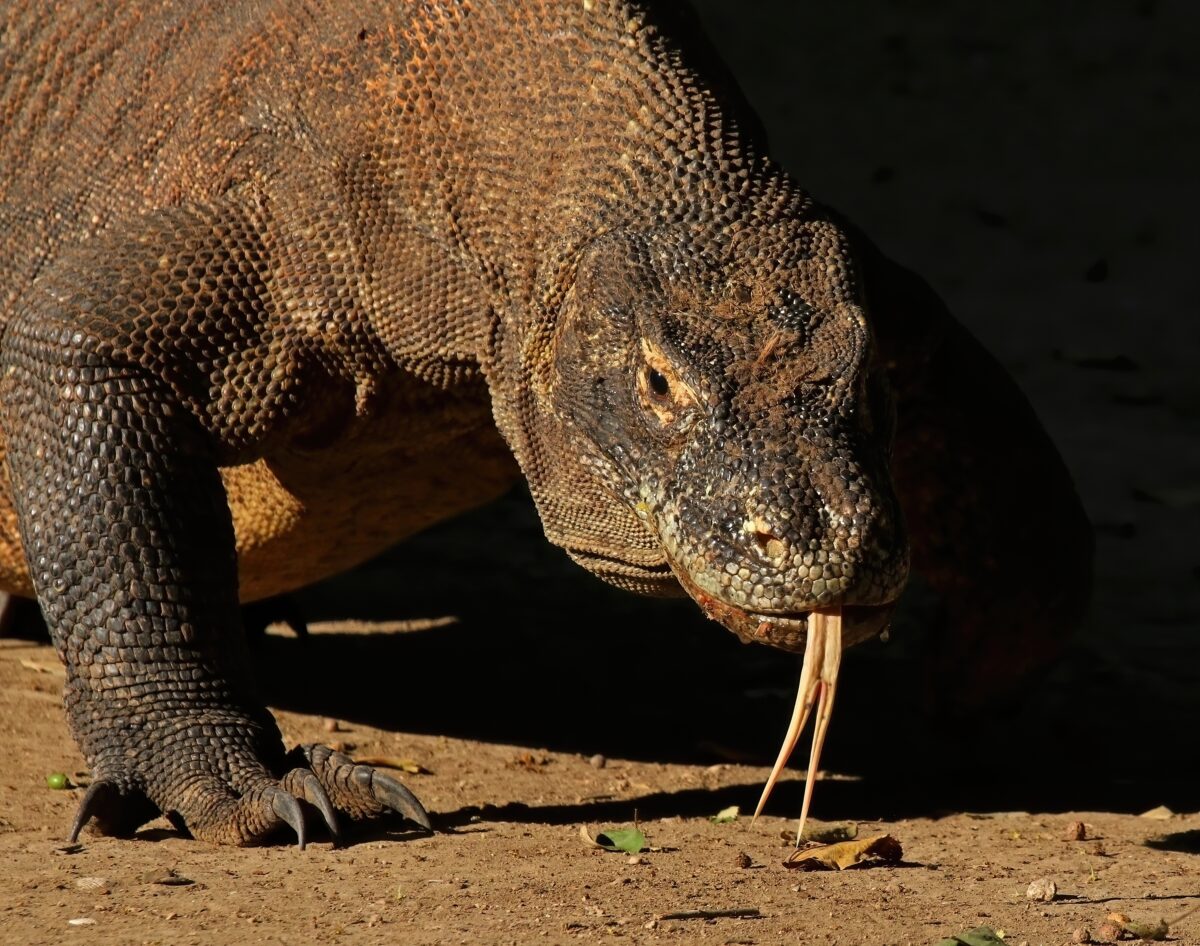


Komodo dragons stand out as the largest lizards alive today, and their reproductive habits include a twist that still surprises researchers and wildlife enthusiasts alike. Females can produce viable offspring even when no male is present, a process known as parthenogenesis that allows isolated individuals to keep the species going.
This ability ties directly into their island habitats and unique biology, offering a window into how these reptiles adapt when conditions limit traditional mating. The details reveal a precise set of mechanisms that make it possible.
8. The Initial Discovery in Captive Settings
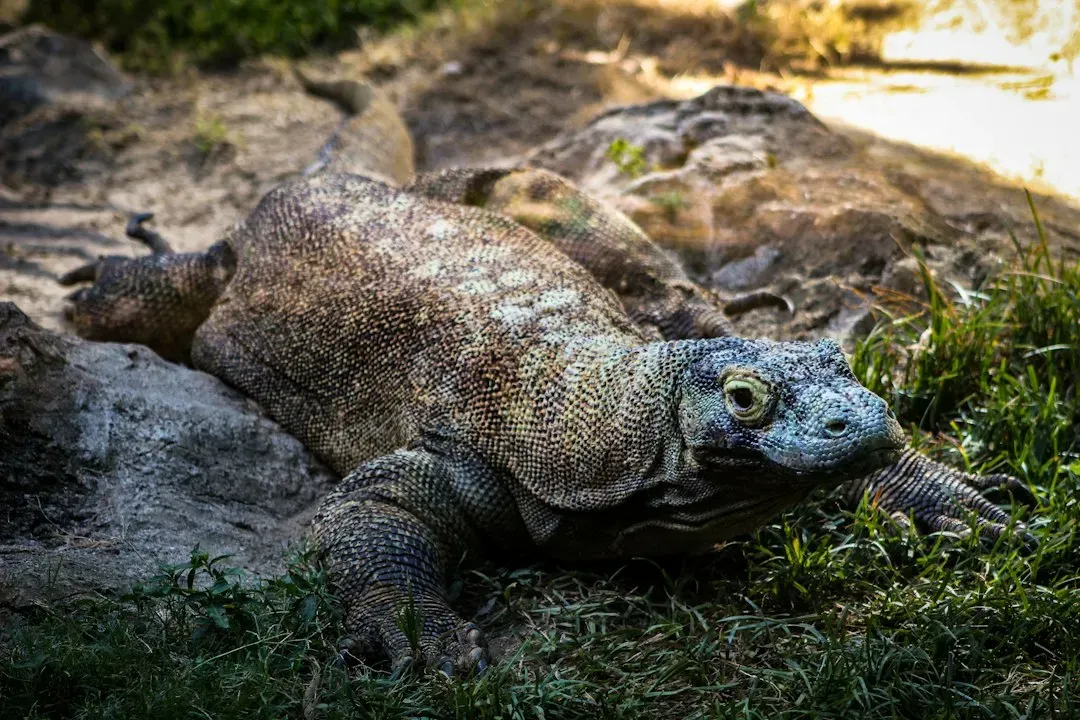
Scientists first confirmed parthenogenesis in Komodo dragons through careful observation of two females kept apart from males in European zoos. Genetic testing on the eggs and hatchlings showed no contribution from any father, ruling out stored sperm or other explanations.
These cases emerged around the mid 2000s and prompted a fresh look at how the species handles reproduction when populations are small or fragmented. The findings established that the process occurs reliably enough to produce healthy young under the right circumstances.
7. Reliance on Terminal Fusion Automixis
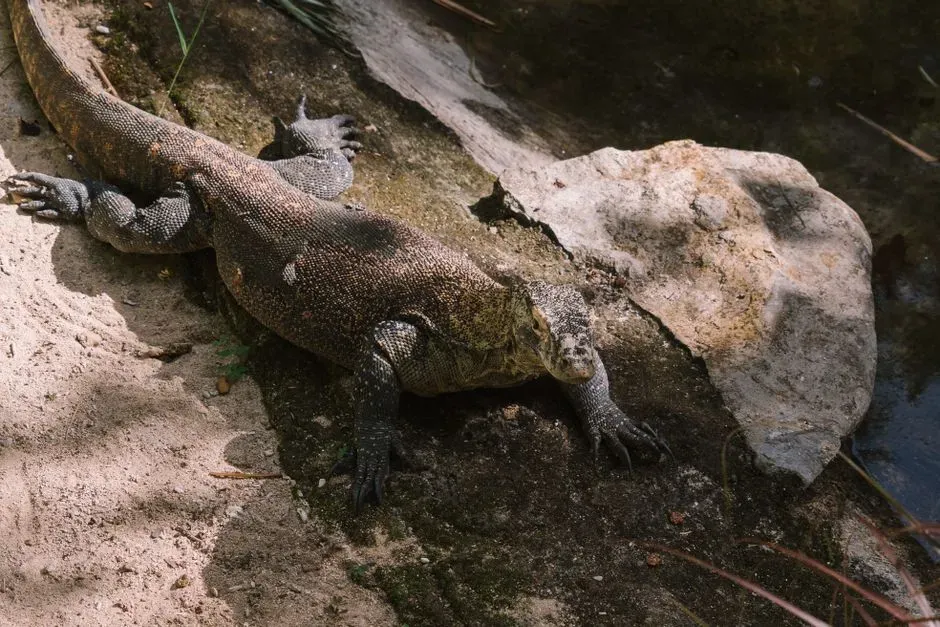
Komodo dragon eggs develop through a specific form of automixis where the egg cell fuses with a polar body produced during meiosis. This step effectively doubles the maternal chromosomes to create a full set without any external genetic input from a male.
The mechanism ensures the embryo receives two copies of the mother’s genetic material in a structured way. It differs from simple cloning because the fusion process shuffles certain elements, leading to offspring that carry reduced but still functional genetic variation.
6. The ZW Sex Determination System at Work
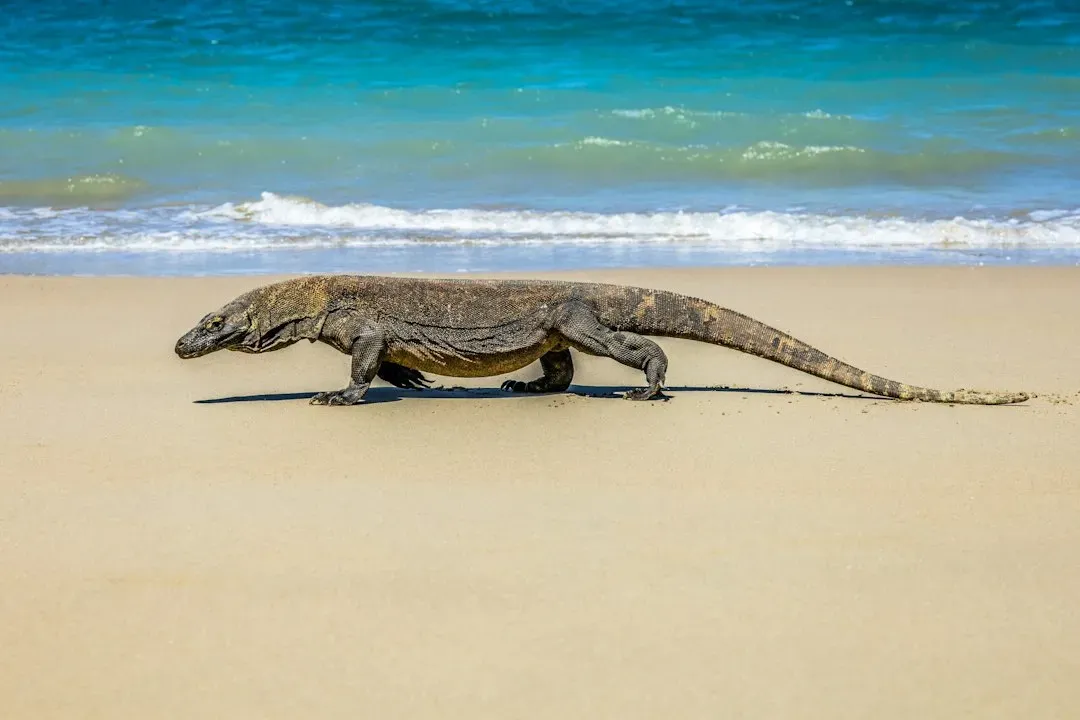
Unlike mammals with XX and XY chromosomes, Komodo dragons use a ZW system where females carry one Z and one W chromosome while males carry two Z chromosomes. During parthenogenesis, eggs that end up with two Z chromosomes develop into males.
Eggs that would produce two W chromosomes typically fail to develop, which explains why all documented parthenogenetic offspring turn out male. This built in filter shapes the outcome of reproduction without a mate and keeps the process viable for the species.
5. Production of Only Male Offspring
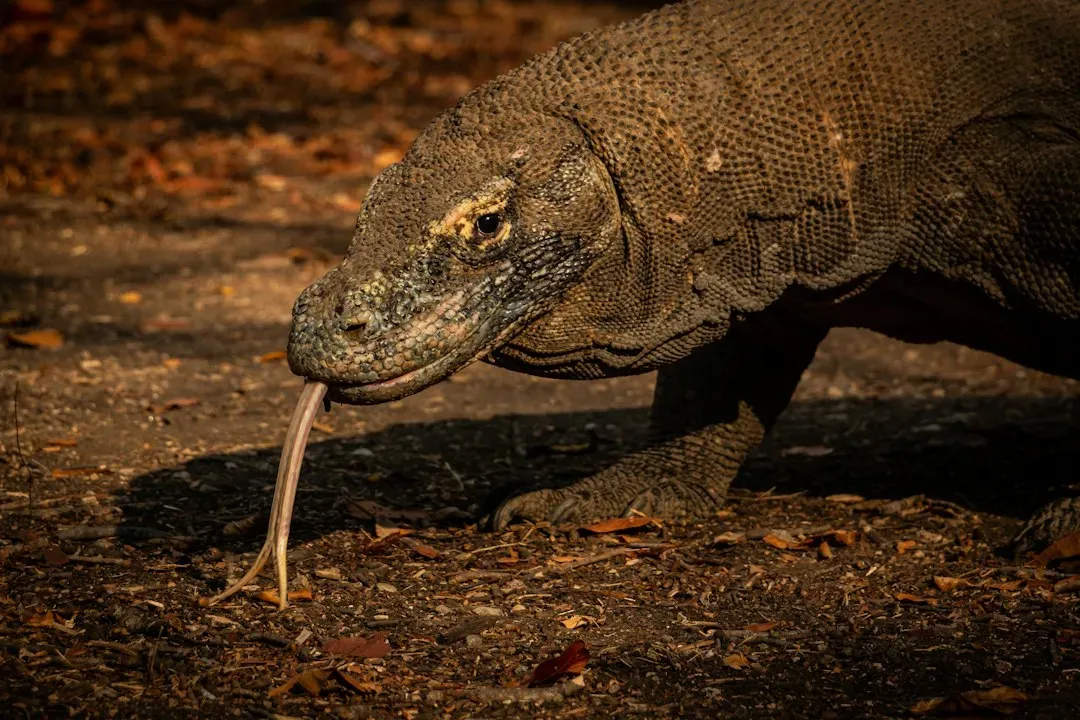
Every verified case of parthenogenesis in Komodo dragons has resulted in male hatchlings. The chromosomal rules make female offspring impossible through this route alone.
Those males grow to maturity and can later mate with their mother or other females, restoring the possibility of mixed sex offspring in the next generation. This pattern gives isolated females a practical way to establish a breeding population over time.
Halloween Dog Collar with Bow, Orange Cute Ghost Collar,
Check Price on AmazonAs an Amazon Associate, we earn from qualifying purchases.
10/9/2026 2:43 pm GMTi

Smart Bird Feeder with Camera Solar Powered, 2K HD Live Video, 10,000+ Bird Species AI Identification
Check Price on AmazonAs an Amazon Associate, we earn from qualifying purchases.
10/7/2026 1:22 pm GMTi

Halloween Cat Costume Cloak Witch Hat Pet Accessories
Check Price on AmazonAs an Amazon Associate, we earn from qualifying purchases.
10/9/2026 2:44 pm GMTi
PetSafe Oasys Pet Fountain, 1/2 Gallon (64 oz), Small Dogs & Cats
Check Price on AmazonAs an Amazon Associate, we earn from qualifying purchases.
10/8/2026 8:14 am GMTi

Dog Stairs for Bed 18" H, 4-Step Dog Steps for High Bed
Check Price on AmazonAs an Amazon Associate, we earn from qualifying purchases.
10/9/2026 2:42 pm GMTi
4. Offspring That Are Not Exact Clones
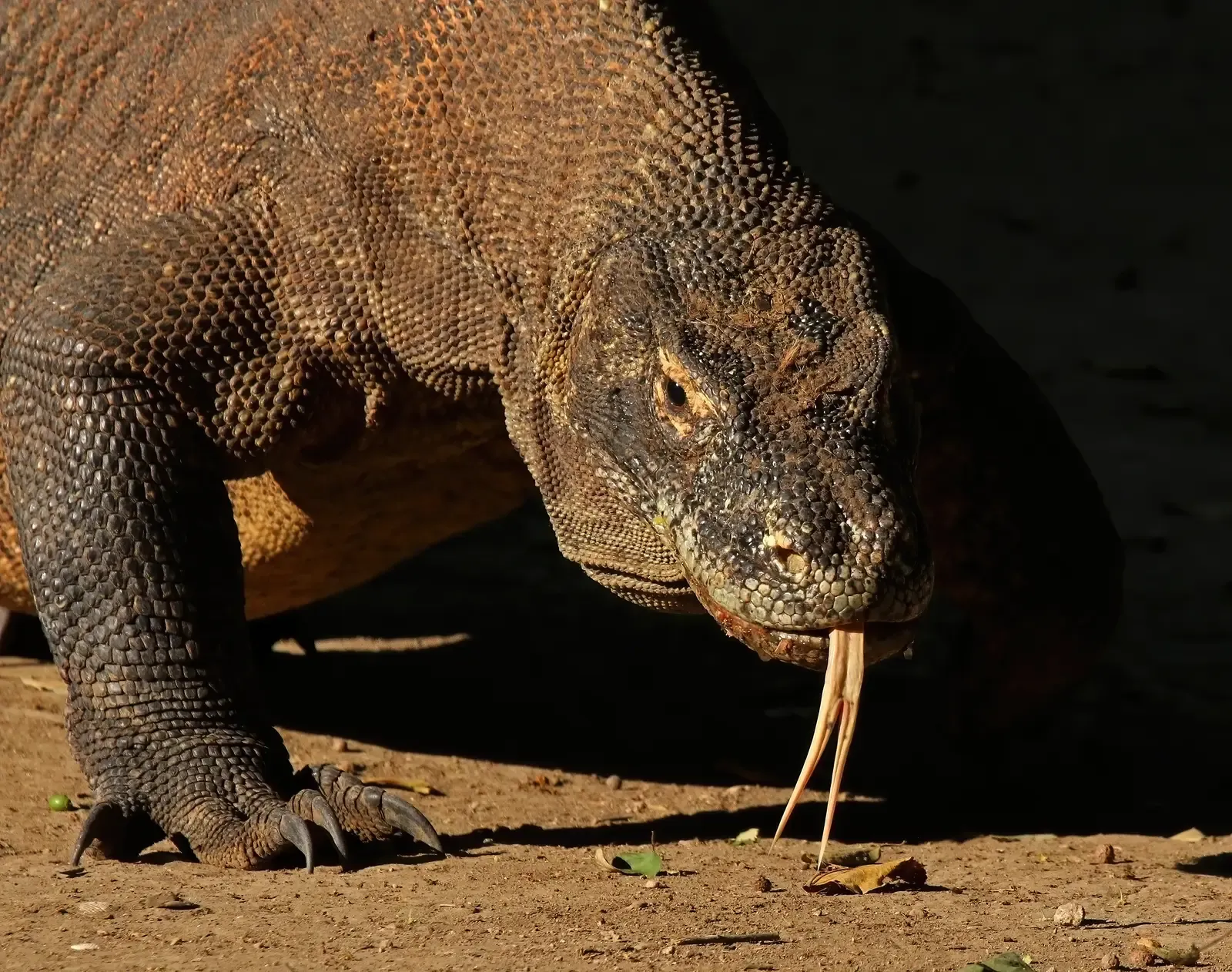
Although the young inherit all their DNA from the mother, they are not identical copies of her. The fusion process during egg development creates homozygosity at many gene locations, reducing overall diversity compared with sexually produced young.
Genetic analyses have shown that the hatchlings share roughly half the heterozygosity of their mother. This outcome still produces healthy individuals capable of normal growth and eventual reproduction, demonstrating that the method works despite the genetic narrowing.
3. An Adaptation for Island Isolation
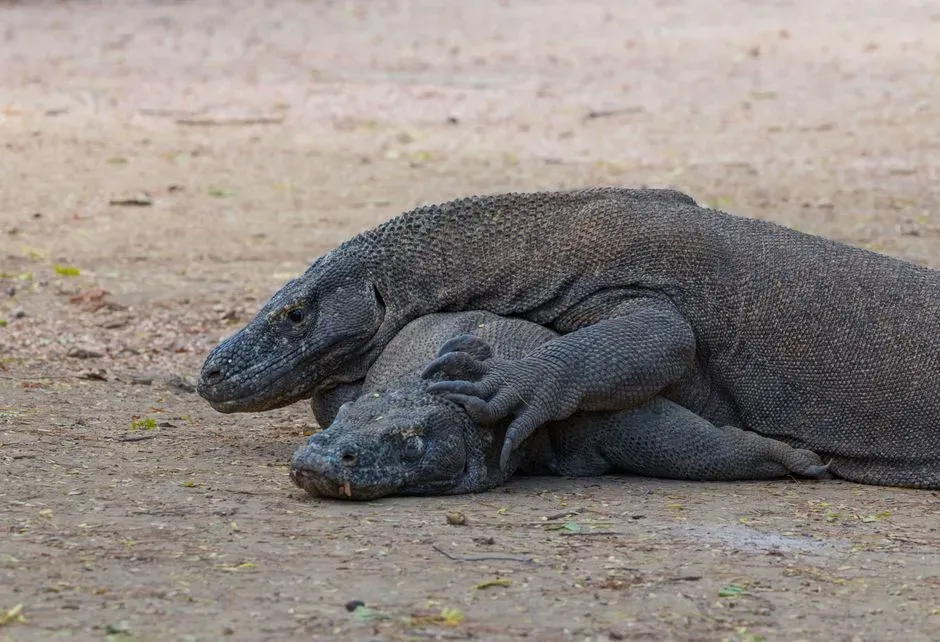
Komodo dragons live across scattered islands in Indonesia where a single female might find herself without nearby males for extended periods. Parthenogenesis provides a backup strategy that prevents local extinction in such situations.
Researchers note that this flexibility likely evolved because storms or other events can separate individuals across water barriers. A lone female can then generate sons who eventually serve as mates, helping the lineage persist until new genetic input arrives from elsewhere.

Glass Hummingbird Feeder for Outdoors Hanging, 16 oz Leak-Proof Nectar Feeder with Bee Guards & Ant Moat
Check Price on AmazonAs an Amazon Associate, we earn from qualifying purchases.
10/7/2026 1:22 pm GMTi

Hand Blown Glass Hummingbird Feeders for Outdoors Hanging, 24oz Wild Bird Nectar Feeder
Check Price on AmazonAs an Amazon Associate, we earn from qualifying purchases.
10/7/2026 1:23 pm GMTi

Earth Rated XL Dog & Puppy Pee Pads, Discreet Top, Max Absorbency
Check Price on AmazonAs an Amazon Associate, we earn from qualifying purchases.
10/7/2026 1:28 pm GMTi

Professional 7 in 1 Dog Paw Cleaner for Dogs & Cats - Includes 1 Portable Paw Washer, 1 Bath Brush
Check Price on AmazonAs an Amazon Associate, we earn from qualifying purchases.
10/7/2026 1:26 pm GMTi

Air Purifiers for Home Pets Large Room Up to 3000 Ft²,HEPA Air Cleaner with Washable Double-Side Filter, PM2.5 Air Quality Monitor,15dB Sleep Mode for Bedroom Odor Dust Pollen,White
Check Price on AmazonAs an Amazon Associate, we earn from qualifying purchases.
10/8/2026 8:23 am GMTi
2. Rarity Among Vertebrates Overall
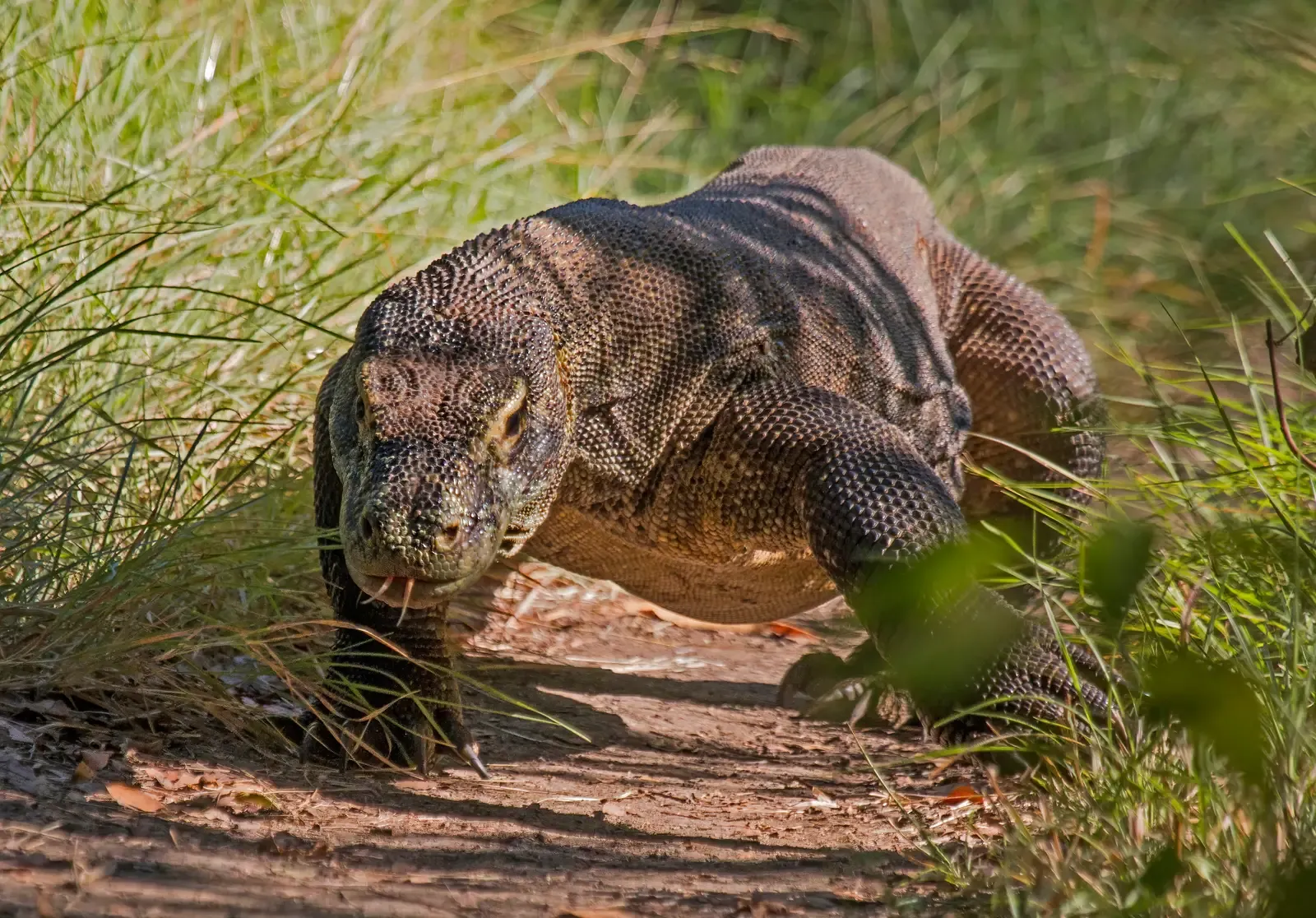
Parthenogenesis remains uncommon across backboned animals, appearing in only a small fraction of the roughly 70 known vertebrate species that can manage it. Most examples occur in certain lizards, snakes, and a few fish or amphibians.
Komodo dragons represent one of the largest and most complex vertebrates documented using the process. Their success with it highlights how even top predators in their ecosystem can rely on this unusual reproductive option when needed.
1. Practical Effects on Captive Breeding Programs
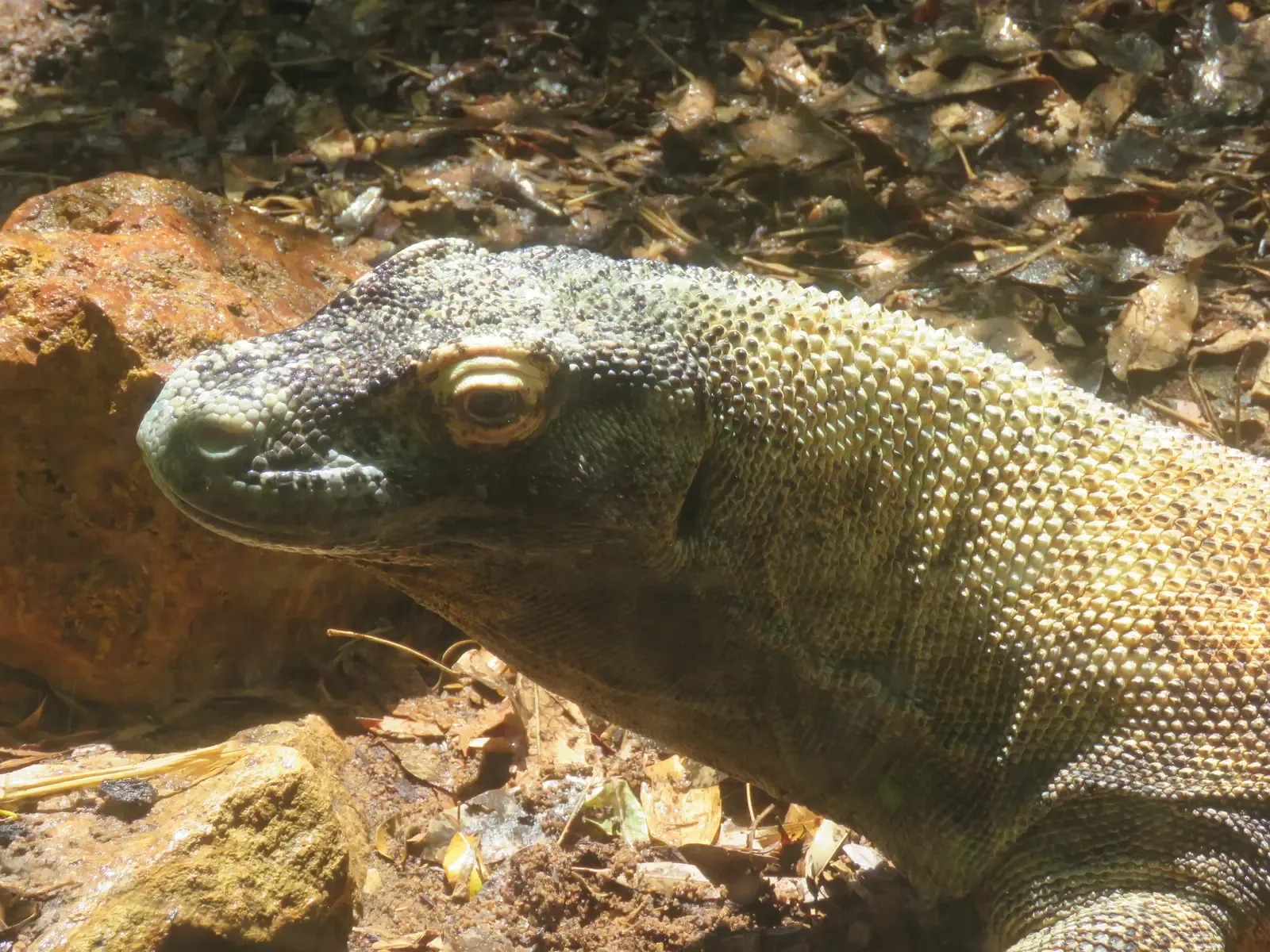
Zoo managers now factor parthenogenesis into genetic planning because repeated use of the method can reduce diversity within small populations. Testing offspring DNA helps avoid misassigning parentage and supports better long term management.
Some facilities adjust housing arrangements to encourage natural mating when possible, balancing the benefits of the backup system against the value of maintaining broader genetic health. This approach reflects ongoing efforts to support the species both in captivity and in the wild.

Glass Hummingbird Feeder for Outdoors Hanging
Check Price on AmazonAs an Amazon Associate, we earn from qualifying purchases.
10/7/2026 1:21 pm GMTi

Orthopedic Extra Large Dog Bed, Waterproof Washable XL Pet Bed 44"
Check Price on AmazonAs an Amazon Associate, we earn from qualifying purchases.
10/7/2026 1:32 pm GMTi

Portable Dog Water Bottle Foldable Dog Travel Water Bottle
Check Price on AmazonAs an Amazon Associate, we earn from qualifying purchases.
10/7/2026 1:29 pm GMTi

2 Pcs Halloween Pet Hat Bandana Set, Witch Pumpkin Costumes for Dogs
Check Price on AmazonAs an Amazon Associate, we earn from qualifying purchases.
10/9/2026 2:45 pm GMTi
Reflections on an Unexpected Survival Tool
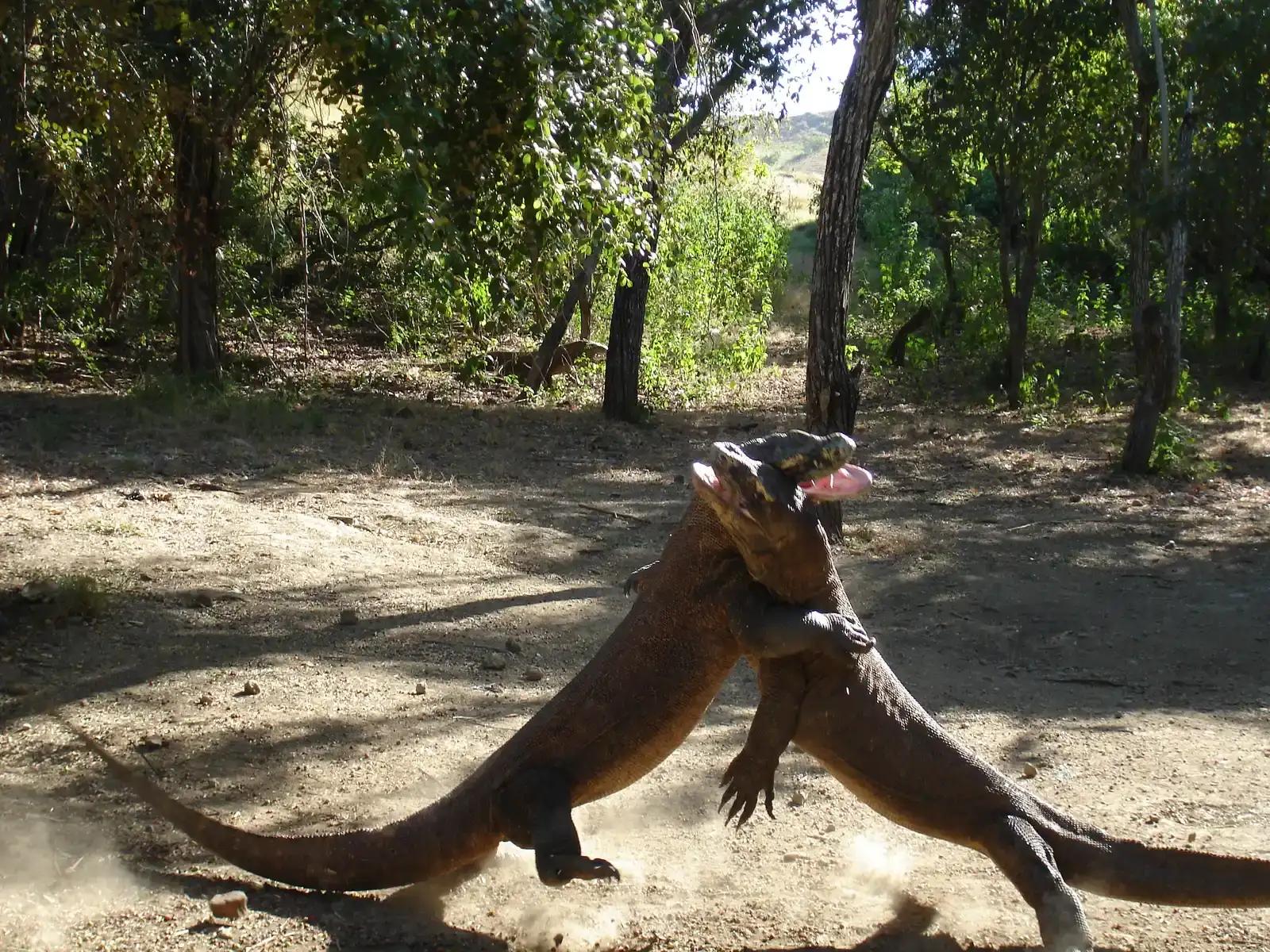
The capacity for parthenogenesis in Komodo dragons underscores how life finds workable paths even under constraints that would otherwise halt reproduction. It serves as a reminder that evolutionary solutions often favor flexibility over rigid rules.
While the strategy carries trade offs in genetic variety, its existence shows the species possesses built in resilience that conservation efforts can respect and work around. Watching these ancient reptiles continue through such means adds a layer of respect for the quiet ingenuity of natural systems.