
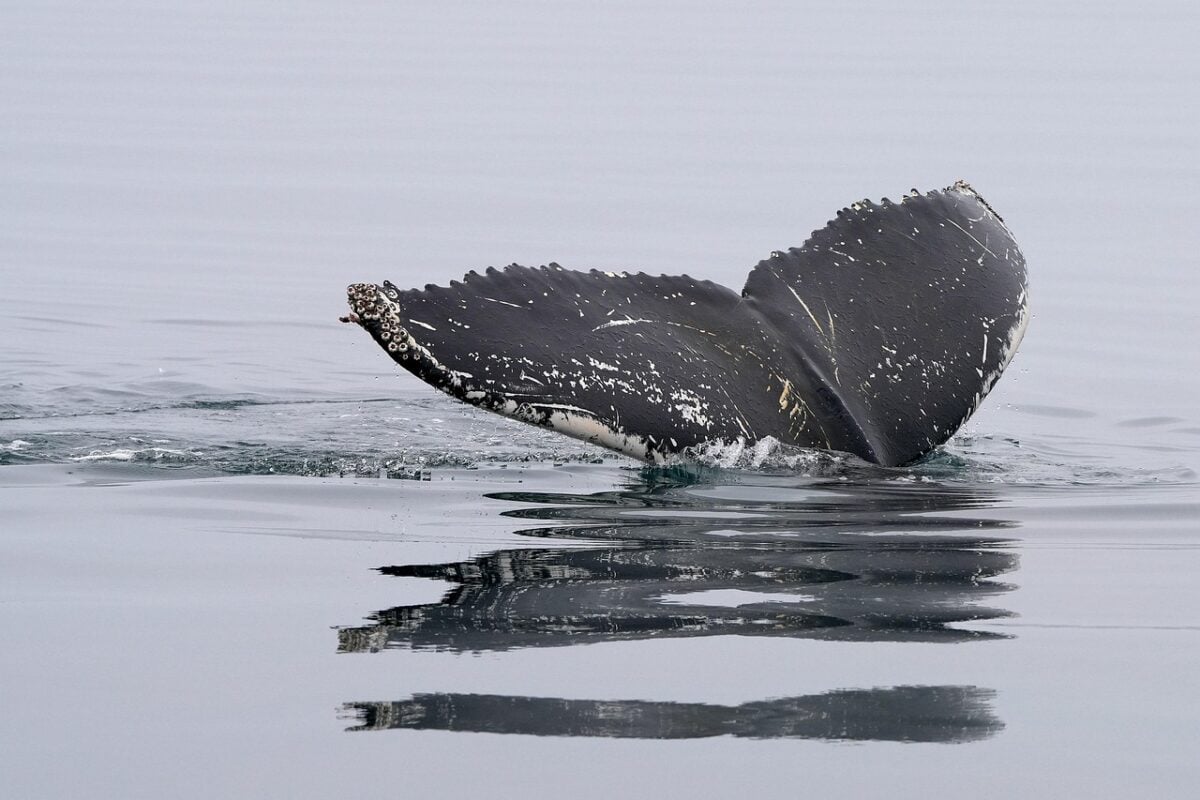


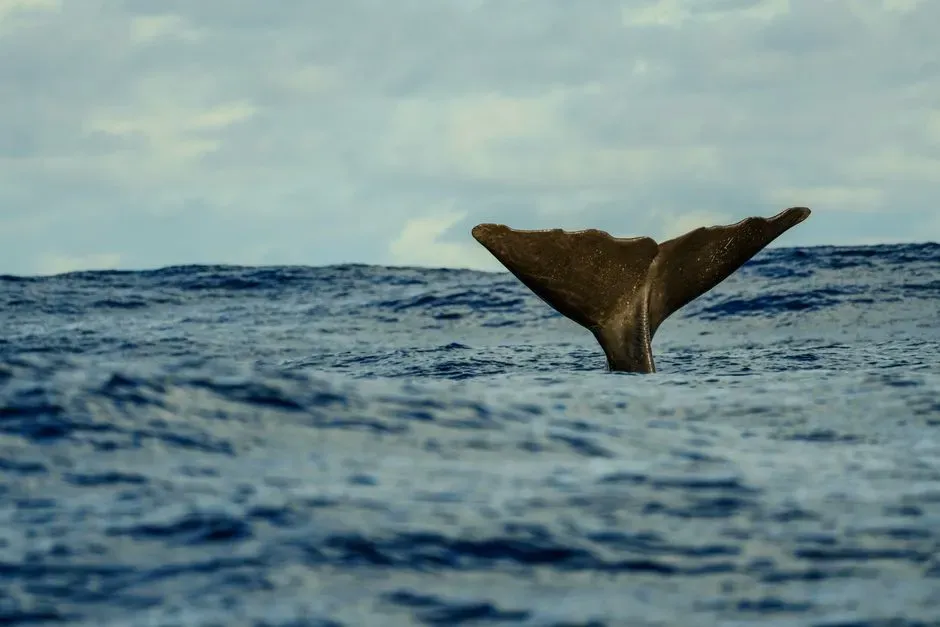
Imagine a creature the size of a school bus drifting silently just below the waves, body straight up like a living pillar. That image captures one of the more unusual rest patterns in the animal kingdom, and it belongs to the sperm whale.
Marine biologists have pieced together this behavior through careful tagging and observation, revealing how these giants manage to recharge without the long, deep slumbers most land mammals take for granted. The details invite a closer look at what sleep really means for life in the open ocean.
The First Clear Evidence from Tagging Studies
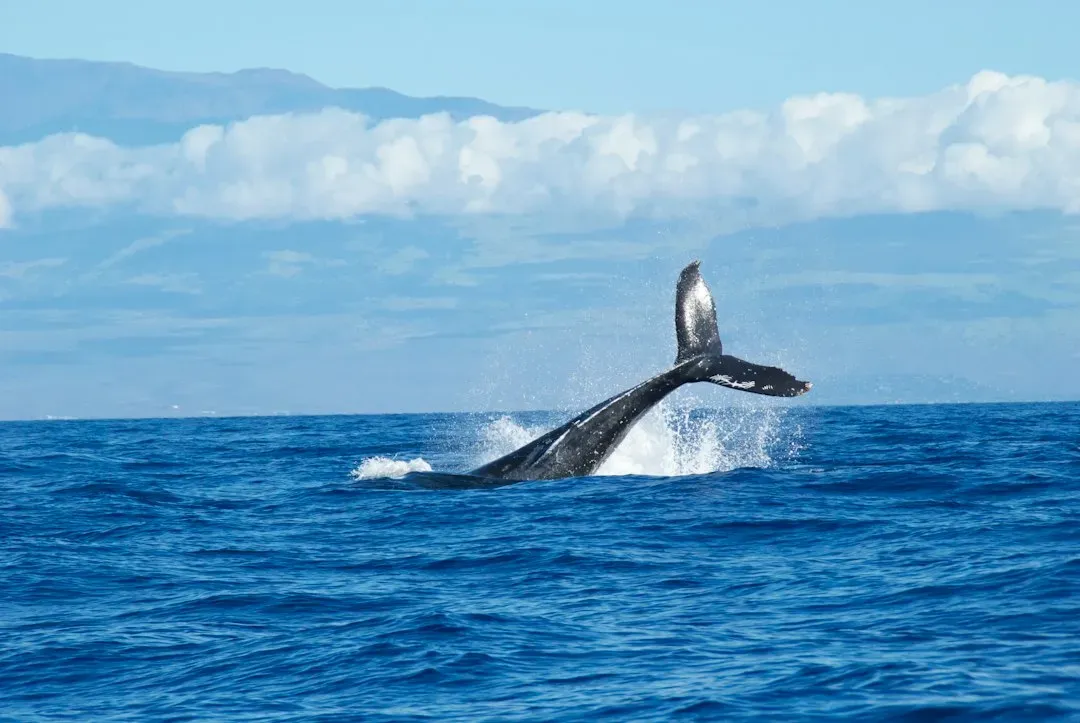
Researchers attached small suction cup devices to dozens of sperm whales across different oceans. The tags recorded depth, orientation, and movement over hundreds of hours, showing repeated periods when the animals stopped active swimming and hung motionless.
These passive drift dives happened in a consistent vertical posture, with heads angled slightly upward. The pattern appeared at every study site, suggesting it forms a regular part of the species daily routine rather than an occasional event.
Short Naps That Total Just Seven Percent of the Day
Each resting bout lasted roughly ten to fifteen minutes on average. When added together across the full recording periods, the time spent in these vertical positions came to about seven percent of the day.
That figure stands out because it leaves far less room for rest than most other mammals require. The whales fit these brief pauses between long foraging dives, often favoring the hours between evening and midnight when conditions may feel safer.
Staying Close Enough to Breathe Without Drifting Away
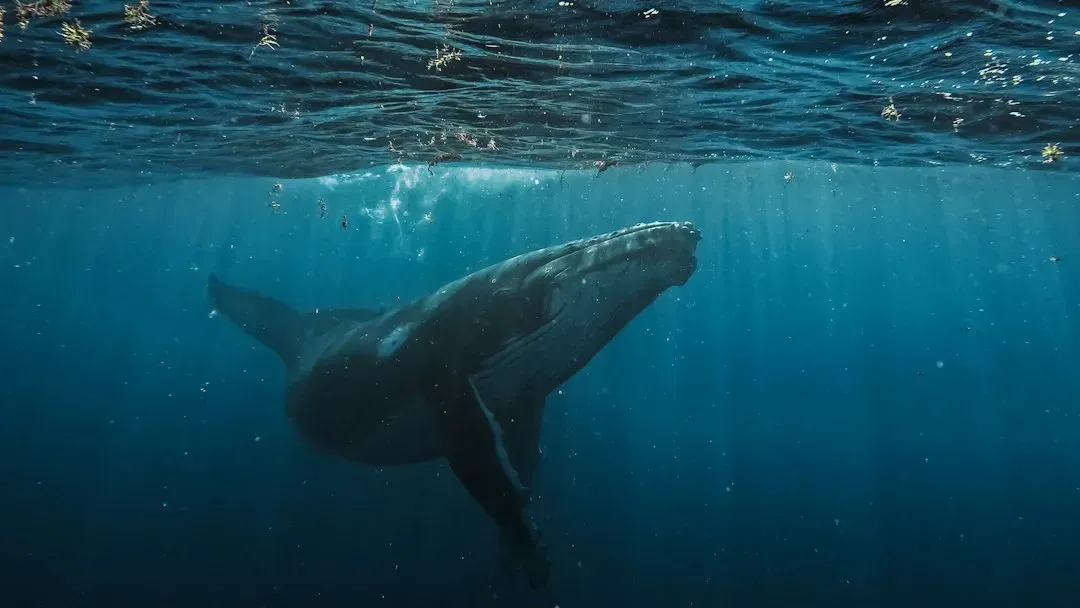
Vertical positioning keeps the whales near the surface so they can surface quickly for air when needed. At the same time, the depth shields them from surface waves that could otherwise jostle them awake.
Their massive heads, filled with oil and air spaces, create natural buoyancy that would normally push them upward. Staying suspended at ten to fifty feet requires a delicate balance that the animals achieve without constant swimming effort.
Professional 7 in 1 Dog Paw Cleaner for Dogs & Cats - Includes 1 Portable Paw Washer, 1 Bath Brush
Check Price on AmazonAs an Amazon Associate, we earn from qualifying purchases.
10/7/2026 1:26 pm GMTi

Smart Bird Feeder with Camera Solar Powered, 2K HD Live Video, 10,000+ Bird Species AI Identification
Check Price on AmazonAs an Amazon Associate, we earn from qualifying purchases.
10/7/2026 1:22 pm GMTi

2 Pcs Halloween Pet Hat Bandana Set, Witch Pumpkin Costumes for Dogs
Check Price on AmazonAs an Amazon Associate, we earn from qualifying purchases.
10/9/2026 2:45 pm GMTi

Portable Dog Water Bottle Foldable Dog Travel Water Bottle
Check Price on AmazonAs an Amazon Associate, we earn from qualifying purchases.
10/7/2026 1:29 pm GMTi
Air Purifiers for Home Pets Large Room Up to 3000 Ft²,HEPA Air Cleaner with Washable Double-Side Filter, PM2.5 Air Quality Monitor,15dB Sleep Mode for Bedroom Odor Dust Pollen,White
Check Price on AmazonAs an Amazon Associate, we earn from qualifying purchases.
10/8/2026 8:23 am GMTi
How Recent Work Explains the Bubble Trick
Newer recordings from whales off Norway captured the sound of bubbles released from the blowhole during rest. Whales resting closer to the surface let out more bubbles, roughly eleven times per nap, compared with fewer releases during deeper ascents.
Releasing air reduces buoyancy just enough to hold position without rising too fast. This simple adjustment appears deliberate and tied specifically to the resting state, helping the whales remain submerged and still.
Why This Style of Rest Differs from Other Whales
Many toothed whales rely on unihemispheric sleep, resting one brain half at a time while the other stays alert for breathing and threats. Sperm whales seem to enter a more complete quiet state during their vertical drifts, at least for short stretches.
Observations of groups resting together in loose columns show they can stay unresponsive even when a boat passes nearby, only reacting after physical contact. That level of stillness sets their naps apart from the lighter vigilance seen in dolphins or belugas.

Halloween Cat Costume Cloak Witch Hat Pet Accessories
Check Price on AmazonAs an Amazon Associate, we earn from qualifying purchases.
10/9/2026 2:44 pm GMTi
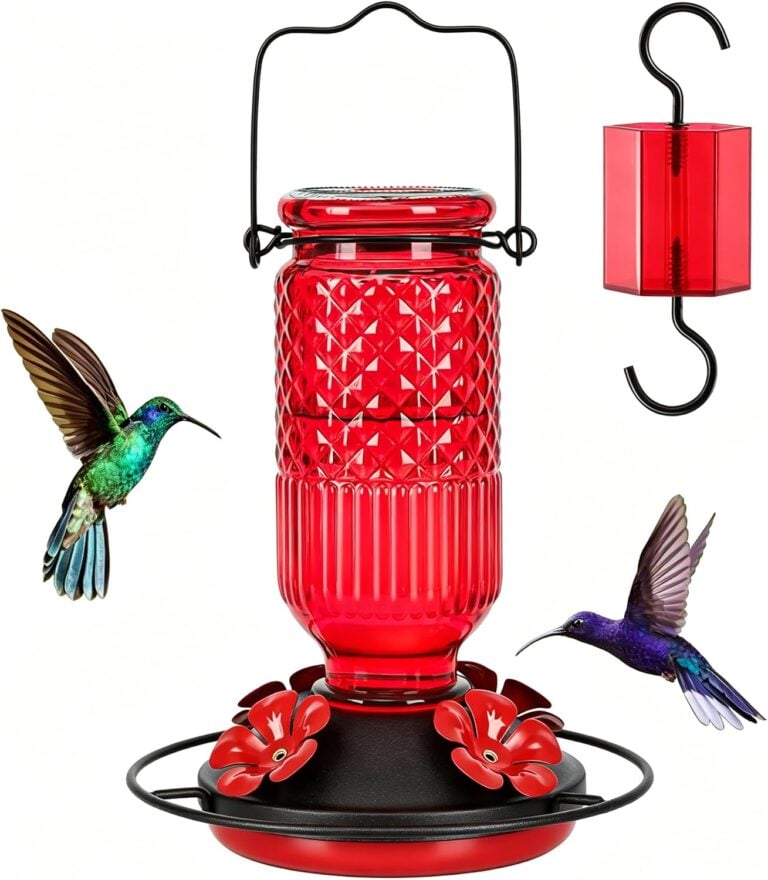
Glass Hummingbird Feeder for Outdoors Hanging
Check Price on AmazonAs an Amazon Associate, we earn from qualifying purchases.
10/7/2026 1:21 pm GMTi
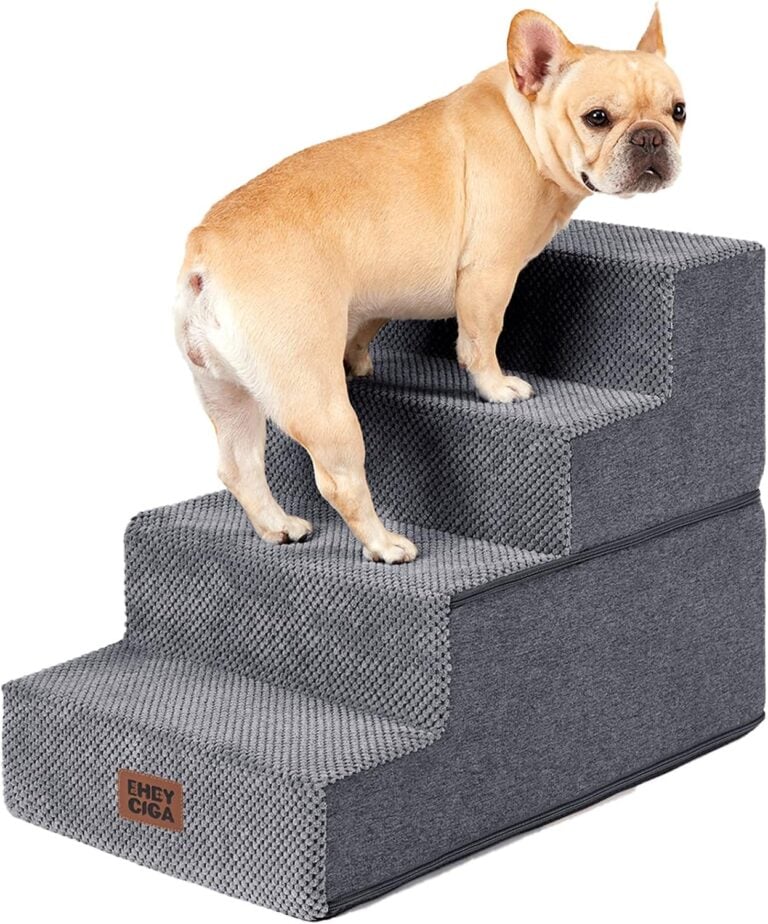
Dog Stairs for Bed 18" H, 4-Step Dog Steps for High Bed
Check Price on AmazonAs an Amazon Associate, we earn from qualifying purchases.
10/9/2026 2:42 pm GMTi
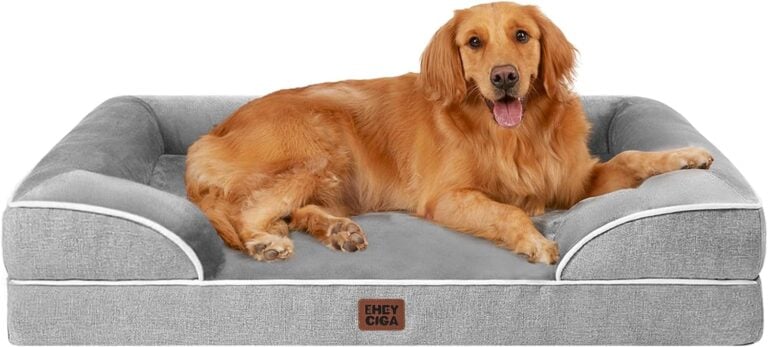
Orthopedic Extra Large Dog Bed, Waterproof Washable XL Pet Bed 44"
Check Price on AmazonAs an Amazon Associate, we earn from qualifying purchases.
10/7/2026 1:32 pm GMTi
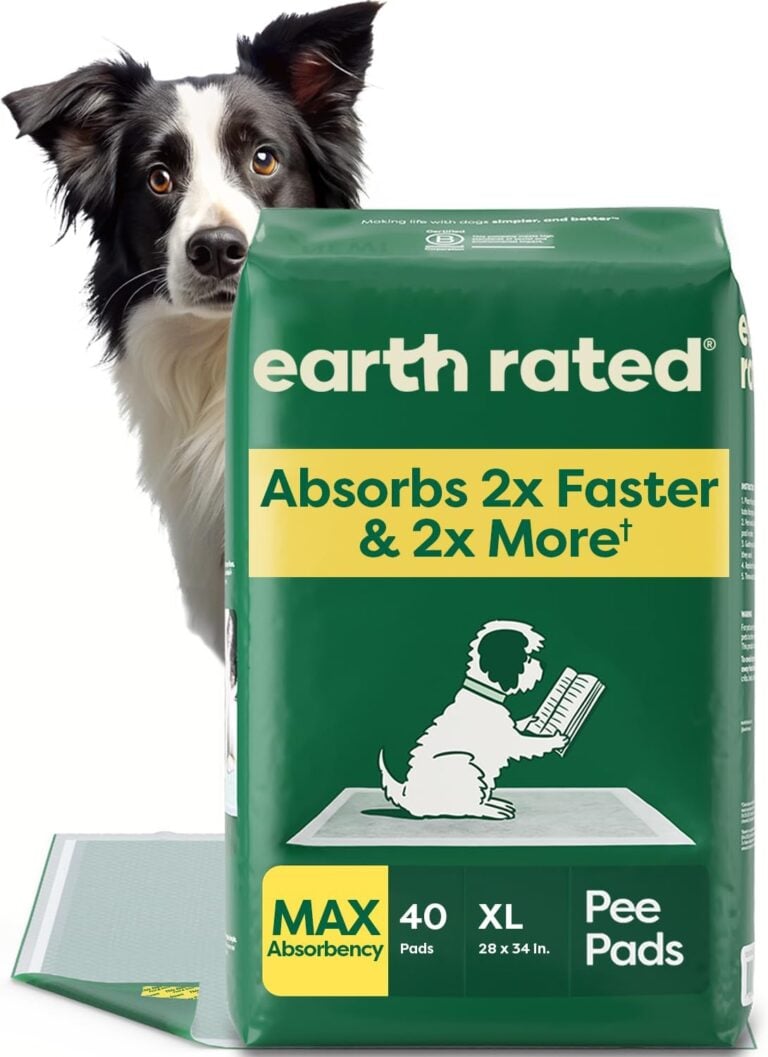
Earth Rated XL Dog & Puppy Pee Pads, Discreet Top, Max Absorbency
Check Price on AmazonAs an Amazon Associate, we earn from qualifying purchases.
10/7/2026 1:28 pm GMTi
What Limited Rest Reveals About Ocean Life
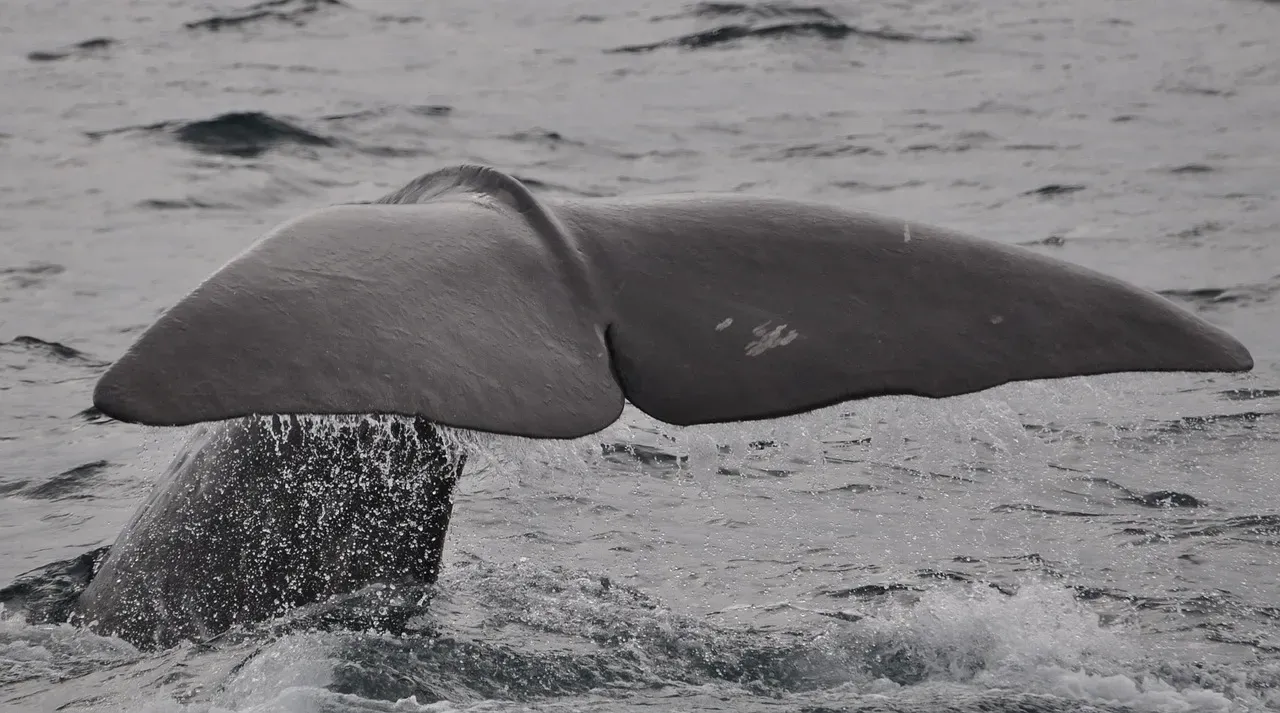
Spending so little time asleep highlights how these whales balance extreme diving demands with basic recovery needs. Their large brains and deep foraging lifestyle leave little margin for extended downtime.
The behavior also underscores how much remains unknown about wild cetacean rest, since direct brain measurements stay difficult at sea. Continued tagging work continues to refine the picture without overclaiming what the data can prove.
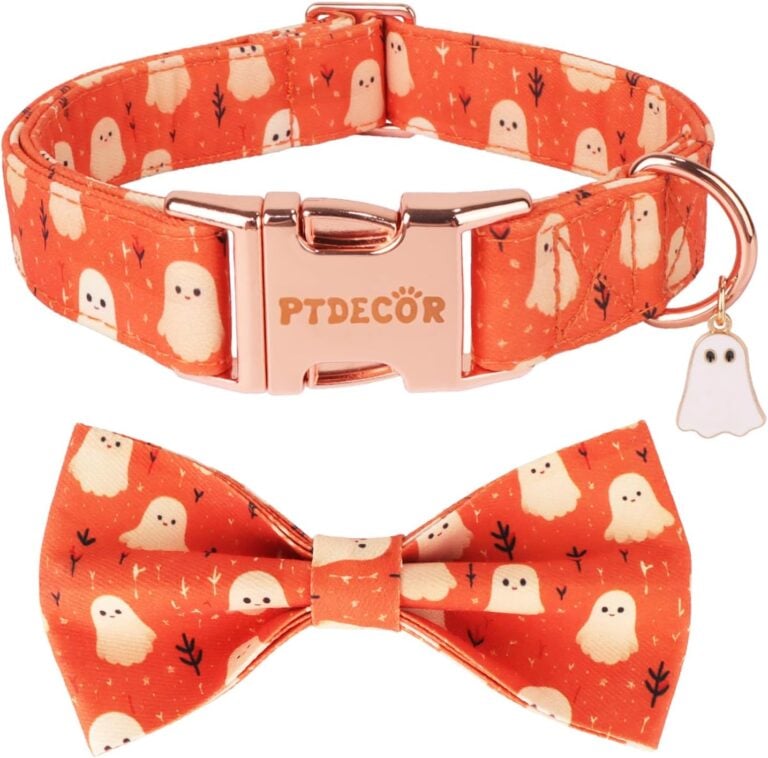
Halloween Dog Collar with Bow, Orange Cute Ghost Collar,
Check Price on AmazonAs an Amazon Associate, we earn from qualifying purchases.
10/9/2026 2:43 pm GMTi
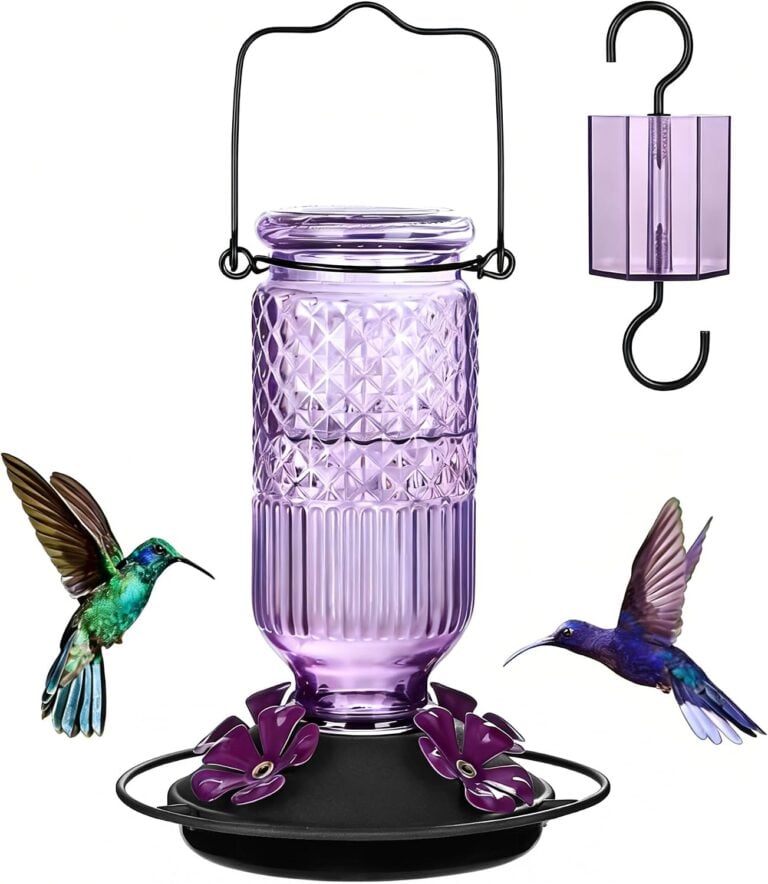
Glass Hummingbird Feeder for Outdoors Hanging, 16 oz Leak-Proof Nectar Feeder with Bee Guards & Ant Moat
Check Price on AmazonAs an Amazon Associate, we earn from qualifying purchases.
10/7/2026 1:22 pm GMTi
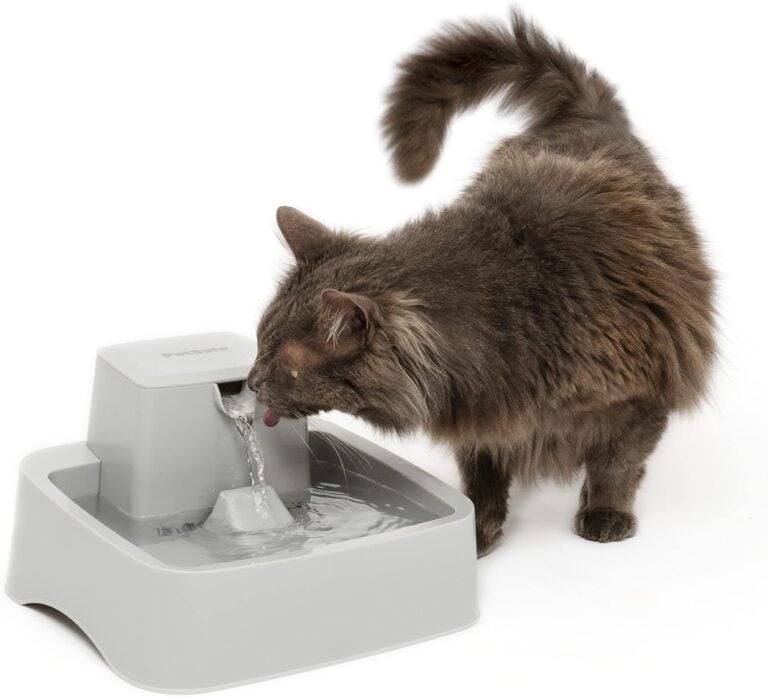
PetSafe Oasys Pet Fountain, 1/2 Gallon (64 oz), Small Dogs & Cats
Check Price on AmazonAs an Amazon Associate, we earn from qualifying purchases.
10/8/2026 8:14 am GMTi

Hand Blown Glass Hummingbird Feeders for Outdoors Hanging, 24oz Wild Bird Nectar Feeder
Check Price on AmazonAs an Amazon Associate, we earn from qualifying purchases.
10/7/2026 1:23 pm GMTi
Looking Ahead at Protection Needs
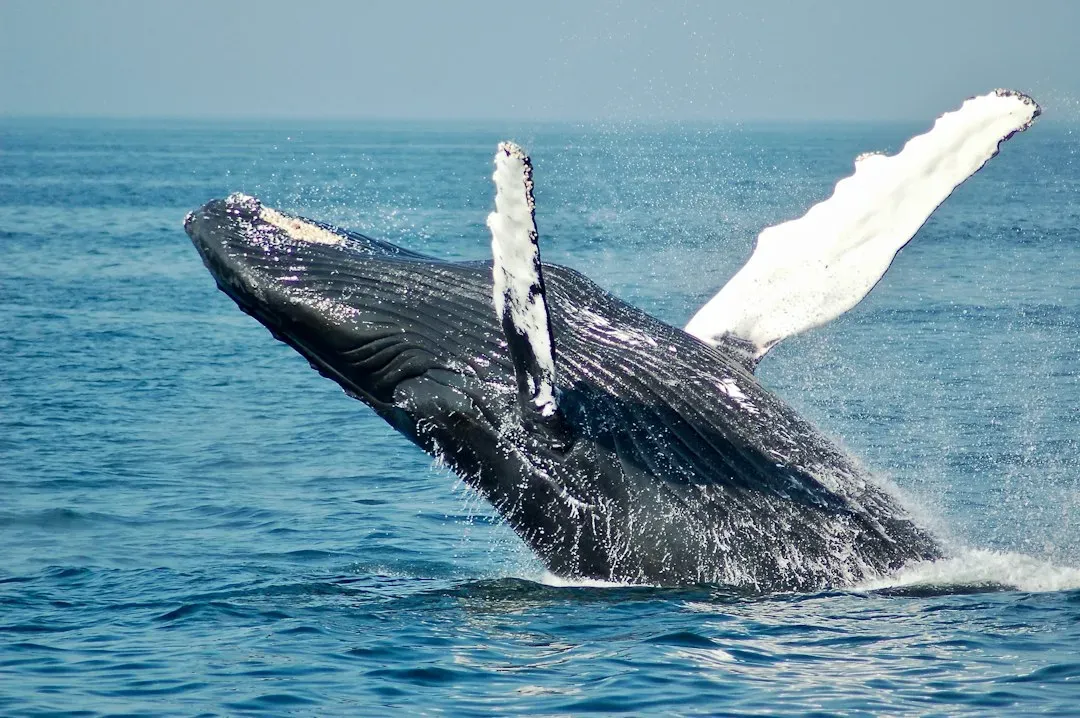
Understanding these precise rest requirements adds weight to efforts that keep shipping lanes and noise levels in check around known habitats. Even brief disturbances during vulnerable windows could carry outsized costs for animals already operating on tight energy budgets.
The vertical nap strategy shows how finely tuned marine giants are to their environment. Protecting the quiet surface layers they rely on feels like a practical step toward keeping these ancient patterns intact for generations to come.