

Picture a wolf swimming between islands in the cold Pacific waters, hunting for seals and cracking open shellfish with powerful jaws. This isn’t from a fantasy novel, but the remarkable reality of Vancouver’s coastal sea wolves. These extraordinary predators have evolved into something almost mythical, living where the forest meets the ocean in one of Earth’s most pristine wilderness areas.
Few people have ever witnessed these elusive creatures in action, yet they represent one of nature’s most incredible adaptations. Their story challenges everything we thought we knew about wolves, revealing a subspecies that has rewritten the rules of survival. Let’s dive into the fascinating world of these marine wolves and discover what makes them truly exceptional.
They’re Genetic Marvels Living in Isolation
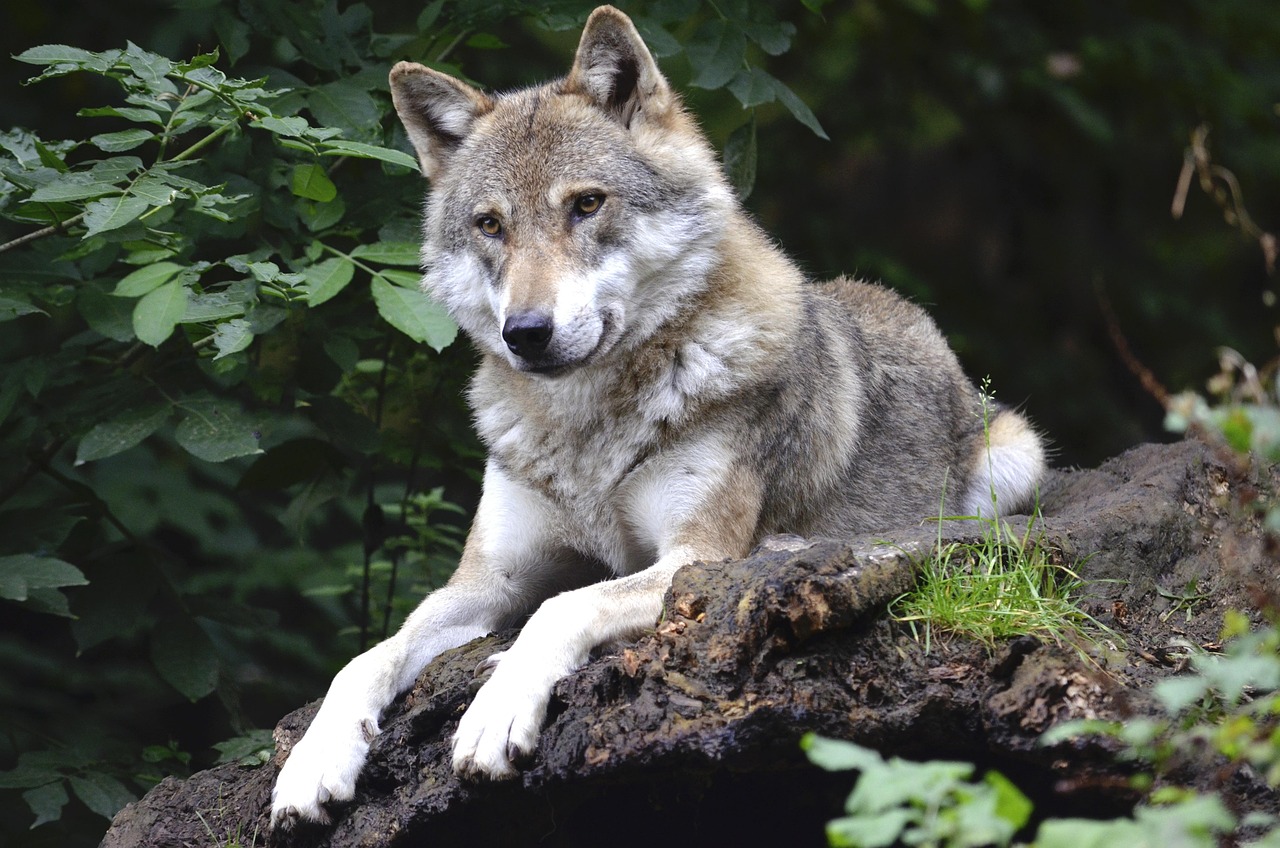
The coastal sea wolves are genetically and ecologically distinct from inland wolves, including other wolves from inland British Columbia, with mitochondrial DNA studies showing they’re genetically distinct from inland grey wolves and represent the last remains of a once widespread group that was largely extirpated during the last century. In 2016, two studies compared the DNA sequences of 42,000 single nucleotide polymorphisms in North American grey wolves and found the coastal wolves to be genetically and phenotypically distinct from other wolves.
They form one of six identified ecotypes, which is a genetically and ecologically distinct population separated from other populations by their different type of habitat. Honestly, discovering such genetic differences in such a geographically small area like the west coast of Vancouver Island is remarkable, considering wolves are normally highly mobile animals capable of crossing many types of natural barriers.
Their Swimming Abilities Are Simply Extraordinary
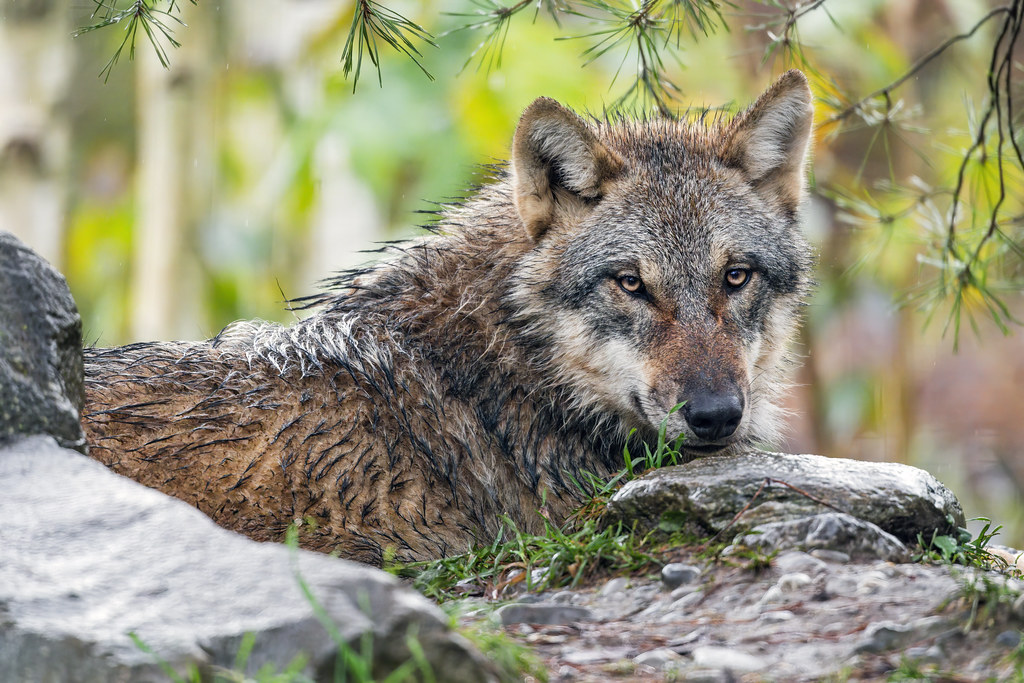
One of the defining features of this subspecies is their movements between islands, in some cases swimming up to 12 kilometres (7.5 miles) between landmasses. They are fast, powerful distance swimmers and move stealthily in the water, their backs and bodies submerged and with only their eyes, ears, and snouts peeking above the surface.
There are packs living on the big island off the coast, which is 13 km from Bella Bella community, and there is no way for wolves to get there except to swim. Many of them migrate through the archipelago, swimming from island to island throughout the year. What’s truly amazing is how they’ve mastered moving like marine mammals, becoming nearly invisible as they paddle through icy waters that would challenge even experienced human swimmers.
They Live on an Almost Entirely Marine Diet
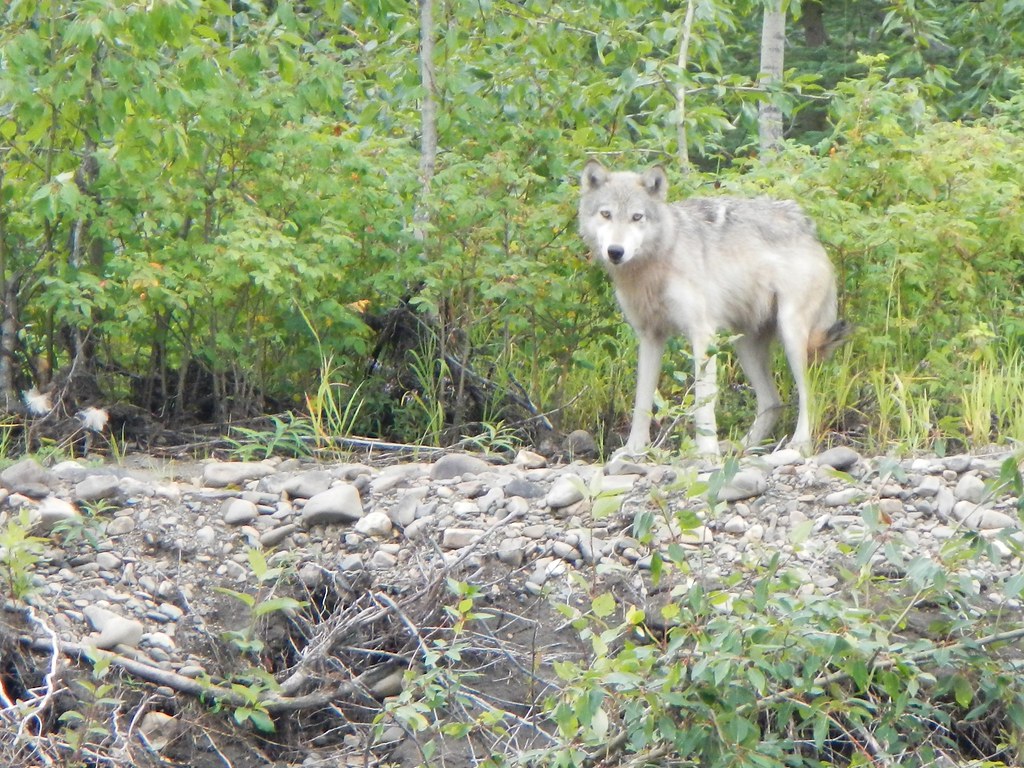
Vancouver Island wolves have a diverse diet, with between 75 and 90 percent of it being sourced from the ocean. A quarter of that is salmon, of which the wolves are documented eating solely the heads, potentially to avoid a bacterial infection known as “salmon poisoning” which can be fatal to canids.
Along the coast, they will forage for barnacles, clams, mussels, and crabs, digging into the sand with their paws and using powerful jaw muscles to break open shells. They also scavenge whatever has been left behind by the tide, which can include everything from abalone to whale carcasses. I think it’s fascinating how they’ve essentially become the ocean’s cleanup crew while maintaining their predatory instincts.
Their Size Reflects Their Unique Lifestyle
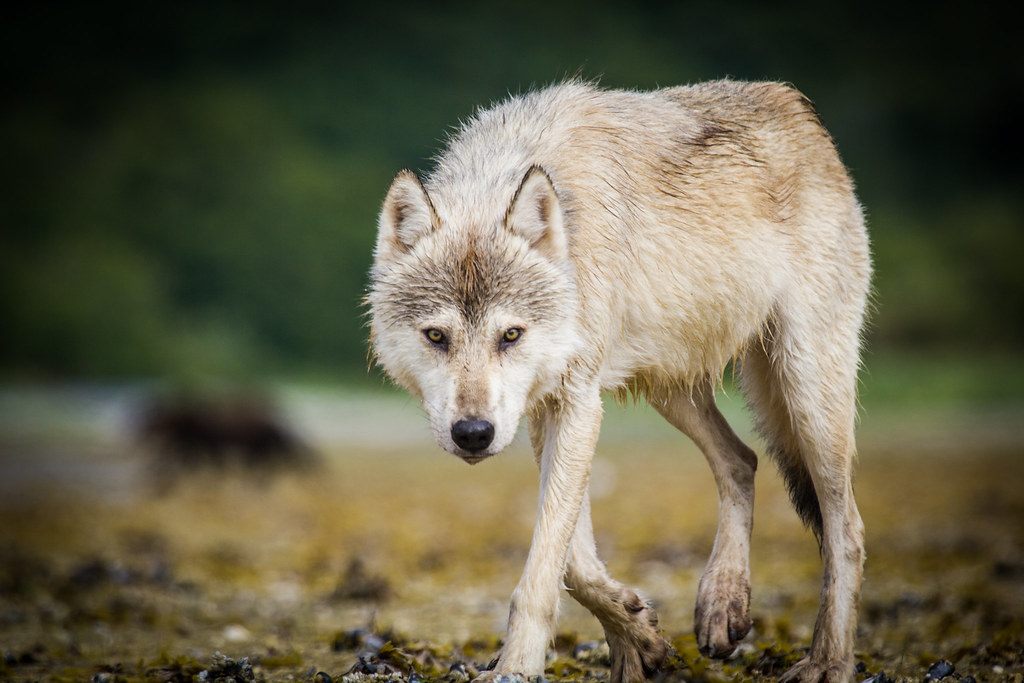
Vancouver Island wolves measure between 1.2 and 1.5 metres (4 and 5 ft) from nose to tail-tip, and are noticeably lighter than their interior counterparts, weighing between 29 and 40 kilos (65-90lbs), as opposed to the 36 to 68 kilos (80-150lbs) of a mainland British Columbia wolf. That maritime diet probably accounts for the fact that coastal wolves are smaller than their mammal-munching mainland counterparts, with interior wolves being about 20 lbs heavier both for males and females.
Wolves that prey on fish and small deer in wet, coastal environments tend to be smaller than other wolves. Their compact size actually gives them advantages in their aquatic environment, allowing for more efficient swimming and better maneuverability among the rocky shorelines and kelp forests they call home.
They Sport Distinctive Coastal Coloration
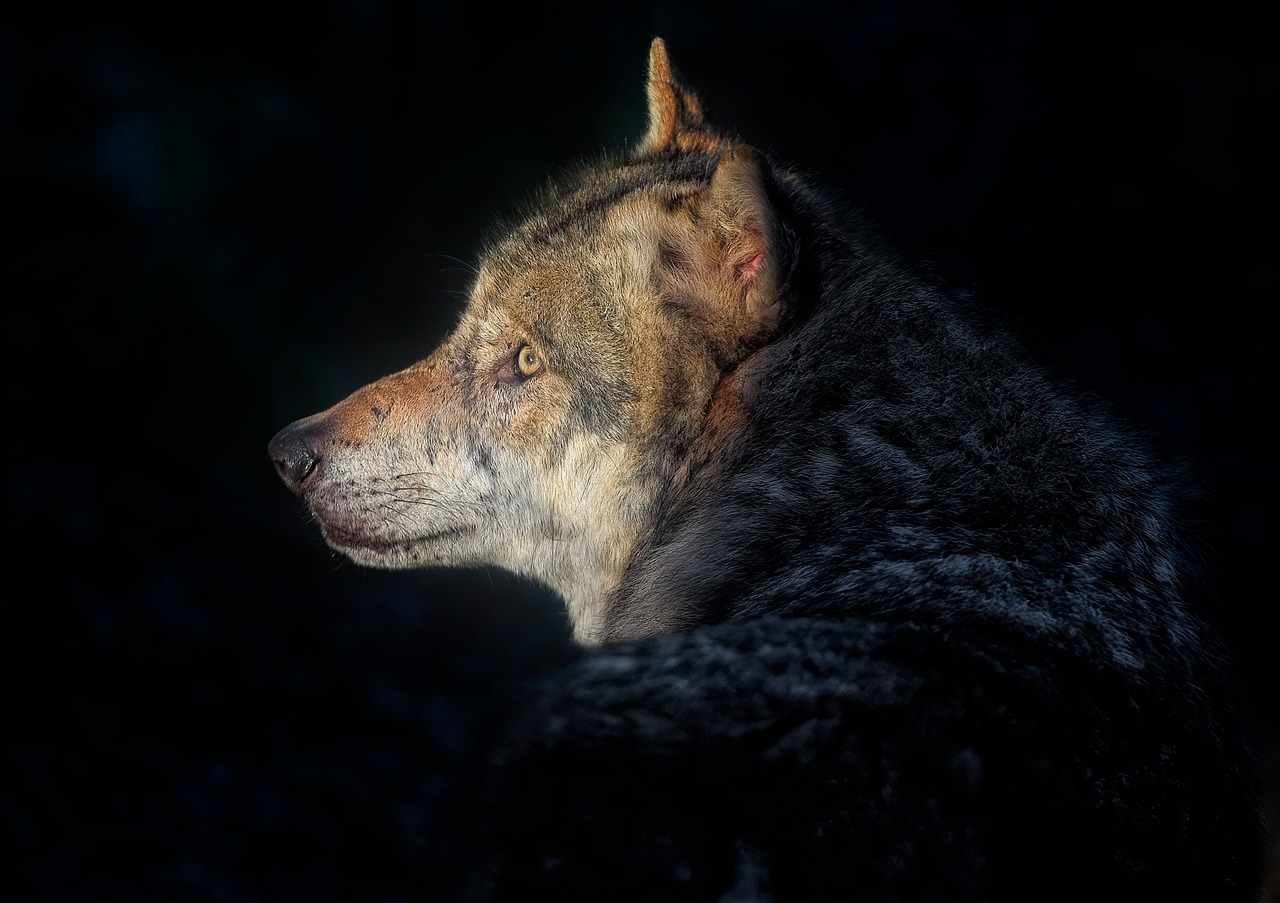
The colour of their coat ranges between individuals, with varying degrees of reddish-brown, grey, beige, and white fur, though entirely white and melanistic individuals are seen on occasion. Rather than the light to dark gray hue of inland wolves, the coastal canines flaunt fur with a reddish-brown tint that blends into the vegetation along the coast such as the kelp on the rocks.
Additionally, they’re often reddish brown in color. This coloration isn’t just for show, it’s a brilliant evolutionary adaptation that helps them blend seamlessly with the rust-colored kelp beds and weathered coastal rocks where they hunt and travel.
They Have a Remarkable Conservation Success Story
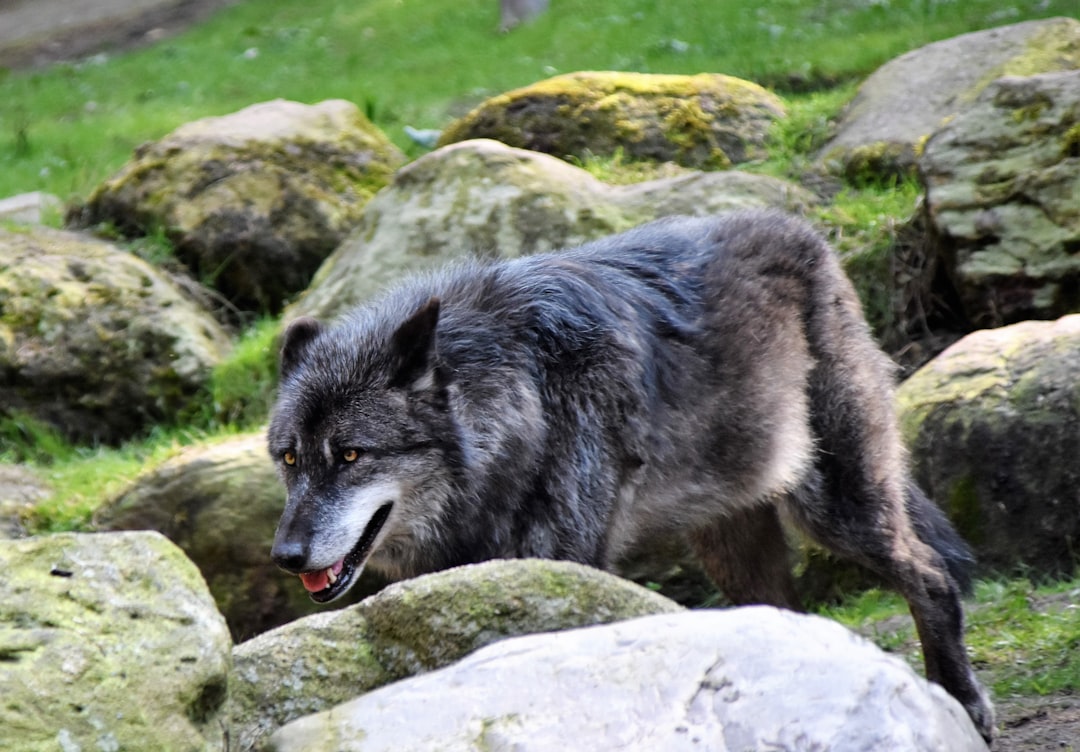
Once extirpated from the island in the late 1960s, the wolves began reappearing in the early 1970s, having been believed to be nearly hunted to extinction by the middle of the 20th century, but starting in the 1960s, they reestablished themselves by swimming to Vancouver Island from mainland British Columbia across short channels like the Johnstone Strait or perhaps even island-hopping across the Salish Sea.
The Raincoast Conservation Foundation has developed an effective campaign to stop hunting by buying out all the remaining commercial hunting licences in the Great Bear Rainforest and Kitlope Conservancy, bringing a permanent end to the commercial guiding of trophy hunting in 38,800 square kilometres of B.C.’s Great Bear Rainforest. Their comeback represents one of wildlife conservation’s most inspiring success stories, proving that with proper protection, even the most specialized species can recover.
They’re Deeply Woven Into Indigenous Culture
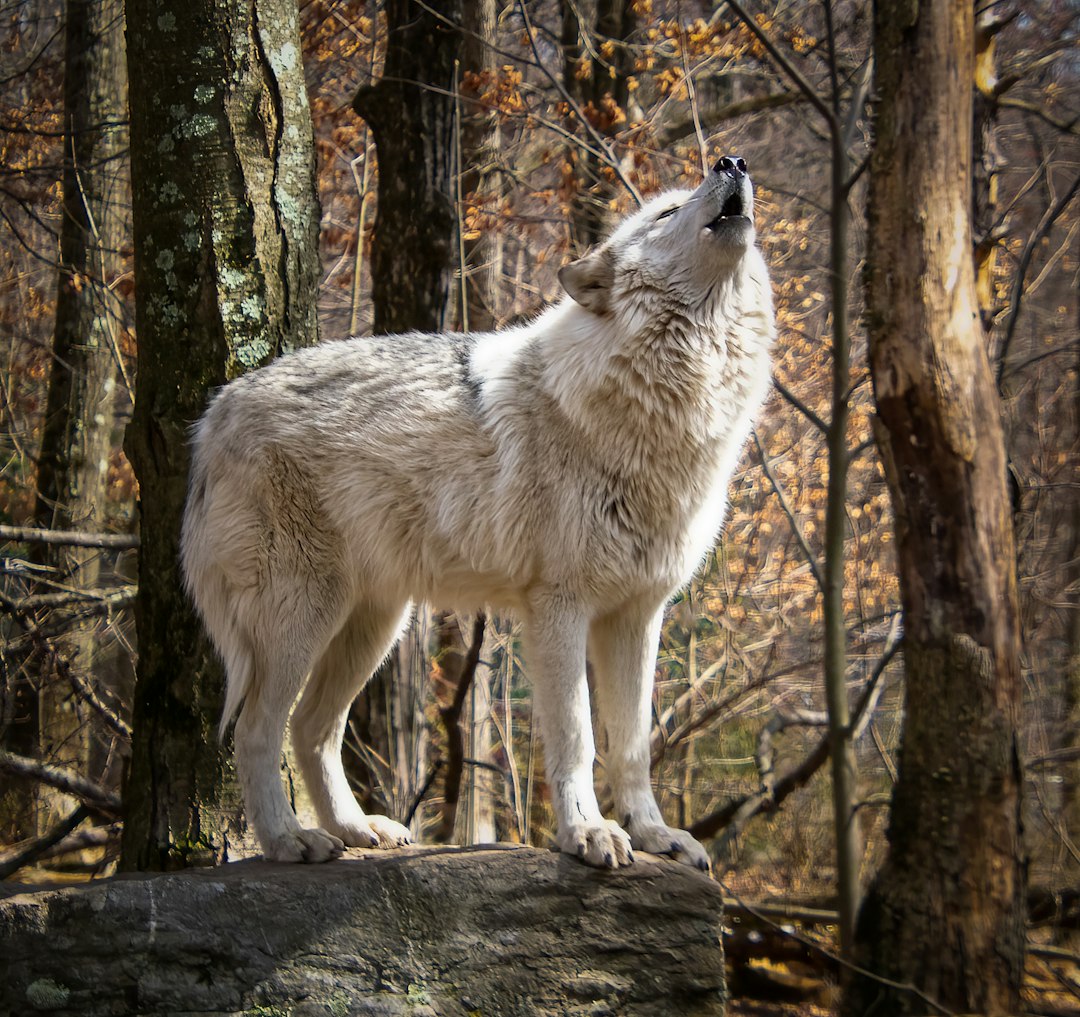
The wolves play important roles in the cultures and spiritual beliefs of local indigenous people, with mythical creatures like the Gonakadet and Wasgo, found among the Tsimshian, Tlingit, and Haida peoples of British Columbia and Alaska, being inspired by them. The wolf is a keystone species in First Nations’ stories and remains a keystone figure in First Nations culture.
Wolves are interwoven in the culture and fundamental to the spirituality of the local indigenous people, who express their respect and admiration for the animal through lupine images on totem poles and house posts. Scientists work with the Heiltsuk territory taking an integrative approach to studying the wolves that pairs traditional ecological knowledge with modern science, using a consilience model of bringing together different ways of knowing and evidence from multiple sources to develop a more holistic understanding of the wolves.
They Face Modern Threats Despite Their Resilience
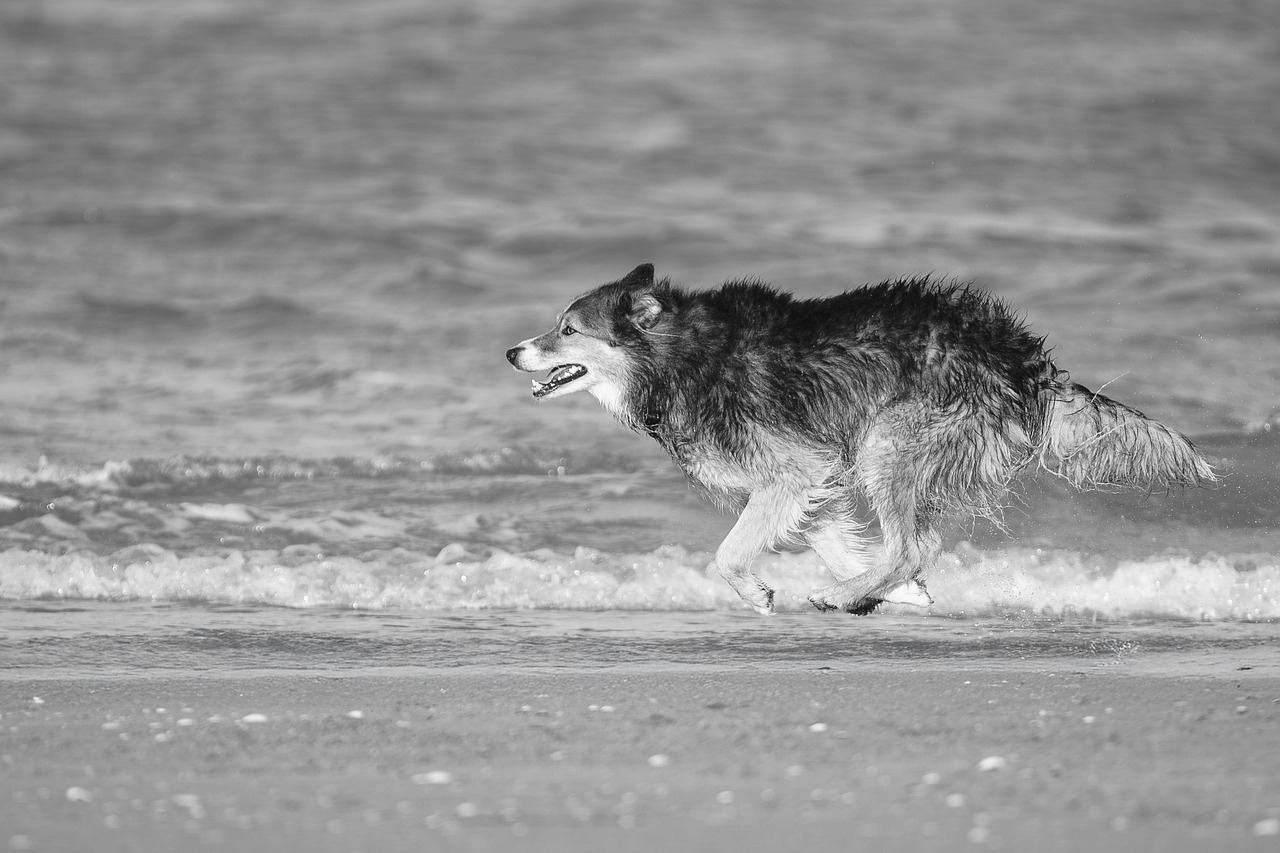
Wolf hunting and trapping are still legal in Vancouver Island, where each hunter is allowed to take three animals per year, and habitat destruction through logging remains a concern, although less so in the past, because timber extraction is being curtailed in some old-growth forests. Human-wildlife conflict presents a growing challenge for the wolves, particularly on Vancouver Island, a prominent tourist destination, with urbanization and logging practices putting pressures on coastal wolf populations, with increasing encounters with humans and their pets often leading to more habituation and potentially lethal human-wolf interactions.
Yet these intelligent predators continue to adapt and survive. Wolves are incredibly intelligent, living in a harsh environment where they use their intelligence and cooperative behavior to survive, able to problem solve and engage in cognitive mapping where they know everything in their territory. Their resilience gives hope that they’ll continue to thrive despite mounting pressures.
Conclusion
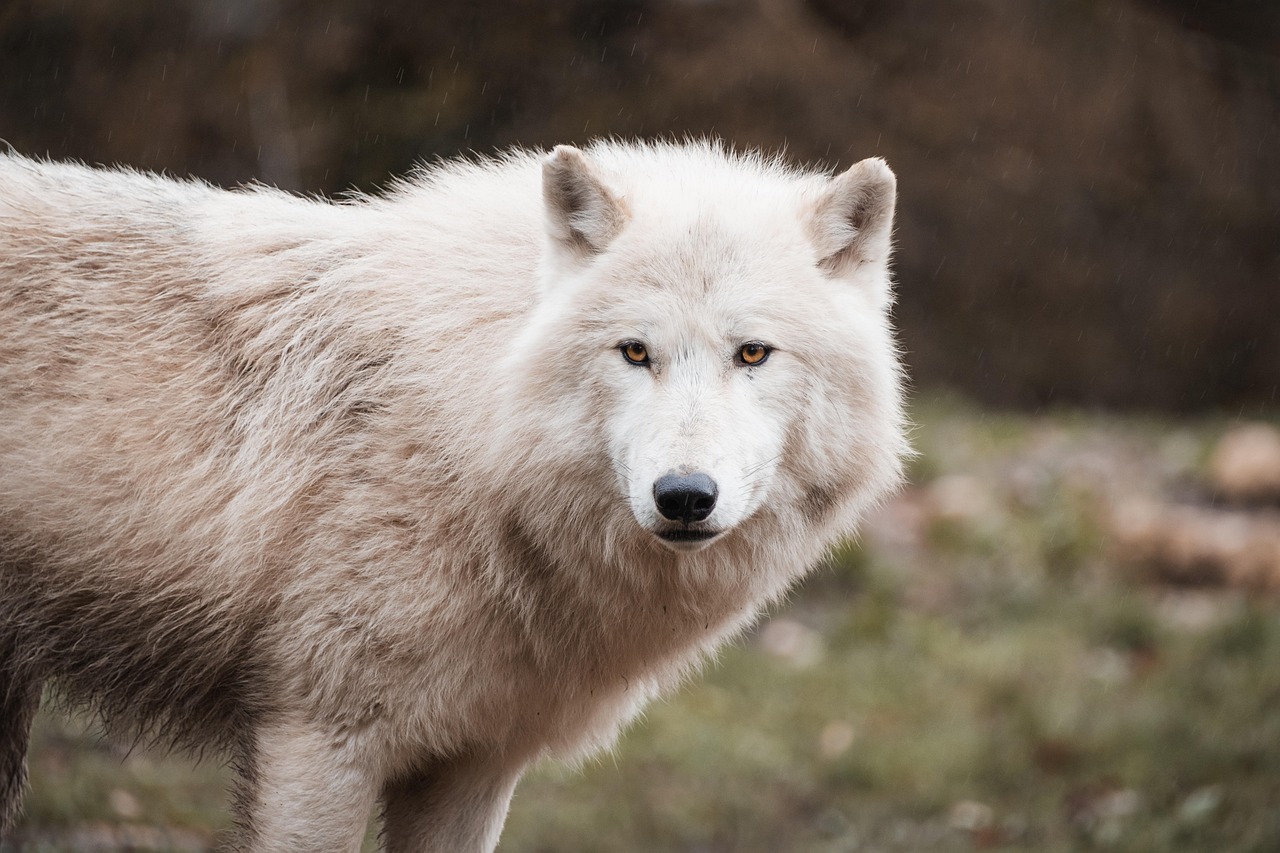
The represents evolution at its most creative, transforming a traditional land predator into something uniquely adapted for life between two worlds. These remarkable animals remind us that nature’s capacity for adaptation knows no bounds. From their extraordinary swimming abilities to their specialized marine diet, they’ve rewritten the wolf playbook entirely.
Their story also highlights the power of conservation partnerships between scientists and Indigenous communities, proving that traditional knowledge and modern research create the strongest foundation for wildlife protection. What do you think about these incredible marine wolves? Tell us in the comments.

- 17 Animals That Bond With One Person for Life and 17 That Never Really Attach at All - August 13, 2026
- 16 Things Your Dying Cat Quietly Asks For in Its Last Weeks That Almost Nobody Recognises - August 13, 2026
- What Vets Notice About an Older Cat in the First Minute 18 Things Owners Never See - August 13, 2026