

Few birds on Earth carry the visual drama of a pelican. That improbable bill, that stretchy pouch, that slow and elegant glide over the water – there is something almost prehistoric about them. Honestly, once you start digging into the details of how these birds actually live, hunt, and raise their young, it gets genuinely surprising.
Most people think they know . They’ve spotted them on piers, watched them bob lazily on the water, maybe even had one steal a chip from a nearby fish stand. But the reality of a pelican’s life is far stranger, far more ancient, and far more impressive than it first appears. Let’s dive in.
1. Have Been Around for 30 Million Years
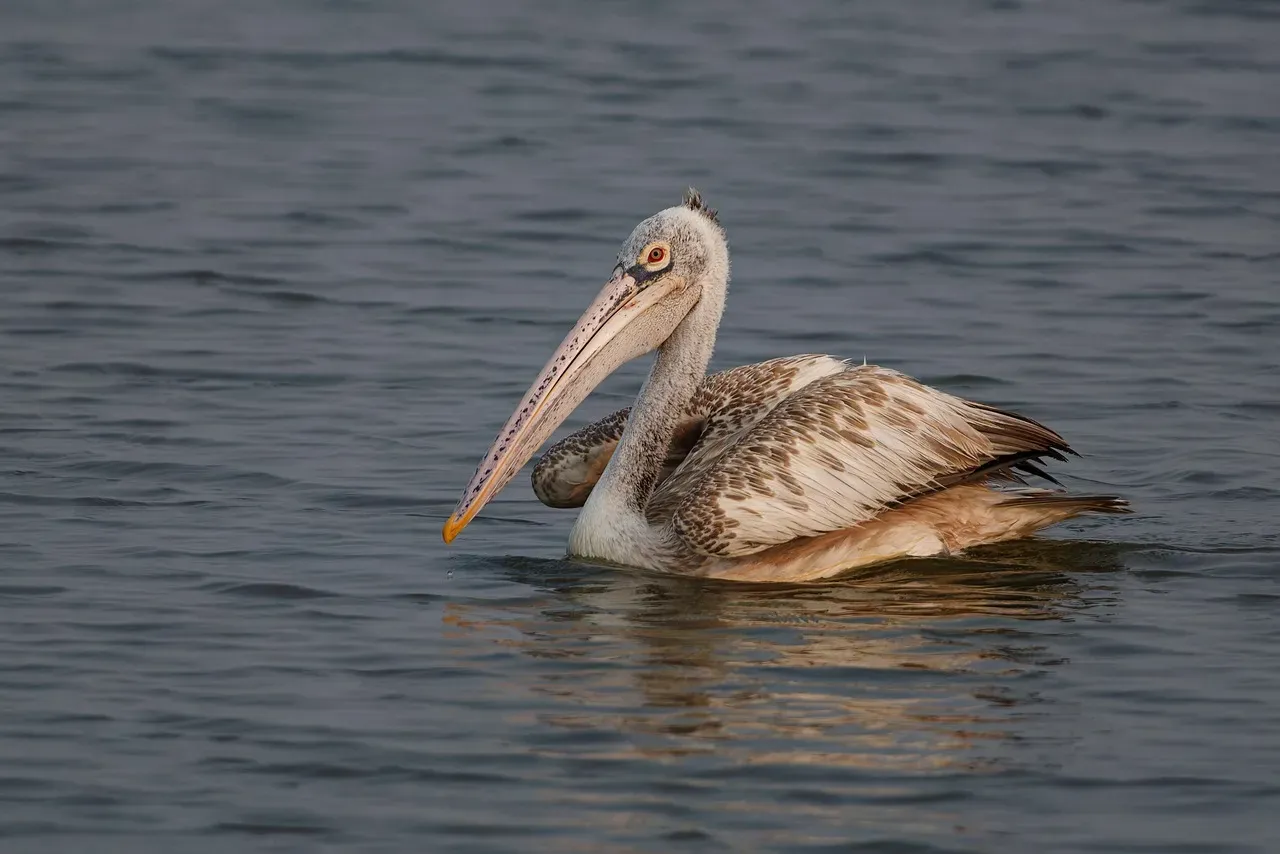
Let’s be real – most birds that look this prehistoric actually are. The earliest pelican fossil on record is a 30-million-year-old skull that was found in Oligocene deposits in France. That’s not just old. That’s dinosaur-adjacent old.
Over time, have retained their physical traits, as comparisons of ancient fossils to present-day yielded no significant differences, suggesting that evolved their distinct features very early on. Think about that for a moment. While the rest of the animal kingdom was busy evolving, the pelican basically shrugged and said, “I’m good.”
The question of where fit on the avian family tree has been debated for centuries, though genetic evidence now suggests that their closest living relatives are the bizarre-looking shoebill and a wading bird known as the hamerkop. Surprising company to keep, but then again, have always done things their own way.
2. That Famous Pouch Holds More Than You Think
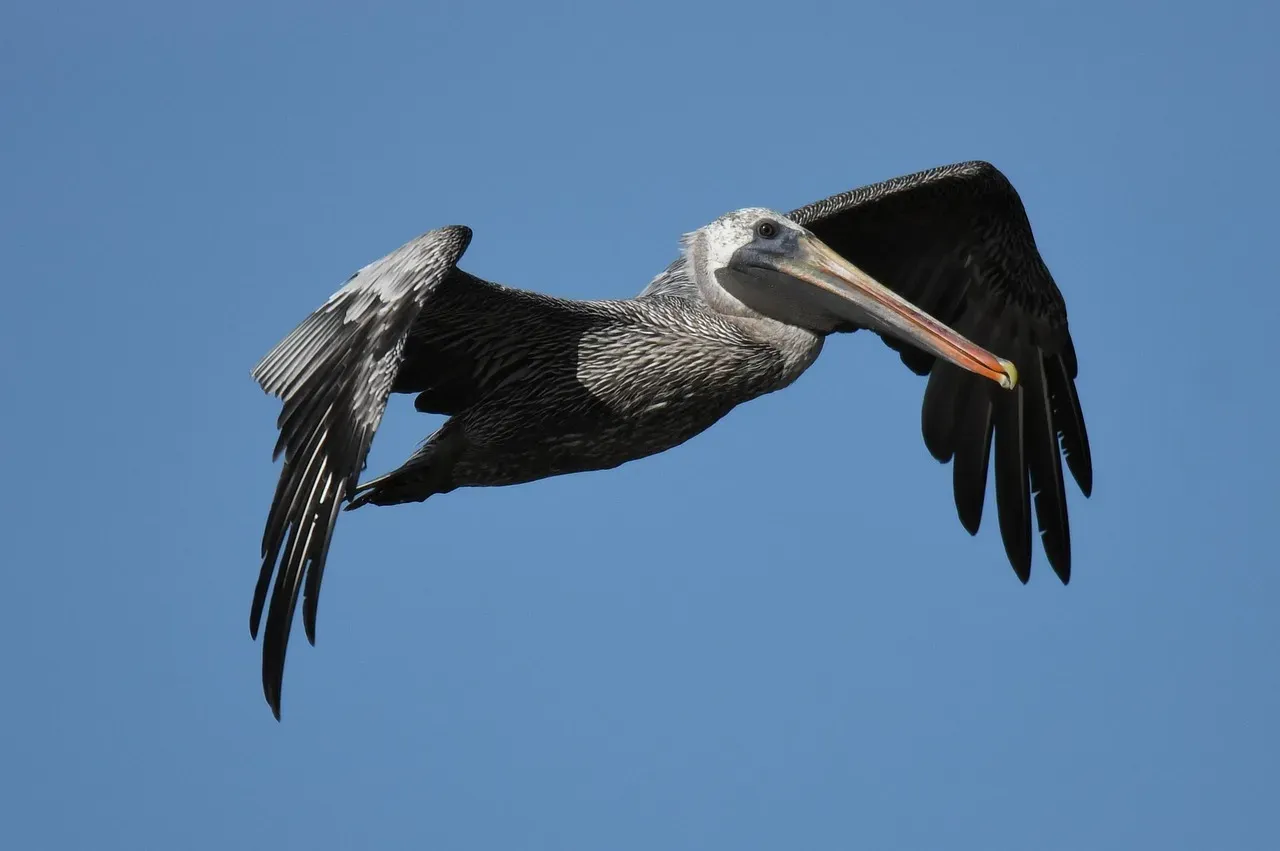
do not store fish in their pouch, but simply use it to catch them and then tip it back to drain out water and swallow the fish immediately. The American white pelican can hold roughly 3 gallons of water in its bill. Three gallons. That is basically a small bucket hanging from a bird’s face.
The pouch can hold up to 2.42 gallons, which contrasts sharply with the stomach’s smaller 0.84-gallon capacity. In other words, the bill holds roughly three times more than the belly can. Nature’s most impressive natural fishing net, attached directly to a bird’s chin.
Using its beak like a sieve, the pelican contracts the muscles in the pouch to push out the water while retaining the fish for consumption. It’s elegant engineering, really. Simple, effective, and almost absurdly efficient. I think it’s one of the more underappreciated mechanical marvels in the animal world.
3. Brown Are Master Dive-Bombers
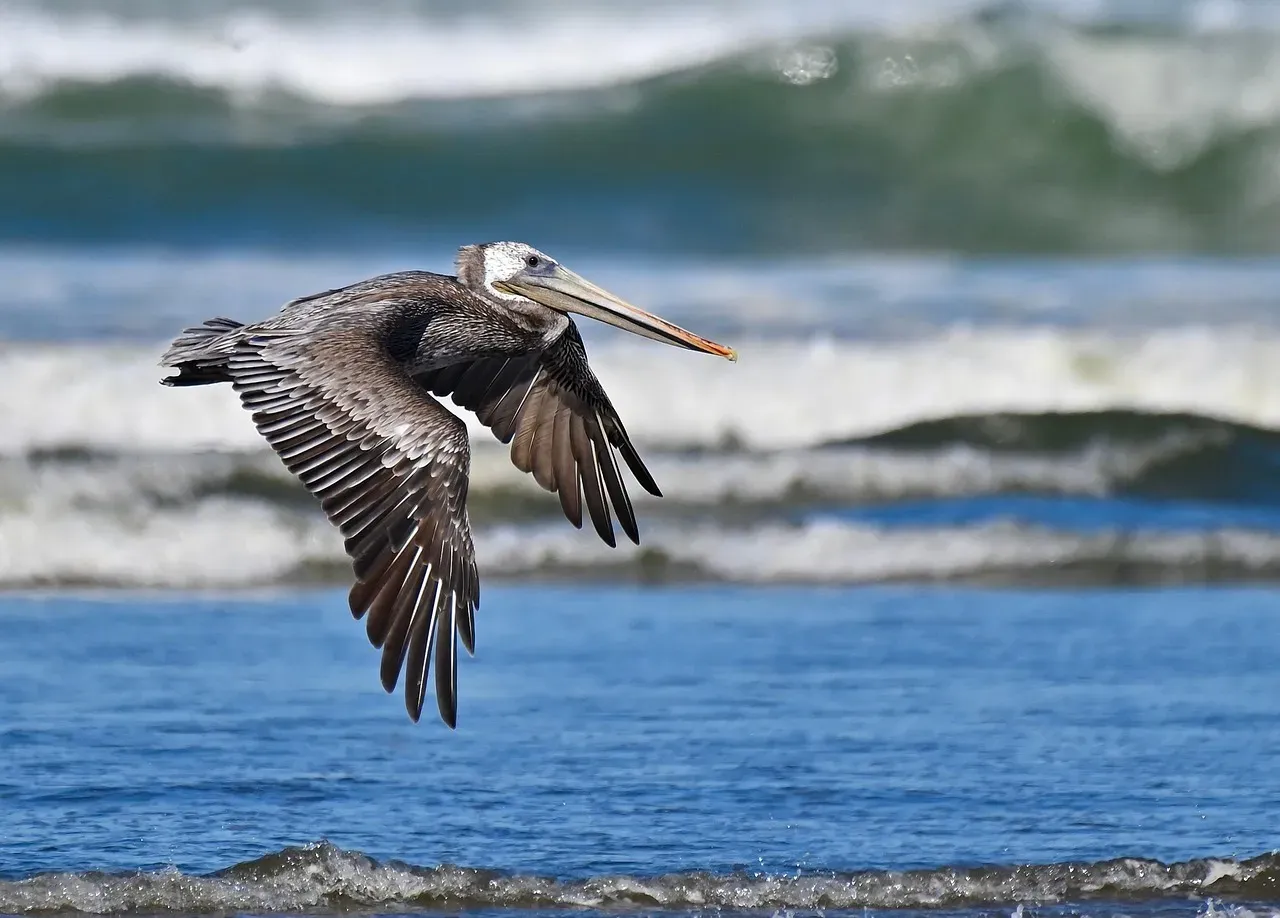
The species’ signature hunting strategy is the high dive: when a hungry brown pelican spots a school of fish, it folds back its wings and plummets headfirst into the water from as high as 60 feet in the air. Their descent is not only fast, it’s steep – they dive at nearly 90 degrees to reduce water refraction that can make it harder to see their prey.
Just before hitting the water, they rotate their bodies slightly to the left – a move unique to – protecting their esophagus and trachea, located on the right side of their necks. Air sacs beneath the skin of a pelican’s breast also help to cushion the dive. That last detail is extraordinary. They essentially have built-in airbags.
To keep their neck vertebrae from getting broken, they stiffen the surrounding muscles as they dive; by throwing their wings straight backwards, can avoid fracturing any of the bones in the appendages. It’s a high-speed, high-stakes maneuver executed perfectly, thousands of times per lifetime. Not bad for a bird that looks a little goofy standing on a dock.
4. Are Surprisingly Gifted Fliers
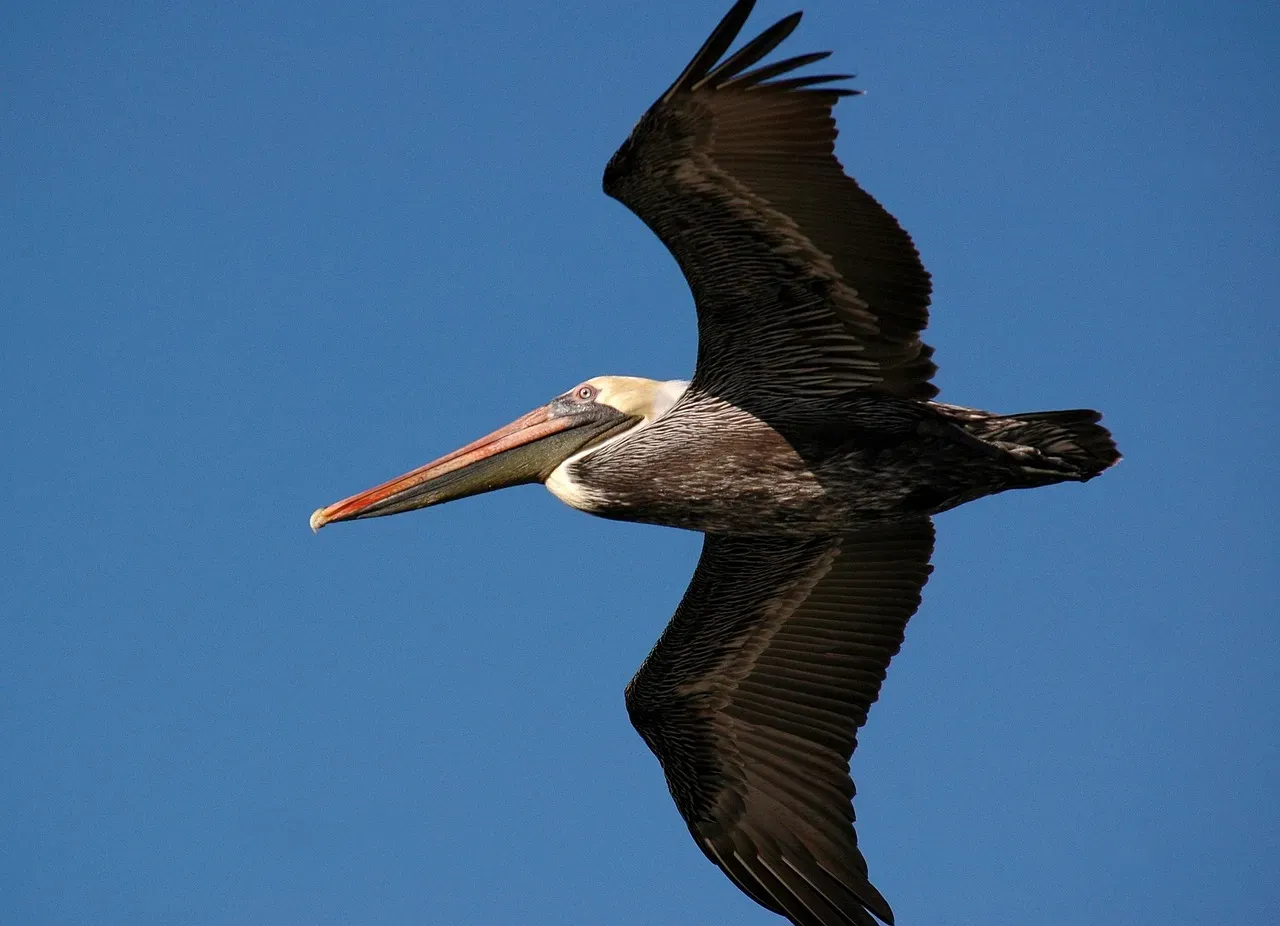
You’d never guess it from watching them waddle around on land, but are remarkable in the air. Despite being heavy birds, they can fly due to their hollow bones and air sacs, making them lighter than they appear, with wings powerful enough to lift them off land and water. Surprisingly, they can soar as high as 3,000 meters in the air.
They use thermals for soaring to heights of 3,000 meters or more, combined with gliding and flapping flight in V formation, to commute distances up to 150 kilometers to feeding areas. Think of thermals as invisible sky escalators. ride them upward and then glide enormous distances using barely any energy at all.
The pelican is able to fly for 24 hours without any stopover at a speed of up to 35 mph, covering distances of up to 310 miles at a flight altitude of 9,840 feet. That is marathon-level endurance from a bird most people associate with lazy coastal lounging. Truly underestimated athletes of the sky.
5. Are Team Hunters With a Tactical Genius
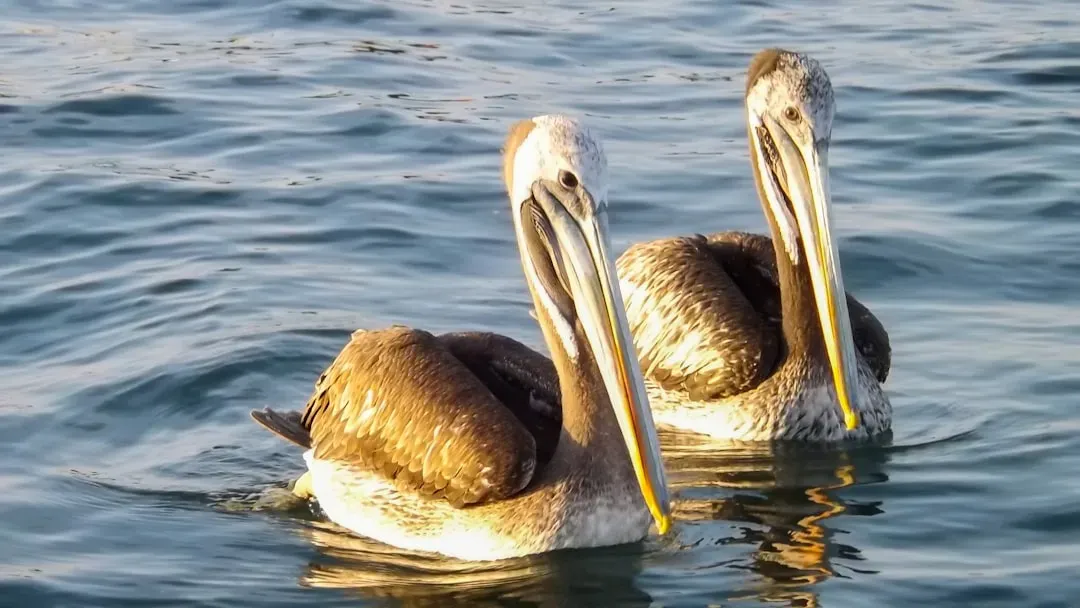
Many fish by swimming in cooperative groups. They may form a line or a U shape and drive fish into shallow water by beating their wings on the surface. When fish congregate in the shallows, the simply scoop them up. It’s basically a coordinated military-style operation, carried out by birds.
When fish are in short supply, great white fish in a group with up to 20 members by swimming in a V-shaped formation towards land. They use the technique to push the fish inland, where the birds scoop up fish with their large bills and pouches in a choreographed manner, let the water drain, and then swallow the fish.
Here’s the thing – this level of coordinated group hunting is rare in the bird world. It’s the kind of behavior we usually associate with dolphins or wolves, not birds. The fact that pull it off with such precision makes them genuinely remarkable hunters. And yes, they do occasionally steal from each other too. Nobody said they were perfect teammates.
6. Their Feet Are Unlike Most Other Birds
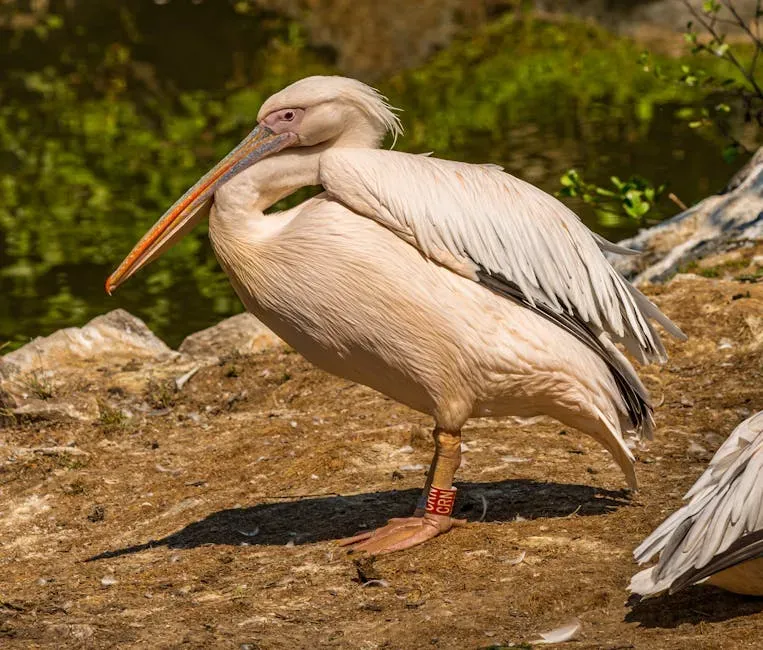
Here is a pelican detail that most people completely overlook. have totipalmate feet, which means that on each foot, there is webbing that connects all four toes. Most waterbirds only have webbing between three forward-facing toes. connect all four, giving them exceptional swimming ability.
and their relatives – cormorants, gannets, and boobies – are the only birds with totipalmate feet. It’s an exclusive club with a very strange membership list. Think of it as nature’s version of premium swim fins, permanently attached.
What makes this even more interesting is how use these feet during breeding. They use their webbed feet to keep their eggs warm during incubation, essentially turning their own feet into a heating pad for their offspring. Multi-purpose anatomy at its finest.
7. Pelican Parenthood Is Surprisingly Intense
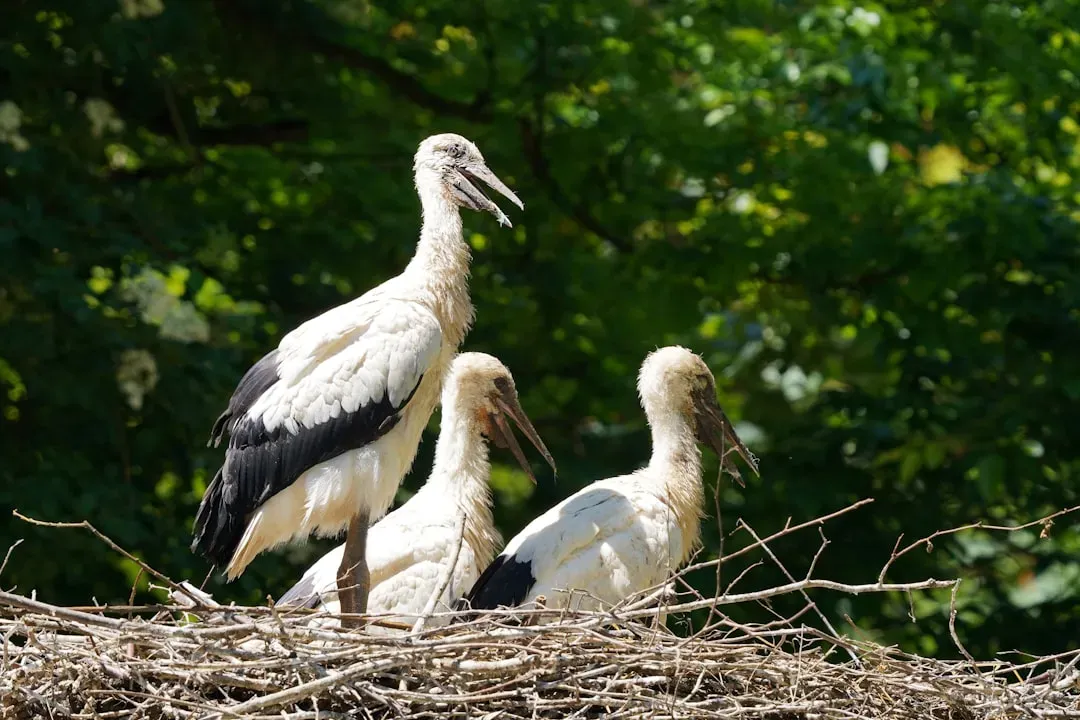
Both males and females work together to build their nest, incubate their eggs, protect their nest, feed and protect their young, and teach them to fly. Parents switch off guarding the nest until the young are four to six weeks old. It is genuinely a shared responsibility, not a one-parent operation.
Although may lay as many as six eggs in a nest, usually only one chick survives. This may be partially due to the sheer amount of care each chick requires. And the drama doesn’t stop there. Pelican chicks in a nest with siblings may also die as a result of siblicide, where the chick that hatches first or grows fastest kills off its nestmates to secure more resources for itself.
Small chicks are fed by regurgitation; after about a week, they are able to put their heads into their parents’ pouches and feed themselves. Sometimes, the pelican chick may seem to “throw a tantrum” by loudly vocalizing and dragging itself around in a circle, sometimes ending in what looks like a seizure, believed to draw attention to itself and away from siblings waiting to be fed. Wild, dramatic, and oddly relatable behavior. Pelican parenting, it turns out, is not for the faint of heart.
8. The Brown Pelican Made a Remarkable Comeback From Near Extinction
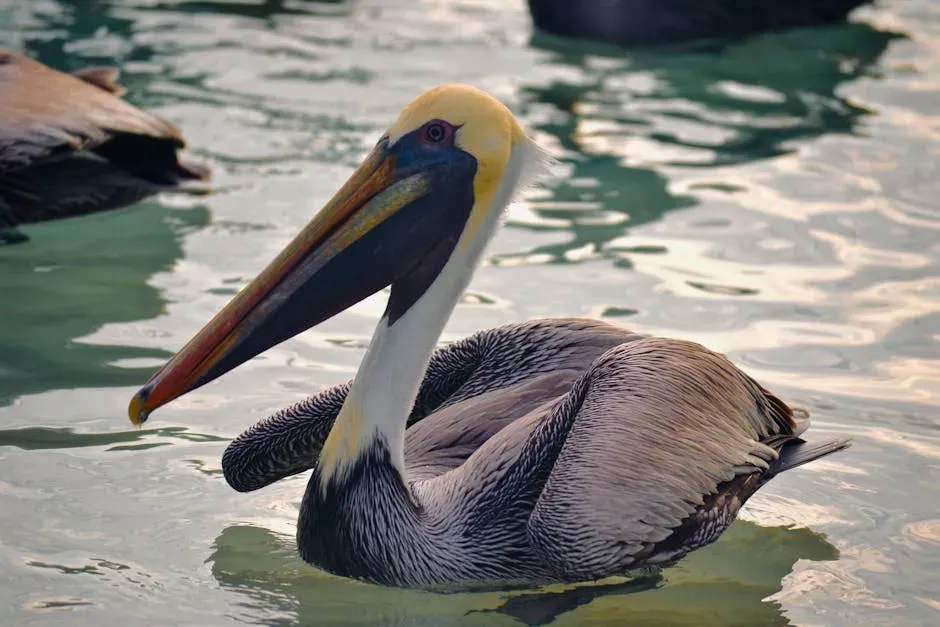
From 1970 until 2009, the brown pelican was listed as an endangered species. Like many birds, fell victim to DDT, a pesticide that caused birds to produce eggshells so thin they broke under the weight of their parents. No brown bred in Louisiana when it became the state bird in 1966. Imagine having a state bird that no longer existed in your state.
After the EPA banned DDT in 1972, the birds began to recover, reaching pre-pesticide numbers by the late 1990s. Today, brown number an estimated 370,000 and are no longer considered a species of conservation concern. It is honestly one of wildlife conservation’s great success stories. A species pulled back from the brink through collective action.
The brown pelican is revered and respected in many countries and is the national bird of Saint Martin, Barbados, Saint Kitts and Nevis, and the Turks and Caicos Islands, and it’s the official state bird of Louisiana. From near extinction to national symbol. Few comebacks in the natural world carry quite that kind of emotional weight.
Conclusion: A Bird Worth a Second Look
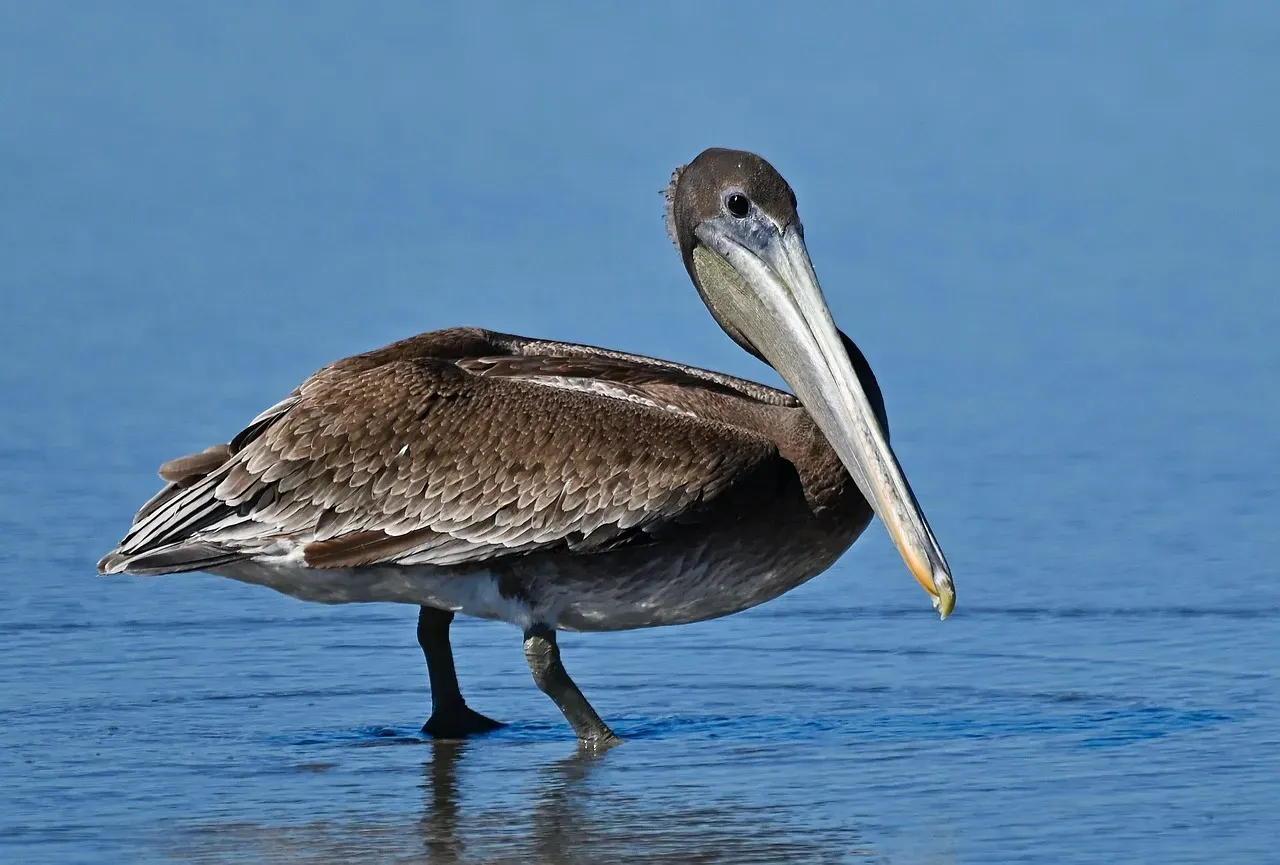
are one of those creatures that people walk past every day without really seeing. They’re just there, floating, gliding, occasionally dive-bombing the ocean in a way that looks simultaneously reckless and perfect. Yet beneath that familiar silhouette lives an animal of extraordinary complexity.
Thirty million years of near-identical evolution. Tactical team hunting. Built-in airbags for high-speed dives. Intense shared parenting. A jaw-dropping conservation comeback. These are not the qualities of an ordinary bird. They are the qualities of one of nature’s most quietly extraordinary success stories.
Next time you spot a pelican perched lazily on a post, take a second look. There’s a lot more going on behind that magnificent, ridiculous, beautiful bill than meets the eye. What’s the fact that surprised you most? Tell us in the comments.
