

Picture this: a creature so elusive it’s earned the nickname “desert ghost,” vanishing like a mirage across Arizona’s scorching landscape. You’ve probably never seen one in person, though you might’ve driven through their territory without even knowing it. These aren’t mythical beings from Native American folklore. They’re real, remarkably rare, and racing against time.
The Sonoran pronghorn lives where most animals simply couldn’t. Let’s be real, surviving in one of North America’s harshest deserts takes more than luck. It takes extraordinary adaptations, lightning reflexes, and a stubborn will to persist when everything seems stacked against you. Ready to discover what makes this ghost so captivating?
They’re North America’s Speed Demons
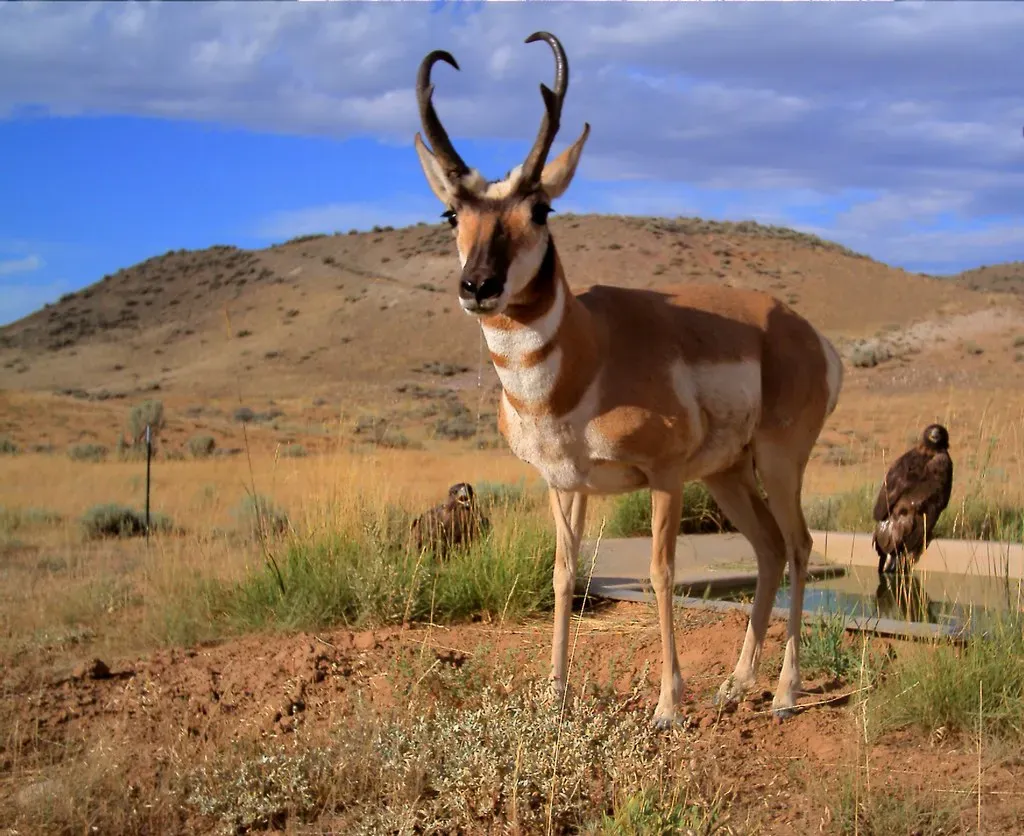
The Sonoran pronghorn holds the title of fastest land mammal in North America, with top speeds approaching 60 miles per hour. Think about that for a second. This animal can outrun nearly every predator on the continent, hitting speeds that would earn it a hefty speeding ticket on most residential streets.
Their speed is believed to have evolved as a defense against two different species of cheetahs that once roamed North America. Those ancient predators are long gone, yet the pronghorn still carries this incredible gift. That big chest holds large lungs and a huge heart, and those little legs can sustain slower speeds for long distances thanks to its impressive cardio-pulmonary system.
Their Heat-Releasing Hair Is Like Built-In Air Conditioning
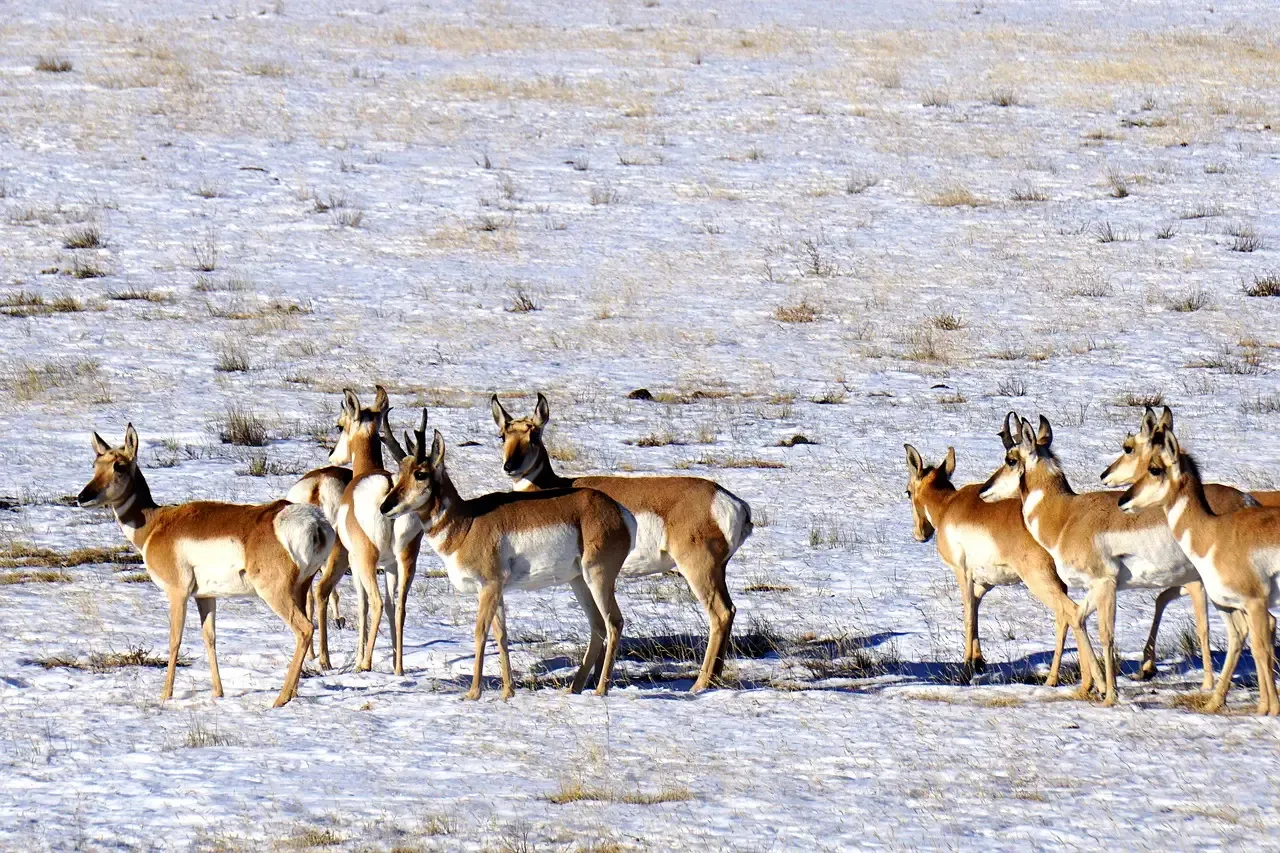
Living in the Sonoran Desert means enduring temperatures that regularly soar past 110 degrees Fahrenheit. Most mammals would struggle. The Sonoran pronghorn? It’s got a trick up its sleeve.
It can erect its stiff bristle-like body hair in patches to release body heat in extremely hot weather. Imagine having a coat you could ventilate at will, letting trapped heat escape when things get unbearable. In the winter months the hairs insulate them against the cold, making this adaptation work double duty throughout the year.
They Can Survive on Almost No Water
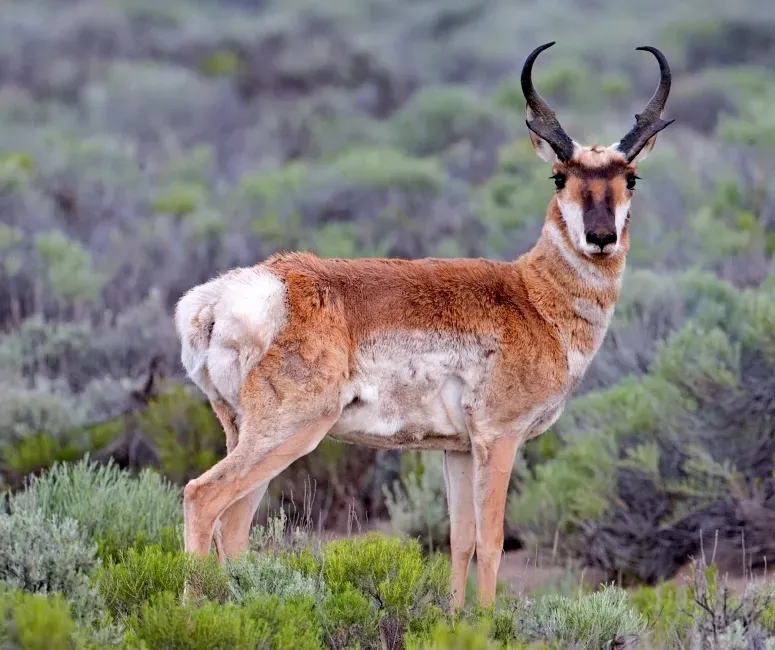
Here’s the thing: water is scarce in the desert, sometimes nearly impossible to find. Yet the Sonoran pronghorn has figured out how to thrive anyway.
It obtains most of its moisture from the plants it eats, like cacti and shrubs, and its kidneys can concentrate urine to reduce water loss. It’s hard to say for sure how long they can go completely without drinking, though some researchers believe it could be weeks or even longer during cooler months. They survive by eating the most succulent parts of desert shrubs, forbs, trees, and certain cacti, essentially drinking their food.
They Nearly Vanished Forever in 2002
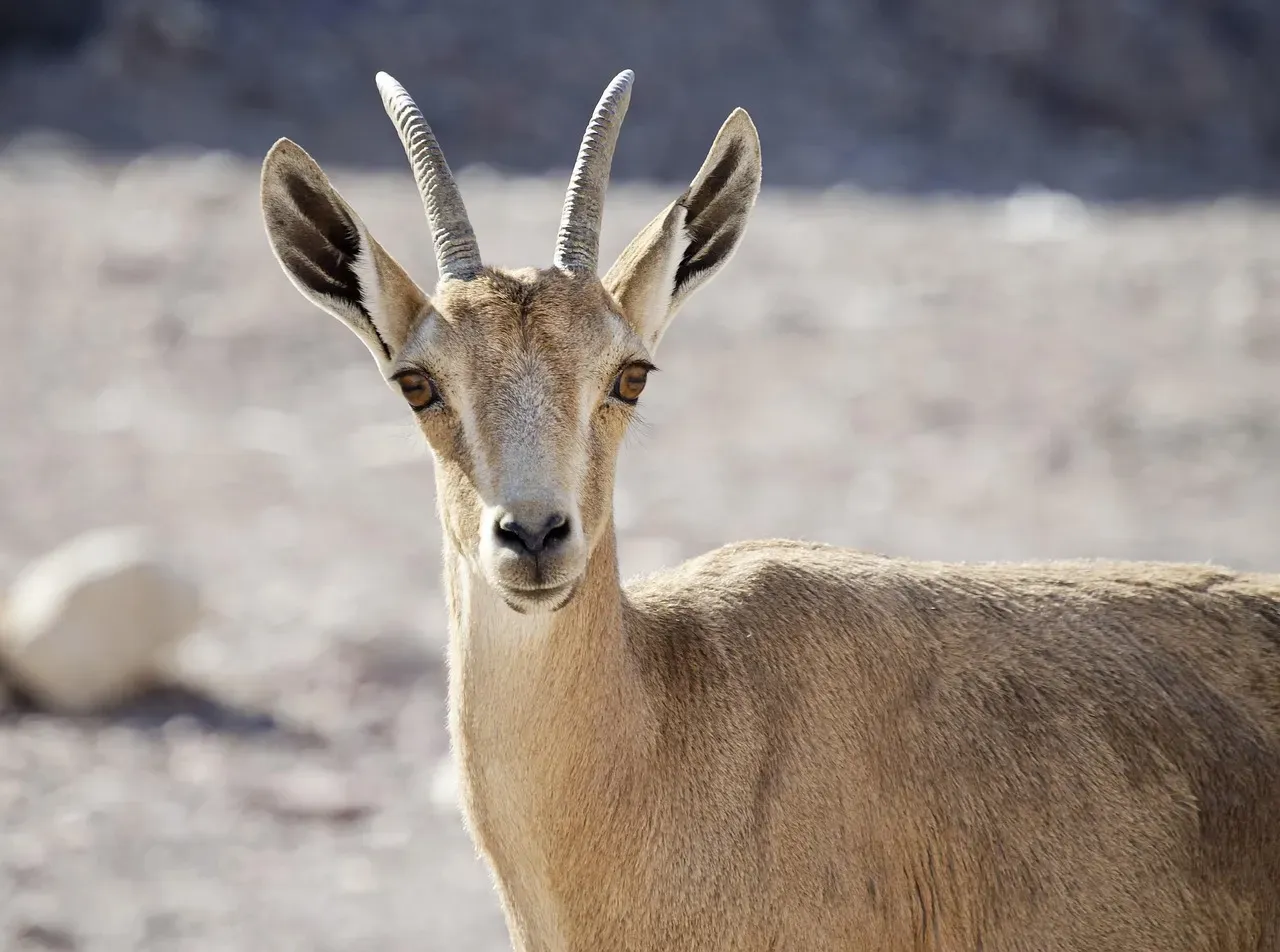
The Arizona population suffered a severe decline due to a drought in 2002 that wiped out 80% of collared pronghorns, reducing their numbers to just about two dozen individuals. Twenty-one animals. That’s how close we came to losing them entirely.
After one of the hottest and driest years on record, all but 21 pronghorn in the U.S. perished as a result of a severe 13-month drought. I think most people would’ve written them off at that point. Emergency intervention, including captive breeding programs and supplemental feeding, pulled them back from the brink of extinction. Around 450 animals currently are believed to exist in Arizona in the United States, a testament to dedicated conservation work.
Their Vision Is Nothing Short of Extraordinary
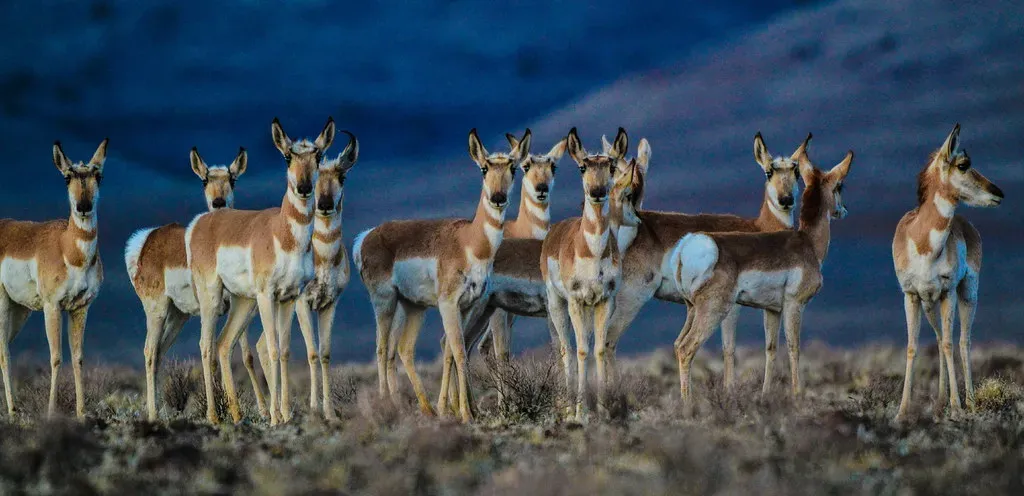
The pronghorn’s exceptional speed and excellent vision help it to avoid predators and take advantage of scarce desert forage. Their eyes are positioned high on their heads, providing nearly 360-degree vision across the flat desert terrain.
Their eyes are set high on their heads, and are very large in comparison to their body. They can see something moving as far as 4 miles away. Four miles. That’s like standing in downtown Phoenix and spotting a coyote near the airport. A pronghorn would rather be out in the open where it can see danger coming for nearly 360 degrees and for a good distance away, and to evade the perils of a would-be predator, a pronghorn doesn’t hide – it just has to outrun it.
The Border Wall Threatens Their Survival
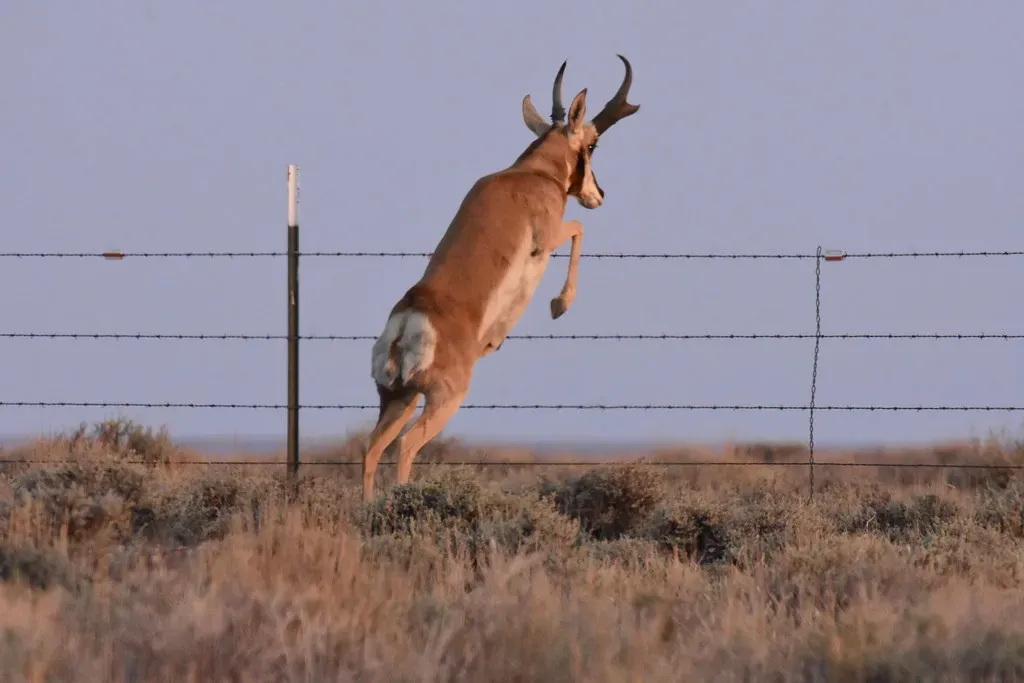
Wildlife doesn’t recognize political boundaries. Pronghorn certainly don’t. Yet human-made barriers have become one of their greatest threats.
The presence of the US-Mexico border wall exacerbates these challenges, further isolating the populations on both sides of the border. The wall disrupts traditional migration routes, impedes gene flow, and increases the difficulty of managing the multiple populations. These animals evolved to roam freely in search of food and water. Restricted to the southwestern corner of Arizona and northwestern Sonora, Sonoran pronghorns exhibit nomadic behavior, moving in response to rainfall and forage availability.
They Share Their Home With Military Bombing Ranges
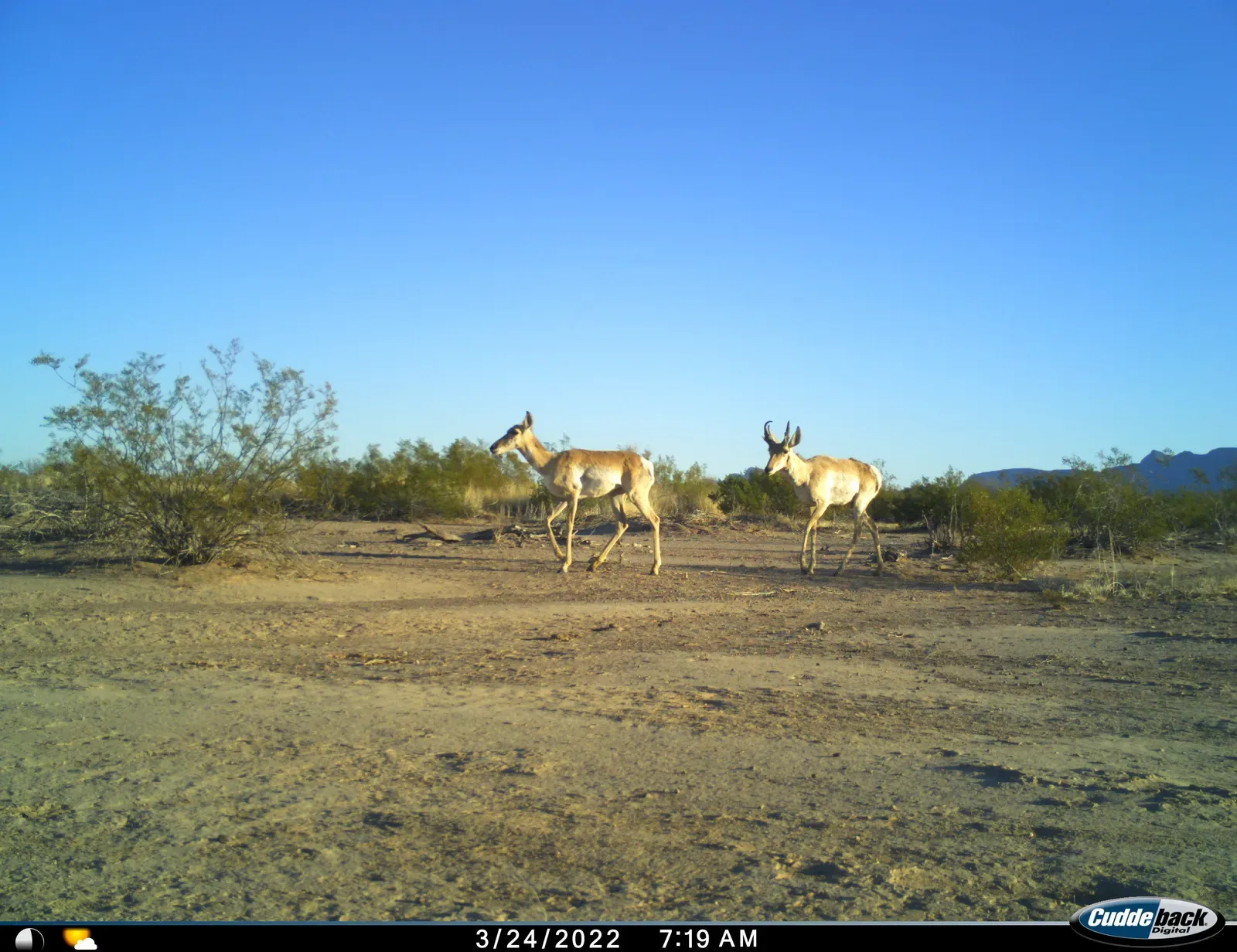
If drought and border walls weren’t enough, much of the Sonoran pronghorn’s habitat sits squarely within active military training grounds. Much of their habitat is occupied by the BMGR, which is an active United States Air Force bombing range.
Honestly, it sounds like a disaster waiting to happen. Yet there’s been surprising progress. The United States military adjusted its operations on the Barry M. Goldwater Range and Yuma Proving Grounds in Arizona by purposefully screening for pronghorn and delaying or moving its bombing, artillery and flight maneuvers, when the Sonoran pronghorn are present. It’s a delicate balance between national defense and species conservation.
They Earned the Name Desert Ghost for Good Reason
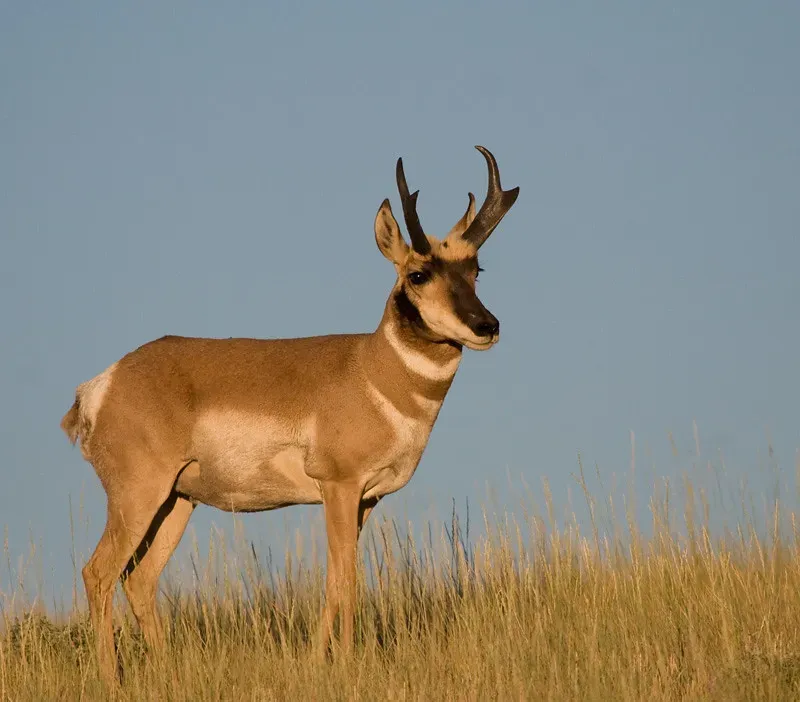
The Sonoran pronghorn, or “desert ghost” so named for its elusive ways, speed and desert haunts, isn’t just a poetic nickname. These animals are notoriously difficult to spot in the wild.
Known as the “desert ghost” for its elusive and skittish behavior, this species is smaller and lighter in color compared to its more common relative, uniquely adapted to thrive in the arid conditions of the Sonoran Desert. Their pale tan coloring blends seamlessly into the desert landscape. Combined with their wariness of humans and incredible speed, catching even a glimpse of one feels like winning the lottery. Their one weakness is their curiosity. They will often return to see what scared them in the first place, though in modern times, that curiosity rarely outweighs their instinct to flee.
Conclusion
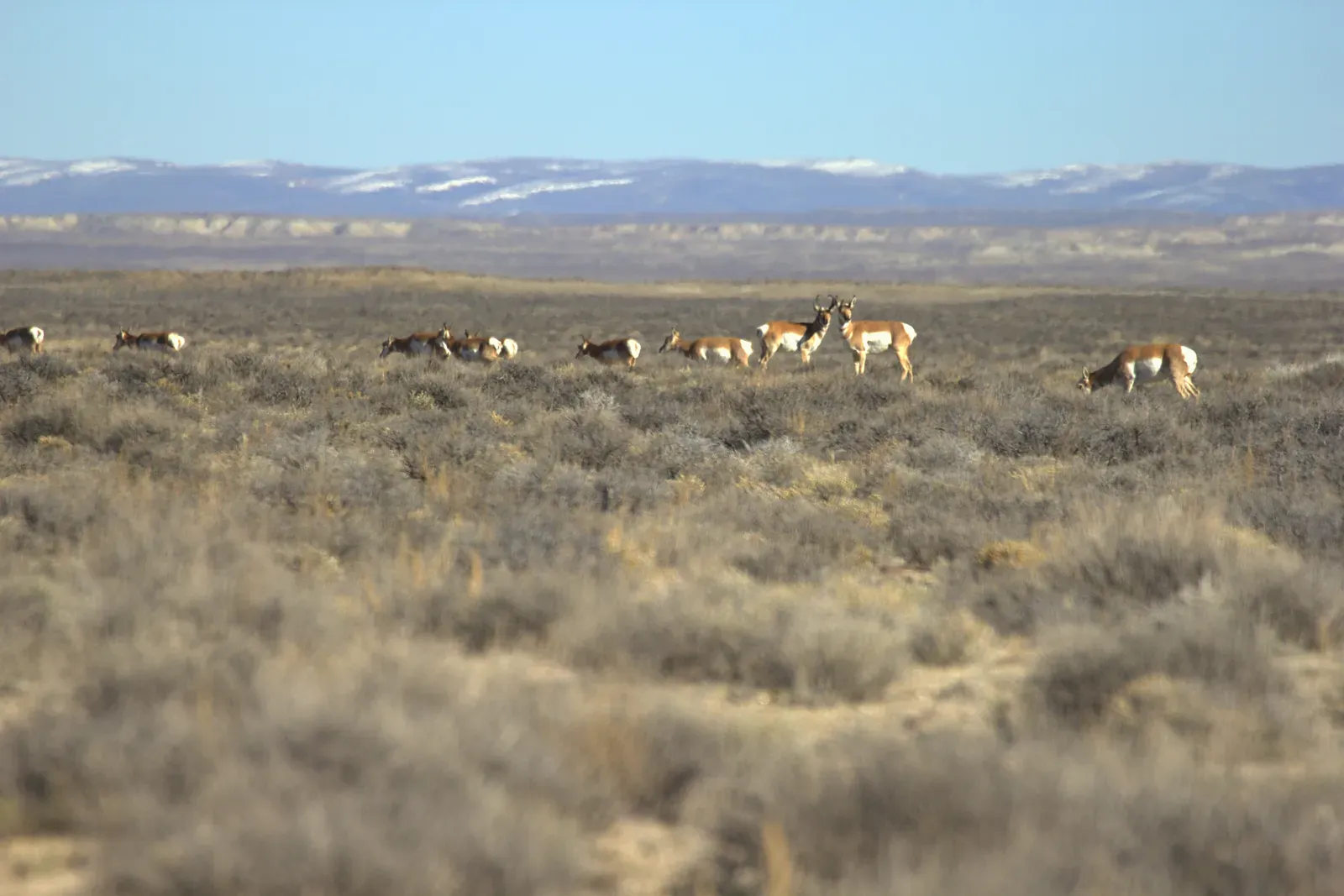
The Sonoran pronghorn’s story is one of resilience against overwhelming odds. From near extinction to slow recovery, these remarkable animals continue fighting for survival in one of North America’s most unforgiving environments. Their speed, adaptations, and sheer determination remind us that even the rarest species can bounce back when we commit to protecting them. Yet climate change, habitat fragmentation, and human disturbances still threaten their future.
Next time you’re driving through southwestern Arizona, keep your eyes on the horizon. You might just catch a fleeting glimpse of the desert ghost. What do you think we should prioritize to ensure their survival?

- The Hidden World of Backyard Insects: They Play a Crucial Role in Our Gardens - July 18, 2026
- 7 Apex Predators That Are Actually Afraid of One Specific Animal Smaller Than Themselves and the Encounters That Confirmed It - July 18, 2026
- 10 Animals That Researchers Confirmed Can Recognize Themselves in a Mirror – and the One Near the Bottom of the List That Rewrote the Criteria Entirely. - July 18, 2026