
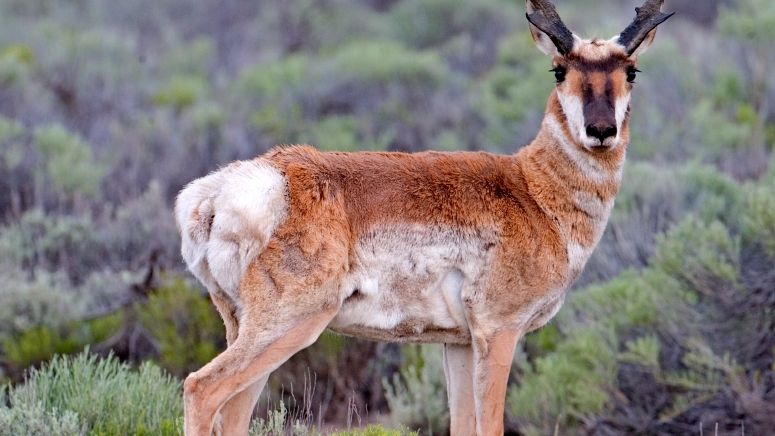
The Sonoran Desert is a harsh, unforgiving landscape where survival requires extraordinary adaptation. Among its sandy expanses and sparse vegetation roams a creature so elusive it has earned a haunting nickname: the Desert Ghost. This isn’t folklore or legend. The Sonoran pronghorn is real, rare, and remarkably specialized for life in one of North America’s most extreme environments. These animals vanish into the heat haze with such grace that spotting one feels like witnessing something otherworldly.
What makes this subspecies so captivating goes beyond its mysterious nature. These are animals that have been pushed to the very brink of extinction, only to claw their way back through one of the most intensive conservation efforts in the American Southwest. Their story involves drought, military bombing ranges, international borders, and a dedicated team of biologists who refuse to let them disappear. If you think you know everything about fast animals or desert survival, prepare to be surprised.
They’re North America’s Fastest Land Mammal
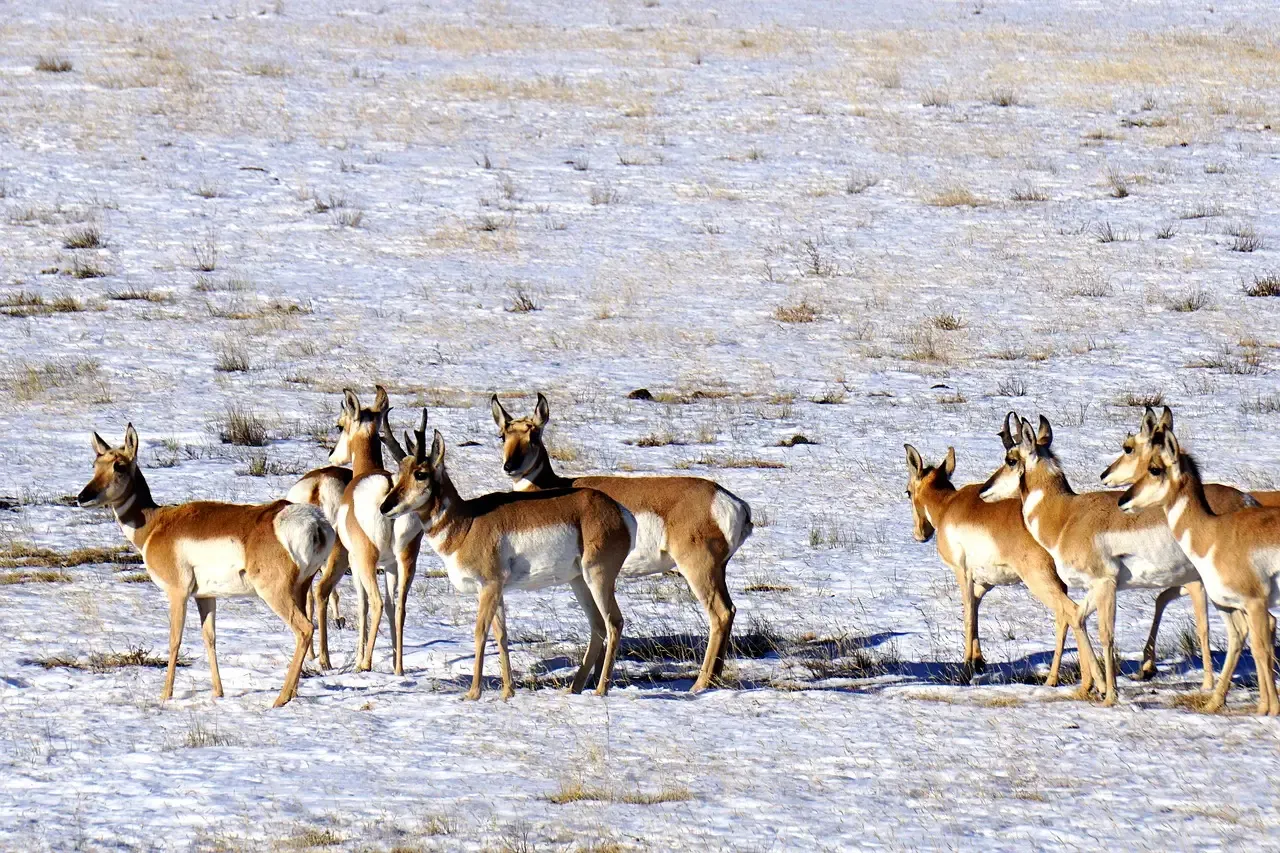
Speed is survival in the open desert, and the Sonoran pronghorn is the fastest land mammal in North America, with top speeds approaching 60 miles per hour. That’s not just a brief sprint, either. They can run 56 kilometers per hour for over four miles and 68 kilometers per hour for about a mile, sustaining top speeds much longer than cheetahs.
Their bodies are perfectly engineered for this incredible performance. That big chest holds large lungs and a huge heart and those little legs carry a pronghorn over land quicker than any other animal in North America. Running with their mouth open allows pronghorn to take in lots of oxygen to fuel their running muscles. Scientists believe this extraordinary speed evolved as a defense against extinct predators like the American cheetah. Today, no living predator can catch them in a fair race.
This speed is believed to have evolved as a defense against two different species of cheetahs that once roamed North America. Even though those ancient threats are long gone, the pronghorn’s blazing velocity remains their most effective survival tool. Coyotes and bobcats don’t stand a chance if a pronghorn gets a head start, which their excellent vision almost always ensures.
They Nearly Vanished in 2002
The Arizona population suffered a severe decline due to a drought in 2002 that wiped out 80% of collared pronghorns, reducing their numbers to just about two dozen individuals. Let’s be real, twenty-one animals left in the entire United States is extinction breathing down your neck. In 2002, the population sank to a mere 19 individuals when the summer monsoonal rains that usually come pouring down in July waited until September to arrive.
The timing was catastrophic. The drought lowered fawn survival and left the population with fewer healthy adults in the population to breed. Water is scarce in the Sonoran Desert at the best of times, with vegetation scattered and rainfall limited. When that critical summer monsoon failed to materialize, the pronghorn had nowhere to turn.
From dire circumstances come drastic measures: in late 2003, seven of the remaining 19 animals were caught and placed in a 640-acre pen on Cabeza Prieta National Wildlife Refuge to facilitate captive breeding and re-stocking as habitat improved. By 2003, the Service began a captive breeding program at the Cabeza Prieta National Wildlife Refuge in Arizona, and in 2006, the first captive-bred Ghosts were successfully released to supplement what was left of the wild pronghorn population. It was a gamble that, thankfully, paid off.
They Have a Unique Cooling System
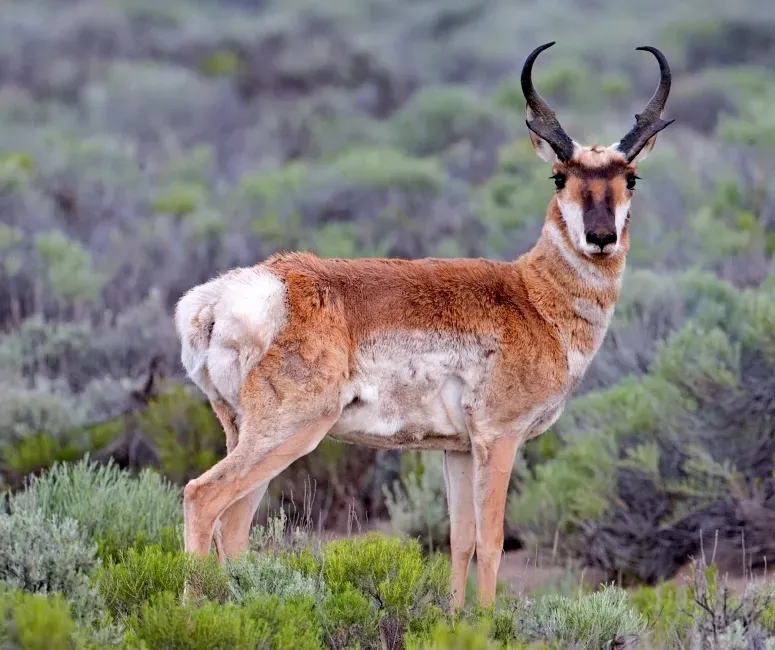
Temperatures in the Sonoran Desert can soar past 120 degrees Fahrenheit in summer. Most mammals would cook alive. The Sonoran pronghorn has a solution that sounds almost too clever to be real. It can erect its stiff bristle-like body hair in patches to release body heat in extremely hot weather.
The pronghorn has a unique ability to raise patches of its stiff, hollow hair to release body heat in the hot summer, while in the winter months the hairs insulate them against the cold. Think of it as a biological thermostat. By controlling these hair patches, they expose the skin beneath, allowing heat to escape when temperatures climb and trapping warmth when desert nights turn frigid.
One of the most impressive traits of the Sonoran pronghorn is its ability to survive with little water, obtaining most of its moisture from the plants it eats, like cacti and shrubs, and its kidneys can concentrate urine to reduce water loss. Combined with their ability to regulate body temperature through their specialized coat, these adaptations allow them to thrive where few other large mammals could even survive. It’s honestly remarkable how evolution fine-tuned every aspect of their physiology for this brutal environment.
Their Eyes Can Spot Movement from Four Miles Away
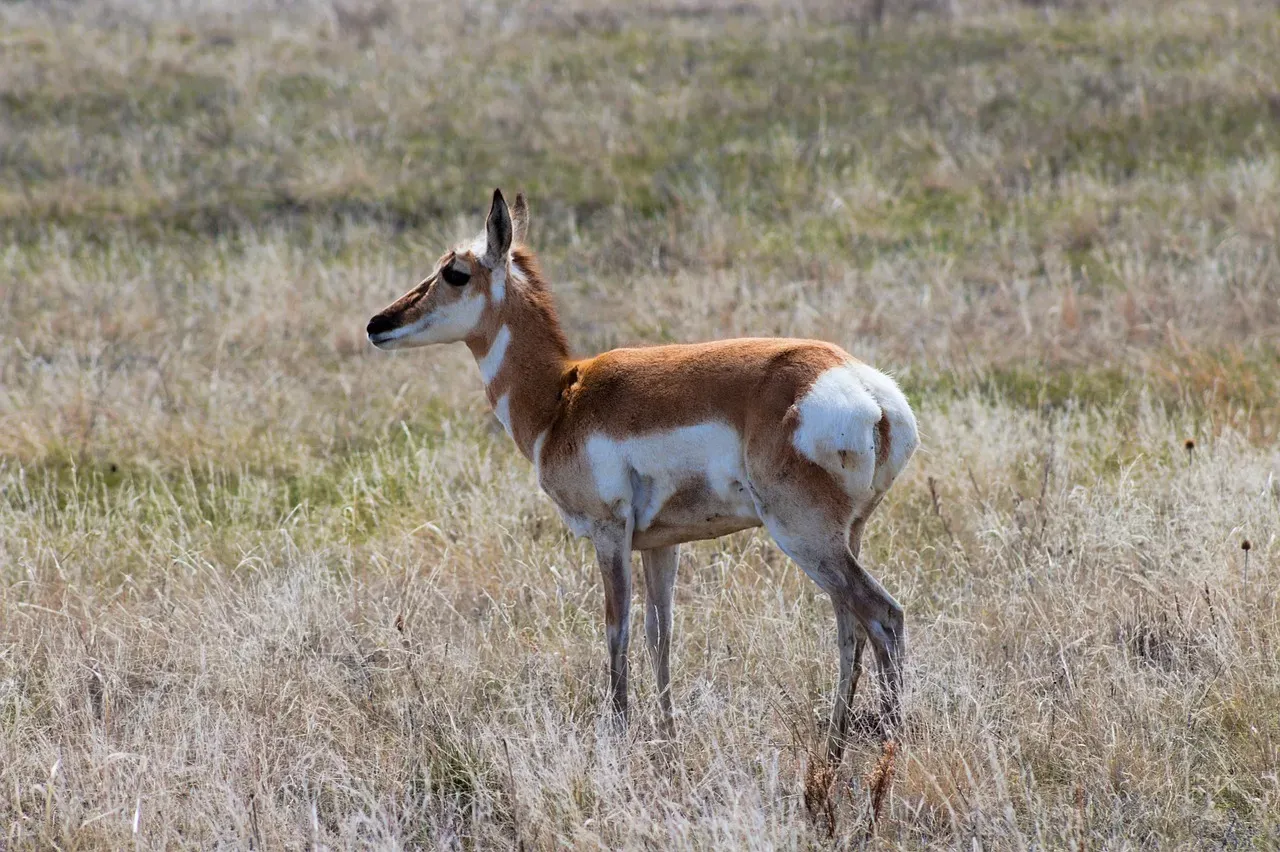
In the open desert, there’s nowhere to hide. Their eyes are set high on their heads, and are very large in comparison to their body, and they can see something moving as far as 4 miles away. That’s not just good vision. That’s predator-detection radar.
Its eyes afford a broad field of vision, and the pelt melds the animal into its habitat. A pronghorn would rather be out in the open where it can see danger coming for nearly 360 degrees and for a good distance away. This strategy makes perfect sense when your primary defense is outrunning threats. Spot the danger early, and you’ve already won.
Within its range, Sonoran pronghorn tend to prefer broad, alluvial valleys separated by granite mountains and mesas where they can spy their surroundings. They deliberately choose terrain that maximizes their visual advantage. The combination of exceptional eyesight and strategic habitat selection creates an early-warning system that’s saved countless lives.
They’re Smaller and Lighter Than Other Pronghorn
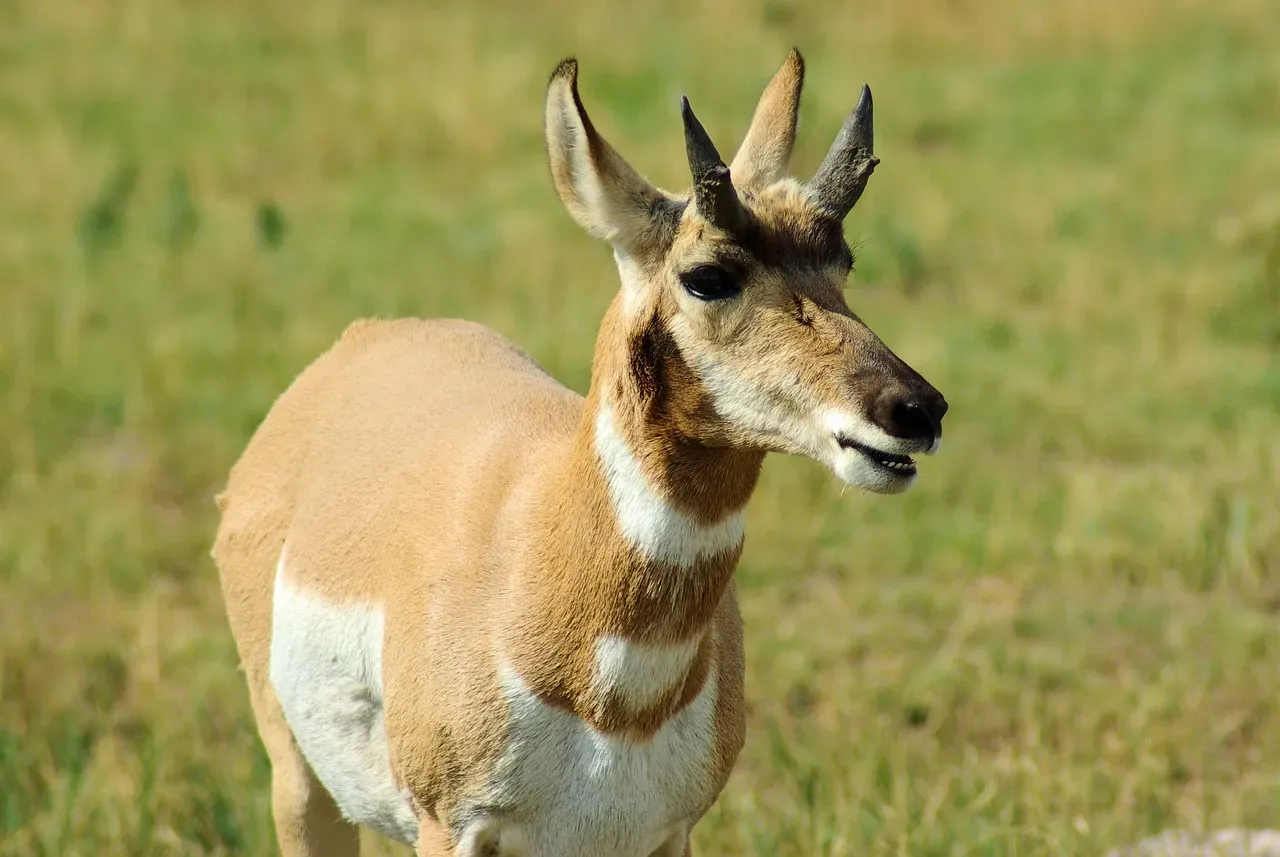
Smaller and lighter in color than other pronghorn subspecies, the genetically and geographically unique Sonoran pronghorn is specially adapted for survival in the harsh arid conditions. Smaller than a white-tailed deer, the Sonoran pronghorns stand less than 3 feet at the shoulders with an overall body length of 48 to 57 inches.
Males can weigh 90 to 130 pounds and females 75 to 110 pounds, with females being about 10% smaller than the males. Their lighter coloring helps them blend into the pale desert landscape, making them even harder to spot against the tan sand and sun-bleached rocks. This camouflage complements their speed and vision perfectly.
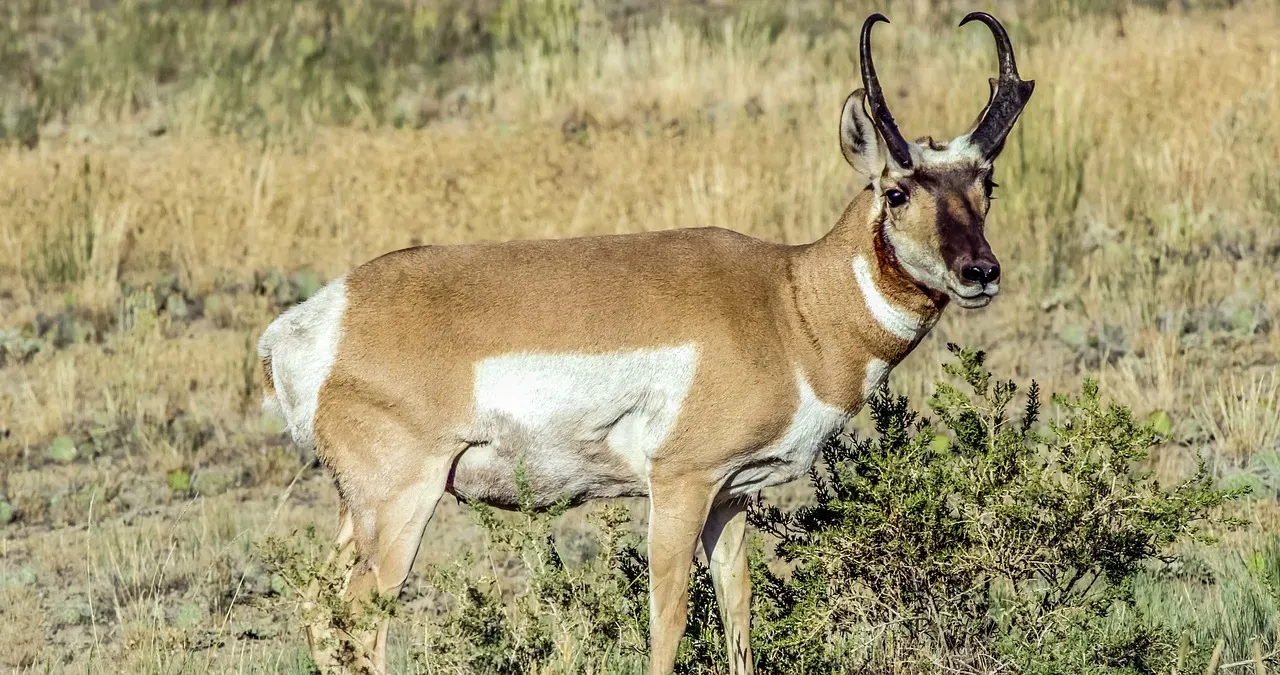
The upper part of the Sonoran pronghorn is a rich tan color, with their underpart, rump, and two bands across their neck being white, and a short 2-4 inch black mane runs down the back of their neck. Males sport distinctive markings. Males have a black mask and black cheek patches. This coloration isn’t just about looks. It’s survival design honed over millennia.
Much of Their Habitat Is an Active Military Bombing Range

Here’s where things get genuinely complicated. Much of their habitat is occupied by the Barry M. Goldwater Air Force Range, which is an active United States Air Force bombing range. Yes, you read that correctly. These critically endangered animals live in a place where fighter jets drop explosives for training exercises.
Following a lawsuit, the United States military adjusted its operations on the Barry M. Goldwater Range and Yuma Proving Grounds in Arizona by purposefully screening for pronghorn and delaying or moving its bombing, artillery and flight maneuvers, when the Sonoran pronghorn are present. It’s a strange balancing act between national defense and species preservation.
The core of what is left of the rare mammal is centered on Cabeza Prieta and Kofa national wildlife refuges, but the animal ranges widely onto other federal public lands including the Barry M. Goldwater Range, Organ Pipe National Monument and Yuma Proving Grounds, and exists on the Tohono O’odham Nation as well. Coordinating conservation across military installations, tribal lands, and wildlife refuges requires unprecedented cooperation. Somehow, it’s working.
They Don’t Jump Fences – They Go Under Them
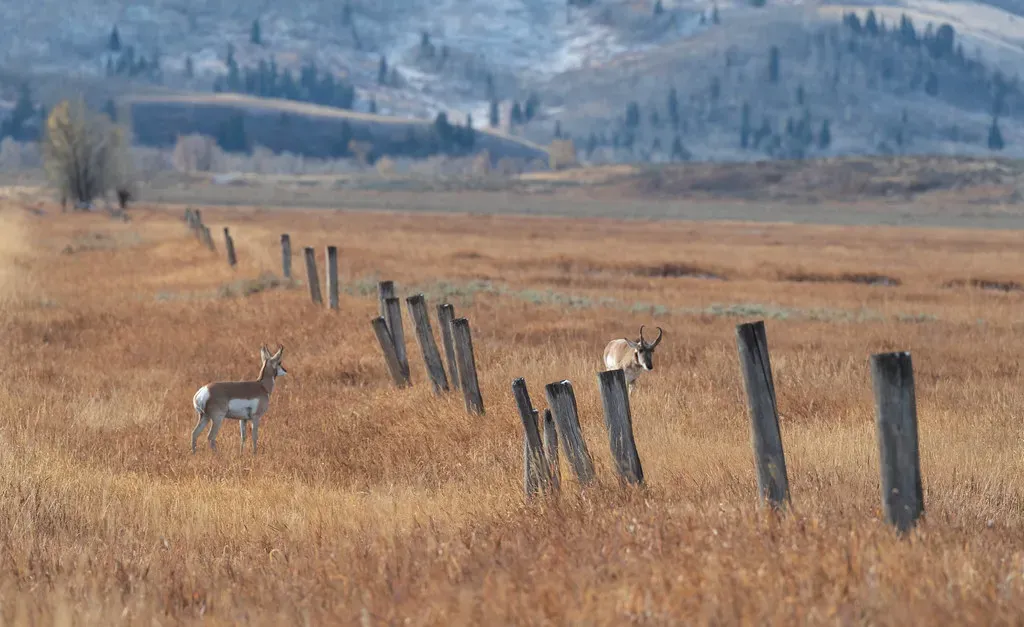
Although they are excellent runners, pronghorn are not good jumpers: if they come across a fence, they often go under it. This quirk of pronghorn behavior has become a critical conservation issue. Fences that seem harmless to humans become impenetrable barriers to these animals, fragmenting their habitat and cutting them off from water sources.
Restriction of movement by fencing is a threat to its survival, as pronghorns don’t jump. The lack of ecological connectivity between herds exacerbated the population decline, as individual pronghorns were not able to adequately move in search of water and forage. In a landscape where resources are already scarce and unpredictably distributed, losing access to crucial areas can mean death.
The presence of the US-Mexico border wall exacerbates these challenges, further isolating the populations on both sides of the border and disrupting traditional migration routes. The inability of pronghorns to move freely across the landscape to find food, water, and mates contributed to the severe population drop. Conservationists are now working to create wildlife corridors and modify fences to allow passage beneath them.
The Population Has Rebounded to Around 450 in Arizona

Around 450 animals currently are believed to exist in Arizona in the United States, up from an estimated 21 individuals in 2002. That’s a conservation success story worth celebrating. During that time the herd within Arizona has grown from 22 individuals to 450 total. From the absolute brink of extinction to a viable population in just over two decades is nothing short of extraordinary.
Conservation efforts include a captive breeding program, yearly relocation of individuals to supplement herds, habitat restoration, provision of a water supply, and ongoing monitoring and management. Federal and state wildlife biologists developed a captive breeding program, which has proven to be extremely successful, and it is estimated that there are more than 650 Sonoran pronghorn in the state now. Multiple agencies, volunteers, and tribal nations have coordinated their efforts in an unprecedented partnership.
Approximately 160 Sonoran pronghorn remain in the United States and 240 are protected in Mexico. Following significant increases in pronghorn population numbers, the 1998 Sonoran Pronghorn Recovery Plan was revised in 2016, recommending the initiation of an additional experimental population of Sonoran pronghorn in southeastern California. The work continues, with plans to reintroduce them to historic ranges they haven’t occupied in decades. The Desert Ghost is slowly reclaiming its territory.
Conclusion
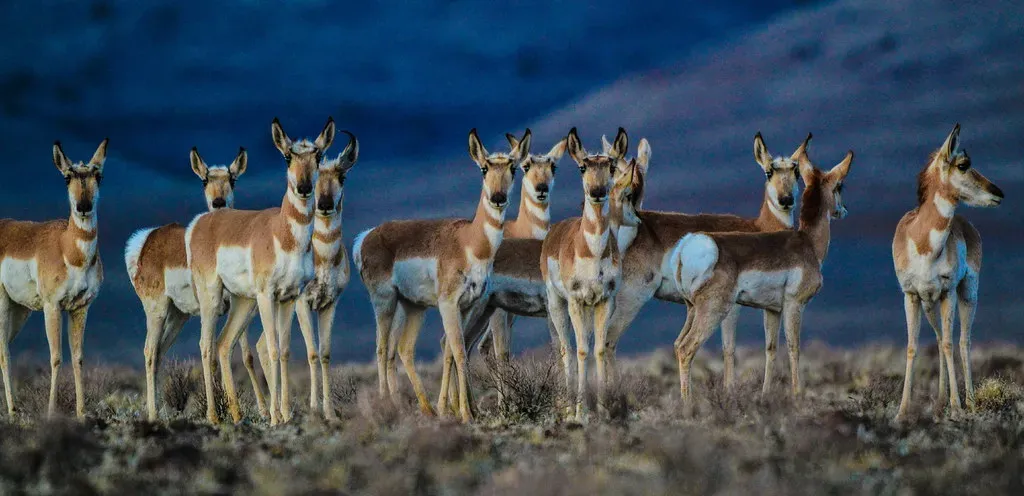
The Sonoran pronghorn’s journey from near extinction to gradual recovery is a testament to what dedicated conservation can accomplish. These remarkable animals embody the harsh beauty of the Sonoran Desert, perfectly adapted to one of the most challenging environments on the continent. Their story reminds us that even when species teeter on the edge of oblivion, recovery is possible with coordinated effort, scientific dedication, and a willingness to make difficult compromises.
Yet the future remains uncertain. Climate change threatens to intensify droughts and reduce the already limited water sources these animals depend on. Habitat fragmentation from fences and border infrastructure continues to challenge their nomadic lifestyle. The Desert Ghost isn’t out of danger yet.
What do you think is the most remarkable adaptation of the Sonoran pronghorn? Does their recovery story give you hope for other endangered species?
