
Worried about unexpected vet bills?
Pet insurance can cover thousands in unexpected vet costs. Get a free quote from Lemonade in under 2 minutes.
Get My Free Quote →Sponsored · Opens Lemonade.com
Picture this: you’re sipping your morning coffee and watching a stunning cardinal splash in your backyard, while goldfinches flit between seedheads you planted yourself. Creating a bird haven isn’t just about throwing up a feeder and hoping for the best. It’s about understanding what our feathered friends truly need and crafting DIY solutions that speak their language.
Any one of them is a solid start for your bird garden, but combine all three and more birds than ever will call your backyard home. Then, the next step is to vary your feeders by location, seed type and height. Honestly, I’ve learned that birds are surprisingly picky about their dining and bathing preferences, which makes these projects all the more rewarding when they work.
Let’s dive into eight hands-on projects that will transform your yard into a bustling bird sanctuary.
Build Custom Feeding Stations with Repurposed Materials
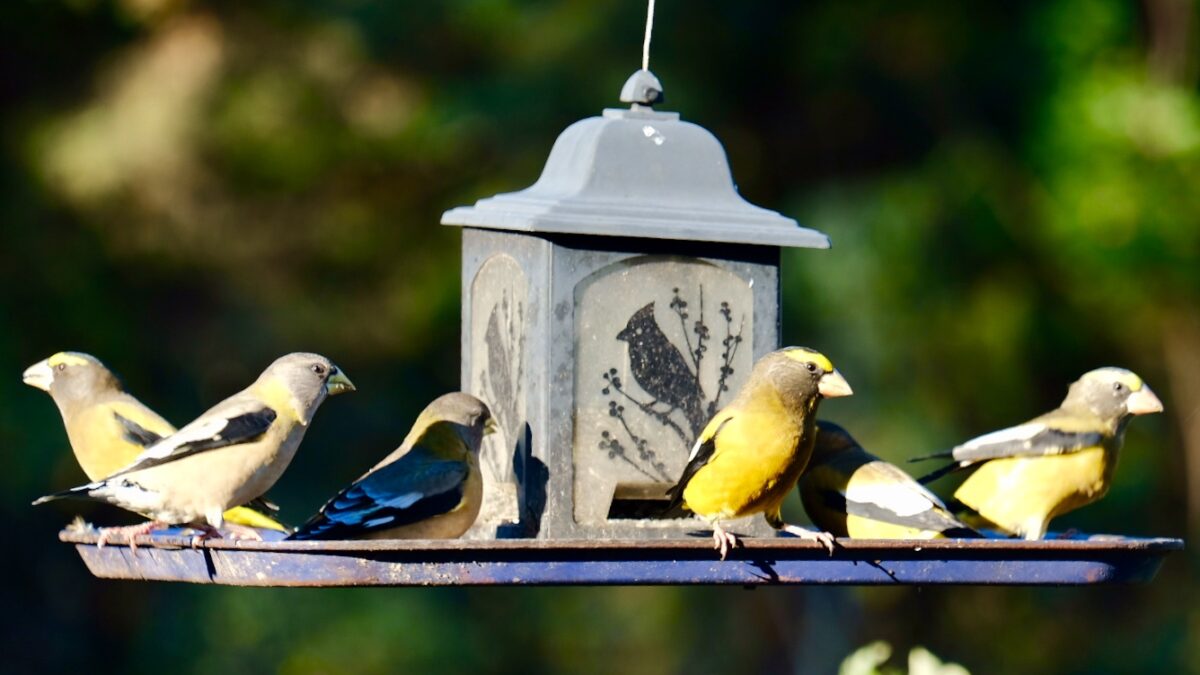
Creating feeding stations from materials already lying around your home offers both satisfaction and functionality. Create your natural bird feeding station by placing two old planters where you want the feeder. Fill them with dirt for stability. Plants are optional, but you should cover the dirt with a thick layer of mulch to prevent the birds’ seeds from taking root.
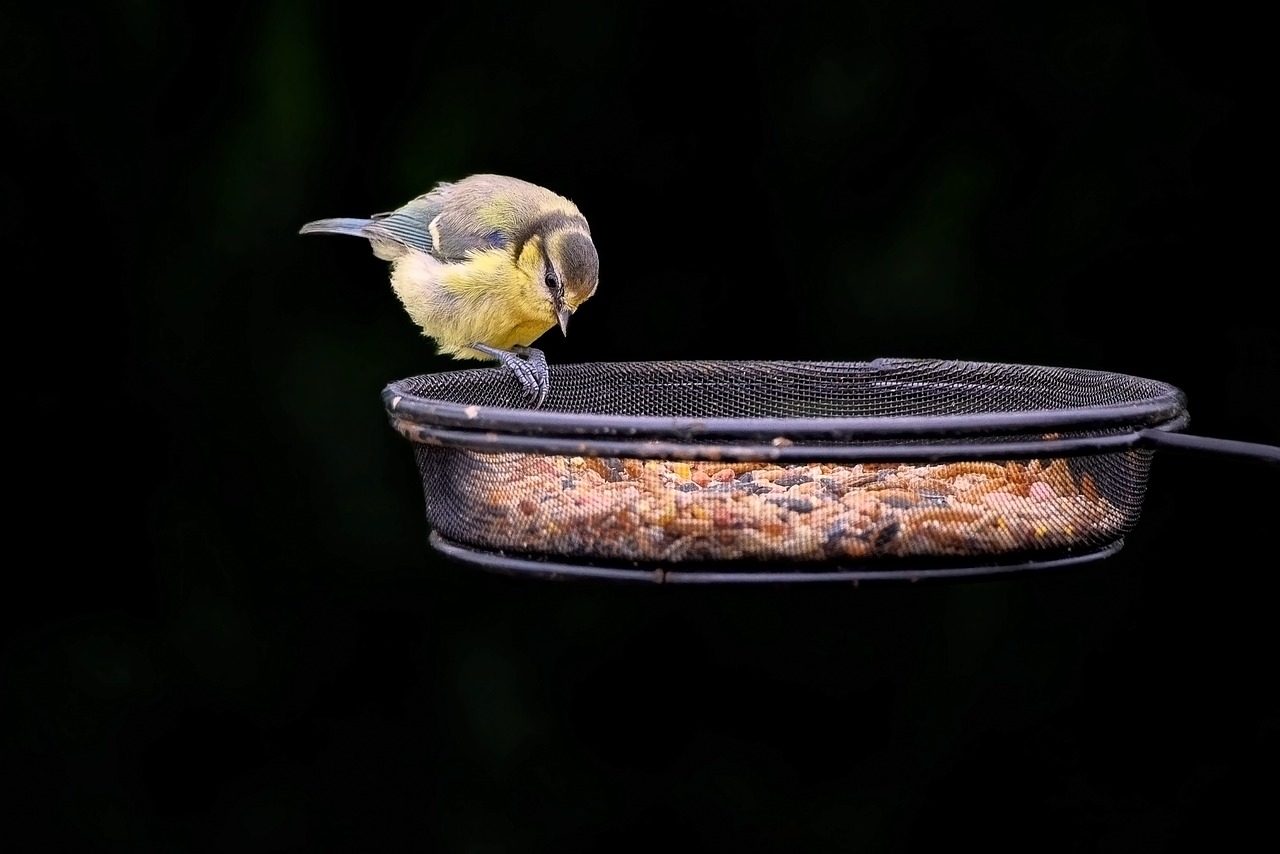
Place an old baking sheet on the shelf for shallow dishes of birdseed and other yummies you make to attract birds to your yard, like Martha Stewart’s clever DIY feeder, a suet-based creation. I love how versatile these stations become – you can adjust height, add multiple feeding levels, and even incorporate natural elements like dried flower heads for year-round interest.
Craft Natural Bird Feeders from Pine Cones and Fruit
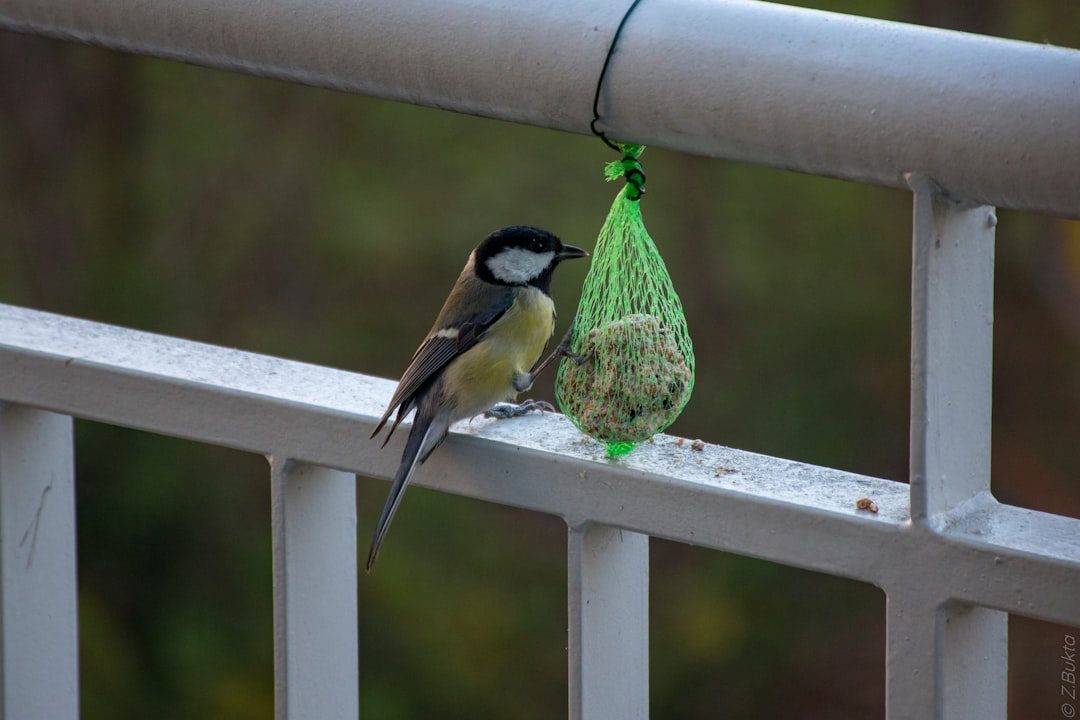
All you need to make homemade natural bird feeders in your yard are some pine cones and apples! The supplies needed to make your own DIY natural bird feeders are things that you most like have in your home and pantry already! To make treats, simply tie some twine around one end of a pine cone.
The process couldn’t be simpler: You can also cut an apple in half or into slices and core out the center, or likewise hollow out an orange and use the rind like a little cup! Cover the pine cone or fruit with peanut butter and then dip in bird seed, raw nuts, or dried fruits. Hang in your tree and enjoy bird watching! These feeders work especially well during winter when natural food sources become scarce.
Design DIY Nesting Boxes for Different Bird Species
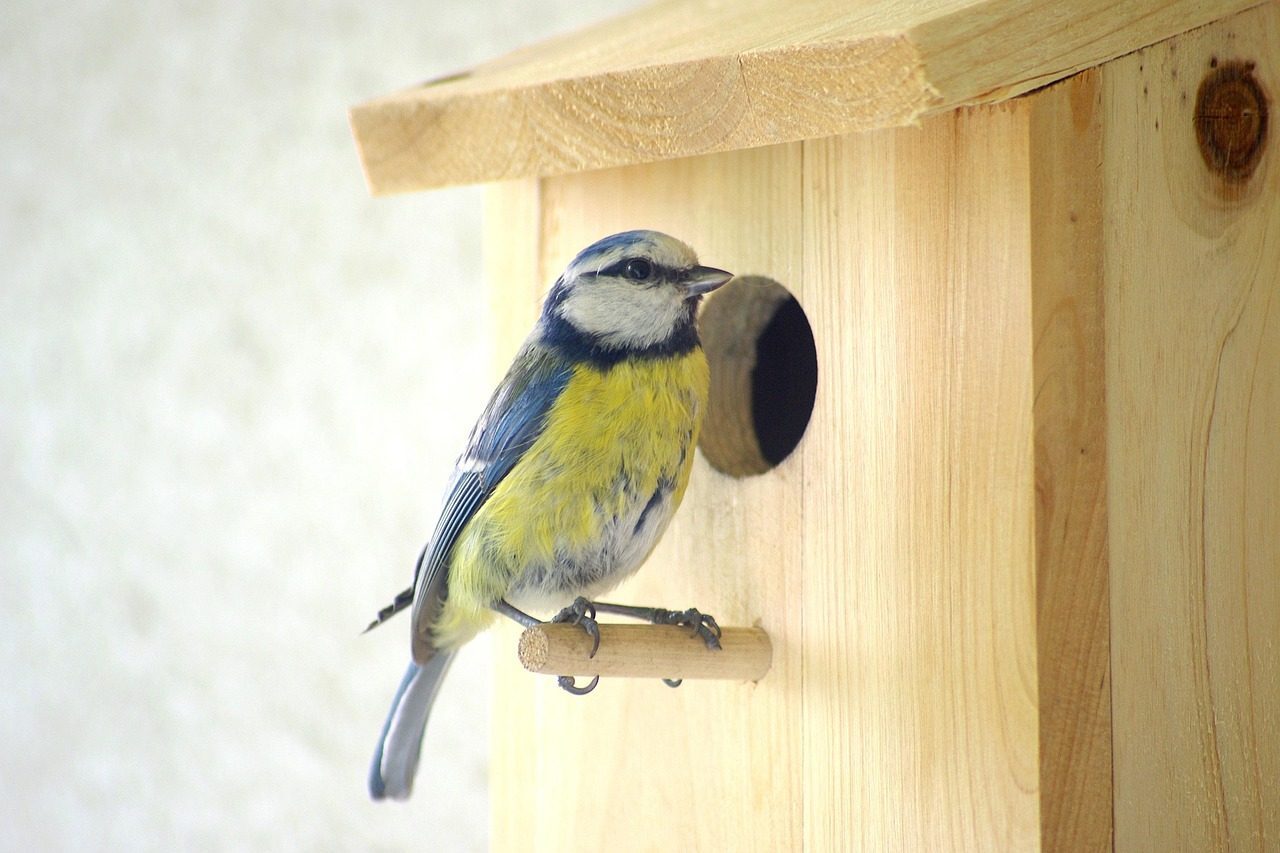
This is a simple open fronted bird nesting box for small to medium sized birds such as song thrushes, (European) robins, wrens and flycatchers. Some birds which were once common are declining with the loss of habitat and changes in climate, and gardens are a valuable refuge. Wild birds are very entertaining to watch and any effort to attract them to the garden and help them to breed is well worthwhile.
Building specifics matter tremendously for success. A 25mm hole will attract blue, coal and marsh tits and a 28mm hole attracts great tits. House sparrows need a minimum hole diameter of 32mm to fit inside. Building the box took me a bit over an hour and that included designing it, so with a bit of effort, you could make a few in an afternoon.
Create Nesting Material Stations for Spring Birds
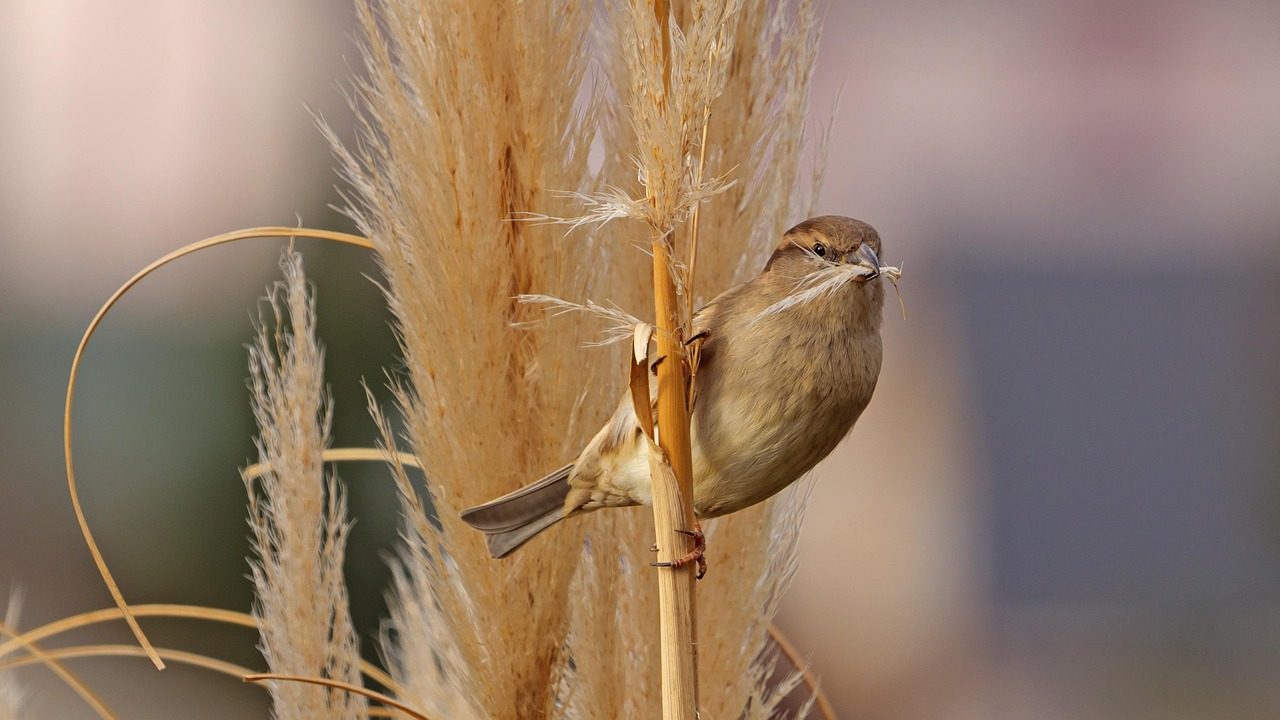
Spring is the perfect season to create a nesting material station for birds. A bird nesting material station is a little open cage filled with natural materials that birds can use to build their nests. This is usually filled with wool roving, straw, string, yarn, and even human hair!
The construction is surprisingly flexible and fun. The nesting material station can be incredibly simple to elaborate, depending on your time and creative skill. How many you need will depend on how intricate you want your nesting station to be! You want the ball or cage to have holes large enough for the birds to easily pull the material out while also being tight enough so that the material does not fall out.
Install Moving Water Features with DIY Bird Baths
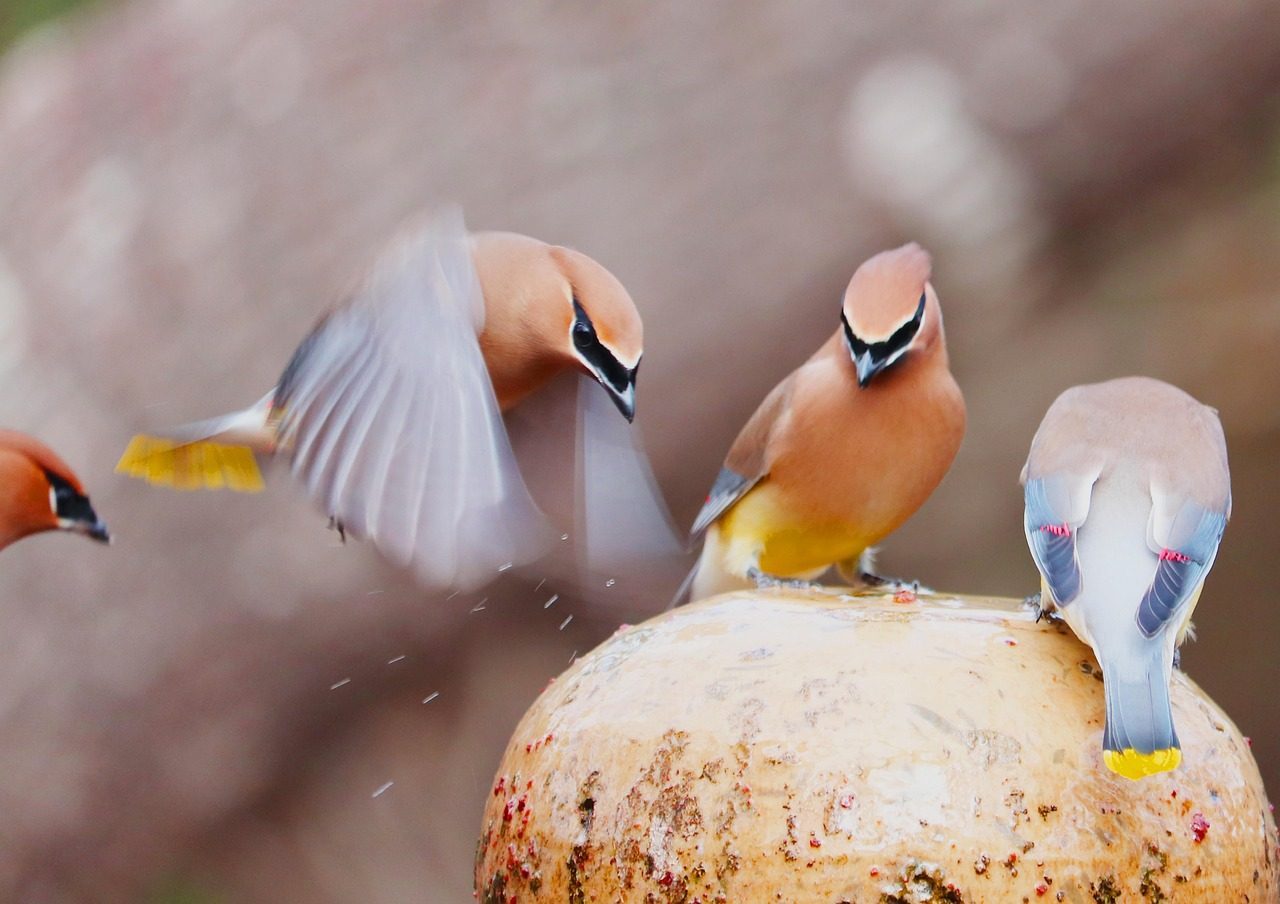
Moving water creates an irresistible attraction for birds that still water simply cannot match. Birding experts recommend the water wiggler as a way to catch the attention of more bird species with moving water. You might even attract migrating birds like warblers that don’t typically visit bird feeders.
The sound of running water and the sight of a shimmering fountain can entice birds to visit and stay in the area. Moving water is a magnet for many bird species, and a birdbath fountain can provide a safe and reliable source of water for birds to drink and bathe in. This can help to encourage a wide variety of bird species to visit your garden, providing an opportunity to observe and enjoy their beauty and behavior. Even a simple dripper or mister attachment can transform an ordinary basin into a bird magnet.
Plant Native Seed-Bearing Plants for Natural Food Sources
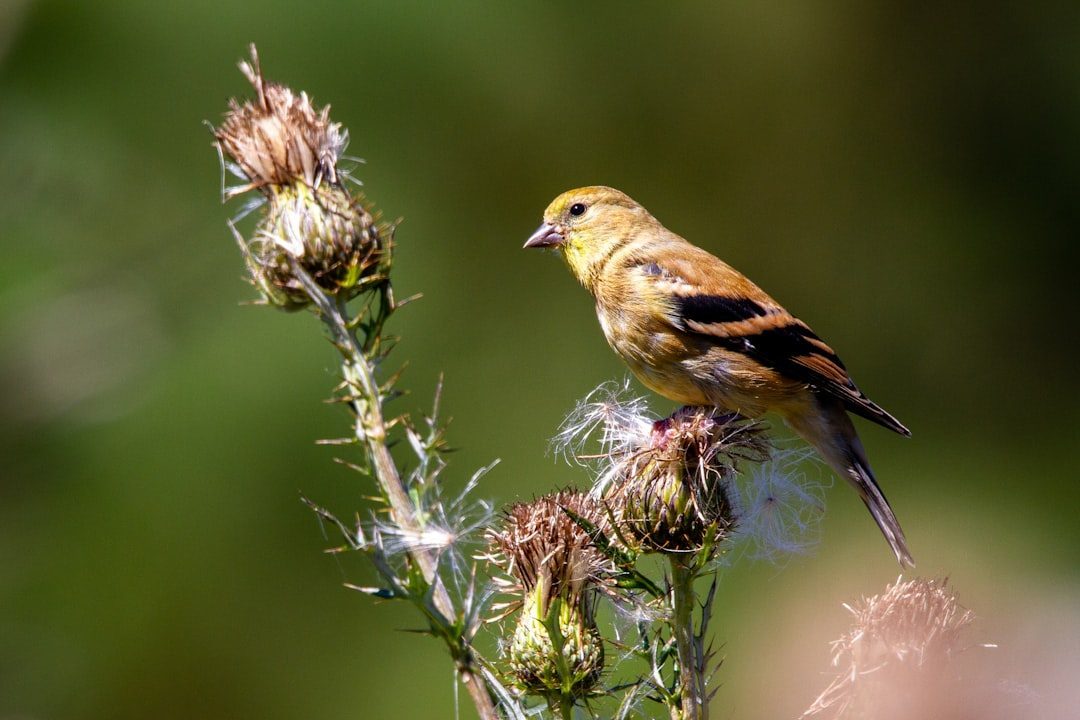
An assortment of plants and flowers – both annuals, and perennials – is key to attracting a variety of birds. Some birds are enticed by fruit and seeds, others drink the nectar in certain types of wildflowers, and insectivorous birds hunt the insects found on specific plants. Think of your garden as a living cafeteria that changes with the seasons.
I grow a lot of native flowers, and after they finish blooming, their heads offer seeds that goldfinches and other seed-loving birds can’t resist. Cardinals and cedar waxwings are sure to stop by for a sweet berry snack. They make a great addition to a full-sun garden and contain seed heads that attract chickadees, American goldfinches, and house finches. The beauty lies in letting nature do most of the work while you enjoy the show.
Construct Platform Feeders with Drainage Systems
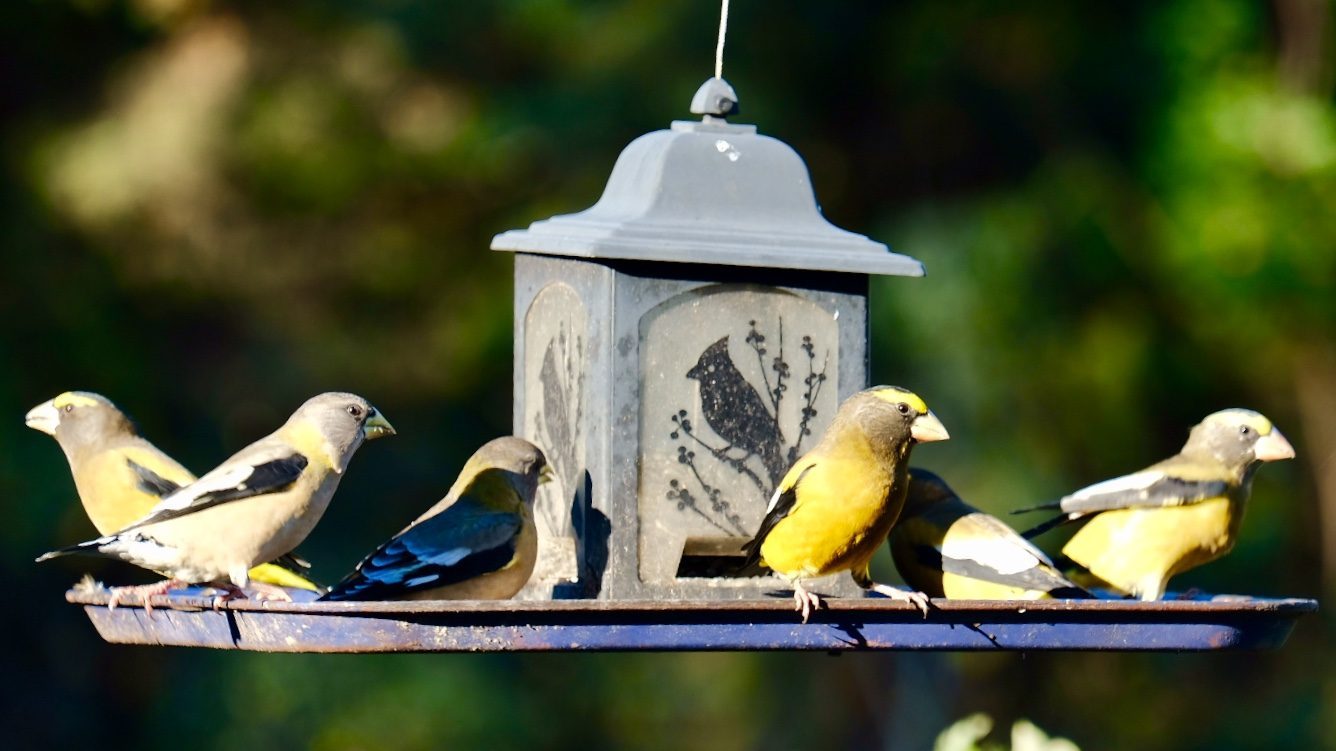
Platform feeders offer versatility that enclosed feeders simply cannot provide. A DIY platform feeder like this looks as pretty as it is useful for the birds. Plus, you could offer bits of fruit on the side next to the teacup to attract butterflies and other pollinators. The open design accommodates birds of all sizes and feeding preferences.
Proper drainage becomes critical for these feeders to remain functional and healthy. Water becomes a problem when it sits in the bottom of a bird house. Regardless of design, driving rain will get in through the entrance hole. You can assure proper drainage by cutting away the corners of the box floor and by drilling 1/4 inch holes in the box floor. Smart drainage prevents mold growth and keeps seeds fresh longer.
Develop Strategic Landscaping Around Feeding Areas
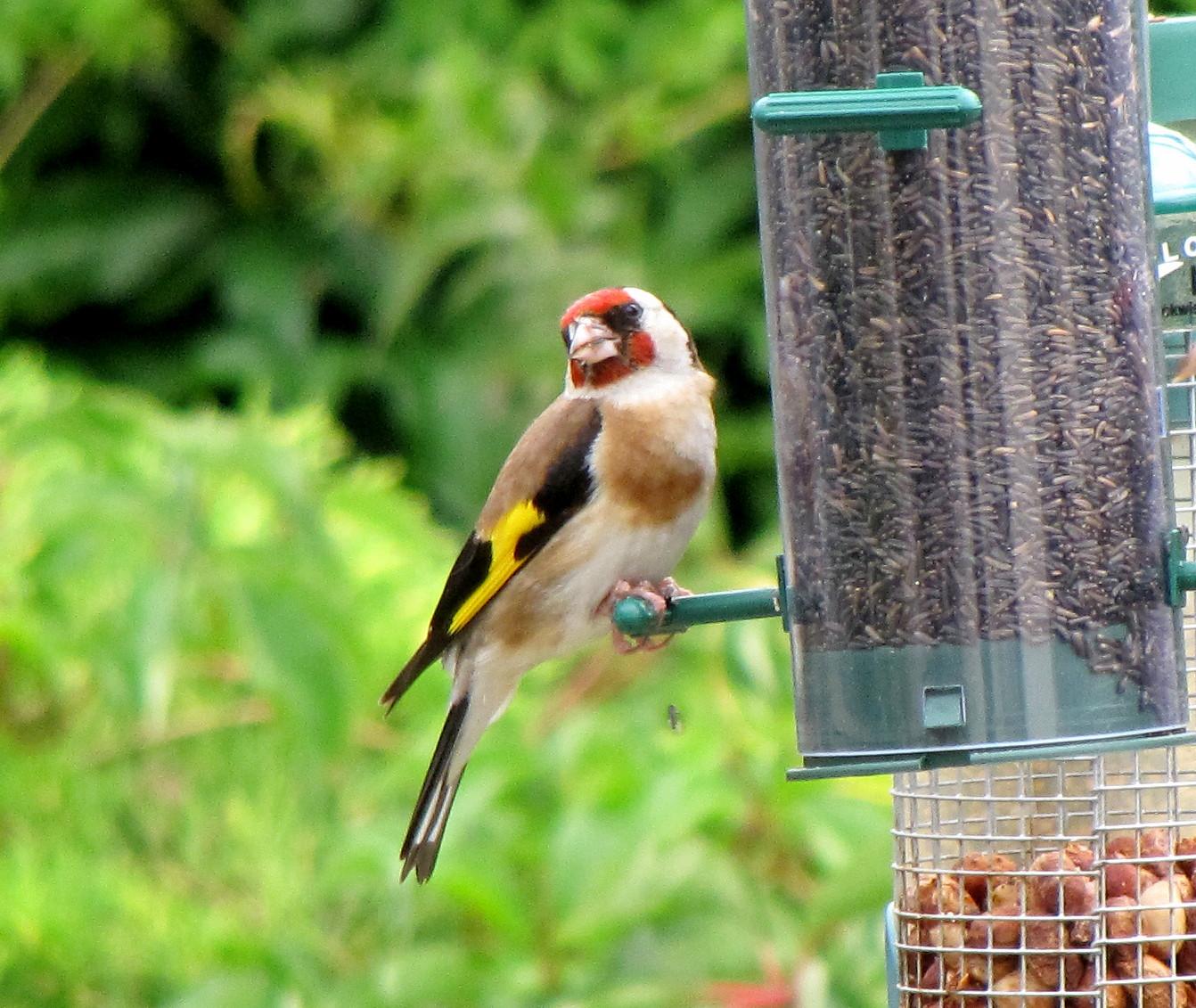
However, by planting around it with these bird feeder landscaping ideas, you can create not only an eye-catching flower garden, but one that supports birds’ diets. Plants that provide seed and nectar-filled flowers are a great way to not only beautify the area, but also supplement the food you provide with feeders, according to horticultural experts.
A bird-feeder garden features well-behaved perennial flowers, grasses and ferns planted around the area beneath the feeders. Choose relatively low-growing species that are no taller than half the height of the feeder pole at maturity to prevent squirrels from using them as launching pads to the feeders. In addition to plant height, look for plants that thrive in available sunlight and create year-round interest for you and the birds. This approach transforms what could be an unsightly bare patch into a thriving micro-ecosystem.
Creating a bird-friendly yard through these DIY projects offers rewards that extend far beyond the satisfaction of crafting something with your own hands. Each project addresses specific bird needs while enhancing your outdoor space’s natural beauty and functionality.
Besides bringing beauty, movement, and melody to our gardens, birds play an important role by providing natural pest control and dispersing seeds. The secret to attracting more winged visitors to your garden is to serve up an all-you-can-eat buffet of seed-, fruit-, and nectar-bearing plants that will keep them well-nourished throughout the year.
What’s your next project going to be? Tell us in the comments which feathered visitors you’re hoping to welcome to your yard!
Worried about unexpected vet bills?
Pet insurance can cover thousands in unexpected vet costs. Get a free quote from Lemonade in under 2 minutes.
Get My Free Quote →Sponsored · Opens Lemonade.com
