

Millions of years ago, giants walked among us. Not humans, obviously, but creatures so massive, so fearsome, and so perfectly adapted to their environments that they ruled every corner of the prehistoric world. When we think about the dinosaurs that dominated ancient Earth, it’s easy to picture the usual suspects. Yet there were so many others that deserve our awe, some so bizarre in appearance that they seem almost otherworldly.
What made these creatures so dominant? Was it their size, their intelligence, or simply their ability to survive in a constantly changing world? They became the dominant terrestrial vertebrates after the Triassic–Jurassic extinction event 201.3 mya and their dominance continued throughout the Jurassic and Cretaceous periods. From bone-crushing predators to towering herbivores with necks that touched the sky, these ancient rulers left behind clues in fossilized bones that continue to astonish us. Let’s dive into the stories of eight incredible dinosaurs that truly dominated the planet.
Argentinosaurus: The Towering Titan That Redefined Gigantism
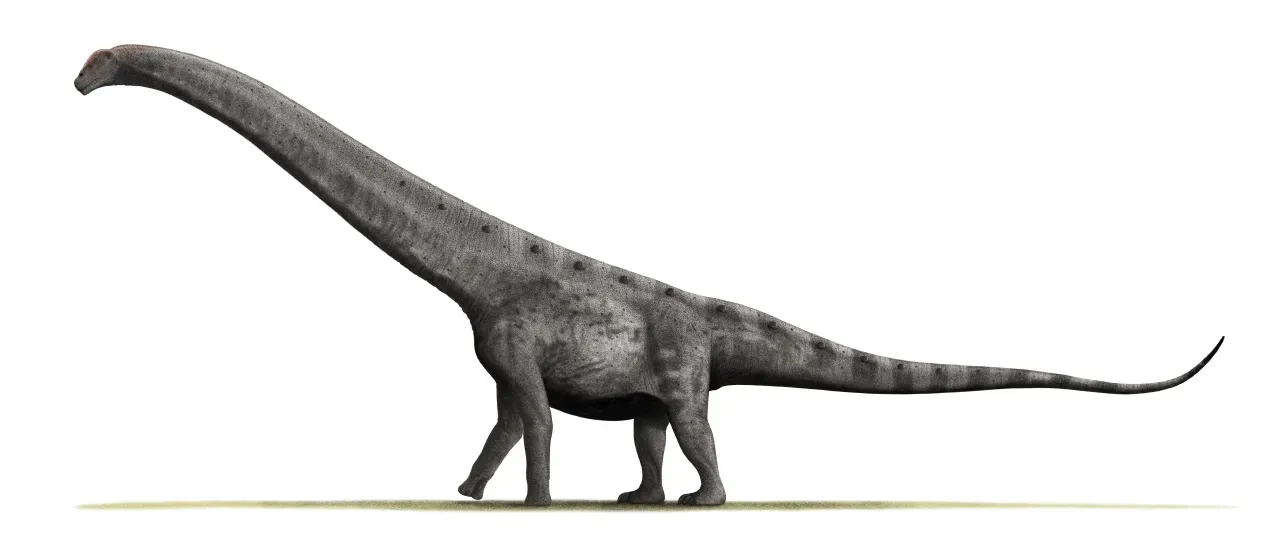
Imagine a creature so large that a single vertebra could be mistaken for petrified wood by a rancher in Argentina. That’s exactly what happened in 1987. Evidence of it was originally discovered in 1987, when a fossil the size of a fully grown human being was unearthed on a ranch in Argentina. The rancher thought the fossil specimen was a large chunk of petrified wood, and it wasn’t until 1993 that it was reclassified as a single vertebra belonging to a new species of sauropod.
Estimates of the dinosaur’s length range from 37 to 40 meters (about 121 to 131 feet), and it was thought to have weighed 90 to 100 metric tons (99 to 110 tons). By these measures, Argentinosaurus was the largest dinosaur, as well as the largest land animal, ever known. Here’s the thing: we only have fragmentary remains, yet those fragments alone suggest a creature that dwarfed modern elephants by a factor of fourteen. Argentinosaurus might have been preyed on by Mapusaurus, which is among the largest theropods known. Mapusaurus is known from at least seven individuals found together, raising the possibility that this theropod hunted in packs to bring down large prey including Argentinosaurus.
Patagotitan: The Giant That Barely Fit in Museums
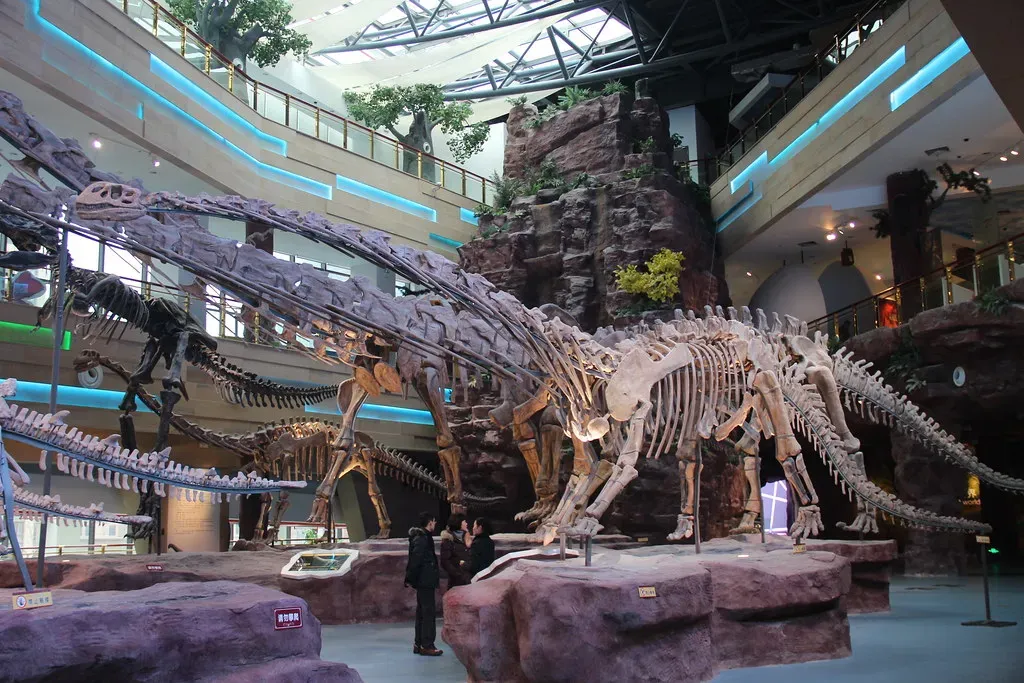
When farm worker Aurelio Hernandez spotted a thumping great femur sticking out of the ground near La Flecha, he had chanced upon the 101-million-year-old remains of the largest animal ever to have walked the Earth. The discovery sparked a paleontological frenzy. This wasn’t just another big dinosaur. It was something extraordinary.
The collection included a femur (thighbone) that measured 2.4 meters (8 feet) from end to end. One leg bone taller than most people. Patagotitan is also potentially the longest dinosaur to have ever lived. This giant is thought to have stood around eight metres tall. The sheer scale makes you wonder how such a creature even moved. An adult in its prime would have simply been too big for even the largest and most ferocious carnivores of the Cretaceous to overcome. Even Tyrannotitan – a 12m, T-rex-like predator that would have been as terrifying as it was impressive – was just one tenth the size of Patagotitan.
Spinosaurus: The Aquatic Predator That Defied Convention
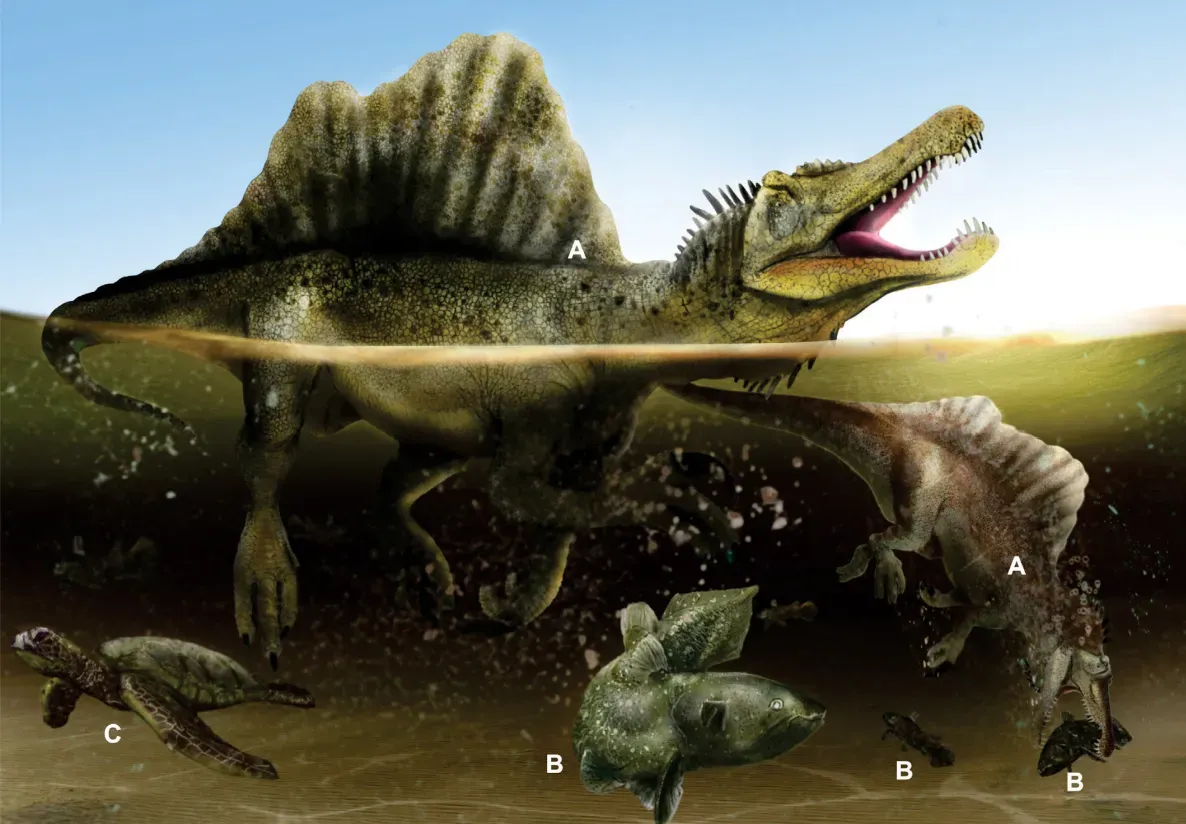
For years, scientists believed dinosaurs were strictly land animals. Then Spinosaurus rewrote the rulebook. Native to what is now North Africa, the Spinosaurus was the largest carnivorous dinosaur ever. At 15 metres (49 feet) in length, no larger carnivore has been identified since the Spinosaurus’ discovery and affirmation in 1926 and 1982, respectively.
Interestingly, the Spinosaurus lived a semi-aquatic lifestyle. Feeding on fish among other prey, studies have suggested that the Spinosaurus mainly inhabited areas of land near and in shallow water. It had a paddle-like tail and a body built for swimming, something previously unheard of in large theropods. This dinosaur spent its days hunting in rivers, using its crocodile-like snout to snatch fish from murky waters. Its distinctive sail on its back remains a mystery, though some speculate it was used for temperature regulation or display.
Tyrannosaurus Rex: The Bone-Crushing King of Predators
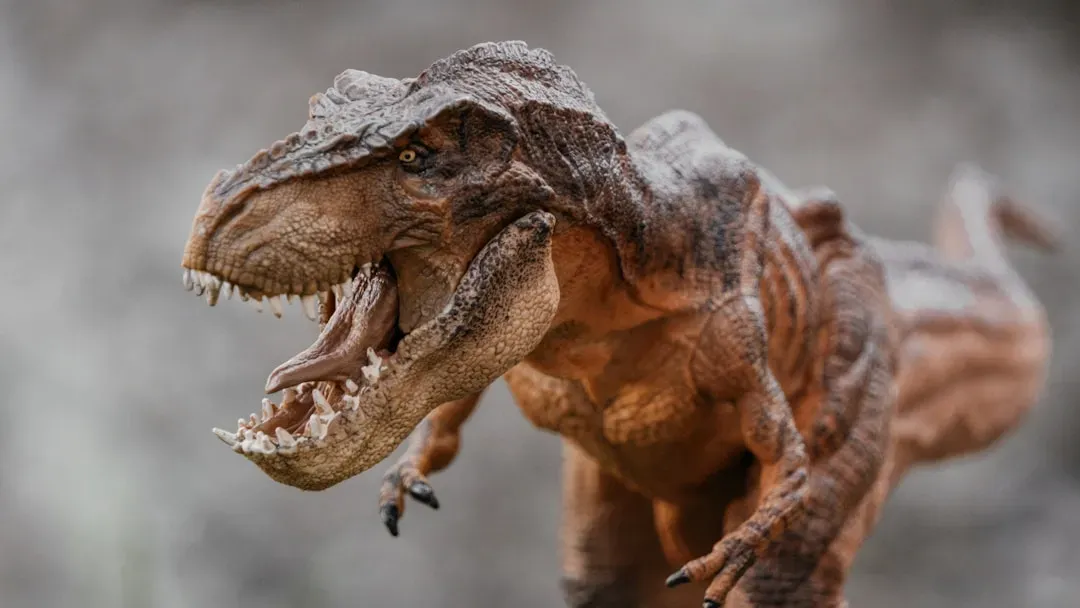
Let’s be real: no list of dominant dinosaurs would be complete without T. rex. T. rex wasn’t just big – it was terrifyingly efficient. Its bite could crush bone like potato chips. Think about that for a moment. A bite force so powerful it could shatter the bones of its prey without breaking a sweat.
Fossils show it may have scavenged sometimes, but when it hunted, it dominated. Scientists even found healed bites on prey bones, meaning some victims lived through the first round. Not many survived the second. Tyrannosaurus was for many decades the largest and best-known theropod to the general public. Since its discovery, however, a number of other giant carnivorous dinosaurs have been described, including Spinosaurus, Carcharodontosaurus, and Giganotosaurus. These large theropod dinosaurs are estimated to rival or even exceeded Tyrannosaurus rex in size, though more recent studies and reconstructions show that Tyrannosaurus, although shorter, was the bulkier animal overall. Intelligence also played a role in its dominance.
Triceratops: The Armored Herbivore That Stood Its Ground
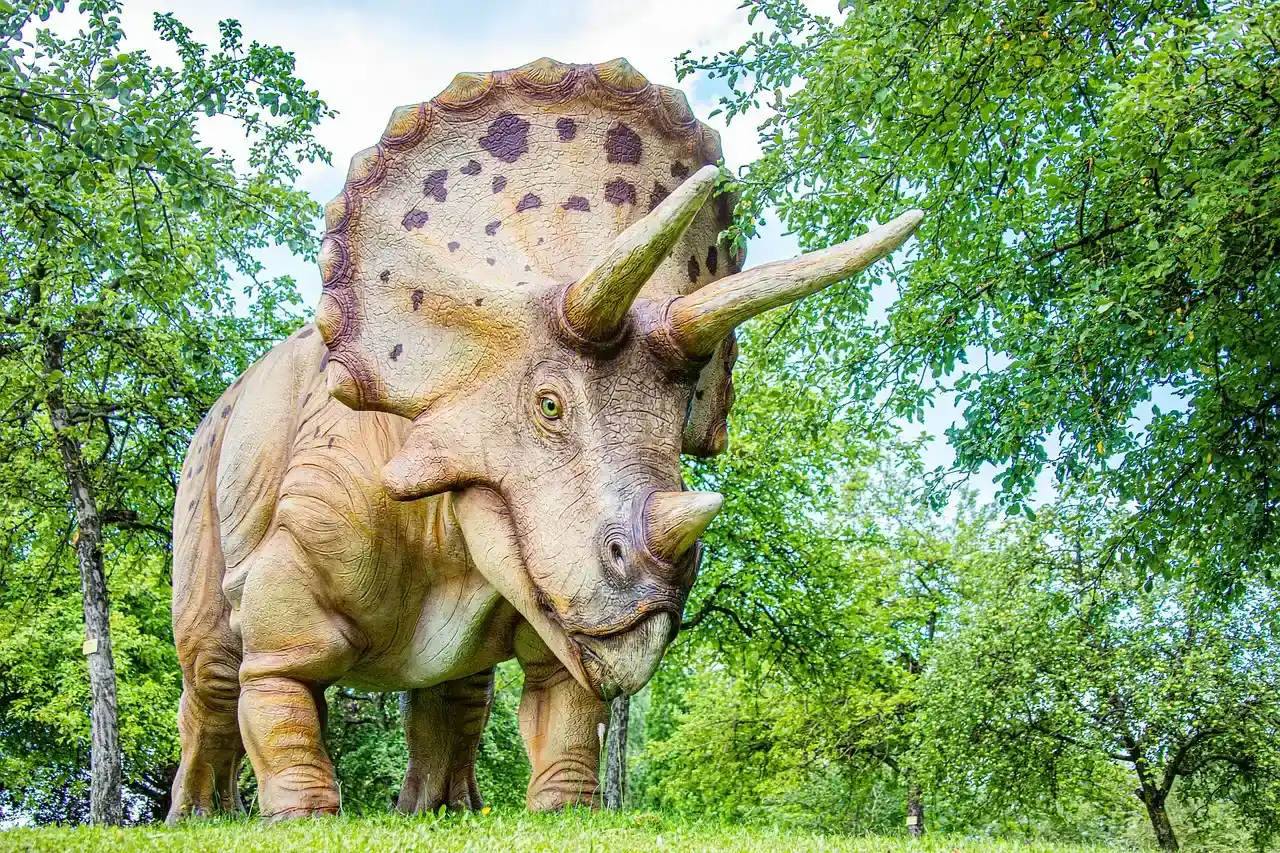
Its skull took up nearly a third of its whole body! The head came adorned with horns, which it used during physical confrontations with other dinosaurs. Triceratops wasn’t running from fights. This creature stood its ground, using its massive frill and three horns as both shield and weapon.
Picture a defensive tank covered in bone, weighing several tons, charging at a predator. Even a T. rex would think twice before attacking a healthy adult Triceratops. Its tough beak and shearing teeth also meant it handled tough plants with ease. These dinosaurs were social, often traveling in herds, which added another layer of protection. A lone predator faced not one angry Triceratops, but potentially dozens. Honestly, that’s a terrifying prospect even by Cretaceous standards.
Ankylosaurus: The Living Tank That Crushed All Opposition
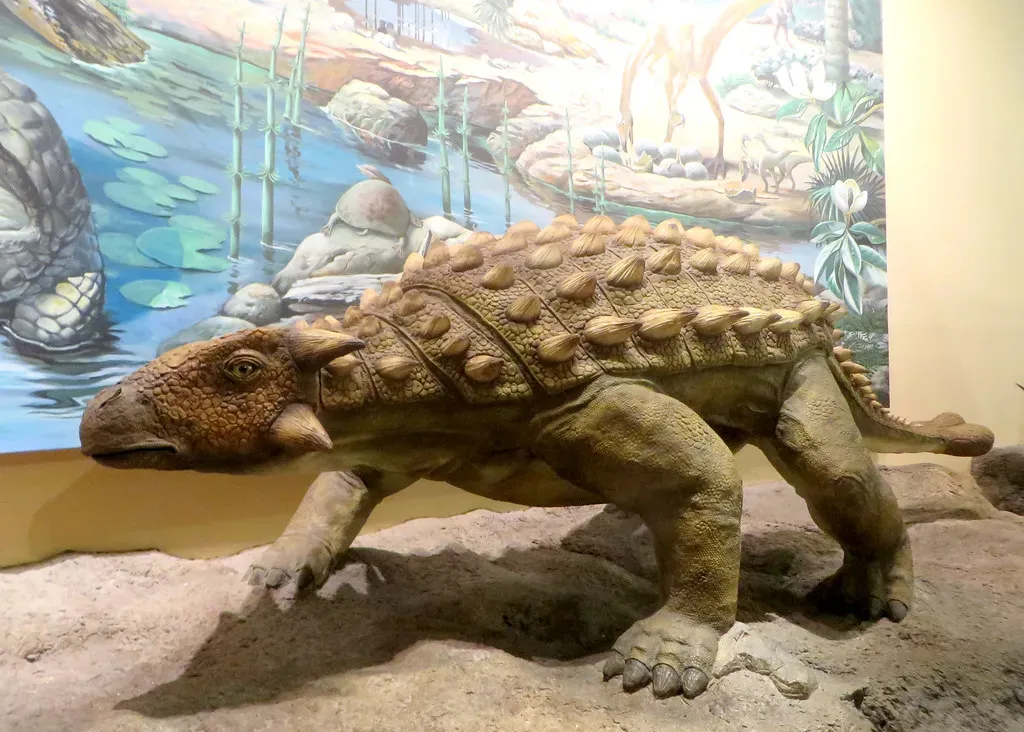
Ankylosaurus looked like a prehistoric tank. Its body was covered in thick armor, and its tail ended in a heavy club. This wasn’t decorative armor either. Thick bony plates fused together to create an almost impenetrable defense that covered its entire back.
It didn’t bother with speed. One good swing could shatter bones, so most predators probably thought twice before picking a fight with it. The tail club alone weighed enough to break the leg of a tyrannosaur. Ankylosaurus was a herbivore, munching peacefully on low vegetation, but cross one and you’d quickly regret it. That combination of passive grazing and devastating defensive capability made it one of the most successful dinosaurs of the Late Cretaceous.
Stegosaurus: The Plated Oddity With a Deadly Tail
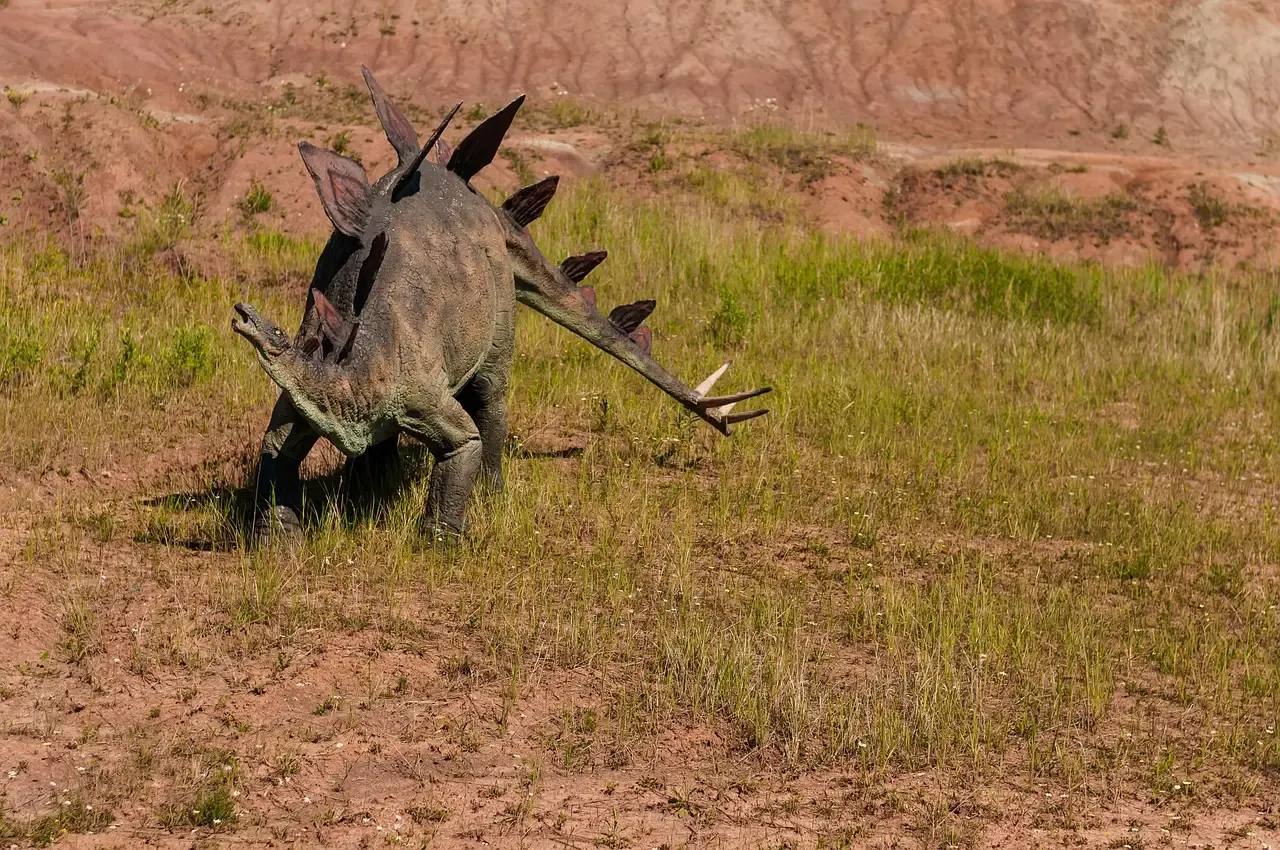
Even in a world full of weird reptiles, Stegosaurus stood out. It had big bony plates up top and tail spikes sharp enough to ruin your day. Researchers are still puzzled over what the plates did, but one thing’s clear – it wasn’t trying to keep a low profile.
Some theories suggest those plates helped regulate body temperature, while others think they were purely for show, attracting mates or intimidating rivals. The tail spikes, called a thagomizer, were undeniably weapons. Fossil evidence shows injuries on predator bones consistent with Stegosaurus tail strikes. Despite having a brain the size of a walnut, this dinosaur was surprisingly effective at surviving in a world filled with much larger and faster predators.
Dreadnoughtus: The Unyielding Colossus That Feared Nothing
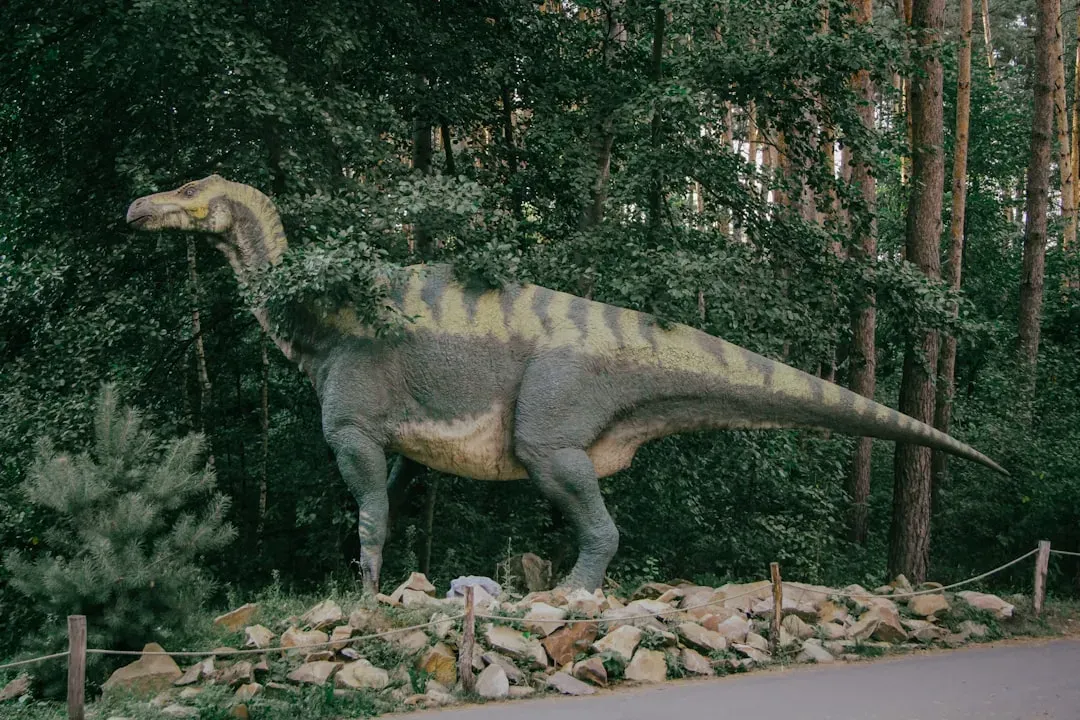
Dreadnoughtus was a massive sauropod belonging to the titanosaurs group that lived in South America during the Cretaceous Period. Its name, meaning ‘fears nothing,’ might possibly be the coolest and most fitting dinosaur name ever suggested by scientists. The name is also a nod to the dreadnoughts, the precursors to the mighty battleships that fought in two major World Wars of the early twentieth century.
A 2020 calculation estimates the weight of the animal to be about 48 metric tons, which is equivalent to eight African elephants. However, estimates have ranged from 22 to 59 tonnes, depending on the method used. The remains of only two Dreadnoughtus specimens have been discovered. The largest one found was not fully grown, so the true maximum size of this dinosaur remains unknown. That’s right. The specimens we have weren’t even fully grown adults. Imagine the true size of a mature Dreadnoughtus.
Conclusion
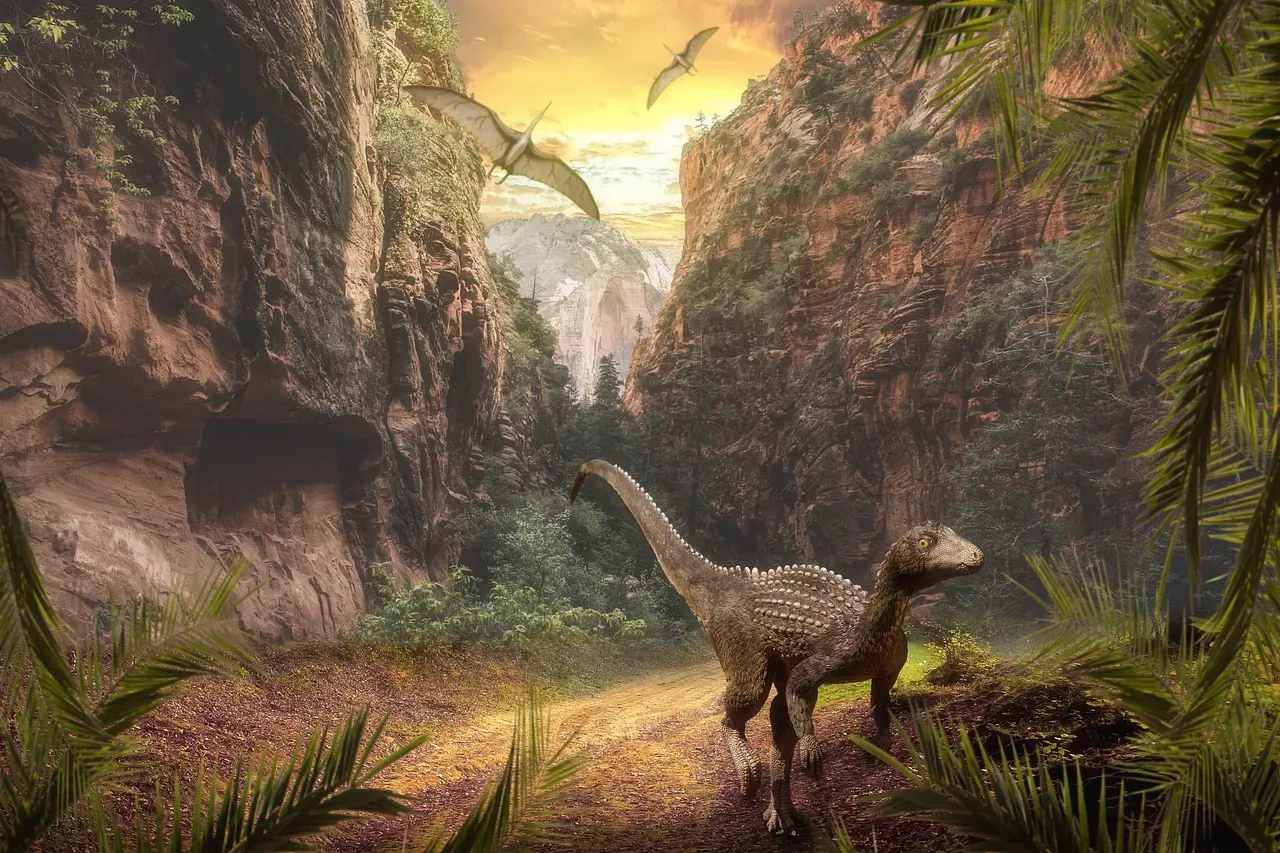
The dinosaurs that dominated Earth’s ancient landscapes were far more diverse and remarkable than we often imagine. From the towering Argentinosaurus to the aquatic Spinosaurus, each species adapted in unique ways to survive and thrive for millions of years. These weren’t just big lizards lumbering around aimlessly. They were complex, highly adapted creatures that filled every ecological niche available.
What strikes me most is how much we still don’t know. New discoveries continue to reshape our understanding of these ancient rulers, revealing behaviors and features that challenge everything we thought we knew. Which of these incredible dinosaurs surprised you the most? Let us know in the comments what you think.
