
Worried about unexpected vet bills?
Pet insurance can cover thousands in unexpected vet costs. Get a free quote from Lemonade in under 2 minutes.
Get My Free Quote →Sponsored · Opens Lemonade.com
Nature has a reputation for being ruthless. Predators hunt, competitors clash, and resources run short. Yet woven through all of that tension is a quieter, more surprising story: countless animals across the planet have found ways to help each other, not just tolerate each other. These partnerships are often ancient, shaped over millions of years, and they reveal just how much cooperation matters to survival.
Symbiotic relationships are the close associations formed between pairs of species, and mutualism is the type where all species involved genuinely benefit from their interactions. The result is a natural world that is far more collaborative than it first appears.
The Clownfish and the Sea Anemone: A Home Built on Trust
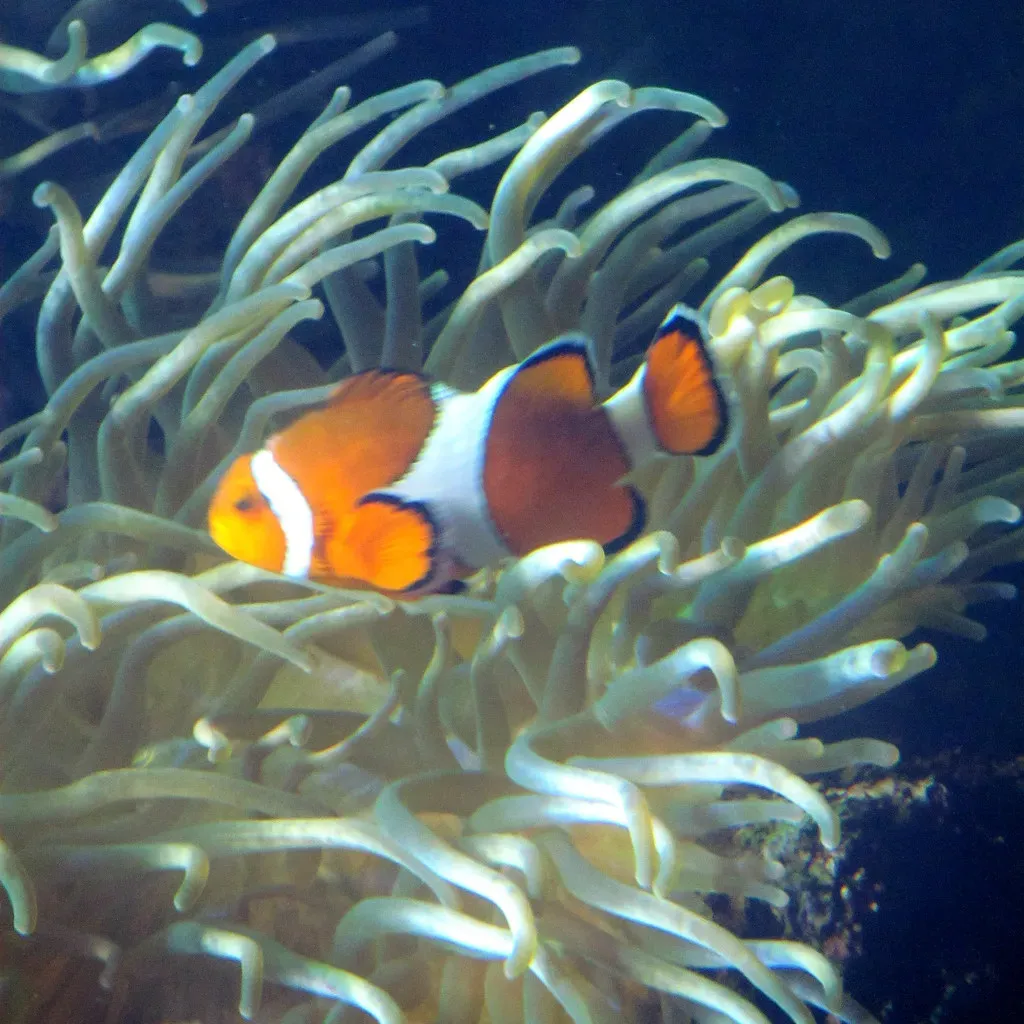
Few animal partnerships are more visually striking than the clownfish nestled safely inside the swaying tentacles of a sea anemone. Anemones pack a sting, but the tiny clownfish isn’t affected thanks to a layer of mucus that protects its skin, and in return for the safety of a home, the clownfish wards off potential predators such as butterfly fish.
The clownfish also cleanses anemones of parasites, fertilizes them with its waste, and helps them breathe at night. That’s a surprisingly comprehensive list of services for such a small creature.
Scientists think constant clownfish movement helps circulate and oxygenate the water, attracting anemone prey with their bright orange stripes. What looks like a fish simply living rent-free is actually an intricate, two-way arrangement that keeps both partners healthier and safer.
Pistol Shrimps and Goby Fish: The Lookout and the Builder
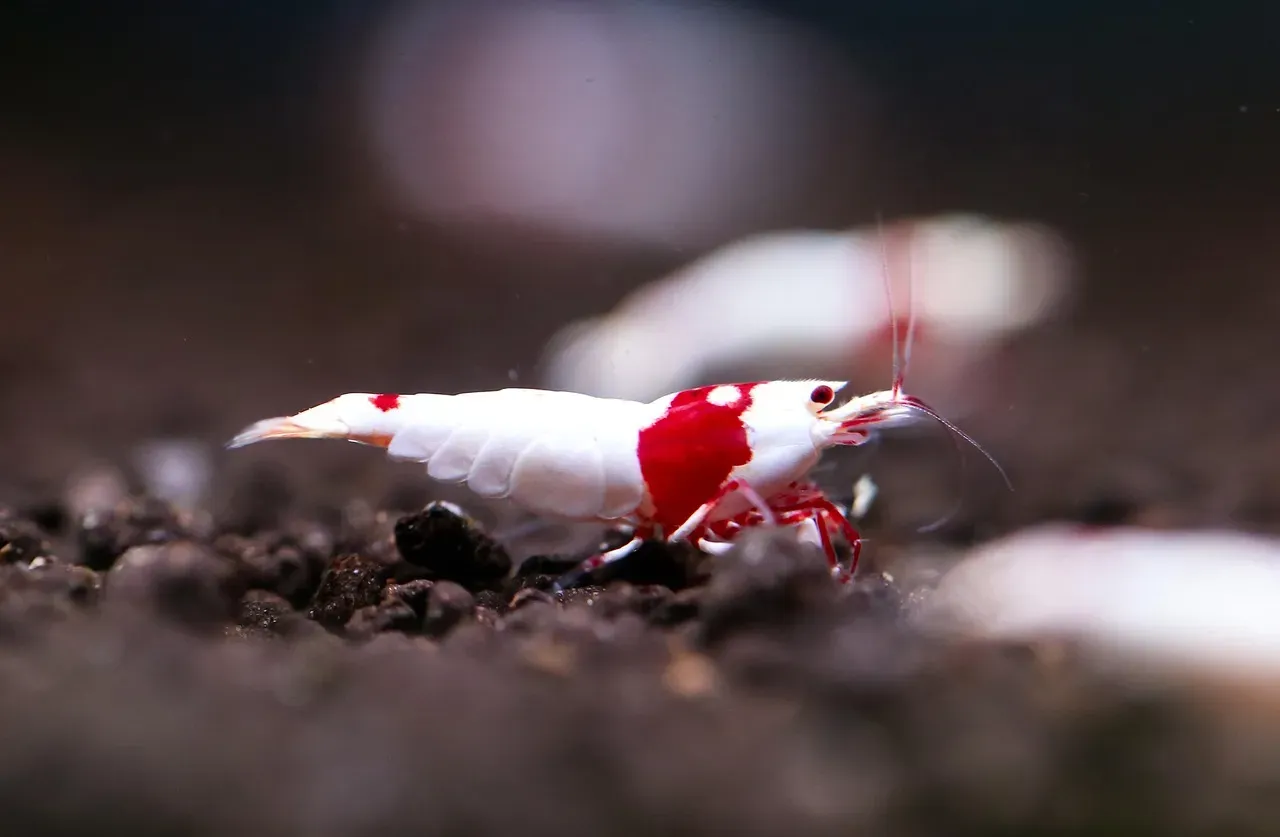
Pistol shrimp and goby fish have co-evolved together due to the benefits of their relationship. The shrimps construct and maintain a protective burrow for the goby fish to use to keep safe and breed, and in return, the goby acts as a watchman, keeping an eye out for predators.
The goby acts as a vigilant lookout while the shrimp digs and maintains their shared burrow. This partnership ensures mutual safety, where the goby signals danger with a flick of its tail, and in return the shrimp provides a secure home.
The shrimp, nearly blind, would be dangerously exposed without its sharp-sighted partner on watch. Furthermore, the goby eats up all the tiny insects disturbed by the shrimp’s activity, and the shrimp feeds on what the goby leaves behind. Clean division of labor, almost elegant in its simplicity.
Meerkats and Drongo Birds: Mutual Alarm Systems With a Twist
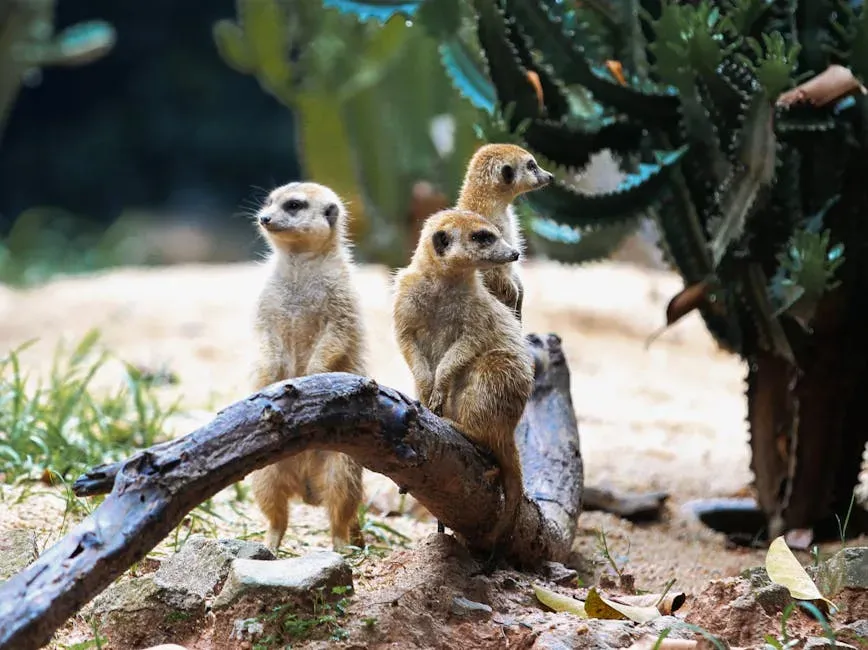
In the vast desert, meerkats rely on a communal system for survival. One meerkat acts as a sentinel, standing watch for predators while others forage. This rotation of duties ensures that the group is always protected, and the sentinel’s call alerts the group to danger, allowing them to seek cover.
The relationship between meerkats and drongos illustrates an intriguing form of interspecies cooperation. Drongos serve as lookout birds for meerkats, sounding alarm calls to warn them of approaching predators. In response, meerkats quickly retreat to safety, sometimes dropping their food, and drongos benefit by swooping down to eat the abandoned meals.
However, the drongos occasionally exploit this trust by issuing false alarms to trick meerkats into leaving their food behind. Despite this occasional deception, the relationship remains largely beneficial. It’s a partnership that edges into manipulation at times, which makes it one of the most fascinating behavioral dynamics in the animal world.
Oxpeckers and Large African Mammals: Tick Removal Service
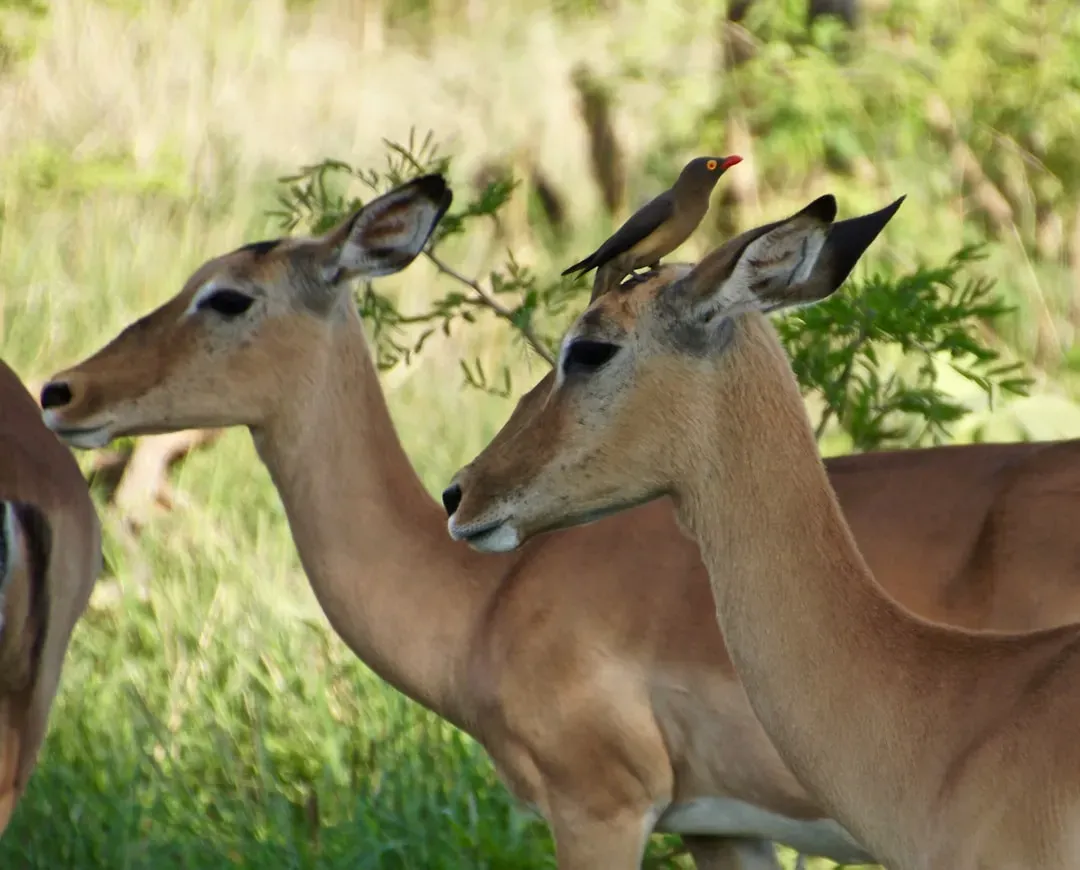
Oxpeckers hitch a ride on giraffes and other African herbivores, using their specially adapted flattened bills to pick off ticks and other parasites. For animals that can’t reach their own backs, having a dedicated grooming partner is genuinely valuable.
Like a number of other species, oxpeckers will raise the alarm and warn their hosts of impending danger. People have observed that the birds will help hosts such as rhinos, which are short-sighted, evade humans. That early warning function alone makes the partnership significant.
The relationship isn’t entirely clean-cut, though. The birds remove parasites and seem to prefer hosts with large numbers of them, but they will also dig into wounds, and while the mammals appear relatively tolerant of this behavior, it’s not always beneficial to them. It’s a good reminder that even cooperative relationships in nature carry nuance.
Vampire Bats: Food Sharing as a Survival Strategy
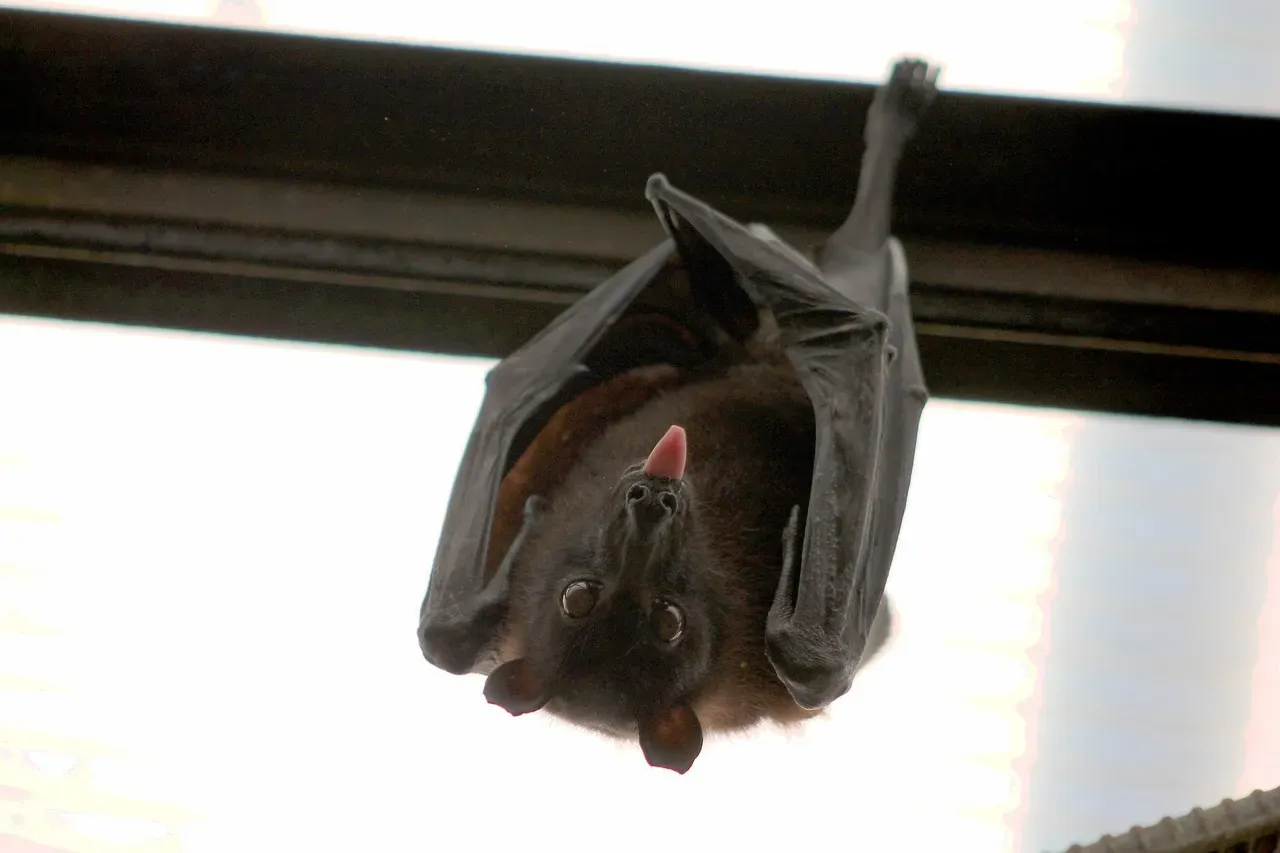
Biologist Gerald Wilkinson at the University of Maryland has shown that groups of vampire bats have a system of food sharing that helps ensure their survival as a species. Bats die if they go two nights without a meal, and hunting for blood, their only source of food, is a risky business.
Vampire bats exhibit a unique form of teamwork through food sharing. If a bat fails to feed, others in the colony will regurgitate blood to share, and this reciprocal altruism ensures that all members survive during tough times.
They do this only as long as the favor is someday returned. If a colony didn’t share food, roughly four out of every five bats would die each year. This reciprocity is less about generosity and more about long-term self-interest, but the outcome is genuine group survival.
The Honeyguide Bird and Its Partners: Following the Call to the Hive
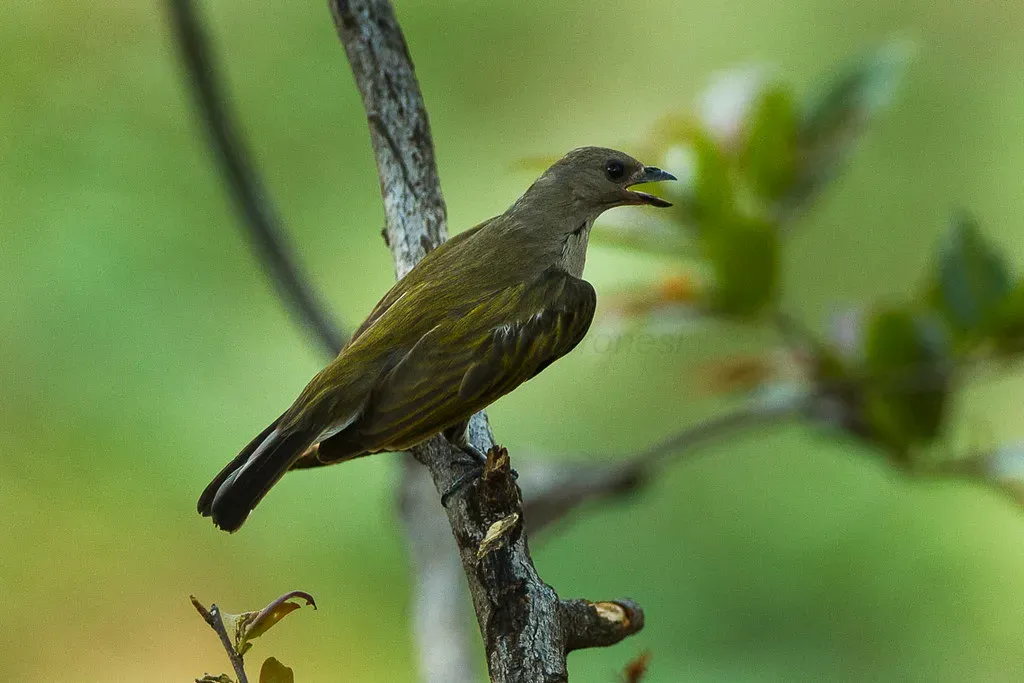
The honeyguide bird calls to attract the attention of its collaborator, then flies ahead, guiding them to a hidden honey trove, often deep in the forest. After breaking open the nest, the human collects the honey, leaving the honeyguide to feast on the grubs and beeswax.
Honeyguides are known for leading animals, including humans, to bees’ nests. Once the nest is broken open, both the birds and the badgers benefit, with honey badgers accessing honey and bee larvae while honeyguides feed on the remaining beeswax and grubs.
Although much of the honey badger interaction is based on anecdotal evidence, particularly from communities in Tanzania, it suggests that this interspecies cooperation could occur in certain regions where environmental and cultural conditions support such interactions. The partnership with humans, however, is well-documented and has persisted across generations in parts of Africa.
Zebras and Ostriches: Combining Senses on the Savannah
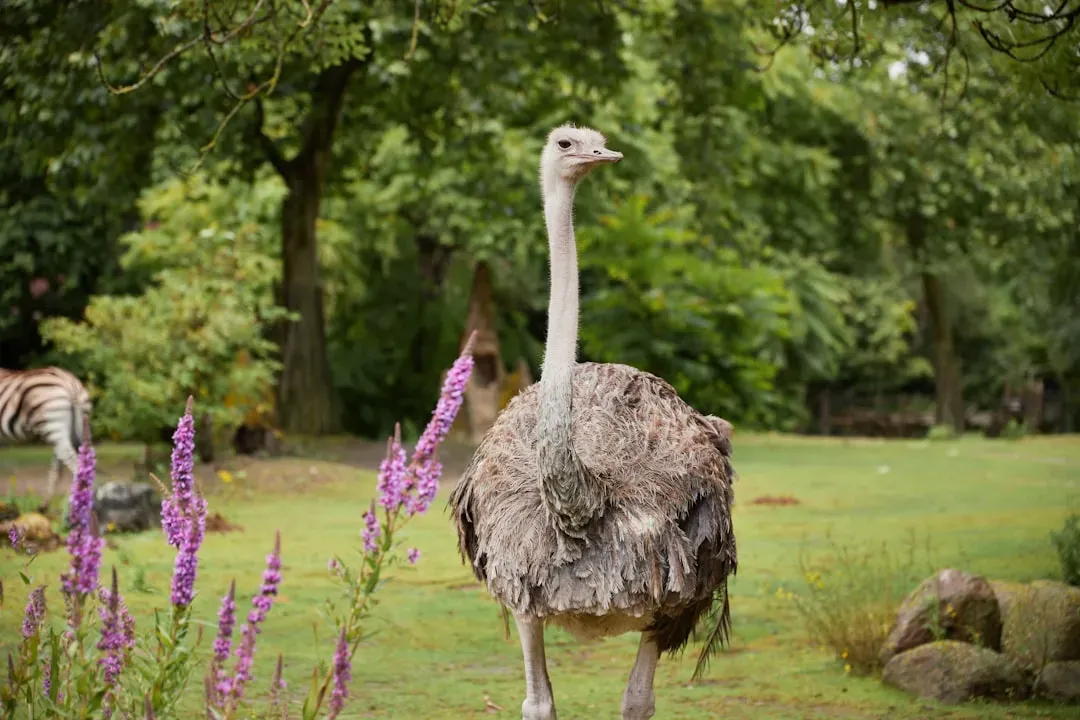
Surviving the African savannah is dangerous with the constant threat of lions, hyenas, and other predators around every corner. Ostriches and zebras found a unique method of protecting each other. It comes down to each species compensating for the other’s sensory blind spot.
Ostriches have an excellent sense of smell but poor eyesight, while zebras have excellent eyesight but a poor sense of smell. By staying together, zebras act as eyes for the ostrich, while the ostrich smells predators on behalf of the zebra.
When a predator is detected due to these combined senses, they flee together and allow the zebra’s patterns to disorient predators from an easy catch. Two species, two sets of strengths, one significantly better chance of staying alive. It’s the sort of arrangement that took no planning but delivers real results.
Coral Groupers and Moray Eels: Unlikely Hunting Partners
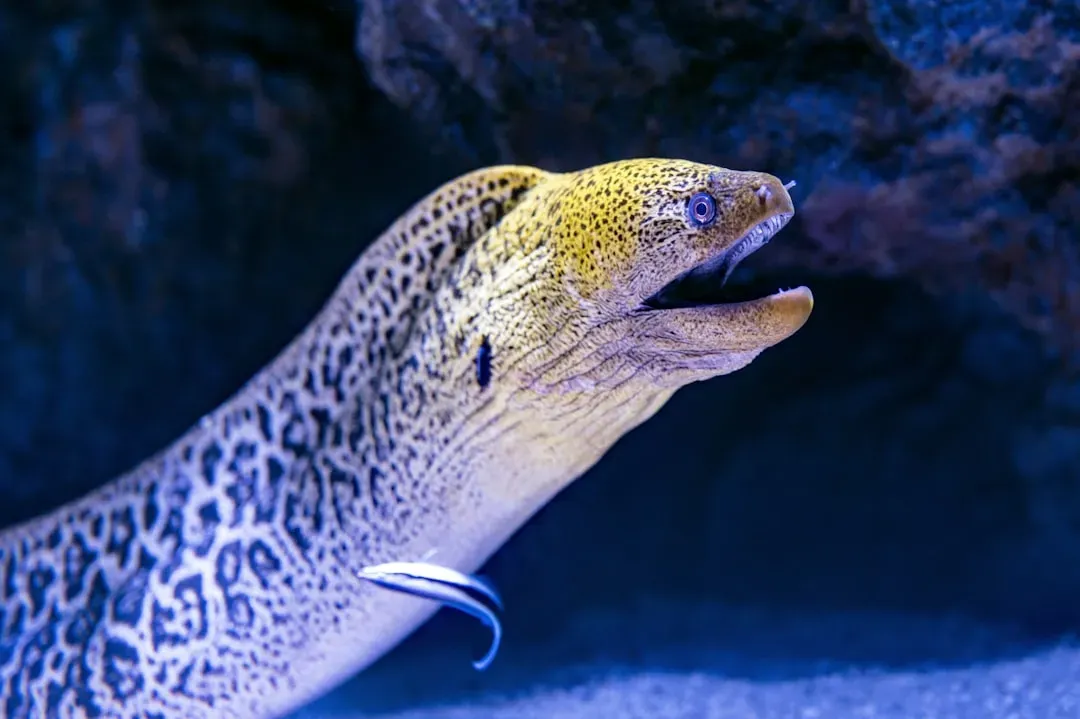
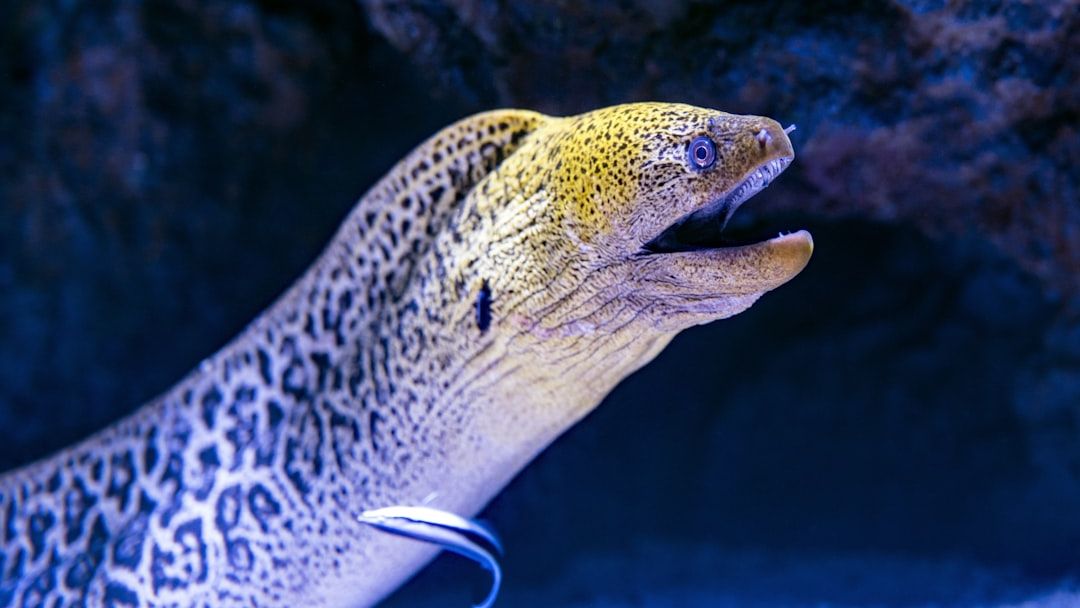
The coral grouper is a reef fish that effectively recruits moray eels, and sometimes other aquatic species, to help it hunt. If a fish that a coral grouper is chasing manages to hide in a rock or crevice and a moray eel is nearby, the grouper will swim to the eel and shimmy in front of it enthusiastically.
This is the signal for the eel to follow the grouper. When the grouper arrives at the prey’s hiding space, it tilts itself vertically and wiggles its head at the location of the prey. The eel, which can squeeze into crevices that the grouper cannot reach, then flushes out the hiding fish.
The grouper handles open-water chases, the eel handles tight spaces, and the prey rarely escapes either way. This kind of collaborative hunting between two very different predatory species, using what amounts to a gestural communication system, suggests that cooperative intelligence in the animal world runs deeper than most people assume.
Conclusion: Cooperation Is a Strategy, Not a Coincidence
Mutualism is a type of symbiotic relationship where all species involved benefit from their interactions. While highly complex, it can be roughly broken down into obligate mutualism, where species are entirely dependent on each other, and facultative mutualism, where species derive benefits from the relationship but could survive without each other.
In a world where competition is often seen as the driving force of evolution, mutualism is a reminder that cooperation can be just as powerful. From the ocean floor to the open savannah, the animal kingdom keeps offering examples that challenge the simple narrative of nature as purely combative.
What’s worth holding onto from all of this is that these partnerships didn’t develop by accident. They evolved over vast stretches of time because cooperation worked. Survival, it turns out, is often less about being the toughest individual in the ecosystem and more about finding the right alliance. Nature figured that out long before we did.
Worried about unexpected vet bills?
Pet insurance can cover thousands in unexpected vet costs. Get a free quote from Lemonade in under 2 minutes.
Get My Free Quote →Sponsored · Opens Lemonade.com

- Anthropology Says Ancient Humans Who Buried Their Dead With Flowers 130,000 Years Ago May Have Had a Concept of an Afterlife Far Earlier Than Any Religion We Know - June 10, 2026
- 14 Quiet Signs Your Dog Is Getting Ready to Say Goodbye – Most Owners Miss Them Completely - June 9, 2026
- 15 Dog Breeds Known for Their Exceptional Loyalty and Devotion - June 9, 2026