
Leaving Pet Food Bowls Outside Overnight
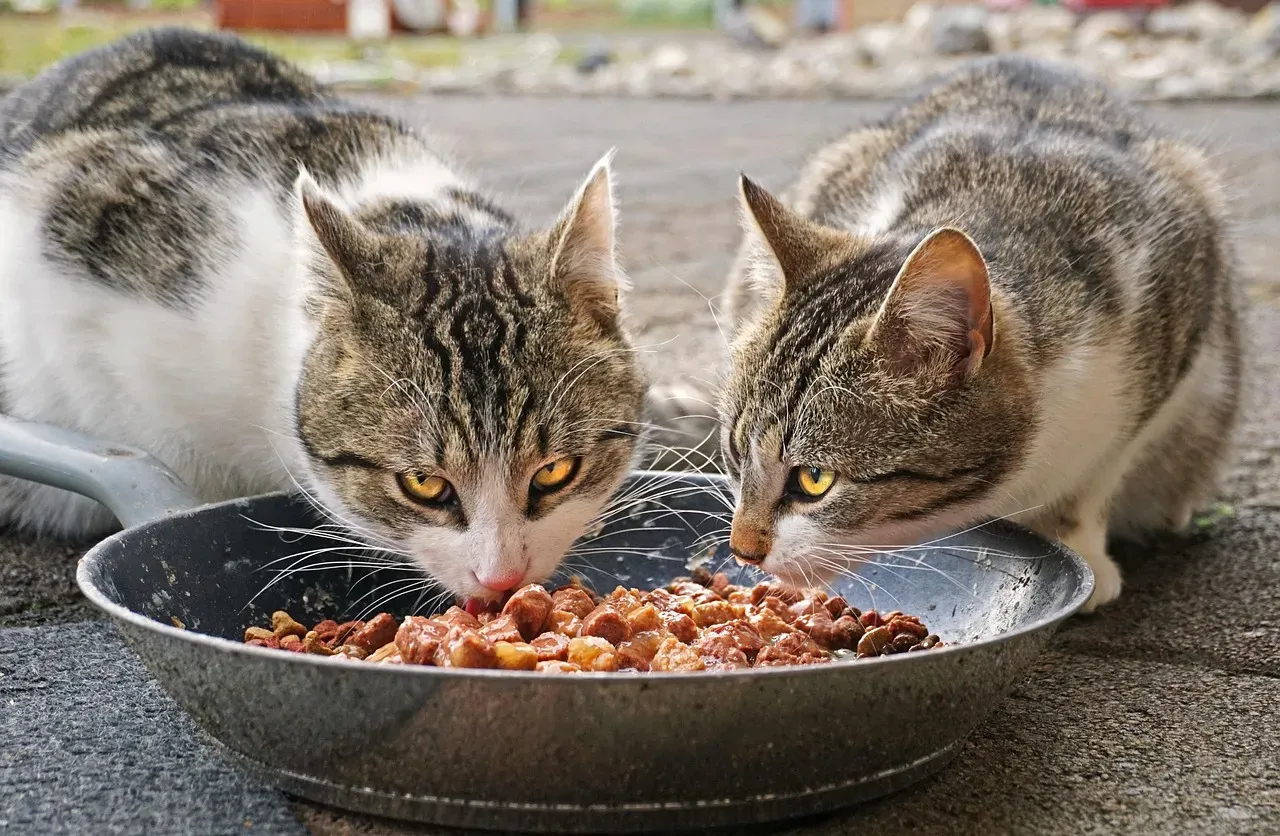
Many people set out food for their dogs or cats on the porch and forget to bring the bowls in before dark. That leftover kibble becomes an easy meal for raccoons, opossums, or even coyotes that learn the routine fast. Over time the animals start checking the same spot every evening.
The habit feels harmless because it is just a few minutes of convenience. Yet it teaches wildlife that your property offers reliable calories with little effort. Before long the visitors grow bolder and expand their search to other areas around the house.
Keeping Trash Cans Unsecured
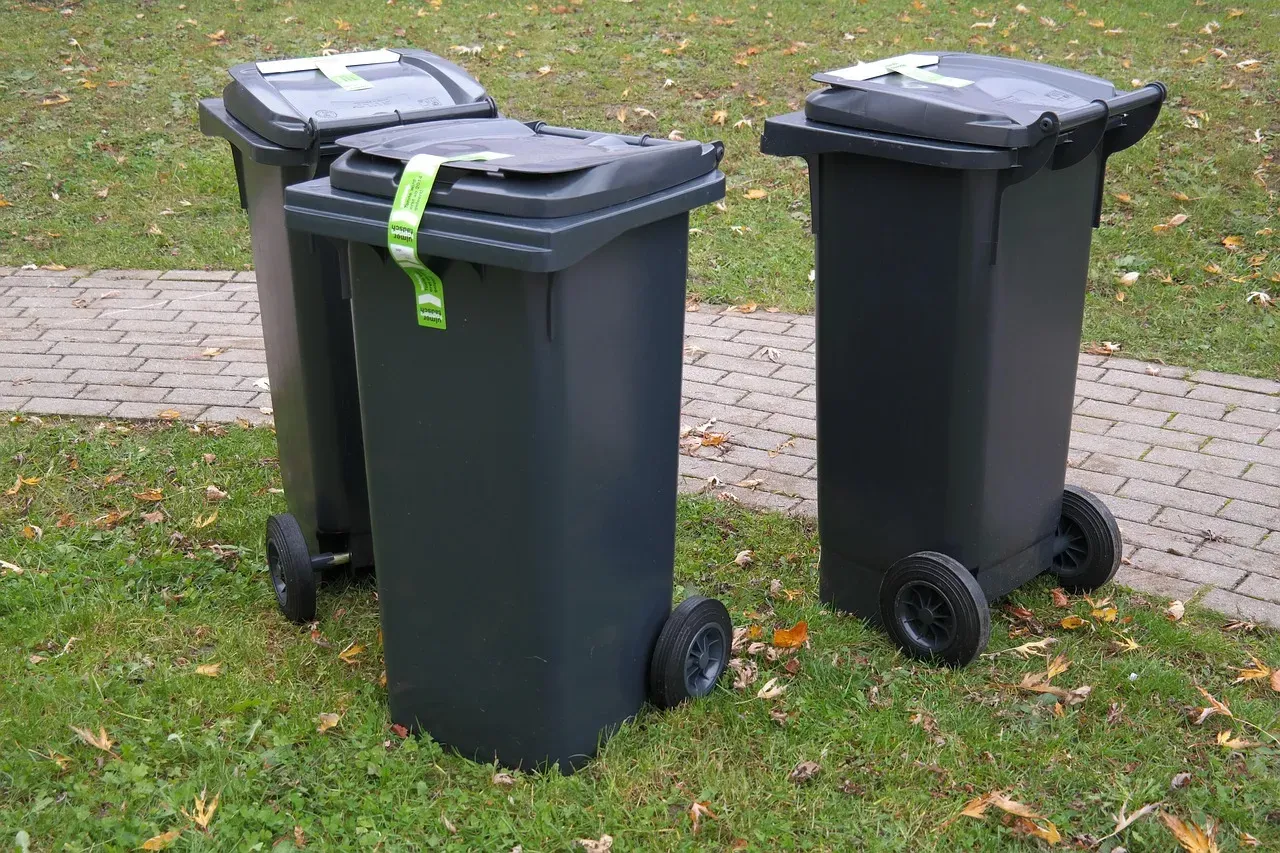
Loose lids on garbage bins let curious noses poke inside after dark. Raccoons and bears quickly figure out how to flip or drag the cans over once they discover the reward inside. A single successful raid reinforces the behavior for the whole group.
Even strong smells from food scraps act like a beacon on windy nights. Residents often assume their cans are sturdy enough until the first real incident occurs. Regular checks and simple straps change the outcome without much extra work.
Running a Bird Feeder Without Regular Cleanup
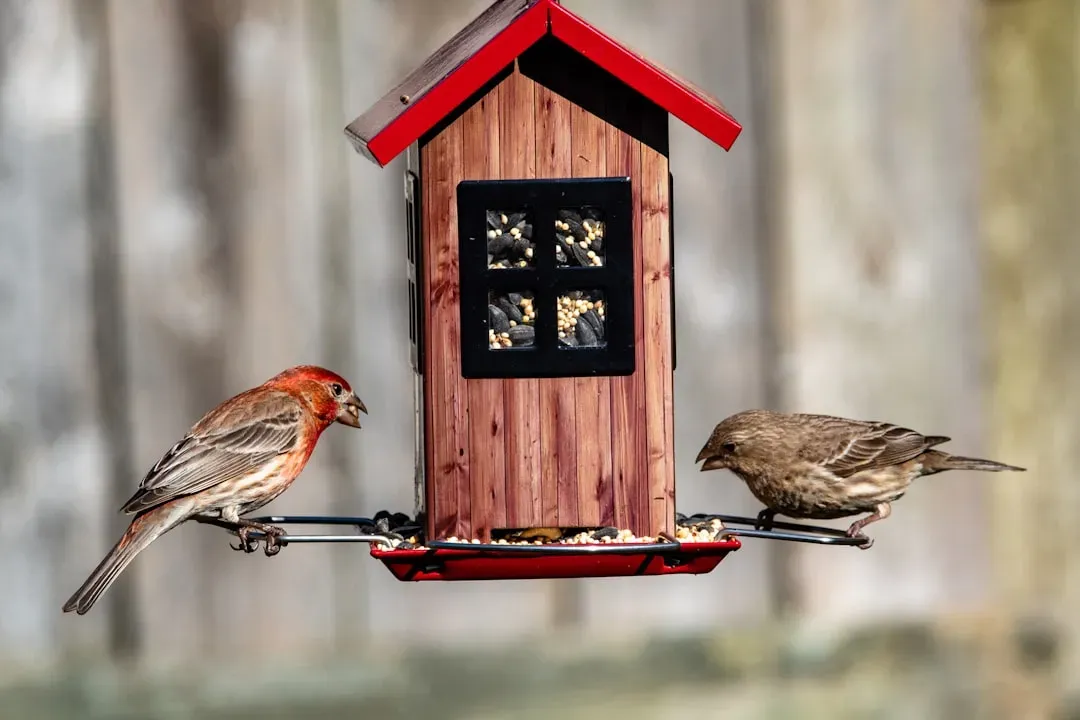
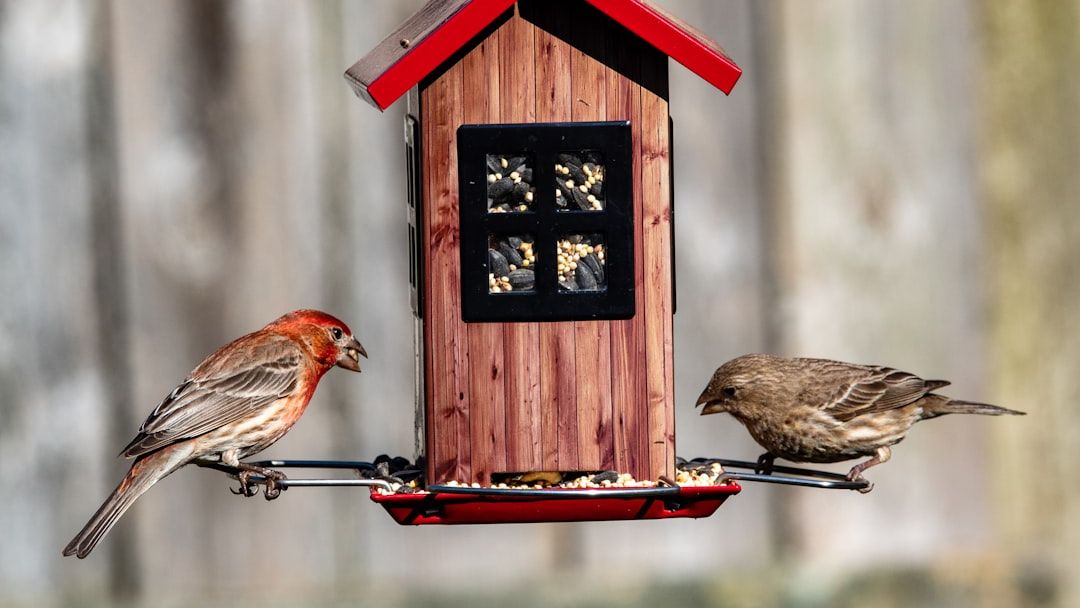
Bird feeders attract more than songbirds when seed spills onto the ground below. Squirrels and larger mammals move in to clean up the mess and soon treat the feeder itself as part of their route. The constant supply removes any need for them to forage elsewhere.
Spilled seed also draws rodents that nest nearby and multiply. Homeowners who enjoy watching the birds rarely connect the dots until squirrels start chewing through screens or raiding other areas. A quick sweep each week keeps the unintended guests from settling in.
Leaving Standing Water in Buckets or Birdbaths
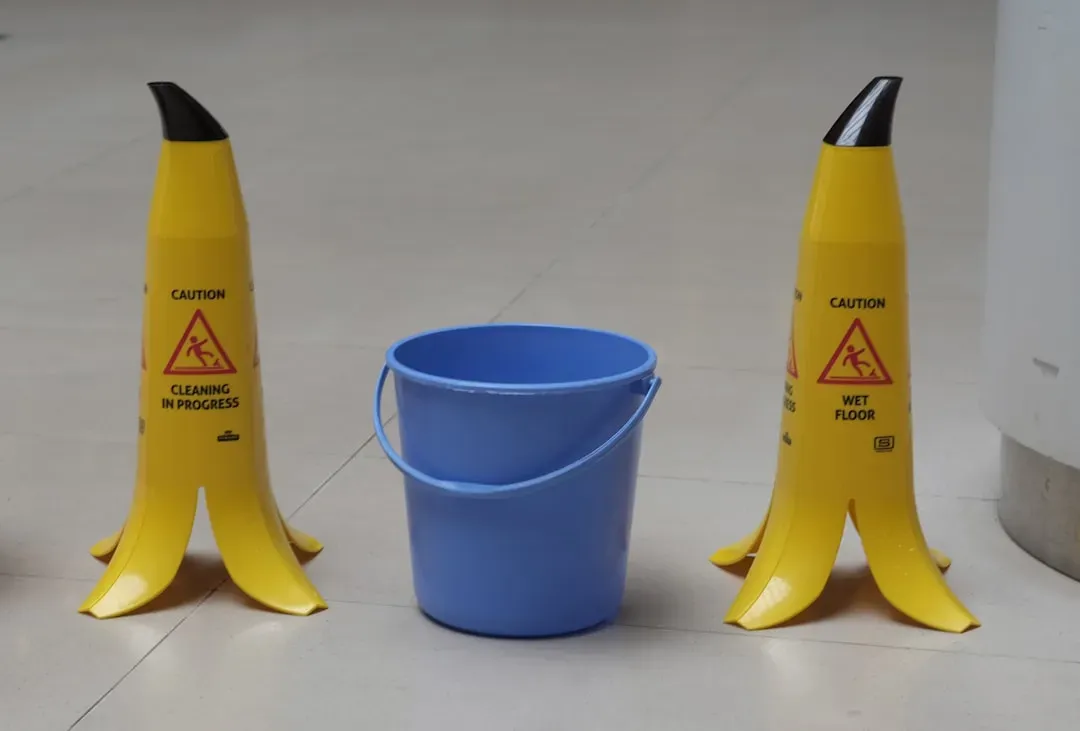
Small pools of water serve as drinking stations during dry spells. Raccoons and skunks visit regularly once they map the locations around the neighborhood. The same water sources can support mosquito larvae that add another layer of nuisance.
People often overlook these containers because they seem too small to matter. Yet consistent access to fresh water encourages animals to expand their territory right up to the house foundation. Emptying or covering the containers breaks the pattern.
Allowing Dense Shrubs to Grow Close to the Foundation
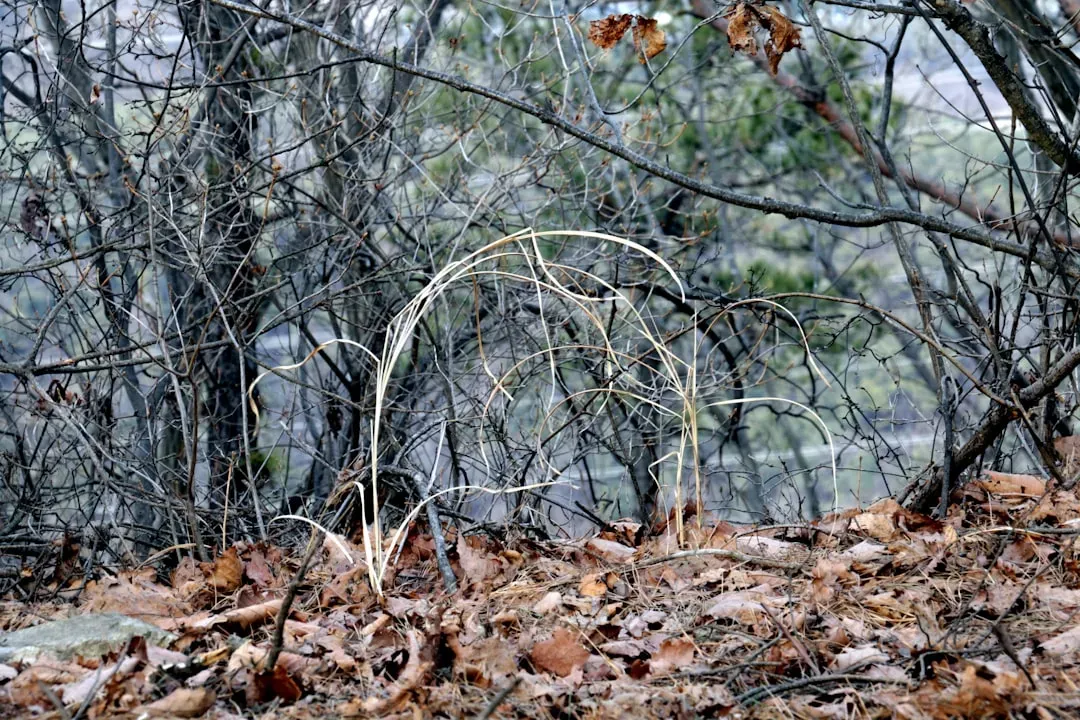
Thick bushes provide cover and travel corridors that feel safe to small mammals. Rabbits and groundhogs use the shelter to move undetected between yards. Overgrown areas also hide entry points that animals later exploit for nesting.
The landscaping looks natural and low maintenance at first glance. In reality it creates a protected zone that invites repeated visits. Trimming back the growth opens sight lines and removes the sense of security.
Leaving Pet Doors Unlatched at Night
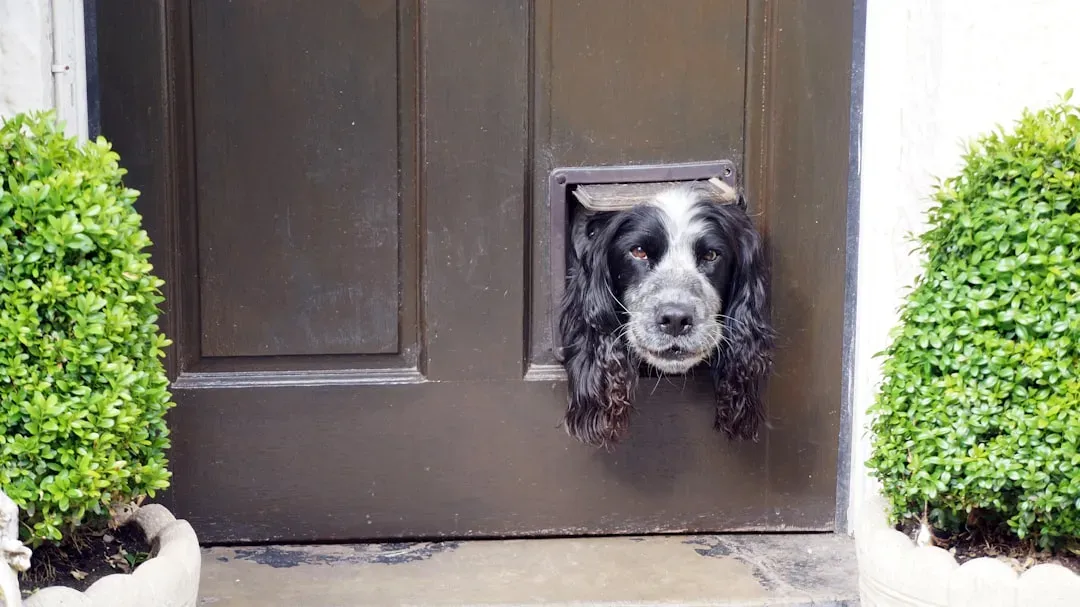
An open pet door offers a quick route inside for any animal bold enough to try. Skunks and raccoons have been known to wander through in search of food or shelter. Once inside they may cause damage or leave behind strong odors.
Owners install these doors for convenience and rarely consider nighttime risks. A simple lock or timer changes the equation without removing the benefit during daylight hours. The adjustment prevents surprise encounters that no one wants.
Maintaining an Open Compost Pile
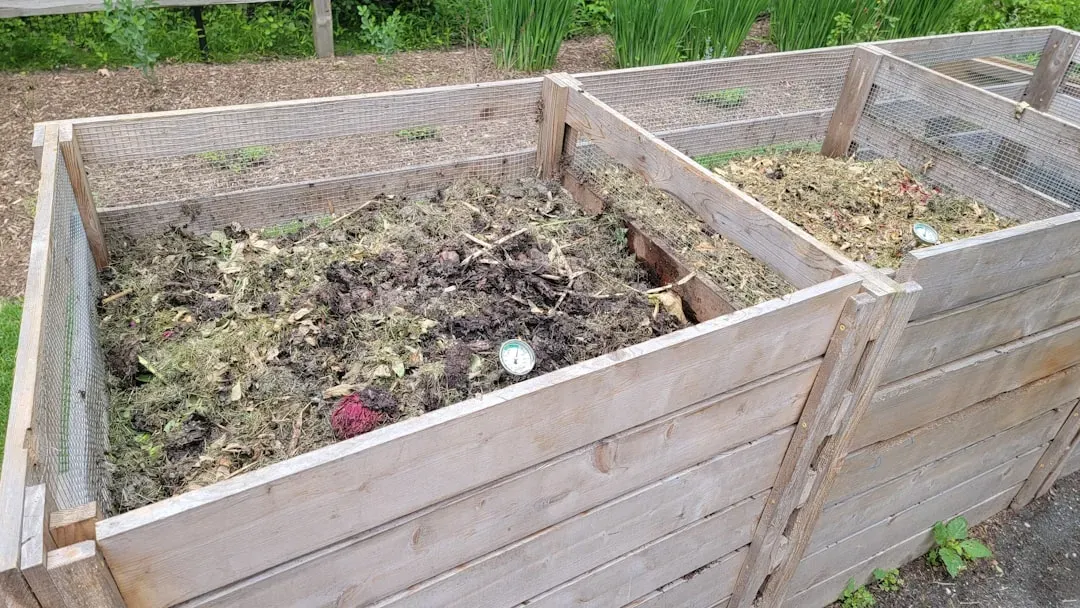
Food scraps in an uncovered bin release odors that travel far on warm evenings. Opossums and raccoons learn to lift lids or dig around the edges for easy pickings. The pile becomes a regular stop on their nightly rounds.
Many gardeners view composting as an eco friendly practice and leave the bin accessible. Adding a secure lid and burying fresh material deeper reduces the appeal. The change keeps the benefits while limiting wildlife traffic.
Ignoring Small Gaps Around Vents and Eaves
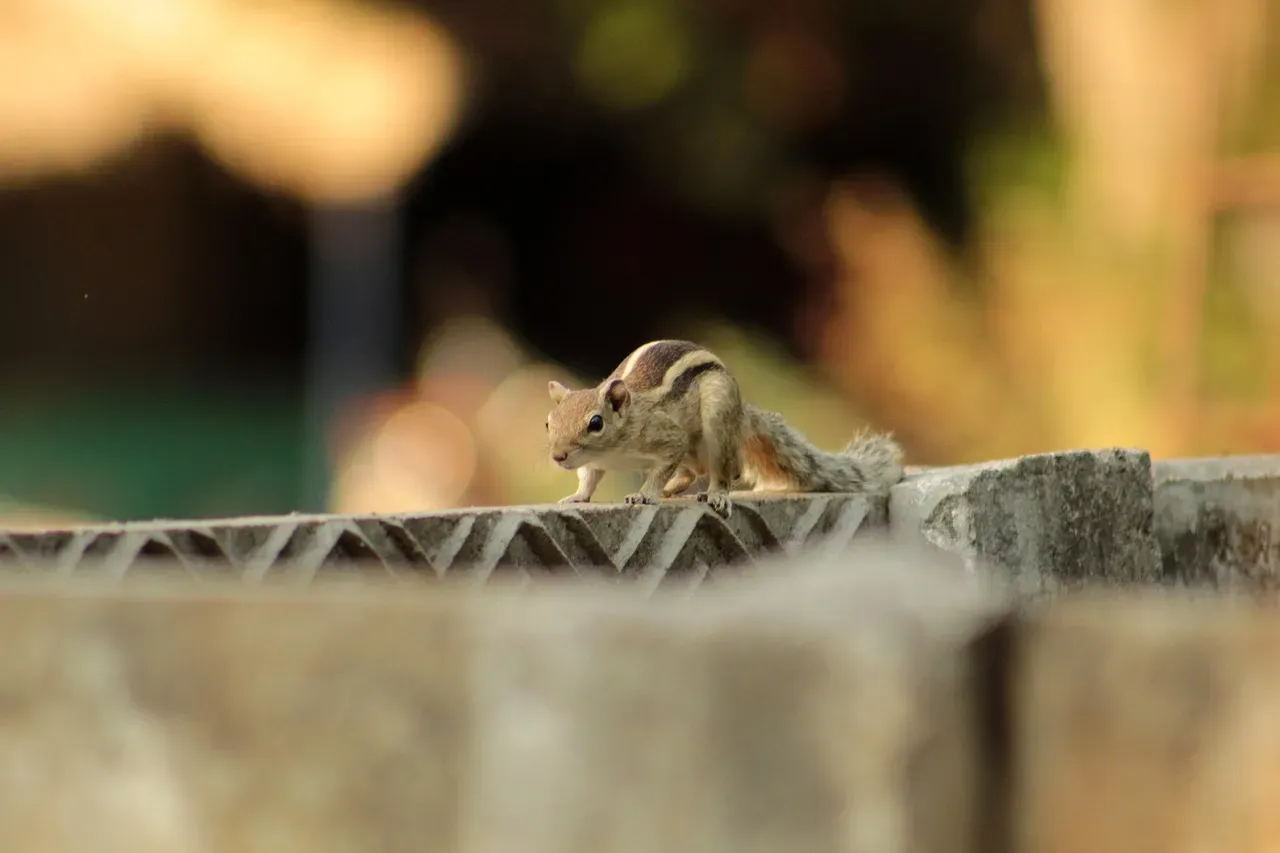
Tiny openings near the roofline or foundation provide shelter from weather and predators. Squirrels and bats slip through once they locate the spots during their explorations. Over successive seasons the animals return and may bring others along.
Homeowners often miss these gaps during routine walks around the property. Sealing them with mesh or caulk closes the invitation before nesting begins. The small effort prevents larger problems later in the year.
The eight habits above show how easily daily routines can shift the boundary between human space and wildlife territory. Paying attention to these details supports a more peaceful coexistence without dramatic changes to your lifestyle.