
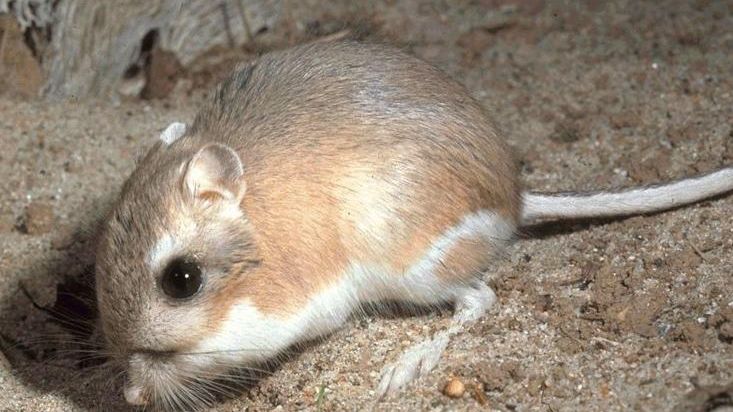
Most of us can barely make it through a morning without reaching for a glass of water, maybe even two. It’s one of those non-negotiable facts of life, right? Water keeps us alive, end of story. Yet somewhere deep in the scorching landscapes of the American Southwest, a tiny creature has been living its entire existence without ever taking a sip.
This isn’t some mythical being from folklore or a fantastical sci-fi invention. It’s real, it’s here, and honestly, its survival tricks put our modern hydration obsessions to shame.
Meet the Desert Champion: The Kangaroo Rat
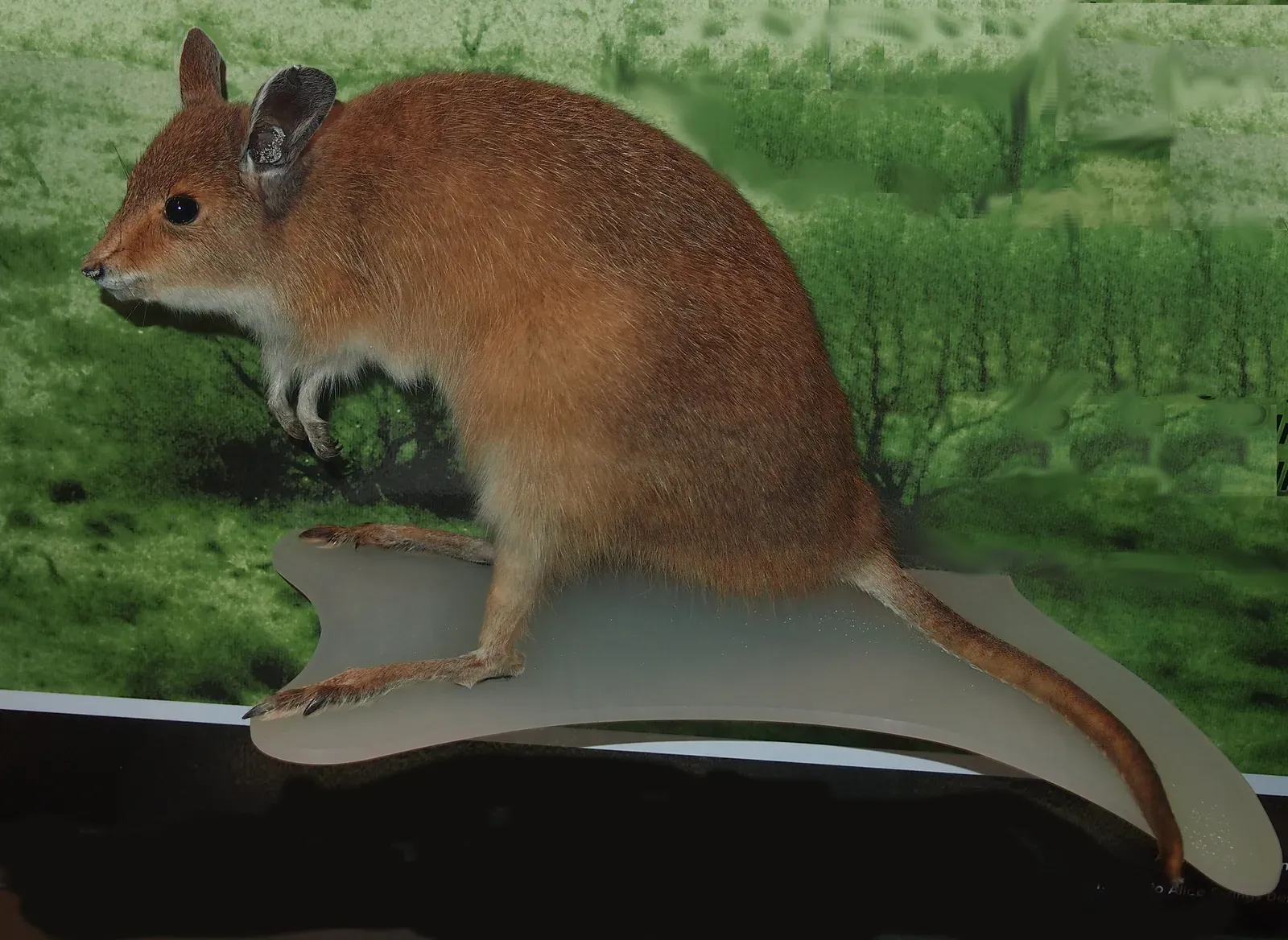
The little kangaroo rat found in the United States’ southwest deserts does not drink water during its life. This pint-sized rodent, barely bigger than a baked potato, has completely mastered the art of desert survival. It hops around on oversized hind legs that look comically out of proportion to its tiny body, resembling a miniature kangaroo from down under.
Yet appearances can be deceiving. These small mostly nocturnal rodents of genus Dipodomys are native to arid areas of western North America and hop in a manner similar to the much larger kangaroo.
Despite their adorable exterior and quirky hopping style, kangaroo rats are serious survival experts. They’ve carved out an existence in some of the harshest environments on the planet, where daytime temperatures can soar past 115 degrees Fahrenheit and water sources are virtually nonexistent. Their bodies have evolved over countless generations to function in ways that would seem impossible for most mammals.
It’s hard to say for sure how they first developed these skills, but evolution clearly rewarded those individuals who could squeeze every possible drop of moisture from their environment. These creatures didn’t just adapt; they revolutionized what it means to live in extreme aridity.
The Metabolic Water Factory Inside
So how exactly does a mammal survive without ever drinking? The answer lies in something called metabolic water. The kangaroo rat’s kidneys are so efficient that it never needs to drink water, getting all of its liquid from the plants, roots, and seeds it eats.
Here’s where things get fascinating. When kangaroo rats consume dry seeds, their digestive system breaks down the carbohydrates and fats inside. They eat seeds which are not typically known for their juicy consistency, yet their metabolism is able to turn one gram of seed into a half gram of water.
Think about that for a moment. A completely dry seed, something you or I would consider devoid of moisture, becomes a water source inside their bodies. Kangaroo rats obtain about 90% of their body water from metabolic water, with the remaining 10% obtained from the free water in dry food. It’s like having a miniature desalination plant running inside your belly, except instead of removing salt, they’re creating water molecules from scratch during digestion.
This metabolic alchemy doesn’t happen by accident. Their entire physiology is optimized for this process, from their gut bacteria to their cellular machinery.
Kidneys That Work Overtime
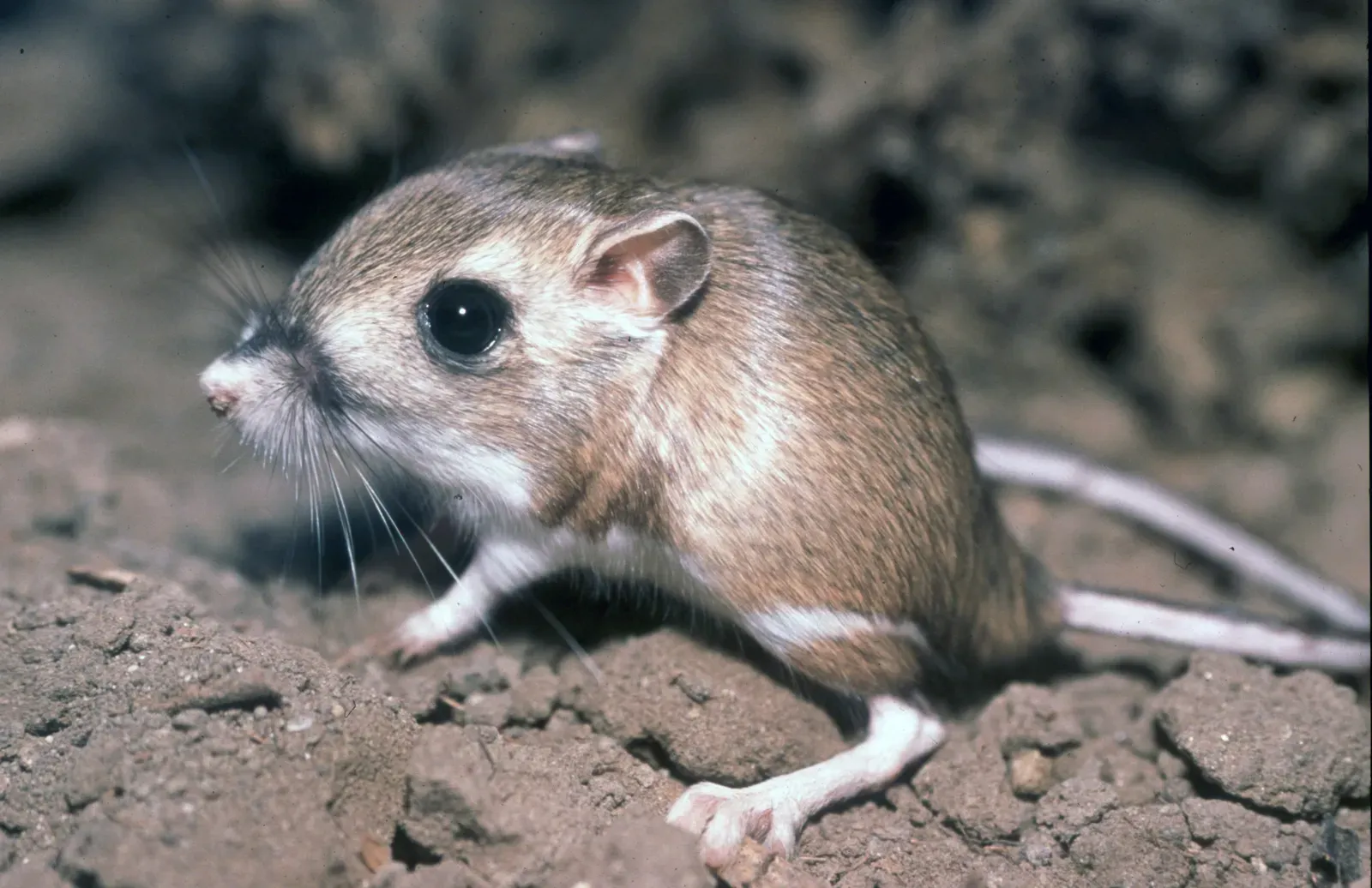
The kangaroo rat’s kidneys deserve their own spotlight because they’re nothing short of biological masterpieces. While human kidneys do a decent job filtering waste and conserving water, kangaroo rat kidneys operate on an entirely different level. Their kidneys are highly specialized and produce urine that is much more concentrated than human urine, about five times more concentrated.
What does this actually mean? Essentially, they extract nearly every available water molecule from their waste before excreting it. Their kidneys are able to super process urine to the point that what comes out is basically crystallized, ensuring no liquid goes to waste. The result is waste that’s almost solid, minimizing water loss in a way our bodies simply cannot match.
The ability to produce a hyper-concentrated urine is attributed to their possession of extremely long loops of Henle. These structures within their nephrons create a concentration gradient that allows maximum water reabsorption. The longer the loop, the more concentrated the urine can become, and kangaroo rats have some of the longest loops in the mammal kingdom.
Their feces are equally dry. Kangaroo rats release dry feces which reduces the loss of water from the body as the water is reabsorbed in the gut. Every system in their body conspires to hold onto moisture like a miser hoarding gold.
Cooling Systems and Desert Engineering
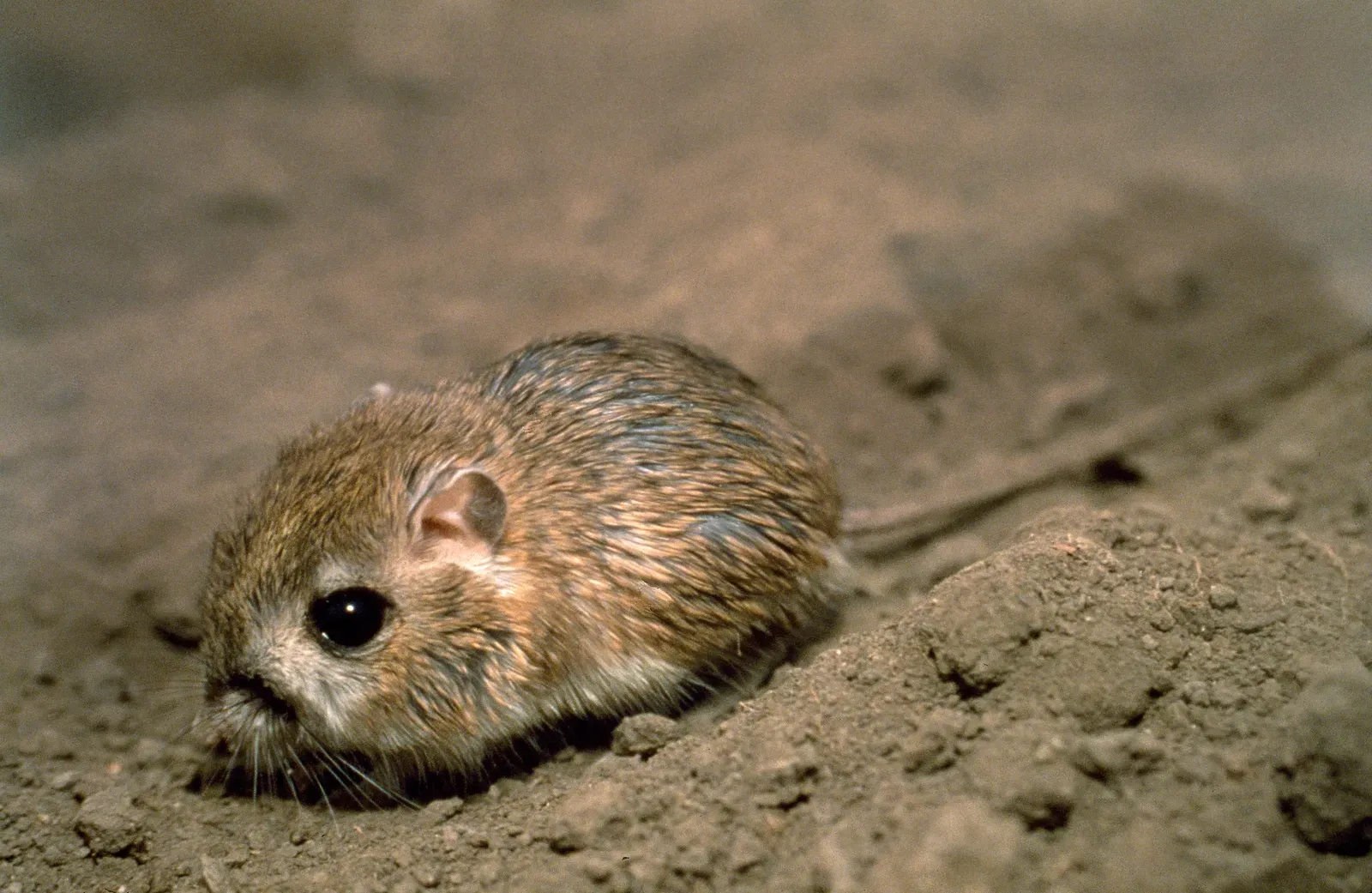
Water isn’t just about hydration. In the desert, it’s also your primary cooling mechanism through sweating and panting. Most mammals rely on these processes to regulate body temperature, but that creates a problem when you have no water to spare. The kangaroo rat’s solution? Kangaroo rats do not sweat or pant like other animals to prevent the loss of much-needed water from their bodies, and sweat glands are completely absent in kangaroo rats.
So how do they avoid overheating? They cheat the system entirely by avoiding the heat. When the outside temperature is too hot, a kangaroo rat stays in its cool, humid burrow and leaves it only at night. Their underground homes maintain a stable temperature and higher humidity than the blistering surface above.
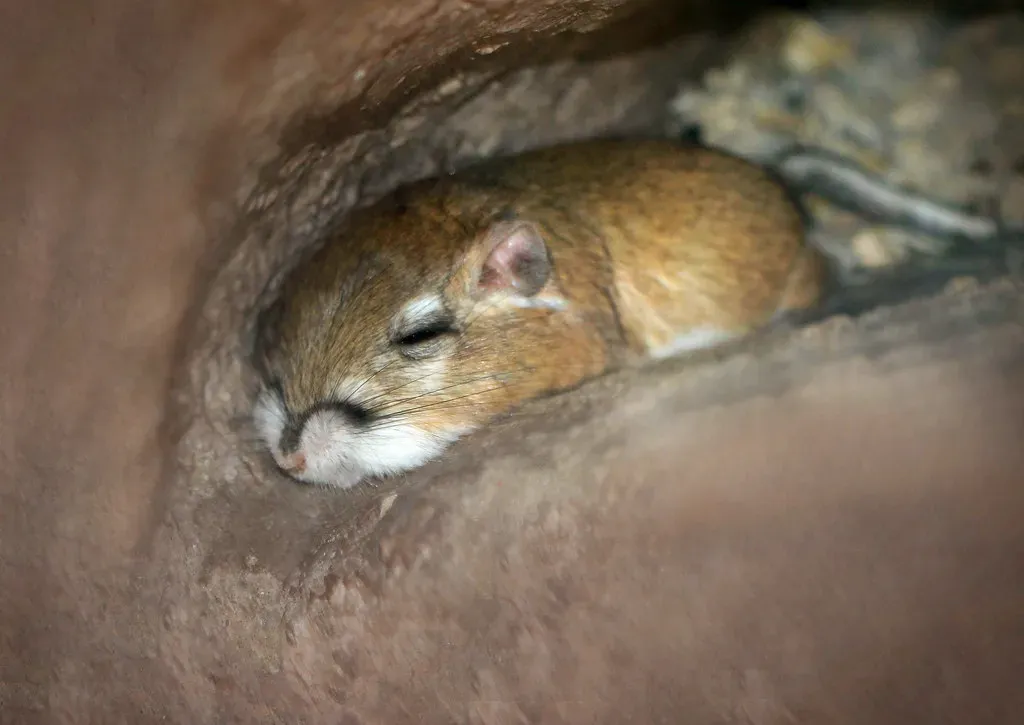
Their burrows are architectural marvels. Kangaroo rats plug the entrances with soil during the day to maintain a constant temperature and relative humidity in their burrows. This creates a microclimate where moisture from their breath accumulates, making the air inside more humid than outside. To reduce loss of moisture through respiration when sleeping, a kangaroo rat buries its nose in its fur to accumulate a small pocket of moist air.
Even their nasal passages are specially designed. Desert kangaroo rats have the longest nasal cavity of all the kangaroo rats, which allows for better water conservation by cooling the air leaving the lungs and releasing moisture for reabsorption.
Behavioral Tricks and Survival Strategies
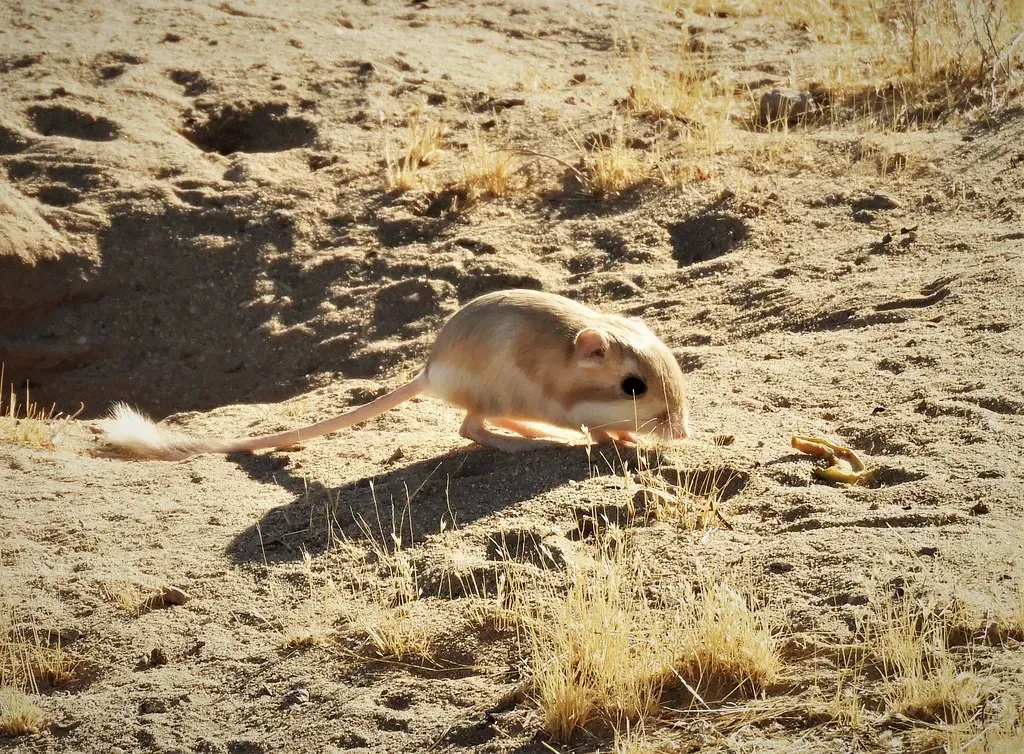
Beyond their remarkable physiology, kangaroo rats employ clever behavioral adaptations that minimize water loss. They forage at night when temperatures are lower and humidity levels are higher and transport the dry seeds and beans they’ve collected in fur-lined cheek pouches instead of in their mouths, keeping the seeds from absorbing saliva and extracting precious water.
This might sound like a small detail, but it’s actually brilliant. If they carried seeds in their mouths like some rodents do, their saliva would hydrate the seeds, effectively transferring water from their bodies to their food. The fur-lined cheek pouches keep everything separate and dry.
They’re also incredibly efficient foragers. Kangaroo rats must harvest as much seed as possible in as little time as possible, minimizing their time away from their cool, dry burrows and their exposure to predators. Speed and efficiency mean less time exposed to the desiccating air and heat.
Their hopping locomotion isn’t just for show either. Kangaroo rats often leap a distance of 7 feet at speeds up to almost 10 feet per second, and they can quickly change direction between jumps. This helps them evade predators quickly and return to the safety of their burrows where water conservation continues.
Living on the Edge of Possibility
The tiny kangaroo rat, a native of the southwestern deserts of the United States, never takes a drink of water in its lifetime, getting what little moisture it needs from eating roots and desert plants. Yet this extraordinary adaptation comes with trade-offs. The life span of a kangaroo rat is not very long, just 2 to 5 years.
Their entire existence is a delicate balancing act. Due to their harsh environments the kangaroo rats are prone to predators, including badgers, owls and coyotes. Because of the water in their bodies, they are frequently devoured by other animals. Ironically, in a landscape where water is scarce, kangaroo rats themselves become mobile water sources for thirsty predators.
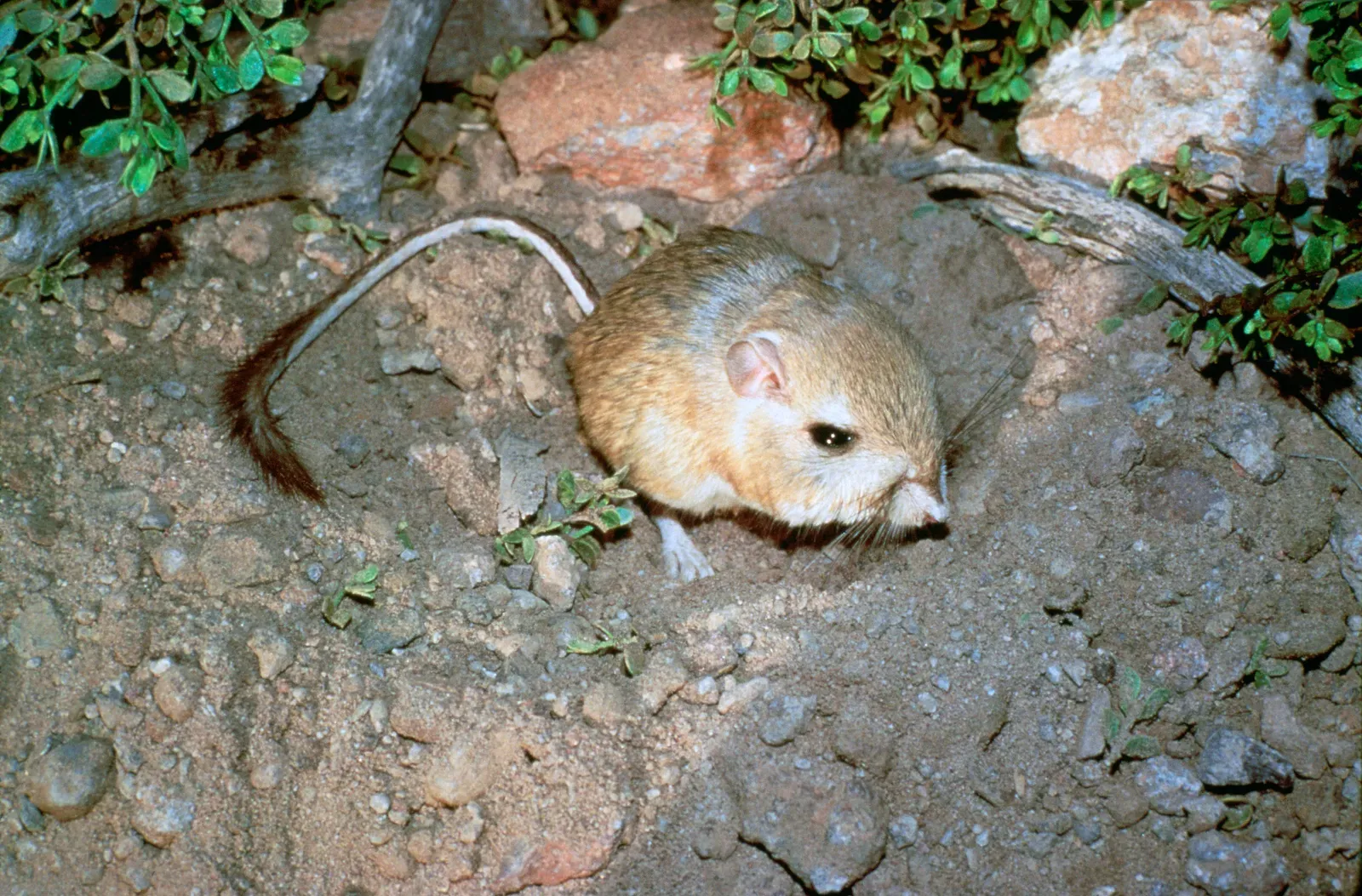
They live in one of the most unforgiving ecosystems on Earth. The desert kangaroo rat is found in arid parts of southwestern North America, including Death Valley, the Great Basin, the Mojave Desert, and portions of the Sonoran Desert, living exclusively in areas with loose sand, often dune terrain in some of the most extreme deserts in the United States.
What This Means for Science and Beyond
The kangaroo rat’s extraordinary adaptations offer more than just fascinating natural history. They represent potential blueprints for human innovation. Understanding how these animals extract and conserve water could inspire new technologies for water purification, moisture harvesting, or even life support systems for space exploration.
Let’s be real, if a mammal the size of a tennis ball can thrive indefinitely without drinking in Death Valley, surely there’s something we can learn from that. Scientists continue studying these creatures to understand the genetic and physiological mechanisms behind their abilities.
Adaptation to very low quantities of water is highlighted by the very long water turnover times for the species, on the order of 2 to 3 weeks. This means water molecules stay in their bodies for extended periods, cycling through their systems repeatedly before being lost.
The kangaroo rat challenges our assumptions about what’s necessary for mammalian survival. It’s a living reminder that evolution finds solutions to problems we might consider insurmountable. These tiny desert dwellers didn’t just survive; they thrived by rewriting the rules entirely.
What do you think about these remarkable little creatures? Did you expect that such adaptations were even possible in a mammal? Share your thoughts in the comments below.
