
#1 The discovery that changed how scientists listen to parrots
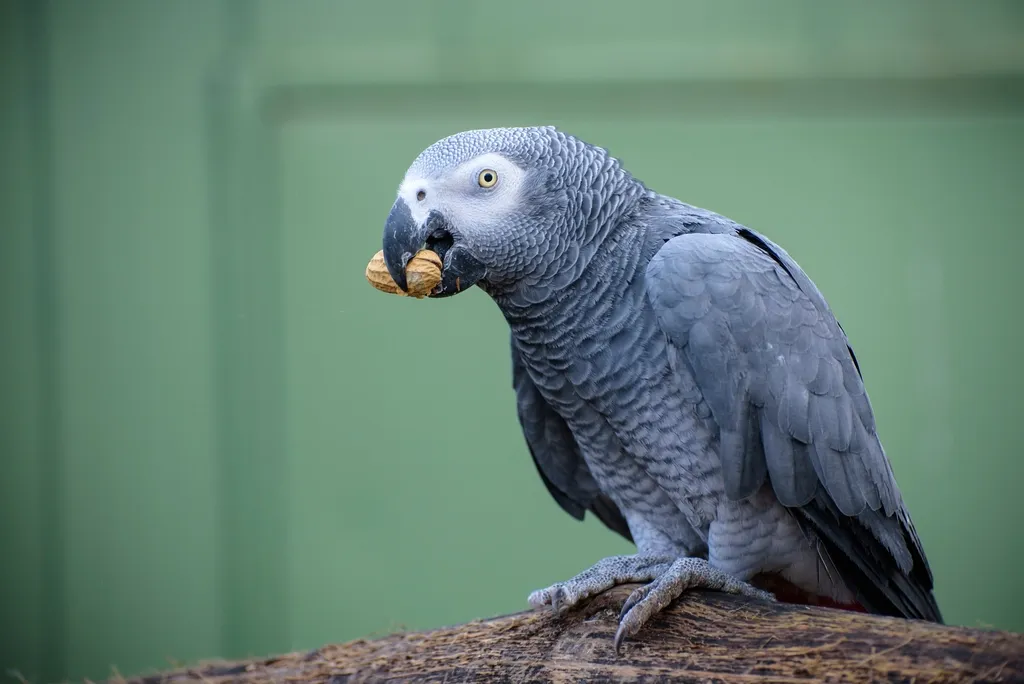
For decades, the working assumption was simple. Parrots copy what they hear, and that copying happens whenever a human happens to be nearby offering feedback or attention. Then a research team studying Alex, the famous African grey parrot trained by Irene Pepperberg, decided to leave a tape recorder running when nobody was in the room. They learned, but only after they set up a tape recorder to track his behavior when he was alone, that he was actually trying to say a new label weeks before he produced it clearly in their presence.
That single finding quietly rewired assumptions about parrot speech. It wasn’t that Alex simply repeated things on command. He was working through material privately, well before he ever brought a polished version into a session with his trainers. Researchers still aren’t entirely sure why he engaged in this behavior, though one possibility is that he wanted to avoid the mildly critical feedback he sometimes received during formal training. Either way, the tape recorder caught something that direct observation never would have.
#2 What scientists mean by babbling in a bird
The word babbling usually conjures an image of a human infant, not a bird on a perch. But like children and songbirds, Alex engaged in active vocal practice before acquiring targeted vocalizations, according to research reviewing his vocal learning. This isn’t a loose metaphor. It describes a genuine developmental stage where sounds get tried out, altered, and gradually refined until they resemble a usable word.
What makes this especially interesting is that the babbling doesn’t look random. Through sound play involving phonetic recombination, Alex derived new speech patterns spontaneously from existing ones, and after acquiring the word grey, he produced sound variants that researchers eventually mapped to appropriate referents. In other words, the practice sessions weren’t noise for noise’s sake. They were closer to a kind of vocal editing process, one word slowly becoming the seed for another.
#3 Wild parrotlet chicks turn their nest into a rehearsal studio
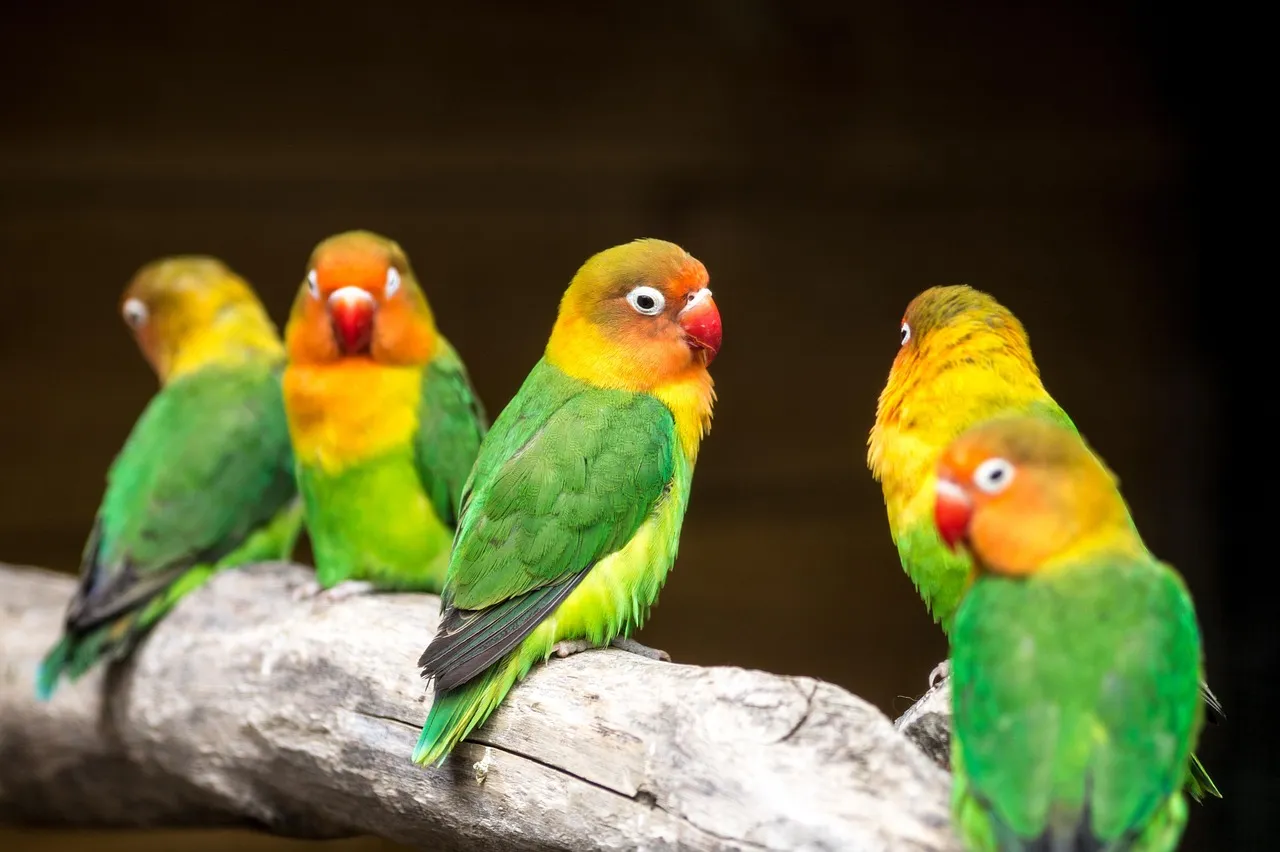
Captive birds like Alex are one thing, but what about parrots that have never met a human? A long-running field study in Venezuela tracked wild green-rumped parrotlets and found that chicks would routinely babble while in the nest, similar to how babies babble before they begin to talk. This wasn’t an isolated oddity either. The chicks began to babble incessantly about twenty days after hatching, and slowly reduced that babbling afterward as they started learning the usable language and sounds of their parents.
The setting itself turns out to matter quite a bit. Vocal babbling is widespread in this wild parrot population, occurring in both sexes during the nestling stage amidst a captive audience of mixed-aged siblings, and is modulated by corticosteroids. So the nest functions as something like a low-stakes practice room, crowded with siblings but free of the pressure that comes with performing for an adult audience that expects results.
#4 Cosmo the grey parrot and the case for context
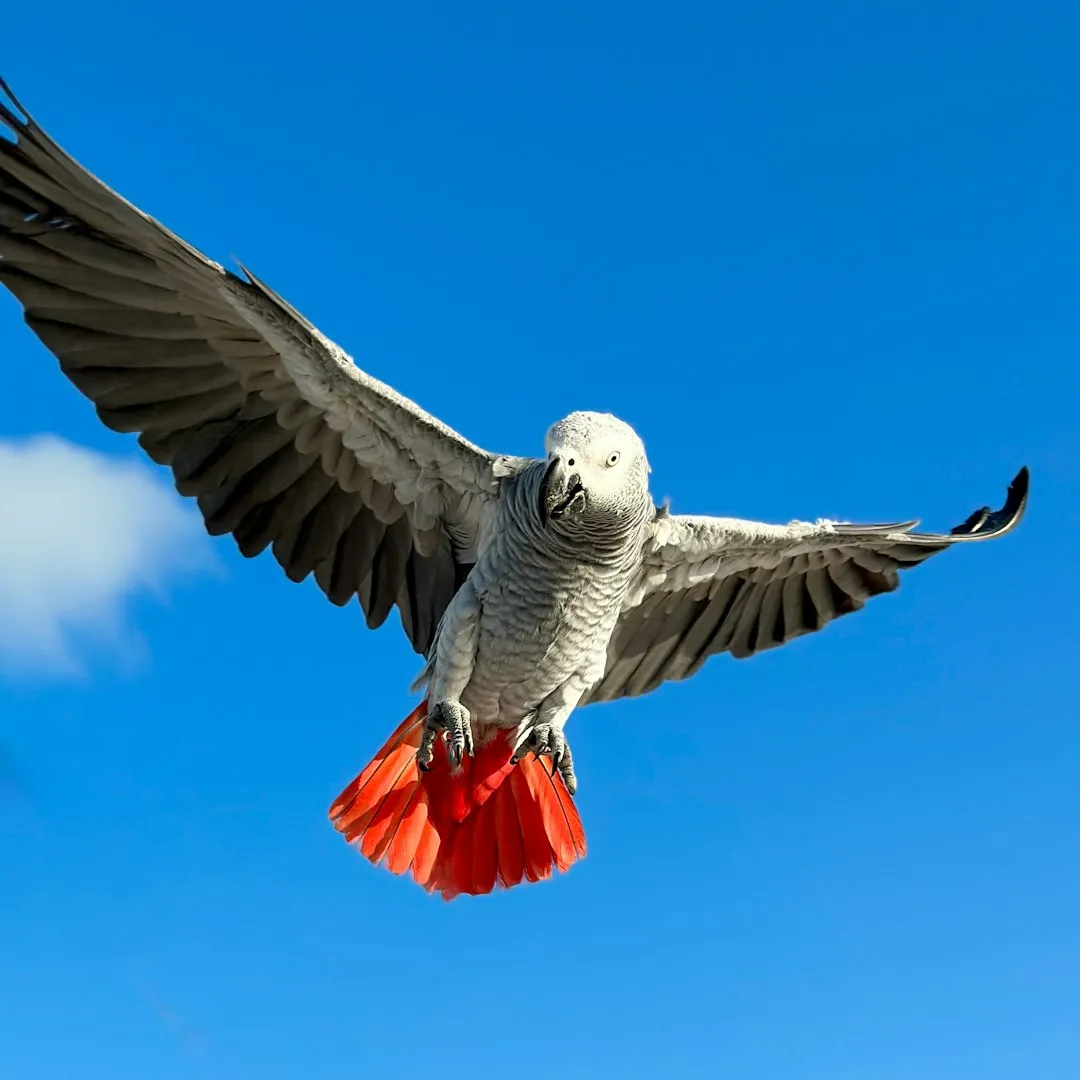
A separate line of research followed a young grey parrot named Cosmo, tracking exactly when and how she used certain words around her home. Researchers at the University of Georgia collected data on the nature of the words she used under different circumstances and found that when her owner was home but not in the room, Cosmo was more likely to use words and phrases related to location, such as asking where someone was. That pattern alone suggests something more deliberate than mindless repetition.
It also connects to something parrots do naturally in the wild. Wild parrots are frequently and loudly calling to each other to keep in touch with flockmates, even when they’re out of sight of one another. Cosmo’s location-related chatter when alone looks a lot like a domesticated version of that same instinct, repurposed for a household instead of a rainforest canopy.
#5 Sound play as the raw material for new words
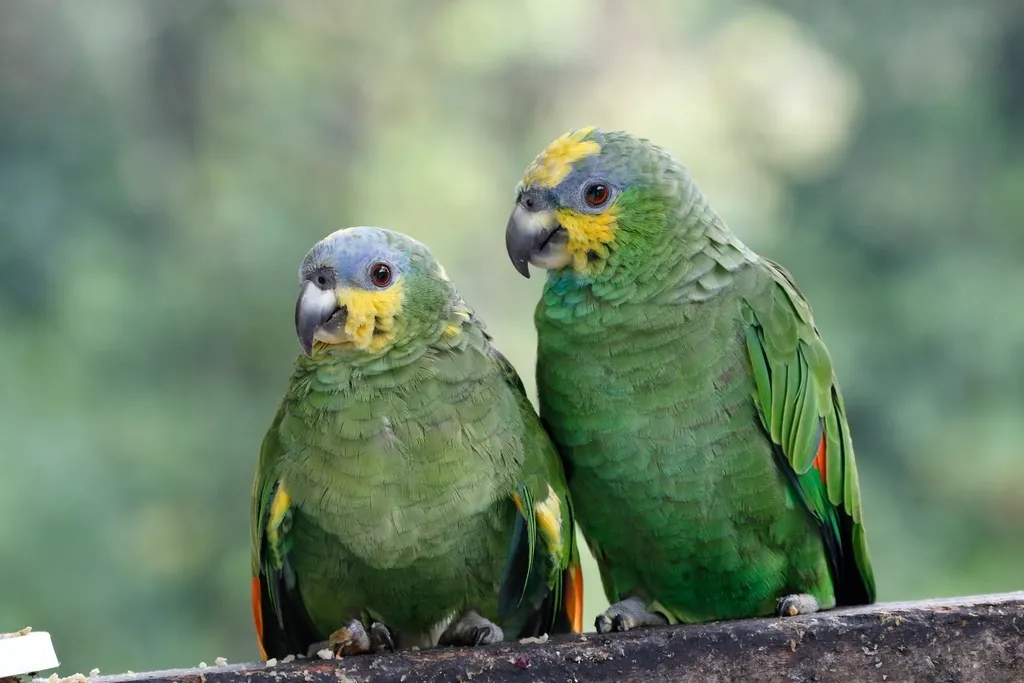
One of the more surprising findings from Pepperberg’s long-term work with Alex is that he didn’t only rehearse known words. He sometimes built new ones out of pieces of old ones. These solitary sessions often included sound play, where existing words got recombined or altered slightly, and over time these variations could lead to clearer or more accurate versions of target phrases.
This kind of tinkering resembles how a musician might noodle around on an instrument before landing on a new melody. Working through phrases alone let the parrot adjust pitch, timing, or sequence without interruption, and these adjustments accumulated into better performance later. The private rehearsal wasn’t just repetition for repetition’s sake. It functioned as a genuine workshop for language.
#6 Why solitude seems to help rather than hinder learning
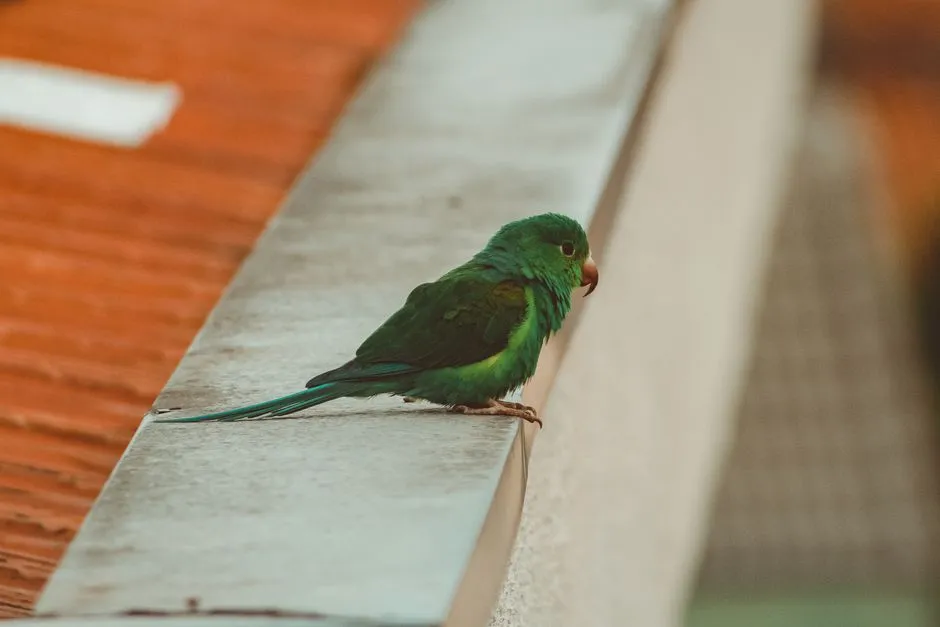
It might seem counterintuitive that a highly social animal would need alone time to develop its most social skill. Yet the pattern shows up again and again across different studies. Research has found that parrots tend to be more in tune with human speech when they’re kept alone, which hints that solitude removes some kind of social pressure that otherwise interferes with the learning process.
There’s a practical logic to this once you think it through. The activity appears self directed rather than aimed at an audience, which means a bird can fumble through a word as many times as it needs without worrying about getting corrected or judged. That freedom to fail privately, over and over, may be exactly what allows the polished version to eventually show up in front of people.
#7 The parallel to human infants and singing birds
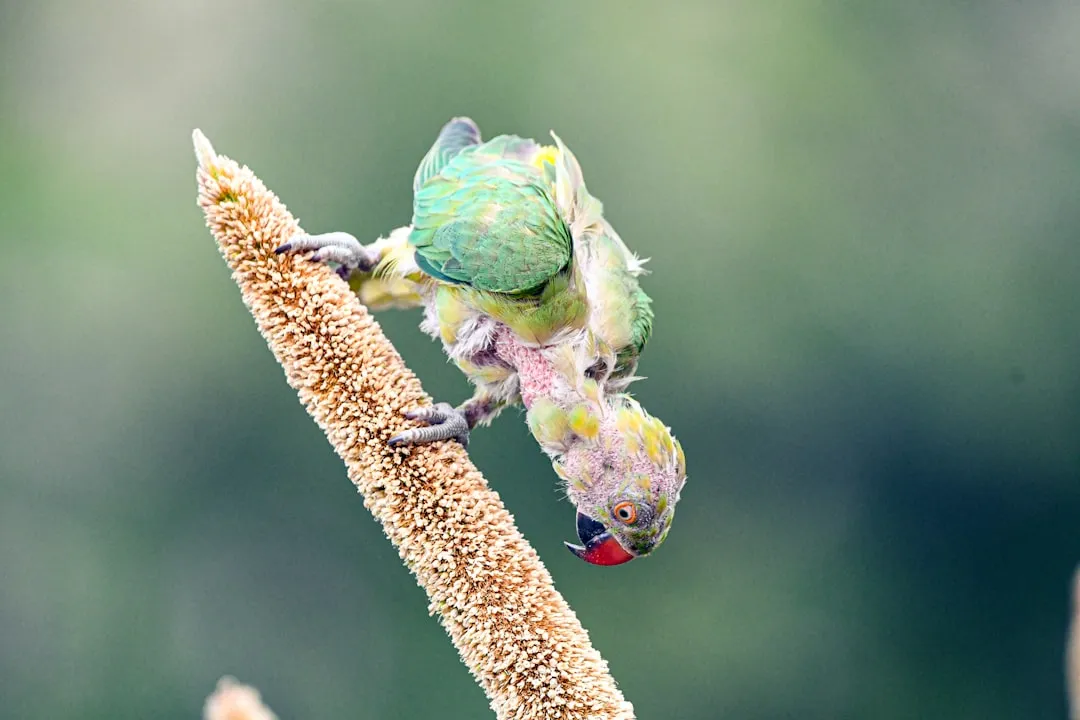
Scientists didn’t invent the comparison between parrot practice and human infant development for dramatic effect. The similarities run surprisingly deep at a biological level. Prelinguistic babbling is a critical phase in infant language development and is best understood in temperate songbirds, where it occurs primarily in males at reproductive maturity and is modulated by sex steroids. Parrots, it turns out, share a version of this same hormonal choreography.
The parrotlet research made that connection explicit by tracking stress hormone levels alongside vocal development. After treatment with corticosterone, researchers found that nestlings of both sexes had increased vocal repertoires, producing twice as many unique babbling noises as chicks that did not receive any stress hormones. That’s a striking result, because it means the same broad hormonal systems that shape human and songbird vocal development appear to be doing similar work inside a parrot’s tiny skull.
#8 What private rehearsal reveals about the parrot mind
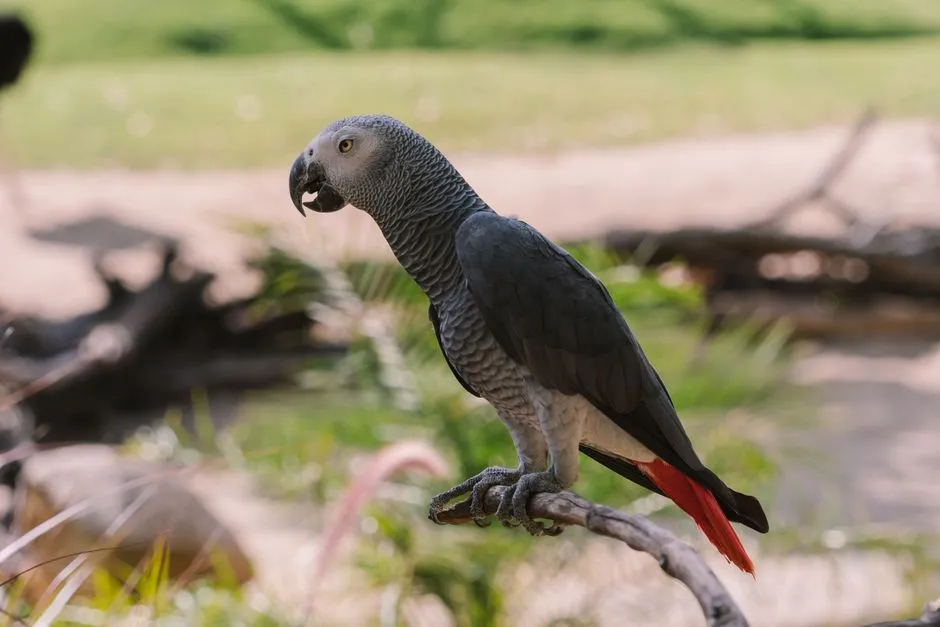
Step back far enough and this whole body of research points toward something bigger than a quirky fact about talking birds. Long term research with grey parrots has tracked how individuals move from initial exposure to fluent use of words, and periods of private rehearsal appear essential for consolidating new material. That’s not the behavior of an animal simply parroting sounds back on cue. It looks a lot more like practice in the way we’d recognize practice in ourselves.
The vocabulary these birds eventually settle on also hints at what’s driving the whole process. Grey parrots produce significantly more conversational expressions, greetings, and multiword utterances in general compared to young children learning language, which suggests their private rehearsal is aimed squarely at social connection rather than labeling the physical world the way a toddler does. The practicing, in other words, seems to exist because the payoff is social.
Final thoughts
What strikes me most about this research isn’t just that parrots rehearse. It’s that they seem to know, on some level, that a performance and a practice session are different things. That’s a more sophisticated piece of self-awareness than most people would credit a bird with having.
None of this proves parrots think about language the way we do, and researchers are careful not to overclaim that. Still, the evidence keeps pointing in one consistent direction. These birds aren’t just imitating sound. They’re working at it, quietly, when nobody’s watching, which is honestly a very familiar way to learn anything worth learning.

- Animal Cognition Says Parrots Practice Words Alone Before Using Them in Social Situations - August 8, 2026
- 8 Things Guinea Pigs Remember About Daily Routines - August 8, 2026
- 7 Things That Quietly Scare Hummingbirds Away - August 8, 2026