
Worried about unexpected vet bills?
Pet insurance can cover thousands in unexpected vet costs. Get a free quote from Lemonade in under 2 minutes.
Get My Free Quote →Sponsored · Opens Lemonade.com
There’s a particular kind of quiet satisfaction that comes from stepping into your garden and hearing it filled with birdsong. It isn’t just pleasant background noise. It’s a sign that something is genuinely working in your outdoor space, that you’ve created a place other creatures actually want to be.
The good news is that attracting songbirds doesn’t require turning your yard into a wildlife reserve. A few deliberate changes, carried out consistently across the seasons, can make a remarkable difference. Whether your garden is a compact urban plot or a sprawling suburban lot, the same core principles apply.
Plant Native Trees and Shrubs First
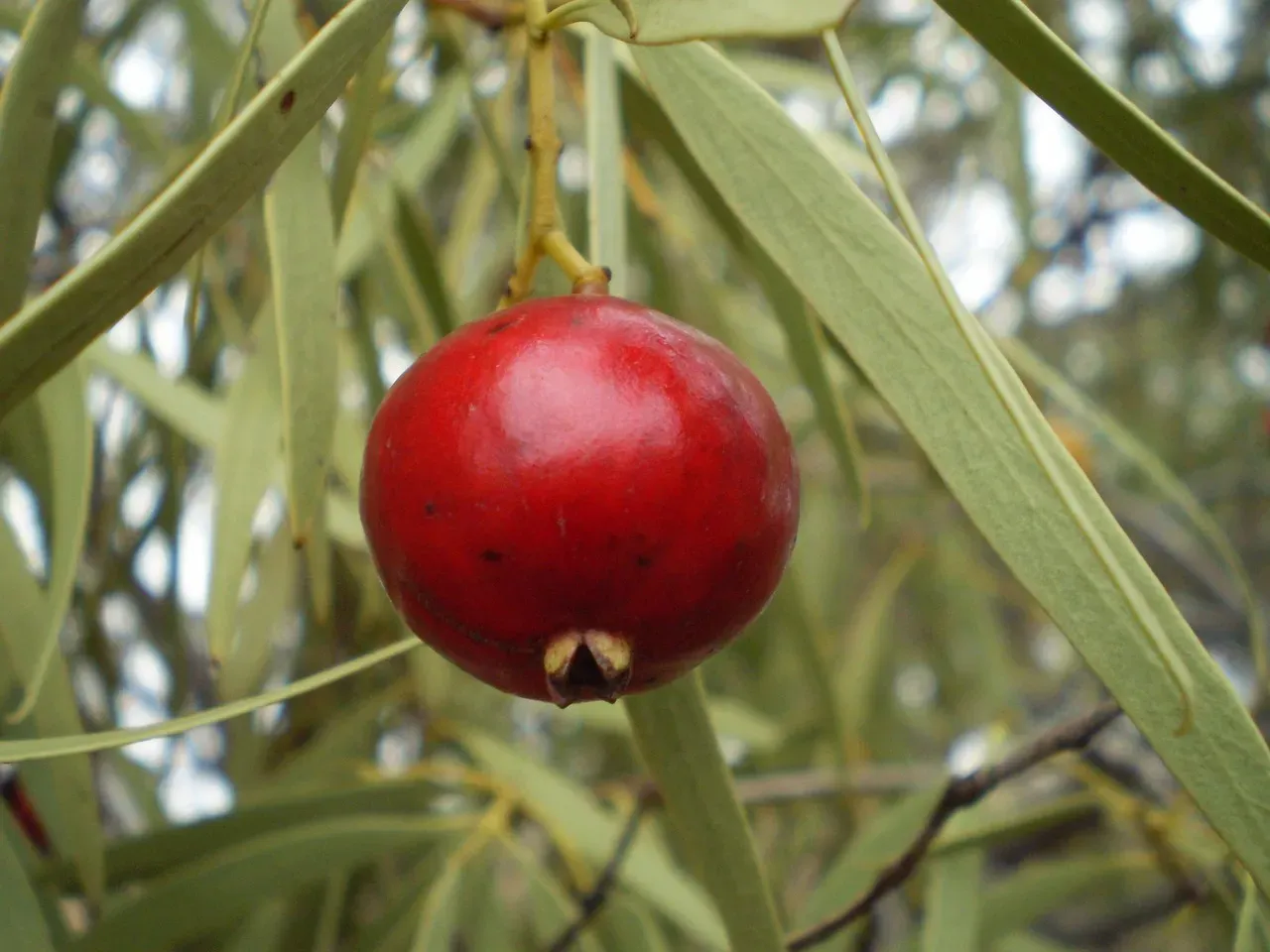
If you’re trying to bring more birds to your backyard, the single best thing you can do is plant native shrubs, vines, and trees. This isn’t just good advice, it’s the foundation that every other effort builds on.
Whenever possible, choose native plants for birds. Native species produce the fruits and seeds that local birds evolved to recognize and depend on. While birds will sometimes eat non-native berries, native plants offer the best nutrition and timing for migration and breeding cycles.
For example, oak trees can host over 500 species of caterpillars, and the vast majority of North American songbirds feed their young almost exclusively on caterpillars. That single fact alone makes a strong case for planting a native oak if your space allows it.
Some of the top berry and fruit-producing choices include mulberry, serviceberry, dogwood, crabapple, juniper, bayberry, sumac, viburnum, winterberry, elderberry, Virginia creeper, and native honeysuckle. Mix a few of these together and you’ll have food available across multiple seasons.
Set Up the Right Bird Feeders
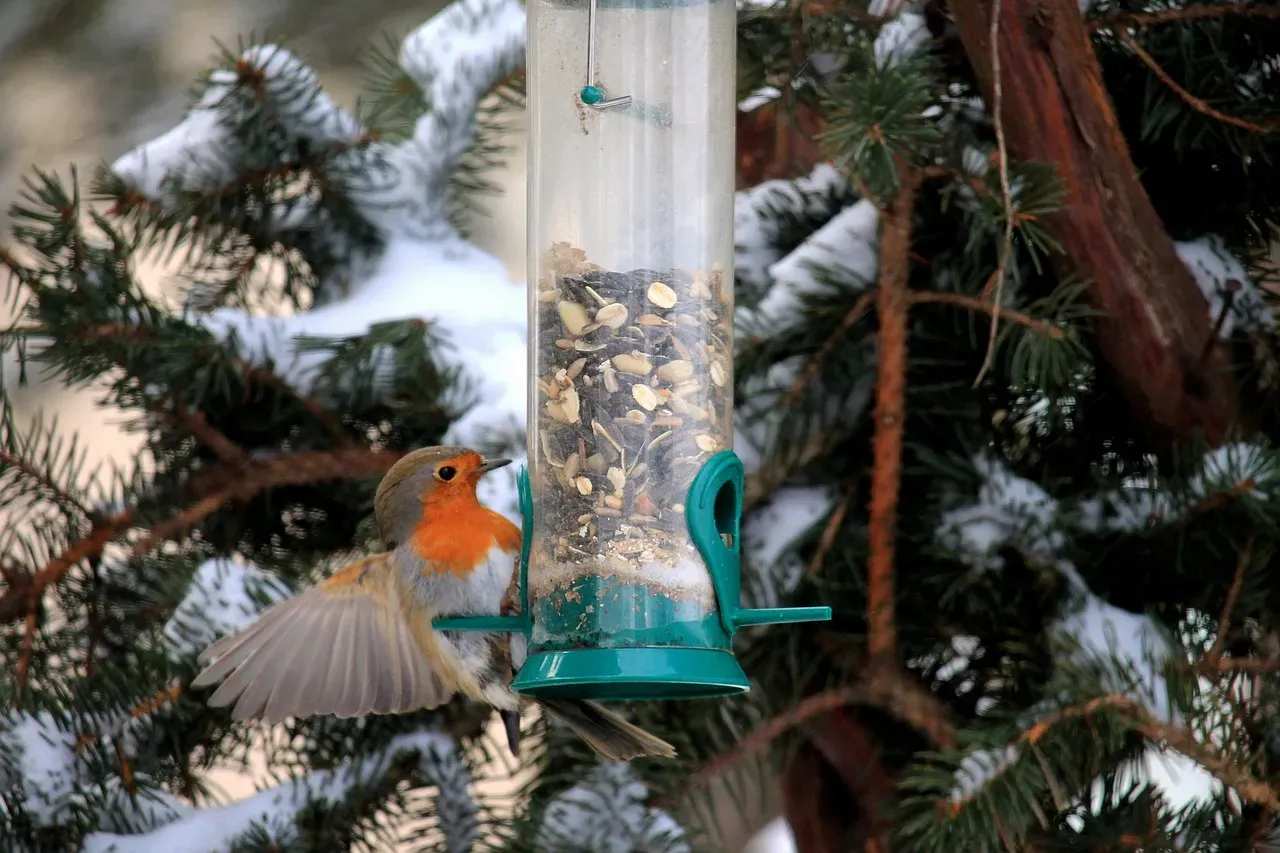
It’s crucial to have plants that provide food for songbirds, but a feeder offers extra incentive as well as winter snacking when other food is scarce. Think of feeders as a supplement, not a substitute.
Black-oil sunflower seeds work particularly well for attracting finches, chickadees, and cardinals. The high oil content provides essential energy, especially during cold months when natural food sources become scarce.
Nyjer feeders attract species such as goldfinches, pine siskins, redpolls, and indigo buntings, giving these small songbirds their own spot away from larger species that may dominate sunflower feeders. It’s worth having at least two feeder types to serve different species without competition crowding them out.
Pre-packaged seed mixes are not usually the best choice. They frequently contain more unwanted filler seeds than desirable ones like sunflower, and birds will empty your feeder quickly by eating only the seeds they prefer while scattering the rest on the ground. A single high-quality seed, or a mix you put together yourself, goes a lot further.
Provide Fresh, Clean Water Year-Round
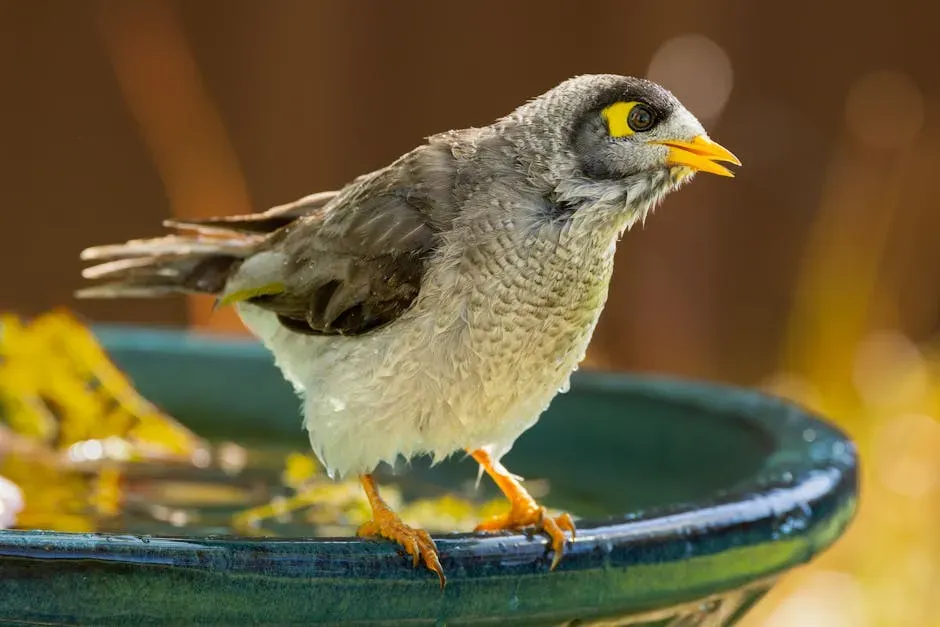
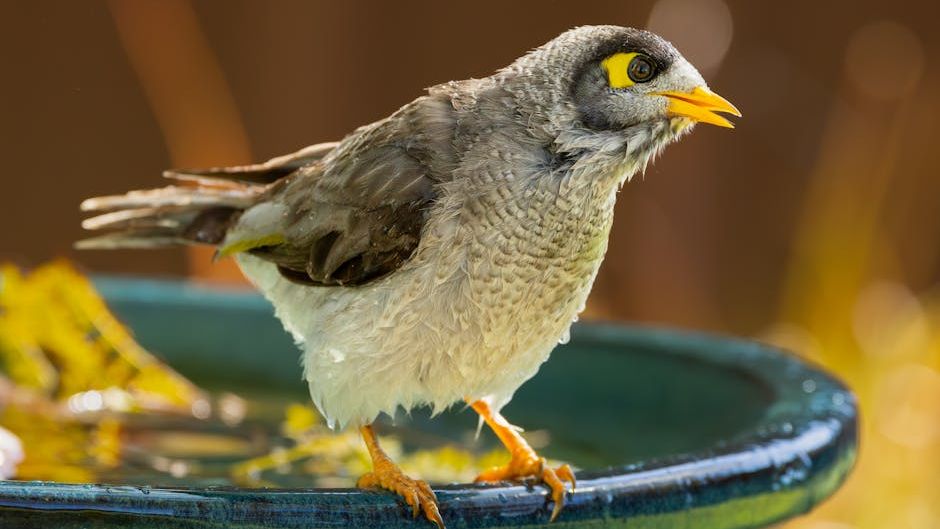
Water attracts birds more readily than almost anything else, and is needed for both drinking and bathing. This is often the most overlooked element in a bird-friendly garden setup.
Use a shallow birdbath of roughly one to two inches deep with a rough surface or stones for footing. Refresh the water daily in warm weather, scrub it weekly, and add a dripper or small bubbler to keep water moving and deter mosquitoes.
Birds are especially attracted to moving or dripping water. The water level in artificial birdbaths should ideally be no more than two inches deep, and a gradual decrease in depth toward the edges allows birds of all sizes to drink and bathe comfortably. A water drip or wiggler can create the sight and sound of movement while also deterring mosquitoes.
Create Layered Shelter and Cover
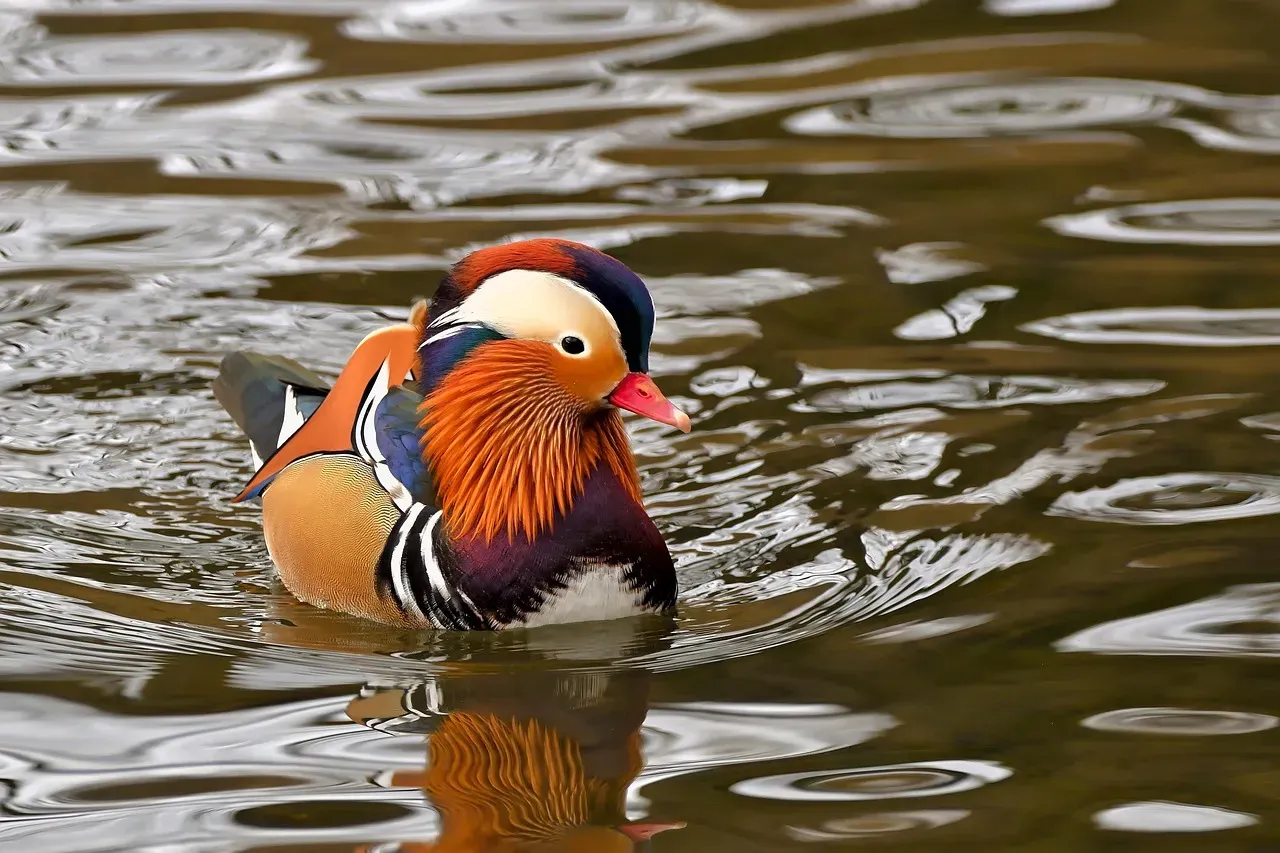
Shelter is as critically important as food and water. Birds need a safe place to rest, preen their feathers, and escape when predators are present. Each night, birds settle into dense shrubs or coniferous trees to sleep.
Year-round, songbirds need protection from above, from predatory birds such as hawks, and below, from house cats. Thorny shrubs and trees are preferred for nesting and predator protection, as are evergreens such as stout-needled conifers like spruce, pines, cypress, and cedars, which offer excellent refuge.
Packing in a variety of plants in varied sizes and textures creates a habitat that makes songbirds feel safe and at home, providing places to hide, nest, and forage for food without being overly exposed to predators. Think of it as building vertical layers rather than a flat, open garden.
Put Up Nest Boxes With Care
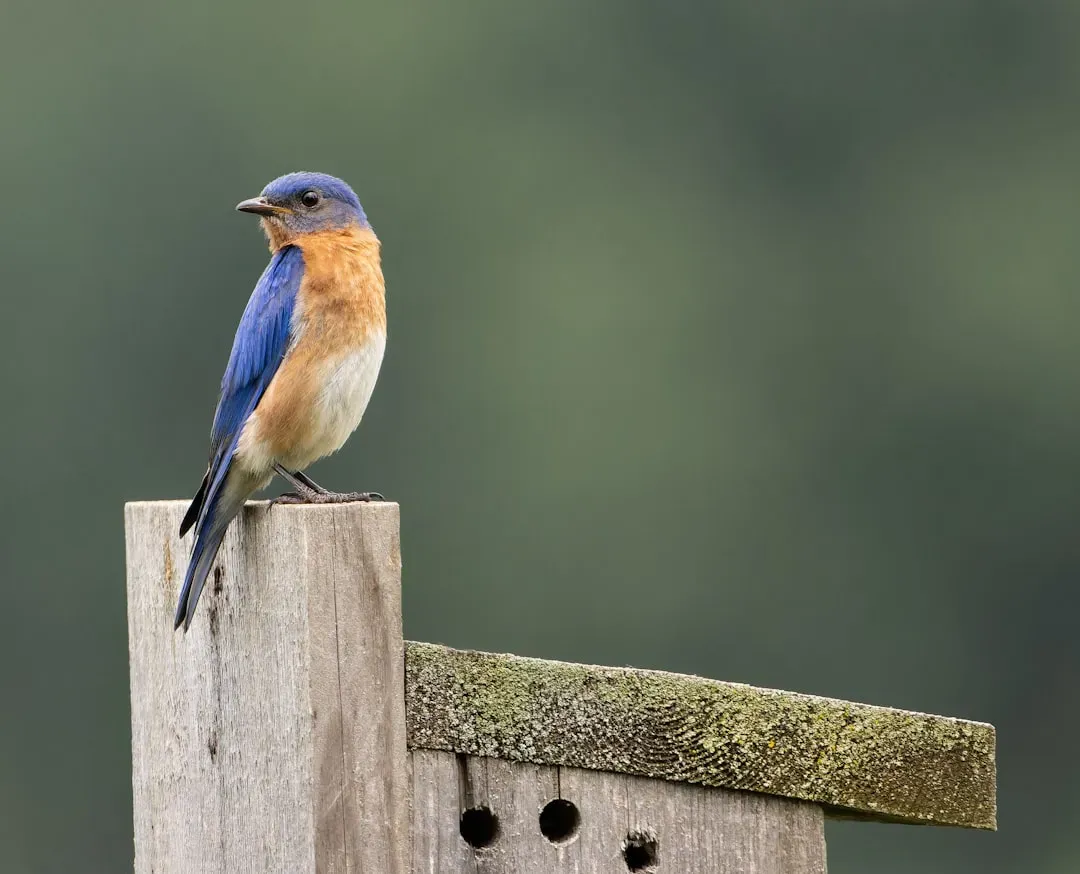
Bluebird houses with entrance holes of around one and a half inches, mounted on posts facing open areas, can transform your property into a bluebird haven. These birds prefer hunting insects in grassy areas, so placing houses near meadows or lawns increases your chances of attracting them.
Nesting boxes attract house wrens, chickadees, sparrows, and other cavity-nesting birds. Choose boxes made of cedar or other untreated woods rather than metal, which can cause temperatures inside the box to soar on hot days. Look for nest boxes that are easy to open and clean once the birds have left the nest.
Predators pose the greatest threat to birds using nest boxes. Using metal poles to mount your nest boxes, or wrapping a sheet metal guard around trees or wooden poles, helps protect birds from cats and squirrels. Also worth noting: perches aren’t needed on nest boxes. If left on, they will actually attract non-native house sparrows and starlings.
Ditch the Pesticides
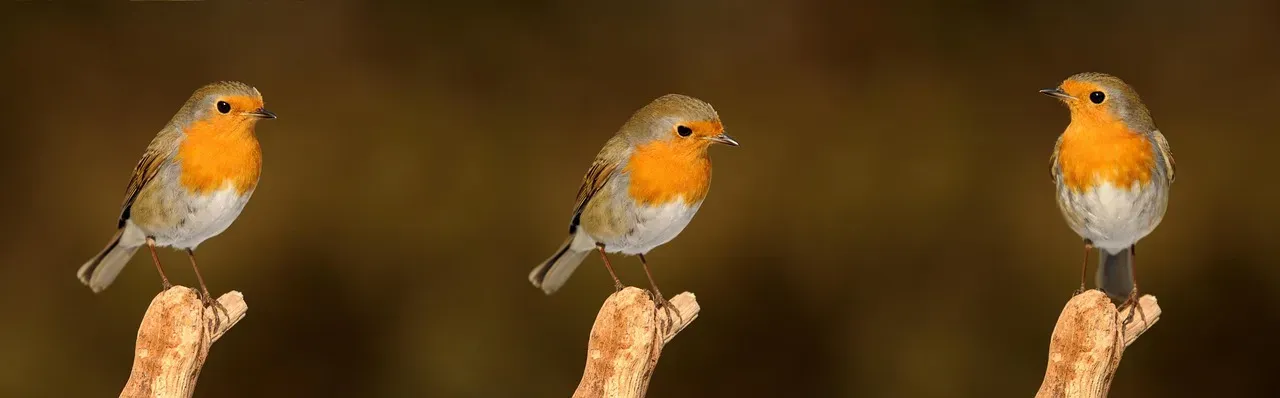
Chemical pesticides don’t just kill garden pests, they eliminate the very insects that most songbirds need to feed their young. That’s a significant trade-off most gardeners haven’t fully considered.
Chemicals can poison birds and the insects they eat, causing declines in songbird populations and ultimately increases in pest insect populations due to less predation. The irony here is that pesticide use can actually make pest problems worse over time by removing the birds that would naturally control them.
Factors such as climate disruption, loss of habitat, and fewer insects to feed on due to extensive agricultural, commercial, and residential herbicide and pesticide use are starting to take a significant toll on bird populations across the country. Your garden, pesticide-free, becomes part of the solution rather than part of the problem.
Leave Your Garden a Little Wilder
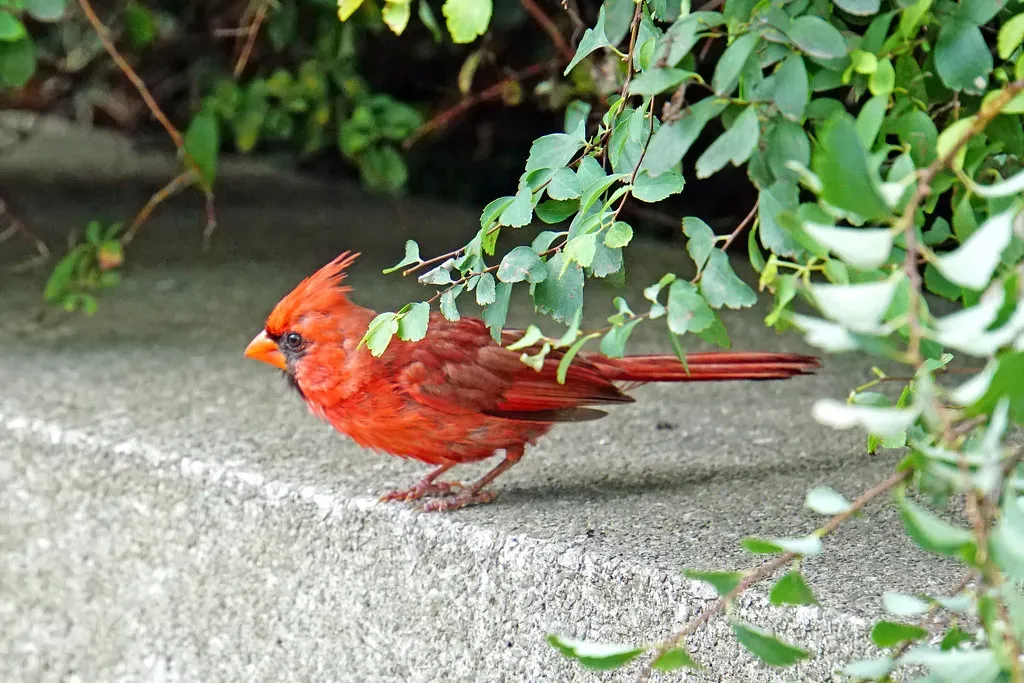
Don’t be in a hurry to cut herbaceous perennials and ornamental grasses to the ground during fall garden cleanup. Leaving seed heads standing is essential for feeding birds in your winter garden. It’s a simple shift in habit that costs nothing.
Raking leaves under shrubs rather than clearing them entirely creates mulch and natural feeding areas for ground-feeding birds such as sparrows, towhees, and thrashers. Earthworms, pill bugs, insects, and spiders thrive in decomposing leaf mulch and are readily eaten by many songbirds.
Fallen branches and trimmed limbs stacked loosely in a corner create prime real estate for shy songbirds like wrens and sparrows. Rather than hauling away yard trimmings, arranging them into a deliberate brush pile provides instant protection from predators and harsh weather. The interior spaces of a good brush pile remain dry even during rainstorms, giving birds a cozy retreat.
Keep Cats Indoors and Feeders Clean
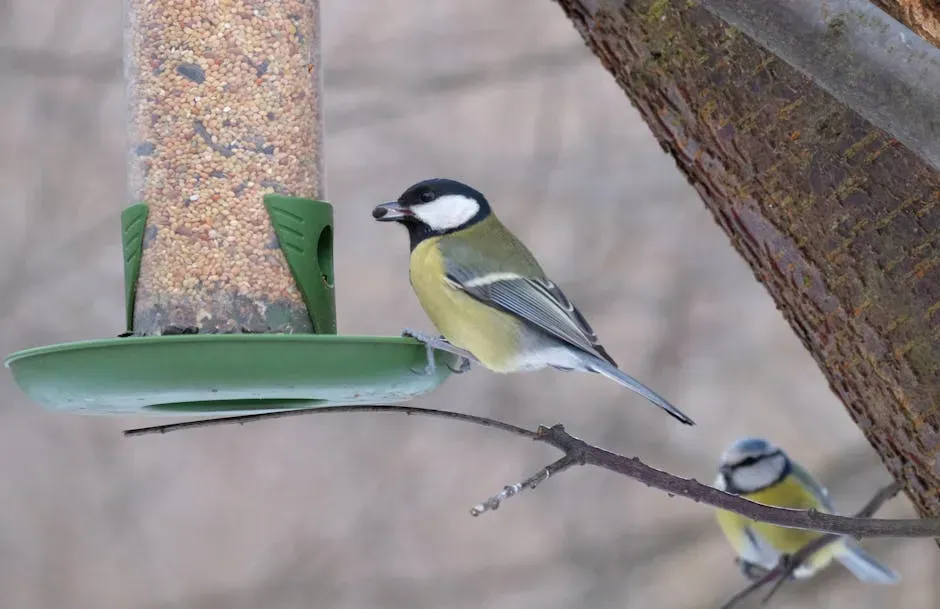
Cat attacks kill an estimated 2.4 billion birds in the U.S. alone each year. That’s not a minor consideration. It’s one of the most impactful things you can address if you’re serious about supporting songbirds.
Clean seed feeders regularly, about once every two weeks, and more frequently during periods of heavy use or wet weather. Dirty feeders spread disease rapidly between birds sharing the same space, which can undo much of the good work you’ve done.
To clean seed feeders, scrub them with soap and hot water, or soak them for ten minutes in a diluted solution of one part bleach to nine parts cold water before rinsing with warm water. Allow them to dry fully before refilling. It’s a small routine that keeps your visiting birds genuinely healthy rather than just well-fed.
Conclusion
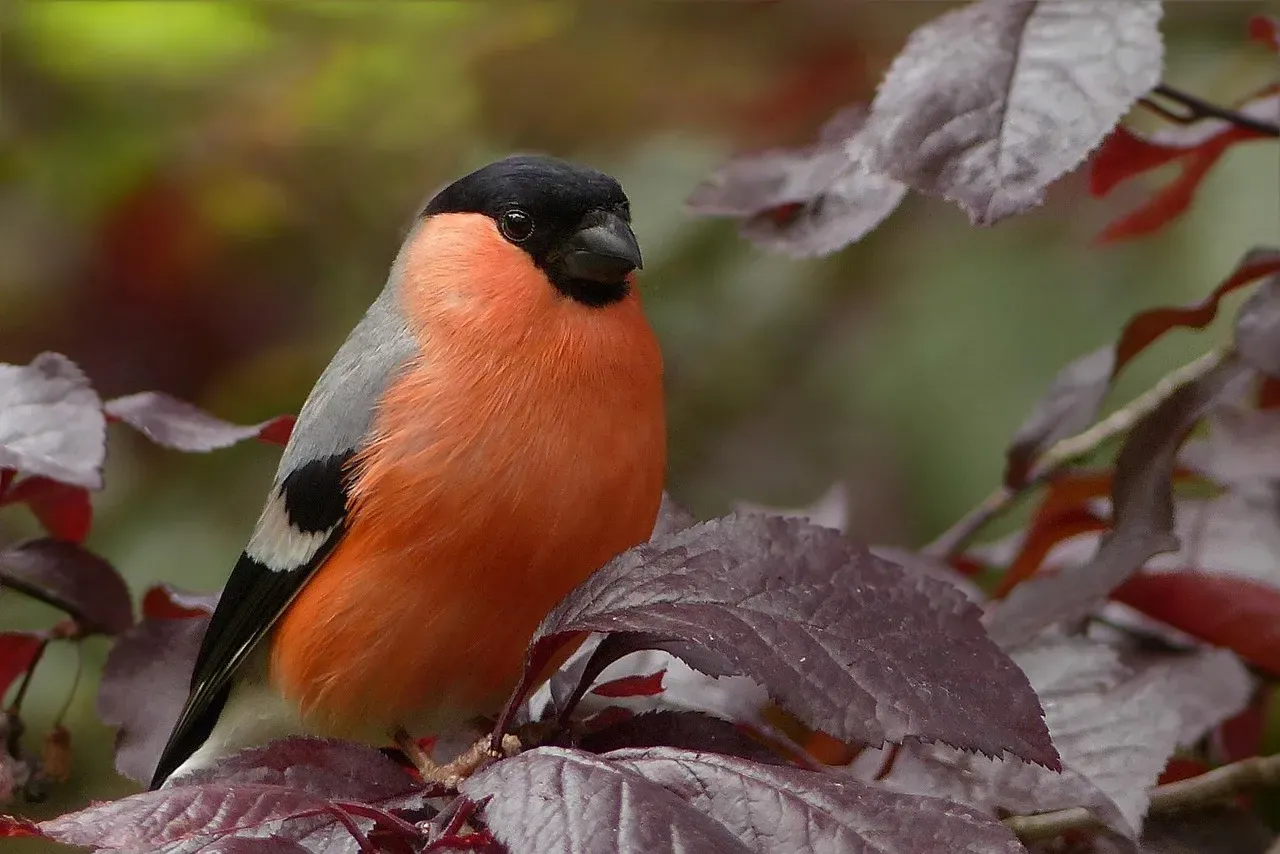
Attracting songbirds year-round isn’t really about any single trick. It’s the combination of food, water, shelter, and a garden that feels safe, that builds a place birds genuinely return to. The steps above reinforce each other over time, and most of them require less effort than people expect.
Birds and native plants are made for each other, thanks to millions of years of evolution. Large, colorful fruits feed birds and, in return, birds spread the plant’s seeds far and wide, supporting whole ecosystems. When you garden with that relationship in mind, you’re not just decorating your outdoor space. You’re participating in something that has been quietly sustaining itself long before any of us arrived.
Start with one or two changes this season. The birds will notice before you do.
Worried about unexpected vet bills?
Pet insurance can cover thousands in unexpected vet costs. Get a free quote from Lemonade in under 2 minutes.
Get My Free Quote →Sponsored · Opens Lemonade.com

- Did You Know Tigers Mimic The Calls of Their Prey - June 7, 2026
- Eagles in Alaska Are Changing Their Migration Routes - June 7, 2026
- 7 Ways to Create a Wildlife-Friendly Backyard Habitat - June 7, 2026