
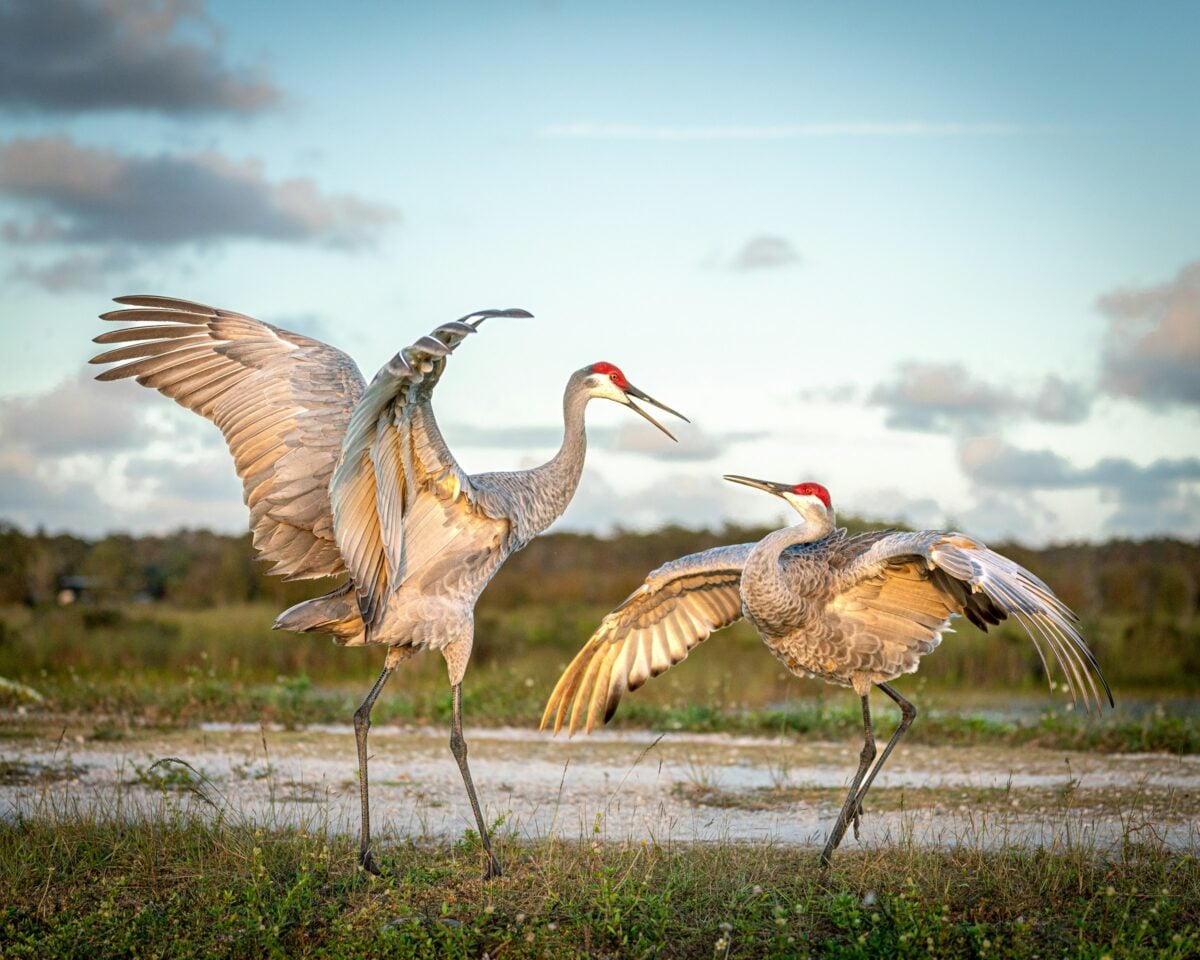
You usually hear sandhill cranes before you see them. It’s a rolling, rattling call that drifts down from somewhere high, and it makes people stop in parking lots and look up. Then the birds appear in long, wobbling lines, legs trailing behind them.
These birds have been making seasonal journeys for a very long time. Fossil evidence suggests their lineage goes back millions of years, which makes them among the oldest living bird species on the planet. Each year they gather in a handful of places in numbers that can leave first-time visitors speechless, and a surprising number of those places are in the United States.
Nebraska: The Platte River Spectacle
🔥 Would you like to save this?
We'll email this post to you, so you can come back to it later!
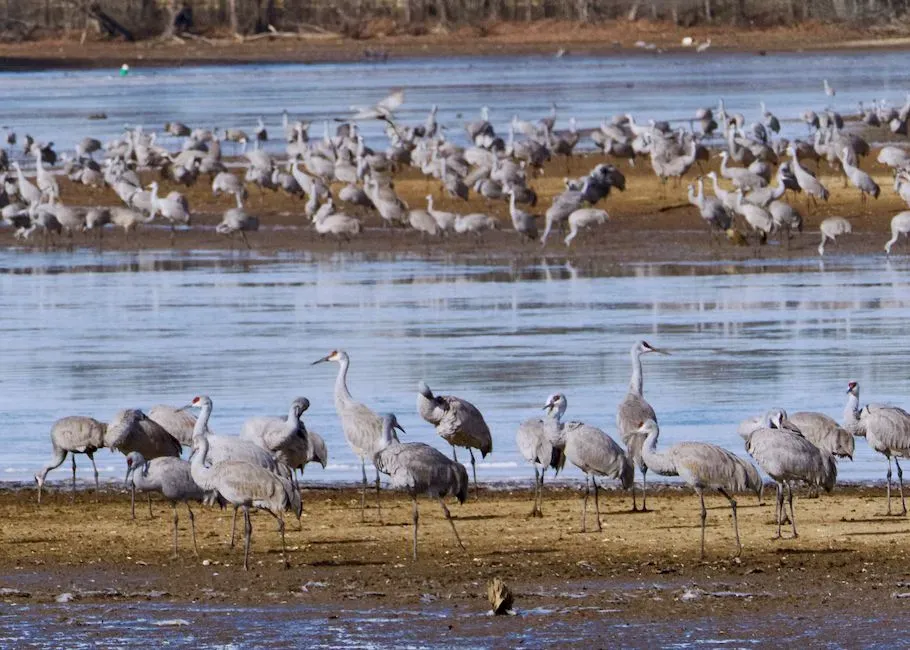
If sandhill cranes have a capital, it’s central Nebraska. Every spring, in roughly late February through early April, hundreds of thousands of cranes crowd the Platte River valley near Kearney, Grand Island, and Wood River. Wildlife groups commonly estimate that the vast majority of the world’s sandhill cranes pass through this one stretch.
The birds come for the shallow, braided channels where they can roost safely at night, then spread across nearby cornfields to feed during the day. Sunrise and sunset are the moments to plan around. Public viewing blinds, many run by local nature centers, put you close without disturbing the flocks, and they usually need advance reservations.
Indiana: Jasper-Pulaski Fish and Wildlife Area
🔥 Would you like to save this?
We'll email this post to you, so you can come back to it later!
Northwest Indiana isn’t the first place most people picture when they think of a great bird migration. Yet Jasper-Pulaski draws cranes in the tens of thousands during fall, when birds from the Great Lakes region gather before heading south. The area has long been a famous staging site, and it’s a reliable one.
The best show usually comes in the morning and late afternoon, when flocks lift off from or return to the marshes and fields. Peak timing shifts with weather, though late October through November is a common window. Check with the property before you go, since crowds and counts vary a lot from week to week.
Michigan: Kalamazoo and the Haehnle Sanctuary
🔥 Would you like to save this?
We'll email this post to you, so you can come back to it later!
Southern Michigan hosts one of the great fall gatherings of the eastern population. The Haehnle Audubon Sanctuary near Jackson is a long-standing spot where cranes pour in at dusk to roost in a wetland. Visitors line up along the viewing area and watch the sky fill slowly.
Crane numbers around Michigan have grown over the past century, a comeback story that’s easy to forget when you’re surrounded by thousands of birds. The sanctuary is small, quiet, and a little rough around the edges, which is part of its charm. Dress warmly, because standing still in October dusk gets chilly fast.
Wisconsin: Crex Meadows and Horicon Marsh
🔥 Would you like to save this?
We'll email this post to you, so you can come back to it later!
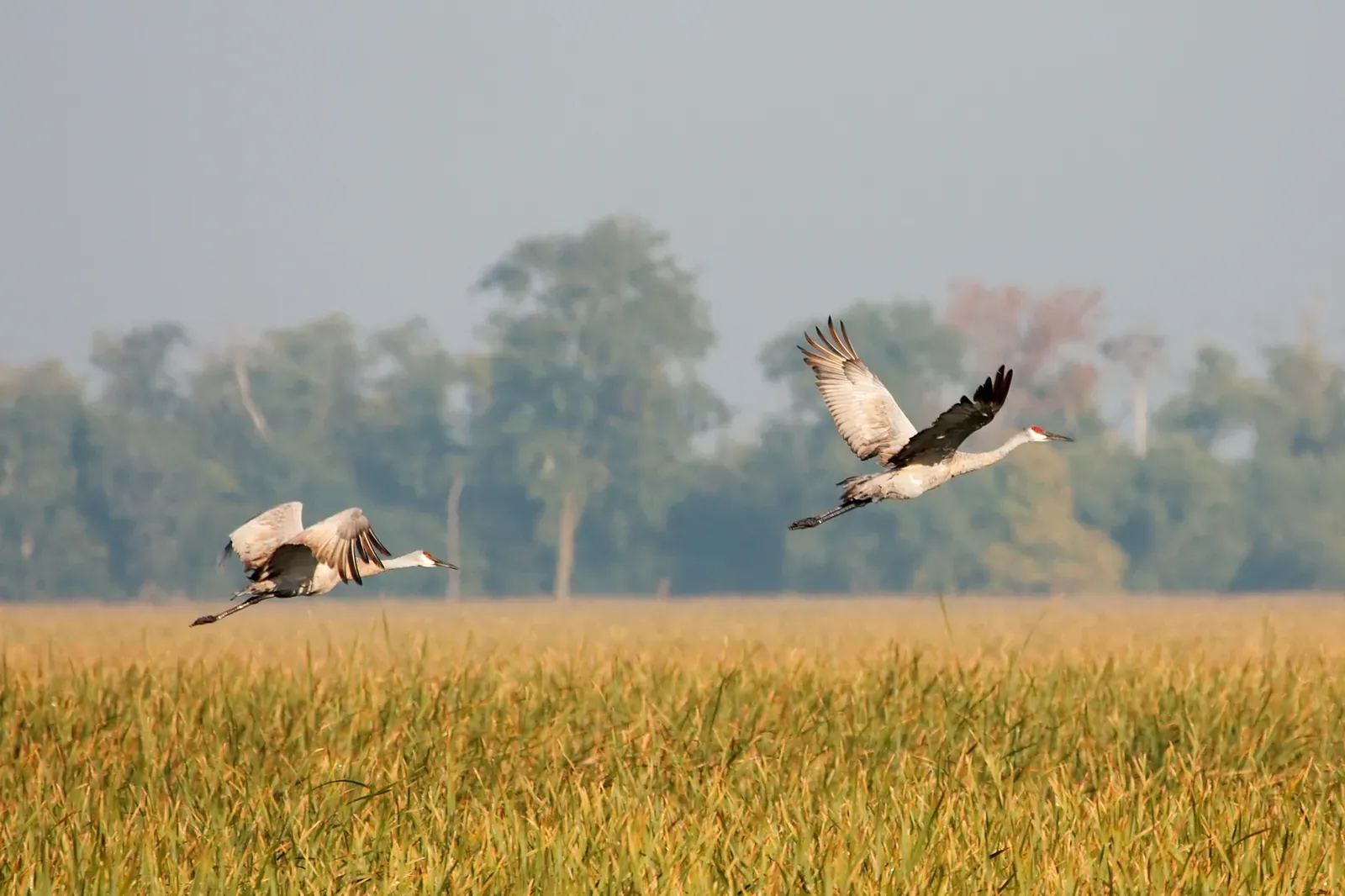
Wisconsin has two excellent options. Crex Meadows in the northwest hosts large fall gatherings in its wide open wetlands, and the state’s central and southern marshes see plenty of cranes passing through as well. Horicon Marsh is better known for geese, but it sits within crane country too.
The International Crane Foundation in Baraboo adds something you won’t find elsewhere. It’s a research and conservation center that works with all fifteen crane species worldwide, so a visit gives you context about why these birds matter. If you want to understand the species rather than just watch it, it’s a worthwhile stop.

Earth Rated XL Dog & Puppy Pee Pads, Discreet Top, Max Absorbency
Check Price on AmazonAs an Amazon Associate, we earn from qualifying purchases.
10/7/2026 1:28 pm GMTi

Glass Hummingbird Feeder for Outdoors Hanging, 16 oz Leak-Proof Nectar Feeder with Bee Guards & Ant Moat
Check Price on AmazonAs an Amazon Associate, we earn from qualifying purchases.
10/7/2026 1:22 pm GMTi

Professional 7 in 1 Dog Paw Cleaner for Dogs & Cats - Includes 1 Portable Paw Washer, 1 Bath Brush
Check Price on AmazonAs an Amazon Associate, we earn from qualifying purchases.
10/7/2026 1:26 pm GMTi

Portable Dog Water Bottle Foldable Dog Travel Water Bottle
Check Price on AmazonAs an Amazon Associate, we earn from qualifying purchases.
10/7/2026 1:29 pm GMTi

Smart Bird Feeder with Camera Solar Powered, 2K HD Live Video, 10,000+ Bird Species AI Identification
Check Price on AmazonAs an Amazon Associate, we earn from qualifying purchases.
10/7/2026 1:22 pm GMTi
New Mexico: Bosque del Apache
🔥 Would you like to save this?
We'll email this post to you, so you can come back to it later!
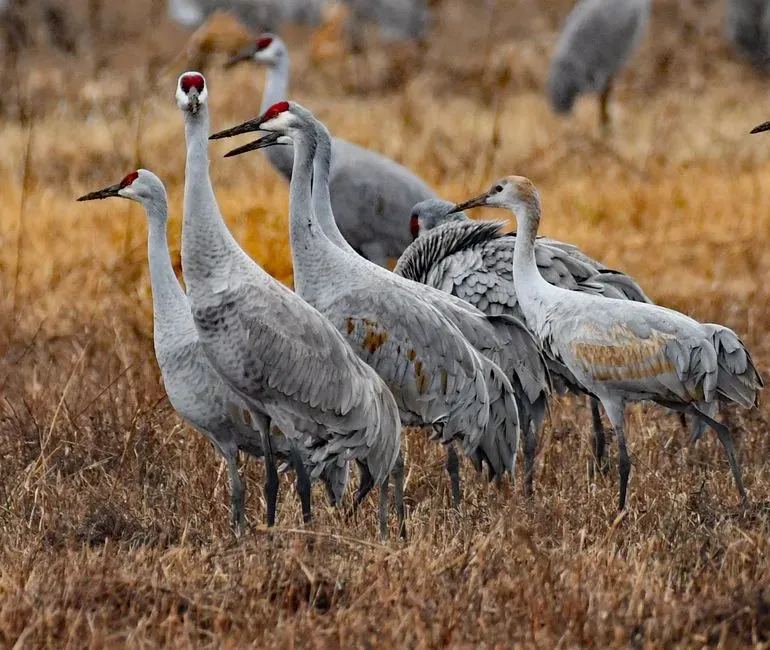
Along the Rio Grande south of Socorro, Bosque del Apache National Wildlife Refuge is one of the best known winter crane destinations in the country. Sandhill cranes arrive in fall and stay through the colder months, joined by snow geese and other waterbirds. The refuge hosts a popular annual Festival of the Cranes in November, which draws birders from all over.
The classic experience is the dawn fly out, when cranes leave their roosting ponds in waves as the light turns pink over the mountains. The evening return is just as good. Bring a camera if you have one, though honestly the sound alone is worth the drive.
Colorado: The San Luis Valley
🔥 Would you like to save this?
We'll email this post to you, so you can come back to it later!
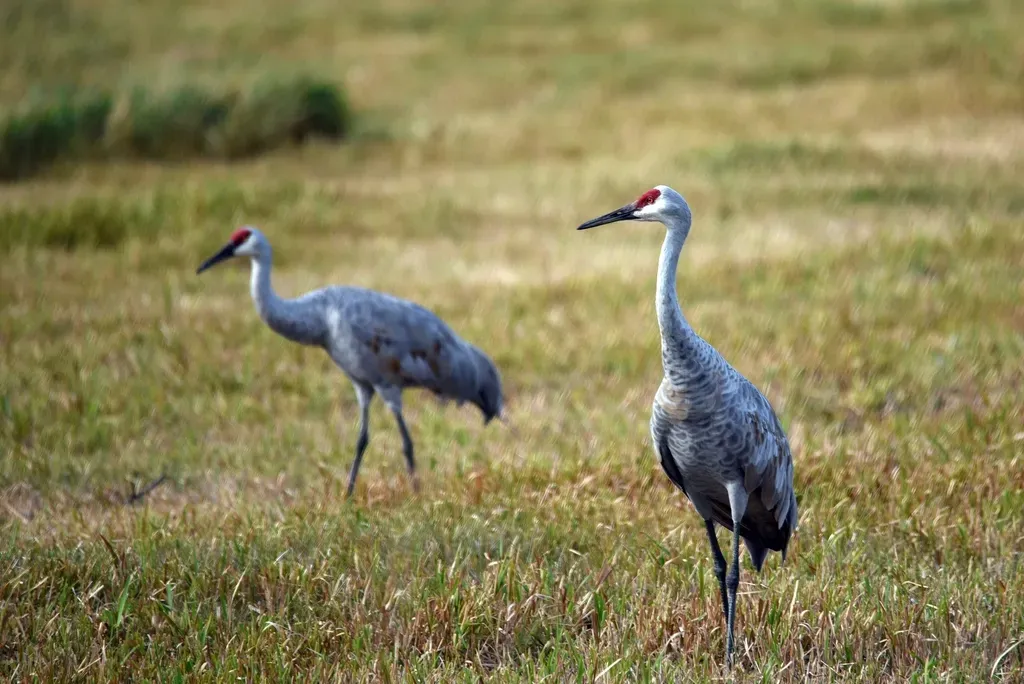
High in southern Colorado, the San Luis Valley is a major stopover for cranes heading north in spring. Birds gather around Monte Vista and Alamosa, feeding in fields and resting in wetlands with snowy peaks behind them. Local communities mark the occasion with a crane festival each March.
The setting is part of what makes this place special. It’s a high, cold, wide valley, and the cranes seem small against it until a few thousand lift off at once. Spring weather can swing from sunny to snowy in an afternoon, so pack layers.

PetSafe Oasys Pet Fountain, 1/2 Gallon (64 oz), Small Dogs & Cats
Check Price on AmazonAs an Amazon Associate, we earn from qualifying purchases.
10/8/2026 8:14 am GMTi

Glass Hummingbird Feeder for Outdoors Hanging
Check Price on AmazonAs an Amazon Associate, we earn from qualifying purchases.
10/7/2026 1:21 pm GMTi

Hand Blown Glass Hummingbird Feeders for Outdoors Hanging, 24oz Wild Bird Nectar Feeder
Check Price on AmazonAs an Amazon Associate, we earn from qualifying purchases.
10/7/2026 1:23 pm GMTi

2 Pcs Halloween Pet Hat Bandana Set, Witch Pumpkin Costumes for Dogs
Check Price on AmazonAs an Amazon Associate, we earn from qualifying purchases.
10/9/2026 2:45 pm GMTi

Air Purifiers for Home Pets Large Room Up to 3000 Ft²,HEPA Air Cleaner with Washable Double-Side Filter, PM2.5 Air Quality Monitor,15dB Sleep Mode for Bedroom Odor Dust Pollen,White
Check Price on AmazonAs an Amazon Associate, we earn from qualifying purchases.
10/8/2026 8:23 am GMTi
Arizona: Whitewater Draw
🔥 Would you like to save this?
We'll email this post to you, so you can come back to it later!
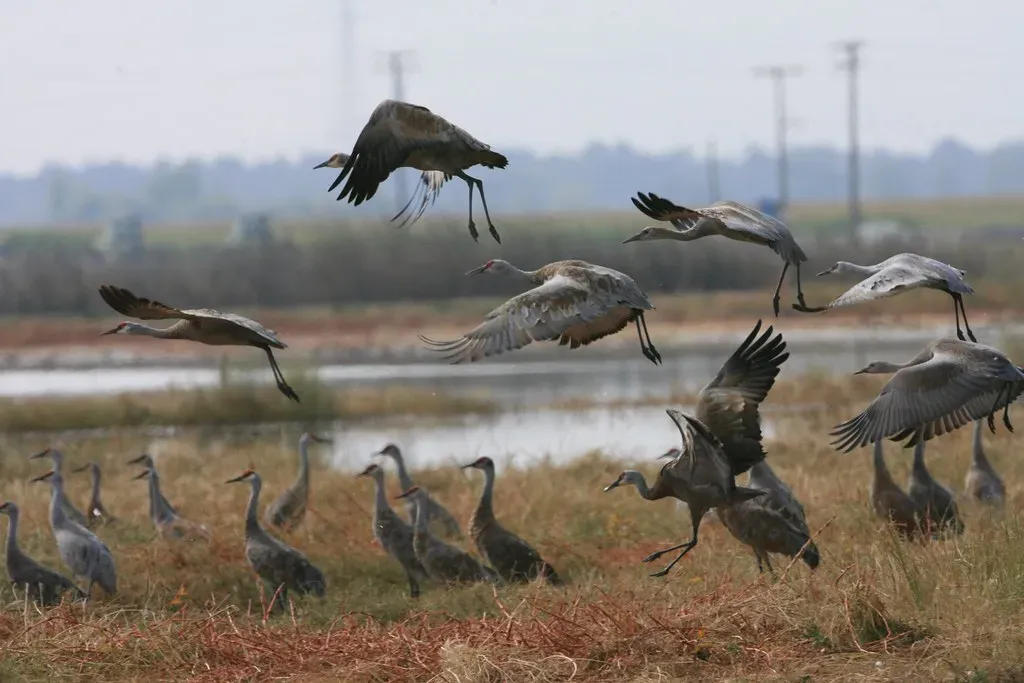
Southeastern Arizona surprises people. Whitewater Draw Wildlife Area, near McNeal, is a winter home to large numbers of sandhill cranes, with thousands often present between late fall and early spring. Free, easy access and a boardwalk make it one of the friendlier places to watch them.
Because the cranes stay for months rather than days, you aren’t racing a narrow migration window. That makes it a good choice for families or anyone who prefers a relaxed pace. Mornings tend to be best, when birds are active and the desert light is soft.
Texas: Winter Along the Gulf and Panhandle
🔥 Would you like to save this?
We'll email this post to you, so you can come back to it later!
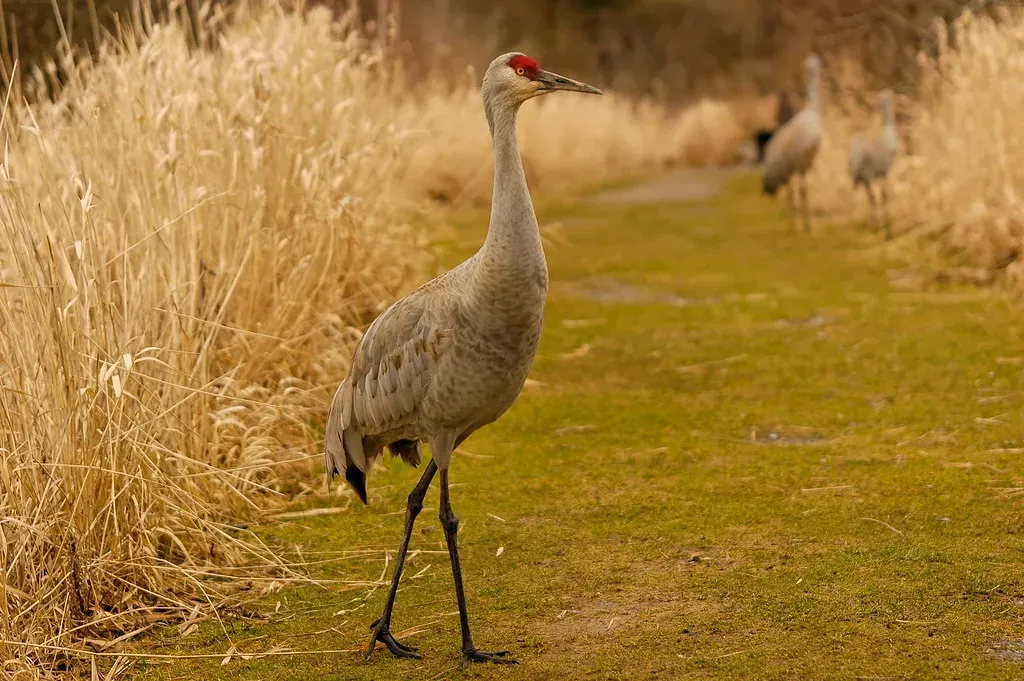
Texas is a major wintering state for sandhill cranes. Birds spread across the Panhandle’s playa lakes and along the Gulf Coast plains, with places like Muleshoe National Wildlife Refuge known for large winter flocks. Many of these cranes travel from far northern breeding grounds, including parts of Canada and Alaska.
Unlike the tightly packed gatherings in Nebraska, Texas cranes are often scattered across wide farmland and wetlands. That means a bit of driving and patience, though the reward is a very different, quieter way of seeing them. Local refuge offices can usually tell you where flocks are currently feeding.

Orthopedic Extra Large Dog Bed, Waterproof Washable XL Pet Bed 44"
Check Price on AmazonAs an Amazon Associate, we earn from qualifying purchases.
10/7/2026 1:32 pm GMTi

Halloween Cat Costume Cloak Witch Hat Pet Accessories
Check Price on AmazonAs an Amazon Associate, we earn from qualifying purchases.
10/9/2026 2:44 pm GMTi

Dog Stairs for Bed 18" H, 4-Step Dog Steps for High Bed
Check Price on AmazonAs an Amazon Associate, we earn from qualifying purchases.
10/9/2026 2:42 pm GMTi

Halloween Dog Collar with Bow, Orange Cute Ghost Collar,
Check Price on AmazonAs an Amazon Associate, we earn from qualifying purchases.
10/9/2026 2:43 pm GMTi
Final Thoughts
🔥 Would you like to save this?
We'll email this post to you, so you can come back to it later!
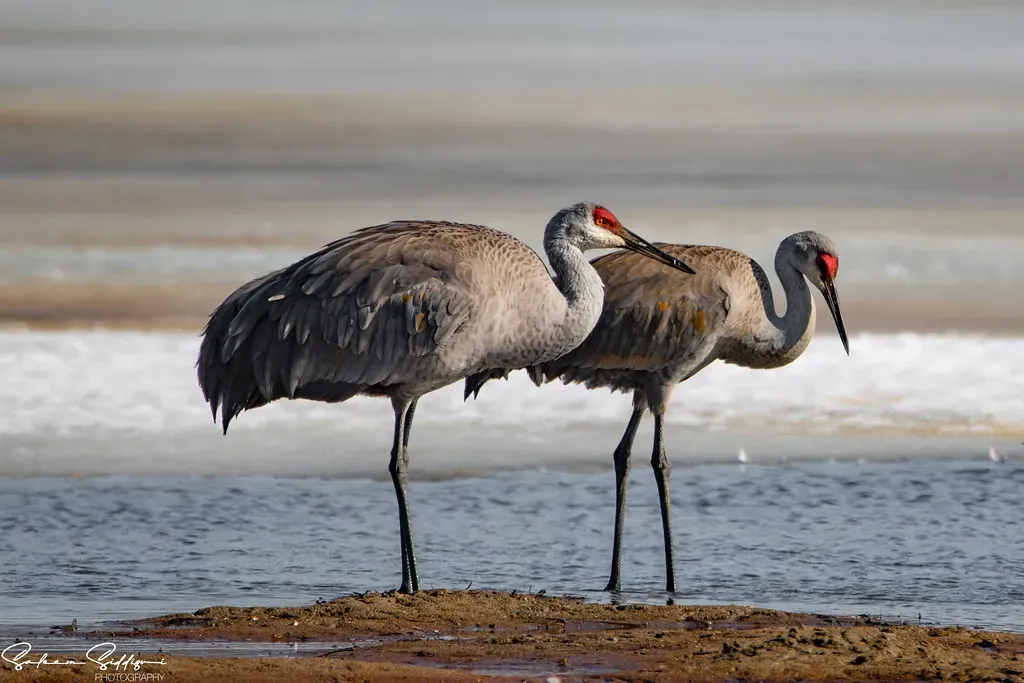
I’d argue Nebraska gets most of the glory, and it deserves some of it. Still, the better lesson from this list is how many different landscapes these birds depend on, from prairie rivers to desert ponds to Great Lakes marshes. Lose a few of those places and the whole journey gets harder.
So my advice is simple. Pick the stop nearest to you, go at dawn or dusk, and stay long enough to hear the sky fill up. It’s one of the few wildlife events that’s still free, still wild, and still better in person than any photo.

- 8 States Where Sandhill Cranes Stop by the Thousands on Their Migration - November 7, 2026
- Zoology Says Goats Prefer People Who Look Happy – They Approach Smiling Faces More Than Angry Ones - November 7, 2026
- Ornithology Says Wild Parrot Parents Give Each Chick Its Own ‘Name’ Call That It Keeps for Life - November 7, 2026