
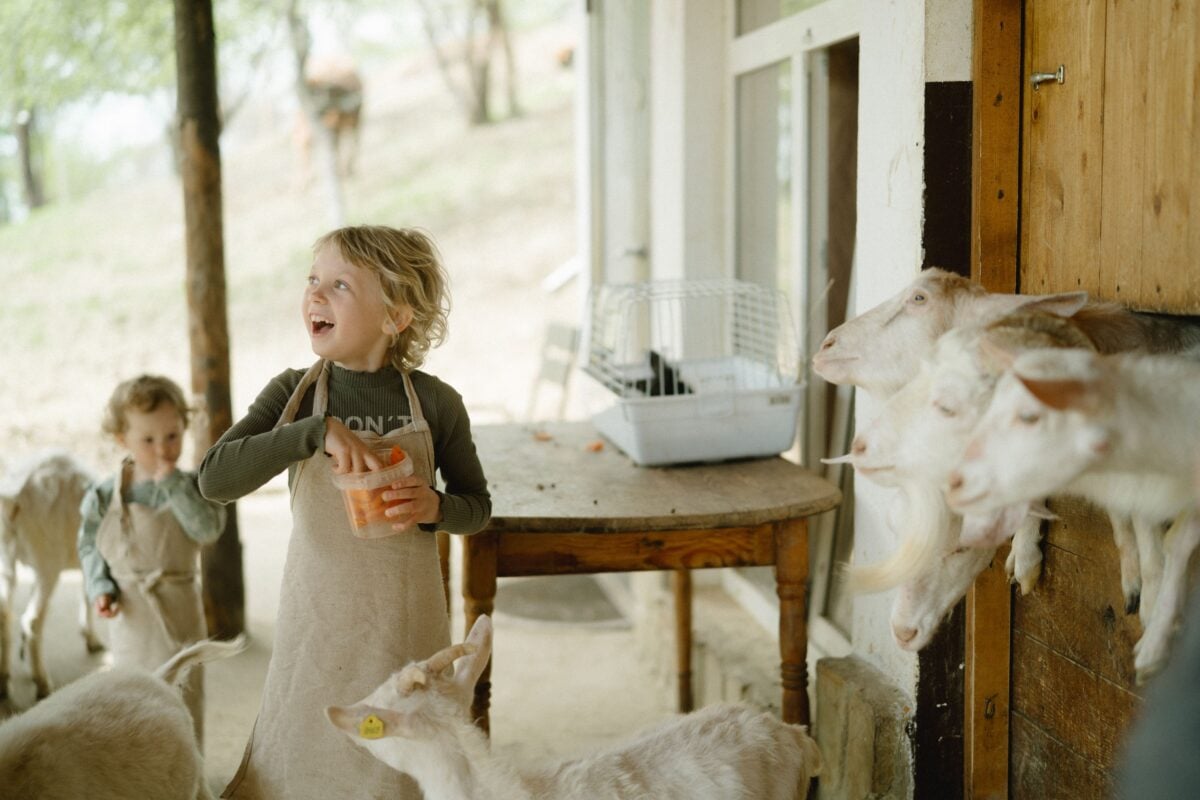
Picture a goat standing in a test arena, with two photographs of the same stranger pinned to a wall. One face is smiling. The other looks annoyed. Which one does the goat walk toward?
That small, slightly funny setup produced a result that surprised a lot of people. It also nudged scientists to rethink what barnyard animals notice about us. The details are more interesting, and a bit more complicated, than the headline suggests.
The Study Behind the Smiles

🔥 Would you like to save this?
We'll email this post to you, so you can come back to it later!
The research was published in the journal Royal Society Open Science under the title “Goats prefer positive human emotional facial expressions.” It was led by scientists at Queen Mary University of London. It’s open access, so anyone curious can read the full paper.
The question was simple. The team wanted to know whether goats can tell human facial expressions apart when shown two images of an unfamiliar person with different emotional valences, happy or angry. Until then, that kind of ability had mostly been explored in animals with a long working history alongside people.
How the Experiment Worked

🔥 Would you like to save this?
We'll email this post to you, so you can come back to it later!
The work took place at Buttercups Sanctuary for Goats in Kent. Researchers showed 20 goats grey-scale pairs of unfamiliar human faces, showing either happy or angry expressions. Each pair was of the same person, so the only real difference was the emotion.
Both images were attached vertically to a wall on one side of a test arena, 1.3 metres apart, and the goats were released from the opposite side. Each of the four test trials lasted 30 seconds. It’s a tidy design, and it kept the goats from simply following a person’s cues.
What the Goats Actually Did
🔥 Would you like to save this?
We'll email this post to you, so you can come back to it later!
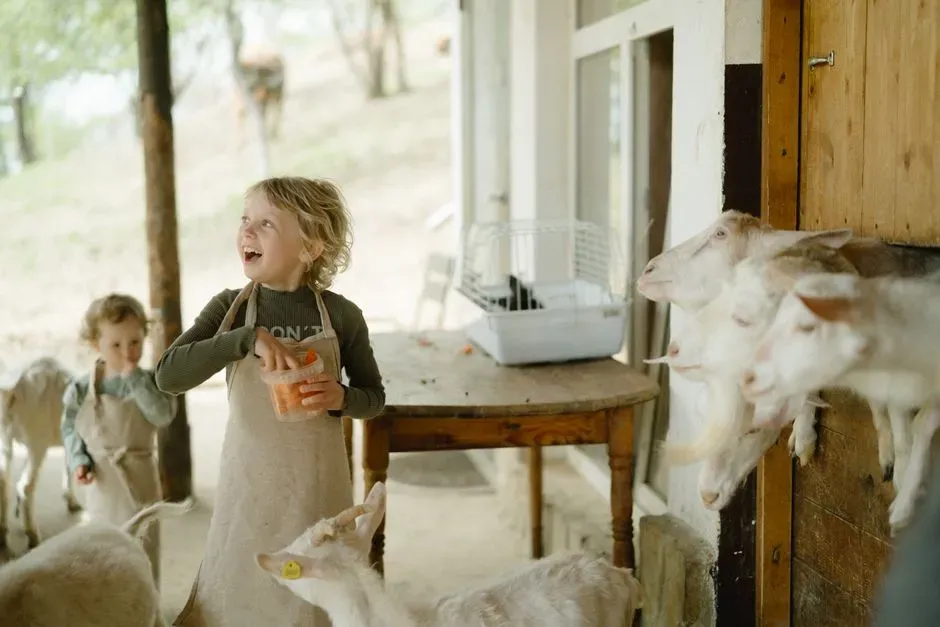
Overall, the goats preferred to interact first with happy faces, which suggests they’re sensitive to human facial emotional cues. Happy faces drew more interaction: the goats looked at them, approached them and explored them with their snouts.
The researchers also found the pattern held broadly. Goats generally preferred happy faces regardless of the gender of the person pictured or the sex of the goat. So it wasn’t a quirk of one photo or one animal.

2 Pcs Halloween Pet Hat Bandana Set, Witch Pumpkin Costumes for Dogs
Check Price on AmazonAs an Amazon Associate, we earn from qualifying purchases.
10/9/2026 2:45 pm GMTi

Smart Bird Feeder with Camera Solar Powered, 2K HD Live Video, 10,000+ Bird Species AI Identification
Check Price on AmazonAs an Amazon Associate, we earn from qualifying purchases.
10/7/2026 1:22 pm GMTi

Earth Rated XL Dog & Puppy Pee Pads, Discreet Top, Max Absorbency
Check Price on AmazonAs an Amazon Associate, we earn from qualifying purchases.
10/7/2026 1:28 pm GMTi

Halloween Cat Costume Cloak Witch Hat Pet Accessories
Check Price on AmazonAs an Amazon Associate, we earn from qualifying purchases.
10/9/2026 2:44 pm GMTi

Portable Dog Water Bottle Foldable Dog Travel Water Bottle
Check Price on AmazonAs an Amazon Associate, we earn from qualifying purchases.
10/7/2026 1:29 pm GMTi
The Left and Right Twist
🔥 Would you like to save this?
We'll email this post to you, so you can come back to it later!
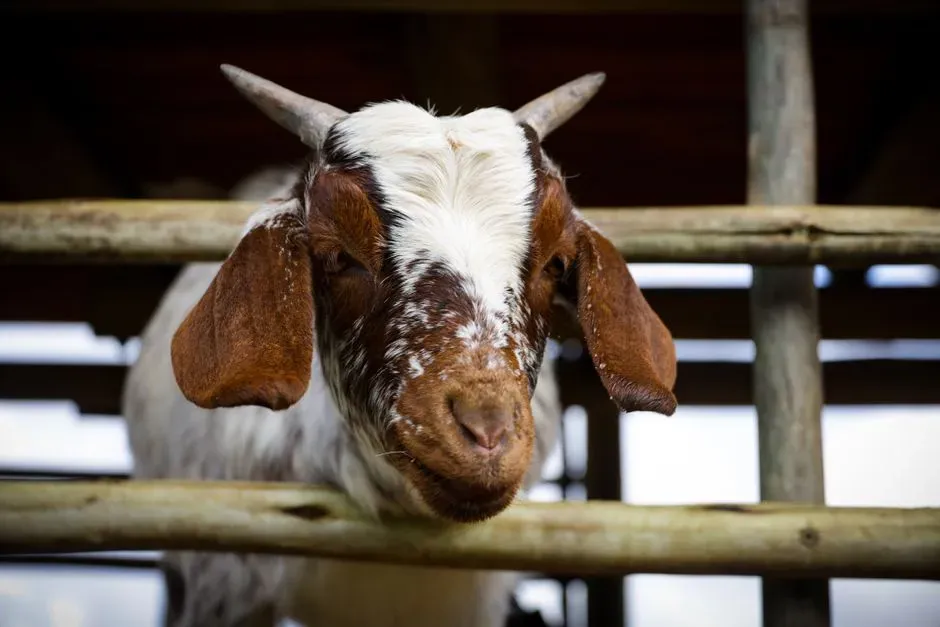
Here’s a detail that gets lost in the cheerful headlines. Goats interacted first, more often and for longer with positive faces when those faces were on the right side, but no preference showed up when the happy faces were on the left. The preference, in other words, wasn’t universal across every setup.
The authors read this as a clue about the brain. They suggest the left brain hemisphere is involved in discriminating positive emotional expressions. It’s an interpretation rather than a settled fact, and it’s a reminder that animal studies rarely give clean, all-or-nothing answers.
Why Would a Goat Care About Your Face?
🔥 Would you like to save this?
We'll email this post to you, so you can come back to it later!
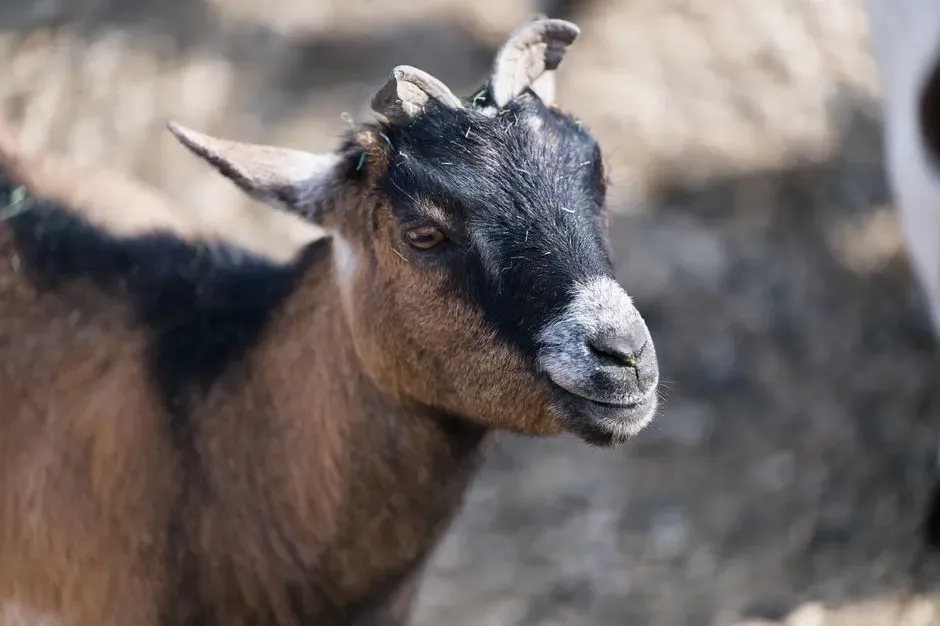
You might expect this skill in dogs or horses. Those animals were domesticated to work closely with people, whereas it wasn’t known whether animals kept mainly for production, like goats, could perceive human emotional cues. Horses, for their part, have been found to respond in meaningful ways to faces with different emotions.
As for why goats do it, the authors offer a hypothesis, not a proof. They think the goats generalized human facial features from earlier positive and negative interactions with people. Because the faces were unfamiliar and never rewarded or punished during testing, a specific conditioned response seems unlikely.

Air Purifiers for Home Pets Large Room Up to 3000 Ft²,HEPA Air Cleaner with Washable Double-Side Filter, PM2.5 Air Quality Monitor,15dB Sleep Mode for Bedroom Odor Dust Pollen,White
Check Price on AmazonAs an Amazon Associate, we earn from qualifying purchases.
10/8/2026 8:23 am GMTi

PetSafe Oasys Pet Fountain, 1/2 Gallon (64 oz), Small Dogs & Cats
Check Price on AmazonAs an Amazon Associate, we earn from qualifying purchases.
10/8/2026 8:14 am GMTi

Professional 7 in 1 Dog Paw Cleaner for Dogs & Cats - Includes 1 Portable Paw Washer, 1 Bath Brush
Check Price on AmazonAs an Amazon Associate, we earn from qualifying purchases.
10/7/2026 1:26 pm GMTi

Dog Stairs for Bed 18" H, 4-Step Dog Steps for High Bed
Check Price on AmazonAs an Amazon Associate, we earn from qualifying purchases.
10/9/2026 2:42 pm GMTi

Halloween Dog Collar with Bow, Orange Cute Ghost Collar,
Check Price on AmazonAs an Amazon Associate, we earn from qualifying purchases.
10/9/2026 2:43 pm GMTi
What It Means, and My Take

🔥 Would you like to save this?
We'll email this post to you, so you can come back to it later!
The authors concluded that the ability to perceive human facial cues isn’t limited to animals with a long history as companions, and may be far more widespread than previously believed. That’s a measured claim, and it’s worth keeping measured. One sanctuary, twenty goats and photographs aren’t the same as a farmer’s real morning routine.
Still, I think the finding deserves more attention than it gets. If a goat notices your mood before you’ve said a word, then how we carry ourselves around livestock matters, and not just for the animals’ comfort. Walk into the pen looking pleasant. It costs nothing, and the evidence suggests someone is watching.

Orthopedic Extra Large Dog Bed, Waterproof Washable XL Pet Bed 44"
Check Price on AmazonAs an Amazon Associate, we earn from qualifying purchases.
10/7/2026 1:32 pm GMTi

Glass Hummingbird Feeder for Outdoors Hanging, 16 oz Leak-Proof Nectar Feeder with Bee Guards & Ant Moat
Check Price on AmazonAs an Amazon Associate, we earn from qualifying purchases.
10/7/2026 1:22 pm GMTi

Glass Hummingbird Feeder for Outdoors Hanging
Check Price on AmazonAs an Amazon Associate, we earn from qualifying purchases.
10/7/2026 1:21 pm GMTi

Hand Blown Glass Hummingbird Feeders for Outdoors Hanging, 24oz Wild Bird Nectar Feeder
Check Price on AmazonAs an Amazon Associate, we earn from qualifying purchases.
10/7/2026 1:23 pm GMTi
Final Thoughts

🔥 Would you like to save this?
We'll email this post to you, so you can come back to it later!
Science rarely hands us such a warm result, so it’s tempting to oversell it. The honest version is that goats can tell a smile from a scowl, and in this study they leaned toward the smile, with some caveats about which side the photo was on.
My opinion? We’ve underestimated farm animals for a long time. A goat reading your face isn’t a party trick, it’s a hint that the animals around us are paying closer attention than we’ve given them credit for.

- Zoology Says Goats Prefer People Who Look Happy – They Approach Smiling Faces More Than Angry Ones - November 7, 2026
- Ornithology Says Wild Parrot Parents Give Each Chick Its Own ‘Name’ Call That It Keeps for Life - November 7, 2026
- Feline Psychology Says Cats Read Human Emotions by Combining Your Facial Expression With the Tone of Your Voice - November 7, 2026