
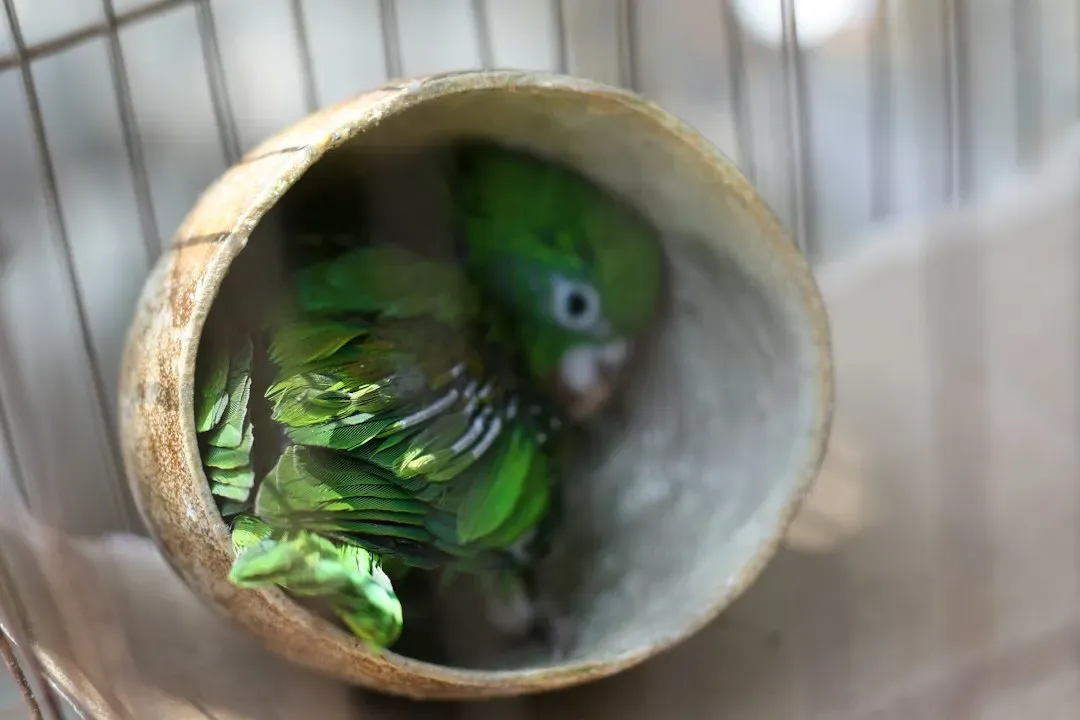
Picture a nest cavity in a Venezuelan grassland. A tiny parrot chick hasn’t opened its eyes to anything beyond the dark, and its parent is already making a particular sound to it, again and again. It isn’t a random chirp.
Researchers spent years listening to sounds like that, and what they found changed how many people think about bird talk. The story is a little more nuanced than the headline suggests, which makes it more interesting.
The Birds Behind the Discovery
🔥 Would you like to save this?
We'll email this post to you, so you can come back to it later!
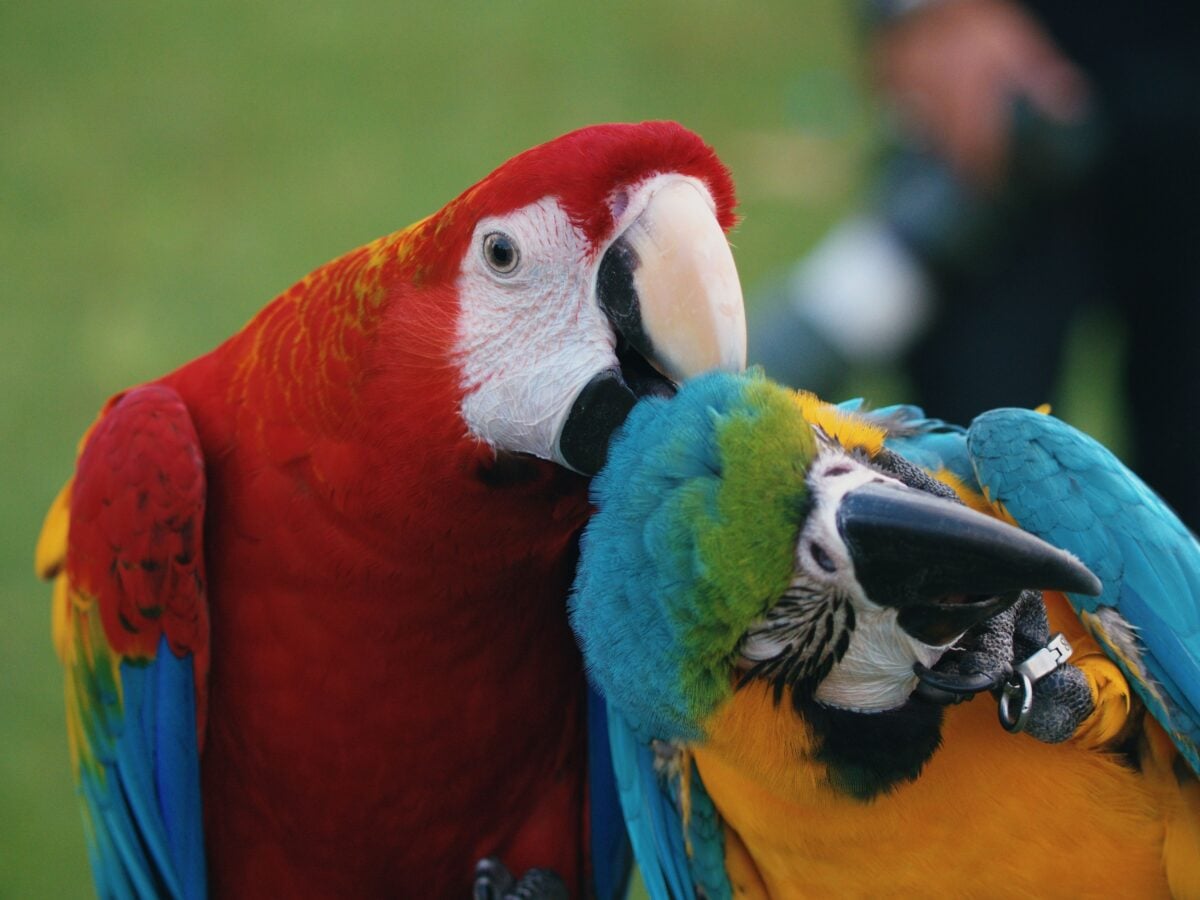
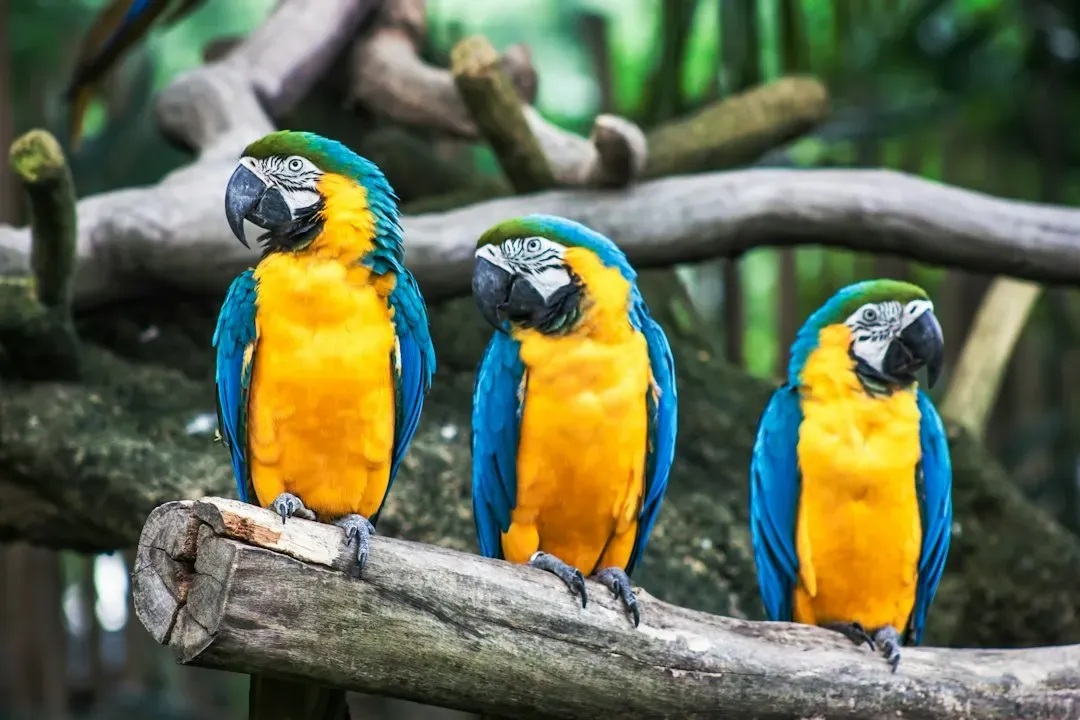
The work centers on green rumped parrotlets, small parrots that live in Venezuela. Researchers monitored wild green rumped parrotlets in Venezuela, and the study was led by Karl Berg when he was a Cornell doctoral student. His team’s findings offered the first evidence that parrots learn their unique signature calls from their parents.
Scientists already knew parrots used signature calls. Earlier studies on captive birds showed that adults have signature calls used to recognize individuals. What nobody had shown was where those calls came from in the wild.
Where Does a Name Come From?
🔥 Would you like to save this?
We'll email this post to you, so you can come back to it later!
There were a few competing explanations. Names could be biologically innate, chosen by each parrot itself, or assigned by Mom and Dad. Each possibility would mean something different about how parrot minds work.
One alternative was that chicks invent a call and the family picks it up. Another was that parents try out a range of labels until one sticks. The team needed to rule out both of those ideas before calling the signatures parent assigned.
The Egg Swap Experiment
🔥 Would you like to save this?
We'll email this post to you, so you can come back to it later!
The design was clever. Researchers installed video cameras and microphones in nests and swapped the eggs of half of the study group, then recorded what unfolded. Some chicks ended up with foster parents instead of their biological ones.
That swap let the team separate genes from upbringing. They analyzed just under five thousand individual calls and found the signature calls were socially acquired. If names were inherited, chicks would sound like their biological parents, and that isn’t what happened.
Parents Start the Conversation
🔥 Would you like to save this?
We'll email this post to you, so you can come back to it later!
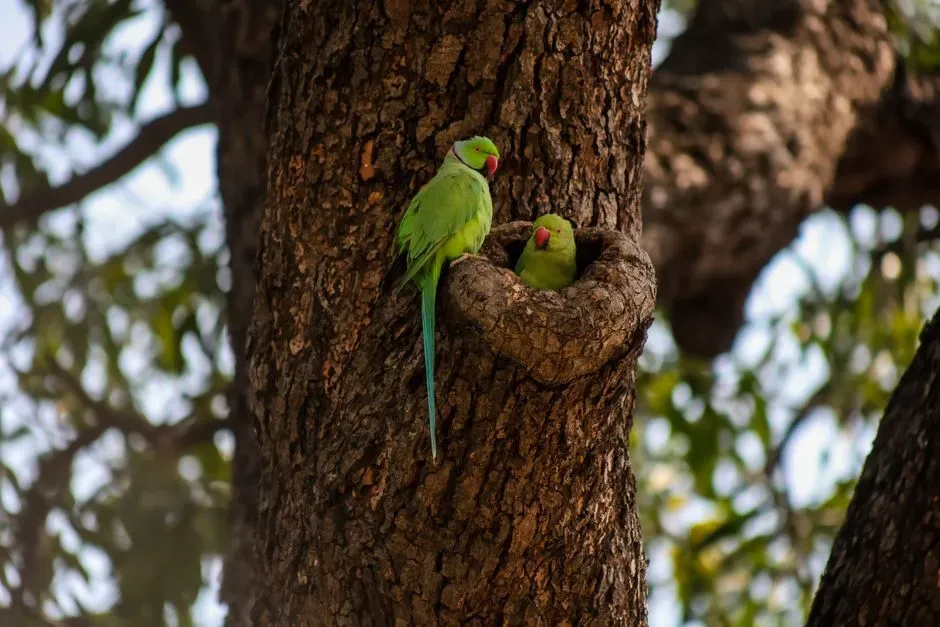
The parents go first. Parents started making signature calls when the chicks were very young, providing a template the chicks imitated and added their own flourishes to. In other words, the chick answers a name it has already been hearing.
The foster chicks make this clear. Chicks’ names were more similar to those of the parents that raised them than to their biological parents’. Researchers also reported that signature attributes are learned from both primary caregivers, so mom and dad both shape the sound.

Earth Rated XL Dog & Puppy Pee Pads, Discreet Top, Max Absorbency
Check Price on AmazonAs an Amazon Associate, we earn from qualifying purchases.
10/7/2026 1:28 pm GMTi

2 Pcs Halloween Pet Hat Bandana Set, Witch Pumpkin Costumes for Dogs
Check Price on AmazonAs an Amazon Associate, we earn from qualifying purchases.
10/9/2026 2:45 pm GMTi

Halloween Dog Collar with Bow, Orange Cute Ghost Collar,
Check Price on AmazonAs an Amazon Associate, we earn from qualifying purchases.
10/9/2026 2:43 pm GMTi

PetSafe Oasys Pet Fountain, 1/2 Gallon (64 oz), Small Dogs & Cats
Check Price on AmazonAs an Amazon Associate, we earn from qualifying purchases.
10/8/2026 8:14 am GMTi

Dog Stairs for Bed 18" H, 4-Step Dog Steps for High Bed
Check Price on AmazonAs an Amazon Associate, we earn from qualifying purchases.
10/9/2026 2:42 pm GMTi
Does the Name Really Last for Life?
🔥 Would you like to save this?
We'll email this post to you, so you can come back to it later!
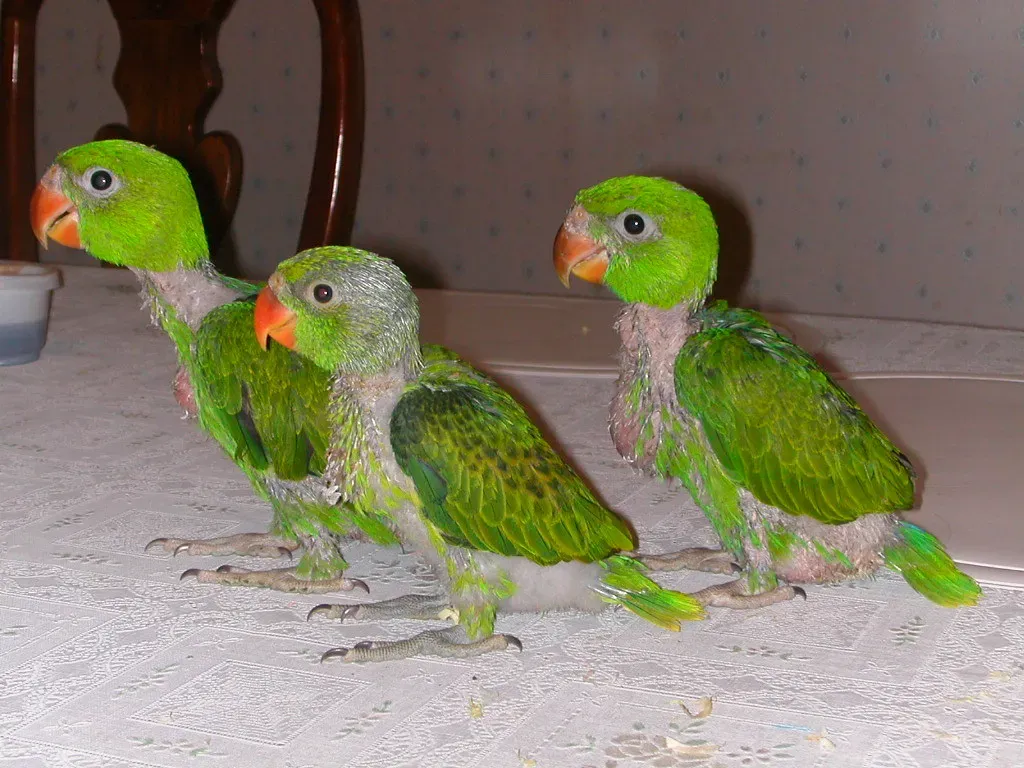
This is where the headline needs a careful read. The chick doesn’t simply carry a frozen copy of what its parents said. The chicks chirped the call back at their parents and kept using it, though with some tweaking.
Some reports describe the name as something chicks tweak and then use throughout their lives. That’s a reasonable summary of the findings, but the study followed birds in the early stages of life. So the safest reading is that the name is learned from parents, personalized by the chick, and then kept as its identity in the flock, not that every call stays unchanged for decades.
Why a Name Matters to a Parrot
🔥 Would you like to save this?
We'll email this post to you, so you can come back to it later!
Names seem to solve a practical problem. Green rumped parrotlets rely on their parents for food for up to three weeks after leaving the nest, so being identifiable is useful. The authors also suggested that long trips to communal foraging sites might push parents to sort out their fledglings’ names, much like a parent calling a child at a crowded fair.
There’s a bigger idea too. Having a name helps parrots know who is who when flocks change or shift members. The researchers also pointed out that these learned calls could be a useful model for studying how human infants acquire speech.

Hand Blown Glass Hummingbird Feeders for Outdoors Hanging, 24oz Wild Bird Nectar Feeder
Check Price on AmazonAs an Amazon Associate, we earn from qualifying purchases.
10/7/2026 1:23 pm GMTi

Glass Hummingbird Feeder for Outdoors Hanging
Check Price on AmazonAs an Amazon Associate, we earn from qualifying purchases.
10/7/2026 1:21 pm GMTi

Air Purifiers for Home Pets Large Room Up to 3000 Ft²,HEPA Air Cleaner with Washable Double-Side Filter, PM2.5 Air Quality Monitor,15dB Sleep Mode for Bedroom Odor Dust Pollen,White
Check Price on AmazonAs an Amazon Associate, we earn from qualifying purchases.
10/8/2026 8:23 am GMTi

Professional 7 in 1 Dog Paw Cleaner for Dogs & Cats - Includes 1 Portable Paw Washer, 1 Bath Brush
Check Price on AmazonAs an Amazon Associate, we earn from qualifying purchases.
10/7/2026 1:26 pm GMTi

Glass Hummingbird Feeder for Outdoors Hanging, 16 oz Leak-Proof Nectar Feeder with Bee Guards & Ant Moat
Check Price on AmazonAs an Amazon Associate, we earn from qualifying purchases.
10/7/2026 1:22 pm GMTi
What This Means for How We See Parrots
🔥 Would you like to save this?
We'll email this post to you, so you can come back to it later!
I think the most appealing part is how ordinary it feels. A parent calls a baby by a particular sound, and the baby grows into that sound. It’s not a trick or an imitation of us, just a species doing what social animals do.
Even so, the caution stands. The strongest evidence comes from one species of small parrot in one place, so it would be a stretch to say every parrot works the same way. Still, it gives us a better reason to listen closely to what birds say to each other.
On balance, I find the evidence convincing for what it covers, and the tidy “named for life” headline slightly overstated. A parrot’s name is learned, shaped by its family, and worn as its own. That’s already remarkable without any exaggeration, and it’s a good reason to stop thinking of parrot noise as just noise.

Halloween Cat Costume Cloak Witch Hat Pet Accessories
Check Price on AmazonAs an Amazon Associate, we earn from qualifying purchases.
10/9/2026 2:44 pm GMTi

Portable Dog Water Bottle Foldable Dog Travel Water Bottle
Check Price on AmazonAs an Amazon Associate, we earn from qualifying purchases.
10/7/2026 1:29 pm GMTi

Smart Bird Feeder with Camera Solar Powered, 2K HD Live Video, 10,000+ Bird Species AI Identification
Check Price on AmazonAs an Amazon Associate, we earn from qualifying purchases.
10/7/2026 1:22 pm GMTi

Orthopedic Extra Large Dog Bed, Waterproof Washable XL Pet Bed 44"
Check Price on AmazonAs an Amazon Associate, we earn from qualifying purchases.
10/7/2026 1:32 pm GMTi
Final Thoughts
🔥 Would you like to save this?
We'll email this post to you, so you can come back to it later!
My view is that this research deserves more attention than the cute headline gives it. The real discovery isn’t that parrots have names, but that parents hand them out through teaching, which makes naming something closer to a family tradition than an instinct.
I’d happily accept the careful version over the catchy one. Next time you hear a flock overhead, it’s worth remembering that some of that chatter may be one bird calling another by name.

- Ornithology Says Wild Parrot Parents Give Each Chick Its Own ‘Name’ Call That It Keeps for Life - November 7, 2026
- Feline Psychology Says Cats Read Human Emotions by Combining Your Facial Expression With the Tone of Your Voice - November 7, 2026
- What It Means When a Deer Stamps Its Hoof and Snorts at You - November 7, 2026