
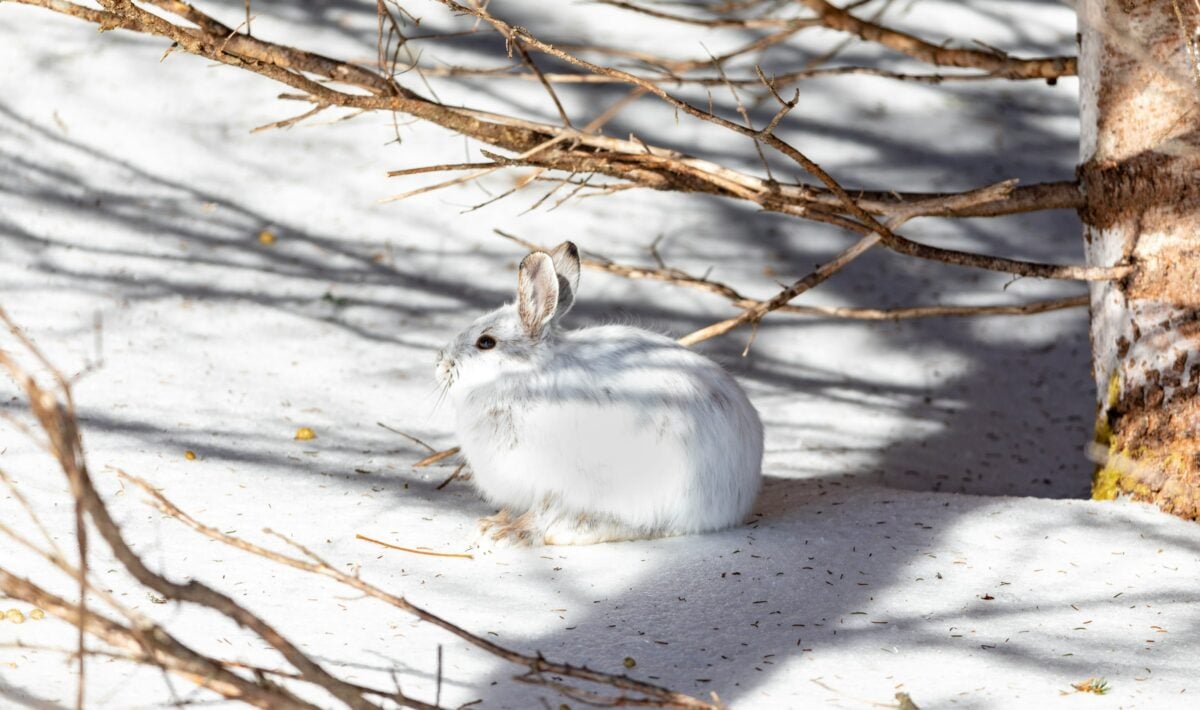
When winter in the northern forests really bites down, it’s not just cold; it’s a slow-motion crisis. Food vanishes under ice, temperatures plunge far below freezing, and predators get sharper, hungrier, and more desperate. Yet somehow, the fragile-looking snowshoe hare, a rabbit barely bigger than a house cat, manages to hang on through months of deep snow and long, dark nights.
What keeps them alive is not luck. It’s an entire survival toolkit built from evolution, instinct, and a few surprisingly clever tricks. Some of these are visible at a glance, like their famous white coat, while others are more like secret hacks, hidden in their muscles, behavior, and daily routines. Let’s walk through eight of the most powerful strategies snowshoe hares use when winter turns from pretty to brutal – and why, against the odds, they’re still here at all.
1. The Legendary Winter Coat That’s More Than Just Camouflage
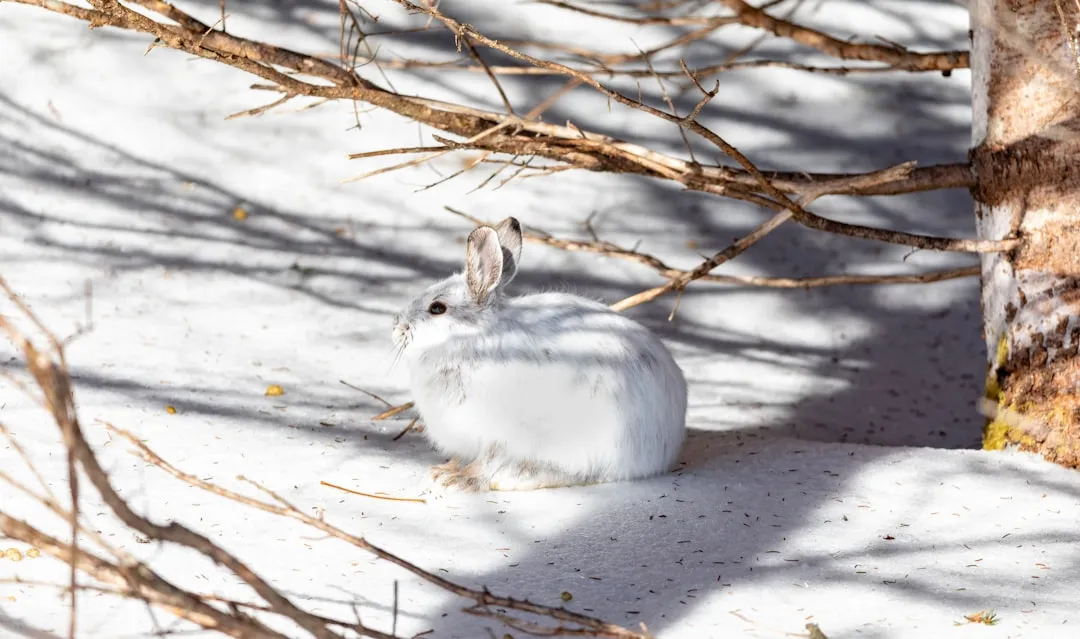
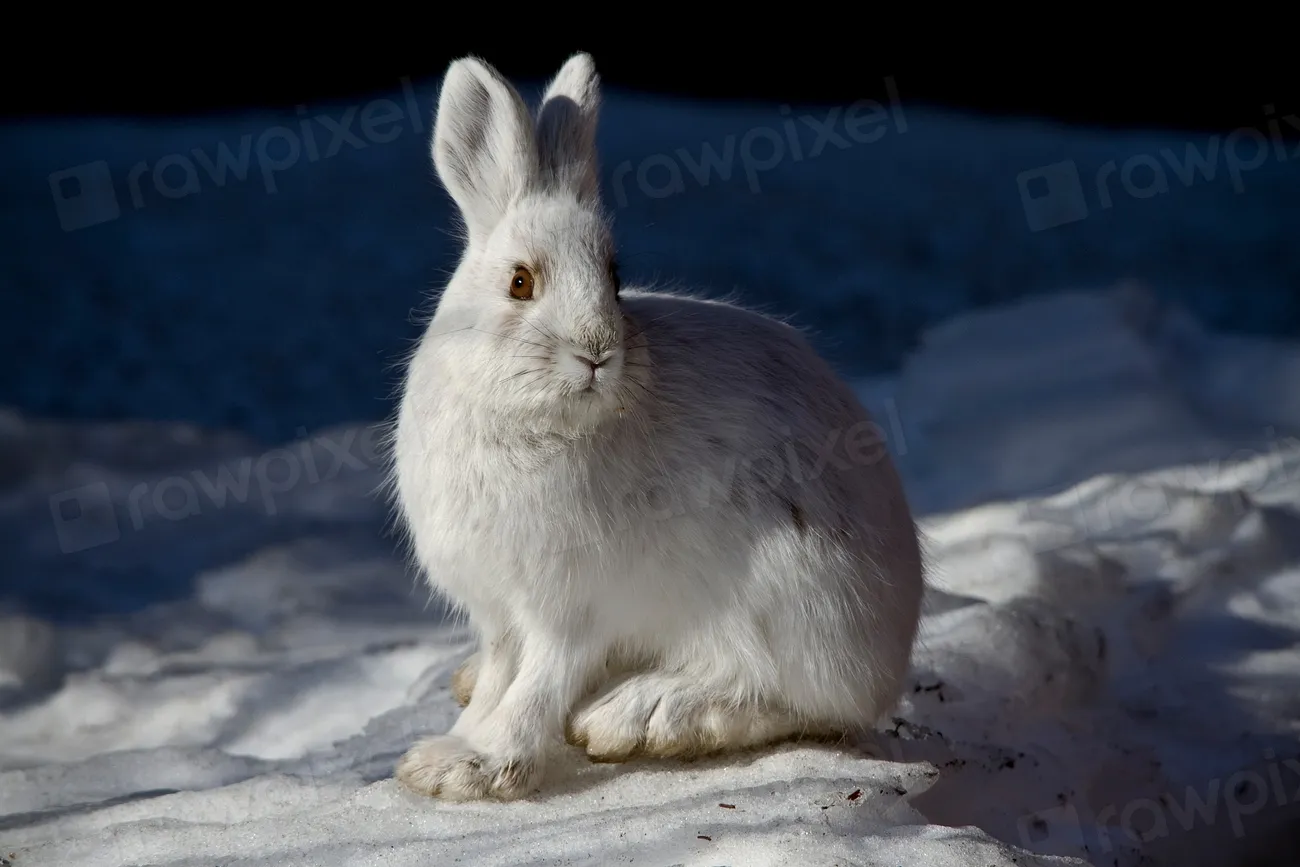
The most dramatic thing snowshoe hares do for winter is change color, shifting from brown in summer to almost pure white in deep winter. That white coat is incredible camouflage, helping them blend into snowbanks so well that a lynx can pass within a few feet and not see them if they stay still. But the coat is not just about hiding; the winter fur grows thicker and fluffier, trapping more air for insulation, a bit like wearing a built‑in down jacket.
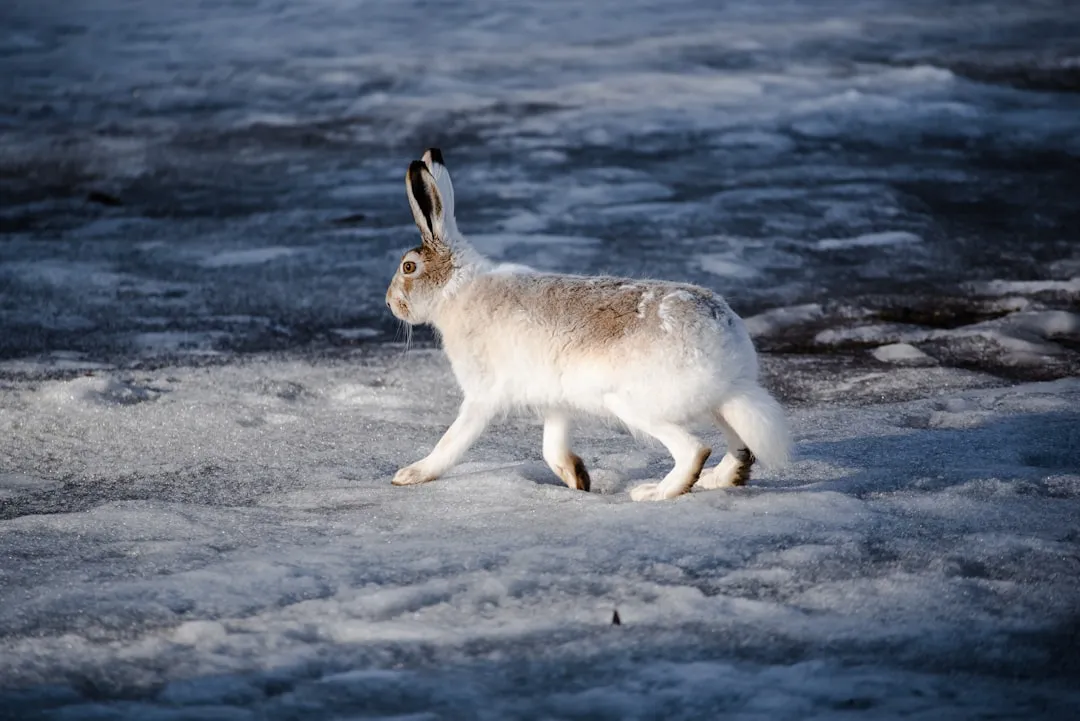
What’s wild is that this change is timed to day length, not directly to temperature or snow depth. That means in years when snow arrives late or melts early, hares can be stuck glowing white against bare ground, basically screaming their location to every predator. In a warming climate with more erratic snow cover, that once-perfect winter trick has become a risky bet, and some biologists are already seeing more hares mismatched to their surroundings for longer stretches of the season.
2. Oversized Snowshoe Feet That Turn Deep Snow Into an Escape Route
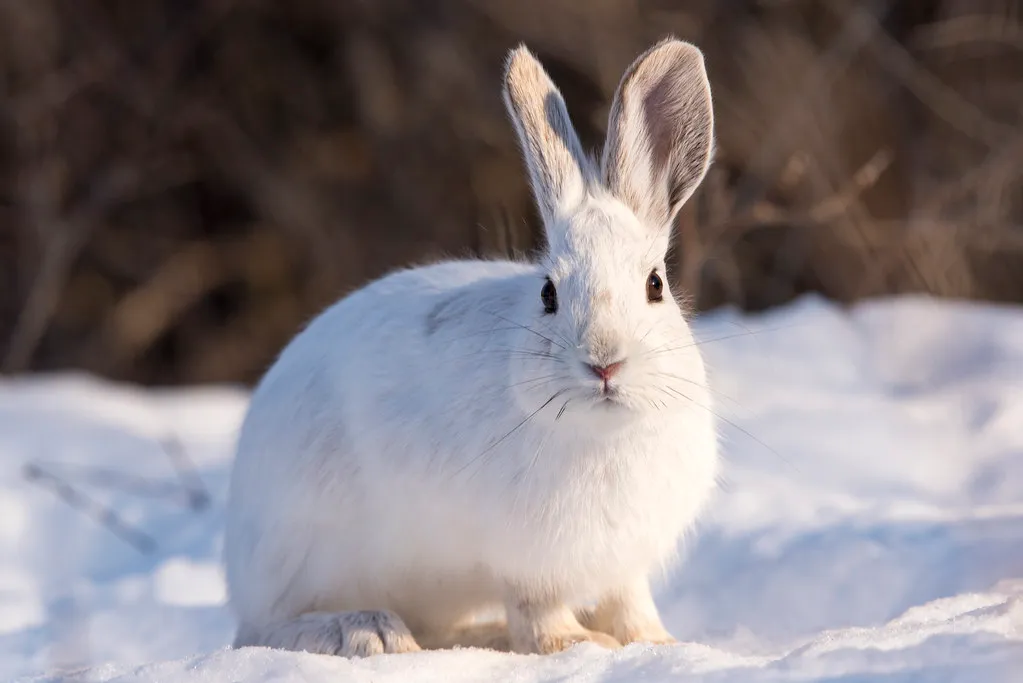
Snowshoe hares get their name from those huge, furry back feet that look almost comically big for their bodies. In winter those feet function like natural snowshoes, spreading their weight over a larger area so they don’t sink as deeply into soft snow. That means they can stay on top of drifts and crusts that would bog down heavier predators, turning deep snow from a threat into a shield.
Those back legs are also extremely powerful, built for explosive bursts. When danger appears, a hare can launch itself into a zigzagging sprint across the snow, changing direction suddenly and using uneven crusts and hidden obstacles that might trip up a pursuing fox or lynx. If you’ve ever tried to run in new snow while someone in lighter shoes floats on top, you’ve already felt a tiny version of the advantage a snowshoe hare enjoys all winter long.
3. Nightlife Experts: Moving Under Cover of Darkness
Snowshoe hares are mostly nocturnal or crepuscular, which means they are most active in the low light of dusk, dawn, and nighttime. That timing is not accidental. Moving and feeding when visibility is low helps them stay out of sight from daytime hunters like hawks and eagles. Even mammal predators have a harder time targeting a hare that only really starts its nightly routine when the forest turns shadowy and quiet.
At night, hares venture out to nibble on twigs, bark, and needles, then retreat to more covered, protected spots to rest during the brighter hours. They tend to freeze in place when they sense a threat rather than bolting immediately, relying on stillness and camouflage first. That decision – pause and rely on invisibility, then sprint only if necessary – can be the difference between life and death when every movement can leave a track, a sound, or a hint that something edible is nearby.
4. Shrub Browsers: Turning Bare Winter Forests Into a Buffet
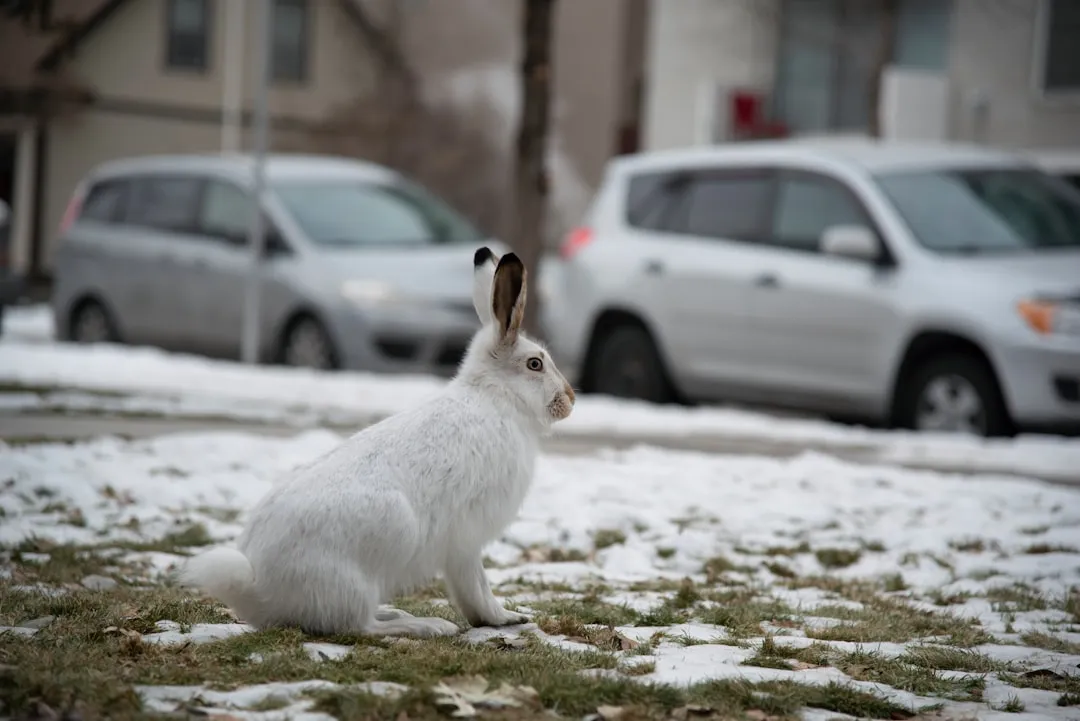
When winter clamps down, there’s no lush grass, no leafy shrubs, and no tender herbs to graze on. Instead of starving, snowshoe hares pivot to a diet that would make most animals wince: woody twigs, bark, and evergreen needles. They browse on shrubs like willows, birches, and alders, often standing on their hind legs to reach higher branches that stick above the snowpack.
This diet may sound miserable, but it works because the hare’s gut is adapted to extract nutrients from tough, fibrous plant material. They have to eat a lot, and often, just to maintain their body temperature and stay alive. When food is really limited, they will sometimes even eat their own droppings to squeeze out any remaining nutrition, a behavior that sounds gross but is actually a clever recycling system. In a way, they treat the winter forest like a secondhand store, making the best of whatever is left when everything obvious is already gone.
5. Temperature Hacks: Fur, Fat, and Energy-Saving Stillness
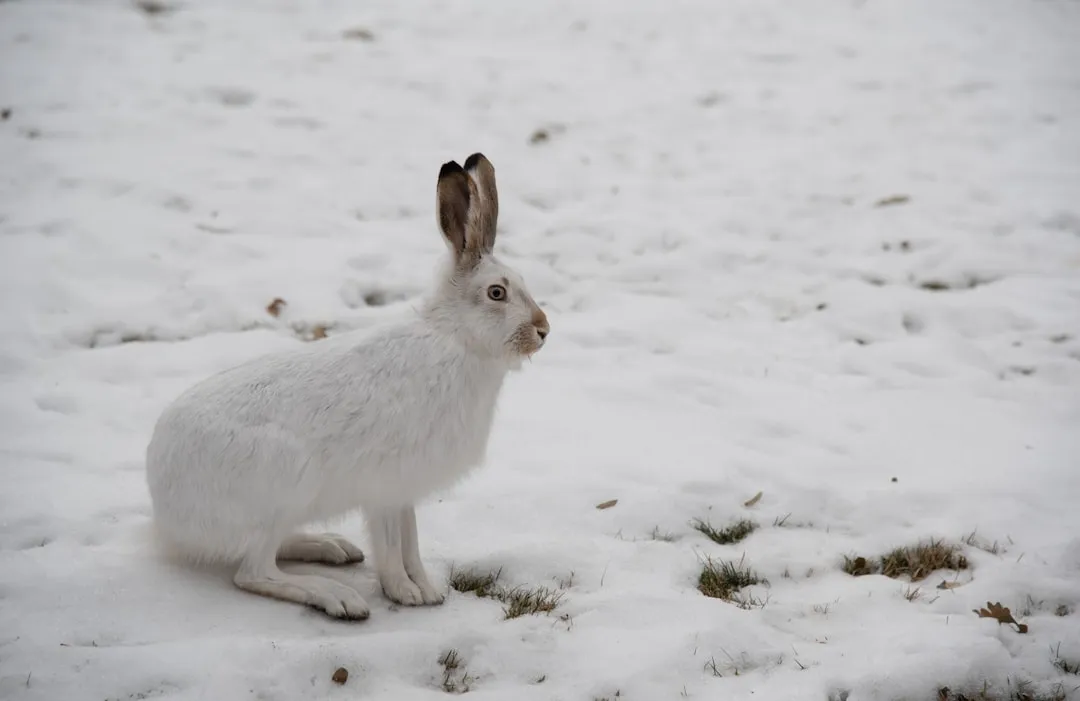
Surviving brutal cold is about more than just what you wear; it’s about how you use your energy. Snowshoe hares grow that extra-thick winter coat, but they also adjust their behavior and metabolism to conserve heat and calories. On the coldest days, they move less, staying tucked into sheltered spots where wind and exposure are reduced, much like you curling under a blanket instead of wandering around the house barefoot.
They tend to seek out places with dense vegetation, fallen logs, or thick shrubs that act as windbreaks and partial roofs. By keeping their bodies crouched and ears lowered, they reduce exposed surface area and hold onto warmth more efficiently. They do not hibernate, so they need to eat and move all winter, but every moment of stillness is a strategic trade‑off: spend less energy now so there is enough left to sprint if danger shows up suddenly.
6. Hiding in Plain Sight: Microhabitats, Tracks, and Smart Routes
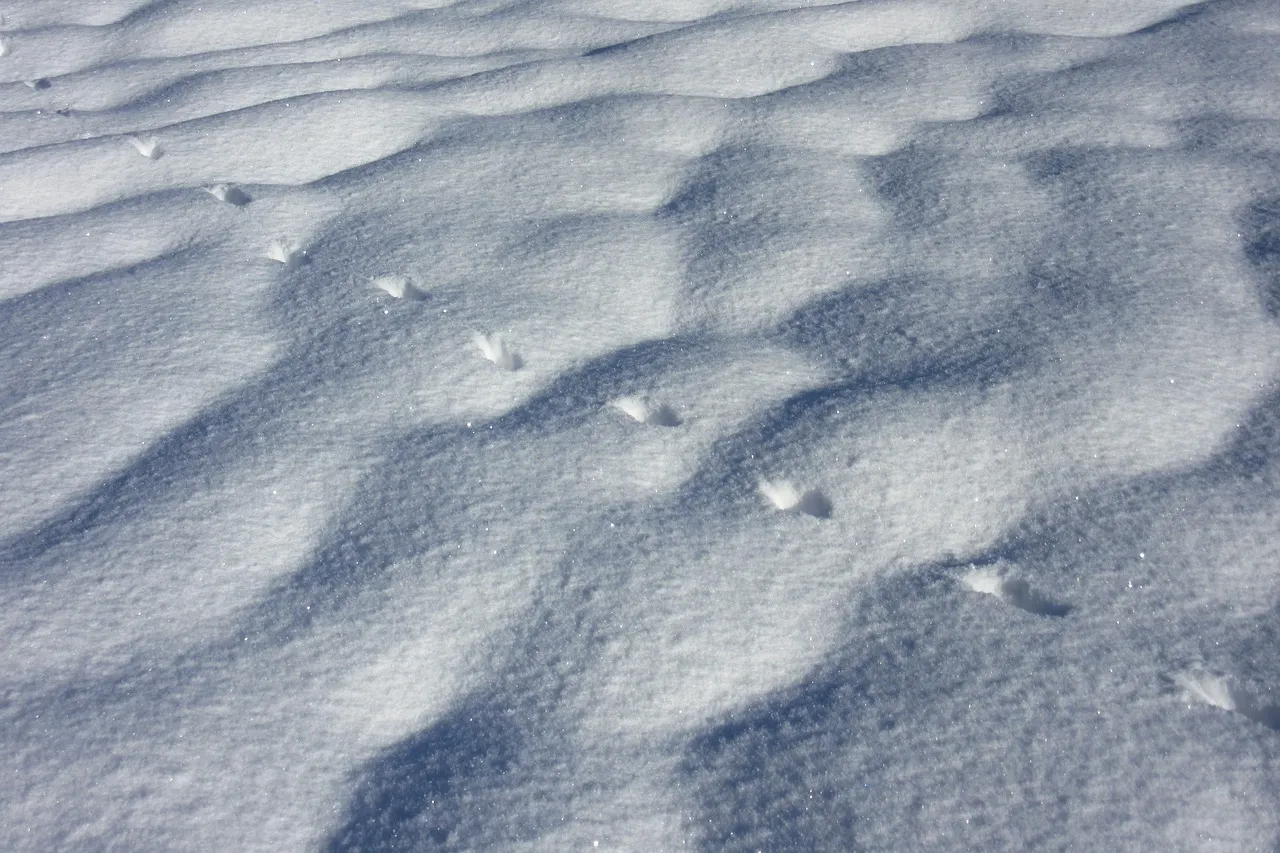
Snowshoe hares do not dig elaborate burrows the way some animals do, but they are masters at using whatever structure the forest gives them. They’ll tuck themselves under low spruce branches, wedge into the base of dense shrubs, or shelter beside downed logs where snow piles up and creates insulated pockets. These microhabitats can be just a few degrees warmer and much more protected from wind and prying eyes, turning small scraps of cover into lifesaving hideouts.
They also become very particular about where they travel. Hares often reuse the same network of paths packed down in the snow, which helps them move quickly and quietly to feeding areas and back to cover. Those paths might look like a simple maze of tracks to us, but they are a customized highway system. The flip side is that predators can learn those routes too, which is why hares sometimes suddenly shift their patterns, abandoning familiar paths for new ones when the old ones start to feel too dangerous.
7. Outrunning Predators: Speed, Zigzags, and Split-Second Choices
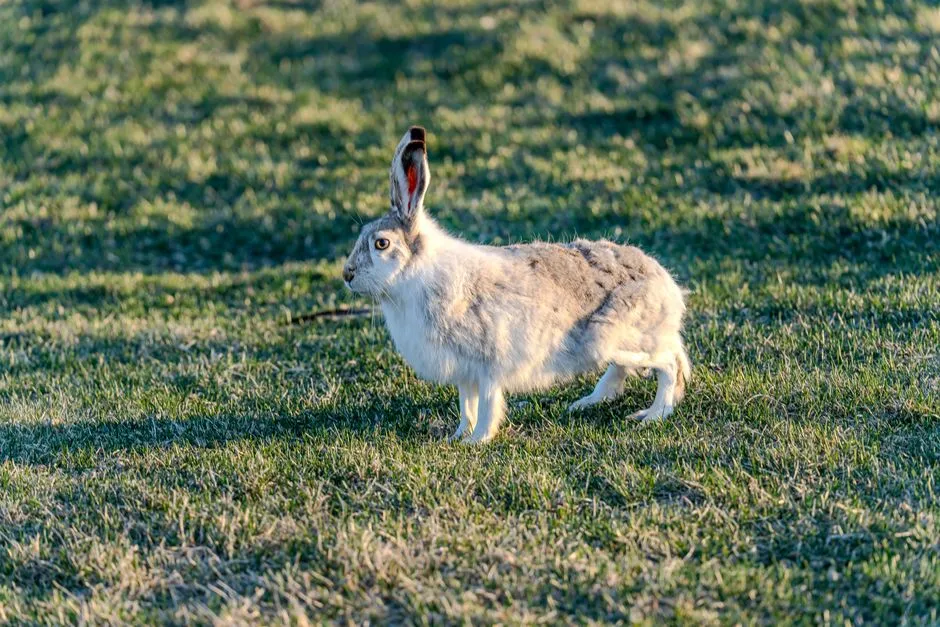
Even with camouflage and careful hiding, there are moments when a snowshoe hare has no choice but to run. Their entire body is built for that emergency: long back legs, light skeleton, and strong muscles that can explode into sudden speed. When chased, they rarely run in straight lines; instead, they throw in sharp turns, unpredictable zigzags, and sudden stops that can cause a predator to overshoot or lose sight of them in uneven terrain and snow.
There’s also a mental side to this escape game. Hares tend to know their home range intimately, including where cover is thickest or where snow is firmest underfoot. When they bolt, they are not just running randomly; they are aiming for places that tilt the odds in their favor, like dense thickets or broken ground that a bulky predator cannot navigate easily. It’s a bit like knowing every alley in your neighborhood and using that knowledge to slip away when someone faster or stronger is chasing you.
8. Boom-and-Bust Populations: Riding the Predator–Prey Roller Coaster
One of the strangest survival tricks of the snowshoe hare is something you see not in a single animal, but in the entire population. Their numbers rise and fall in dramatic cycles over several years, especially in northern regions where they are tightly linked with predators like the Canada lynx. During boom years, hares are everywhere, predators thrive, and it might look like the hares are winning. Then numbers crash, food becomes scarce for predators, and many of those predators decline, easing pressure on the remaining hares.
This boom‑and‑bust rhythm acts like a rough, ecosystem-level safety valve. It is brutal on individuals, but it prevents predators from permanently wiping hares out, because predator populations lag behind and then decline when hares are rare. You could argue it is less a conscious trick and more a side effect of how nature balances itself, yet the result is the same: over long stretches of time, hares persist through waves of abundance and hardship that would devastate a more fragile species.
Conclusion: Tougher, Smarter, and More Vulnerable Than They Look
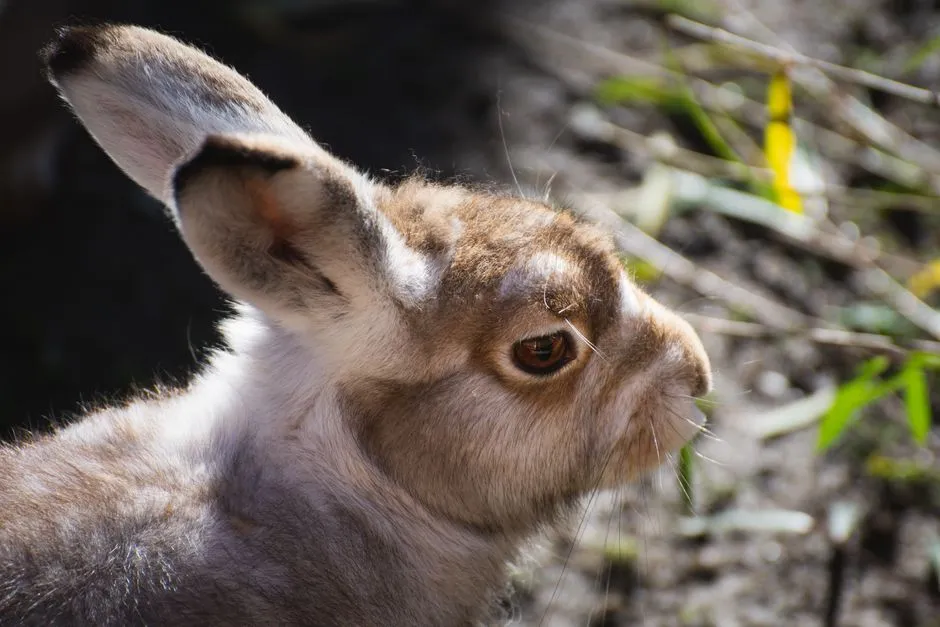
For an animal that looks soft enough to cradle in your arms, the snowshoe hare is astonishingly tough. Its winter survival strategy is a layered system: color‑changing camouflage, built‑in snowshoes, nighttime schedules, harsh diets, energy‑saving stillness, smart use of shelter, and high‑speed escapes, all wrapped inside a population cycle that turns chaos into long‑term persistence. In my view, that makes them one of the most underrated winter survivors on the planet, quietly doing on frozen nights what many larger animals simply cannot pull off.
At the same time, these tricks were tuned for a world with predictable seasons and reliable snow, and that world is changing fast. As winters grow weirder – more ice, less snow, sudden thaws, mismatched coat colors – the fine‑tuned balance that kept hares alive starts to wobble. Whether they can adapt quickly enough is an open question, but if any small creature has earned the benefit of the doubt, it is the snowshoe hare hustling through a blizzard on those oversized feet. When you picture winter survival now, will you still think of only big, dramatic predators, or will you remember the quiet genius of the animal they so often chase?
