


The Komodo dragon (Varanus komodoensis) is the world’s largest living lizard, dominating the food chain on the Indonesian islands it calls home. These impressive reptiles can grow up to 10 feet long and weigh more than 300 pounds, making them formidable predators in their ecosystem. What makes Komodo dragons particularly fascinating is their versatile hunting strategy and diverse diet, which allows them to maintain their apex predator status despite their relatively slow movement speed.
Unlike many predators that specialize in hunting specific prey, Komodo dragons are opportunistic hunters with remarkably varied diets. They combine ambush tactics with powerful bites, serrated teeth, and venom glands that produce toxins capable of preventing blood clotting and inducing shock in their victims. This article explores eight prey animals that Komodo dragons actively hunt and three they typically avoid, providing insight into the complex predatory behavior of these magnificent reptiles.
Prey #8: Deer
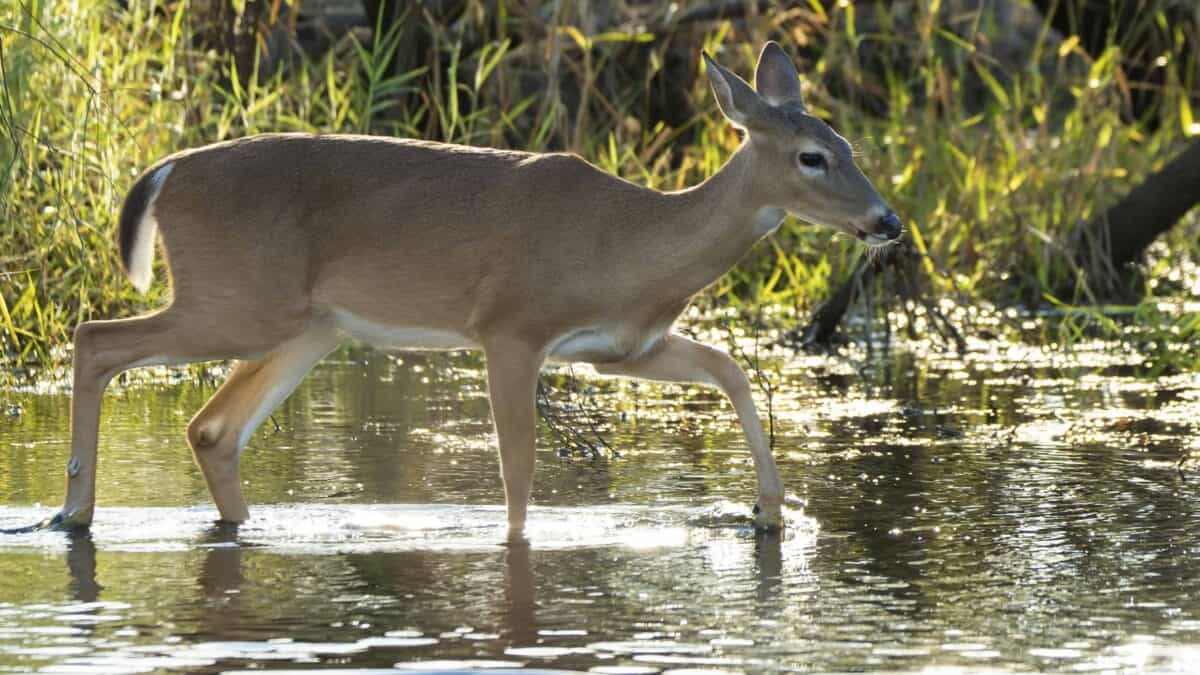
Deer, particularly the Timor deer (Rusa timorensis), constitute a significant portion of the Komodo dragon’s diet and are considered their preferred prey. These deer were introduced to the Indonesian islands by humans centuries ago and have since become established as a key food source for the dragons. Adult Komodo dragons will stalk deer, often lying in wait along game trails before launching a surprise attack. They typically target the legs or underbelly with a powerful bite.
After biting a deer, the Komodo dragon may follow its injured prey for miles, waiting for the combination of blood loss, shock, and the effects of the dragon’s venom to weaken the animal. Research has shown that a Komodo dragon can track wounded prey for up to 9.5 kilometers over a period of 2-3 weeks, demonstrating remarkable persistence. This hunting technique is particularly effective for larger prey like deer, which might initially escape but eventually succumb to their wounds.
Prey #7: Wild Boar
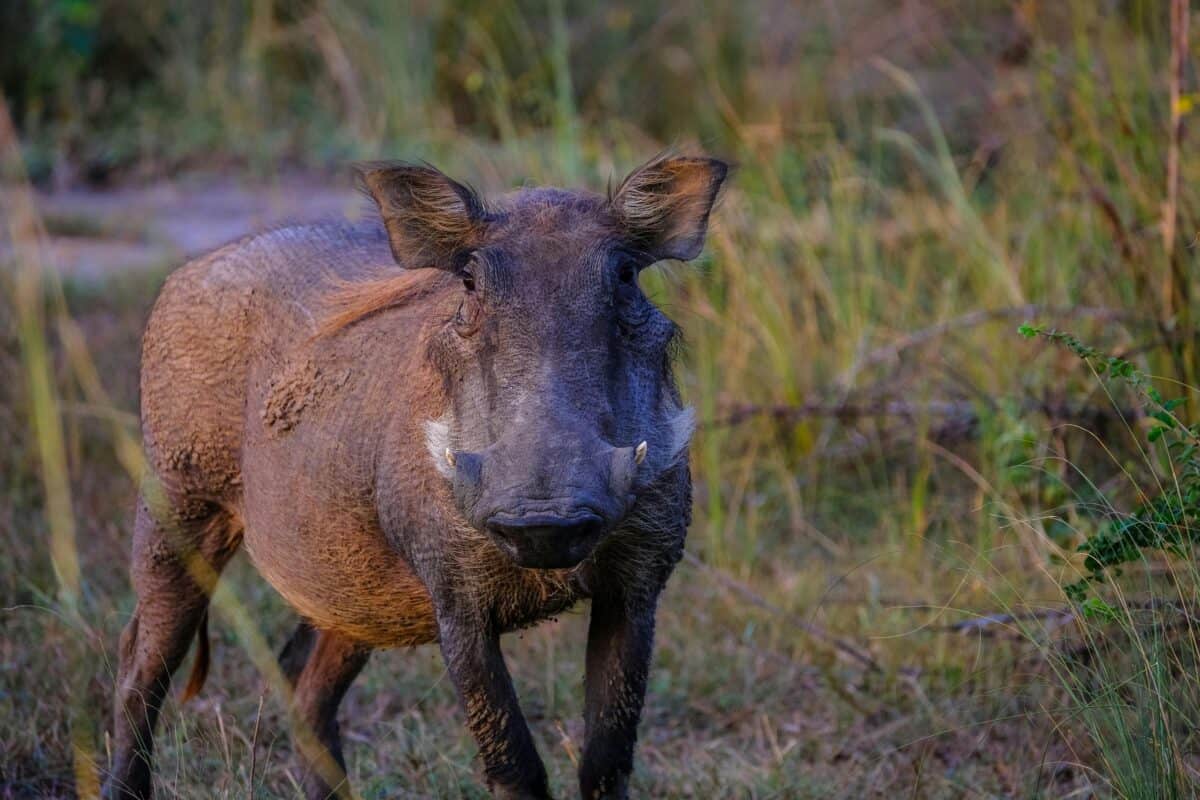
Wild boars represent another substantial food source for Komodo dragons. These tough, intelligent mammals provide a challenging hunt, but the dragons have adapted to overcome the boars’ natural defenses. Komodo dragons hunting wild boars often employ a strategy of ambush, lurking in vegetation near water sources where boars come to drink. When a boar approaches, the dragon lunges with surprising speed, aiming to deliver a bite to the leg or underbelly.
What makes wild boars particularly suitable prey is their abundance on islands like Komodo and Rinca. Despite the boars’ thick skin and aggressive temperament, adult Komodo dragons have the strength and powerful jaws necessary to overcome these defenses. A single successful bite from a Komodo dragon can introduce bacteria and venom into the boar’s bloodstream, eventually leading to death even if the boar initially escapes. Researchers have observed that wild boars make up approximately 20% of the Komodo dragon’s diet in some regions.
Prey #6: Water Buffalo

Water buffalo represent the largest prey that Komodo dragons regularly hunt, demonstrating the dragons’ remarkable ambition as predators. Adult water buffalo can weigh over 2,000 pounds, making them more than six times heavier than the largest Komodo dragons. Despite this size discrepancy, Komodo dragons have developed specialized hunting techniques for these massive prey animals. They typically target young, old, or weak individuals, delivering a bite to the ankle or lower leg before retreating to safety.
The hunting of water buffalo by Komodo dragons exemplifies their patient hunting strategy. After delivering an initial bite, the dragon will often track the buffalo for days or even weeks, waiting for the effects of the venom and bacteria to weaken the animal sufficiently. This hunting method is so effective that researchers have documented cases where multiple dragons will gather around a dying buffalo, seemingly aware that the animal will eventually succumb to its wounds. This behavior demonstrates the dragons’ remarkable ability to assess prey vulnerability and their willingness to invest time in securing a large meal that can sustain them for weeks.
Prey #5: Smaller Komodo Dragons

One of the more unsettling aspects of Komodo dragon behavior is their cannibalistic tendency. Young Komodo dragons are at significant risk of predation by larger members of their own species, which is why juvenile dragons spend much of their early lives in trees, safely away from adults. This cannibalistic behavior is not simply opportunistic scavenging—adult Komodo dragons will actively hunt and pursue smaller dragons, particularly those less than 3-4 years old.
Studies suggest that cannibalism accounts for up to 10% of juvenile Komodo dragon mortality in some populations. This behavior likely evolved as a response to limited resources on the isolated islands where they live. For young dragons, this threat shapes their behavior dramatically, forcing them to adopt an arboreal lifestyle and limiting their access to ground-level food sources until they reach a size where they can better defend themselves. The prevalence of cannibalism also explains the significant size dimorphism in Komodo dragons, with males growing substantially larger than females to compete for mating opportunities and reduce their risk of becoming prey.
Prey #4: Goats

Goats, both wild and domestic, feature prominently in the Komodo dragon’s diet across their range. These medium-sized ungulates present an ideal-sized meal for adult dragons—large enough to provide substantial nutrition but not so large as to pose significant danger during the hunt. Domestic goats are particularly vulnerable as they lack the evolutionary history with Komodo dragons that might have developed natural avoidance behaviors. Komodo National Park rangers report frequent predation on goats belonging to local villages, creating occasional human-wildlife conflict.
When hunting goats, Komodo dragons employ their typical ambush strategy, often hiding along paths that goats regularly travel. Their excellent camouflage allows them to blend with the dry, brushy landscape until the moment of attack. Once a goat is bitten, it typically survives the initial attack but succumbs within 24-48 hours to the combined effects of blood loss, shock, and the dragon’s venom. This predator-prey relationship has significant ecological implications, as the Komodo dragon’s predation on goats helps control feral populations that might otherwise damage the islands’ native vegetation through overgrazing.
Prey #3: Birds and Their Eggs

Despite their reputation as hunters of large mammals, Komodo dragons are opportunistic feeders that readily consume smaller prey, including various bird species and their eggs. Young Komodo dragons, in particular, rely heavily on birds as a food source. Their tree-climbing abilities, which diminish as they grow larger, allow juvenile dragons to raid nests for eggs and nestlings. Ground-nesting birds like megapodes (large-footed birds) are especially vulnerable, as their nests are directly accessible to dragons of all sizes.
The consumption of birds and eggs represents an important nutritional supplement for Komodo dragons, providing a reliable food source when larger prey is scarce or when dragons are too young to hunt effectively. Ornithologists studying the islands’ bird populations have documented significant nest predation rates in areas with high Komodo dragon density. This feeding behavior demonstrates the dragons’ dietary flexibility and their ability to exploit multiple ecological niches throughout their lifetime, shifting from smaller, more accessible prey as juveniles to larger mammals as adults.
Prey #2: Snakes and Other Reptiles

As opportunistic predators, Komodo dragons readily prey upon other reptiles, including snakes, smaller monitor lizards, and skinks. This intraguild predation (the killing and eating of potential competitors) helps Komodo dragons maintain their dominant position in the food web. Snakes are particularly vulnerable, as even venomous species pose little threat to the dragons’ tough scales and powerful jaws. Researchers have observed Komodo dragons swallowing medium-sized pythons whole, demonstrating their remarkable ability to consume large prey items.
For younger Komodo dragons, smaller reptiles represent an important food source that doesn’t require the strength needed to tackle larger mammals. Herpetologists studying the islands’ reptile communities have noted that areas with high Komodo dragon populations typically show reduced numbers of mid-sized reptiles, suggesting significant predation pressure. This feeding behavior contributes to the unique ecological structure of the islands, where Komodo dragons effectively suppress potential competitors through direct predation, allowing them to maintain their position as the dominant predator across multiple ecological niches.
Prey #1: Carrion

While Komodo dragons are skilled hunters, they are also efficient scavengers that readily consume carrion when available. This opportunistic feeding strategy allows them to exploit food resources that would otherwise be unavailable, particularly during periods when hunting success is low. Komodo dragons can detect decaying flesh from up to 5.9 kilometers (3.7 miles) away, thanks to their highly developed olfactory system and specialized organs in their forked tongues that sample airborne particles.
The dragons’ ability to consume carrion in various stages of decomposition is supported by their unique digestive system and oral ecology. Their saliva contains numerous bacterial species that assist in breaking down decaying tissue, and their stomach acid is exceptionally strong, allowing them to digest bones, hooves, and other typically indigestible materials. This scavenging behavior is ecologically important, as it helps recycle nutrients in their island ecosystems and reduces the spread of disease that might otherwise occur from decomposing carcasses. Interestingly, Komodo dragons will often congregate around large carcasses, temporarily setting aside their typically solitary and territorial nature to share in the abundant food source.
Avoided Animal #3: Adult Humans

Despite sensationalized media portrayals, Komodo dragons generally avoid healthy adult humans and rarely view them as prey. While attacks do occur—with approximately 12 documented attacks on humans between 1974 and 2012—most involve unusual circumstances such as humans entering dragon territory during mating season, accidentally cornering a dragon, or dragons mistaking human limbs for their typical prey animals. The dragons’ natural wariness around humans suggests they recognize our species as potentially dangerous rather than as a food source.
This avoidance behavior makes ecological sense: throughout their evolutionary history, Komodo dragons had no experience with humans until relatively recently. Adult humans are also physically capable of defending themselves, making them risky prey compared to more vulnerable animals like deer or goats. Park rangers and researchers who work closely with Komodo dragons report that the animals typically retreat when approached, unless they’ve been habituated to human presence through feeding or are protecting a nest. This natural avoidance highlights the importance of maintaining appropriate distance and respect when observing these powerful predators in their natural habitat.
Avoided Animal #2: Large Crocodiles
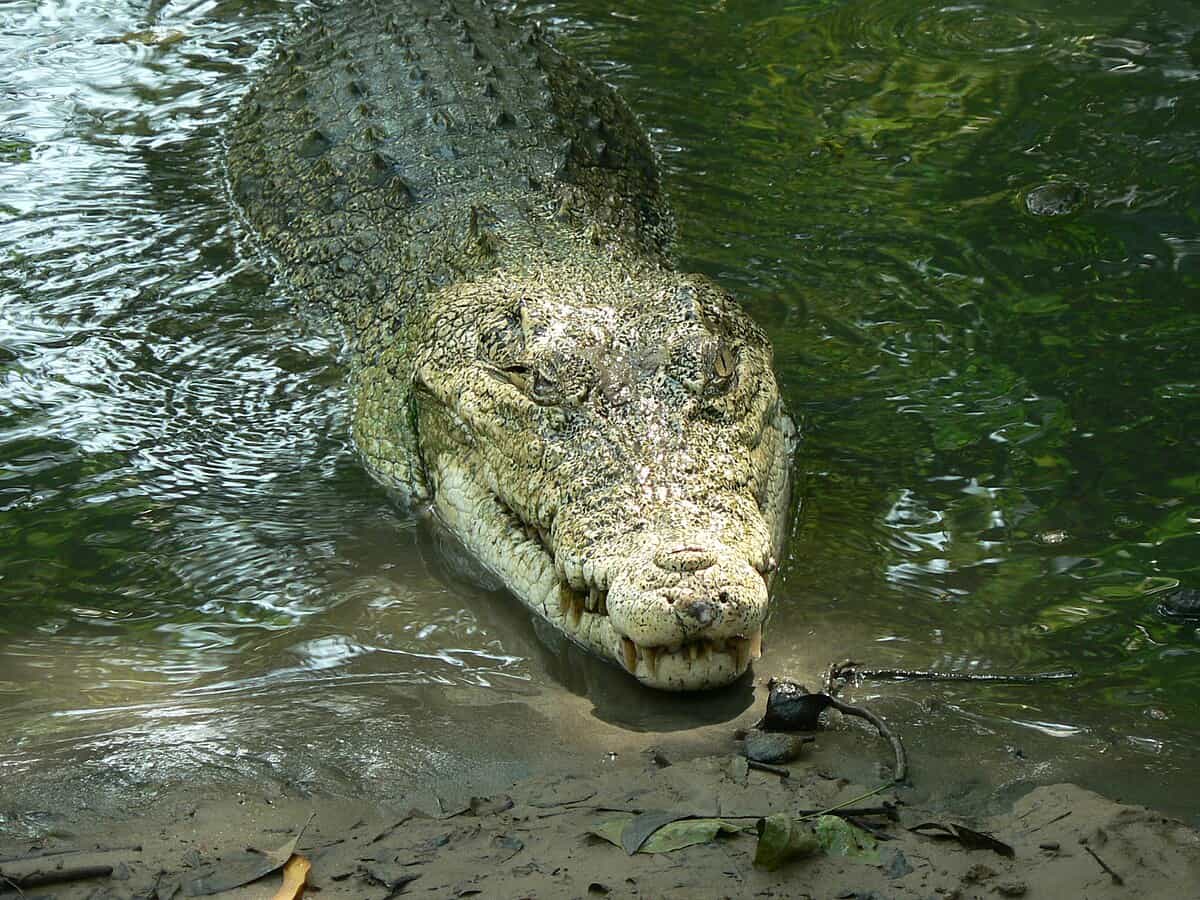
Komodo dragons share their island habitats with saltwater crocodiles (Crocodylus porosus), particularly in coastal mangrove areas, yet interactions between these apex predators are remarkably rare. Studies of Komodo dragon movement patterns indicate that they actively avoid areas where large crocodiles are present, suggesting an evolved recognition of the danger these reptiles pose. Adult saltwater crocodiles represent one of the few animals in the dragons’ range capable of preying upon fully grown Komodo dragons, creating a natural avoidance response.
This mutual avoidance creates an interesting ecological separation, with crocodiles dominating aquatic environments while Komodo dragons maintain supremacy on land. Researchers studying both species have noted that Komodo dragons will sometimes scavenge crocodile kills left on shore, but they do so cautiously and typically only after the crocodile has left the area. This behavior demonstrates the dragons’ risk assessment abilities and their capacity to balance potential feeding opportunities against predation risk. The relationship between these two powerful reptile predators represents one of the few examples where Komodo dragons occupy a subordinate position in the ecological hierarchy.
Avoided Animal #1: Poisonous Marine Animals
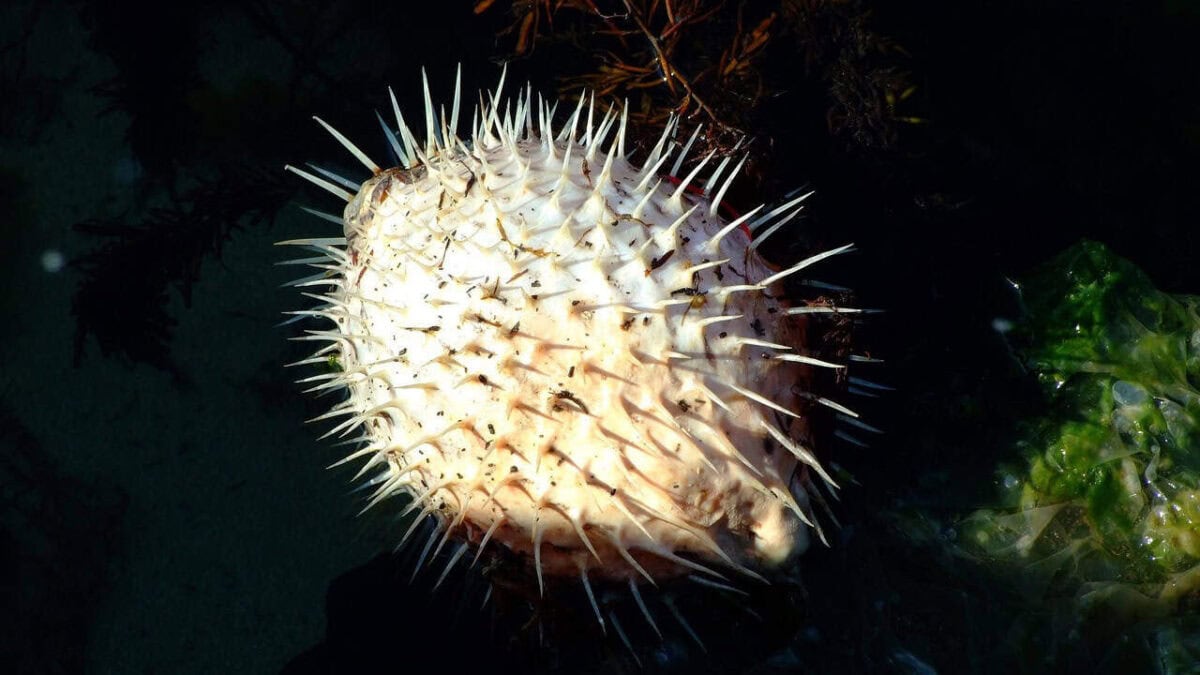
While Komodo dragons occasionally visit beaches and even swim between islands, they typically avoid hunting or consuming toxic marine animals such as certain pufferfish, blue-ringed octopuses, and sea snakes. This avoidance behavior is likely driven by innate recognition of warning coloration and past negative experiences. The dragons’ acute sense of smell may also help them detect chemical compounds that signal potential toxicity, allowing them to avoid dangerous prey before attempting consumption.
This selective avoidance is particularly notable because Komodo dragons are otherwise remarkably tolerant of potentially harmful food items, including severely decayed carrion that would sicken most other predators. Marine biologists studying the coastal ecology of Komodo National Park have observed dragons foraging along beaches, readily consuming beached fish and squid while completely ignoring toxic species like pufferfish. This discrimination suggests a sophisticated ability to identify dangerous prey, likely through a combination of genetic predisposition and learned behavior. The dragons’ avoidance of toxic marine life represents an important adaptation that prevents potentially fatal poisoning, allowing them to exploit coastal resources while minimizing risk.
Conclusion: The Ecological Significance of Komodo Dragon Hunting Behavior

The hunting behavior of Komodo dragons represents a fascinating example of evolutionary adaptation, allowing these massive reptiles to dominate their island ecosystems despite their relatively slow movement speed and limited hunting range. Their diverse diet, ranging from deer and water buffalo to smaller reptiles and birds, demonstrates remarkable flexibility that has enabled them to survive in a challenging environment with limited resources. This dietary adaptability, combined with specialized hunting techniques tailored to different prey, has secured the Komodo dragon’s position as an apex predator for thousands of years.
Equally significant are the animals that Komodo dragons avoid, revealing sophisticated risk assessment abilities that help them navigate potential dangers in their environment. Their general avoidance of adult humans, large crocodiles, and toxic marine animals indicates an ability to recognize threats and make strategic decisions about which prey to pursue. This behavioral complexity challenges simplistic views of reptiles as primitive or instinct-driven, instead revealing the Komodo dragon as a highly adapted predator with remarkable cognitive capabilities.
As climate change and human development continue to impact the limited island habitats where Komodo dragons live, understanding their feeding ecology becomes increasingly important for conservation efforts. Their role as both predator and scavenger helps maintain ecological balance, controlling populations of herbivores while recycling nutrients through the ecosystem. By better understanding what Komodo dragons hunt—and what they avoid—we gain critical insights that can help ensure the survival of these magnificent reptiles for generations to come.
The Komodo dragon’s hunting behavior ultimately tells a story of evolutionary success—a reptile that has mastered its environment through specialized adaptations, behavioral flexibility, and ecological intelligence. Their continued existence represents one of nature’s most impressive examples of a predator perfectly suited to its ecological niche, maintaining its dominance through both physical prowess and behavioral sophistication.

As a little kid, I fell in love with nature, wildlife, and animals. Living in the USA, South Africa, Italy, China and Germany gave me the opportunity to discover the world's Wildlife. My favorite animals are Mountain Gorillas, Siberian Tigers, and Great White Sharks.
I'm a certified PADI Open Water Diver, went to Everest Base Camp and Trekked Gorillas in Uganda. I hold a Master of Science in Economics and Finance.
Please send any feedback to feedback@animalsaroundtheglobe.com
- 8 Dogs That Are Natural Protectors of American Farms and 3 That Are not - July 19, 2026
- 14 Stunning Animals You Can See in India - July 18, 2026
- The Most Enormous Lobster Ever Pulled From Maine Waters - July 18, 2026