
We spend billions designing smart homes, hiring architects, and engineering skyscrapers. We pride ourselves on being the planet’s master builders. Yet out in the wild, creatures without a single blueprint, power tool, or college degree are quietly constructing some of the most sophisticated structures on Earth. Honestly, it’s a bit humbling.
Many animals shape and modify their physical environment, creating a breathtaking diversity of structures, from underground burrows to towering above-ground edifices, all referred to as “animal architecture.” Examples are found everywhere on Earth: beneath the sea and on land, below and above ground, and hanging into the air off trees and precipices. These aren’t accidental formations. They are purposeful, ingenious, and sometimes jaw-dropping.
So let’s dive into eight of the most incredible, mind-blowing ways animals build their homes, and by the end, you may never look at a muddy mound or tangled nest the same way again.
Beavers: Nature’s Dam Engineers
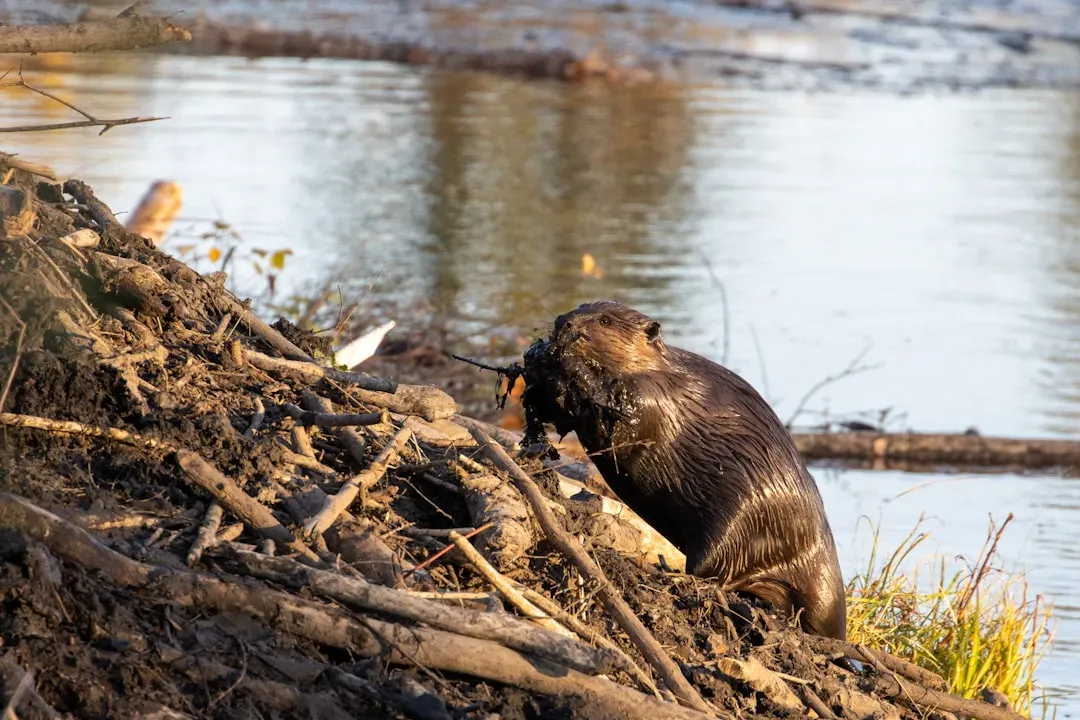
Let’s be real, no animal on the planet reshapes an entire landscape quite like the beaver. Beavers are nature’s engineers, reshaping entire ecosystems with their powerful teeth and an almost obsessive drive to build dams. These aquatic rodents cut down trees, stack logs, and pack mud to create watertight dams that slow down rivers and create ponds.
Beaver dams are thought to be more effective than human concrete dams in trapping water and slowly releasing it. To construct a dam, beavers use logs around six feet in diameter to brace against the riverbank, and they angle the logs at around 30 degrees with the direction of the water’s flow. Think of it as precision engineering, without a single measuring tape.
Beaver lodges are built from a combination of sticks, mud, and other materials. These lodges are typically constructed in the center of the pond created by the dam and feature underwater entrances that protect the beavers from predators. The lodges have multiple chambers, including nesting areas and sleeping quarters, which provide a safe and comfortable environment for the beaver family.
The beaver’s dams help maintain a wetland ecosystem, which benefits a wide range of species, including fish, birds, and plants. In this way, beavers are not just architects, they’re ecological engineers, shaping their environment in a way that supports the biodiversity around them.
Termites: The Original Skyscraper Builders
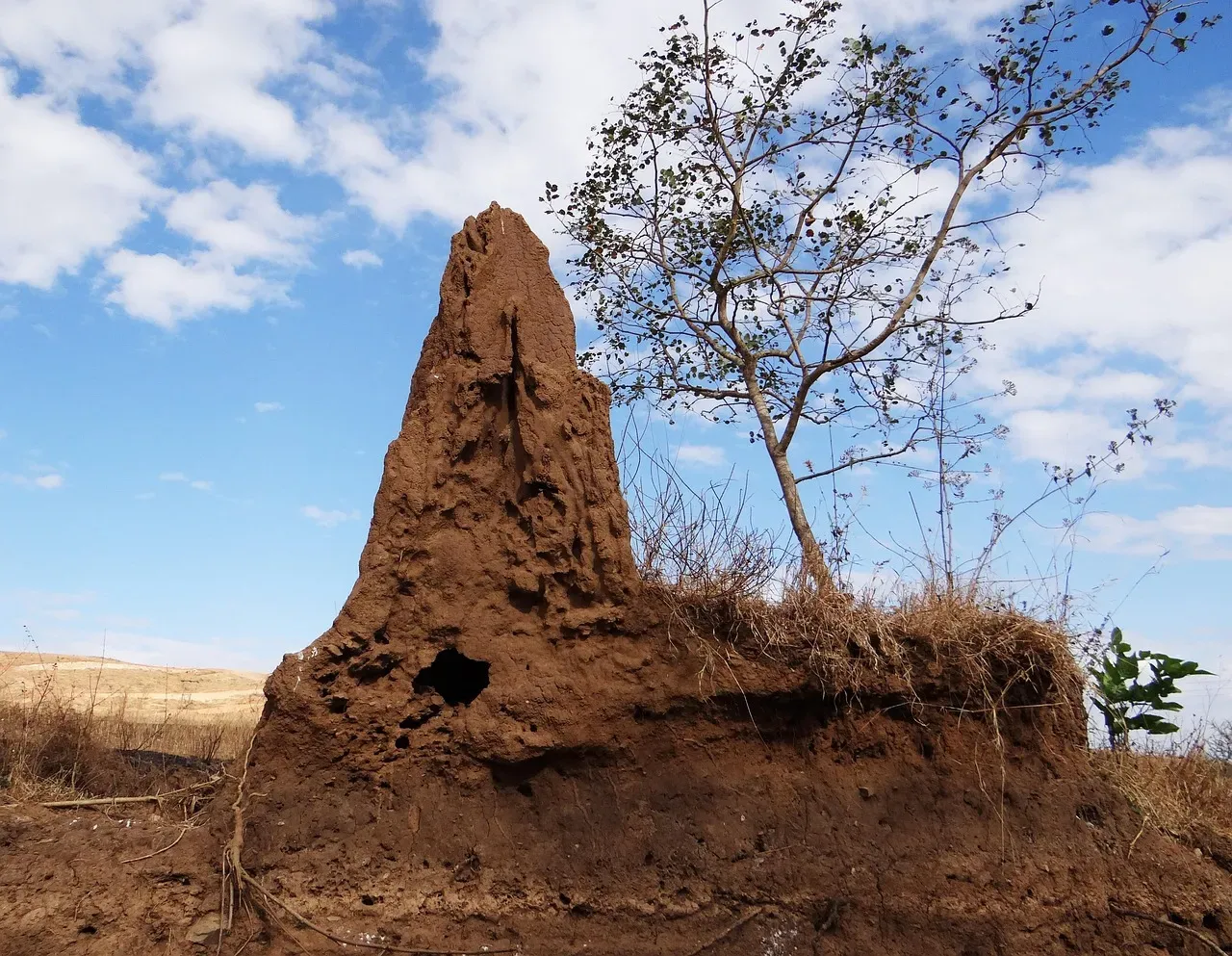
Here’s the thing about termites. Most people think of them as destructive pests. What they don’t realize is that these tiny insects are building some of the most sophisticated climate-controlled towers in the natural world. It’s a bit shocking, really.
Termite mounds are among nature’s most astonishing architectural feats, built from a blend of soil, saliva, and dung. Some species construct towering mounds that can reach more than eight metres in height, complete with a labyrinth of tunnels and air shafts. Far from being static shelters, these structures act like living “lungs,” using daily temperature changes to power a natural ventilation system. This amazing design regulates airflow, gases, and humidity inside the mound, creating conditions that support the survival of millions of termites even in challenging climates.
Compass termites, endemic to northern Australia, build large wedge-shaped nests which are usually oriented north to south. Their orientation helps them regulate heat, taking direct sunlight onto their wide eastern and western sides in the morning and afternoon, and their wedge-like shape means that when the sun is hottest, around midday, less heat is absorbed, preventing overheating.
Even the tallest human architecture is rivaled by animal architecture: termite mounds exceed skyscrapers in their size relative to that of the architects. Think about that for a moment. Scaled up to human size, a termite mound would dwarf anything humans have ever built.
Sociable Weavers: Africa’s Apartment Complex Architects
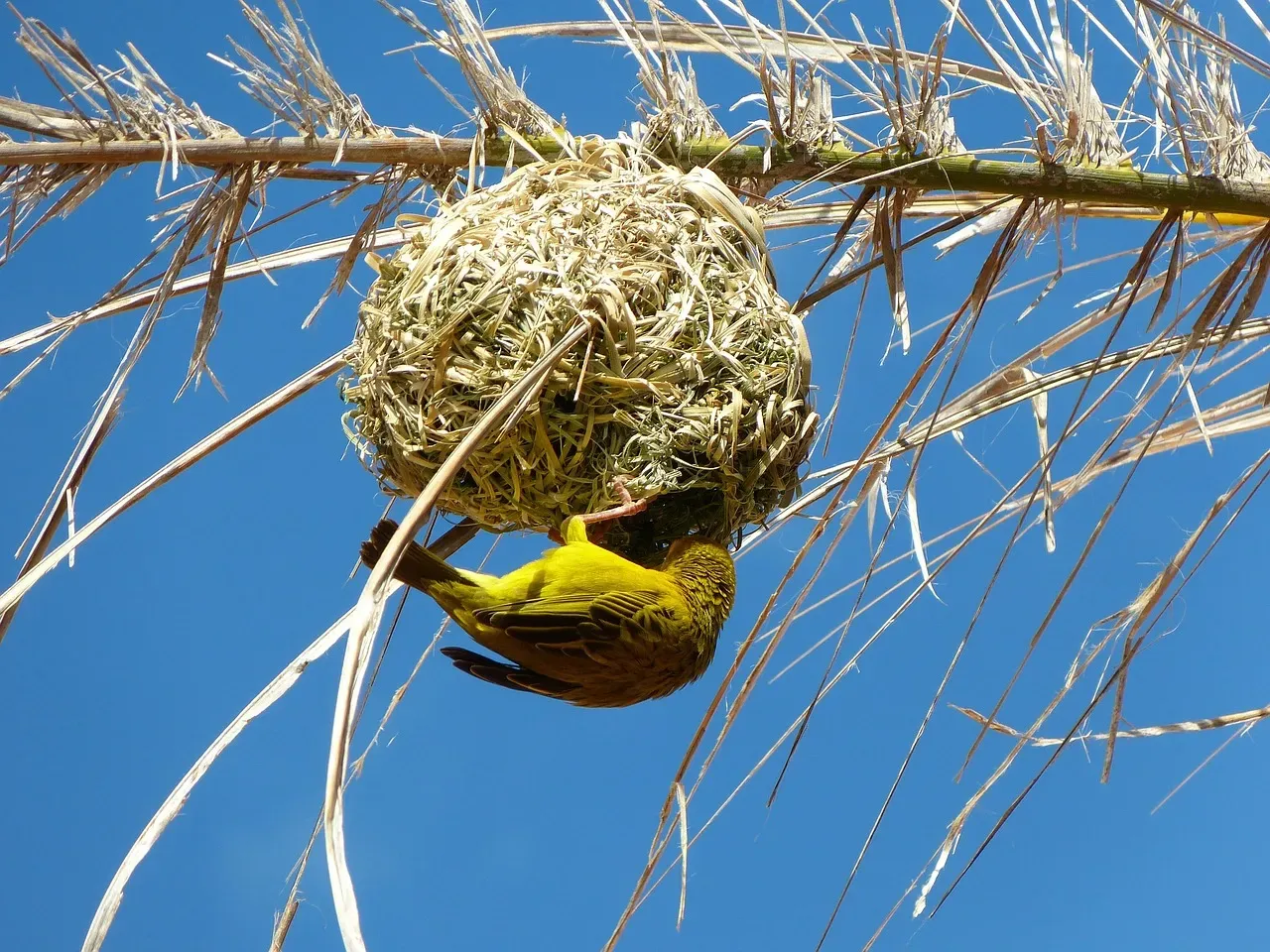
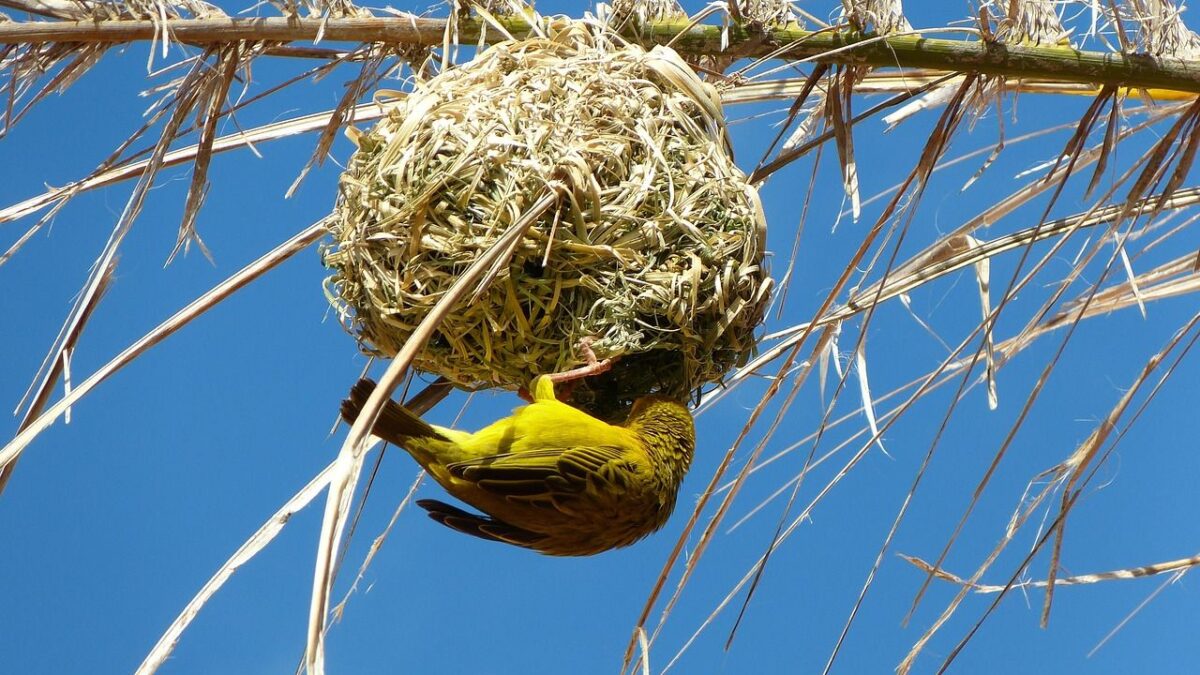
Imagine a single building that houses hundreds of families across multiple generations, with separate bedrooms, a communal structure, and built-in temperature regulation. Sounds like a luxury high-rise, right? Welcome to the world of the sociable weaver bird.
In their South African homeland, the sociable weaver constructs the most elaborate nesting system of any known bird. Throughout the Kalahari Desert, these permanent structures drip from acacia, shepherd, and quiver trees. The high-rise woven grass apartment complexes are sometimes also found hanging from telegraph poles, each housing hundreds of birds.
The nests are built with dozens of separate chambers. Large twigs are used for the top surfaces of the nest and grasses are woven together to form the separate chambers. The outer rooms provide shade in the daytime when temperatures soar. The nature of the weaving provides both insulation and ventilation, and scientists have found that temperatures inside the chambers stay remarkably steady, regardless of the outside weather conditions, varying by only a few degrees.
Sociable weavers create an ecosystem within their avian colony. Apart from many different types of insects that inhabit the woven grasses, several other bird species, some reptiles, and the Kalahari tree skink find places to shelter and breed within the nests. Scarab beetles and other scavengers thrive on the bird droppings under the trees. It’s a whole neighborhood, not just a nest.
Honeybees: Geometric Geniuses of the Insect World
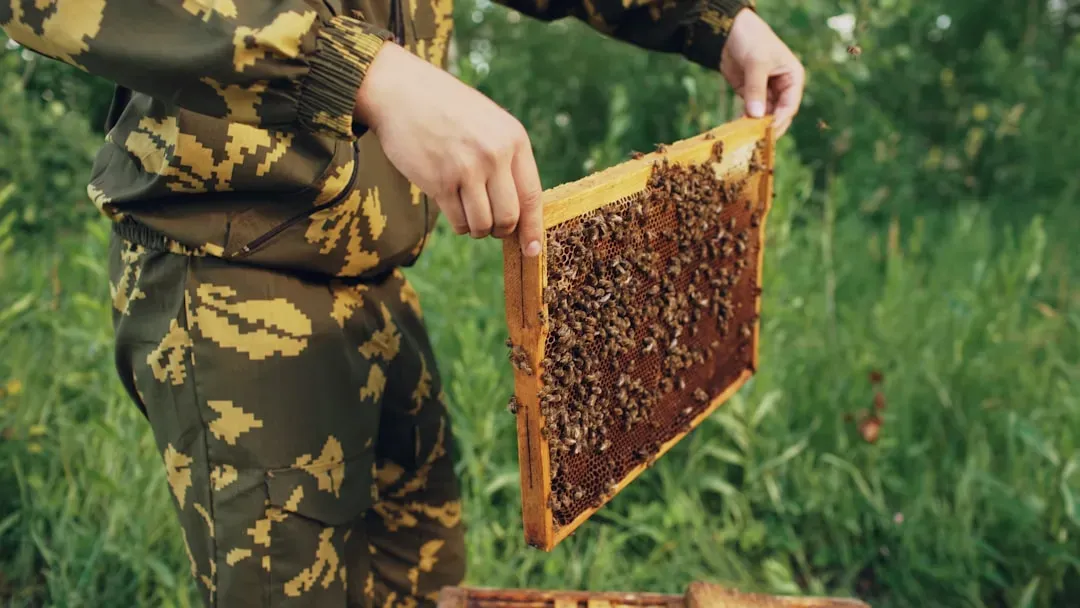
I think what makes honeybees so astonishing is not just the sheer scale of what they build, but the mathematical perfection behind it. No ruler. No compass. Just pure instinct producing something that would impress any architect or engineer.
Honeybees make their nests out of wax, which they secrete from specialized glands. Their amazing instincts guide the production of perfectly hexagonal honeycomb cells, some of which are left open to house their young, while some are closed up to store pollen and honey.
Honeybees build their nest out of hexagonal wax cells, which are efficient for maximum space with minimum material usage. The hexagon is, geometrically, the most efficient shape for tiling a flat surface with equal-sized units. Bees figured that out millions of years before humans did. The hexagon has since become one of the most studied shapes in engineering and architecture.
The remarkable strength of honeycomb has informed everything from aerospace engineering to modern architecture, while termite mound ventilation has famously inspired eco-friendly building designs. In other words, some of our most cutting-edge human innovations owe a direct debt to creatures no bigger than your thumbnail.
Bowerbirds: Building for Love, Not Just Shelter
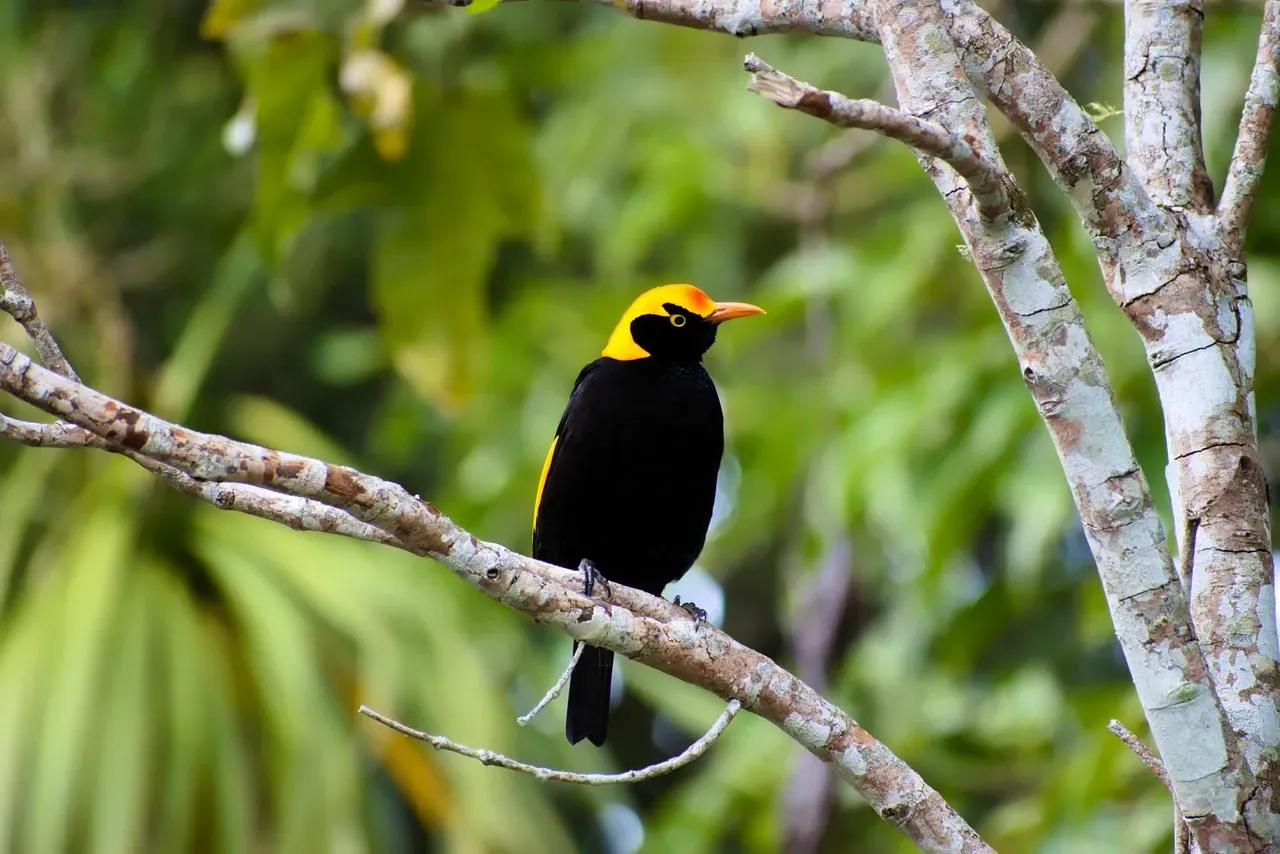
Most animals build homes to stay safe and raise offspring. The bowerbird takes a completely different approach. This Australian marvel builds not to survive, but to seduce. And honestly, it’s one of the most fascinating examples of architecture in all of nature.
The males of the 27 species of bowerbirds from Australia and Papua New Guinea make a home for only one purpose: to attract a mate. They show off their building and interior design skills by first constructing a cosy niche, or bower, from carefully placed sticks.
The bower is not a nest for raising offspring but a decorative structure designed to impress females. The males collect a variety of objects including flowers, shells, plastic, and even bits of glass or metal, and arrange them around their bower. The more elaborate the bower, the more likely the male is to attract a mate.
The precision and artistry of their construction earn them the status of one of nature’s most creative architects. Think of it as the animal equivalent of a man decorating his apartment before a date, except the bowerbird does it with a level of obsessive detail most humans couldn’t match.
Leafcutter Ants: Underground Cities with Farms Inside
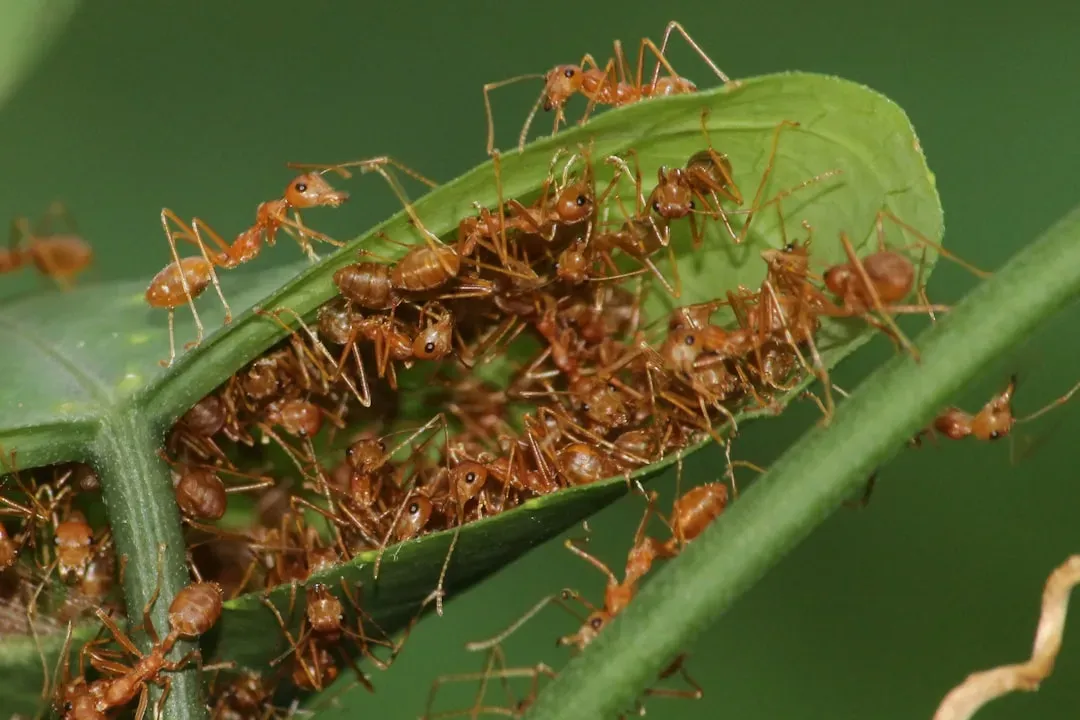
When you hear the word “farm,” ants are probably not the first thing that comes to mind. Yet leafcutter ants have been running sophisticated underground agricultural operations for millions of years, long before humans figured out how to plant a single seed.
Leaf-cutter ants are particularly fascinating because they farm fungus in their nests. These ants cut leaves from trees, bring them back to their colony, and use them to cultivate fungus, which serves as their primary food source. The structure of their nests is designed to maintain the ideal environment for growing this fungus. The ants regulate the temperature and humidity of their nests with astonishing precision, ensuring the survival of both the fungus and their colony.
Some species, like leafcutter ants, build intricate tunnel networks that include nurseries, food storage rooms, and even “garbage dumps” to manage waste. Some can house millions of ants, functioning like a well-organized city. Ventilation systems regulate airflow, preventing mold and excess heat.
Some of the largest ant colonies in the world stretch over 3,700 miles across multiple countries, a true supercolony. That number is almost impossible to wrap your head around. Scaled to human proportions, it would be like a single city stretching across multiple continents.
Caddisfly Larvae: The Underwater Portable Home Builders
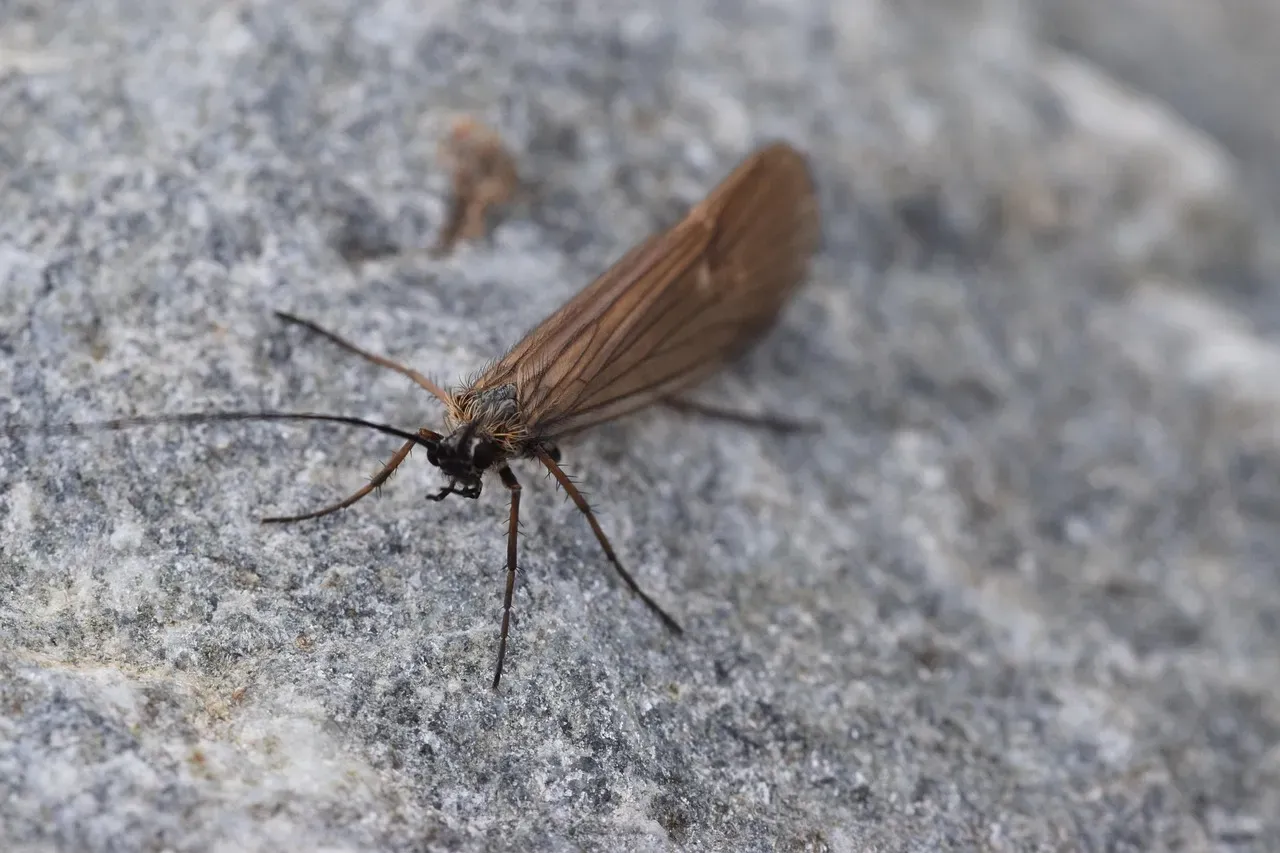
Picture this. You’re a tiny insect larva living at the bottom of a stream. Currents are trying to sweep you away. Predators are circling. What do you do? You build yourself a portable armored home out of whatever you can find on the riverbed. Welcome to the world of the caddisfly larva, and it’s nothing short of extraordinary.
An aquatic moth-like insect, caddisfly larvae are master builders of the underwater world. Using silk produced from their bodies, they bind together sand, pebbles, shells, or plant fragments to create hard tubular cases which they occupy. These portable homes provide camouflage from predators, stability against currents, and a safe refuge as they grow. Each case is a miniature fortress, astonishingly clever in its use of local materials and perfectly adapted to life in flowing waters.
Caddisfly larvae use stone pieces and also cut sections from green leaves for use in construction. The stone pieces are selected as per their size and shape from a large variety. In the case of leaf sections, these are cut and shaped to required size. The level of selectivity involved is remarkable, and it happens entirely by instinct.
When it’s time for the caddisfly to pupate, it spins a tough cocoon out of pebbles, sand, shells, and other lake and riverbed detritus. It weaves these elements together with strands of its own silk to safely grow to adulthood. It’s like carrying your house, then turning it into a chrysalis when you’re ready to transform. Nature never stops being creative.
Coral Polyps: The Tiny Builders of Earth’s Largest Living Structures
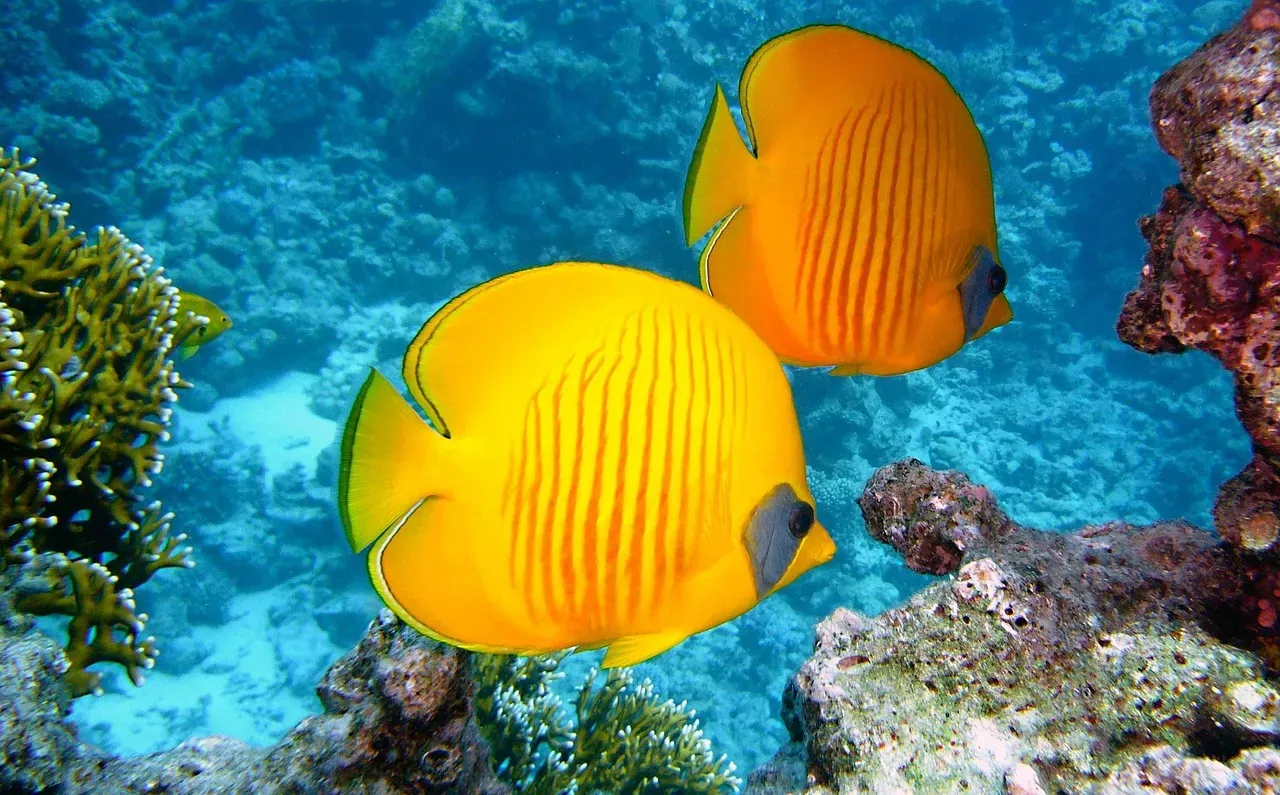
It’s hard to say for sure which animal achievement on this list is the most mind-blowing, but coral polyps might just take the prize. Here you have creatures so small you can barely see them with the naked eye, and together they have built the largest living structures on the entire planet. That’s not hyperbole. That’s just science.
Coral may look like a colorful rock or a plant, but it’s actually made of thousands of tiny animals called polyps. These minuscule creatures are the architects of the largest living structures on Earth. Over centuries, these polyps secrete calcium carbonate, forming hard, protective skeletons around themselves. Generation after generation, these skeletons build up into the vast, complex structures we know as reefs.
These reefs are like bustling underwater cities, providing homes, nurseries, and hunting grounds for thousands of species, from the tiny clownfish to the majestic shark. They also act as crucial storm barriers for our coastlines, protecting shorelines from erosion. They are so massive that they are visible from space.
The Great Barrier Reef, the largest living structure on Earth, was built by billions of tiny coral polyps working together over millions of years. Each individual polyp is working without any awareness of the grand design it contributes to. Yet the result is a structure so vast and complex that it supports entire ocean ecosystems. No human city has ever come close to that kind of collaborative achievement.
Conclusion: Nature’s Blueprint Was Written Long Before Ours

There’s something deeply moving about realizing that architecture isn’t uniquely human. Long before we drew a single floor plan or mixed our first batch of concrete, fossils suggest that animals have been acting as architects by constructing shelters and other built structures for hundreds of millions of years. Hundreds of millions. That puts our own construction history into a rather humbling perspective.
From beaver dams that control water flow to termite mounds that regulate temperature, animals have developed brilliant construction techniques that often surpass human engineering in efficiency and sustainability. As scientists continue to study these animal architects, their designs are influencing real-world technology, from self-cooling buildings inspired by termite mounds to stronger materials mimicking spider silk.
Next time you walk past an anthill, notice a spiderweb glistening in the morning dew, or spot a bird weaving its nest with impossible precision, pause for a second. You are looking at millions of years of architectural wisdom encoded into something with no formal education, no tools, and no ego. Just pure, raw ingenuity.
Which of these natural marvels surprised you the most? Tell us in the comments!
