


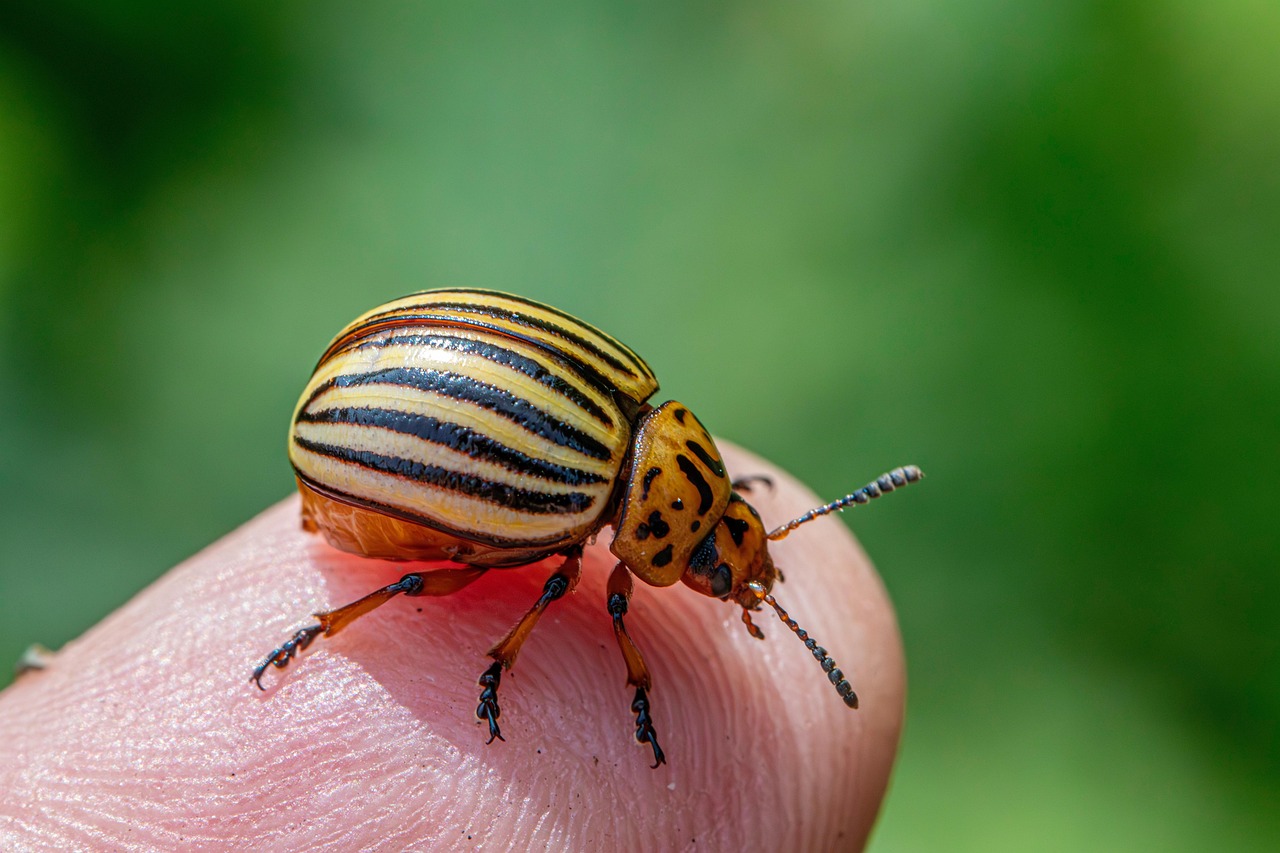
Picture this: you walk out to check on your thriving potato patch, only to find orange-striped villains feasting on your precious plants. The Colorado potato beetle might seem small, but its appetite for destruction is legendary among gardeners.
These persistent pests are a major threat throughout North America, and many pesticides are ineffective because of their remarkable resistance. What makes them truly notorious is their ability to reproduce rapidly. Each female can lay up to 500 eggs during her adult life, creating armies of hungry larvae that can strip your plants bare.
The good news? You don’t have to surrender your garden to these striped invaders. Smart gardeners have discovered proven strategies that work without relying on harsh chemicals. Let’s dive into the most effective methods to reclaim your potato patch and keep these troublemakers at bay.
Master the Art of Hand Picking and Physical Removal
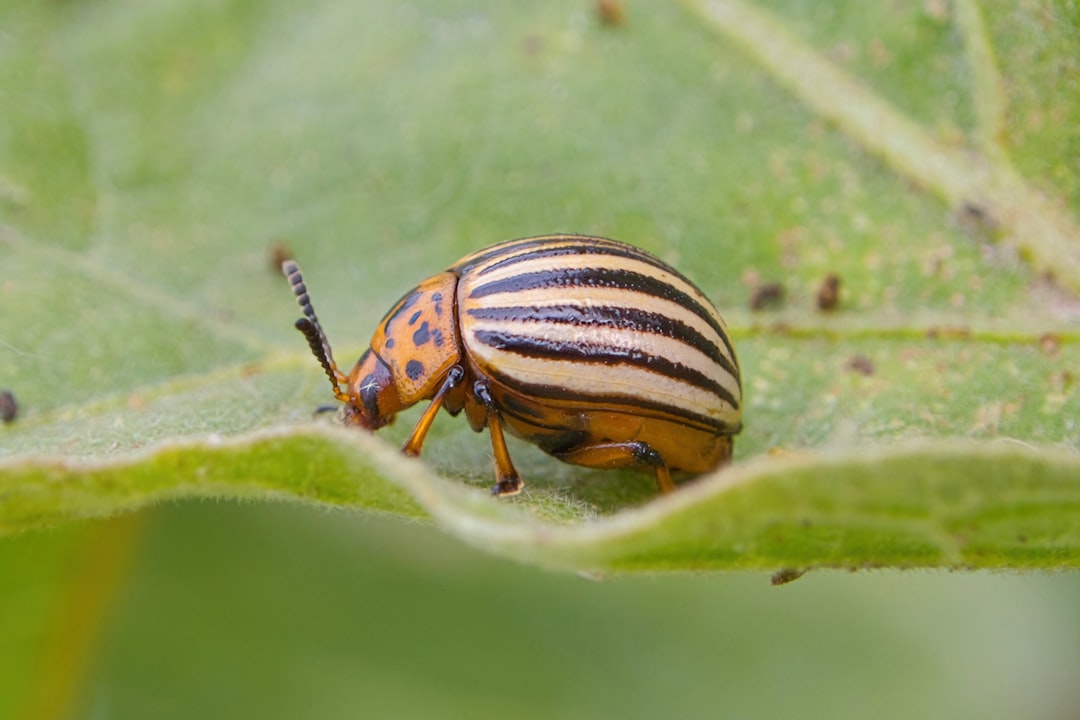
Hand picking has been used since before the development of modern pesticides and remains practical for a few insects on a few plants. Though it might sound tedious, this old-school approach works surprisingly well when done correctly.
The larvae and adults can be removed and placed in a container filled with water and a few drops of dish soap. It’s a good idea to wear gloves for this task, as the crushed eggs produce a foul odor. The key is catching them early in the morning when beetles move slowly and are easier to spot.
Deploy Companion Plants as Natural Repellents

Plants that repel Colorado potato beetles include eucalyptus, catnip, marigold, nasturtium, coriander, onion, and tansy. These botanical bodyguards work by releasing scents that confuse and deter the beetles from settling on your potatoes.
Two of the most common plants that help with potato beetles are bush beans and nasturtium, with rows of beans and potatoes creating a mutually beneficial relationship for both crops. Think of companion planting as creating a neighborhood watch system where each plant looks out for the others.
Create Physical Barriers with Row Covers
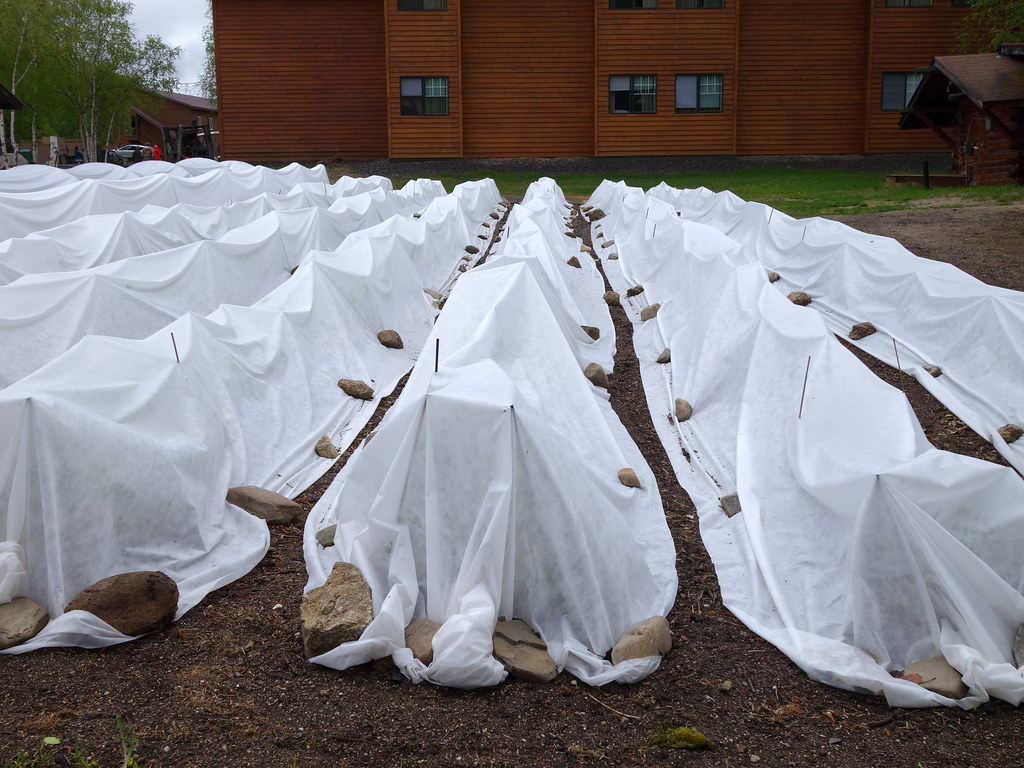
A floating row cover is a lightweight piece of white spun fabric that lies over plants like a blanket, letting sunlight, air, and water through, but preventing beetles from landing on leaves when edges are well anchored. This method works like an invisible shield around your plants.
Row cover is effective if you place it before you see any beetles, and if you are putting your plants in a different spot than last year. Remember to remove covers when temperatures and humidity increase to prevent plant diseases from taking hold.
Apply Strategic Mulching Techniques
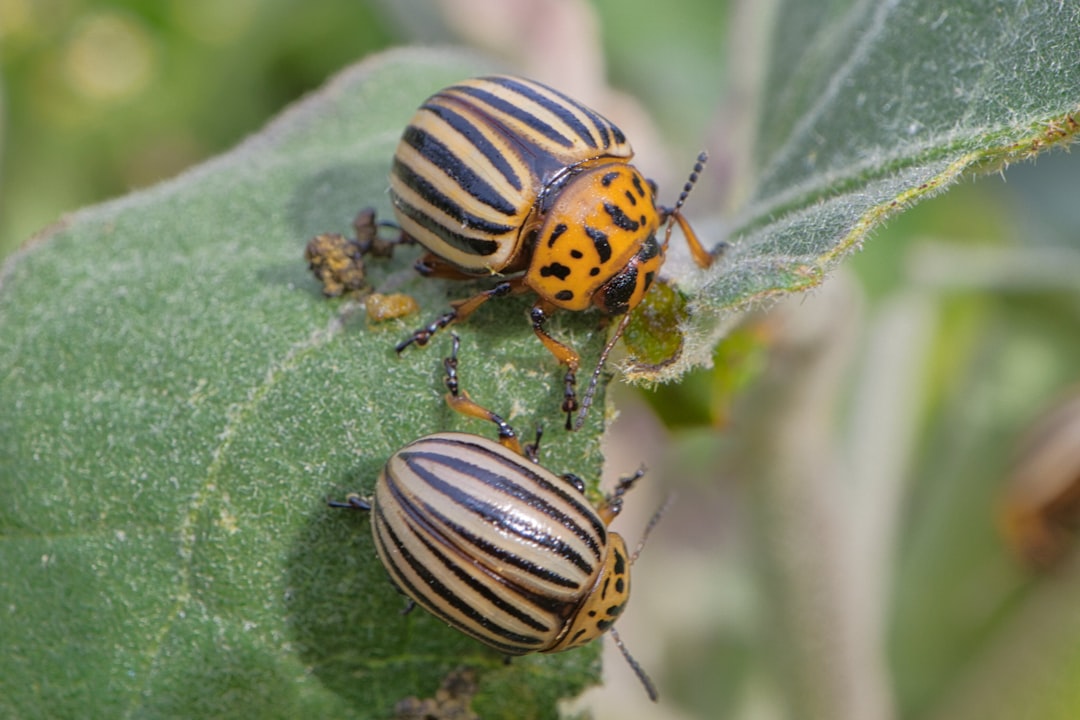
Research has shown that thick straw mulch can reduce beetle numbers and helped suppress annual weeds. A layer of mulch can make it more difficult for beetle larvae to burrow into the soil to turn into pupae and ultimately adult beetles when applied as a 4-inch-thick layer when plants are 3 to 4 inches tall.
Straw mulch has been shown to reduce populations of CPB, in part due to a higher abundance of natural enemies in mulched fields. The mulch creates a hostile environment for the beetles while providing sanctuary for beneficial insects that hunt them down.
Use Organic Sprays and Natural Pesticides

One of the best organic insecticides for potato bugs is spinosad, which works to paralyze the nervous systems of larvae as well as mature bugs, eventually crippling and killing them. Bt and neem oil can be effective but need to be used when larvae are small and before populations are high.
Bacillus thuringiensis is a soil bacteria that produces toxins impacting the digestive system in various insect larvae and can provide good control of CPB if applied early on in development. Timing is everything with these natural treatments, so act fast when you spot the first signs of trouble.
Implement Trap Crops and Diversified Planting
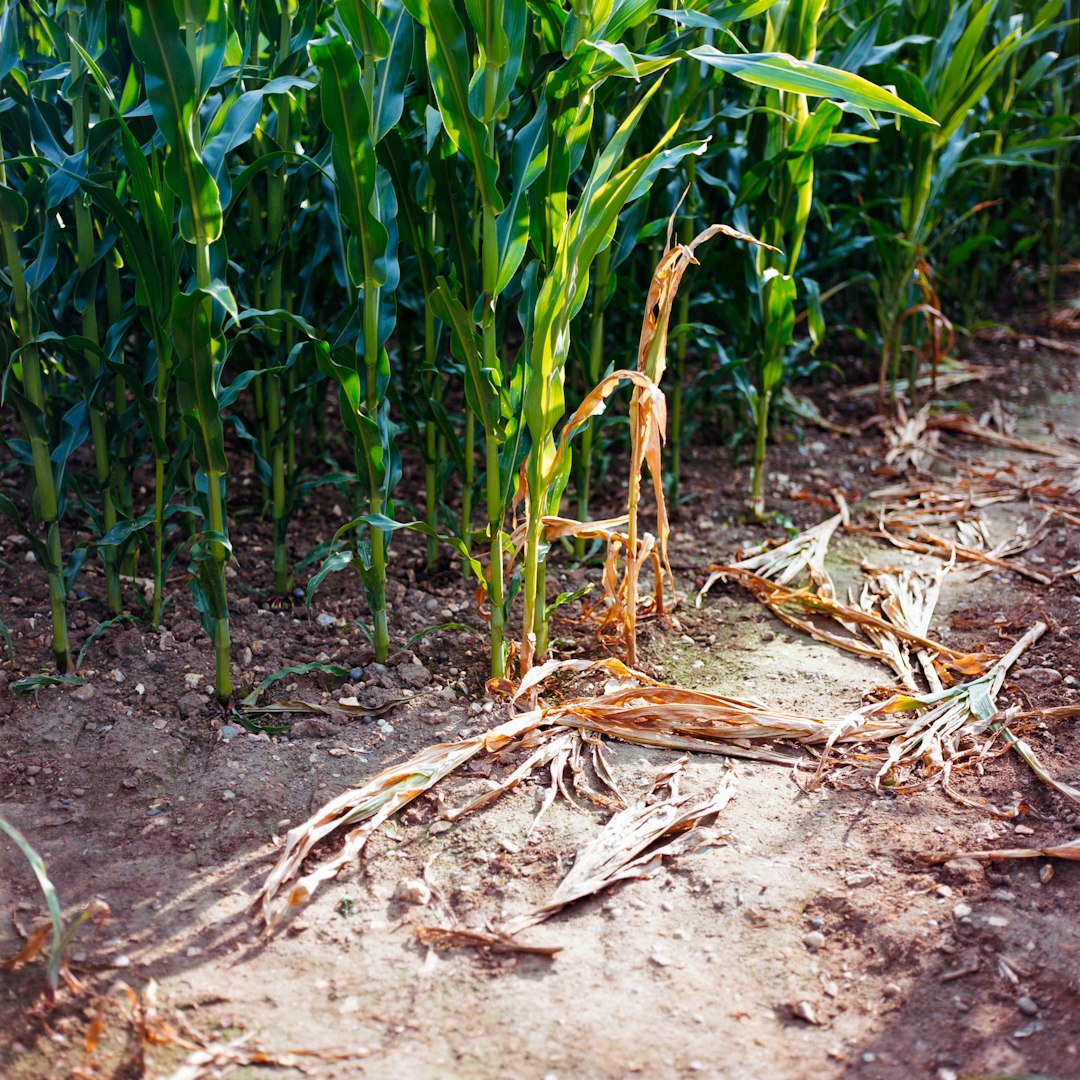
Plant a couple of extra sacrificial rows of potatoes near overwintering sites, ideally two full weeks before your main crop, then use methods like flame weeders or vacuum suction to remove the adult beetles before removing the trap crop. This clever strategy lures beetles away from your main harvest.
In polyculture systems, Colorado potato beetle problems are rarely seen, unlike huge rows of potatoes or fields where damage is common, because polyculture often thwarts pests with problems typically affecting just one plant rather than all plants. Diversity confuses these specialized feeders and makes it harder for them to establish large populations.
Conclusion
Fighting Colorado potato beetles doesn’t require an arsenal of toxic chemicals or expensive equipment. The most successful gardeners combine multiple strategies, creating layers of defense that make their potato patches uninviting to these persistent pests. Whether you choose the satisfying hands-on approach of physical removal or prefer the strategic elegance of companion planting, consistency and early action are your best allies.
These eight methods work best when used together, creating a comprehensive defense system that protects your harvest while maintaining a healthy garden ecosystem. With patience and persistence, you can outsmart these striped invaders and enjoy the potato harvest you’ve worked so hard to grow. What strategy will you try first in your battle against the beetles?

- 17 Rare Dog Breeds You Might Not Have Heard of Before - June 30, 2026
- 15 Exotic Animals People Bond With – And the Hidden Dangers They Bring - June 30, 2026
- 22 Coolest Animals Gifted with Extreme Abilities of Survival - June 30, 2026