


Nature is full of fascinating creatures, but some animals take eating to a whole new level. From insects that practice farming to birds that use tools and even a plant that preys on insects, the animal kingdom boasts some truly bizarre feeding habits. In this article, we explore nine animals with the most unusual ways of getting their meals—each with a unique survival strategy that proves nature’s ingenuity knows no bounds.
1. The Leafcutter Ant Agriculture Pioneers

Leafcutter ants are remarkable creatures known for their unique approach to food procurement and consumption. Unlike most ants that directly consume their food finds, leafcutter ants cut and carry leaf pieces back to their colonies. These leaves aren’t consumed directly. Instead, they use them as a substrate to cultivate a special type of fungus. This symbiotic relationship allows them to harvest mushrooms from the fungus, which becomes their primary food source. This agricultural practice, which predates human farming, showcases their intricate social structure and mutual dependence on the fungus.
2. The Star-Nosed Mole The Speed Eater

The star-nosed mole, found in wet lowland areas in North America, is famous for its extraordinary nose, which contains 22 fleshy appendages, or tentacles. These tentacles are covered with over 25,000-minute sensory receptors known as Eimer’s organs, making the star-nosed mole one of the most sensitive foragers. This mole uses its star-like appendages to identify and consume its prey in water at lightning speed, capable of identifying and devouring a small insect or worm in a matter of milliseconds, making it the fastest known eater in the mammal world.
3. The Honey Badger Ferocious and Fearless Feeder
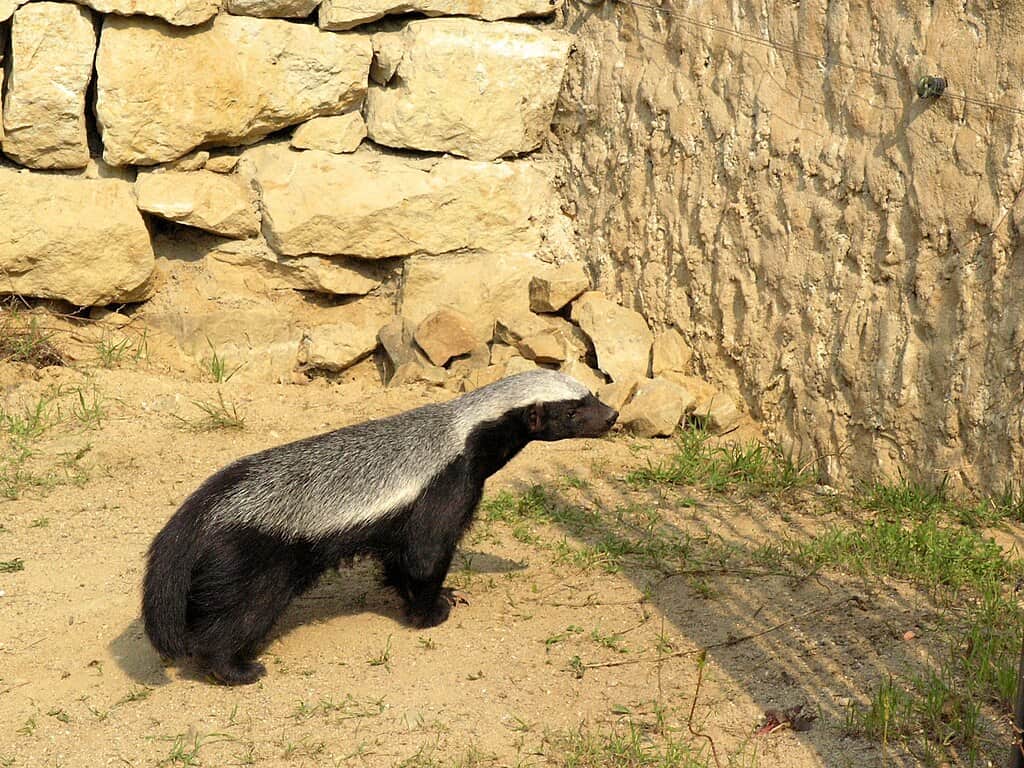
The honey badger, or ratel, has a reputation for being one of the most fearless animals. Yet, what makes its feeding habit unusual is its immunity to venom. Honey badgers have a varied diet that includes small to medium-sized animals, insects, carrion, and even poisonous snakes. They are known for attacking bee hives to consume honey, hence their name, and can withstand multiple bee stings. Their resistance to snake venom allows them to feast on some of the most dangerous snakes, including cobras, making them one of the top fearless predators.
4. The Boa Constrictor Predator with a Squeeze
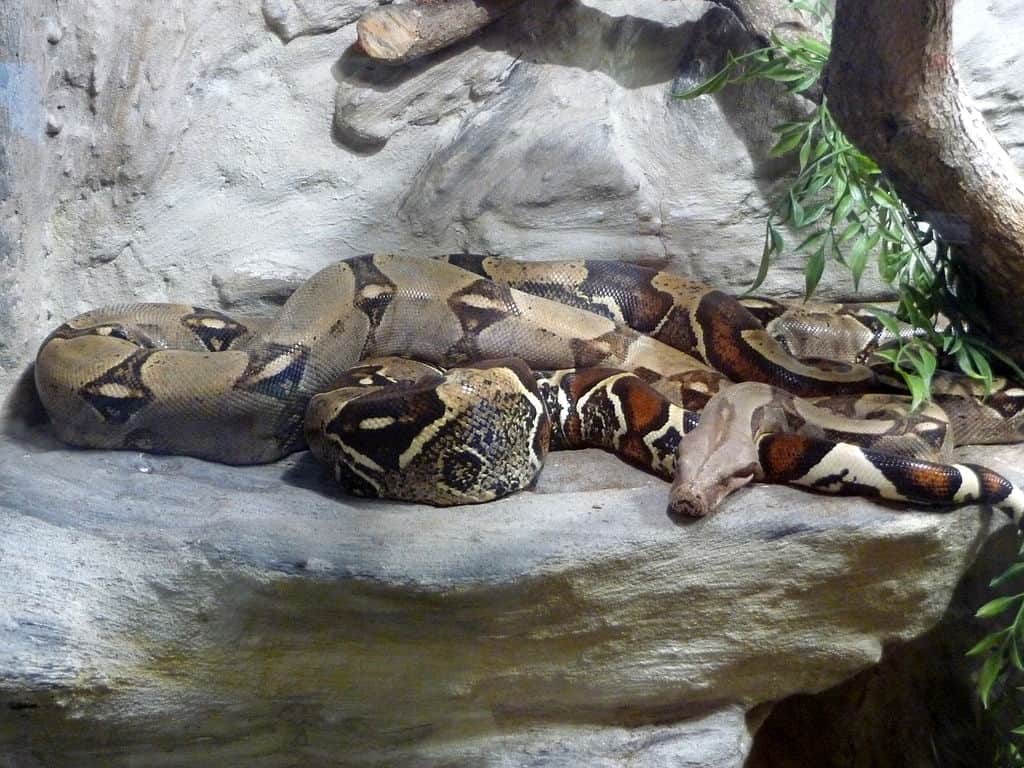
The boa constrictor exhibits a feeding habit where patience and strength are key. This non-venomous snake uses its powerful muscles to suffocate its prey by coiling around it and applying increasing pressure, effectively cutting off blood flow and air. After ensuring its prey is subdued, the boa constrictor slowly ingests it whole. This method allows the snake to eat prey much larger than its head and body diameter, showcasing its ability to consume a diverse range of animals including birds, monkeys, and wild pigs.
5. The Flamingo Filter Feeder Extraordinaire

Flamingos are unique in their feeding practice due to specialized beaks specifically adapted for filter feeding. These birds consume algae and small crustaceans from mudflats and lagoons. Their feeding involves stirring up sediment with their webbed feet and then using their beaks upside down in the water to filter out food from the silt and mud. Their beaks have comb-like structures called lamellae that enable this filtration process. Additionally, the type of food they eat gives flamingos their distinctive pink color, as their diet is rich in carotenoid pigments.
6. The Egyptian Vulture Tool-Using Nutrition Seeker
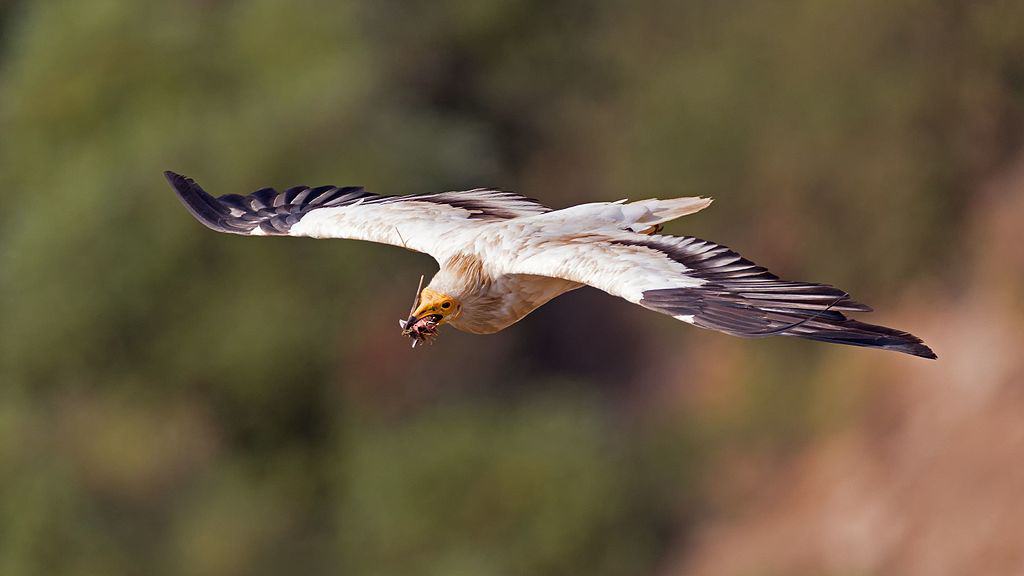
Egyptian vultures display a fascinating use of tools to access food. These birds are known for feeding on a wide range of animal remains, but their diet notably includes eggs, such as those of ostriches. When confronted with the tough shells, they pick up rocks with their beaks and throw them at the eggs to crack them open, thereby gaining access to the nutrient-rich contents inside. This intelligent use of tools highlights their problem-solving skills and adaptability in securing nourishment.
7. The Cookiecutter Shark Subtle Predator
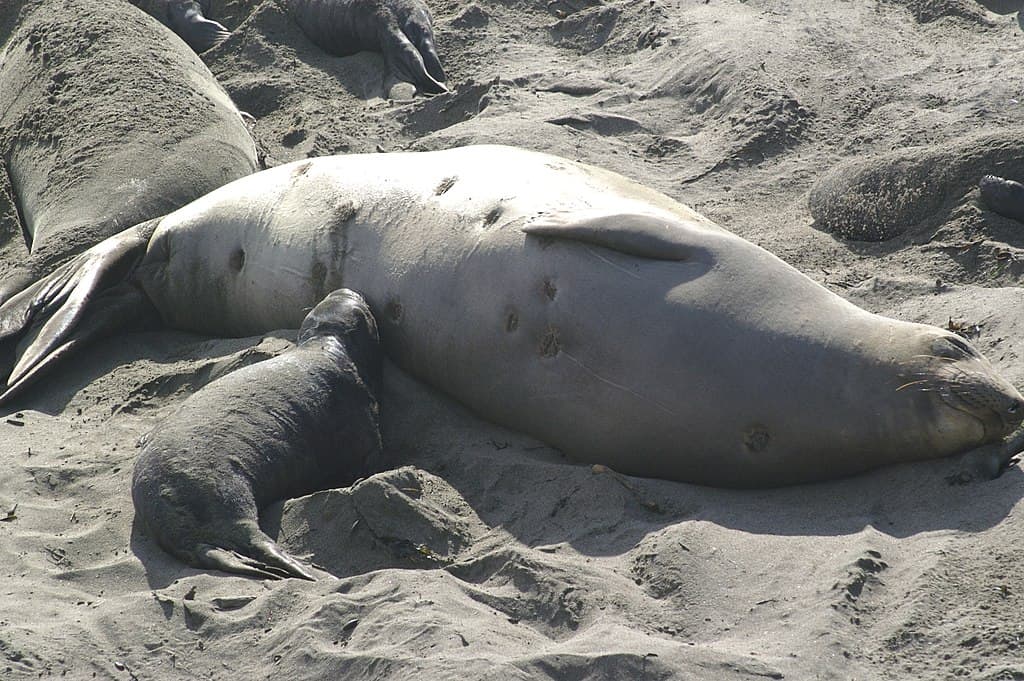
The cookiecutter shark is a small species with a peculiar way of feeding that leaves a big impression, quite literally. This shark attaches itself to larger animals with its suctorial lips and uses its knife-like teeth to gouge out a neat circular plug of flesh, leaving crater-like wounds. Its unusual feeding style targets large fish and marine mammals, including dolphins and even whales. This method of parasitic feeding allows the cookiecutter shark to thrive, using its victims as living resources.
8. The Hoatzin The Fermenting Fowl
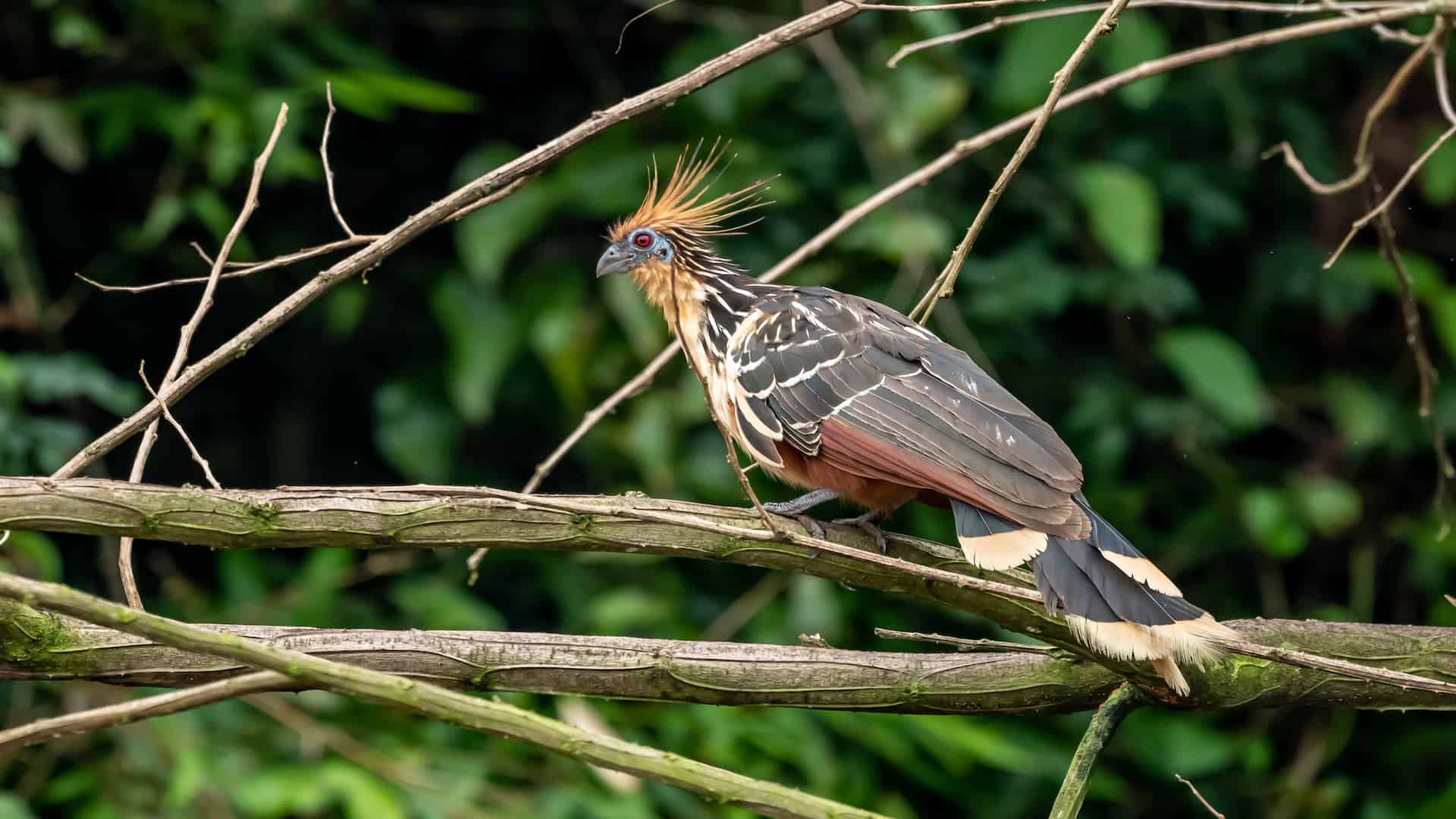
The hoatzin, nicknamed the “stinkbird,” is a tropical bird found in the swamps and mangroves of the Amazon and Orinoco basins. What sets the hoatzin apart is its digestive system, which is more similar to that of a ruminant herbivore than a bird. The hoatzin’s diet is primarily leaves and vegetation, which it ferments via bacterial activity inside a large crop. This fermentation process is akin to what occurs in cattle stomachs, allowing the hoatzin to extract maximum nutrition from its leafy diet but also giving the bird its distinctive manure-like odor.
9. The Venus Flytrap Carnivorous Plant
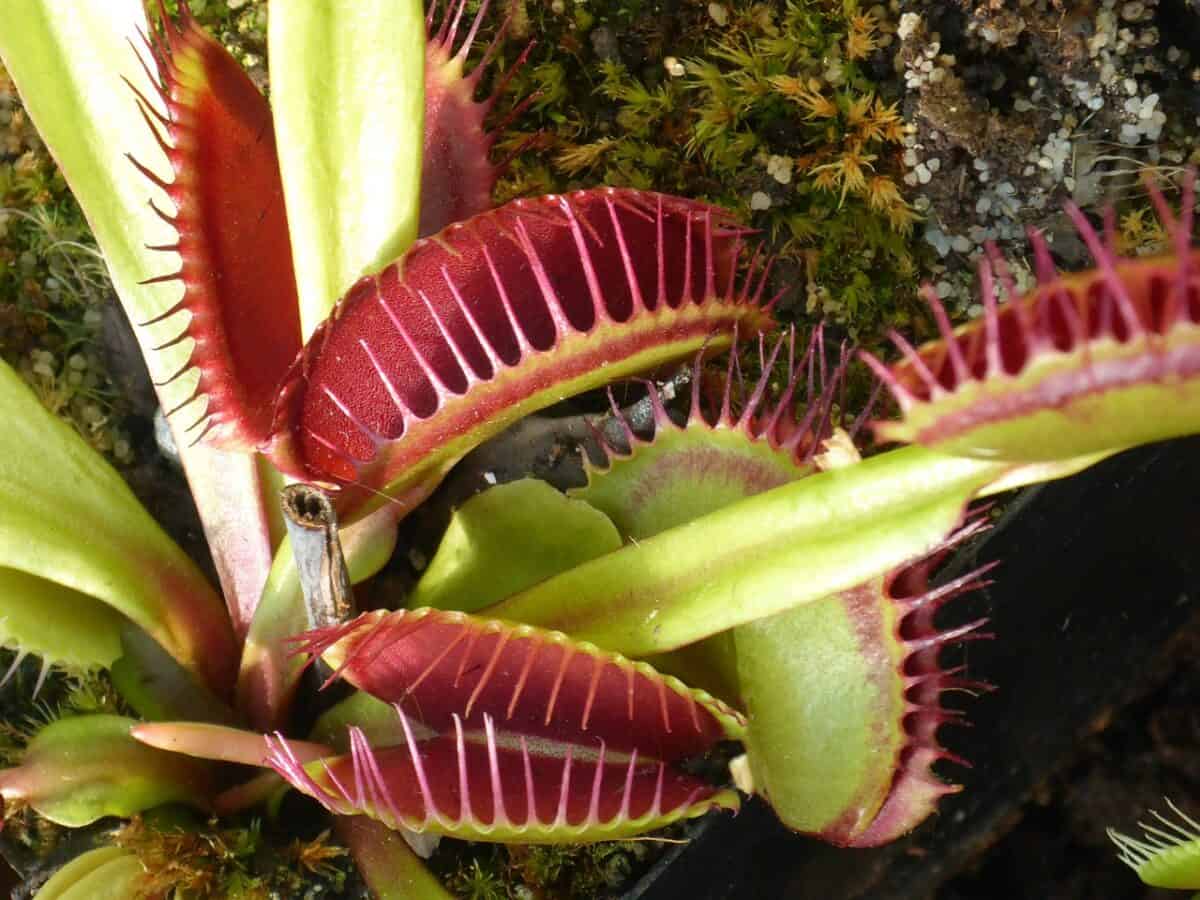
While not an animal, the Venus flytrap represents an intersection between flora and fauna when it comes to unusual feeding habits. This predatory plant is fascinating for its ability to trap and digest small insects. It uses specialized leaves as traps that snap shut when their sensitive hairs are triggered by unsuspecting prey. This carnivorous diet allows the Venus flytrap to thrive in nutrient-poor soils where it might otherwise struggle for essential nitrogen. Its adaptation to drawing nutrients from both sunlight and animal prey exemplifies nature’s resourcefulness.

As a little kid, I fell in love with nature, wildlife, and animals. Living in the USA, South Africa, Italy, China and Germany gave me the opportunity to discover the world's Wildlife. My favorite animals are Mountain Gorillas, Siberian Tigers, and Great White Sharks.
I'm a certified PADI Open Water Diver, went to Everest Base Camp and Trekked Gorillas in Uganda. I hold a Master of Science in Economics and Finance.
Please send any feedback to feedback@animalsaroundtheglobe.com
- Why the Great Barrier Reef Is the Best Place to Spot Sea Turtles - June 3, 2026
- 2 Animals With Super Sized Body Parts and What They are For - June 3, 2026
- Explore The Azores - June 3, 2026