
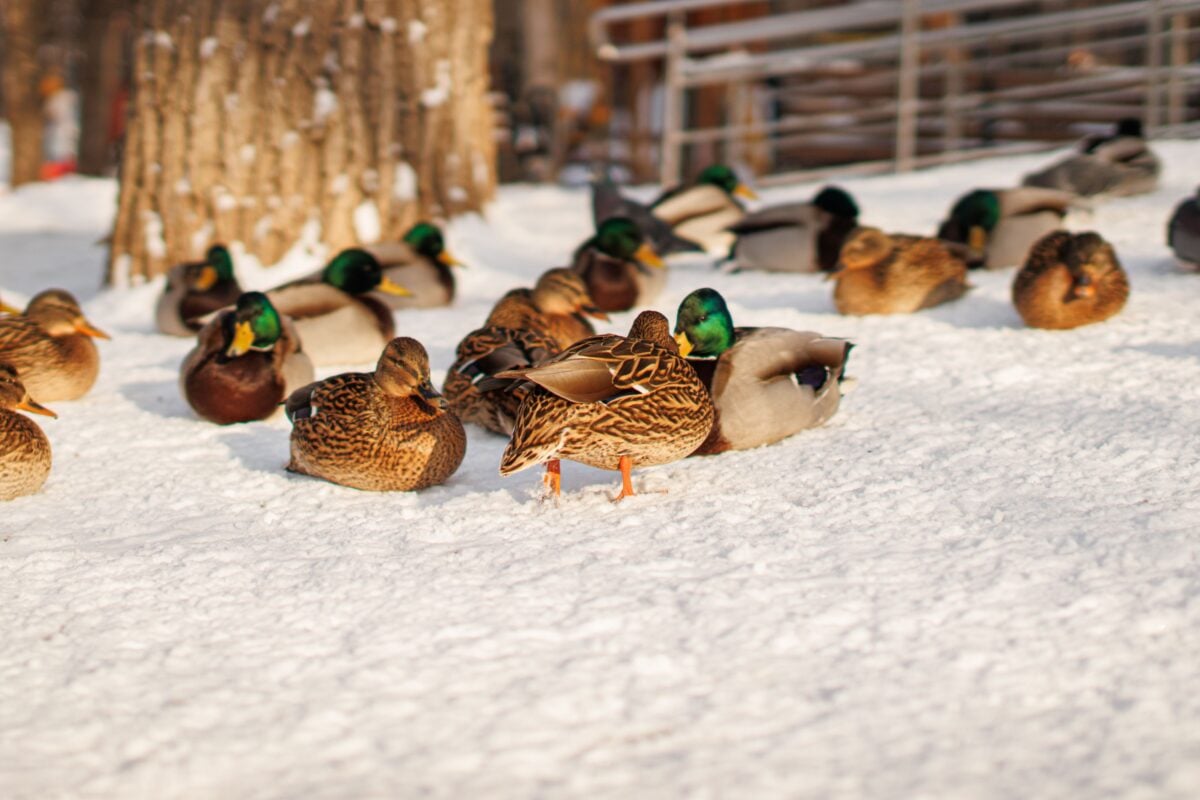
Most of us picture winter birds as little puffballs that fluff up, tough it out, and hope for the best. The truth is far stranger. When the temperature plunges, chickadees, kinglets, and their neighbors rewrite their daily schedules, their social lives, and even their body temperature.
These changes are not random. They are tightly tuned survival tactics, and some of them look like science fiction when you see them up close. Below are eight shifts that happen right outside your window, counted down from the one you may have noticed to the one that is almost impossible to believe.
8. They Launch Foraging Missions Before the Day Is Really Awake
🔥 Would you like to save this?
We'll email this post to you, so you can come back to it later!
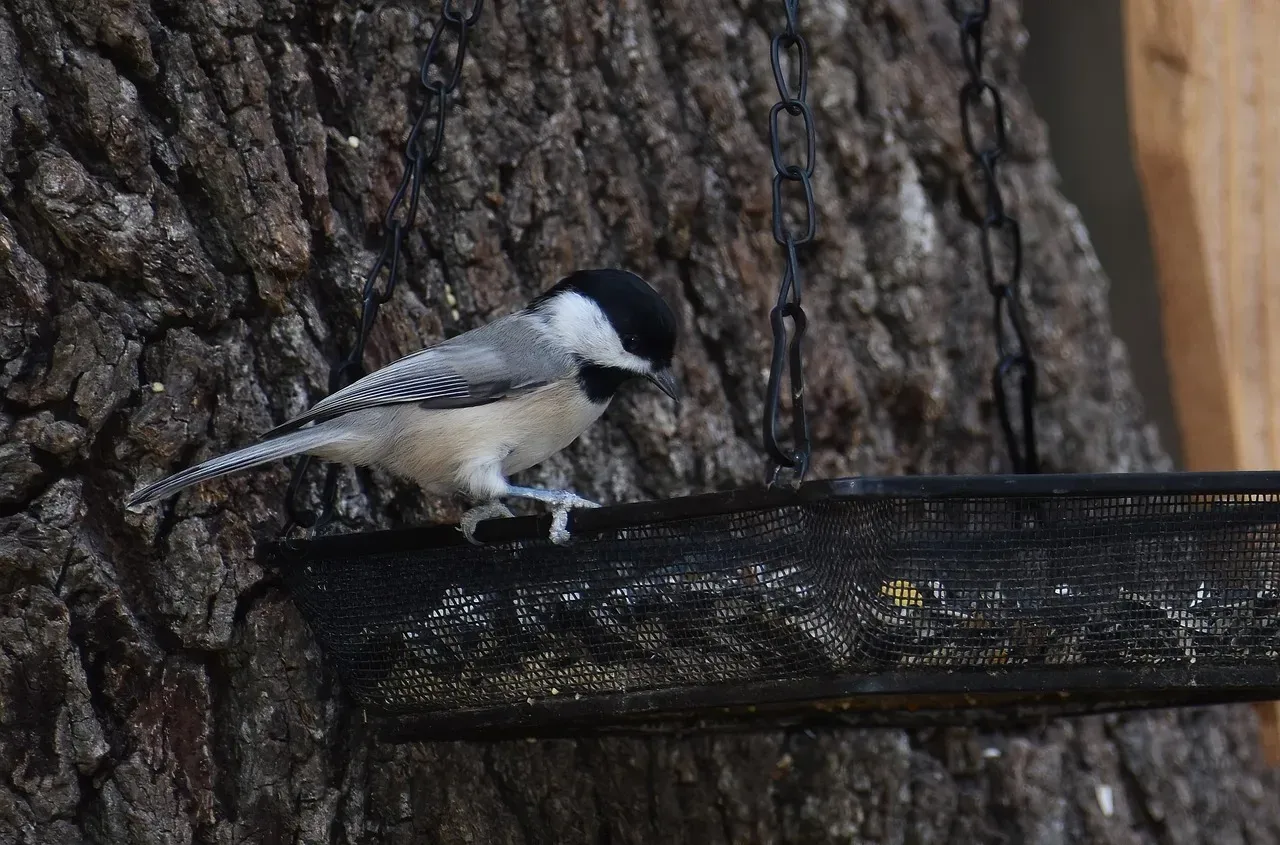
Next time a bitter morning leaves your feeder looking empty, check again at first light. The smallest birds are often already there, working in dim gray light while larger, slower animals are still asleep. On the coldest days, chickadees and tits do not wait for the sun to warm anything up.
The reason is simple and a little scary. A small songbird can burn through a serious chunk of its body fat overnight, in extreme cases up to around 10% of its body mass. It wakes up running on fumes, and the day ahead is short.
That makes the first hour of light the most valuable stretch of the day. Birds go straight for the richest food they can find, such as oily seeds, suet, and any insects tucked into bark crevices. They are rebuilding their fuel tank before the next cold night arrives, and the first meal sets the pace for everything after it.
- Low and quick: they check accessible spots first, like low branches, bark, and the ground under feeders.
- Safety in numbers: birds feeding in groups spend less time scanning for danger, which frees up more time to eat.
- High-fat priority: calories that pack the most punch come before anything else.
Winter feeding can be intense. Chickadees may visit a feeder hundreds of times in a single day, grabbing one seed and darting off again. That frantic rhythm is not nervousness. It is a bird racing a clock that the cold keeps speeding up.
And that is only the opening move. The next habit turns feeding into a full-blown banking operation.
7. They Run Secret Food Banks Across the Landscape
🔥 Would you like to save this?
We'll email this post to you, so you can come back to it later!
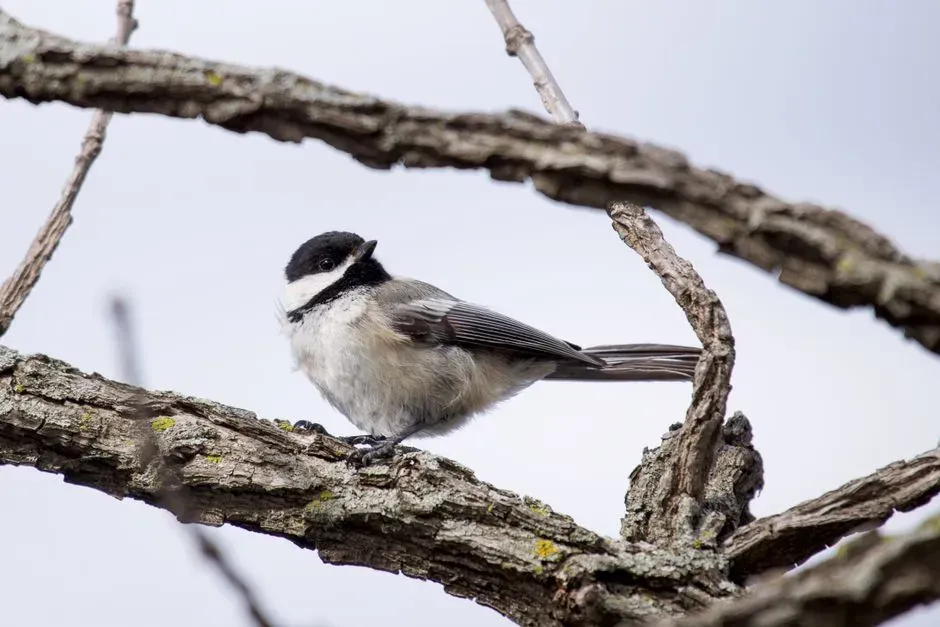
Here is the part that feels unfair to the rest of us: a chickadee can hide thousands of seeds in a day and remember where many of them are. Not in one big stash, but scattered in countless tiny hiding places. Under bark flakes, in clusters of pine needles, in cracks, and under shingles.
This habit ramps up when natural food freezes over or disappears under snow. A cached seed becomes a bank account the bird can draw on when the weather turns brutal and the feeder runs empty. Birds that hide food near rich sources, such as your feeder, can turn a few lucky hours into days of security.
The memory behind it is remarkable. Chickadees are known for growing the memory-related region of their brain, the hippocampus, as fall arrives. The timing is no coincidence. Their brains seem to upgrade right when their lives depend on remembering where everything is.
- Spread the risk: hiding food in many places means one thief cannot clean out the whole stash.
- Stay close: most caches sit near the food source, which saves precious energy on travel.
- Not just chickadees: titmice, nuthatches, and jays all stash food for lean times.
Fast Facts
- A black-capped chickadee weighs only about 0.4 ounce, yet it keeps a mental map of its hiding spots.
- Each seed is typically tucked into its own separate spot rather than piled together.
- The brain’s memory center swells in fall, right before the lean months begin.
- Birds cache the most in autumn, so winter pantries are already stocked before the first deep freeze.
Over a whole winter, one chickadee may hide tens of thousands of seeds. It is not hoarding out of greed. It is insurance, built one seed at a time.
Of course, food is only half the equation. Eating well means nothing if the heat leaks out of a tiny body, which brings us to feathers.
6. They Turn Their Feathers Into a Living Down Jacket
🔥 Would you like to save this?
We'll email this post to you, so you can come back to it later!
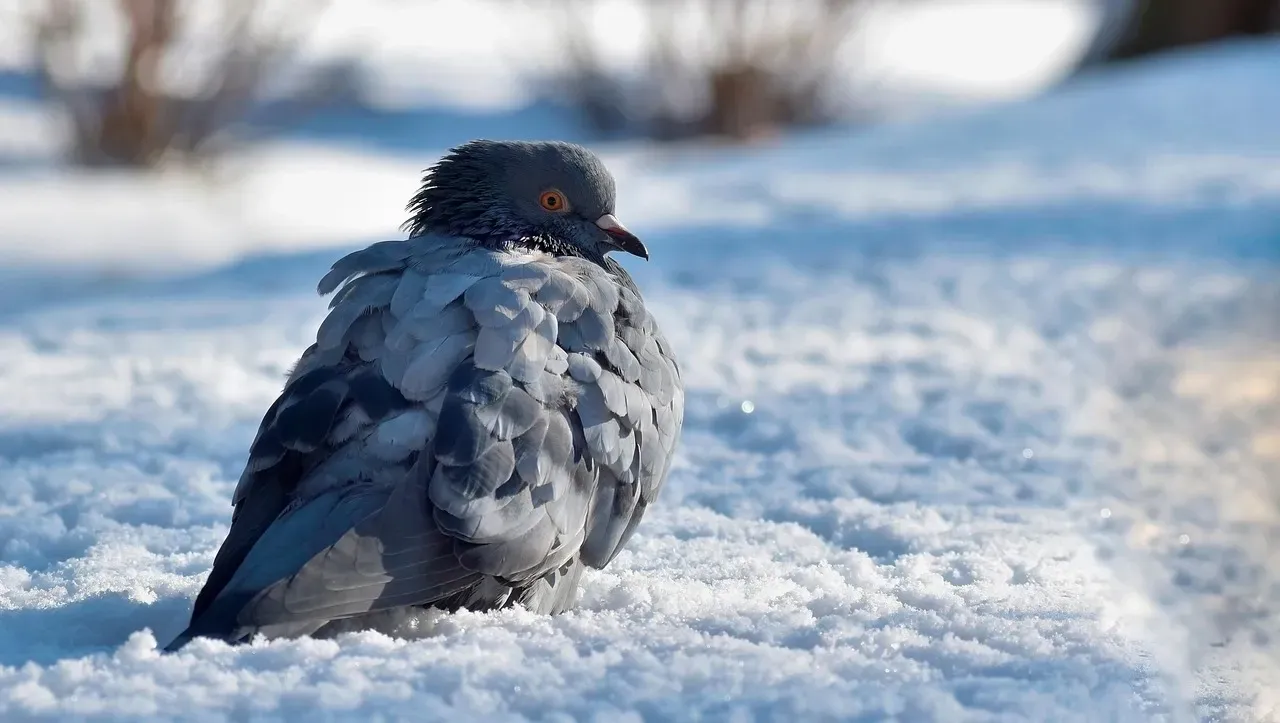
Fluffing looks cute, but it is a serious, sustained posture change. Birds grow denser winter plumage, then hold their feathers out to trap a thick layer of still air against the skin. Air trapped that way is one of nature’s best insulators, which is exactly why a puffed-up bird looks round as a ball.
A chickadee weighs less than half an ounce. That is a tiny body with a huge surface area compared to its mass, which means heat escapes fast. Fluffing shrinks that problem by adding a cushion of warmth around the whole bird, especially around the belly and chest.
Birds also work hard to maintain the jacket. Preening spreads oil from a gland near the tail across the feathers, which helps keep them in order and shed moisture. Matted, wet, or dirty feathers collapse the air pockets and the insulation fails, so grooming is not vanity. It is maintenance on essential equipment.
- Posture matters: birds often tuck the bill into back feathers to protect the face and warm the air they breathe.
- Sun helps: many birds face the morning sun with feathers lifted to soak up every bit of warmth.
- Feet go missing: they settle down over their feet or lift one leg into the belly feathers.
Next time you see a perfectly round bird on a frozen branch, you are looking at a living down parka at work. The bird is not just sitting there. It is actively managing every pocket of warm air.
5. They Team Up in Mixed-Species Winter Crews
🔥 Would you like to save this?
We'll email this post to you, so you can come back to it later!
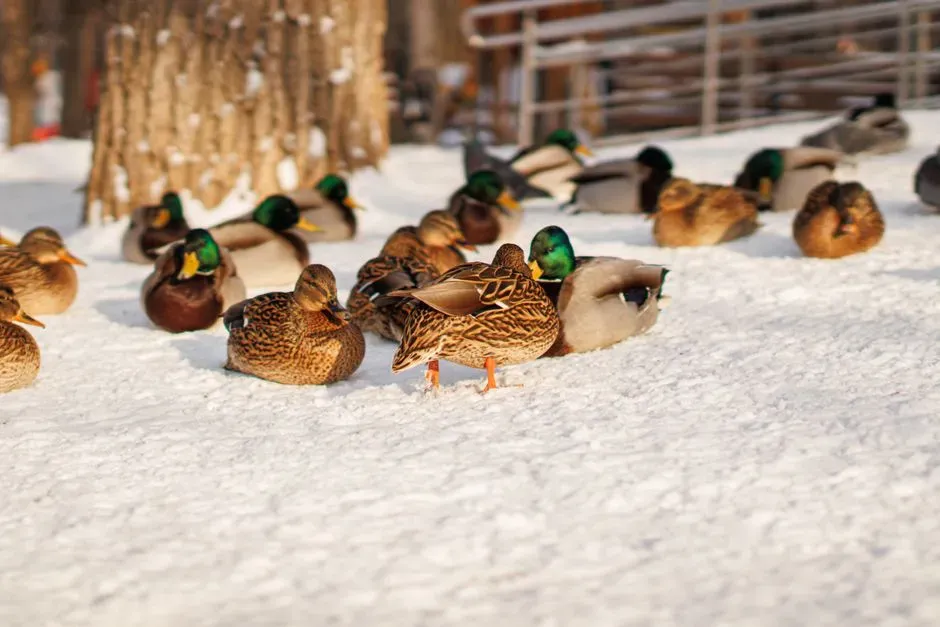
Walk through a quiet winter woodland and it can seem empty for long stretches. Then a chattering wave rolls through: chickadees, titmice, nuthatches, kinglets, and a woodpecker or two, all moving together. It looks like a social club, but it is closer to a survival cooperative.
Chickadees often act as the group’s lookouts and leaders. Their calls carry real information, and the famous chick-a-dee call can shift in structure depending on how serious a threat looks. When one bird spots a hawk, the rest get the message almost instantly, whatever species they are.
Group life also pays off at the dinner table. With more eyes searching, a food patch gets found sooner, and birds can exploit it before snow or ice seals it off. Every bird in the group spends a little less time looking over its shoulder, which means a little more time eating.
- More eyes, less worry: watching for predators is shared across the whole crew.
- Faster discoveries: one bird finding a good spot helps everyone nearby.
- Different skills: nuthatches work down trunks, woodpeckers drill, and chickadees check the twigs, so they cover more ground together.

Glass Hummingbird Feeder for Outdoors Hanging
Check Price on AmazonAs an Amazon Associate, we earn from qualifying purchases.
10/7/2026 1:21 pm GMTi

PetSafe Oasys Pet Fountain, 1/2 Gallon (64 oz), Small Dogs & Cats
Check Price on AmazonAs an Amazon Associate, we earn from qualifying purchases.
10/8/2026 8:14 am GMTi

Smart Bird Feeder with Camera Solar Powered, 2K HD Live Video, 10,000+ Bird Species AI Identification
Check Price on AmazonAs an Amazon Associate, we earn from qualifying purchases.
10/7/2026 1:22 pm GMTi

2 Pcs Halloween Pet Hat Bandana Set, Witch Pumpkin Costumes for Dogs
Check Price on AmazonAs an Amazon Associate, we earn from qualifying purchases.
10/9/2026 2:45 pm GMTi

Air Purifiers for Home Pets Large Room Up to 3000 Ft²,HEPA Air Cleaner with Washable Double-Side Filter, PM2.5 Air Quality Monitor,15dB Sleep Mode for Bedroom Odor Dust Pollen,White
Check Price on AmazonAs an Amazon Associate, we earn from qualifying purchases.
10/8/2026 8:23 am GMTi
Quick Compare
- Chickadees: sentries and twig-pickers, quick to sound the alarm.
- Nuthatches: climb headfirst down trunks, finding what upward climbers miss.
- Woodpeckers: pry and drill into bark, opening hidden insect pantries.
- Kinglets: tiny hunters that flit through evergreen needles for insects.
These crews tend to break up as spring approaches and birds scatter to claim territories. In deep winter, though, cooperation beats competition, and rivals become teammates.
But even the best team needs a safe place to sleep, and that is where the evening routine changes.
4. They Clock Out Early and Hunt for the Perfect Bedroom
🔥 Would you like to save this?
We'll email this post to you, so you can come back to it later!
As evening settles in during a deep freeze, birds head for shelter earlier than you might expect. Exposed branches become dangerous when the wind picks up, since every breath of moving air strips away body heat. The goal is to get out of the wind and save as much of that day’s fuel as possible.
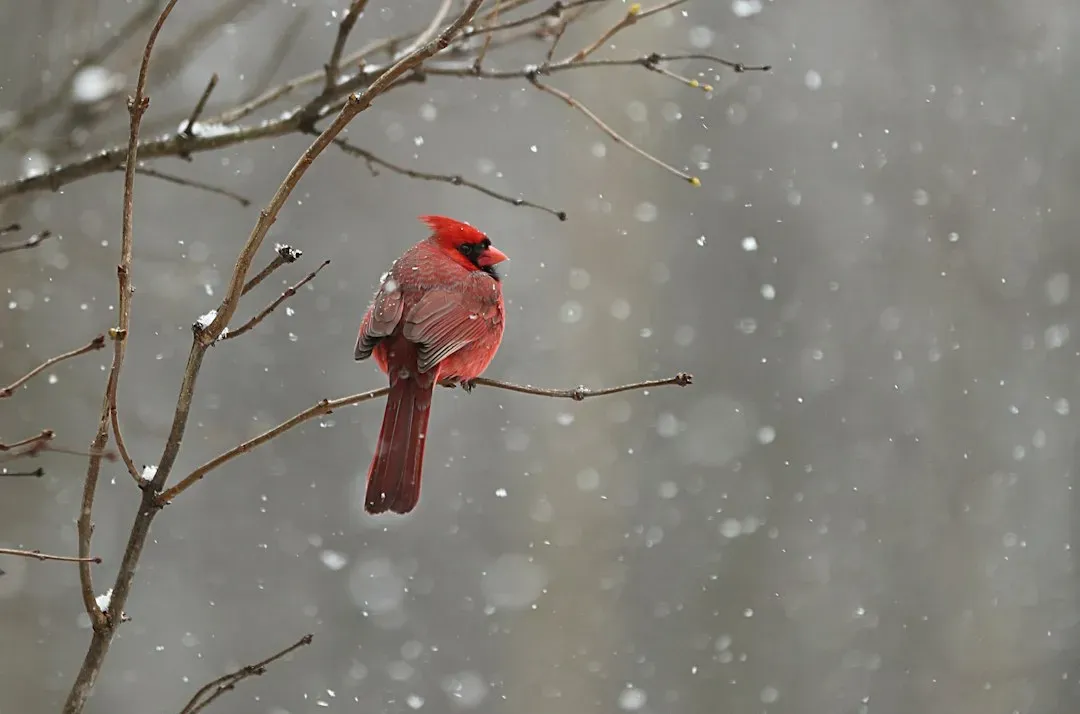
Chickadees tuck into tree cavities, often alone, and woodpeckers may carve out snug roost holes of their own. Cardinals, sparrows, and other songbirds often bunker down in dense evergreens where thick needles block wind and falling snow. A good roost can make a dramatic difference in how many calories a bird burns overnight.
Then there is the ruffed grouse, which takes bedroom hunting to another level. In deep powdery snow, it may plunge in and dig a snow burrow. Snow is full of trapped air, so a snow cave can be much milder inside than the frozen air outside.
- Cavities: blocked from wind and often dry, they are prime real estate.
- Dense conifers: thick branches shield birds from wind, snow, and some predators.
- Snow burrows: grouse use the insulating power of snow itself.
Heading to bed early may look like a bird calling it day, but it is a calculated move. Every minute spent out in the open costs energy the bird cannot afford.
And when one bedroom is not warm enough, some birds decide to share.
3. They Pile In Together and Share Body Heat
🔥 Would you like to save this?
We'll email this post to you, so you can come back to it later!
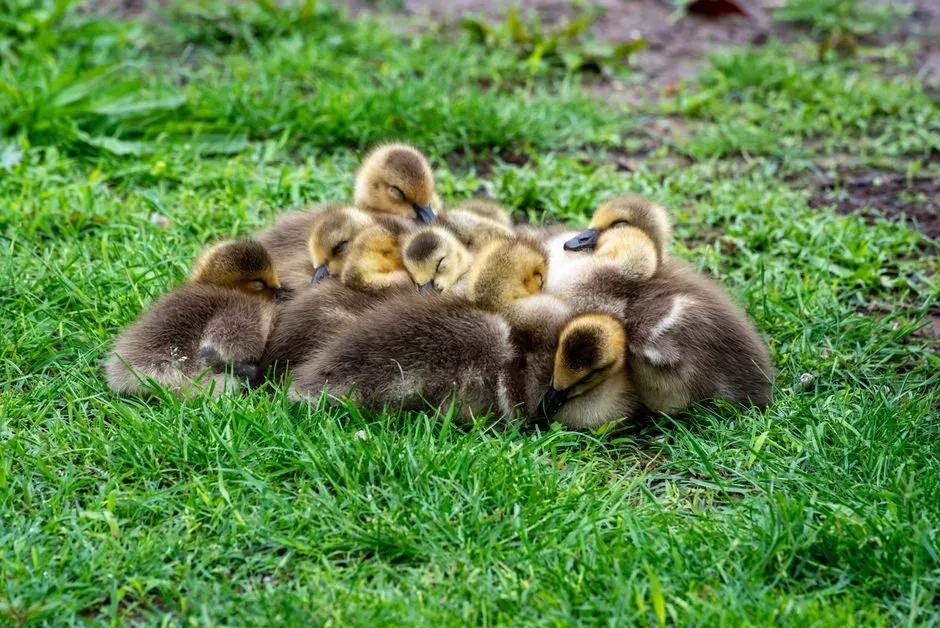
This is where winter gets sweet. On the most brutal nights, many small birds stop roosting alone and press together in tight clusters. Golden-crowned kinglets, bluebirds, winter wrens, and pygmy nuthatches are all known to huddle for warmth.
Pygmy nuthatches are the champions. Dozens of them may squeeze into a single cavity, layered together like feathered sardines. By pressing against each other, they reduce the surface area exposed to the cold, and each bird loses less heat than it would alone.
The trick works because small bodies lose warmth quickly. A lone kinglet on a frozen branch is in a dire spot, but a kinglet packed into a tight group can ride out a much colder night. The huddle turns many tiny heaters into one slightly bigger one.
- Tight packing: birds press close so less of each body touches cold air.
- Bills and feet tucked: the most exposed body parts are hidden in the feathers.
- Big-group roosts: crows gather in large communal roosts, which may also help them share information about food.
It also comes with a lesson in trust. Sleeping in a heap of feathers means putting your life in the hands of your neighbors. , that is not sentiment. That is survival.
Still, even a warm huddle cannot solve every problem. For the toughest nights, birds have a trick that sounds almost impossible.

Professional 7 in 1 Dog Paw Cleaner for Dogs & Cats - Includes 1 Portable Paw Washer, 1 Bath Brush
Check Price on AmazonAs an Amazon Associate, we earn from qualifying purchases.
10/7/2026 1:26 pm GMTi

Orthopedic Extra Large Dog Bed, Waterproof Washable XL Pet Bed 44"
Check Price on AmazonAs an Amazon Associate, we earn from qualifying purchases.
10/7/2026 1:32 pm GMTi

Portable Dog Water Bottle Foldable Dog Travel Water Bottle
Check Price on AmazonAs an Amazon Associate, we earn from qualifying purchases.
10/7/2026 1:29 pm GMTi

Earth Rated XL Dog & Puppy Pee Pads, Discreet Top, Max Absorbency
Check Price on AmazonAs an Amazon Associate, we earn from qualifying purchases.
10/7/2026 1:28 pm GMTi

Halloween Cat Costume Cloak Witch Hat Pet Accessories
Check Price on AmazonAs an Amazon Associate, we earn from qualifying purchases.
10/9/2026 2:44 pm GMTi
2. They Deliberately Let Their Body Temperature Drop
🔥 Would you like to save this?
We'll email this post to you, so you can come back to it later!
This one surprises almost everyone. Many tiny birds do not try to stay at full body temperature through a freezing night. Instead, they let it fall on purpose, entering a controlled state of lowered body temperature called regulated hypothermia.
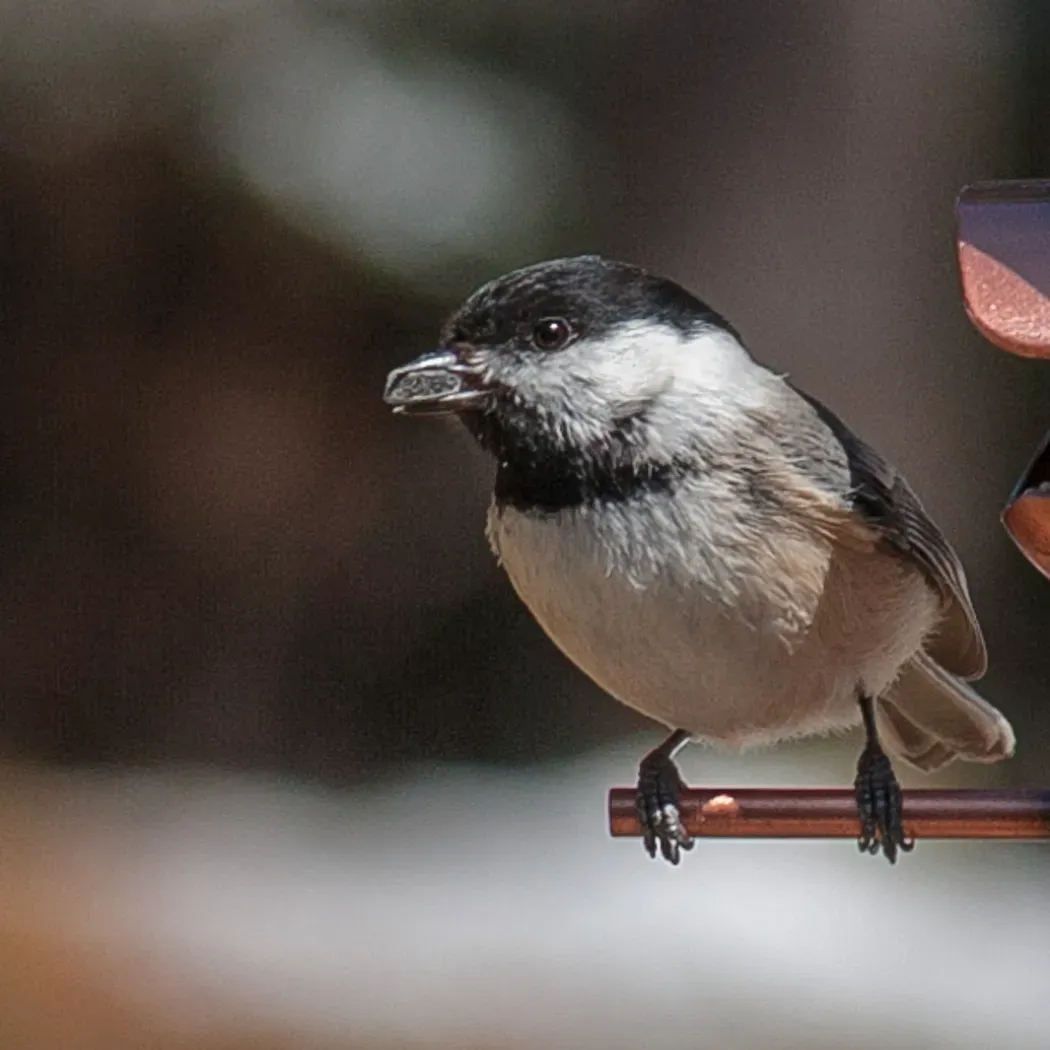
A chickadee normally runs hot, around 108°F in daytime. At night , it can allow its temperature to sink by a dozen or more degrees. Dropping the thermostat that way can save roughly a quarter of the energy it would otherwise burn, which could be the difference between making it to morning and running out of fuel.
It is a risky trade. A bird in this state is a bit sluggish, but it is not fully shut down like a hibernating animal. It can still respond to danger if it has to, and in the morning it warms up again through shivering and by getting back to the feeder.
- Triggered by cold: birds use it when nights are long and food is scarce, not as a routine habit in mild weather.
- Fuel saver: a lower temperature means less energy is needed to keep the body warm.
- Morning rewarming: shivering and sunlight help restore normal temperature at dawn.
At a Glance
- Daytime body temperature: about 108°F for a chickadee.
- Night setting: a controlled dip, not a collapse.
- Still alert: unlike true hibernators, these birds can react to danger.
- Best known in: small songbirds, including chickadees, that cannot carry much fat.
For a creature that weighs less than a handful of coins, this is a high-wire act. The bird is gambling a little safety to save a lot of energy, and evolution has made it a gamble that tends to pay off.
But the final habit might be the most elegant one of all, and it is hiding in the legs.

Halloween Dog Collar with Bow, Orange Cute Ghost Collar,
Check Price on AmazonAs an Amazon Associate, we earn from qualifying purchases.
10/9/2026 2:43 pm GMTi

Glass Hummingbird Feeder for Outdoors Hanging, 16 oz Leak-Proof Nectar Feeder with Bee Guards & Ant Moat
Check Price on AmazonAs an Amazon Associate, we earn from qualifying purchases.
10/7/2026 1:22 pm GMTi

Hand Blown Glass Hummingbird Feeders for Outdoors Hanging, 24oz Wild Bird Nectar Feeder
Check Price on AmazonAs an Amazon Associate, we earn from qualifying purchases.
10/7/2026 1:23 pm GMTi

Dog Stairs for Bed 18" H, 4-Step Dog Steps for High Bed
Check Price on AmazonAs an Amazon Associate, we earn from qualifying purchases.
10/9/2026 2:42 pm GMTi
1. They Run a Built-In Heat Exchanger Through Their Legs
🔥 Would you like to save this?
We'll email this post to you, so you can come back to it later!
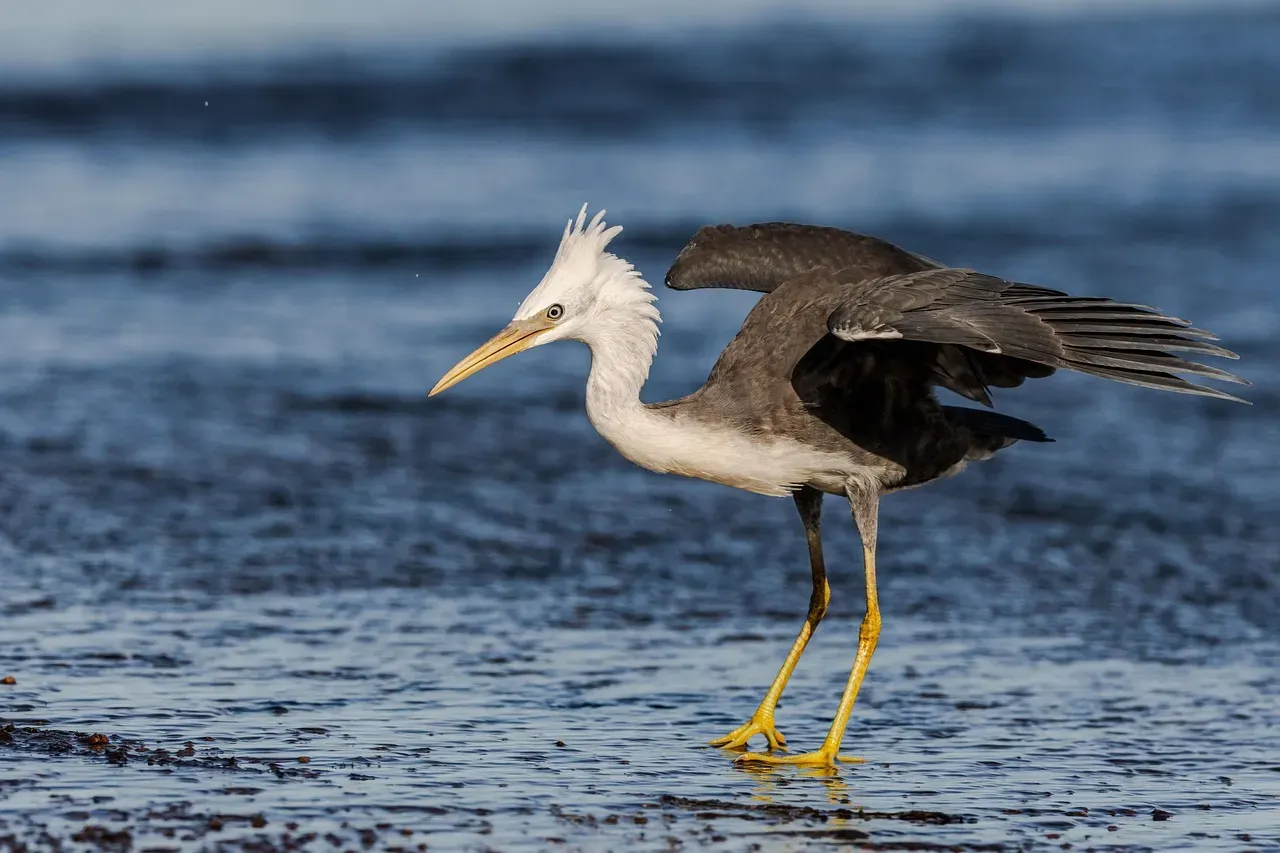
Have you ever wondered why a duck or gull can stand on ice without any trouble? Or why a chickadee can grip a frozen twig in the dead of winter? The answer is a piece of biological plumbing called countercurrent heat exchange.
In a bird’s legs, warm blood heading down toward the feet runs right alongside cold blood returning up toward the body. Heat passes from the warm vessels to the cool ones before it ever reaches the feet. The feet stay cool, just above the point of freezing damage, while the heat is returned to the body where it belongs.
Legs and feet help with the trick in other ways, too. They are mostly bone, tendon, and scaly skin, with very little muscle that could be damaged by cold. Birds also tuck a foot up into their belly feathers or crouch over their feet, so the exposed parts get the same warm cover as the rest of the body.
- Heat recycled: warm blood gives up its heat before it reaches the cold feet.
- Less to lose: cool feet radiate far less heat than warm ones would.
- Extra tricks: standing on one leg and sitting on the feet cut heat loss even further.
It is quiet, invisible engineering, and it works so well that birds can stand calmly on frozen ground while the rest of us hurry indoors. Without it, even the best feathers in the world would not be enough.
Here is my honest take: we give birds too little credit. We tend to treat winter feeding as a sweet little hobby, when what these birds are really doing is pulling off a daily survival act that would collapse if any piece failed. The early starts, the hidden seeds, the huddles, and the drop in body temperature all have to work together, every single day.
So keep that feeder full, and think twice before calling the little round bird on your fence lazy. It is probably running one of the most efficient survival systems on the planet. Which of these habits surprised you most, or have you spotted something similar in your own backyard? Share what you have seen in the comments.

- 9 Animals That Truly Hibernate – and Why Bears Are a Special Case - November 9, 2026
- 5 Ways Urban Green Spaces Are Becoming Sanctuaries for Diverse Wildlife - November 9, 2026
- 19 Signs a Vet Reads That Say a Cat Is Thoroughly Settled - November 9, 2026