
Colorado is breathtaking. There is genuinely no debate about that. Towering peaks, crystal-clear alpine lakes, vast stretches of forest that seem to go on forever. It is the kind of place that makes you want to lace up your boots and disappear into the wild for a few days. But here’s the thing – you are not alone out there.
The of Colorado is alive. Very much alive. The state’s diverse ecosystems support incredible wildlife, and several species pose serious risks to humans through venomous bites, aggressive behavior, or sheer size and power. Some of these animals you will probably never see. Others, honestly, might find you before you find them. Let’s dive in.
1. Mountain Lion: The Ghost of the Rockies
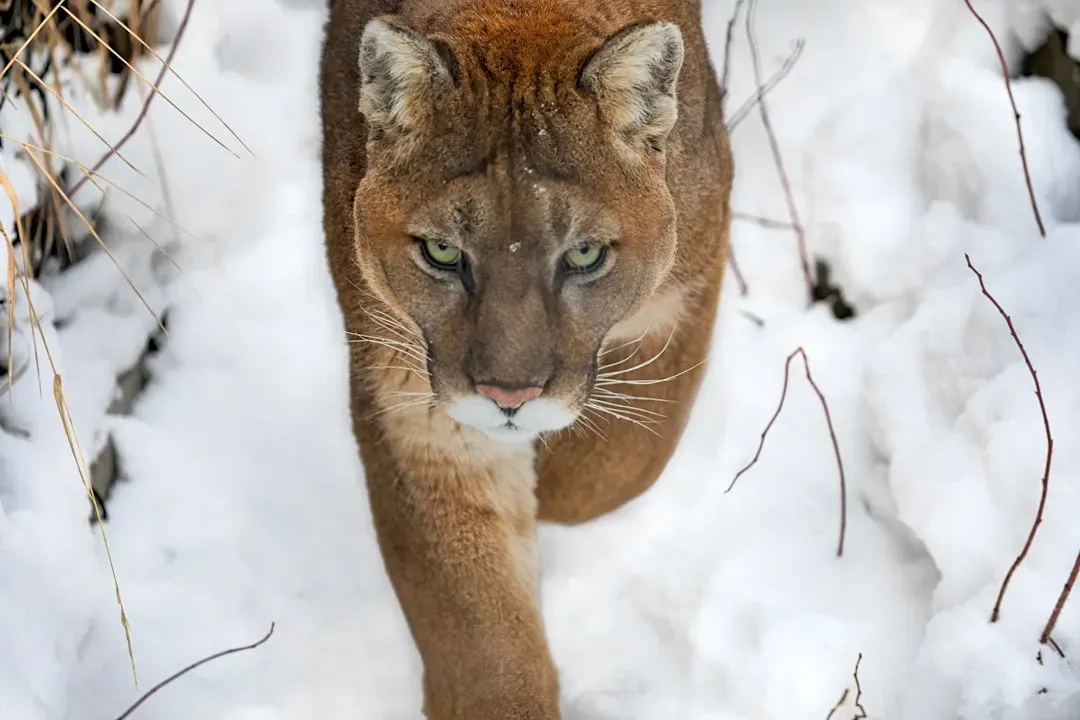
If there is one animal that keeps wildlife rangers up at night, it is the mountain lion. Stealthy, powerful, and almost eerily silent, these cats are the apex predators of . Fast, stealthy, and camouflaged, these massive predators can grow up to 8 feet long and weigh over 150 pounds, equipped with menacing claws and sharp teeth, making them Colorado’s most notorious wildcat.
Wildlife experts at Colorado Parks and Wildlife estimate there are 3,800 to 4,400 mountain lions in Colorado, and they live mostly in foothills, canyons, and mesa country, moving to lower elevations in winter as they follow deer and elk. That means they are not just deep in the backcountry. They are close.
In November 2025, a man running on the Crosier Mountain Trail northeast of Estes Park came across a mountain lion that would not leave until he threw rocks and swung a tree branch at it. Then on November 30, a man and a woman hiking near the same trail’s summit found themselves facing one mountain lion ahead of them and another behind them. They yelled and threw rocks, and the cougars got the message.
On January 1, a 46-year-old woman who was an avid hiker and trail runner was killed in a mountain lion attack on the same trail – marking the first fatal mountain lion attack in Colorado since 1999. If you encounter one, do not run. Make yourself large, make noise, and fight back if attacked.
2. Black Bear: Deceptively Dangerous
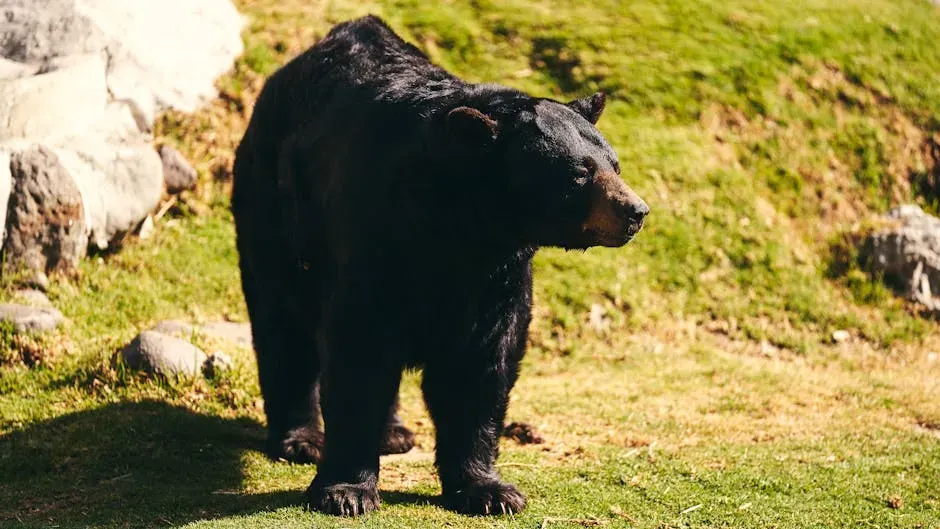
Most people picture black bears as cuddly, bumbling creatures rummaging through campsites. Let’s be real – that image is dangerously misleading. With a robust population of up to 20,000 animals roaming , black bears are found in virtually every forested area, from mountain zones to riverside cottonwoods in otherwise treeless regions.
Colorado Parks and Wildlife received 5,259 reports of black bear sightings and conflicts in 2025, up from 4,996 in 2024. Most reports involve bears trying to access human food sources, but on rare occasions, bear attacks do happen.
Though typically avoiding human contact, bears become particularly dangerous during hyperphagia – their intense feeding period before hibernation. Conflicts most commonly occur in shrub habitats along the Front Range and near Durango, especially when bears discover human food sources, and unsecured garbage accounts for nearly one-third of all human-bear conflicts in Colorado.
Colorado law requires bear-resistant containers in many wilderness areas. Store food, toiletries, and scented items in approved containers or hang them at least 12 feet high and 4 feet from tree trunks. Think of it as the price of admission to the wilderness.
3. Moose: The Most Underestimated Threat
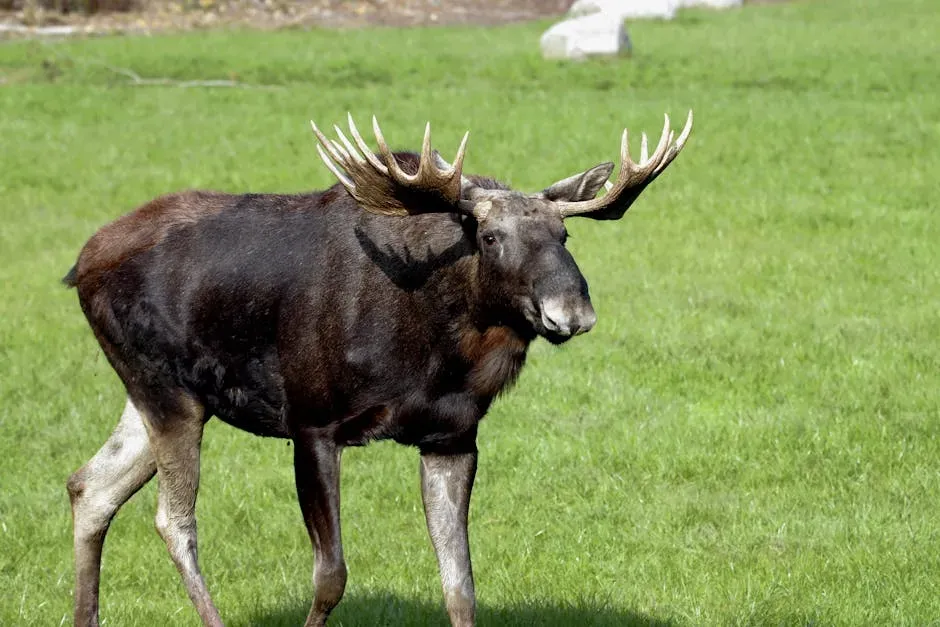
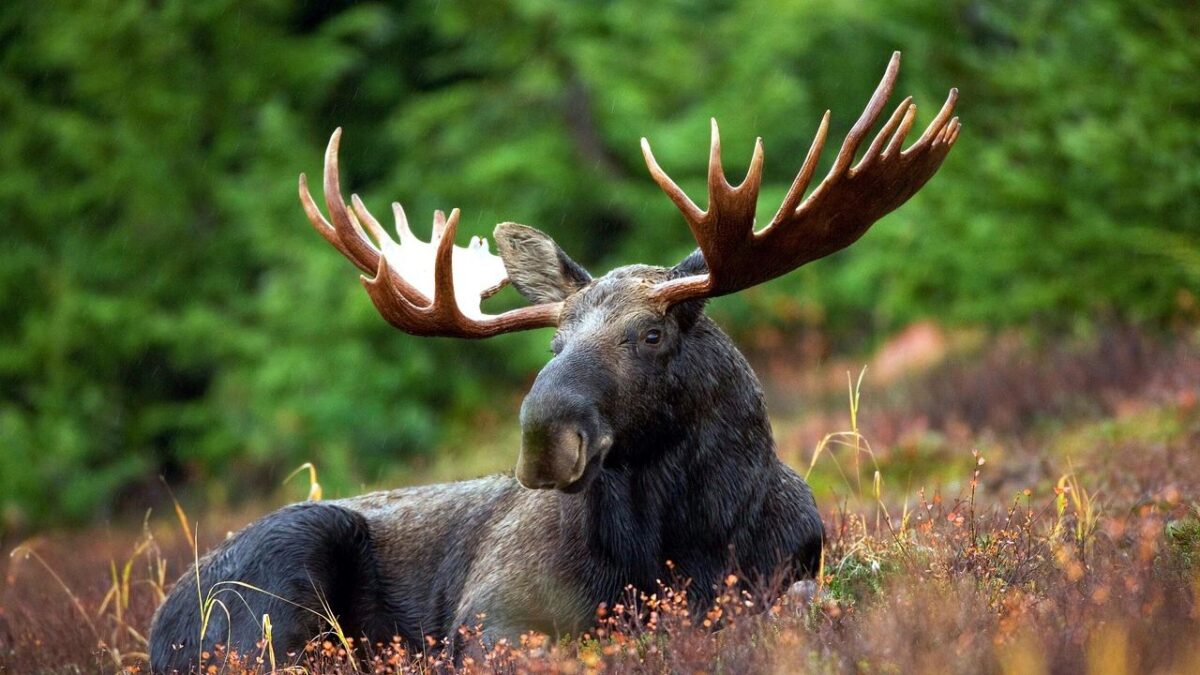
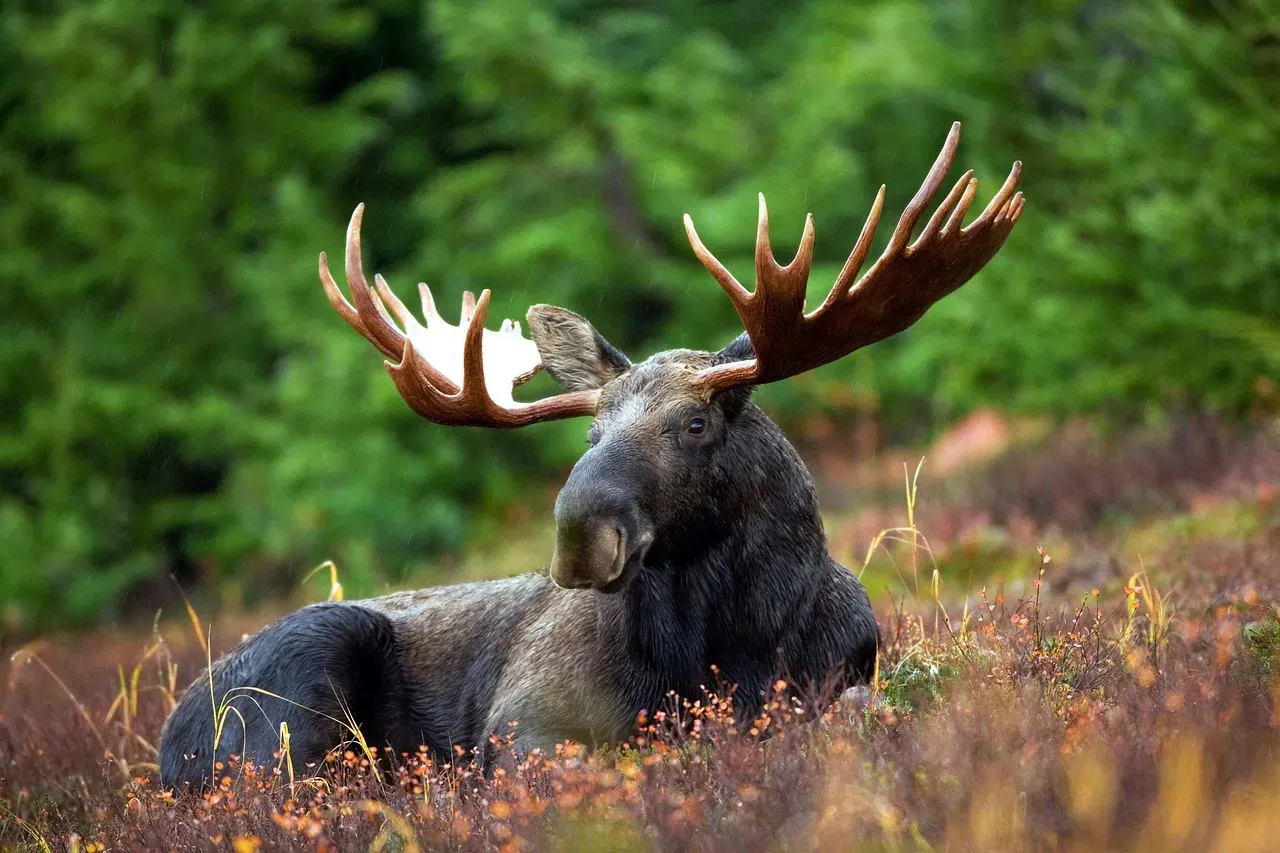
Here is something that surprises almost everyone. Colorado Parks and Wildlife reports that more people are attacked by moose than any other wild animal. Not bears. Not mountain lions. Moose. That massive, somewhat goofy-looking creature with the enormous antlers is, statistically speaking, your biggest concern on the trail.
Although moose are not typically aggressive and feed entirely on vegetation, they are territorial, and their size – often weighing more than 1,000 pounds – means they have few natural enemies and are therefore less fearful of humans than other wildlife. Think of them like an enormous, irritable neighbor with no sense of personal space.
Moose are most dangerous during September and October rutting season, when males become extremely aggressive, and during spring when cows protect newborn calves. Many attacks start because of a dog who chases or barks at a moose. A moose will react to a dog as it would to a wolf, by charging. If the dog runs back to its people, that puts the people in danger too.
Should one look like it is charging, sprint in the other direction and try to put a large object, like a tree or a boulder, between you and the giant ungulate. Hiding behind a tree from a thousand-pound animal sounds almost absurd, but it genuinely works.
4. Prairie Rattlesnake: Venom in the Grass
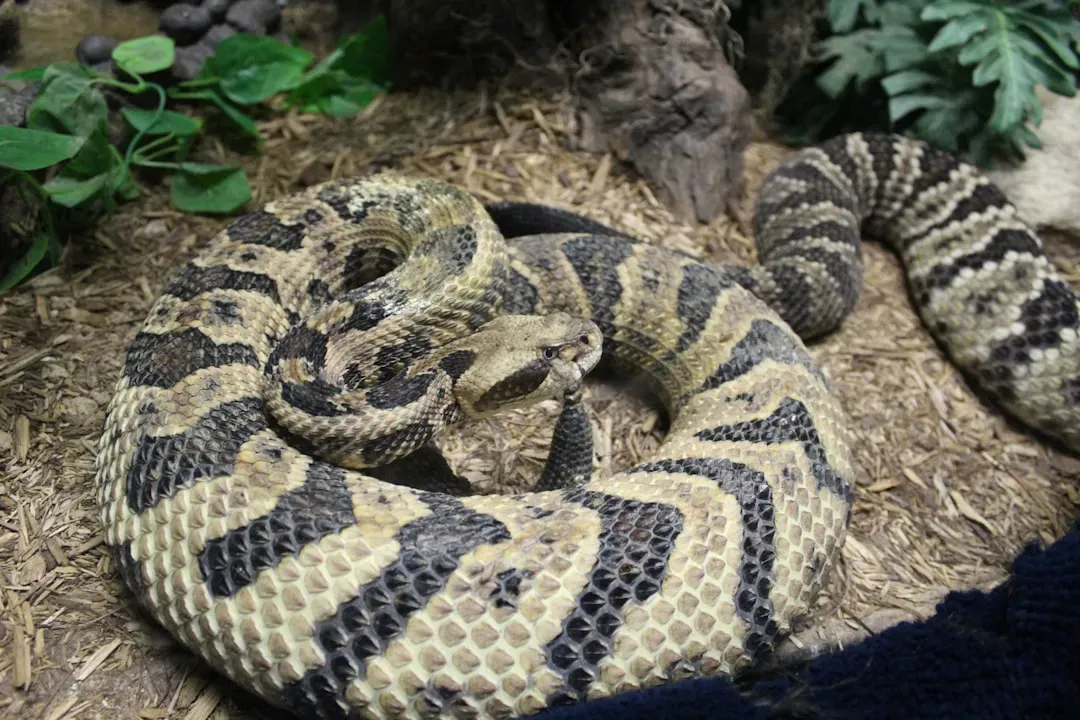
Rattlesnakes do not chase people. They do not lie in wait plotting revenge. They are, for the most part, perfectly happy to be left alone – and that is exactly why they are so dangerous. You are far more likely to stumble upon one without realizing it than to have a dramatic stand-off. The prairie rattlesnake stands as Colorado’s most widespread venomous snake, responsible for the majority of snakebite incidents in the state, inhabiting grasslands, scrublands, and rocky outcroppings across eastern and central Colorado.
Rattlesnakes blend in with the environment a little too well and seem to relish dozing off along trails, sunbathing on boulders, or hanging out pretty much anywhere that humans like to chill. You may not always hear that rattle before it is too late.
Though usually not fatal, a rattlesnake bite can be very painful and should always be considered a medical emergency. Rattlesnake venom can be cytotoxic, meaning it destroys the muscle and soft tissues around the bite. Prairie rattlesnakes can strike up to two-thirds of their body length, meaning a 4-foot snake can reach targets 32 inches away in milliseconds.
If bitten, call 911 immediately. Seek immediate medical attention at the nearest hospital. Colorado hospitals stock antivenom specifically for prairie rattlesnake bites, and prompt treatment dramatically improves outcomes. And never, ever try to handle the snake – even a dead one can still strike by reflex.
5. Black Widow and Brown Recluse: Small but Serious
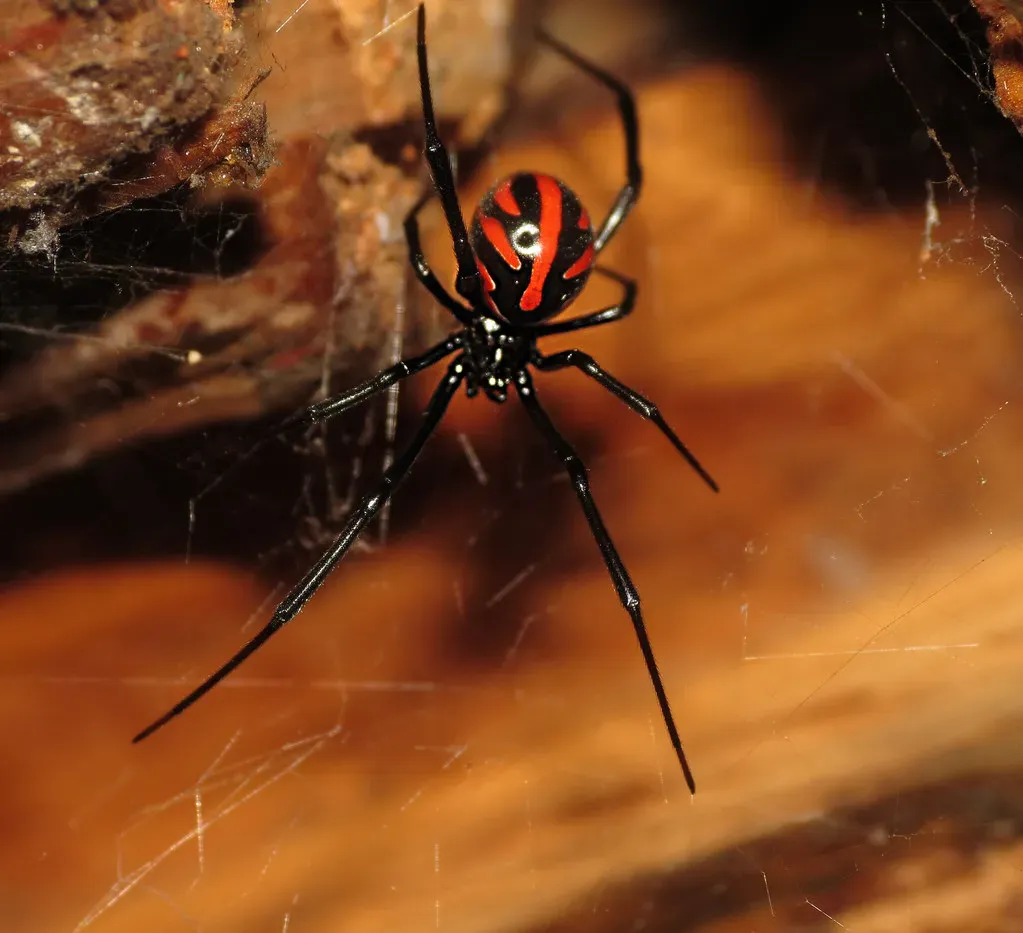
I know it sounds a little dramatic to put spiders on a list alongside mountain lions and bears, but hear me out. Those with and without arachnophobia can truly only be seriously harmed by two venomous spiders in Colorado: the brown recluse and the black widow. This pair both contain venom that is potentially fatal to humans, although this is very unlikely in the case of the brown recluse.
While most spiders in Colorado are harmless, these two venomous species can cause severe pain or, in rare cases, more serious health issues. Though black widows are unlikely to attack unless provoked, their venom can cause excruciating pain. It is the kind of pain that makes grown adults reconsider their life choices.
Always be cautious when reaching into dark or hidden spaces, such as under rocks or logs, to avoid these potentially dangerous creatures. Honestly, that habit of reaching blindly under rocks is something most seasoned hikers break very quickly – and for good reason. Even though the pain may be excruciating, most spider bites can be treated using a basic wilderness first aid kit.
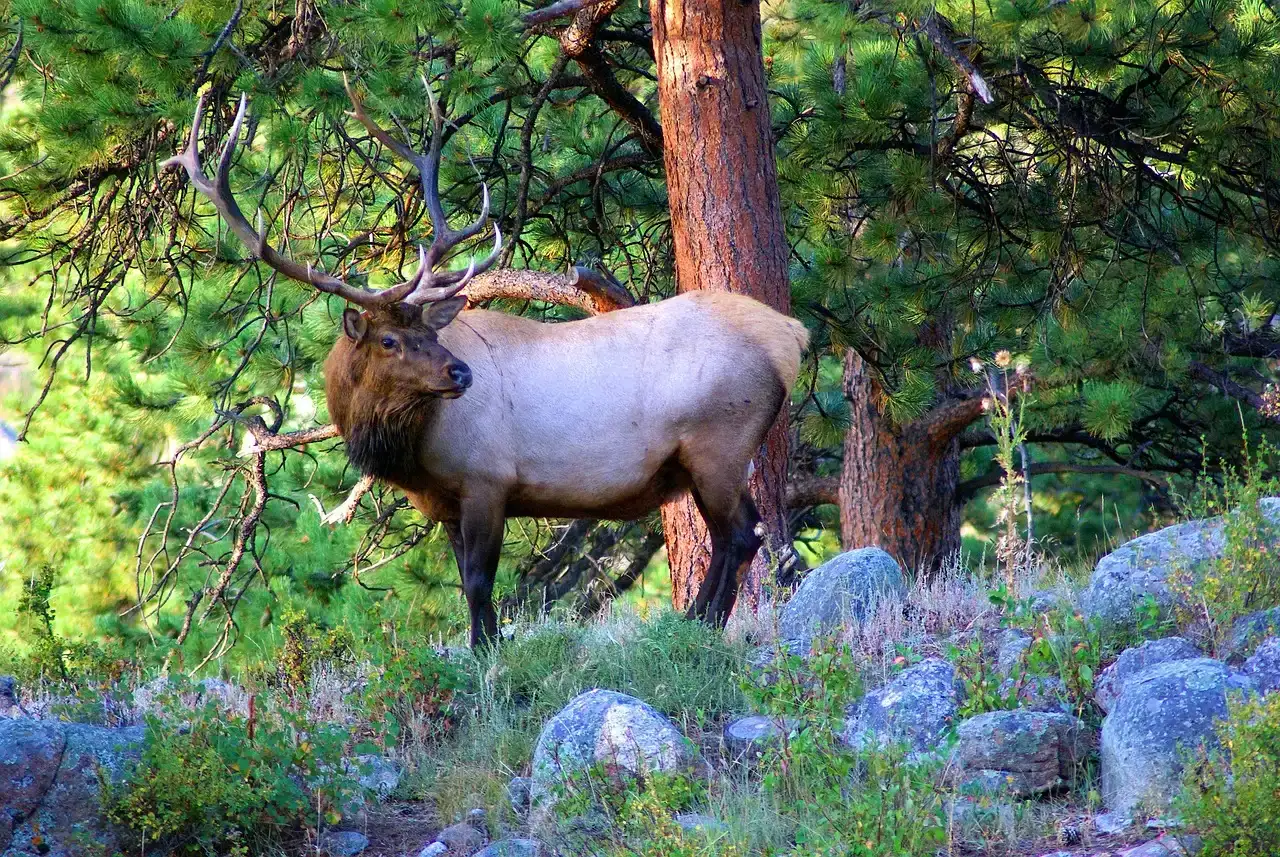
6. Elk: When Beauty Becomes Brutal
Elk are one of Colorado’s most iconic and photographed animals. Every fall, tourists flock to Rocky Mountain National Park just to hear the haunting sound of bull elk bugling through the forest. It is genuinely spectacular. It is also exactly the moment when elk become most dangerous.
Though typically peaceful, large animals like elk can pose a significant risk if they feel threatened or are protecting their young. These animals can charge at high speeds, causing serious injury. A bull elk can weigh over 700 pounds and move shockingly fast – like a furry, antlered freight train.
It is illegal to feed deer, bighorn sheep, mountain goats, pronghorn, and elk in Colorado. Feeding them creates a false sense of comfort that often ends in a violent surprise for both parties. In the case of an elk or deer charge, finding cover is the best course of action. Keep your distance, keep your dog leashed, and resist the urge to approach for that perfect photo.
7. Coyote: The Clever Urban Predator
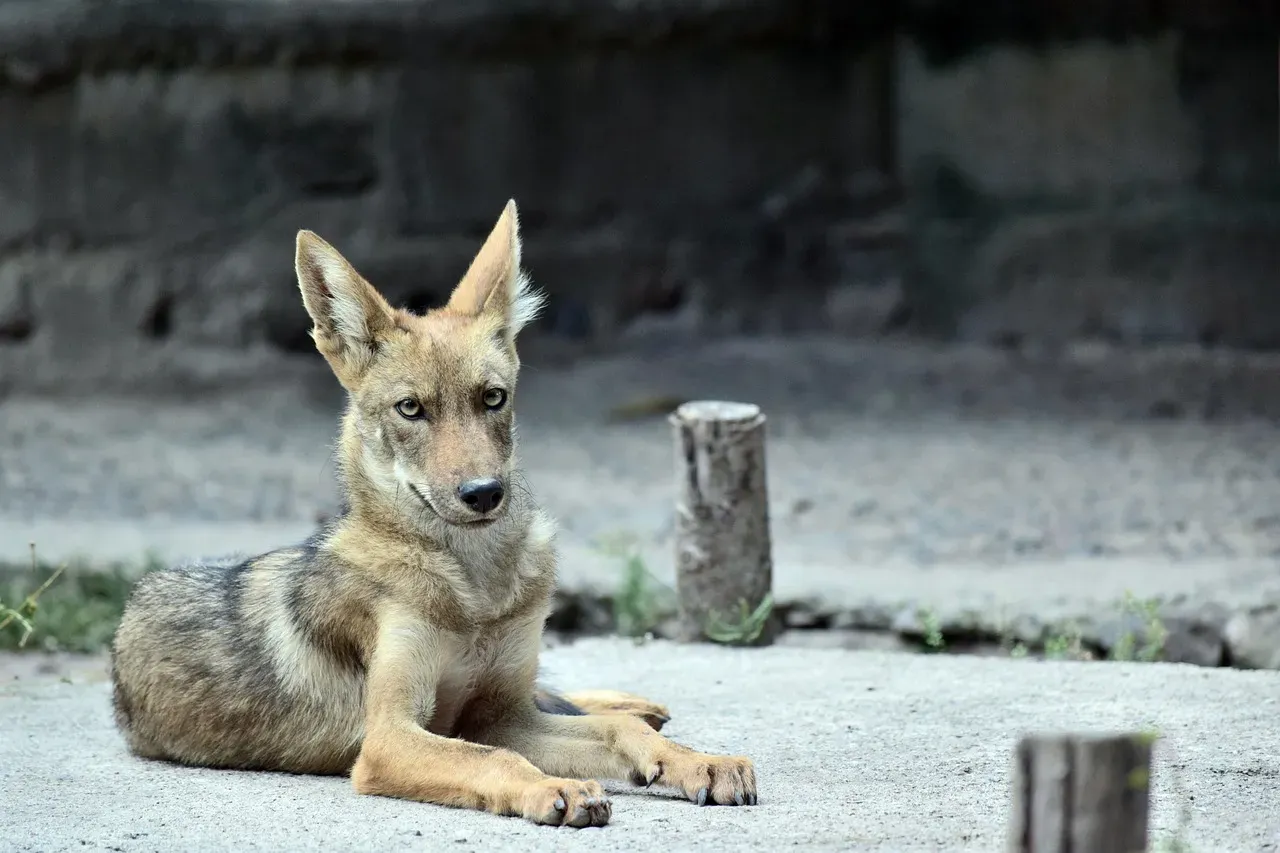
Coyotes often get dismissed as little more than scrappy, scavenging dogs. That is a mistake. These intelligent, adaptable predators thrive in diverse habitats from remote wilderness to city streets, with populations expanding in urban areas across North America despite significant human presence. They are practically everywhere in Colorado.
Often living in harmony with humans, coyotes do not typically pose a threat and attacks are uncommon. However, over a hundred coyote incidents have been recorded in North America, some of them fatal for children and pets, and over the past twenty years dozens of coyote-human conflicts have taken place in Colorado, many resulting in bites.
One encounter, in November 2024, involved a 4-year-old girl who approached a coyote, mistaking it for a dog. She ended up hospitalized with head wounds. That story is chilling. If you are in coyote territory, keep children and small pets close at all times. Never feed a coyote under any circumstances. A fed coyote is a dangerous coyote. Full stop.
8. Rocky Mountain Wood Tick: Tiny Terror
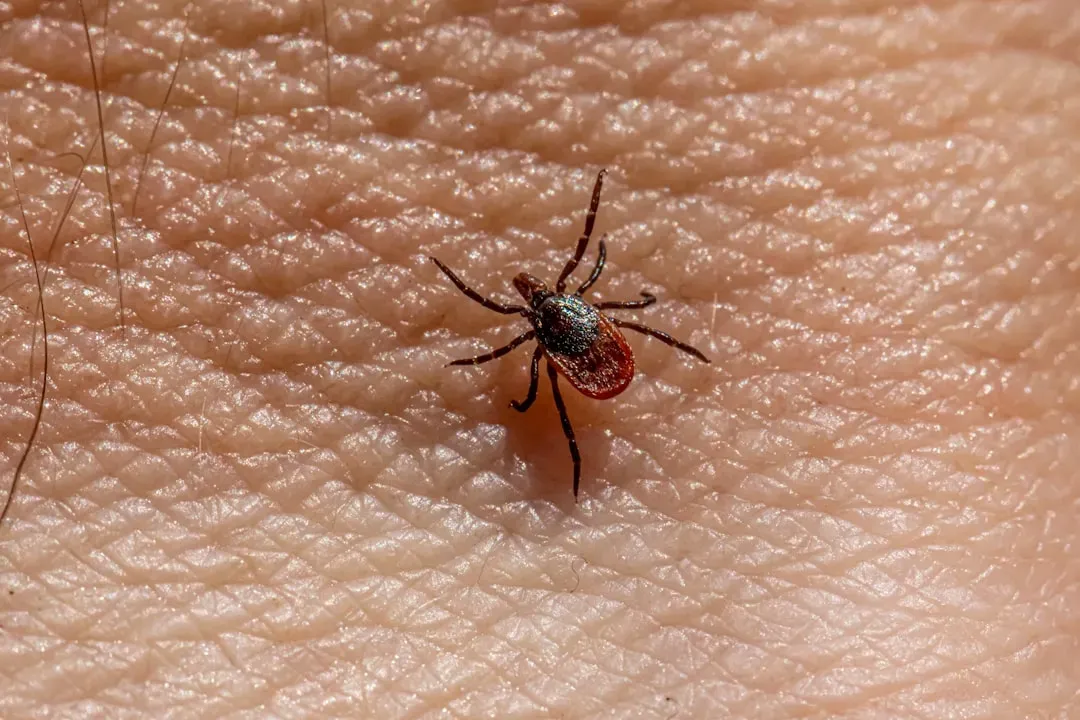
Nothing ruins a beautiful day hike faster than discovering a tick burrowed into your skin. It is hard to say for sure which animal on this list causes the most long-term suffering, but the Rocky Mountain wood tick is a serious contender – especially because most people never see it coming.
While the ticks themselves are not harmful in the traditional sense, Rocky Mountain wood ticks may transmit spotted fever, Colorado tick fever, tularemia, and more. These are not minor inconveniences. Some of these diseases, left untreated, can become life-altering or worse.
If you have been exploring shrubby areas with tall grass, always make sure to check yourself for unwanted passengers, especially in the spring and summer. To avoid a bite, stick to established trails when possible, do not pass through areas with dense foliage, and wear long sleeves and pants to cover your skin while applying repellent to your clothing. Think of it this way: a full-body tick check after every hike is just the cost of loving Colorado’s outdoors.
9. Gray Wolf: The Newest Danger on the Block
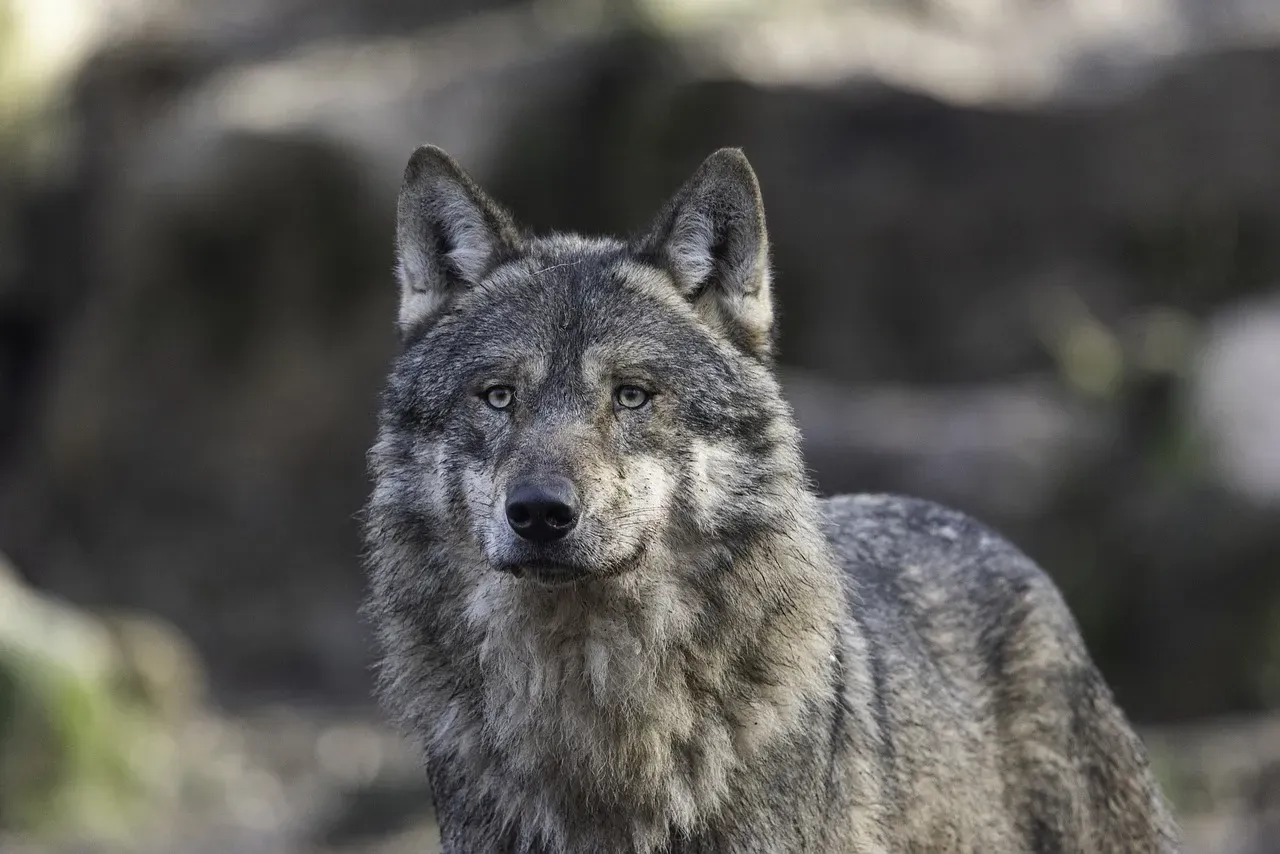
This one is genuinely new, and that makes it all the more fascinating. Since reintroduction west of the Continental Divide in late 2023, wolves have reestablished a foothold in Colorado, with perhaps 20 wolves in the state now, mostly on the Western Slope. They feed primarily on deer and elk, but will also take livestock and pets.
Wolves generally avoid confrontation with people. That said, they are apex predators and should never be treated casually. Recently reintroduced wolves can be dangerous if they feel cornered or threatened. While they generally avoid humans, they play a crucial role in maintaining ecological balance.
Based on data from the Northern Rockies, elk will provide about 80 percent of the diet for Colorado wolves. Still, their presence is reshaping the ecosystem in real time, and hikers on the Western Slope should be aware they are now sharing trail space with one of the most powerful predators on earth. Nature lovers are encouraged to admire these intelligent creatures from afar. That is probably the wisest advice anyone can offer.
Conclusion: Respect the Wild, and It Will Respect You Back
is not a theme park. The animals that live there are wild, unpredictable, and entirely indifferent to human comfort. That is what makes it so magnificent. And it is exactly why every person who steps off the pavement needs to go in informed and prepared.
In most situations, people and wildlife can easily coexist. The key is to respect the wildness of wildlife. Wildlife is just that – wild. Most dangerous encounters occur because people fail to leave the animals alone. It really is that simple, and yet it is a lesson that gets forgotten far too often.
Carry bear spray. Learn to identify tracks. Keep your dog leashed. Store your food properly. Make noise on the trail. These are not dramatic survival tactics – they are just basic wilderness manners. The mountains of Colorado have been home to these animals far longer than any trail system has existed. We are the visitors here.
So, the next time you hike into Colorado’s backcountry, take a moment to appreciate what surrounds you. The danger is real, but so is the wonder. Would you trade it for anything? Honestly, neither would I.

- What It Means When Hummingbirds Return on Nearly the Same Date Every Year - August 6, 2026
- What It Means When a Dog Refuses to Enter a Room It Once Loved - August 6, 2026
- 9 Scenic Wetlands Every Wildlife Photographer Should Visit - August 6, 2026