
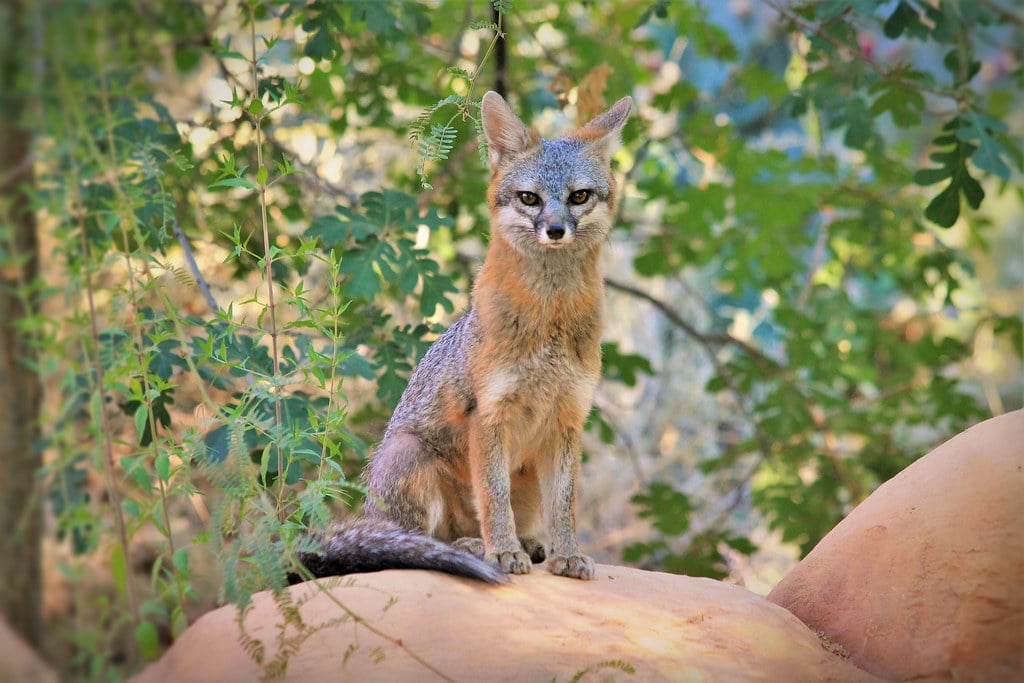

Most people picture a fox on the ground, trotting across a field or slipping along a fence line. The gray fox doesn’t fit that picture very well. It’s a canine that will scramble up a trunk and settle into a branch as if it had read a cat’s instruction manual.
That habit isn’t a party trick, and it isn’t a fluke of one lucky animal. Several features of the gray fox’s body and behavior add up to a real climbing toolkit. Here’s how it works, and why it sets this fox apart from nearly every other member of its family.
1. They Really Are Unusual Among Canines
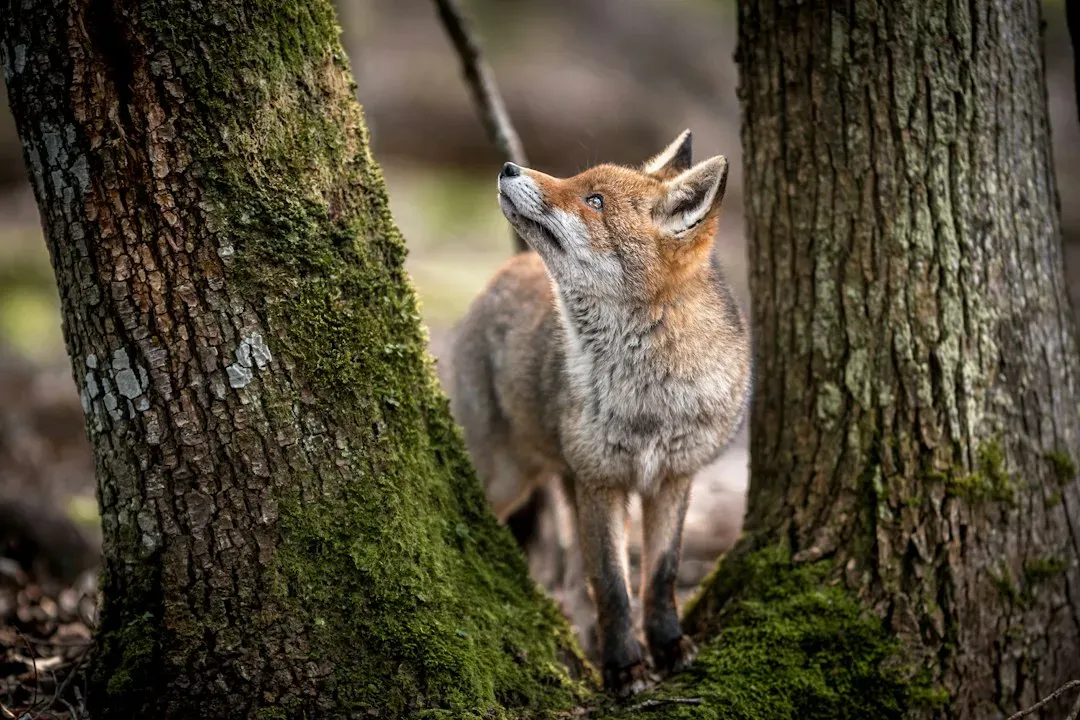
Gray foxes, Urocyon cinereoargenteus, are widely described as the only North American canids that regularly climb trees. Dogs, wolves, coyotes and red foxes are built for running, not for scaling bark. Climbing is the exception in this family, which is why the gray fox gets so much attention.
The ability isn’t limited to a quick hop onto a low branch. Gray foxes can go well up into a tree, and they do it as a normal part of life. That makes them a better fit for a forest edge than for open prairie.
2. Their Claws Are Curved and Sharp
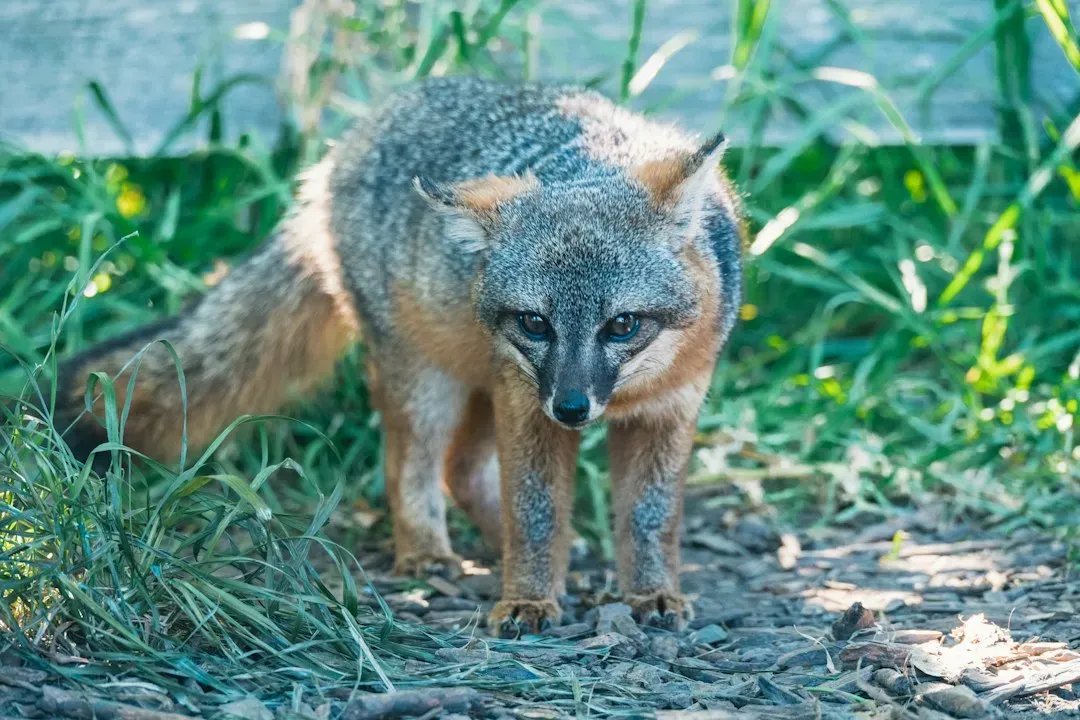
A big part of the story sits at the end of their toes. Gray foxes have strong, hooked claws that bite into bark far better than the blunter claws of many other canines. They give the animal real grip on a vertical surface.
Cats are the obvious comparison, and it’s a fair one. Both rely on curved claws to hold on while the body does the pulling. The gray fox isn’t a perfect copy of a cat, but the principle is the same.
3. Their Forelimbs and Wrists Rotate More Than You’d Expect
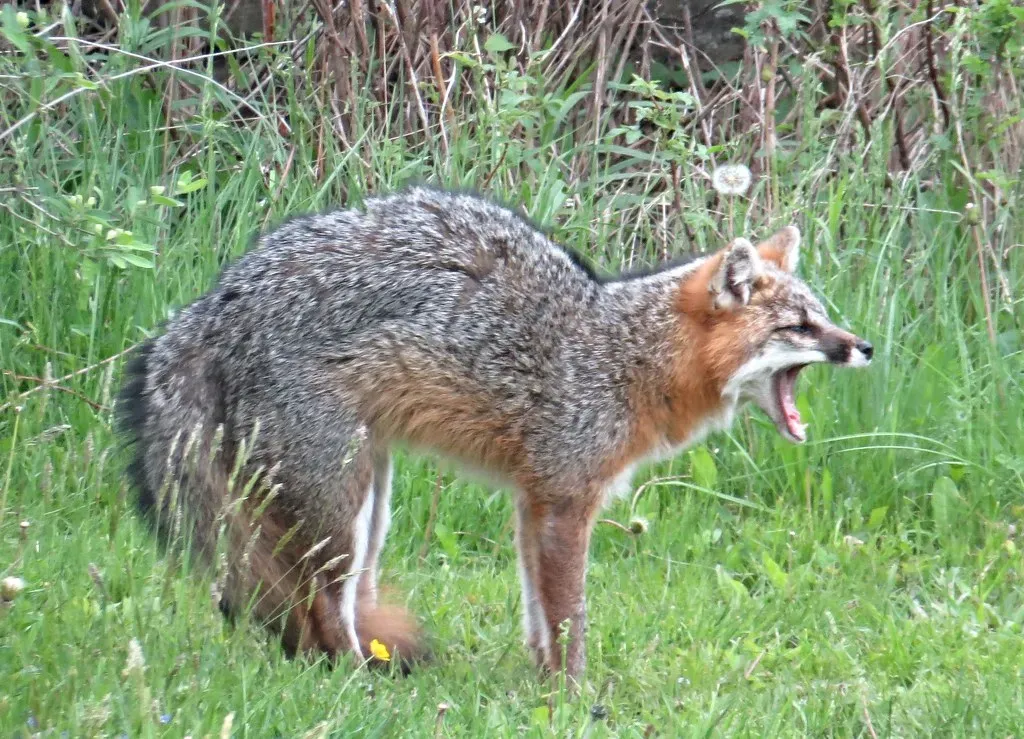
Gray foxes have forearms that can rotate more than those of most canines. That extra twist lets them hug a trunk instead of just pawing at it. It’s a subtle change in anatomy with a big effect on how they move.
Think of the difference between pushing against a wall and wrapping your arms around a pole. Wrapping gives you a much better hold. That’s roughly what this flexibility offers a climbing fox.
4. They Climb Straight Up Trunks and Leap Between Branches
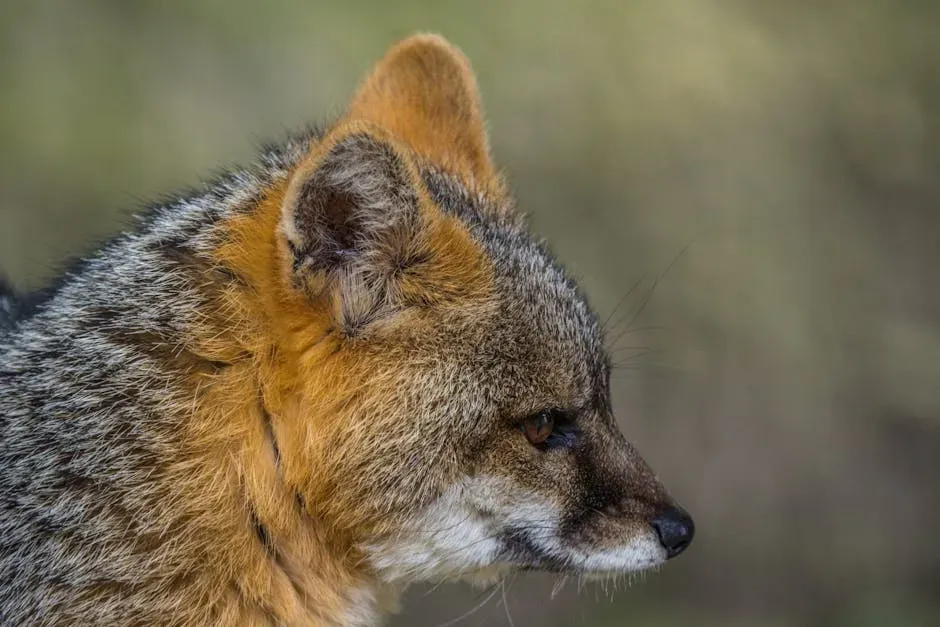
Gray foxes are known to shimmy up vertical trunks, even ones with no low branches to help. Once they’re up high, they can also jump from limb to limb. Observers often describe a mix of clawing, pushing and springing.
Coming down is part of the skill too. Gray foxes often descend backward, the way many climbers do, though they can also leap down from a height. It’s a sensible approach for an animal that spends part of its time off the ground.

Professional 7 in 1 Dog Paw Cleaner for Dogs & Cats - Includes 1 Portable Paw Washer, 1 Bath Brush
Check Price on AmazonAs an Amazon Associate, we earn from qualifying purchases.
10/7/2026 1:26 pm GMTi

2 Pcs Halloween Pet Hat Bandana Set, Witch Pumpkin Costumes for Dogs
Check Price on AmazonAs an Amazon Associate, we earn from qualifying purchases.
10/9/2026 2:45 pm GMTi

Glass Hummingbird Feeder for Outdoors Hanging, 16 oz Leak-Proof Nectar Feeder with Bee Guards & Ant Moat
Check Price on AmazonAs an Amazon Associate, we earn from qualifying purchases.
10/7/2026 1:22 pm GMTi

Earth Rated XL Dog & Puppy Pee Pads, Discreet Top, Max Absorbency
Check Price on AmazonAs an Amazon Associate, we earn from qualifying purchases.
10/7/2026 1:28 pm GMTi

Smart Bird Feeder with Camera Solar Powered, 2K HD Live Video, 10,000+ Bird Species AI Identification
Check Price on AmazonAs an Amazon Associate, we earn from qualifying purchases.
10/7/2026 1:22 pm GMTi
5. Trees Offer Safety From Predators
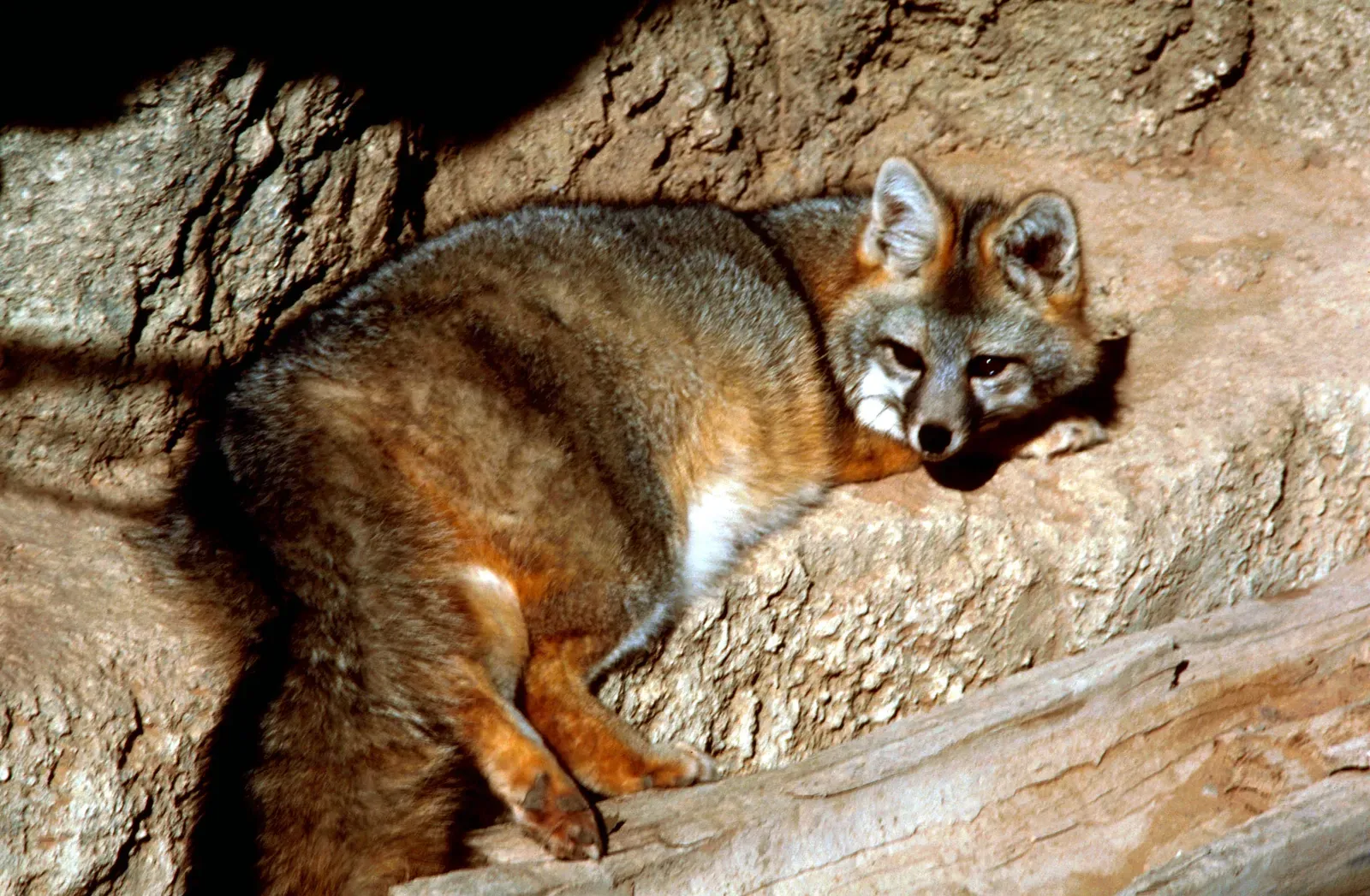
One main reason to climb is simple: getting away. Coyotes, bobcats, dogs and other predators can threaten a gray fox, and a tree can put it out of reach of the ones that can’t climb. A quick dash up a trunk can turn a dangerous moment into a standoff.
Bobcats can climb, so a tree isn’t a guaranteed escape from everything. Still, for many ground-bound threats, height is a real advantage. It’s a good example of behavior shaped by the risks an animal faces.
6. Climbing Helps Them Find Food
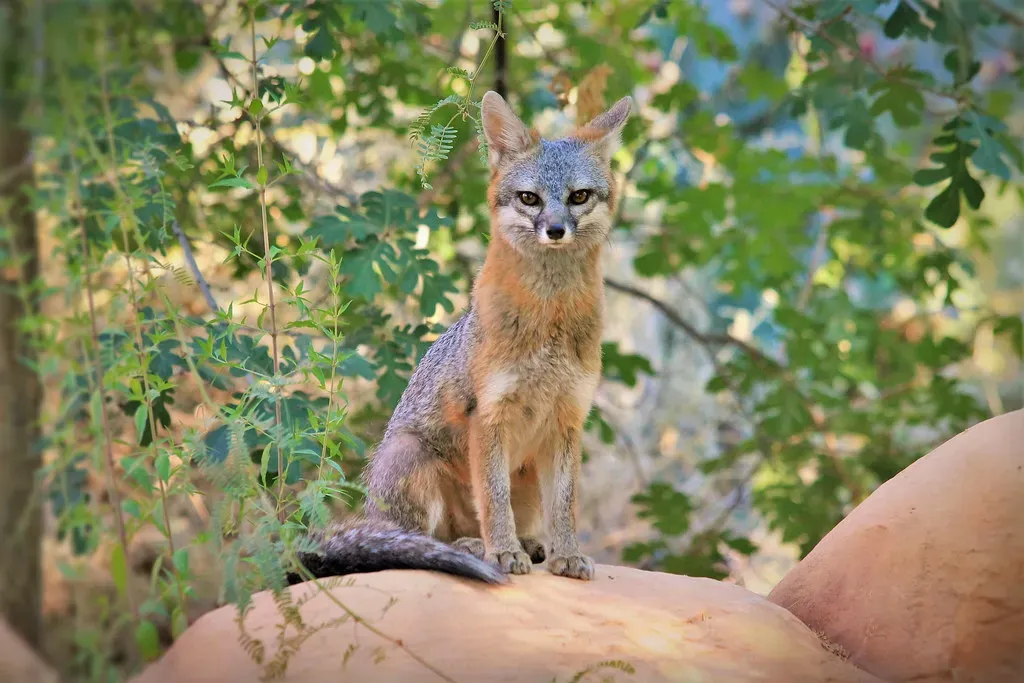
Gray foxes are omnivores. Their diet includes small mammals, birds, insects and a good amount of fruit, nuts and other plant material. Trees can offer some of that food directly, and fruit is a seasonal draw.
Being comfortable in a tree gives them more options than a strictly ground-based fox would have. In places where rodents are scarce, a flexible menu helps. Climbing widens the buffet.
7. Some Dens and Resting Spots Are Up Off the Ground
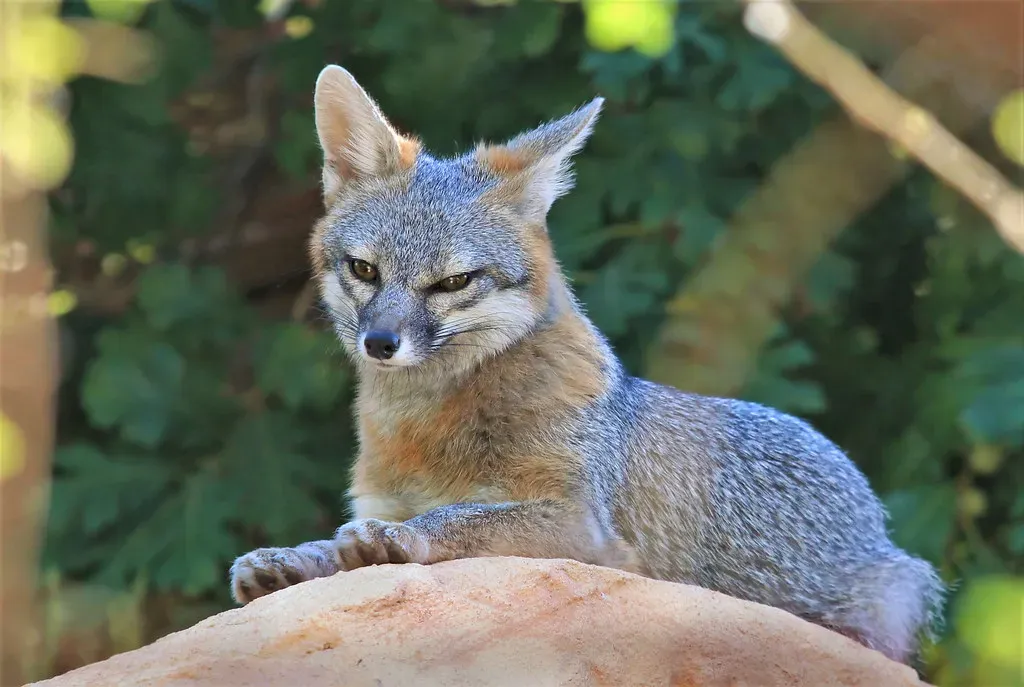
Gray foxes don’t always den underground. They sometimes use hollow trees, logs, rock crevices or brush piles, and there are reports of dens well above the ground in hollow trunks. That’s not a typical thing to say about a canine.
Resting in a tree can offer a safer view of the surroundings. It may also keep a fox out of sight from animals passing below. How often individual foxes use these spots varies by habitat, so it’s best not to overstate it.

PetSafe Oasys Pet Fountain, 1/2 Gallon (64 oz), Small Dogs & Cats
Check Price on AmazonAs an Amazon Associate, we earn from qualifying purchases.
10/8/2026 8:14 am GMTi

Hand Blown Glass Hummingbird Feeders for Outdoors Hanging, 24oz Wild Bird Nectar Feeder
Check Price on AmazonAs an Amazon Associate, we earn from qualifying purchases.
10/7/2026 1:23 pm GMTi

Air Purifiers for Home Pets Large Room Up to 3000 Ft²,HEPA Air Cleaner with Washable Double-Side Filter, PM2.5 Air Quality Monitor,15dB Sleep Mode for Bedroom Odor Dust Pollen,White
Check Price on AmazonAs an Amazon Associate, we earn from qualifying purchases.
10/8/2026 8:23 am GMTi

Portable Dog Water Bottle Foldable Dog Travel Water Bottle
Check Price on AmazonAs an Amazon Associate, we earn from qualifying purchases.
10/7/2026 1:29 pm GMTi

Orthopedic Extra Large Dog Bed, Waterproof Washable XL Pet Bed 44"
Check Price on AmazonAs an Amazon Associate, we earn from qualifying purchases.
10/7/2026 1:32 pm GMTi
8. Their Habitat Rewards a Climber
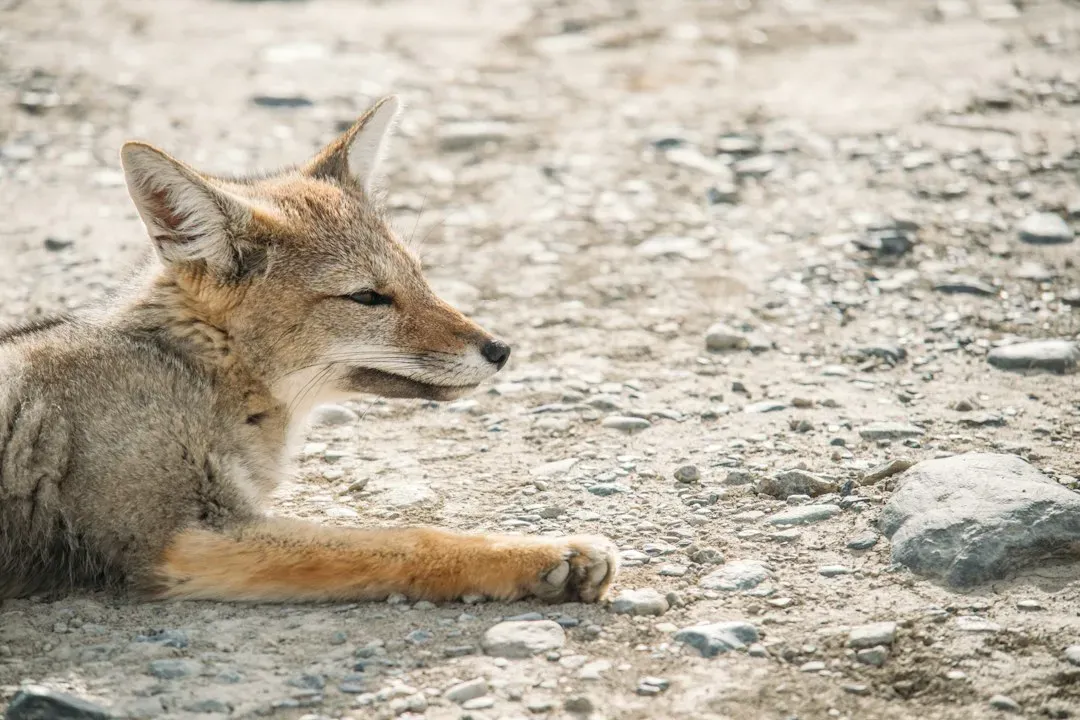
Gray foxes tend to favor wooded and brushy areas, including forest edges and rocky, broken terrain, across much of the United States, Mexico and into northern South America. Those landscapes give them plenty of trunks and branches to use. They’re often less at home in wide open country than red foxes are.
That preference fits the climbing story neatly. A fox that lives among trees benefits from knowing how to use them. Over a long time, habitat and body tend to shape each other.
9. Their Climbing Is Surprisingly Hard to Spot
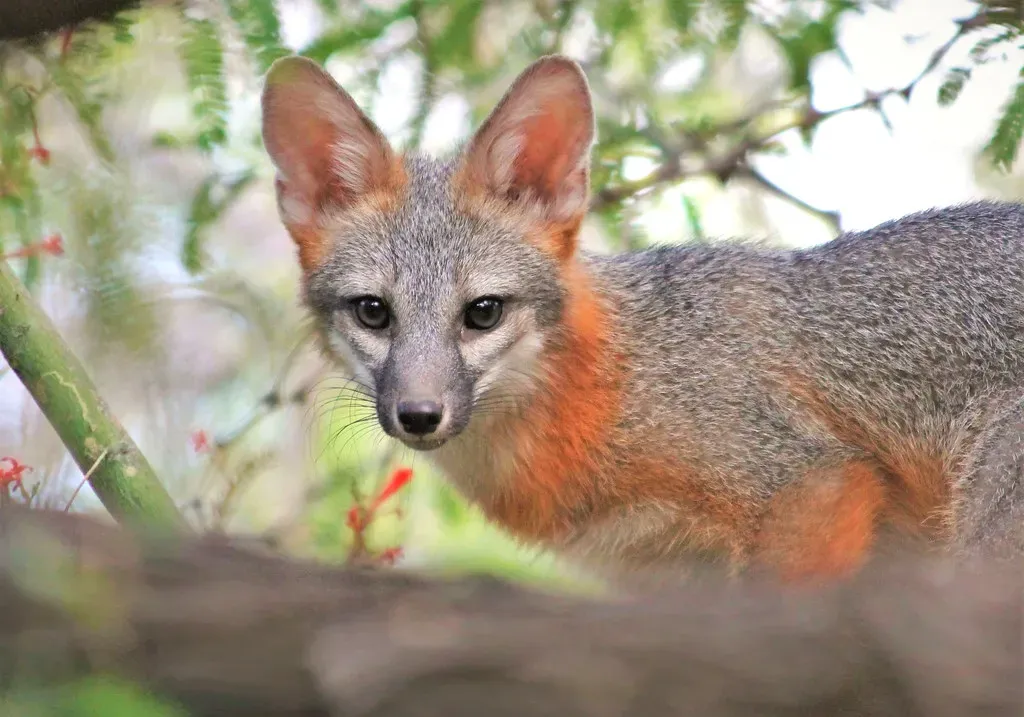
Despite all this, few people ever see a gray fox in a tree. They’re mostly active at night or around dawn and dusk, and they’re shy and quiet. So the behavior is real, but it often happens out of view.
Trail cameras and the occasional lucky sighting have helped people appreciate it. If you’ve never seen one, that doesn’t mean they don’t do it. It just means they’re good at keeping to themselves.

Glass Hummingbird Feeder for Outdoors Hanging
Check Price on AmazonAs an Amazon Associate, we earn from qualifying purchases.
10/7/2026 1:21 pm GMTi

Halloween Dog Collar with Bow, Orange Cute Ghost Collar,
Check Price on AmazonAs an Amazon Associate, we earn from qualifying purchases.
10/9/2026 2:43 pm GMTi

Dog Stairs for Bed 18" H, 4-Step Dog Steps for High Bed
Check Price on AmazonAs an Amazon Associate, we earn from qualifying purchases.
10/9/2026 2:42 pm GMTi

Halloween Cat Costume Cloak Witch Hat Pet Accessories
Check Price on AmazonAs an Amazon Associate, we earn from qualifying purchases.
10/9/2026 2:44 pm GMTi
Final Thoughts
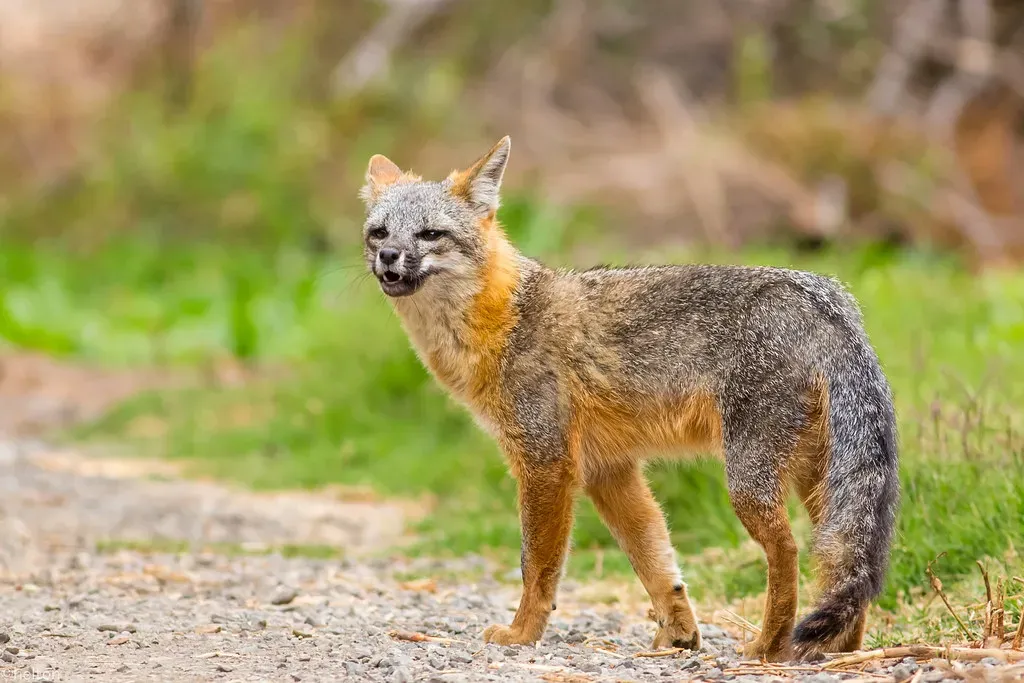
I think the gray fox deserves a lot more credit than it gets. We tend to sort animals into tidy boxes, with dogs on the ground and cats in the trees, and this fox quietly ignores the boxes. It’s a reminder that evolution cares about what works, not what seems normal to us.
The red fox gets the fame, but the gray fox has the better trick. Next time you walk through a patch of woods at dusk, glance up as well as around. You may not spot one, though knowing it could be there makes the forest feel a bit more alive.

- Science Says Sponges and Other Animals Were Found Living on a Boulder Beneath Nearly 900 Meters of Antarctic Ice - November 12, 2026
- 12 Dog Breeds That Stay Healthy Well Into Old Age - November 12, 2026
- 12 Surprising Facts About Reindeer - November 12, 2026