
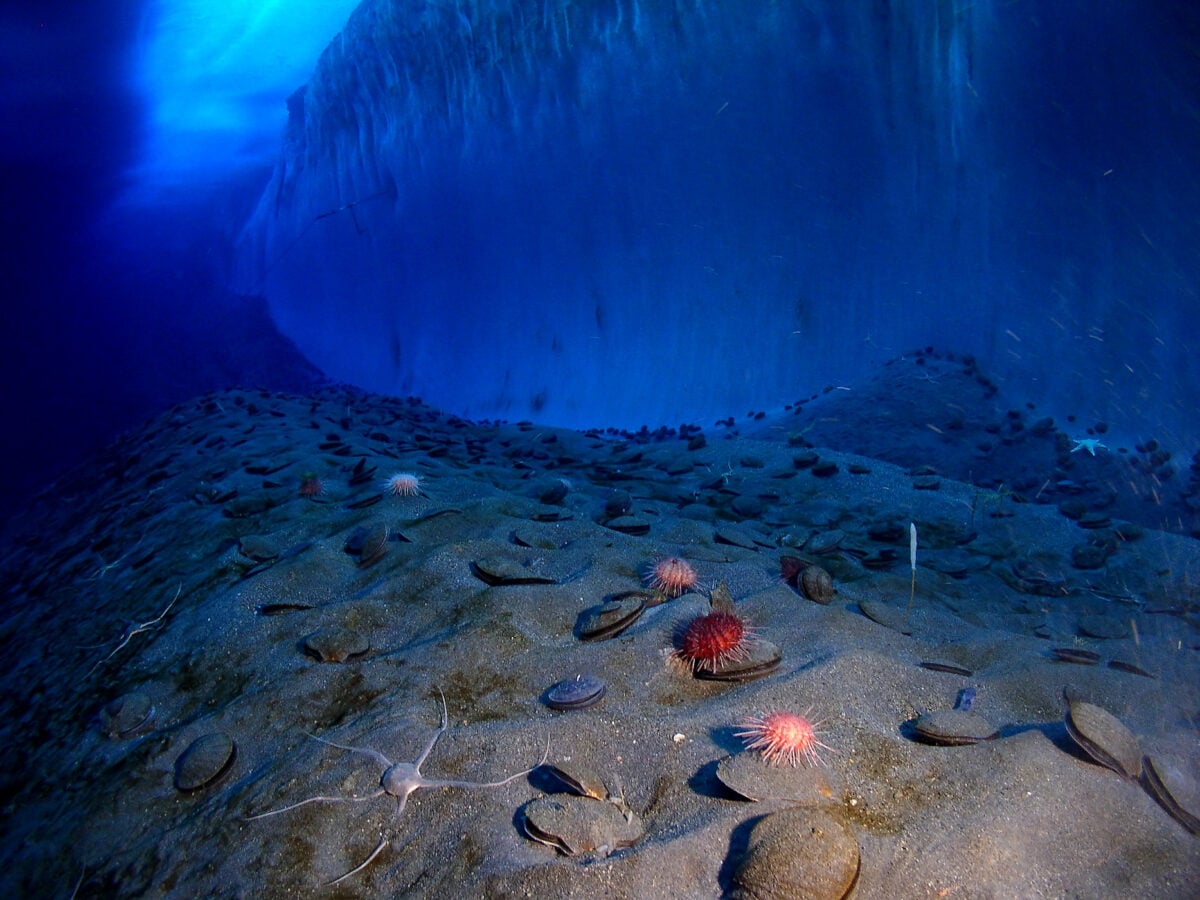

The idea of vibrant animal life thriving in total darkness, far from any sunlight or obvious food source, feels almost impossible at first. Yet that is exactly what a team of researchers stumbled upon while drilling deep into one of Antarctica’s massive ice shelves. Their find turned a routine sediment sampling trip into something far more intriguing.
The discovery challenges long held views about where complex life can exist on our planet. It also raises fresh questions about how these organisms manage to survive in such an extreme setting. What began as an unexpected obstacle on the seafloor quickly became a window into hidden ecosystems.
The Drilling Mission That Changed Everything
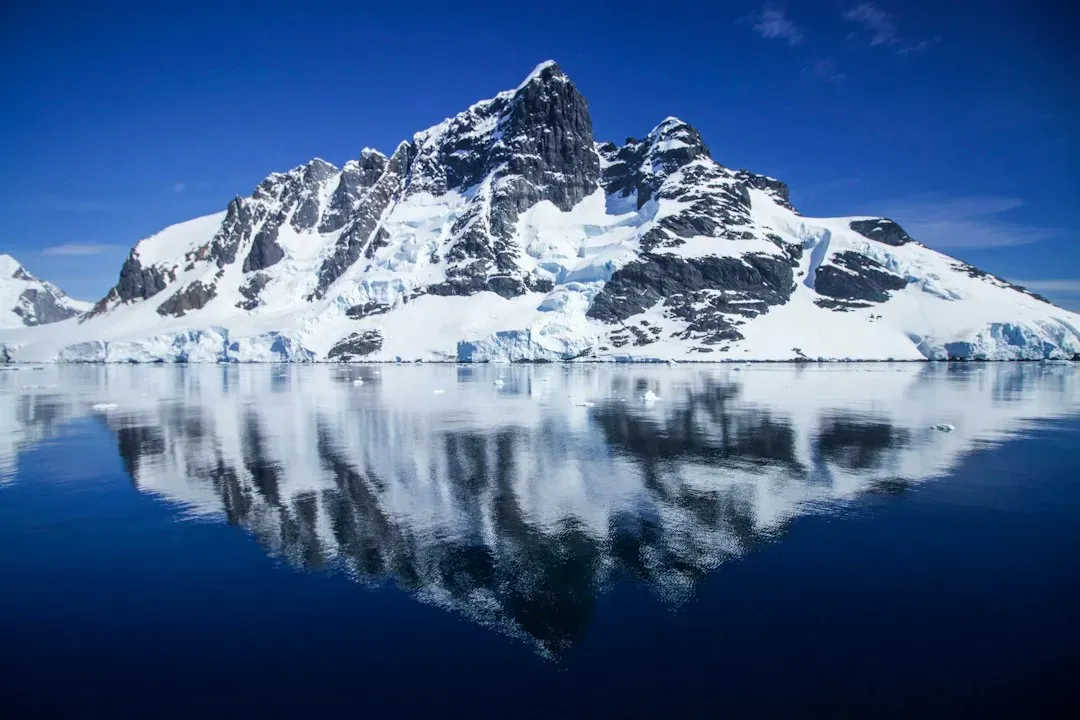
Researchers from the British Antarctic Survey set out to collect sediment samples from beneath the Filchner Ronne Ice Shelf in the southeastern Weddell Sea. They drilled a narrow hole through roughly 900 meters of ice, aiming for the seafloor more than 260 kilometers from the open ocean edge. The plan was straightforward, but the actual results proved anything but ordinary.
Instead of soft mud, the drill hit a solid boulder resting on the otherwise flat seabed. A camera lowered alongside the equipment captured clear footage of the rock and its surprising inhabitants. This single moment shifted the focus from geology to biology in an instant.
Conditions That Defy Typical Expectations
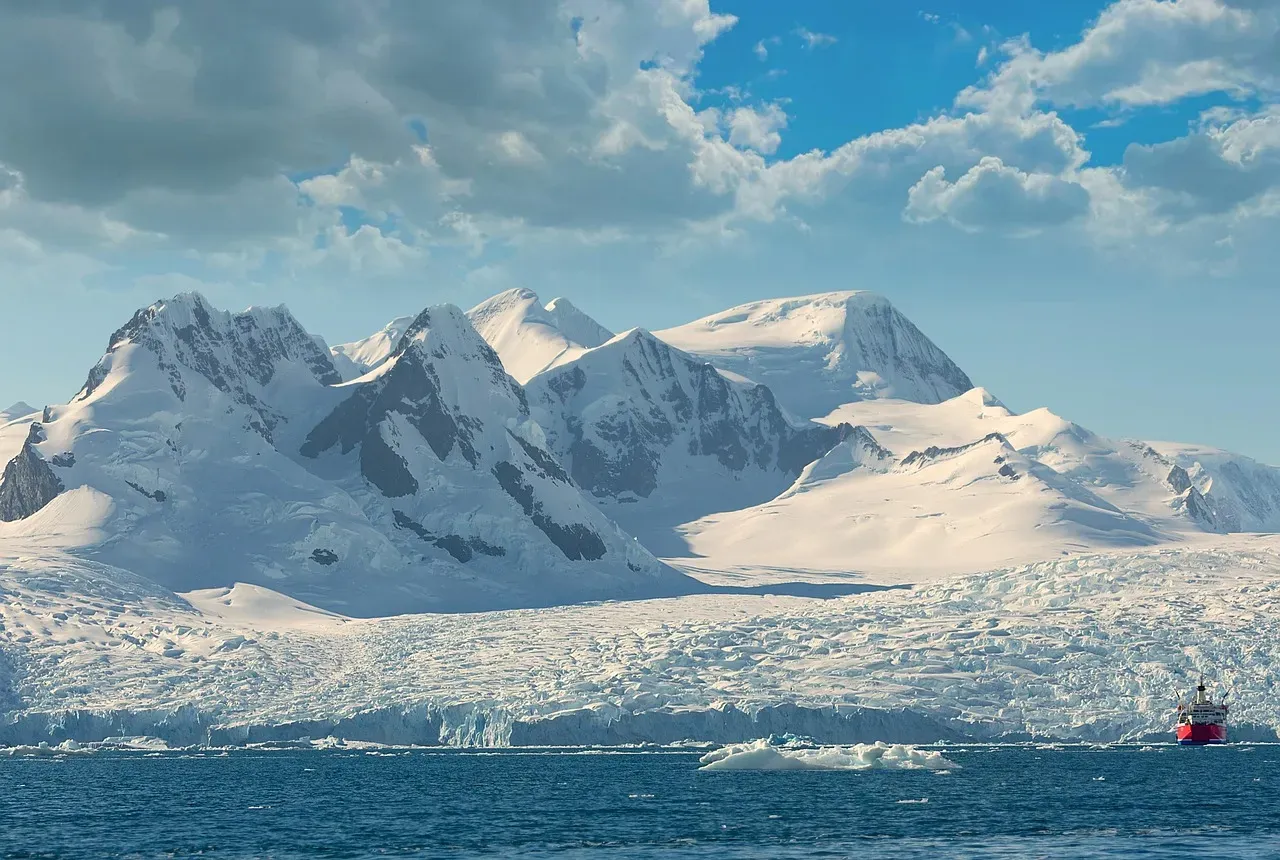
The environment around the boulder sits in near total darkness with water temperatures hovering around minus 2.2 degrees Celsius. Currents in the region carry water in patterns that make fresh food supplies from the surface seem distant at best. Scientists had previously recorded mobile creatures like fish or crustaceans in similar spots, but stationary filter feeders were considered highly unlikely this far inland.
The boulder itself appears to have originated from glacial deposits, possibly carried from distant mountains before settling in place. Its position creates a rare hard surface amid vast stretches of sediment. Such features are uncommon enough that the team described hitting it as pure chance rather than design.
Sponges and Their Unidentified Companions
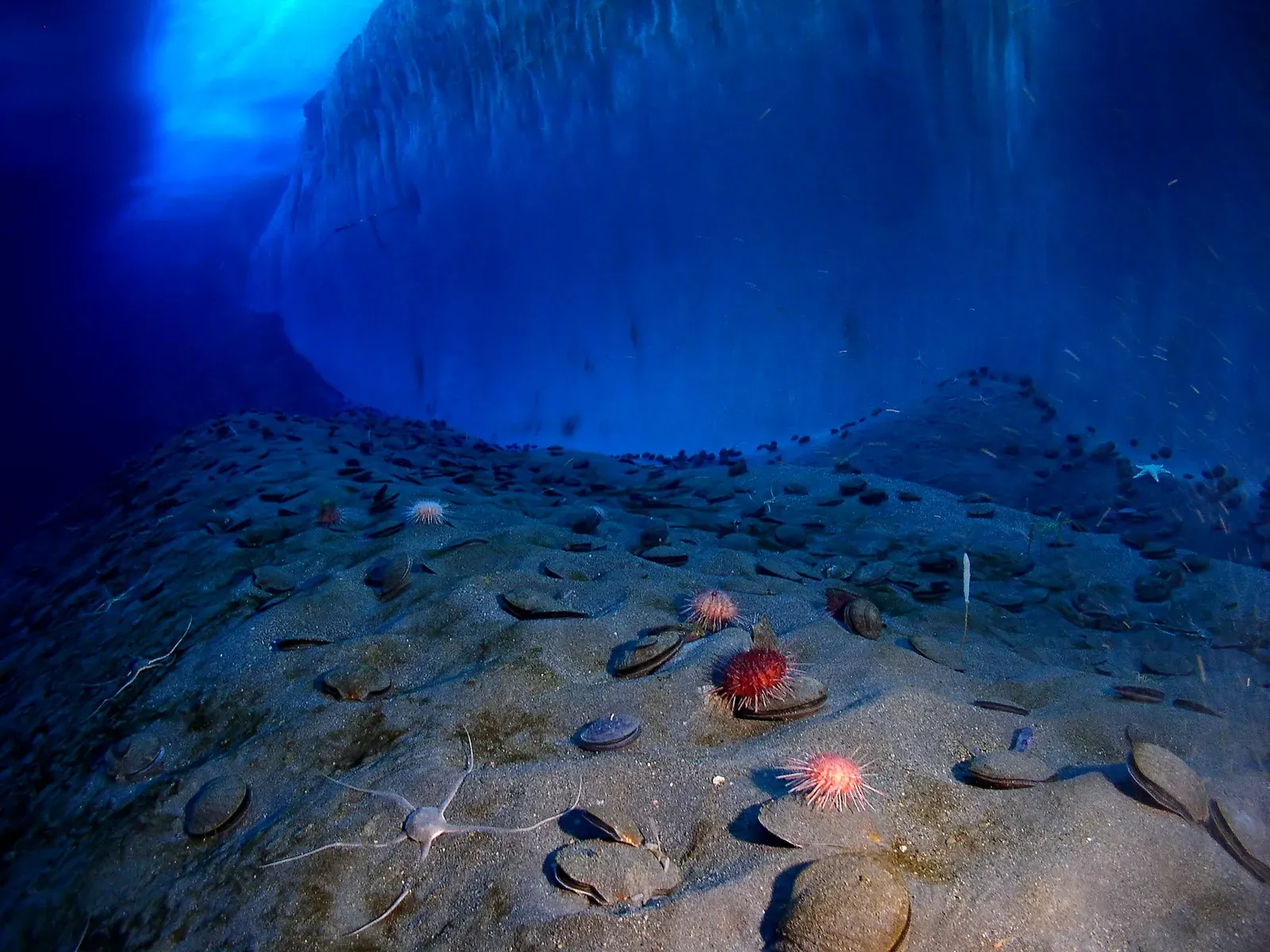
Video analysis revealed at least 15 sponges clinging to the boulder, along with other stalked organisms that could include sea squirts, hydroids, or tube worms. Some sponges sat squat and round while others extended thin stalks into the water column. A thin layer of fuzz or microbial mat coated parts of the rock, hinting at even smaller life forms.
These creatures represent the first known community of sessile animals attached to a hard substrate so deep beneath an ice shelf. Their presence contradicts earlier models that predicted such filter feeders would vanish well before reaching distances like 260 kilometers from open water. The footage shows them firmly anchored, relying entirely on whatever drifts their way through the currents.

Smart Bird Feeder with Camera Solar Powered, 2K HD Live Video, 10,000+ Bird Species AI Identification
Check Price on AmazonAs an Amazon Associate, we earn from qualifying purchases.
10/7/2026 1:22 pm GMTi

Earth Rated XL Dog & Puppy Pee Pads, Discreet Top, Max Absorbency
Check Price on AmazonAs an Amazon Associate, we earn from qualifying purchases.
10/7/2026 1:28 pm GMTi

Portable Dog Water Bottle Foldable Dog Travel Water Bottle
Check Price on AmazonAs an Amazon Associate, we earn from qualifying purchases.
10/7/2026 1:29 pm GMTi

Hand Blown Glass Hummingbird Feeders for Outdoors Hanging, 24oz Wild Bird Nectar Feeder
Check Price on AmazonAs an Amazon Associate, we earn from qualifying purchases.
10/7/2026 1:23 pm GMTi

Professional 7 in 1 Dog Paw Cleaner for Dogs & Cats - Includes 1 Portable Paw Washer, 1 Bath Brush
Check Price on AmazonAs an Amazon Associate, we earn from qualifying purchases.
10/7/2026 1:26 pm GMTi
How These Animals Might Obtain Food

Phytoplankton from surface waters would need to travel hundreds of kilometers through looping currents before reaching the site. Calculations suggest the nearest photosynthetic source could lie anywhere from 625 to 1500 kilometers upstream depending on flow patterns. This distance makes conventional feeding strategies seem improbable at first glance.
Researchers speculate the animals might draw on alternative nutrients, such as organic matter from glacial melt or even chemical energy from the seafloor itself. The exact mechanism remains unknown because no samples were collected during the original visit. Future expeditions would need specialized tools to reach and study these organisms directly.
Broader Implications for Polar Biology
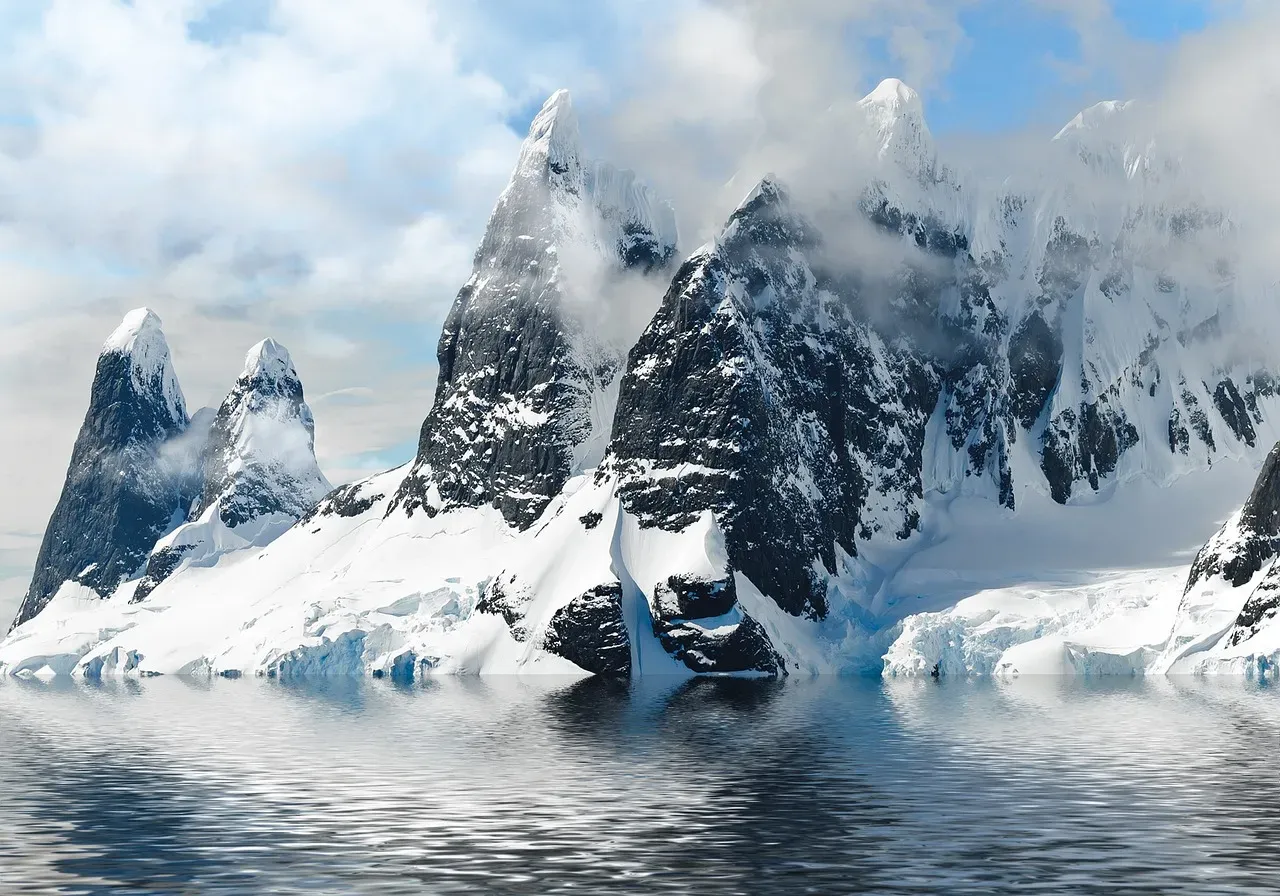
The find expands the known range for complex marine life in Antarctica by a significant margin. It suggests that isolated pockets of biodiversity can persist even when cut off from sunlight for long periods. Similar discoveries elsewhere under ice shelves have since reinforced the idea that these habitats support more life than once assumed.
Understanding these communities helps scientists model how Antarctic ecosystems might respond to warming temperatures and changing ice dynamics. The boulder community also offers clues about potential life in other extreme environments, both on Earth and beyond. Each new observation refines our picture of resilience in the coldest, darkest corners of the ocean.

Halloween Dog Collar with Bow, Orange Cute Ghost Collar,
Check Price on AmazonAs an Amazon Associate, we earn from qualifying purchases.
10/9/2026 2:43 pm GMTi

Glass Hummingbird Feeder for Outdoors Hanging, 16 oz Leak-Proof Nectar Feeder with Bee Guards & Ant Moat
Check Price on AmazonAs an Amazon Associate, we earn from qualifying purchases.
10/7/2026 1:22 pm GMTi

Glass Hummingbird Feeder for Outdoors Hanging
Check Price on AmazonAs an Amazon Associate, we earn from qualifying purchases.
10/7/2026 1:21 pm GMTi

2 Pcs Halloween Pet Hat Bandana Set, Witch Pumpkin Costumes for Dogs
Check Price on AmazonAs an Amazon Associate, we earn from qualifying purchases.
10/9/2026 2:45 pm GMTi

PetSafe Oasys Pet Fountain, 1/2 Gallon (64 oz), Small Dogs & Cats
Check Price on AmazonAs an Amazon Associate, we earn from qualifying purchases.
10/8/2026 8:14 am GMTi
Looking Ahead to Further Exploration

Accessing these sites requires hot water drilling or advanced remotely operated vehicles capable of operating under thick ice. Collecting genetic material or physical samples would allow identification of the exact species involved. Such work could reveal whether the community has existed for decades or centuries.
Teams continue to plan targeted missions that build on this accidental breakthrough. Advances in technology are making it possible to study these remote locations with greater precision than before. The original footage from 2016 still serves as a benchmark for what might await in other unexplored sectors of the ice shelf.

Air Purifiers for Home Pets Large Room Up to 3000 Ft²,HEPA Air Cleaner with Washable Double-Side Filter, PM2.5 Air Quality Monitor,15dB Sleep Mode for Bedroom Odor Dust Pollen,White
Check Price on AmazonAs an Amazon Associate, we earn from qualifying purchases.
10/8/2026 8:23 am GMTi

Dog Stairs for Bed 18" H, 4-Step Dog Steps for High Bed
Check Price on AmazonAs an Amazon Associate, we earn from qualifying purchases.
10/9/2026 2:42 pm GMTi

Orthopedic Extra Large Dog Bed, Waterproof Washable XL Pet Bed 44"
Check Price on AmazonAs an Amazon Associate, we earn from qualifying purchases.
10/7/2026 1:32 pm GMTi

Halloween Cat Costume Cloak Witch Hat Pet Accessories
Check Price on AmazonAs an Amazon Associate, we earn from qualifying purchases.
10/9/2026 2:44 pm GMTi
Why This Changes How We View Hidden Ecosystems
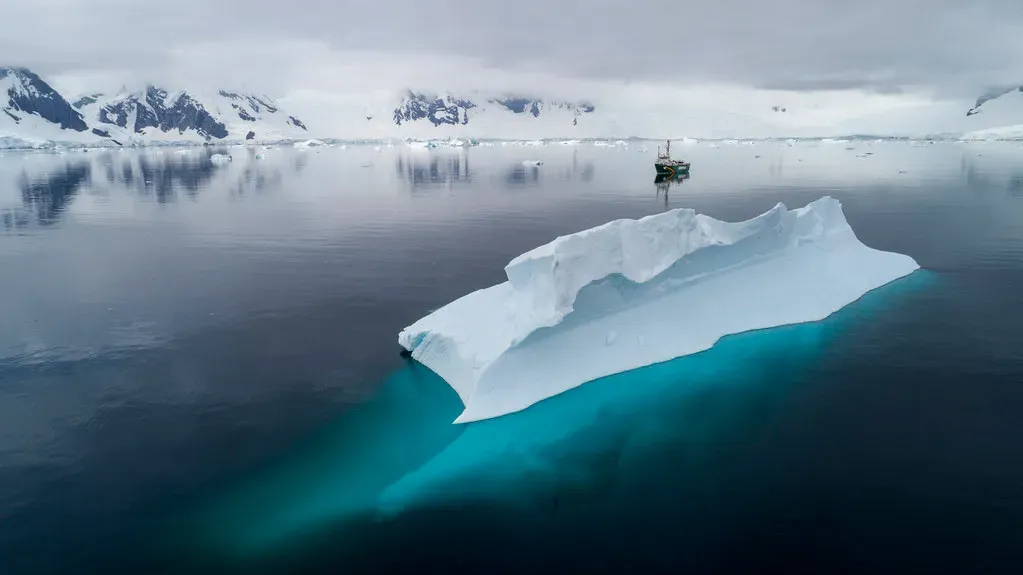
This discovery reminds us that life finds ways to persist in places we once wrote off as barren. The sponges and their neighbors demonstrate adaptability that goes beyond simple survival. They force a reevaluation of the limits we place on where complex organisms can thrive.
At the same time, the find underscores how much remains unknown about the seafloor beneath Antarctica’s ice. Continued research will likely uncover more surprises rather than tidy answers. In the end, these resilient communities highlight both the fragility and the remarkable persistence of life in our changing polar regions.

- Science Says Sponges and Other Animals Were Found Living on a Boulder Beneath Nearly 900 Meters of Antarctic Ice - November 12, 2026
- 8 Facts About American Alligators That Explain How Their Lineage Has Survived Since the Age of Dinosaurs - November 12, 2026
- 10 Most Famous Ghost Towns in The USA - November 12, 2026